Category

Print Design

Book covers, menus, brochures, annual reports and newsletters — design for print.

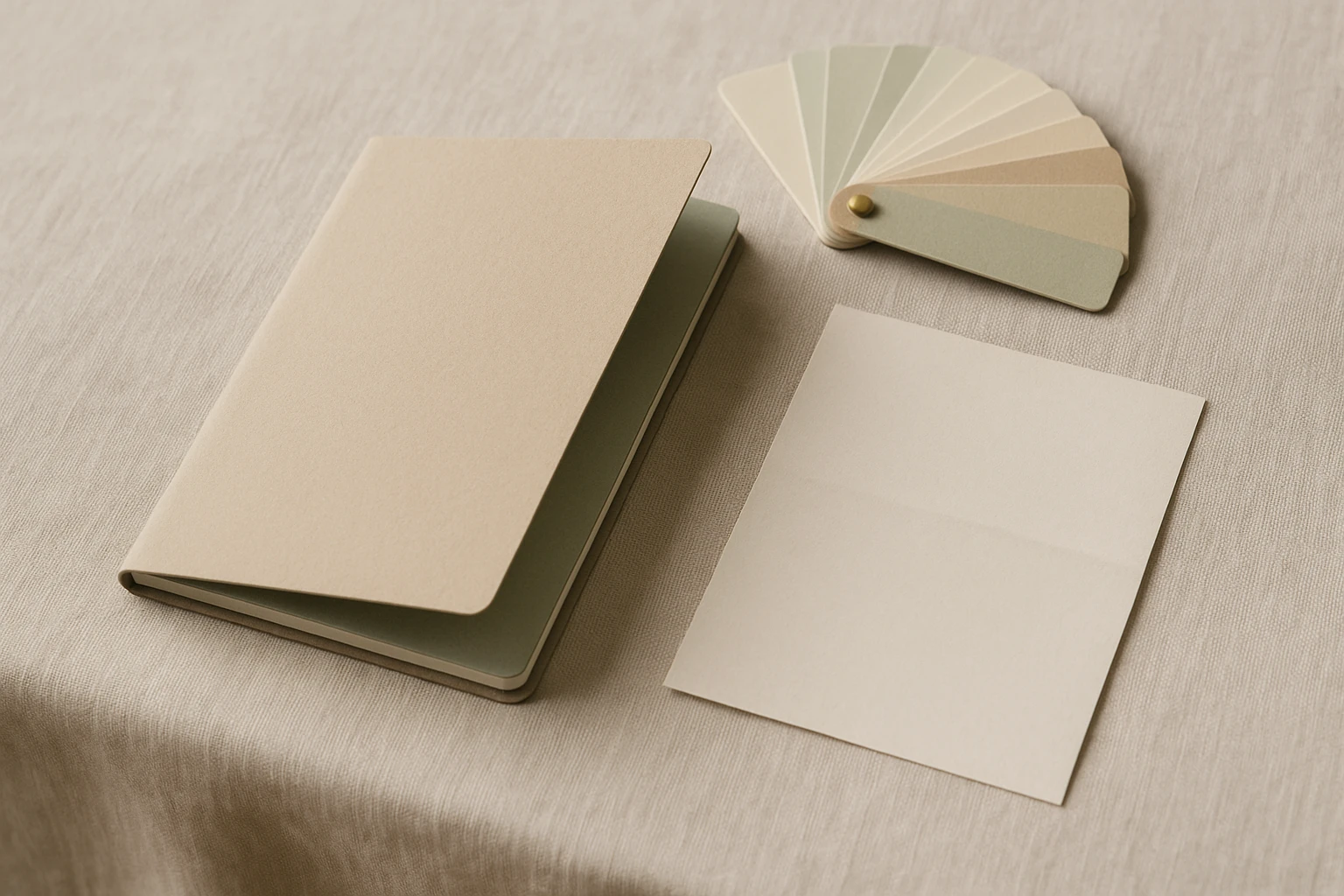
A closed menu in a warm card cover resting on a linen-covered table beside a printer's paper swatch fan and a loose folded insert sheet

Menu Engineering Meets the Print Spec: From Four Quadrants to a Menu You Can Reprint

Menu engineering tells you which dishes to promote. Menu design guides tell you which trim size to print. Neither one tells you how to get from the first to the second — and that gap is why most menu analyses are never acted on. This is the join: the contribution-margin maths, the reprint wall that decides your analysis cadence, the item budget your trim size actually buys you, the full print specification, and the four surfaces your menu now lives on that quietly disagree with each other.

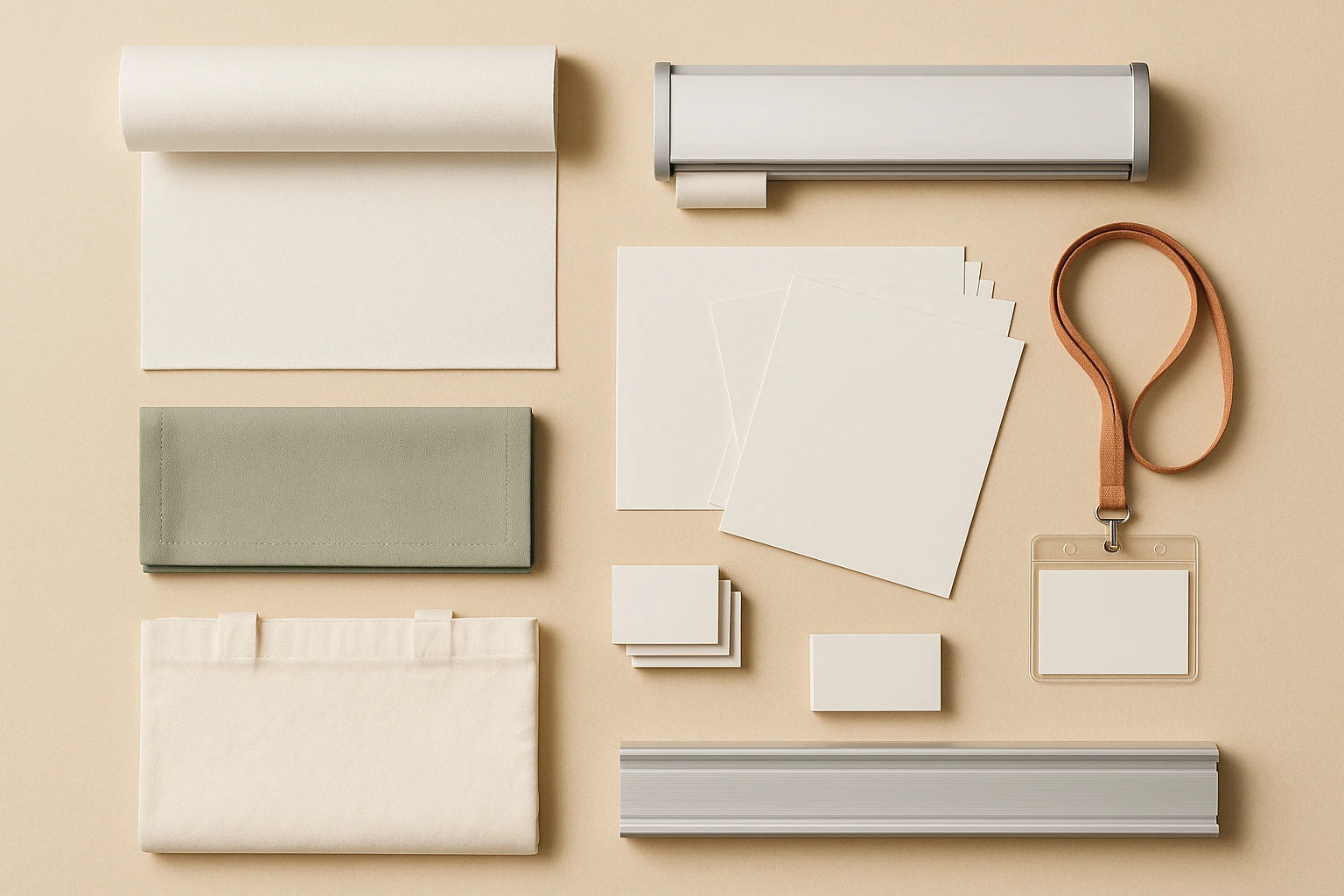
Overhead arrangement of blank, unbranded exhibitor collateral — rolled fabric backwall panel, retractable banner cassette, table runner, folded one-pagers, badge holder and tote — laid out on a warm cream surface

The Trade Show Asset Checklist: Every Graphic You Need, With Lead Times and the Deadlines That Actually Govern

Exhibitor checklists tell you to bring business cards and comfortable shoes. None of them tell you that your real artwork deadline is set by the show's advance warehouse cutoff rather than by your printer — and that it usually lands weeks earlier than you think. This is the exhibitor-side asset list: every graphic a booth needs, production lead times by display system, the artwork specs each system demands, and the two independent deadline stacks you have to schedule against.

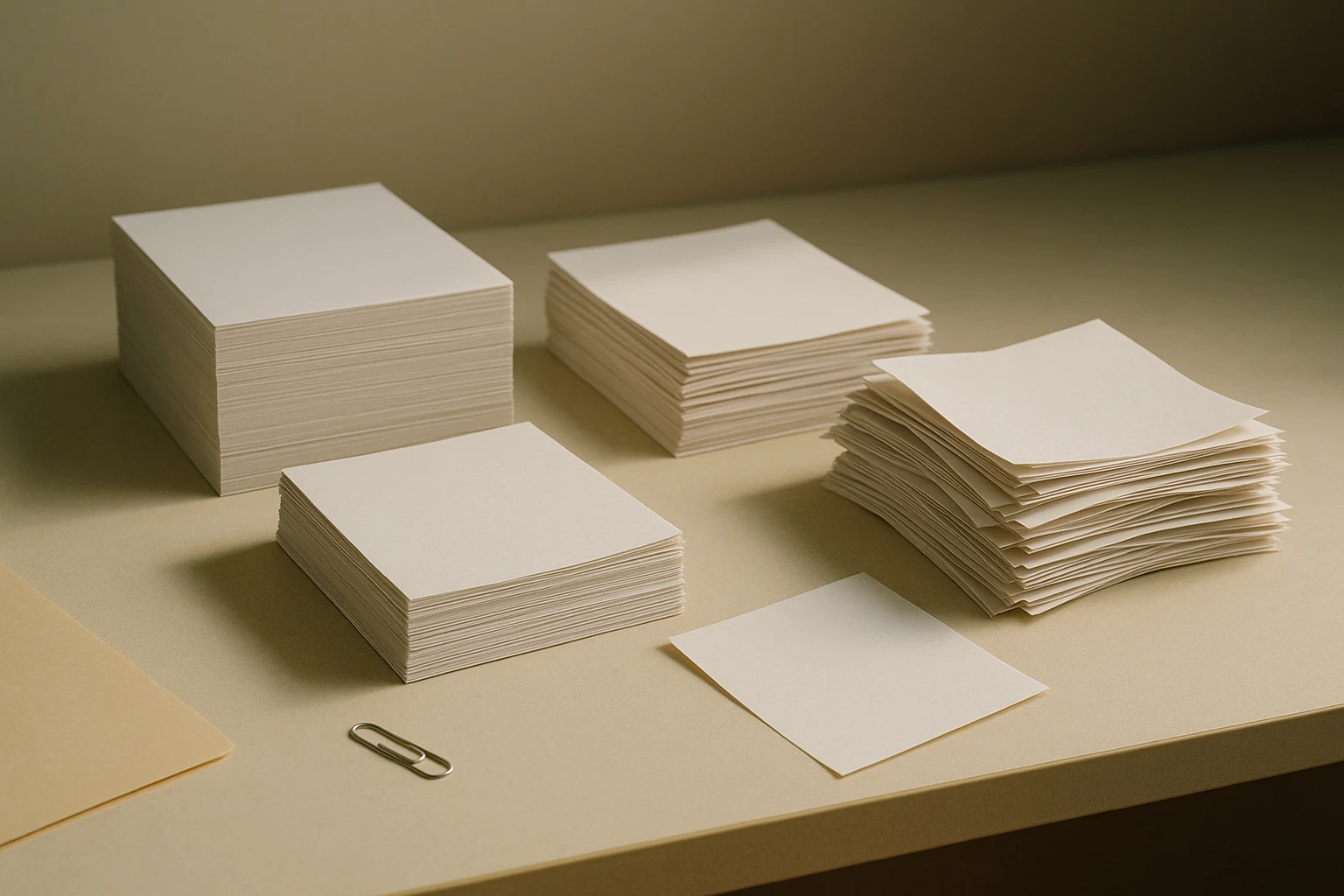
Overhead view of a warm cream desk with several stacks of blank unmarked documents, some crisply squared and some slumped and misaligned, suggesting a document estate that has drifted out of order

Onboarding and HR Document Systems: The Part Nobody Owns

Every guide to onboarding documents is a compliance checklist telling you which forms must exist. None of them tell you what happens next: that a mid-sized company is carrying sixty to ninety separate HR documents, that the number that breaks you is versions rather than documents, that nobody in the org chart actually owns the artefact, and that a handbook nobody reads is a weaker piece of legal evidence than one they do. This is the production side — the real inventory, the version math, the three-tier template system, the accessibility requirement nobody budgets for, and what a rebuild costs three different ways.

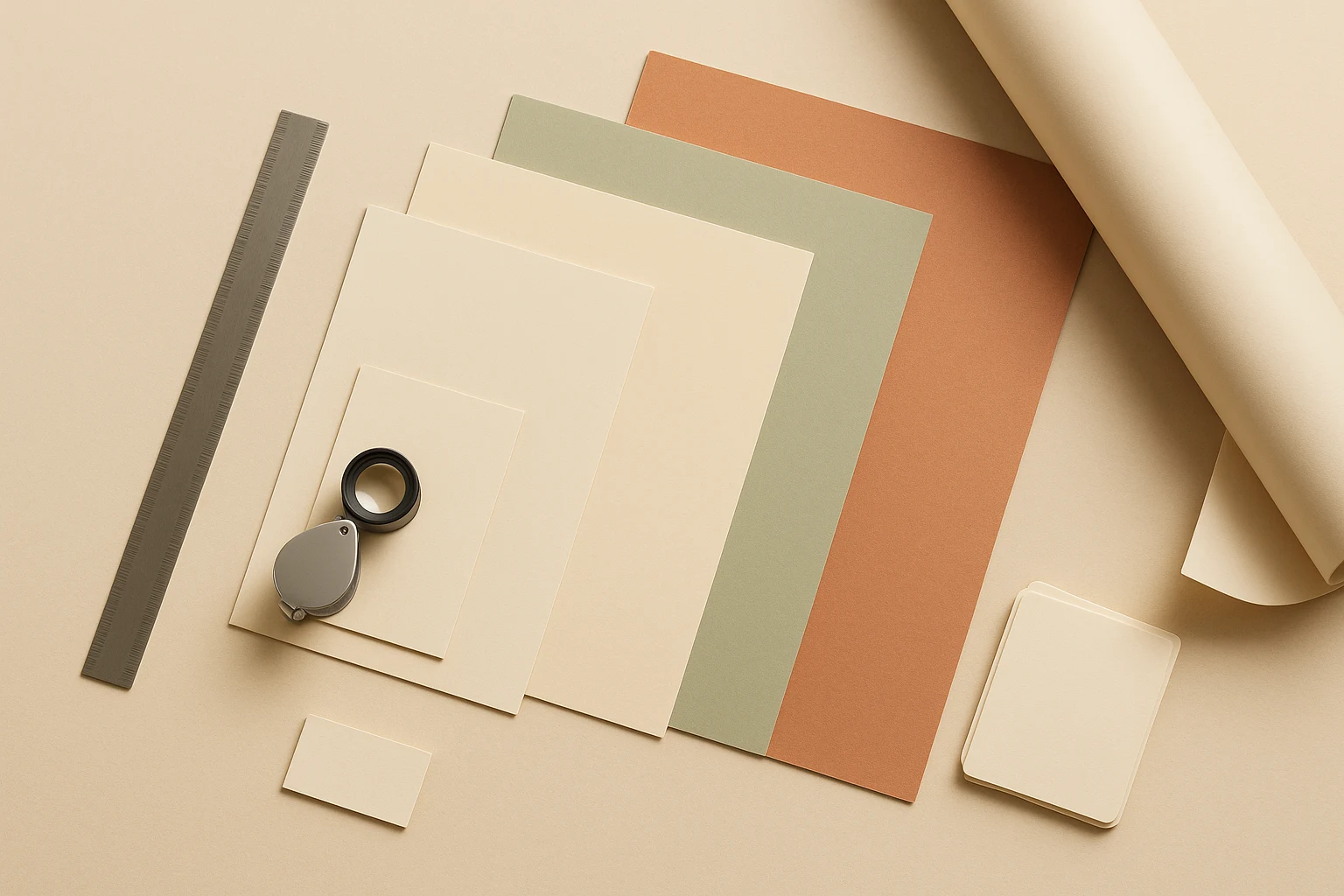
Overhead editorial view of a large format print studio bench — blank cream, sage and terracotta print samples in graduated sizes fanned across a warm surface beside a loupe, a steel rule and a roll of unprinted banner media

Resolution for Large Format: DPI by Print Size and Viewing Distance

The complete resolution specification for large format print — why 300 DPI is wrong above a certain size, the acuity maths that produces the real number, effective resolution and the scaling trap that causes most failures, working at scale, the file size ceiling that makes a 300 DPI billboard physically impossible, and the substrate limits that cap resolution no matter what you supply.

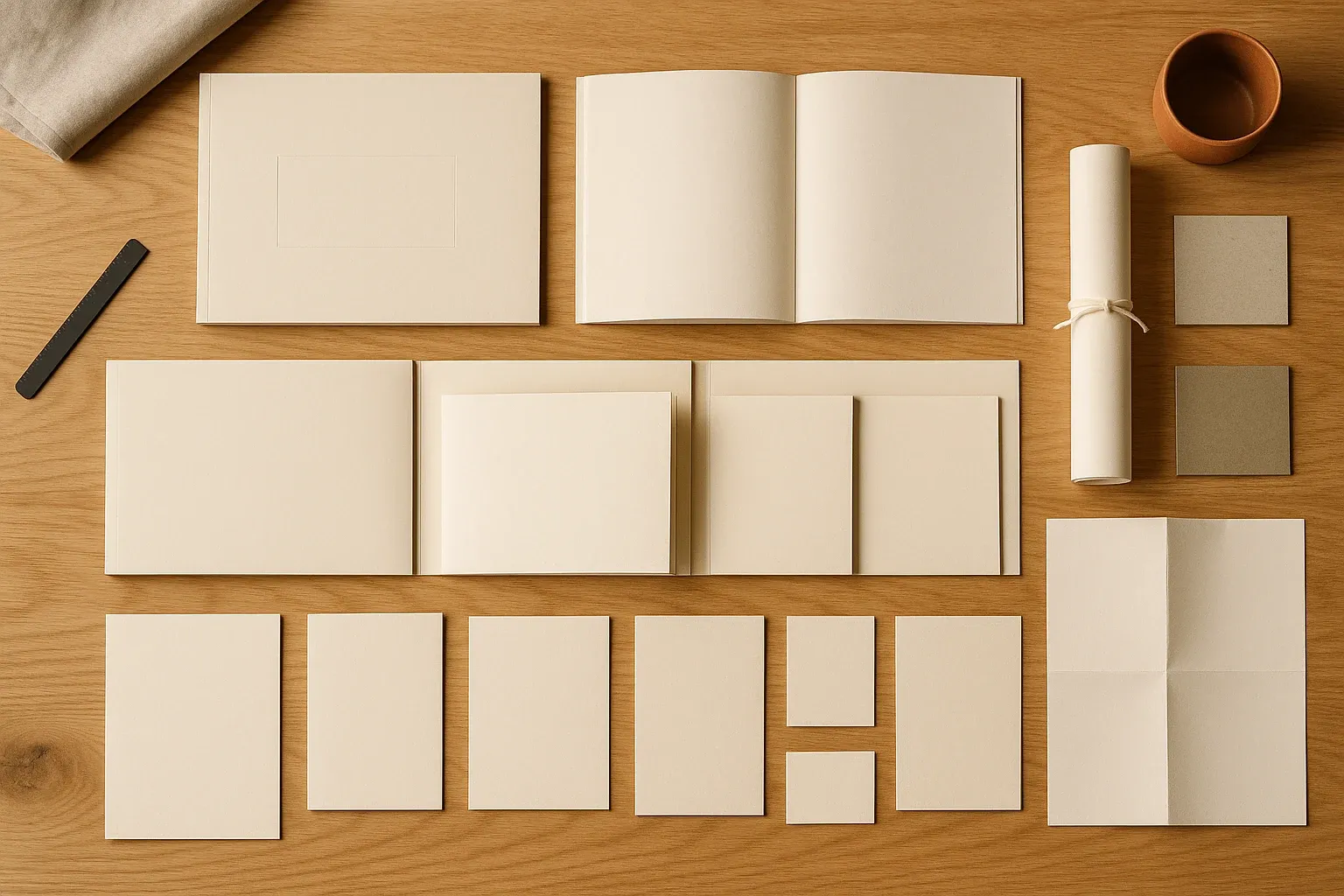
Overhead arrangement of blank event collateral — folded programme, delegate badge and lanyard, table tent, rolled banner, signage panel and tote — laid out on a warm cream surface

The Event Organiser's Production Timeline

Every event planning timeline you can find schedules venue, catering, AV and registration — and treats design as a single line item called 'branding'. But the artwork half is the half with immovable deadlines, because fabric takes fourteen days to print and a stage set takes eight weeks. This is the countdown built backwards from doors-open: lead times by asset class, the three lock dates that are not the same date, why sponsors blow the print deadline every time, and what physically cannot be changed once it is made.

Overhead arrangement of blank printed goods and merchandise blanks — a folded poster, tote, mug, t-shirt, sticker sheet and packaging carton — laid out on a warm cream surface

Stock Asset Licensing for Print Runs and Merchandise

Almost every guide to stock licensing answers the wrong question. Volume and resale are two separate permissions, sold separately, and a licence that fixes one does not fix the other. This is the operator's guide — the primary-value test, what actually counts toward a 500,000 print run, who in a four-party chain has to hold the licence, the release problems a correct licence does not solve, what it costs, and the register that keeps it bounded.

Overhead view of a print shop estimating desk with blank paper stock swatches, an ink swatch fan, a loupe, a job docket and a pencil arranged on a warm neutral surface

What Should a Print Shop Charge for Design Work? The Pricing System, Not a Rate Survey

Most print shops give away design because they have never costed an art hour. This is the operator's system: what an art hour actually costs you, the four pricing models and what each does to margin, a rate card by job type, the five states a customer file arrives in and what to charge for each, the exact threshold for waiving design against a print order, and the KPIs that tell you whether any of it is working.

Overhead view of a sign fabricator's bench — blank cream, sage and terracotta sign panels laid out in a grid beside a steel tape measure, calipers, a folding rule and a graduated stack of acrylic squares, representing letter height specification before fabrication

Signage Spec Guide: Letter Height by Viewing Distance

The complete specification guide to sign letter height — why the 1-inch-per-10-feet rule contradicts every other chart, the arcminute maths that reconciles them, cap height versus point size, speed-based distance for roadside signs, ADA minimums, and the artwork spec that gets it built right.

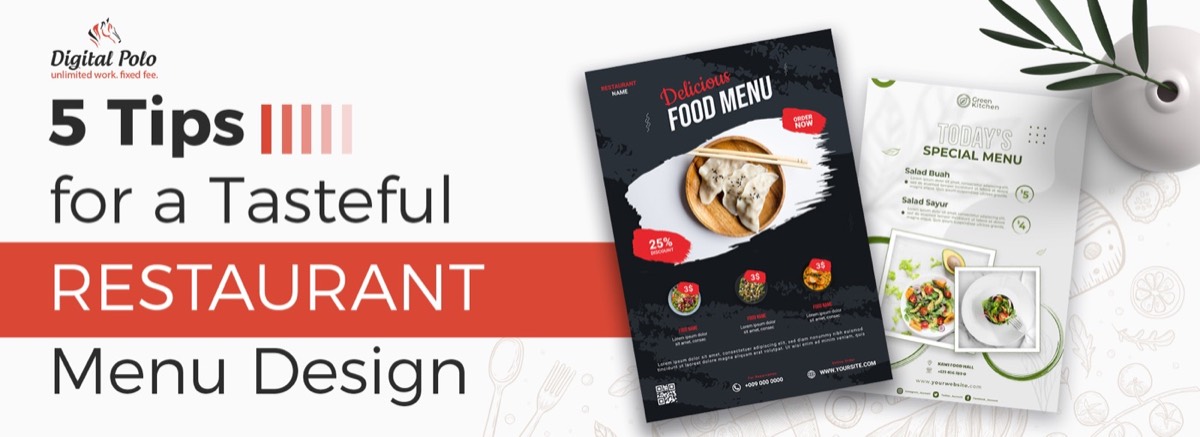
5 Tips For a Tasteful Restaurant Menu Design

5 Tips For a Tasteful Restaurant Menu Design

Your menu is your most powerful sales tool. These 5 restaurant menu design tips cover layout, typography, color psychology, and item placement to help you create menus that look great and drive higher order values.

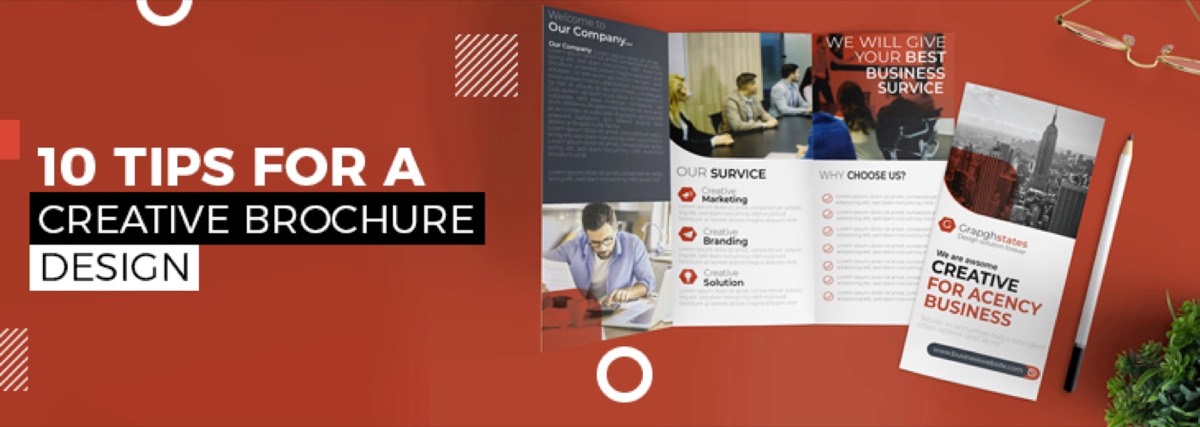
10 Tips for a Creative Brochure Design

10 Tips for a Creative Brochure Design

A great brochure design grabs attention and explains what you do — without overwhelming the reader. These 10 tips cover layout, typography, color, paper, and the five C's of brochure design to help you create marketing collateral that actually works.

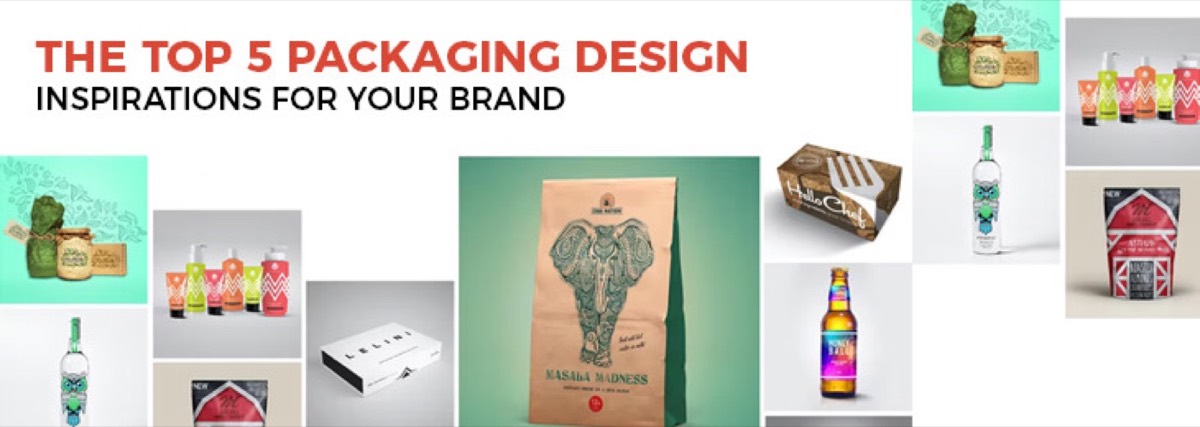
Top 5 Packaging Design Inspirations for Your Brand

Top 5 Packaging Design Inspirations for Your Brand

Packaging is the first physical touchpoint between your brand and your customer. These 5 packaging design approaches — from custom logo boxes to sustainable packaging — show how brands use packaging to create genuine competitive advantage.

Book Cover Design Ideas That Make Readers Stop and Look

11 Book Cover Design Ideas That Make Readers Stop and Look

A book's cover is its primary sales tool — and the visual decisions made there determine whether a reader picks it up or moves on. These 11 book cover design ideas cover minimalism, bold typography, retro elements, collage, real photography, and premium finishing to help your book stand out in any market.

Business Cards: Do You Still Need One?

Business Cards in 2026: Do You Still Need One?

Business cards remain one of the most effective tools for making a lasting first impression — even in a digital world. This guide covers why a well-designed business card still matters, what to include, and how to design one that actually gets kept.

21 Catalogue Design Ideas That Make Your Business Stand Out

21 Catalogue Design Ideas That Make Your Business Stand Out

Catalogues remain one of the most powerful direct marketing tools — but most are forgotten the moment they're set down. These 21 catalogue design ideas cover format, structure, typography, color, print techniques, and interactivity to help your catalogue get kept, shared, and acted on.

WhatsApp
WhatsApp$399/mo