Digitalization is everywhere. Contracts are signed electronically, networking happens on LinkedIn, and contact details live in our phones. So the obvious question is: does a small piece of printed cardstock still matter?
Yes. And if anything, business cards matter more now that everyone assumes they're obsolete.
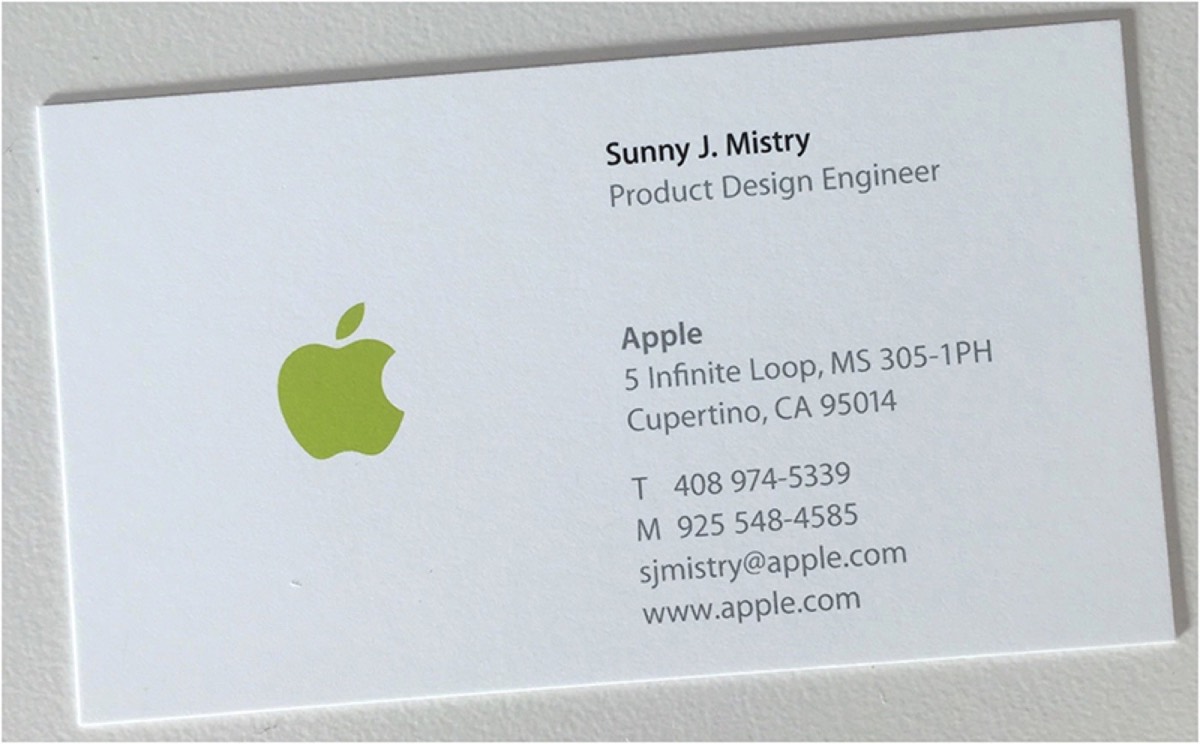
A well-designed business card does something your LinkedIn profile or digital contact share cannot: it creates a physical, tangible impression in the moment you meet someone. That moment is valuable — and most people squander it.
Not Everyone Operates Fully Digitally
It's easy to assume everyone has a smartphone with instant contact-sharing capabilities. They don't. Plenty of business owners, especially in traditional industries — construction, real estate, retail, manufacturing — conduct business the old way. Handing over a card is the most natural, frictionless way to exchange information.
Even among fully digital professionals, fumbling to find your contact in a phone app during a first meeting creates awkward dead time. A business card is instant. The exchange takes two seconds and leaves both parties with something in hand.
The First Impression Starts Before You Speak
When you hand someone a business card, that card communicates something about you before they've read a single word. A card that's well-designed — crisp printing, thoughtful layout, good quality stock — signals that you take your business seriously. A cheap, flimsy card with a stock template design signals the opposite.
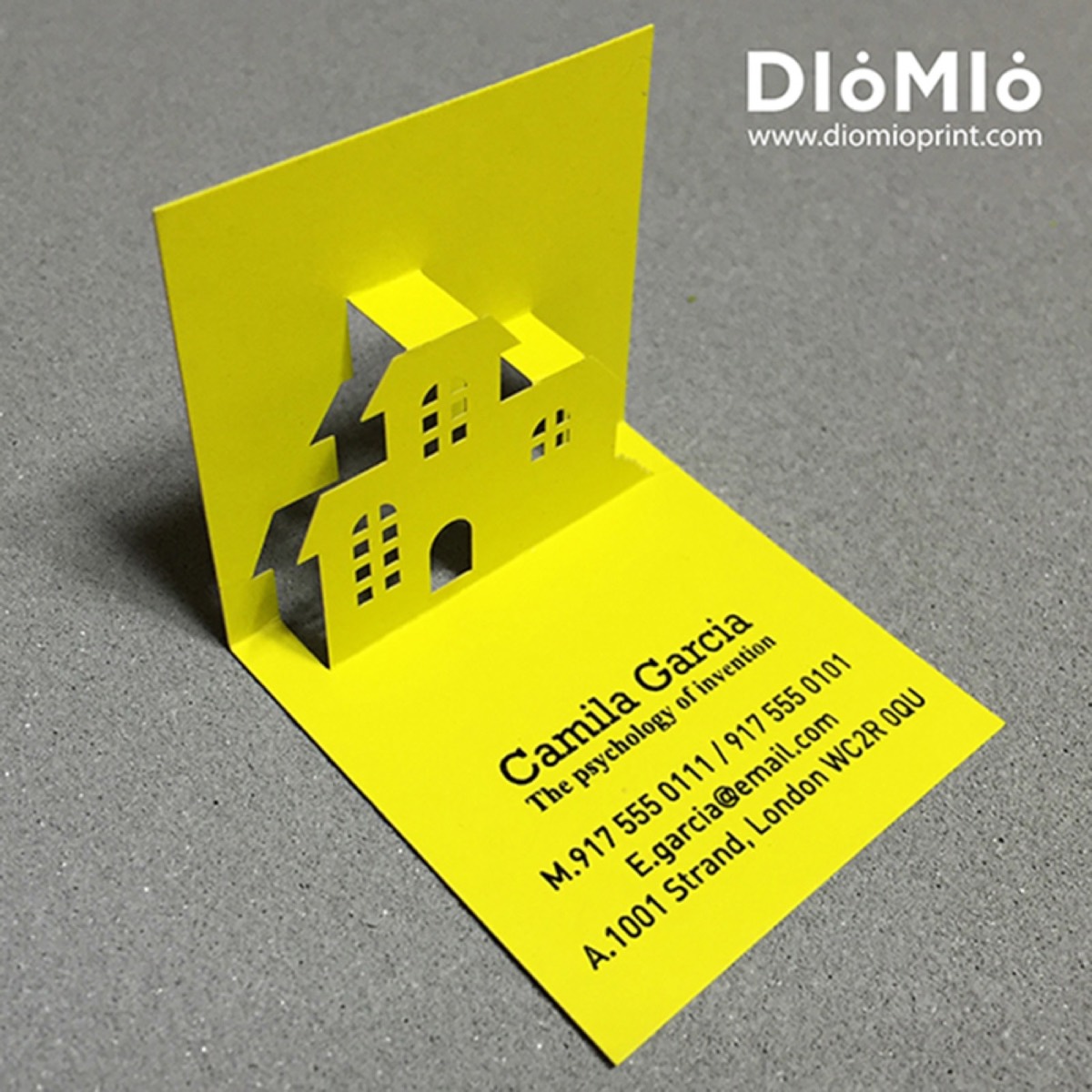
Professionals remember people who hand them a card that stands out. They remember the card itself — the feel of the paper, the unusual format, the color that matches the brand. That sensory memory creates a bridge back to the meeting in a way that a LinkedIn connection request doesn't.
Business Cards as a Portable Marketing Tool
Consider the trade fair scenario: you meet a prospect while traveling, at an industry event, or during an in-person sales call. Emailing them on the spot feels forced. Directing them to your website adds a step they probably won't take immediately. Handing them your card is immediate and natural. A business catalogue makes a great companion piece at these events — leave both, and you've given prospects something to browse at their own pace.
Your business card design should include:
- Your name and job title
- Company name and logo
- Phone number and email
- Website URL
- One social handle if it's professionally relevant (LinkedIn for B2B)
When the card contains the right information and looks good, you've left your prospect with everything they need — and you've done it in the time it takes to shake a hand.
Need a business card design that makes the right impression? See Digital Polo's plans →
A Card Adds Legitimacy to Your Business
There's a psychological effect that comes with handing over a physical card. It says: this business is real, established, and professional. A prospect who receives your card believes you take your work seriously, because people who don't don't bother.
This matters especially for small businesses, freelancers, and startups where trust has to be built quickly. A well-designed card is a low-cost credibility signal that earns disproportionate returns.
Business Card Design: Small Format, High Stakes
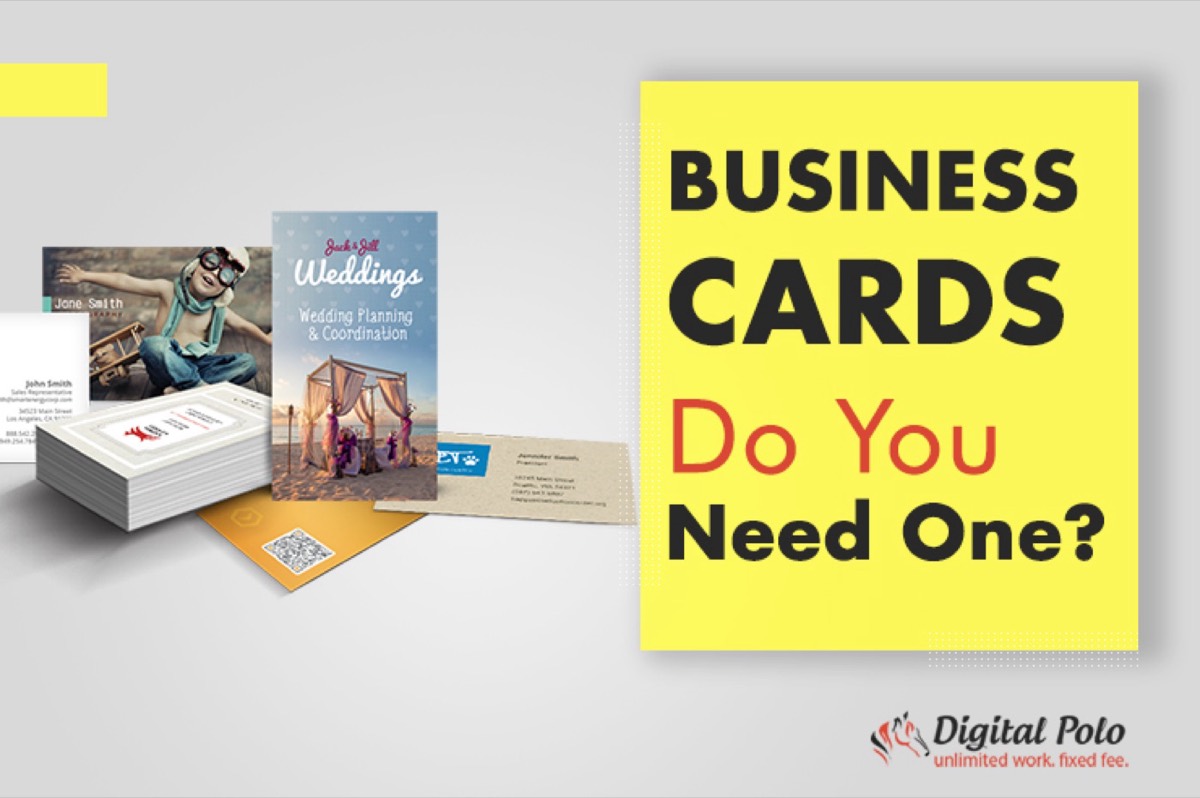
The challenge of business card design is significant. The standard card (3.5" × 2") is tiny, but it has to carry your visual identity — logo, color palette, typography — and all the key contact details without feeling crowded. If you're thinking through your full print marketing suite, the same principles that apply here extend to brochure design — concise, visually clear, and on-brand throughout.
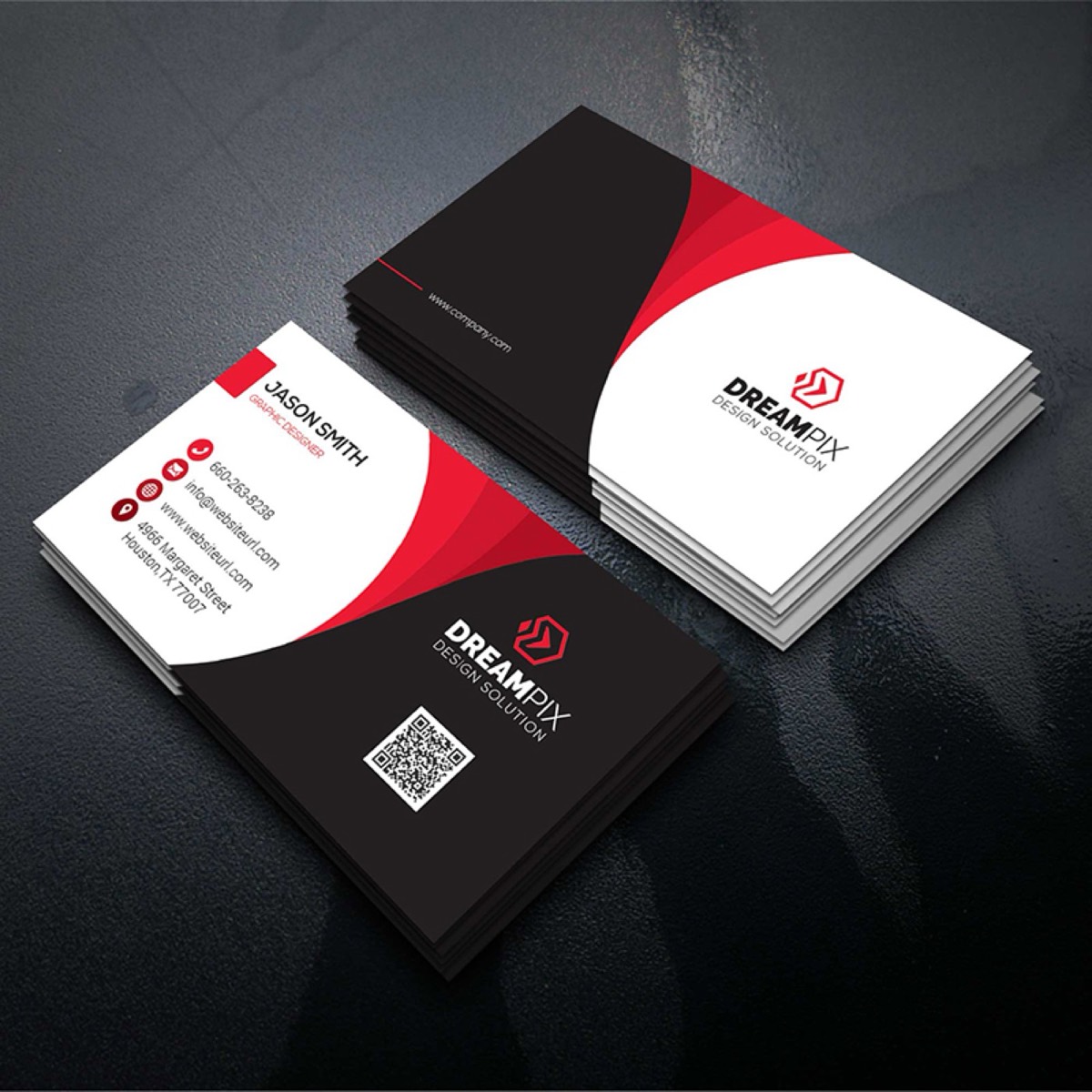
A few design principles that separate good cards from forgettable ones:
- Use quality stock. Thick, premium cardstock communicates value the moment someone touches the card. Thin paper undercuts even a good design.
- Leave breathing room. White space is not wasted space. Cards that pack in every possible detail look cluttered and are harder to scan.
- One side for contact, one side for brand. Many effective cards use the back for a strong visual — the logo large, a brand color, or a relevant image.
- Print in full color if your brand warrants it. Spot UV, embossing, and foil printing create tactile details that make a card genuinely memorable.
Conclusion
In a world of digital-everything, a well-designed physical business card is a differentiator — not a legacy artifact. When everyone else is fumbling with apps, you hand over a card. When everyone else has moved to LinkedIn, you leave behind something tangible. Your newsletter keeps you in a prospect's inbox after the meeting — combine both touchpoints and you've built a complete first-contact experience that's hard to forget.
The card you hand over is a small but significant representative of your business. Design it like it matters, because to the person who receives it, it does.
Ready to design a business card that makes the right first impression every time? Digital Polo creates professional business card designs — including identity kits with cards, letterheads, and brand materials — for one flat monthly fee. Start for $399/mo → | Soulmate at $899/mo →
Frequently Asked Questions About Business Card Design
Are business cards still relevant in 2026? Yes. Despite digital networking tools, physical business cards remain one of the most effective ways to make a memorable first impression. They provide instant, frictionless contact sharing, create a tangible brand touchpoint, and carry a legitimacy signal that digital-only exchanges lack. In many industries and international business contexts, exchanging a card remains the standard professional introduction.
What should a business card include? A business card should include: your full name, job title, company name and logo, phone number, email address, and website URL. Optionally include one relevant social handle (LinkedIn for B2B). Avoid including every contact channel — keep it to the essentials so the card stays clean and easy to scan.
What makes a good business card design? Effective business card design uses quality cardstock, clear visual hierarchy, appropriate white space, and consistent brand elements (logo, colors, typography). The design should reflect your brand identity — a creative agency card should look different from a law firm card. Finishing options like spot UV, embossing, or foil add a premium tactile quality that makes the card memorable.
What is the standard business card size? The standard business card size in the US is 3.5" × 2" (88.9mm × 50.8mm). In Europe, the standard is slightly smaller at 85mm × 55mm. Always design with a 1/8" bleed on all sides if your design extends to the edge. Minimum font size for body text is 8pt; most designers use 9–10pt for readability.
How much does a professional business card design cost? A professional business card design from a freelancer typically ranges from $50–$300 for the design file. Design agencies charge more but provide brand-consistent output and revisions. Digital Polo offers unlimited business card designs — along with all other brand and marketing materials — for a flat monthly subscription starting at $399/mo, which makes iterating on designs significantly more cost-effective.