Scientists studying consumer behavior have demonstrated that wine genuinely tastes better when served from a beautiful bottle — not because the label affects flavor, but because expectations shape experience. The brain uses visual input to calibrate what the senses anticipate, and packaging is the signal that sets those expectations before the product is ever touched, tasted, or used.
This is the commercial logic behind packaging design: it doesn't just contain a product, it sells it. The right packaging creates an emotional response in the 50 milliseconds before a customer has consciously evaluated what they're looking at.
What Is Package Design?
Packaging design is the process of creating product containers that serve both functional and brand communication purposes. It encompasses the physical form of the container (box, bottle, pouch, tube, can), the materials chosen, and the visual elements applied to the surface — typography, color palette, imagery, and logo.
Effective packaging design integrates two requirements simultaneously:
- Functional: the packaging must store, protect, and transport the product effectively
- Brand: the packaging must communicate the brand's identity, quality positioning, and product promise
The most important packages are the ones that do both without any tension between them — where the form and the branding reinforce the same message.
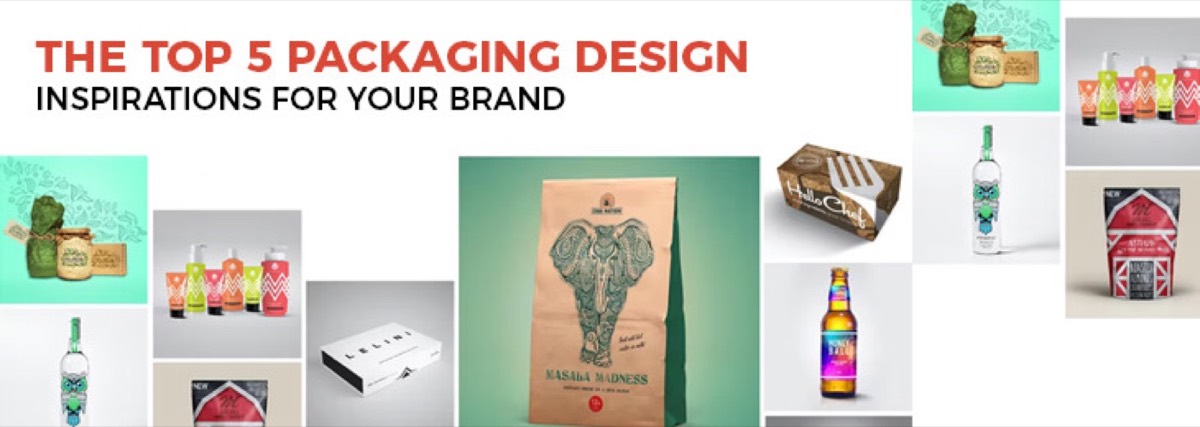
The most common packaging formats:
- Boxes (standard and custom)
- Bags, packets, and pouches
- Tubes and bottles
- Jars, cans, and wrappers
- Mailer and shipping boxes
The product category typically dictates the primary format, but within that constraint there is significant creative latitude — and the brands that exploit that latitude are the ones that stand out in retail environments and at doorsteps.
5 Packaging Design Approaches Worth Studying
1. Logo-Branded Custom Boxes
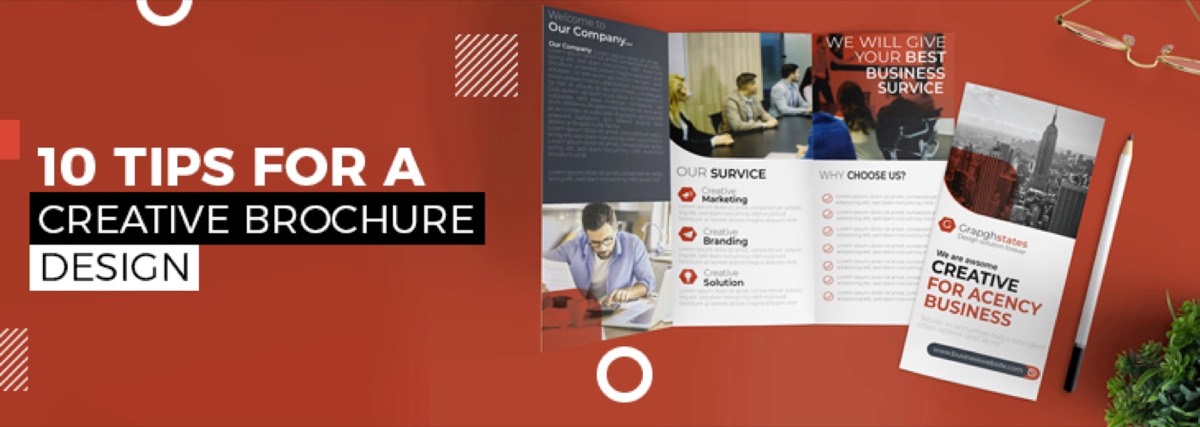
Custom-printed boxes are the most versatile packaging format: they serve both the functional role of containing and protecting the product and the brand role of creating a visual identity moment at unboxing. The same design thinking applies to flat print materials — the principles covered in creative brochure design translate directly to packaging surface design.
For e-commerce brands, the shipping box is the first physical interaction a customer has with the brand after the website. A generic brown mailer signals commodity. A custom-printed box with brand colors, logo, and perhaps a tagline on the interior flap signals investment — and investment in packaging signals investment in the product.
The unboxing moment has become a genuine brand marketing channel. Unboxing video content on YouTube and TikTok generates hundreds of millions of views annually, and the packaging is the primary design element in those videos. Brands like Apple, Glossier, and Allbirds have built cult-level loyalty partly through packaging experiences that customers actively want to share.
Custom mailer boxes are more affordable than most businesses assume, particularly with services that allow low minimum order quantities and online design tools.
2. Personalized and Handcrafted Packaging
At a time when most brands optimize packaging for scale and cost efficiency, deliberately personal packaging creates a powerful counterpoint. A handwritten note, a custom stamp, branded tissue paper, or a package that appears to have been assembled with care for the specific recipient signals the kind of attention that larger competitors systematically can't match.
This approach is particularly effective for:
- Subscription box services building subscriber loyalty
- Artisan and handcraft brands where the personal quality of the product is the brand story
- Luxury and gift products where the opening experience is part of the purchase
- Customer retention: rewarding loyal customers with upgraded packaging experiences
Customers who connect emotionally with a brand's packaging spend more, refer more, and post more. The investment in handcrafted packaging detail typically generates returns that paid advertising cannot match dollar-for-dollar.
3. Emotionally Resonant and Character-Driven Design
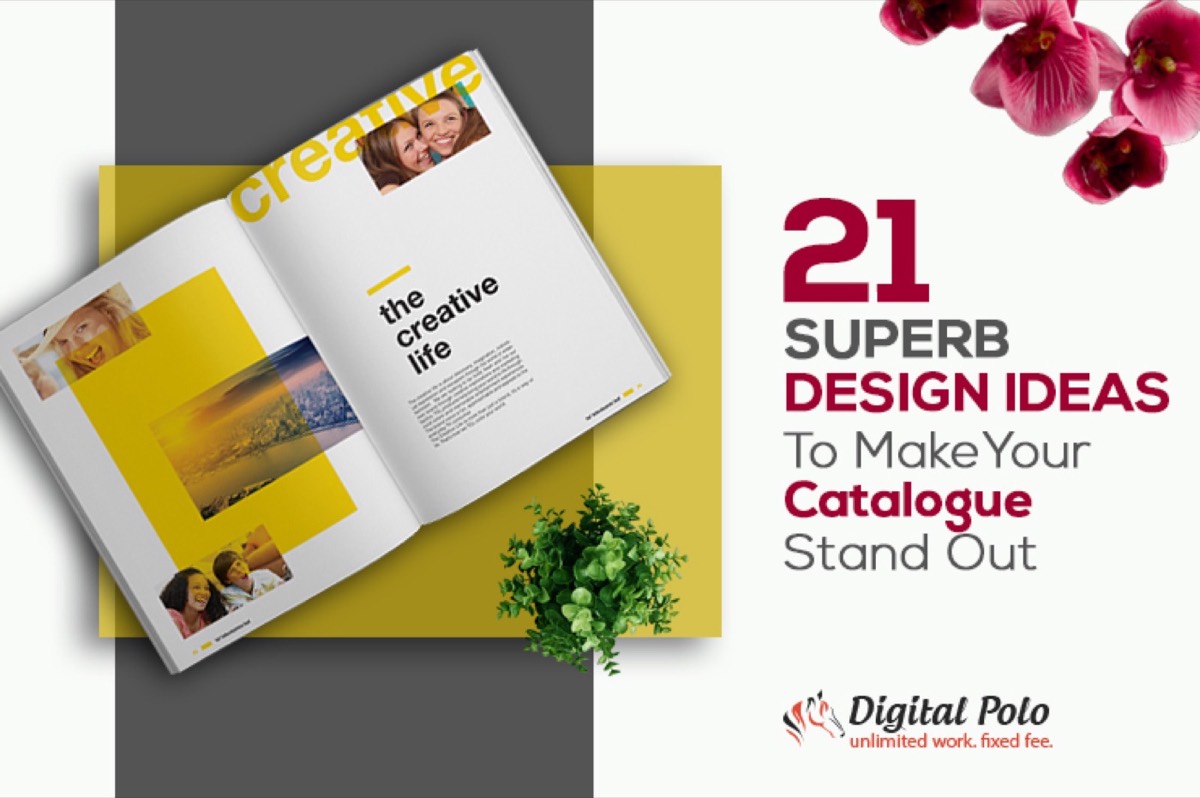
Heart-warming, character-driven packaging — cute mascots, soft color palettes, illustration-based design — consistently outperforms rational-message packaging in categories where the purchase is driven by feeling rather than logic. This principle extends to how brands present their full product range: thoughtful catalogue design ideas use the same emotional cues to make printed product presentations feel cohesive and compelling.
The psychology: specific emotional triggers (warmth, playfulness, nostalgia, aspiration) activate more of the brain than neutral packaging. A study using functional MRI showed that brand recognition activates the full brain, while unbranded products activate only the product-evaluation regions. Character-driven packaging accelerates that brand activation.
The condition: the emotional register of the packaging must match the audience. Children's food packaging built around playful cartoon characters would be inappropriate for cannabis or pharmaceutical products. The emotional language must be calibrated to the target customer's specific aesthetic sensibility.
4. Minimalist and Contemporary Packaging
The minimalist packaging approach communicates quality through restraint. Simple geometric forms, clean typography, limited color palette (often two colors or less), and generous negative space signal premium positioning without relying on decoration.
Apple is the canonical example — white, minimal, tactile, with product photography as the primary visual element. The packaging signals the same values as the product itself. Removing ornamentation forces every remaining element to be purposeful.
The test for whether minimalist packaging is working: strip away the logo and see if the packaging still communicates a distinctive brand. Generic minimalism — white box, black text — is not a brand statement. True minimalist design has a strong point of view within the constraints.
Contemporary minimalist packaging works best for:
- Technology and consumer electronics
- Premium personal care and beauty
- Health and wellness products positioned on efficacy over indulgence
- Direct-to-consumer brands with sophisticated target demographics
5. Sustainable Packaging Design
Sustainability in packaging has moved from a niche positioning to a mainstream expectation. A 2024 Nielsen survey found that 66% of global consumers and 73% of millennials are willing to pay more for sustainable products — and the packaging is a visible signal of whether those claims are authentic.
Sustainable packaging design approaches:
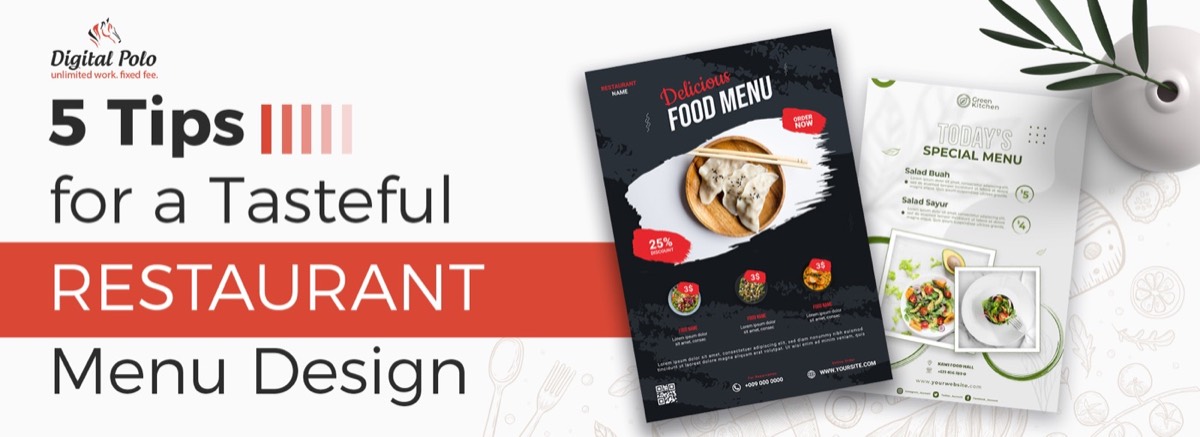
Material choices: Kraft paper, recycled cardboard, plant-based inks, and compostable mailers. Food service businesses can draw inspiration from tasteful restaurant menu design, where sustainable material choices and thoughtful layout create a consistent brand experience from packaging to table. These materials have their own visual vocabulary — natural texture, earth tones, unbleached finishes — that communicates environmental commitment before any copy is read.
Koyah's color-coded packaging is a case study in sustainable brand communication done well. The supplement brand packages its powdered fruits and vegetables in paper colored to match the product — yellow for banana, green for spinach, orange for orange powder — with no printed graphics. The packaging material communicates the product while the color communicates the brand. Zero excess, zero ambiguity.
Minimal packaging volume: Designing to reduce excess material — smaller boxes, reduced filler, packaging sized to the product rather than a standard box — signals environmental awareness and reduces shipping costs simultaneously.
Transparent sourcing communication: Brands that communicate specifically about the materials they use and why — not just a vague "eco-friendly" claim — build stronger credibility with environmentally motivated consumers.
Sustainable packaging is a brand investment that signals values, creates content, generates press, and appeals to a growing consumer segment. For brands where environmental values are part of the positioning, it is a non-optional element of the brand identity.
Conclusion
Packaging design is a direct revenue driver, not a cost of goods. It determines the first physical impression your brand makes, creates the unboxing experience that customers share, and signals the quality and values of the product inside before it has been tried.
The brands that invest deliberately in packaging — from the structural form to the surface design to the materials — consistently outperform competitors who treat packaging as a logistical afterthought.
Whether your brand calls for branded custom boxes, minimalist restraint, sustainable materials, or character-driven warmth, the principle is the same: every surface of your packaging is a brand communication opportunity. Use it.
Need packaging design that reflects your brand's quality? Digital Polo creates print-ready packaging design — labels, boxes, mailers, and more — for one flat monthly fee with unlimited revisions. Start for $399/mo → | Soulmate at $899/mo →
Frequently Asked Questions About Packaging Design
What makes good product packaging design? Effective packaging design serves two goals simultaneously: functional (it protects and stores the product) and brand (it communicates the brand's identity and quality positioning). The best packaging is immediately recognizable, communicates the brand values without requiring words, creates a positive emotional response at the moment of encounter, and performs consistently across retail shelf, doorstep delivery, and social media photography.
What is sustainable packaging design? Sustainable packaging design uses materials and approaches that reduce environmental impact: recycled or recyclable materials, plant-based inks, minimal packaging volume, compostable mailers, and reduced excess filler. Beyond environmental benefit, sustainable packaging communicates brand values to environmentally motivated consumers and has become a mainstream expectation in categories like food, beauty, wellness, and direct-to-consumer retail.
How does packaging affect brand perception? Packaging shapes brand perception before the product is experienced. Consumers form impressions within 50 milliseconds of encountering packaging — faster than any copy can be read. Premium materials and finishes signal high-quality product. Generic or poorly designed packaging signals commodity. Studies using functional MRI have shown that brand recognition activates significantly more brain activity than unbranded alternatives — packaging is the trigger for that recognition.
What are the different types of product packaging? The main packaging formats are: boxes (standard mailer and custom-printed), bags and pouches, bottles and jars, tubes, cans, and wrappers. Within each format there are variants: mailer boxes, folding cartons, rigid boxes, flexible pouches, shrink wrap, and more. The product category typically defines the functional format; the brand design opportunity exists in how that format is customized, printed, and finished.
How much does custom packaging design cost? Custom packaging design costs vary significantly by scope. Freelance packaging design for a single product typically runs $300–$1,500. Agency packaging projects run $2,000–$10,000+. Print production costs are separate and depend on materials, quantities, and finishes. A design subscription like Digital Polo includes packaging design as part of a flat monthly fee, eliminating per-project costs and enabling iteration on packaging designs as your brand evolves.