


Content is King.
It is one of the most essential tools for marketers. That's why all brands focus on creating attractive content for their customer base. Almost 93% of B2B marketers use content marketing — that's how crucial content writing is for your company.
Consider Demandbase, an account-based marketing company. They generated 1,700 leads, over $1 million in additional revenue, and 125 new webinar viewers through their content marketing alone. The firm used white papers, infographics, SlideShare presentations, and webinars to source new leads for their campaigns. That's the power of content.
Many large, established brands — Rolex, Nike, Cisco, and Coca-Cola — have used active content marketing successfully to increase their brand image and revenue.
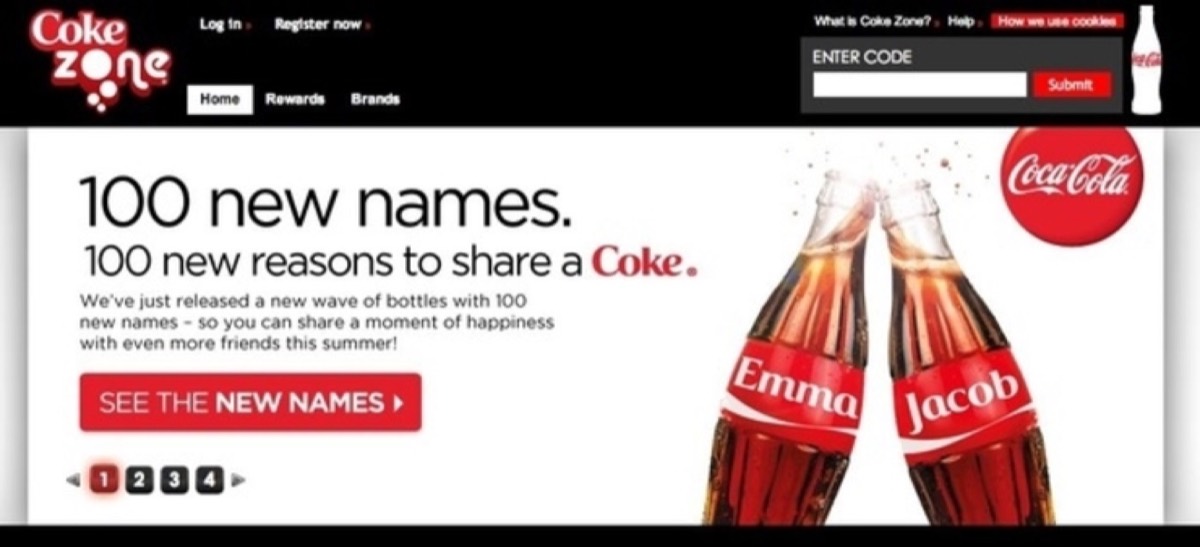
Coca-Cola used personalization of their bottles with simple, cool, and breezy content. They made the campaign light, fun, and peppy and used Facebook, Twitter, and other platforms freely and extensively.
Result
- More than 500,000 photos were shared using the #ShareaCoke hashtag
- There were 25 million new Facebook followers
- Traffic on Coca-Cola's social media sites increased by 870%
- Around 76,000 virtual Coke cans were shared online
- 378,000 custom Coke cans were printed at Westfield malls across the country
Marketing is all about numbers and strategies. Content writing has inherently become a big part of every marketing strategy because it converts. 78% of CMOs believe custom content is the future of marketing. If you are not yet taking content seriously, it is time to start.
Never underestimate the importance of good content. A knowledgeable, well-researched, and SEO-friendly piece written in clear language draws customers to your brand and compels them to keep reading. Once they find it valuable, they will keep coming back. Repeat visits mean loyal customers who boost traffic, which in turn increases leads and converts into sales. Distributing that content effectively requires knowing where your audience actually spends time — our guide to choosing the right social media network for your business helps you match content to platform.
If you are still uncertain about content's role in your business, here are five concrete reasons why content writing matters:
1. Provides Value to Customers — Personalized content tailored to meet the needs of your customers adds immense value. Written interestingly, backed by data and visuals, it ensures that customers return to your website or blog. Readers are drawn toward content from which they can extract some real benefit.
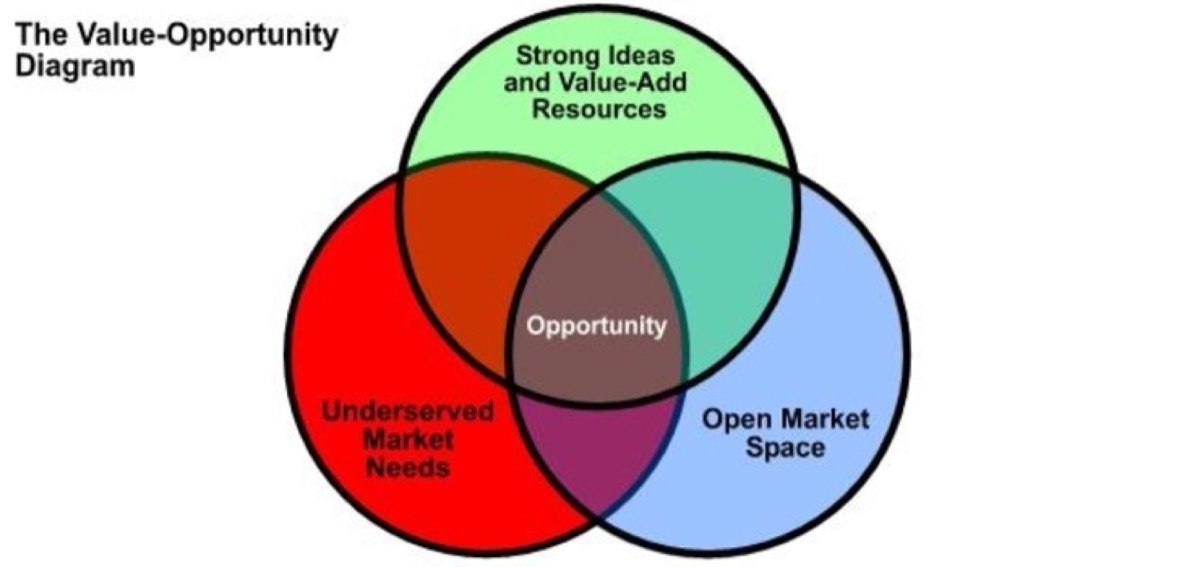
2. Creates Brand Awareness — Brand awareness doesn't start or end with a single blog post. Your company's mission, values, and content lend a unique brand voice that attracts customers and entices them to identify with your brand. Learning how to curate content for your social media posts is a practical way to extend the reach of your written content without requiring original creation at every touchpoint. Having a strong and distinct voice that differs from your competition creates visibility. Over time, your content attains brand authority and makes you an industry leader. 73% of businesses believe content marketing creates improved brand awareness.
3. Increases Customer Loyalty — Content plays a huge role in building trust and garnering customer loyalty. Educational content or content that speaks to the reader's emotions shapes the customer's opinion and influences their buying decisions. It also creates an effective channel for building long-term relationships. Loyalty drives traffic. Traffic drives revenue.
4. Generates Leads — Good quality content drives traffic to your blog or website. It engages potential customers and convinces them to take action. According to Demand Metric, content marketing costs 62% less than traditional marketing and generates about three times as many leads.
Case Study: How Content Increased Leads by 200%
According to the Marketing Manager of Skytap, "You have to understand the audience before you can 'wow' it with great blog posts, whitepapers, and webinars." In 12 to 18 months, Skytap focused on understanding their buyers and tailoring content specifically for those groups. The company launched a content marketing strategy in May 2012 and saw these year-over-year results:
- 55% increase in organic search traffic
- 97% increase in leads from online marketing
- 124% increase in leads from all channels
- 73% increase in opportunities from online marketing
5. Boosts SEO — Content optimized for search engines not only helps your site rank higher, but also attracts targeted customers. Updating keywords, metadata, titles, and tags helps build links and brings potential customers to your site.
What Type of Content to Create

The idea is to create content that drives maximum engagement from your customers. The most popular types include:
- Videos
- Lists
- Infographics
- Blog Posts
- White Papers
- Podcasts
- eBooks
- Live Video
- Stories
- Memes
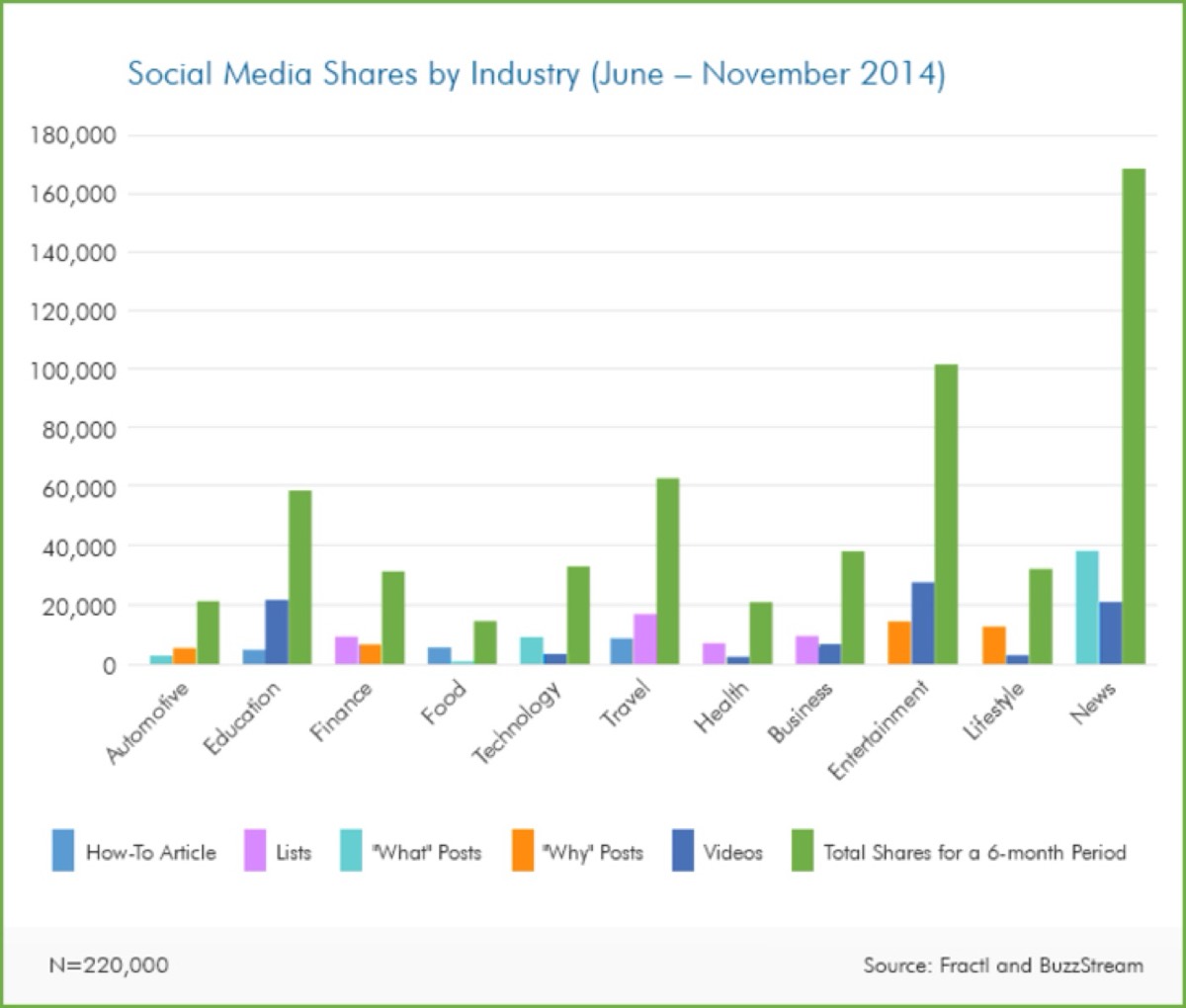
By analyzing almost 220,000 different pieces of content over six months, BuzzStream and Fractl gathered data on the most and least popular types of content, by industry. Use that kind of research to guide your content mix.
Looking for professional designs that apply these strategies? See Digital Polo's plans →
Why Outsource Content

Once you understand the importance of good content and have decided which type to create, the next question is whether to produce it in-house or outsource it. High-quality, tailored content requires immense time and effort. Add content creation to an already full marketing workload, and the results often suffer.
Here are five situations that signal it's time to outsource:
1. You have a tight budget and maintaining a team of writers is becoming expensive. Keeping full-time content creators costs more than outsourcing. While very cheap content exists (as low as $2 per article), the quality is questionable. For a business aiming at growth, fairly priced, quality outsourced content is the practical choice. Even one full-time writer is a significant financial commitment for a small team.
2. Your writers lack proper knowledge about your industry and produce mostly generic content. Creating fresh, industry-specific content daily is genuinely difficult. Generalized content bores today's audiences. Your content needs to be fact-driven, specific, and compelling. One cannot produce this kind of content without deep knowledge of your industry.
3. You don't have a proper content marketing plan or strategy. If you lack a clear content plan, you are likely unaware of what your customers need and how to deliver it. Outsourcing solves this because experienced content creators are already keeping pace with trends, audience needs, and SEO requirements — even when you are not.
4. Your content is not generating the results you need — traffic, leads, email subscribers. There is every possibility that your current content generates zero leads and engagement. Content that is irrelevant or poorly written will not perform, regardless of how much you publish. Outsourcing to professionals who understand audience-focused writing can transform those results.
5. You don't have time to consistently produce engaging content. Creating something genuinely new every day is an uphill battle. As your business grows, it becomes nearly impossible for one person to maintain quality content output alongside their other responsibilities. Outsourcing provides the extra capacity without adding headcount.
Case Study: InsideView Grew Web Traffic by Outsourcing
InsideView helps businesses improve their marketing, sales, and management results. In order to continue their growth, they needed more website traffic — but knew it would take a full writing team to produce the volume of content required. They decided to outsource.
By outsourcing their content, they were able to increase their content output by 25% and their web traffic by 72%. They continue to enjoy rapid, consistent growth thanks to outsourced writers.
Benefits of Outsourcing Content Writing
Outsourcing content writing to professionals is one of the smartest investments a business can make. The advantages are concrete and measurable.
1. Saves Time and Cost on Hiring and Firing
Managing a full content team requires significant time, money, and energy. Finding skilled talent, retaining them, and managing culture fit are all ongoing challenges. Outsourcing eliminates those headaches entirely.
2. Focus On Your Core Product or Service
What is your real core competency? Content writing — though valuable — is probably not it. Wearing too many hats dilutes your focus. Outsourcing content writing lets you concentrate your energy on what your business does best while ensuring a steady stream of quality content.
78% of small businesses attract new customers through social media — a fact that underlines how important consistent, quality content is, even for smaller teams. Outsourcing enables them to compete without the overhead of an in-house team.
3. Access to Industry Experts
Outsourcing connects you with writers who specialize in your industry and understand your audience. You get well-researched, well-written content that matches your brand's personality and tone, and that is optimized for search engines. If a writer is not the right fit, there are thousands of alternatives.
A well-written blog increases credibility, builds brand awareness, and generates sharing — and when it is liked and shared, half the marketing work is already done.
4. Better ROI

The key to effective content writing is not quantity — it is creating high-quality content that genuinely informs or solves problems for customers and keeps them coming back.
The overhead cost of a capable in-house content team — salary, benefits, tools, management — can be enormous. Outsourcing eliminates those fixed costs. At a structured per-word rate, your content cost is predetermined and scalable. 48% of clients measure content marketing success by leads, link clicks, and shares — all metrics that improve with quality outsourced content.
Stats on Content Marketing ROI:
- Brands that create 15 blog posts per month average 1,200 new leads per month
- Marketers who prioritize blogging are 13 times more likely to have a positive ROI
- Website conversion rate is nearly 6 times higher for content marketing adopters than non-adopters (2.9% vs. 0.5%)
- Inbound marketers double the average site conversion rate, from 6% to 12%
5. Improved Content Marketing Strategy
Among all marketing tools — SEO, word of mouth, online promotions, email marketing — content marketing is consistently one of the most effective. Content coupled with a successful SEO strategy drives high-quality traffic to the site. Email is the channel where outsourced content consistently proves its ROI — knowing which email marketing platforms support your strategy ensures your content reaches subscribers in the most effective format.
A strong content strategy is built around: what the target audience wants, content worth sharing, reliable data and information, consistency in delivery, SEO-first thinking, and directly addressing audience questions. A specialized outsourced content team brings all of this to the table.
6. Create Leads and Sales Opportunities
51% of buyers refer to content for validating their purchase decisions. Every day, 27 million pieces of content are shared. 52% of consumers say blogs have influenced their decisions to buy a product or service. 24% of organizations now devote 50% or more of their budget to content.
Once loyalty develops and trust builds, it creates opportunities for conversion and sales. Content is the most promising tool for generating leads and driving sustainable revenue growth.
7. Standardization, Consistency, and Access to a Wide Knowledge Pool
Keeping up with the latest news, trends, and best practices is a significant task. Producing engaging copies that hold the reader's attention on top of that can be overwhelming. Outsourcing eases the load. A wide pool of talent can consistently dish out articles tailored to match your industry — while perfectly matching your brand's standard, personality, and goals.
8. Traffic, Traffic, and More Traffic
The whole aim of marketing is to drive traffic to your website. Good content goes a long way. Companies that blog regularly see increased traffic, better SEO rankings, more loyal visitors, higher lead conversion, and ultimately, better revenue. Reviews, comparisons, recommendations, and tutorials all drive consistent traffic to your site.
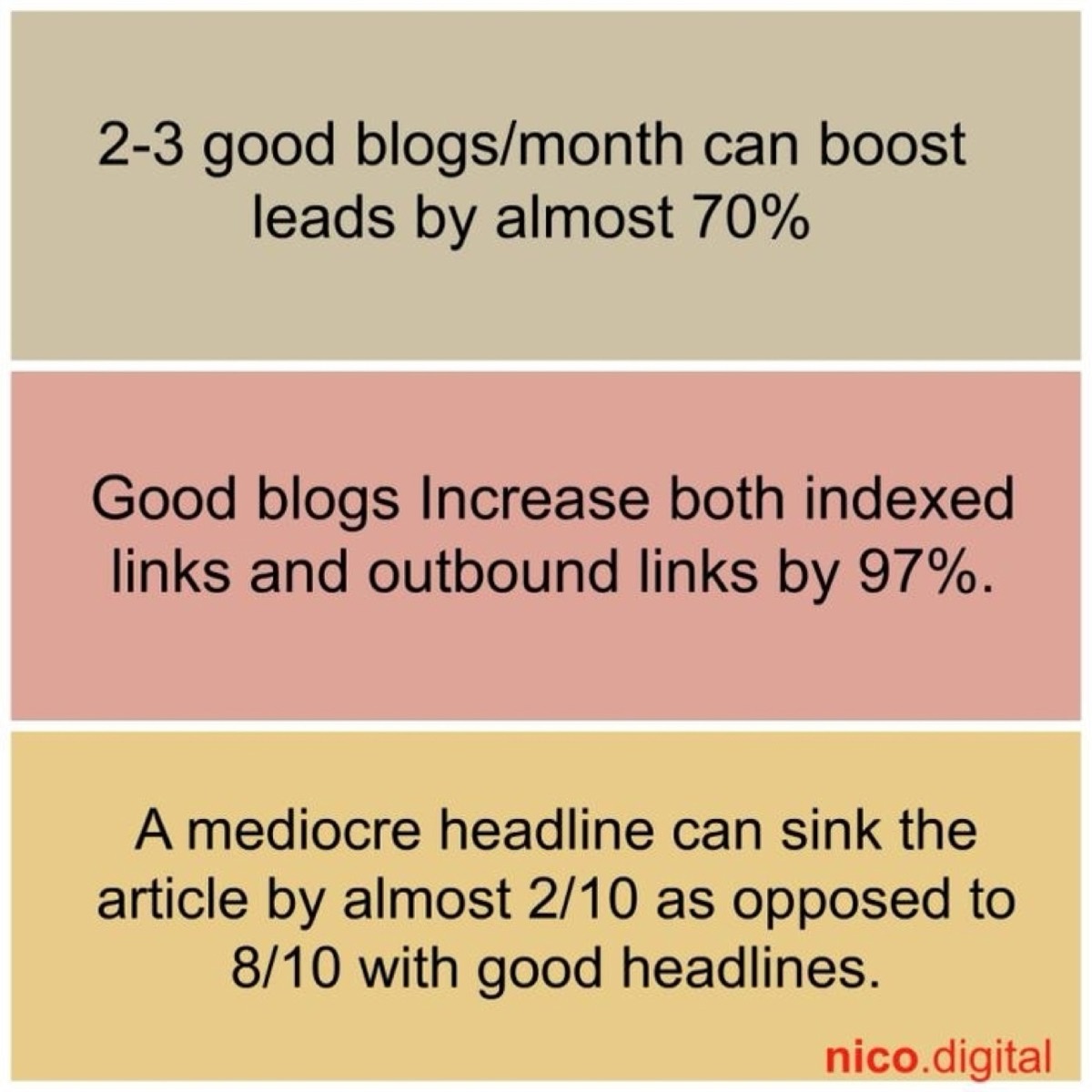
In today's digital world, outsourcing content writing is one of the clearest competitive advantages available to businesses of any size. By outsourcing, you get professionally written, optimized content that engages your target customers, builds relationships, leverages the vast pool of knowledge available online, and consistently delivers a measurable return on investment.
Content is a great marketing tool. When done right, it opens doors. Your marketing team, equipped with the right content and strategy, can march straight through them.
Digital Polo creates compelling brand content and marketing design for one flat monthly fee with unlimited revisions. Start for $399/mo → | Soulmate at $899/mo →
Frequently Asked Questions About Outsourcing Content Writing
What types of content can be outsourced? Almost any type of written content can be outsourced: blog posts, website copy, email newsletters, social media captions, white papers, product descriptions, case studies, and more. Many businesses start with blog content and then expand outsourcing to other channels as they see results.
How do I maintain brand voice when outsourcing content writing? Provide your outsourced writers with a clear brand voice guide that includes your tone (formal, conversational, authoritative), preferred terminology, topics to avoid, and examples of content you love. A well-briefed writer can consistently match your voice. Over time, as the relationship matures, the content will feel increasingly natural and on-brand.
Is outsourcing content writing worth it for small businesses? Absolutely. In fact, small businesses often benefit more from outsourcing than large ones, because they lack the budget for a full in-house content team. Outsourcing gives small businesses access to expert writers at a fraction of the cost, enabling them to compete with larger competitors on content quality and SEO performance.
How do I measure ROI from outsourced content writing? Track metrics like organic traffic growth, keyword rankings, lead form submissions, email sign-ups, and content-attributed sales. Use tools like Google Analytics and Google Search Console to monitor progress. Most businesses see meaningful improvements within 3–6 months of consistent content publishing, with compounding results over time.
What should I look for when choosing a content writing partner? Look for writers or agencies with proven experience in your industry, a clear understanding of SEO, and a track record of producing content that drives measurable results. Ask for samples and case studies. Assess their process for research, revision, and quality control. Transparency about pricing and timelines is equally important.