Have you visited the Audi A6 or Coca-Cola website recently? If you look closely, you will notice that the graphics on these brand sites are anything but flat. They have insane depth. They are dynamic. They are three-dimensional — and that quality is what makes them impossible to ignore.
3D graphics are a dominant force in visual design right now. Such designs instantly stand out against any backdrop, giving websites and brand campaigns a clear visual edge over flat alternatives. They fit naturally alongside the broader movement toward more expressive, dynamic visual work — our roundup of graphic design trends worth embracing right now puts 3D in context with everything else happening in the field.

Before you instruct your design team to incorporate 3D elements into your brand, there is a lot worth understanding about 3D graphic design — from how it is created to what the most effective trends look like right now. This guide covers all of it.
What Is 3D Graphic Design?
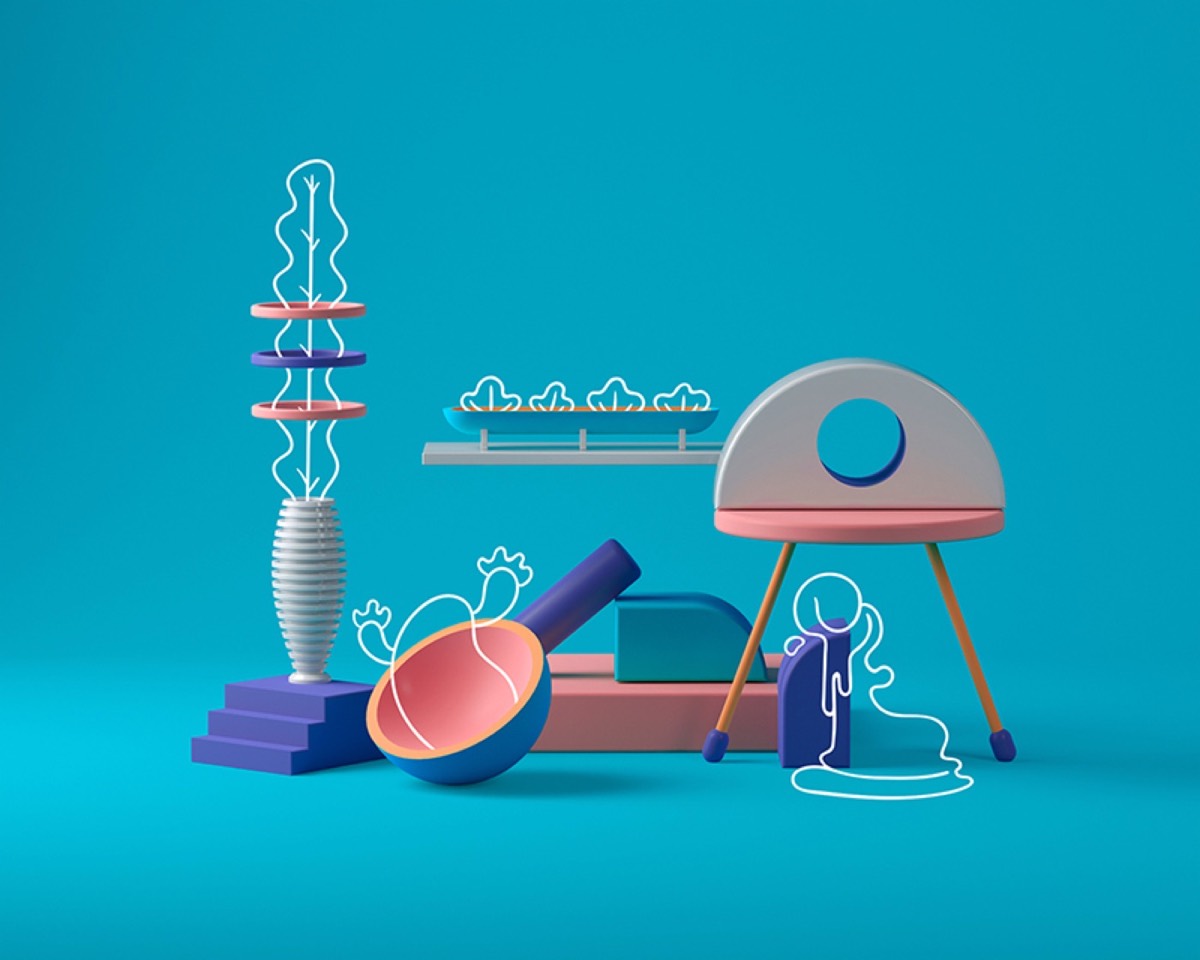
3D graphic designs are three-dimensional, computerized representations of objects, characters, and environments. The added dimension makes 3D graphics appear more lifelike, which is what gives them their visual power and appeal.
3D graphic design is not new. It made its first appearance in the 1970s and entered regular commercial use in the 1990s, when designers began integrating 3D elements into illustrator projects and brand campaigns. In those early years, 3D designs were bold and experimental — think metallic shades and neon hues. Today, they have evolved into sophisticated, refined visual styles that can be subtle or striking depending on the creative intent.
How Is 3D Different from 2D?
2D designs remain the most widely used form of digital design. They are flat, vector-based, and produced using tools that are broadly accessible. 3D design diverges from this in several important ways.
The most obvious difference is appearance. 2D graphics are flat; 3D graphics have depth and dimension. But the technical differences go further. 2D flat images are vector-based and created with relatively straightforward tools. 3D design follows a three-stage production process — modeling, layout and animation, and rendering — each requiring specialized software.
If you are considering whether to use 3D graphics in your website or brand campaign, the choice comes down to your goals. 2D design risks feeling dated in the current market. 3D design catches attention and holds it. For a logo redesign or website overhaul, incorporating 3D elements gives your brand a distinct visual edge. For a marketing-specific breakdown of when each format works best, see our guide on 2D vs 3D graphic design for marketing.
How Are 3D Graphics Created?
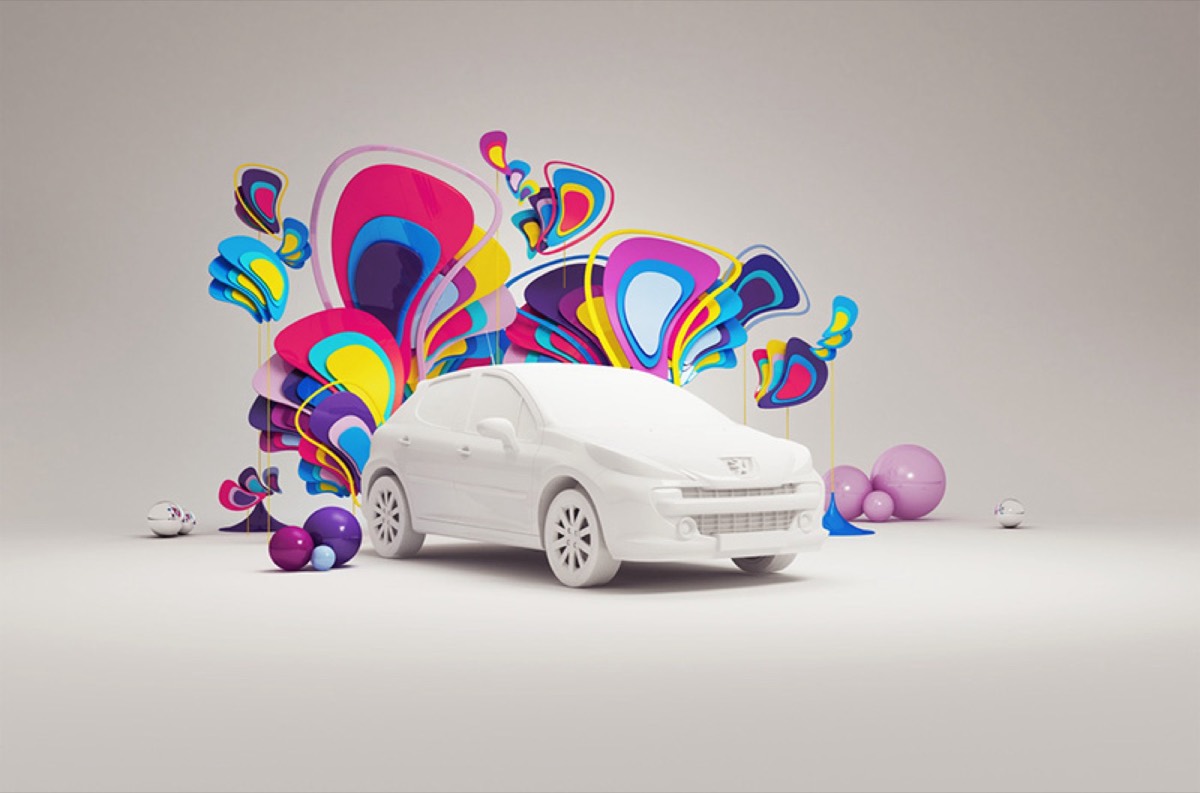
The creation of 3D graphics follows three distinct stages. Each is essential to producing a final design that is both accurate and visually compelling.
Modeling: The first stage involves forming the shape of the 3D object. The designer uses 3D modeling tools to build a model from scratch, or alternatively, a real-world object may be scanned and converted into a 3D model. Physical simulation is another approach. At this stage, materials and textures are added to the surface of the model to make it look realistic.
Layout and animation: Once the model exists, it needs context. A background scene is constructed that defines the spatial relationship between all elements — their size, position, and relative scale. Animation is added at this stage if the design will move or be rendered across time. Layout and animation are often handled simultaneously.
Rendering: The final stage converts the 3D model into a viewable image. This is done either by simulating realistic light transport for a photo-realistic result, or by applying an art style such as non-photorealistic rendering. Photo-realistic rendering typically uses specialized 3D software or an API, and 3D projection is required to complete the process. Common tools include Blender, Autodesk 3ds Max, and Adobe's 3D design software.
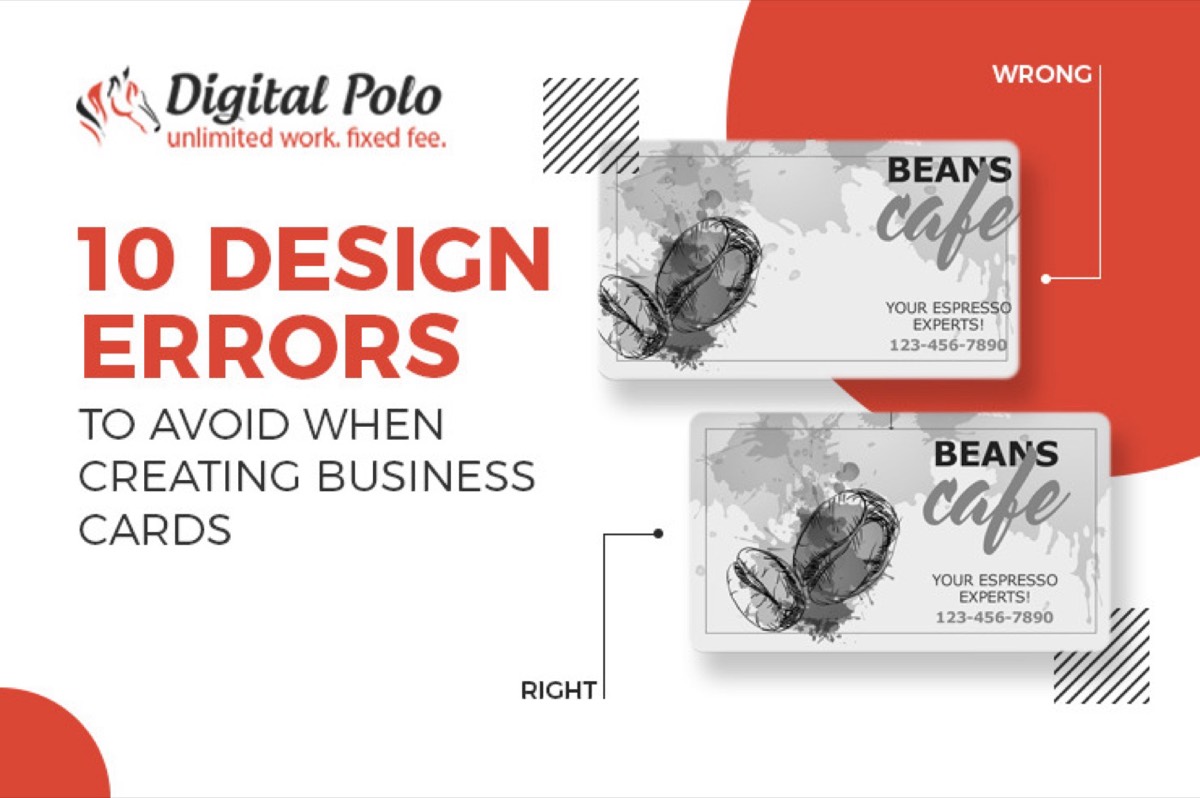
Though the stages sound sequential, this process requires a skilled 3D designer to execute well. If you plan to use 3D graphics for your brand, hire an agency that specializes in this work. A 3D-enhanced brand presence can elevate all your materials — even printed collateral like business cards benefit from better design thinking; our guide on business card design mistakes to avoid is a useful companion read.
Looking for professional designs that apply these strategies? See Digital Polo's plans →
3D Graphic Design Examples from Real Brands
The best way to understand the power of 3D design is to see it in action. Here are three standout examples.
Lovebox
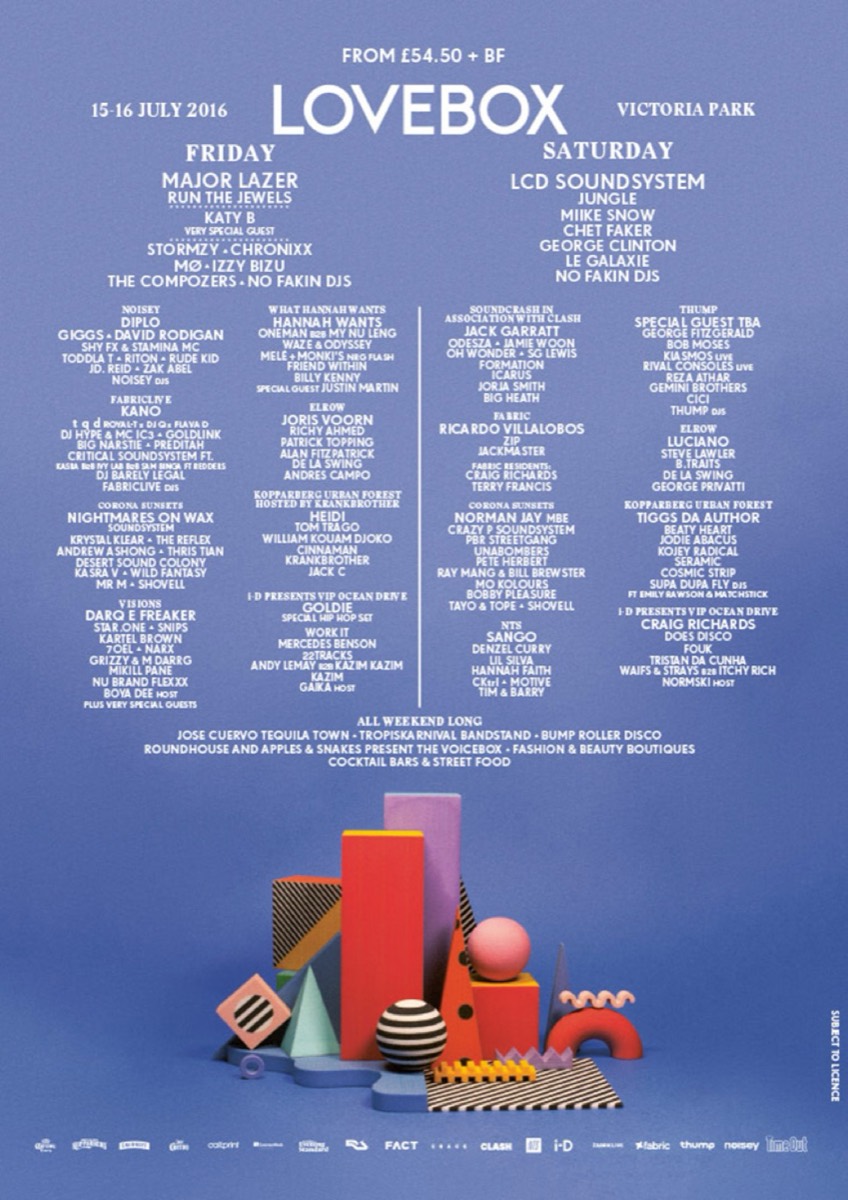
Lovebox is an annual music festival held in east London's Victoria Park. The 3D illustration created for the event by Almost Interesting's Kevin Summers, in collaboration with the event's in-house team, is a prime example of what 3D graphics can achieve in live event marketing. The design is vibrant, immersive, and impossible to mistake for anything flat.
Habib's Milkshake
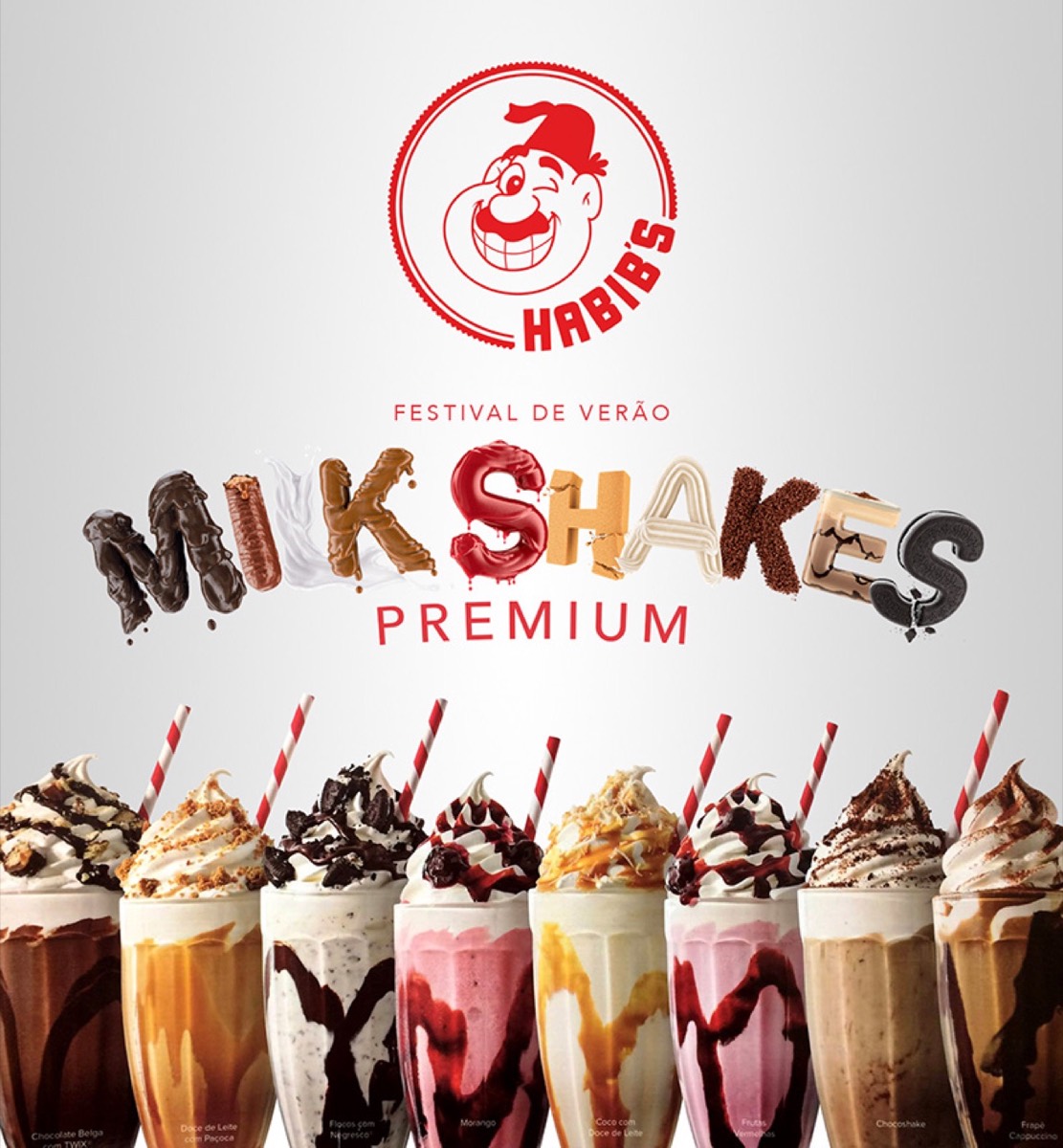
Brazil-based graphic designer Andre Caputo created a hyper-realistic 3D food illustration for Habib's Milkshake. Caputo is known for his mastery of 3D food typography, and this poster takes it to an extreme — every element looks edible, textured, and dimensional.
Axe: The Matte Effect
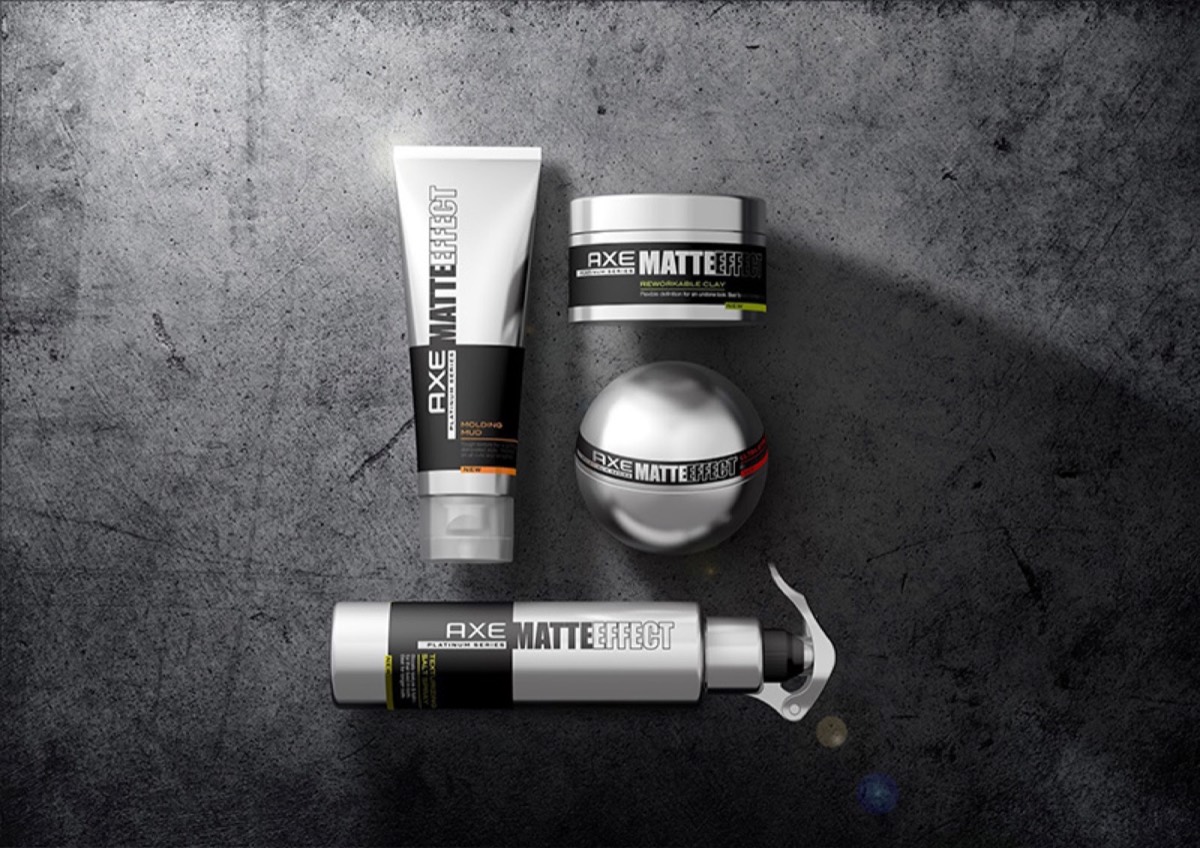
When Axe commissioned PB Creative to produce a campaign for its Matte Effect grooming range, the agency delivered oversized, sophisticated 3D renders of the product lineup. The result was bold, masculine, and premium-feeling — a perfect match for the campaign's target audience of older men.
These three examples are just the beginning. Research 3D graphic design in any industry and you will quickly see how transformative this approach can be for brand campaigns.
Key Trends in 3D Graphic Design
If you are ready to bring 3D graphics into your brand campaigns, knowing what is current ensures your designs feel fresh and relevant.
3D Humans

Flat illustrated characters are giving way to 3D avatars and mascots. Expect to see 3D human figures used increasingly in advertising, app interfaces, and brand storytelling.
3D Abstract
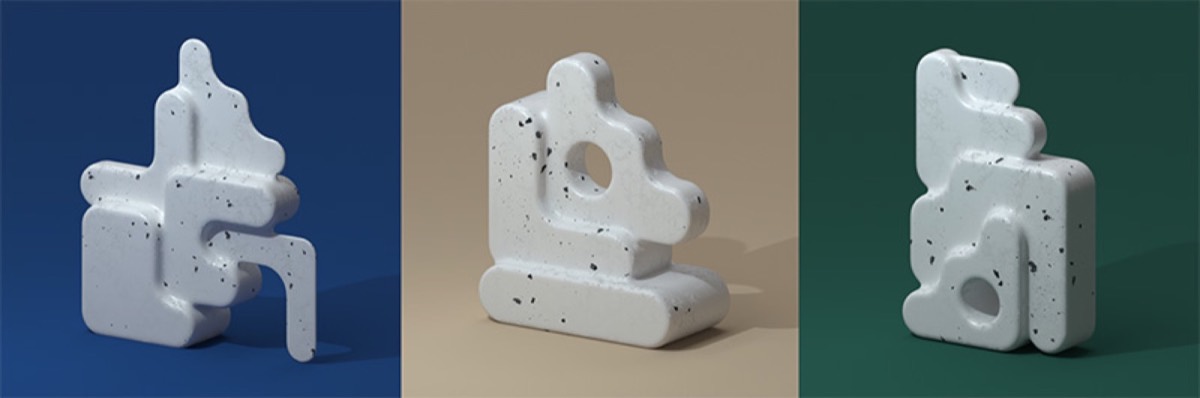
Combining two major design movements — 3D and abstract — produces organic, three-dimensional abstract forms that feel entirely unlike anything in traditional flat design. The results are genuinely eye-catching.
3D Humanoids
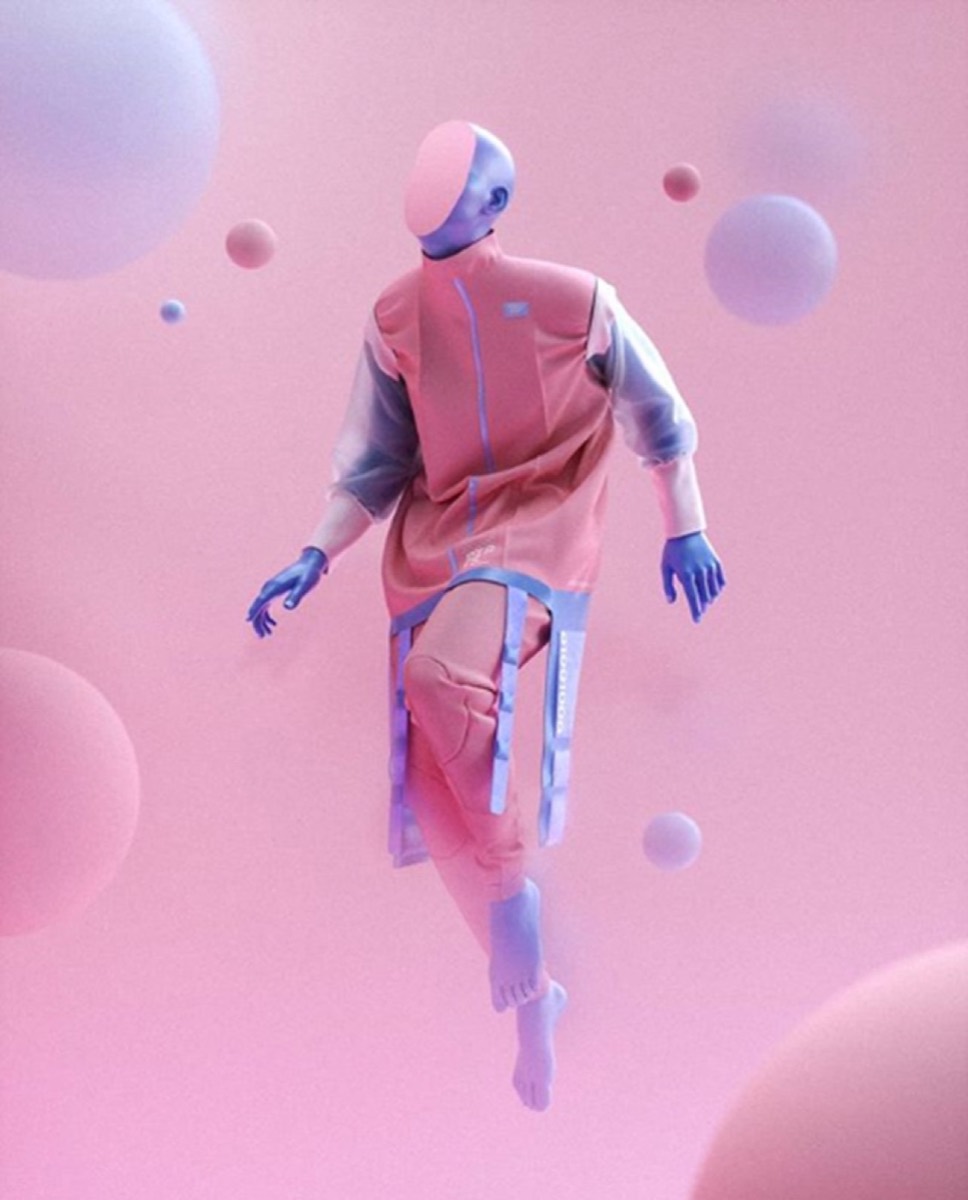
Where 3D humans go, 3D humanoids follow. Fantasy and sci-fi-inspired renders of non-human characters are gaining traction in gaming, entertainment, and tech branding.
3D in Augmented Reality
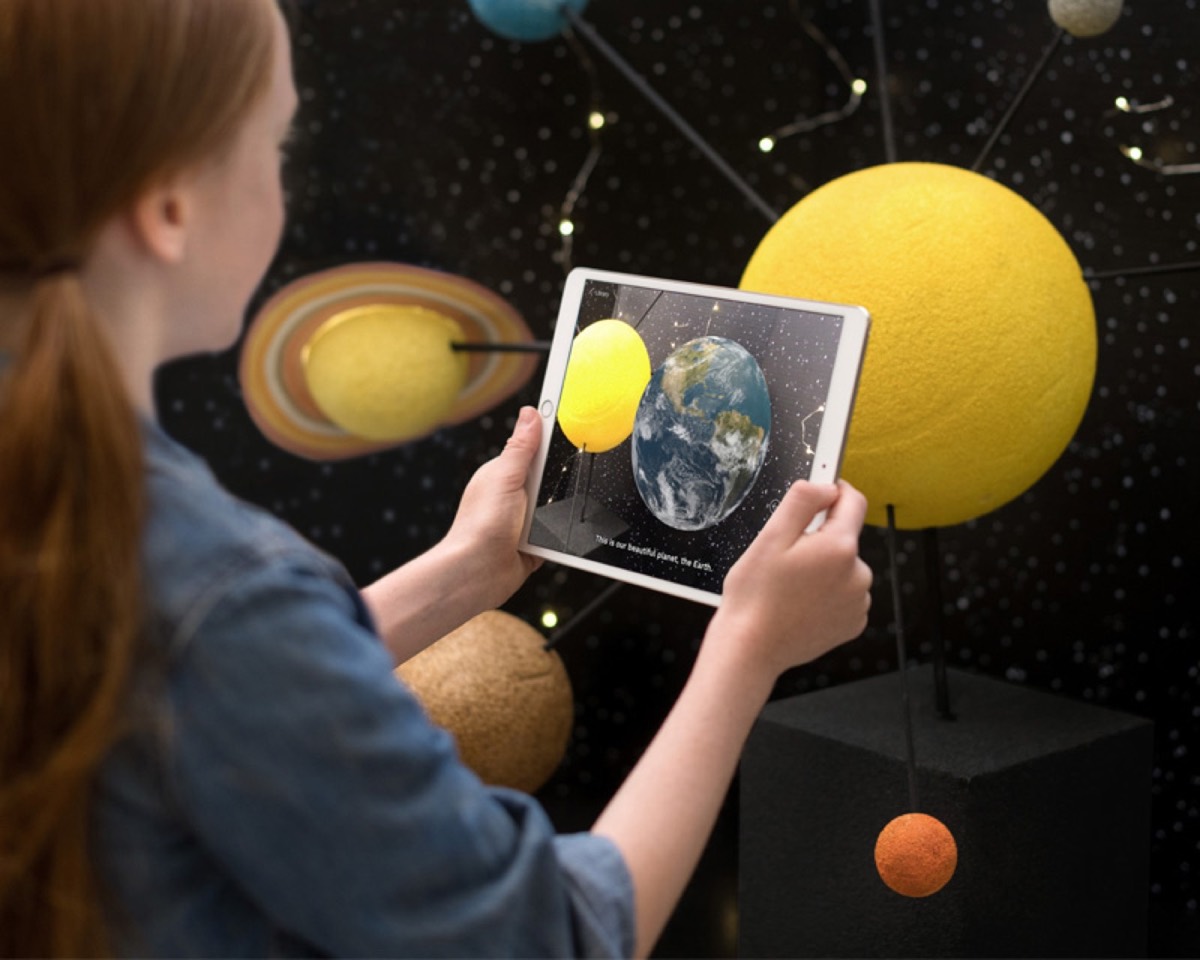
As augmented reality becomes more mainstream, 3D graphic design is moving into AR experiences. Applications like Facebook and Snapchat have led this charge with 3D filters and effects that overlay realistic-looking elements on real-world environments.
3D Typography
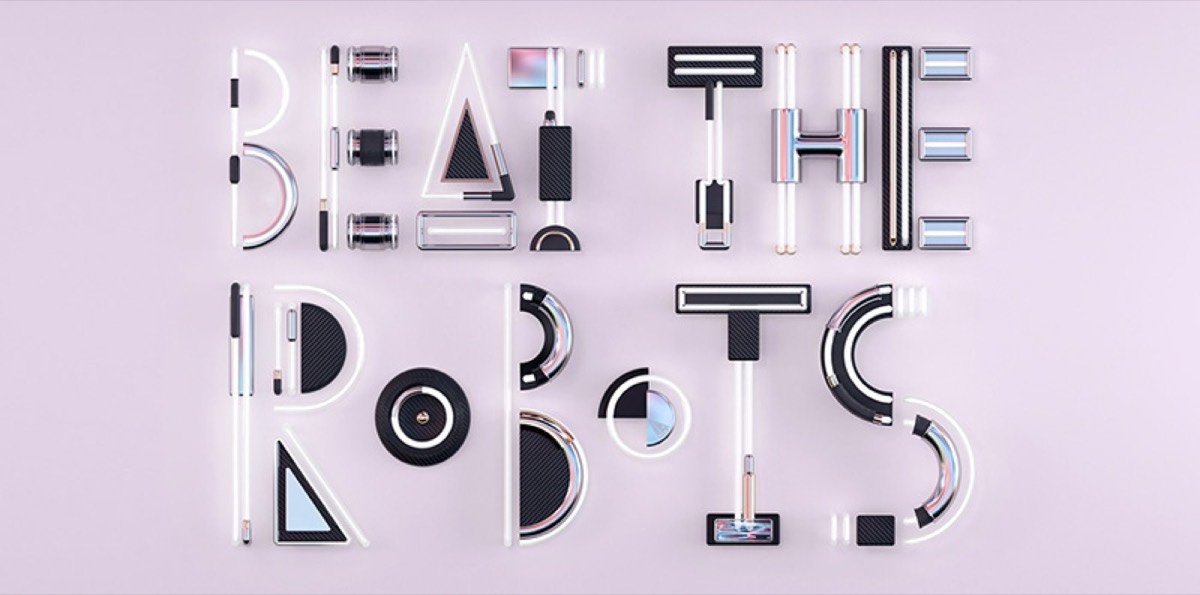
3D typography has been around for years, but it is finally getting the recognition it deserves. Three-dimensional lettering is now appearing in brand campaigns across many industries, replacing standard bold fonts with something more textural and memorable.
Beyond these major trends, watch for minimalistic color palettes applied to 3D forms, mixed 2D-and-3D compositions, and detailed 3D textures and surfaces.
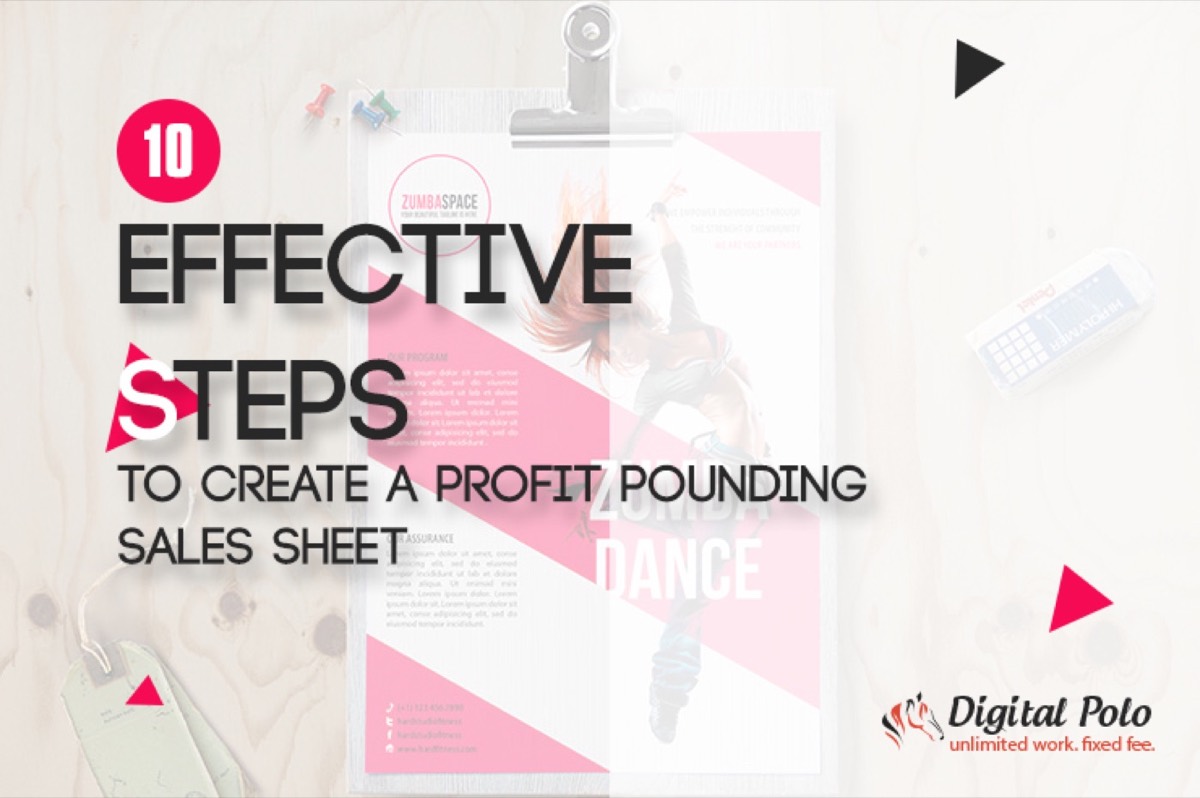
3D graphic design is not a passing trend — it represents a fundamental shift in how brands communicate visually. The depth, realism, and engagement that 3D visuals deliver make them especially powerful for cutting through the noise of today's crowded digital landscape. As more brands invest in 3D design, the gap between those who adopt it and those who do not will continue to widen. Strong visual assets also improve the performance of your sales collateral — the 10 steps to creating a high-converting sales sheet show how 3D-quality thinking translates into print materials that close deals.
If you want your brand campaign to benefit from the power of 3D design, the right time to act is now — before your competitors get there first.
Digital Polo creates professional graphic design and branding visuals for one flat monthly fee with unlimited revisions. Start for $399/mo → | Soulmate at $899/mo →
Frequently Asked Questions About 3D Graphic Design
What is the difference between 2D and 3D graphic design? 2D graphic design produces flat, vector-based images with no depth. 3D graphic design adds a third dimension — depth — through modeling, texturing, and rendering processes. 3D graphics appear more lifelike and have greater visual impact, especially in digital campaigns and immersive media.
What software is used for 3D graphic design? Common tools include Blender (free and open-source), Autodesk 3ds Max, Cinema 4D, and Adobe Dimension. The right choice depends on the complexity of the project and the experience level of the designer.
Is 3D graphic design expensive? The cost of 3D design depends on the complexity of the project and the experience of the designer or agency. Simple 3D product renders cost less than fully animated 3D characters or environments. Subscription-based design services like Digital Polo offer flat-rate pricing that makes 3D design more accessible for brands of all sizes.
How long does it take to create a 3D graphic? A simple 3D render might take a few hours; a complex 3D animation or detailed scene can take days or weeks. The timeline depends on the level of detail, the number of revisions, and the rendering time required by the software.
Can small businesses benefit from 3D graphic design? Absolutely. 3D graphics are no longer exclusive to large brand campaigns. Small businesses can use 3D product visuals, 3D logo treatments, and 3D website illustrations to stand out from competitors who are still relying on flat 2D design.