The arrival of 5G networks is one of the most significant shifts in internet infrastructure in recent memory — and its impact on website design is substantial. The Fifth Generation Wireless Cellular Network promises faster download and upload speeds, dramatically reduced latency, stronger connections, and much wider coverage. For everyday users, this means browsing will be faster and smoother than ever before.
For web designers, the implications go even further. With 5G, designers can incorporate larger, richer content — including 4K video backgrounds and high-resolution visual elements — without worrying about the sluggish load times that have historically made such choices impractical on mobile networks. Virtual and augmented reality experiences, once too bandwidth-intensive for reliable mobile delivery, are becoming genuinely viable website features. If you want to build on these opportunities, it helps to start with solid web design fundamentals.
The expanded capability of 5G also makes Progressive Web App (PWA) technology more attractive than ever. With high-speed, low-latency connectivity as a baseline assumption, designers can build PWAs that rival native app experiences while remaining accessible through a standard browser. The result is a new design frontier that rewards creativity rather than constraining it.
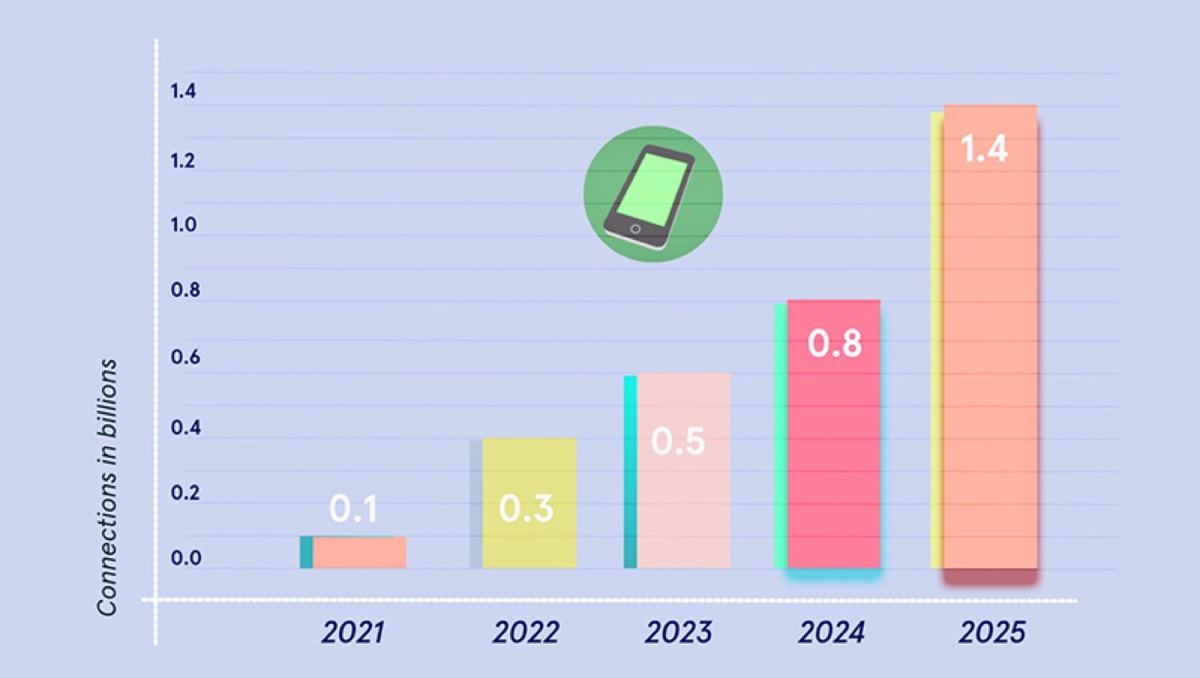
Benefits of 5G Networks
5G is not simply 4G with a speed boost — it is a fundamentally different network architecture. It delivers 10 to 20 times faster real-world speeds than 4G, meaning pages and files that once took seconds to load now appear in a fraction of that time. For websites loaded with high-quality images and video, this change is transformative.

The core problem 5G solves is spectrum congestion. As the number of mobile and internet users has surged, existing network bands have become increasingly overloaded, degrading 4G quality and reliability. 5G uses radio frequencies between 30 and 300 GHz, enabling connections to up to 1 million devices within a 0.38 square mile area — with far greater precision and stability.
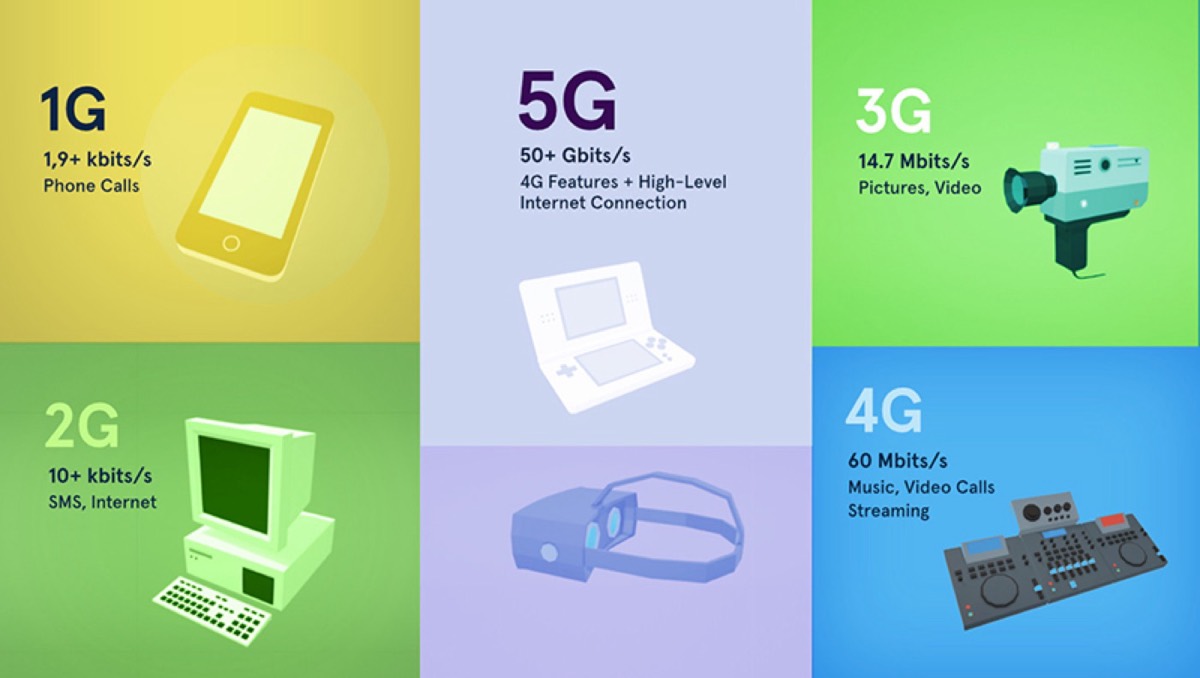
Another major advantage is latency reduction. Under 4G, page load latency averages around 50 milliseconds. Under 5G, that figure drops below 5 milliseconds. Even a website packed with high-resolution media can load in 1–2 milliseconds. Beyond speed, this low latency also reduces battery consumption on mobile devices — a benefit that users will notice even if they never look at network statistics. 5G also enables a new generation of connected use cases:
- Cloud VR/AR
- Industrial Internet of Things
- Connected Automotive
- Smart Cities
- Remote Machinery Control
- Wireless eHealth
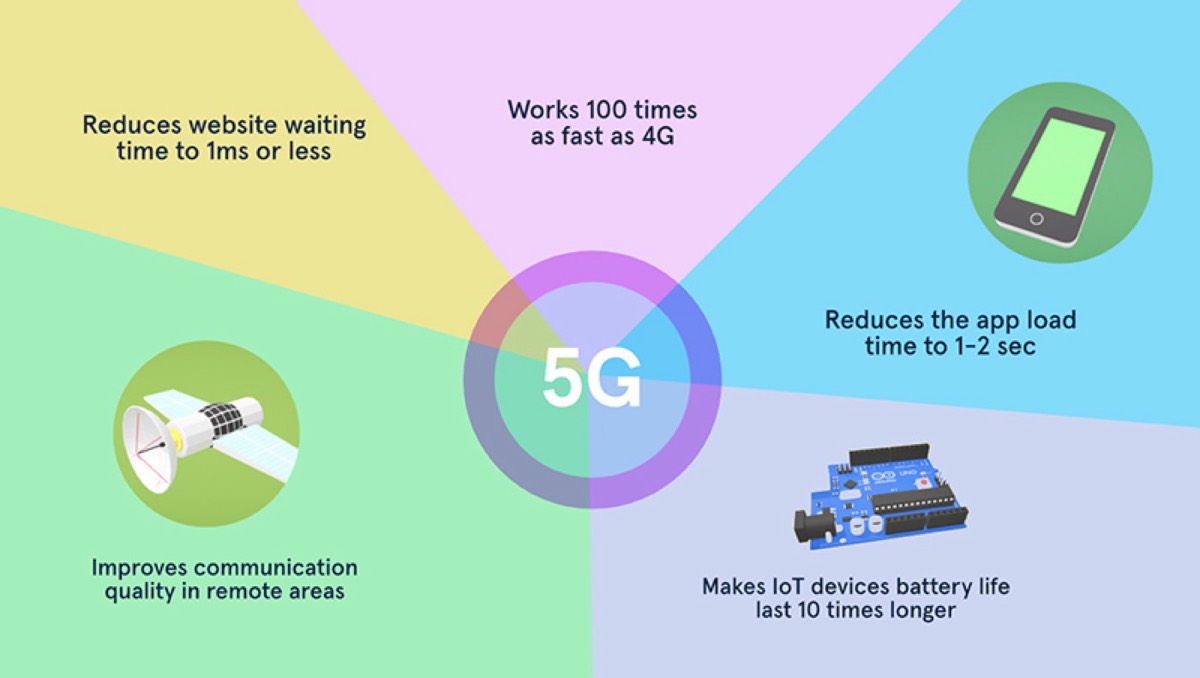
How 5G Networks Benefit Web Design
When designers no longer have to worry about lag caused by heavy assets, they can focus entirely on creating seamless, rich user experiences. 5G removes many of the constraints that have forced compromises in mobile web design for years. Here is how those new freedoms translate into specific design capabilities:
Faster Streaming Video: 5G enables high-resolution video to stream at uninterrupted speeds — experts estimate 10 to 100 times faster than current networks. This opens the door to using 4K video as immersive page backgrounds, autoplay hero sections, and product showcases that were previously impractical on mobile. Designers can also implement auto-play controls that pause video for users on older network connections, making the experience inclusive across network speeds.

Enhanced User Experience: With 5G, the gap between desktop and mobile web experience narrows significantly. Higher network responsiveness means users demand — and receive — more polished, seamless interactions on their smartphones. Designers must build consistent UX across all platforms and devices, knowing that mobile users now expect near-desktop quality. Organizations can even push real-time asset updates from remote locations, keeping websites accurate and current at all times. For businesses that sell online, these capabilities make it the right time to consider investing in a custom-built ecommerce presence.
Looking for professional designs that apply these strategies? See Digital Polo's plans →

Enabling Ambient Device Interactions: 5G connects the digital and physical worlds in new ways. Ambient devices — sensors at building entrances, smart displays in retail environments, connected signage — become accessible to users through their smartphones in real time. Web designers who understand this can build experiences that bridge a brand's website and physical touchpoints, creating genuinely novel customer interactions.
Richer Personalization and Interactive Features: 5G gives designers the bandwidth to offer personalized, interactive experiences that were previously too resource-intensive for mobile delivery. Websites can run photo contests, invite users to share user-generated content, and serve personalized media streams — all without performance penalties. The design ceiling moves up considerably.
Augmented and Virtual Reality Integration: AR and VR are finally becoming practical web design tools with 5G. AR apps embedded in product pages let customers visualize furniture or décor in their actual space before purchasing. VR walkthroughs allow prospective clients to explore interior design projects or real estate listings immersively. QR code integrations in-store can connect the physical shopping experience directly to a brand's digital presence. Developers building on Shopify should also explore how 5G capabilities can elevate their storefront — read our guide on designing a Shopify theme that converts for practical tips.

5G rollout is happening gradually, starting in metro areas and expanding outward. This means that during the transition period, a significant portion of users will still be on 4G or even 3G networks. Smart web design accounts for this reality: sites should be built to deliver excellent experiences across both older and 5G network speeds, without compromising user experience for either group.
The designers who will thrive in a 5G world are those who build with progressive enhancement in mind — layering richer experiences for high-speed users while ensuring the core content and functionality remain fast and accessible for everyone. 5G does not make good design principles obsolete; it gives those principles a much larger canvas to work on.
Digital Polo creates high-impact website designs and UI/UX assets for one flat monthly fee with unlimited revisions. Start for $399/mo → | Soulmate at $899/mo →
Frequently Asked Questions About 5G and Website Design
How does 5G specifically change what web designers can include on a page? 5G removes many of the bandwidth constraints that previously made rich media impractical on mobile. Designers can now use 4K video backgrounds, high-resolution image galleries, AR product viewers, and complex animations without worrying that these elements will cause unacceptable load times on mobile networks.
Do I need to redesign my website now that 5G is becoming widespread? Not necessarily, but it is worth auditing your site with 5G capabilities in mind. If your current design made compromises specifically to accommodate slow mobile connections — like limiting video use or compressing images heavily — you now have room to revisit those decisions and create richer experiences for the growing share of 5G users.
What is Progressive Web App (PWA) technology and why does 5G matter for it? A PWA is a website that behaves like a native mobile app — it can work offline, send push notifications, and be installed on a home screen. 5G's low latency and high speed make PWAs even more capable, as they can sync data and serve rich content in real time without the lag that used to make PWA performance feel inconsistent.
How should designers handle users who are still on 4G networks? Progressive enhancement is the recommended approach. Design the core experience to work well on 4G, then layer on richer 5G-enabled features for users with faster connections. For example, you might serve a compressed video background by default but stream the full 4K version for users on high-speed networks.
Will AR and VR become standard features on commercial websites because of 5G? AR is already seeing mainstream adoption in e-commerce — virtual try-ons and room visualizers are live on major retail sites. VR remains more niche but is growing. 5G makes both technologies more reliable on mobile, which will accelerate adoption as consumer hardware (smartphones with better AR sensors, lightweight VR headsets) also improves.