
When a business builds its first website, a template is almost always the right choice. Templates are fast, affordable, and functional — they get a business online without significant investment. But as the business grows, the template's constraints become visible in ways that directly limit sales performance: layout inflexibility, shared code bases that cap SEO, and an inability to create the specific conversion flows a growing business needs.
This is the moment the custom website conversation becomes worth having.
This guide covers the 10 reasons a custom website outperforms templates for sales, a clear comparison of both approaches, and how to determine which is right for your business at its current stage.
10 Ways a Custom Website Drives More Sales
1. An Eye-Catching, Brand-Specific Design
A custom website gives you the ability to design every visual element specifically for your offerings and your audience. Templates are built on the principle of the common good — they work adequately for most businesses in most categories. A custom design works specifically for yours.
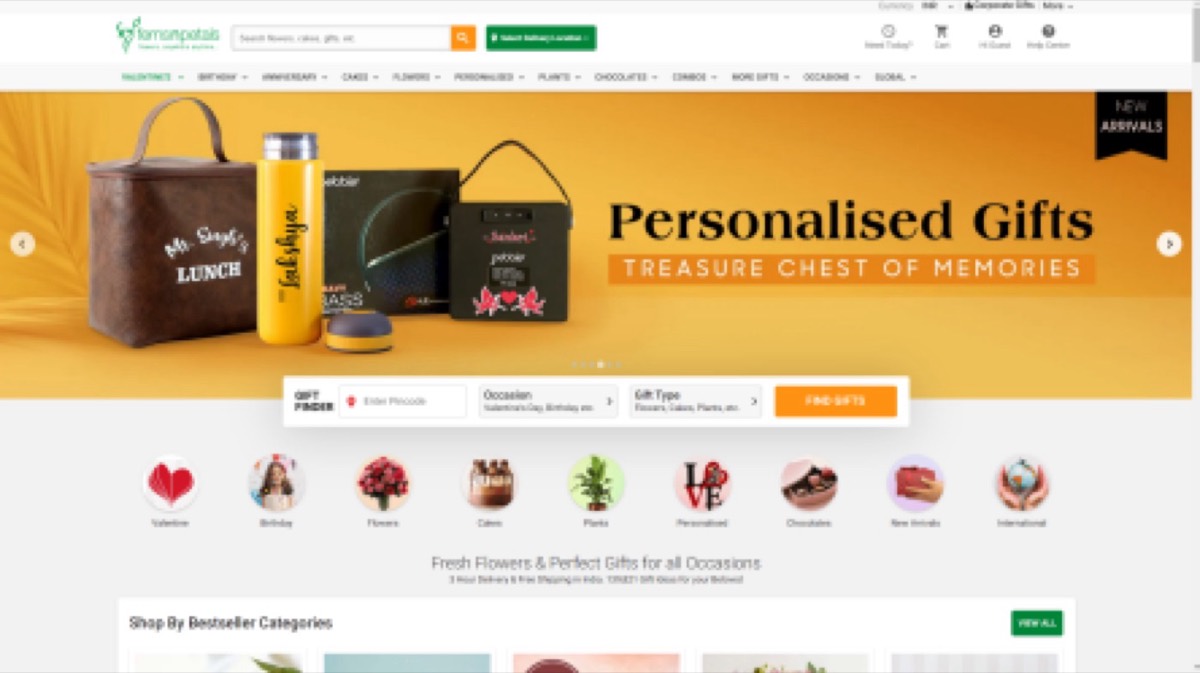
Ferns N Petals, a leading gifting platform, has a highly intuitive site where every product category is immediately visible, the color scheme aligns precisely with the brand, and the navigation is built around how gift-buyers actually search. That specificity holds attention and generates sales.
Templates can approximate this, but they cannot achieve it. The gap widens as the brand becomes more distinct.
2. Consistency Across All Sales Channels
A custom website can be designed to maintain perfect visual consistency with every other sales touchpoint — offline stores, franchise locations, partnership materials, and digital channels.
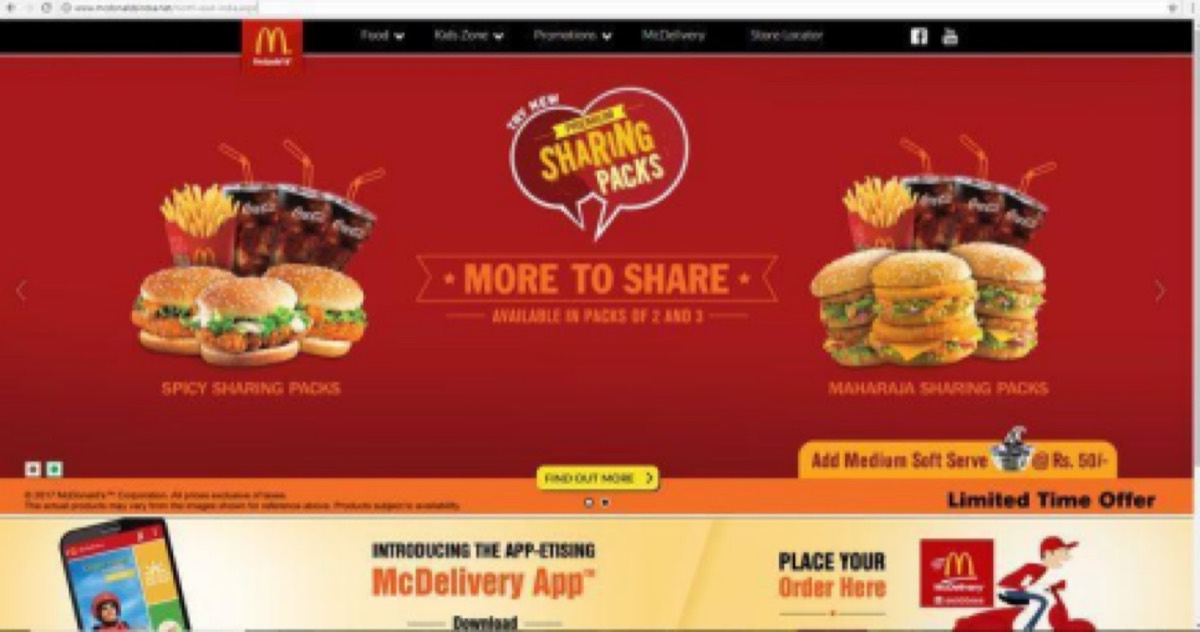
McDonald's is the canonical example: the same yellow and red, the same visual language, the same "M" — across every website, app, outlet, and piece of packaging globally. When customers can immediately associate visual identity with the brand, purchasing decisions are faster and more confident.

A template-built site creates a visual disconnect between the website and physical or partner channels. Custom design eliminates that disconnect.
3. Search and Navigation Built for Your Inventory
Custom websites can integrate a search function designed specifically for your product or service catalog — with keyword optimization, smart filtering, and autocomplete logic matched to how your customers actually search.
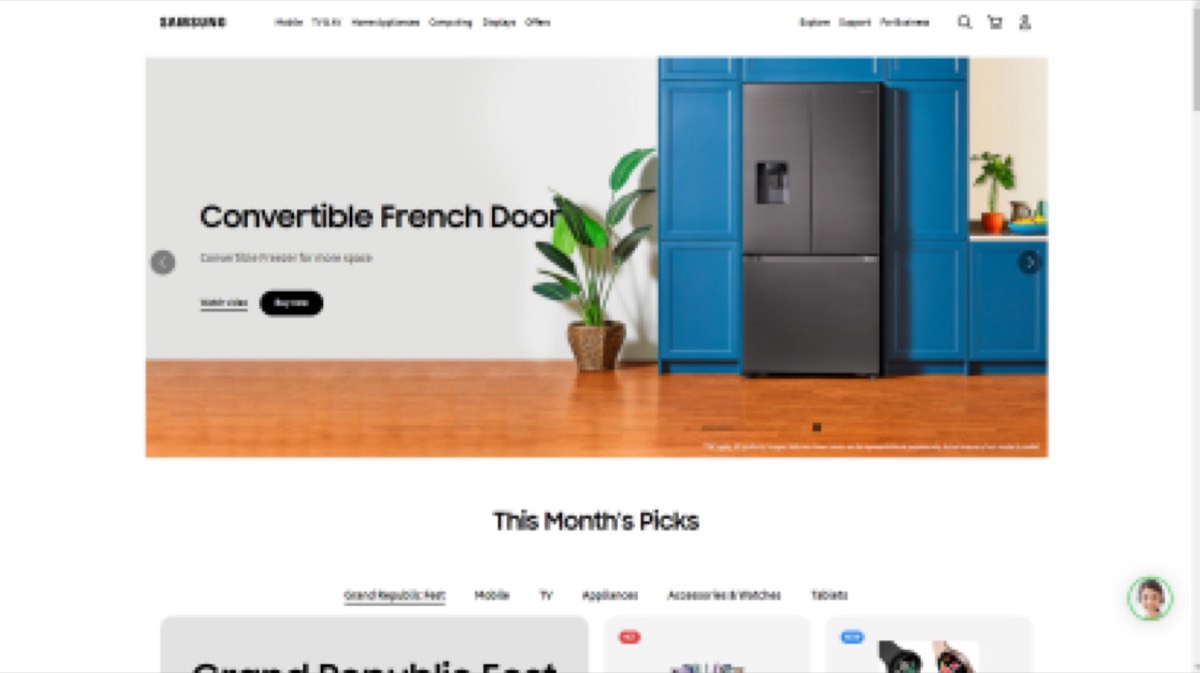
Template search functions are generic. A custom implementation creates the "closest match" experience that turns search intent into opportunity sales.
4. Unlimited CTAs, Positioned Strategically
CTAs increase customer engagement by up to 52% when placed correctly. The "correctly" part requires control over placement, design, and copy that only a custom build provides.

Common high-converting CTAs: "Shop Now," "Download," "Sign Up," "Book Now," "Start Free Trial." These need to appear at the moments in the visitor journey where intent is highest — not wherever the template happens to allow a button.
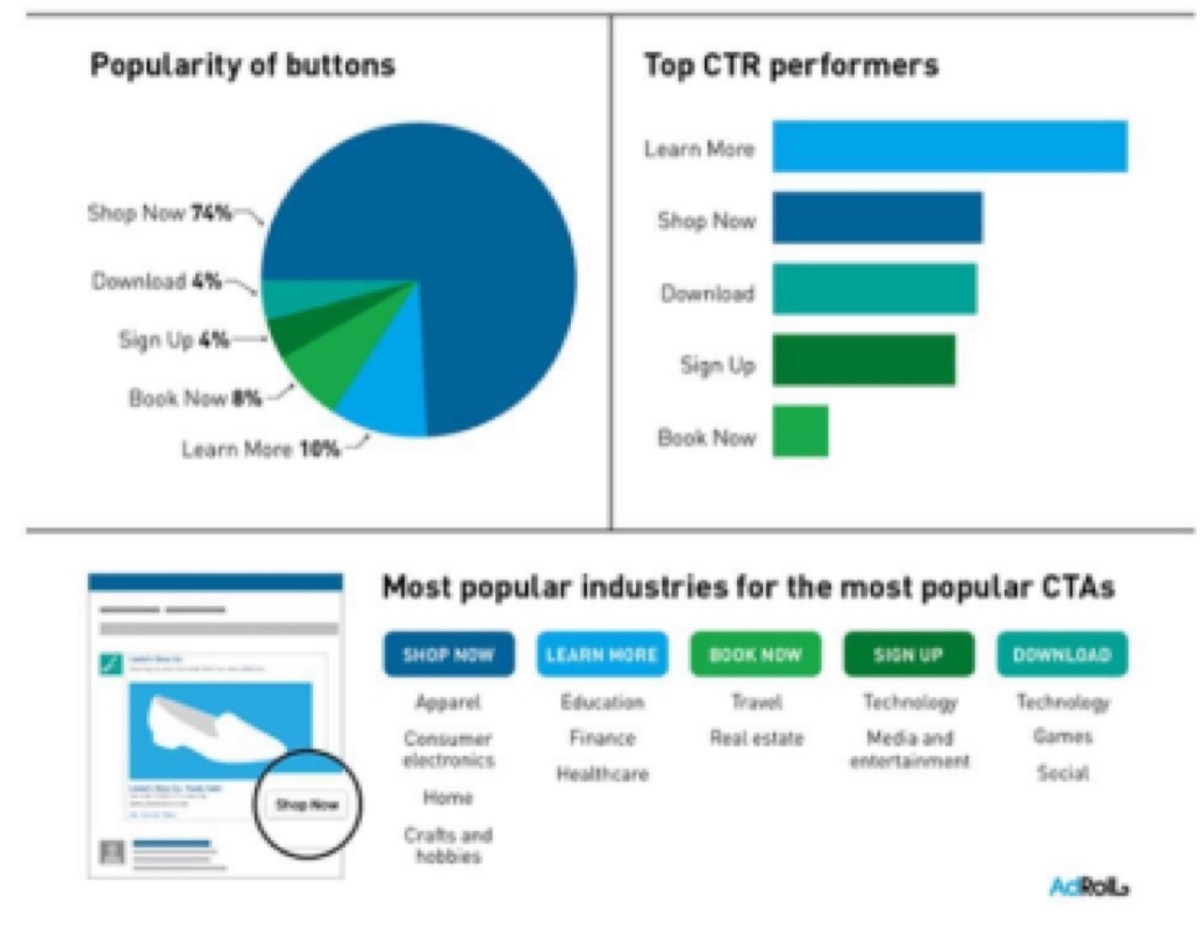
A custom website places CTAs where they drive conversion. A template places them where the template was designed to allow them — which is rarely the same thing.
5. High-Resolution Visuals Without Platform Constraints
Many free and low-cost template platforms compress or restrict uploaded images, limiting the quality of photography and video that represents your products.
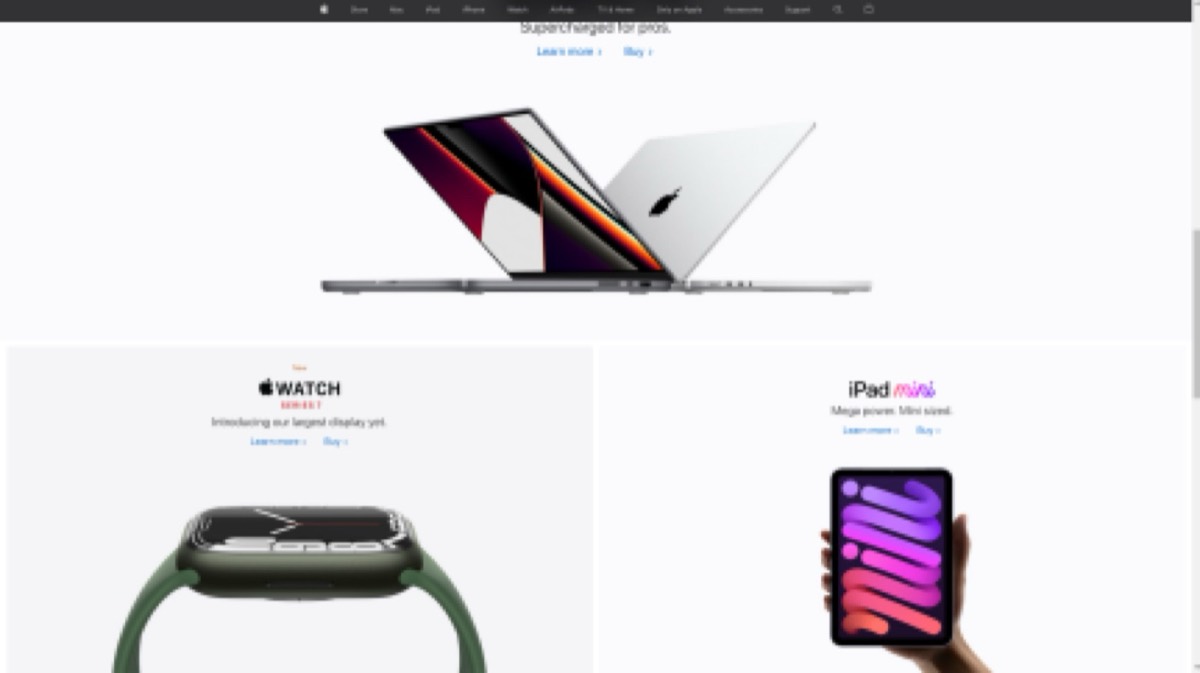
Custom websites support full-quality photography, video, and interactive visual content. High-resolution imagery extends engagement time on product pages and generates Google Image Search visibility — an often-overlooked source of organic traffic.
6. White Space Used Deliberately for Focus
The most effective product and service pages use white space (empty canvas) to reduce distractions and concentrate attention on what matters: the product and the CTA.
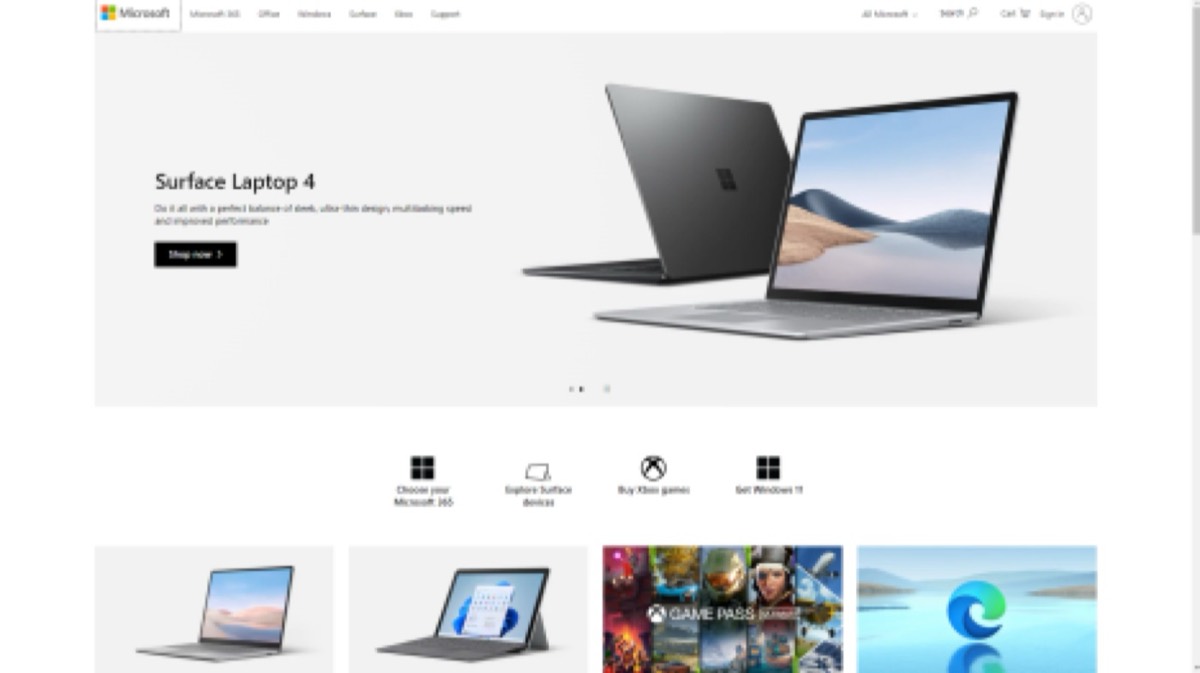
Cluttering a page with ads, unrelated links, and competing visual elements fragments attention and suppresses conversion. The more minimalistic the design, the higher the purchase intent of visitors who engage with the core offering.
Custom websites control white space with precision. Templates often fill available space with default elements that add noise rather than value. For high-converting results from a smaller investment, there are pro tips for building a website that grabs attention and drives action that apply regardless of whether you go custom or use a template.
7. Mobile Experience That Matches Desktop Quality
Mobile devices account for over 60% of global web traffic. Cart abandonment rates are highest on mobile — not because mobile users don't want to buy, but because mobile experiences on many sites are poorly designed.
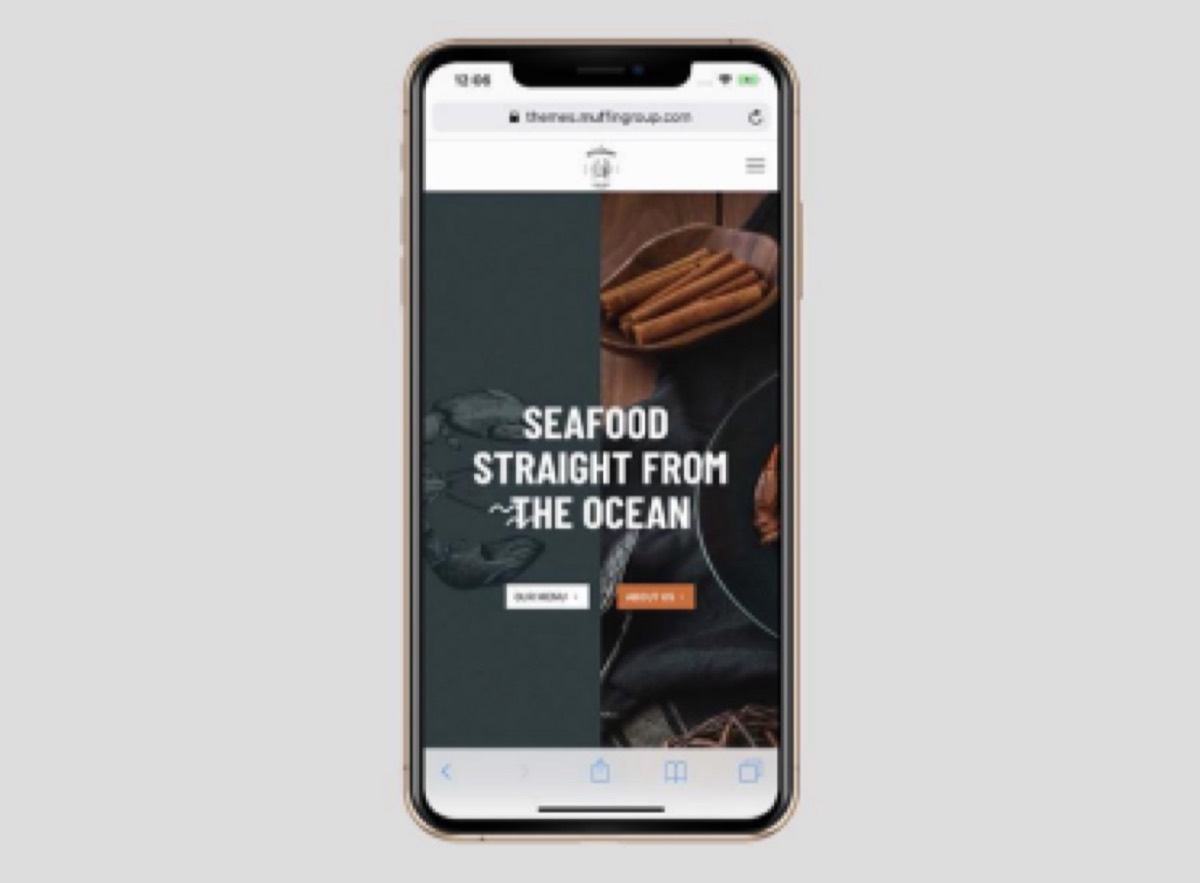
A custom website designs the mobile experience deliberately — touch targets sized correctly, checkout flows optimized for small screens, load times minimized. The goal is the same conversion rate on mobile as on desktop.
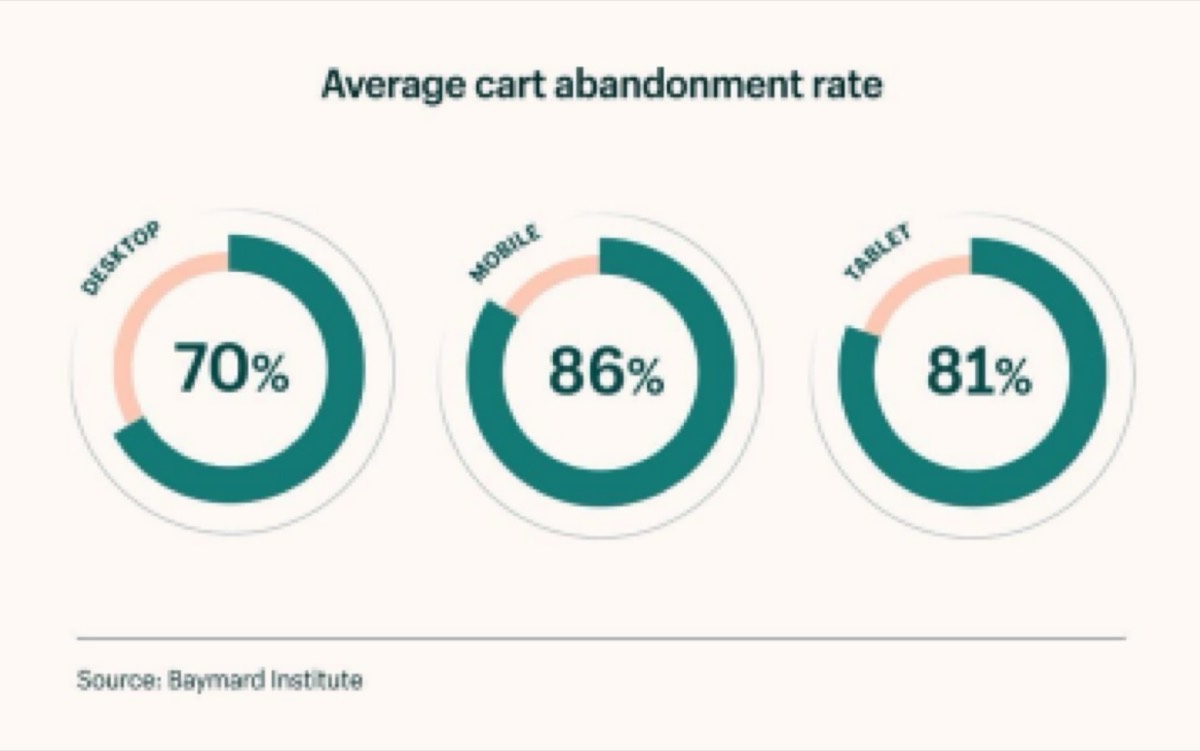
Many templates offer "responsive" layouts that technically work on mobile but were designed for desktop first. The resulting mobile experience is functional but not optimized.
8. Fast Load Times, Engineered for Your Scale
Around 47% of customers expect a website to load within 2 seconds. 40% abandon pages that take longer than 3 seconds to load. Every second of delay reduces conversion rates measurably.
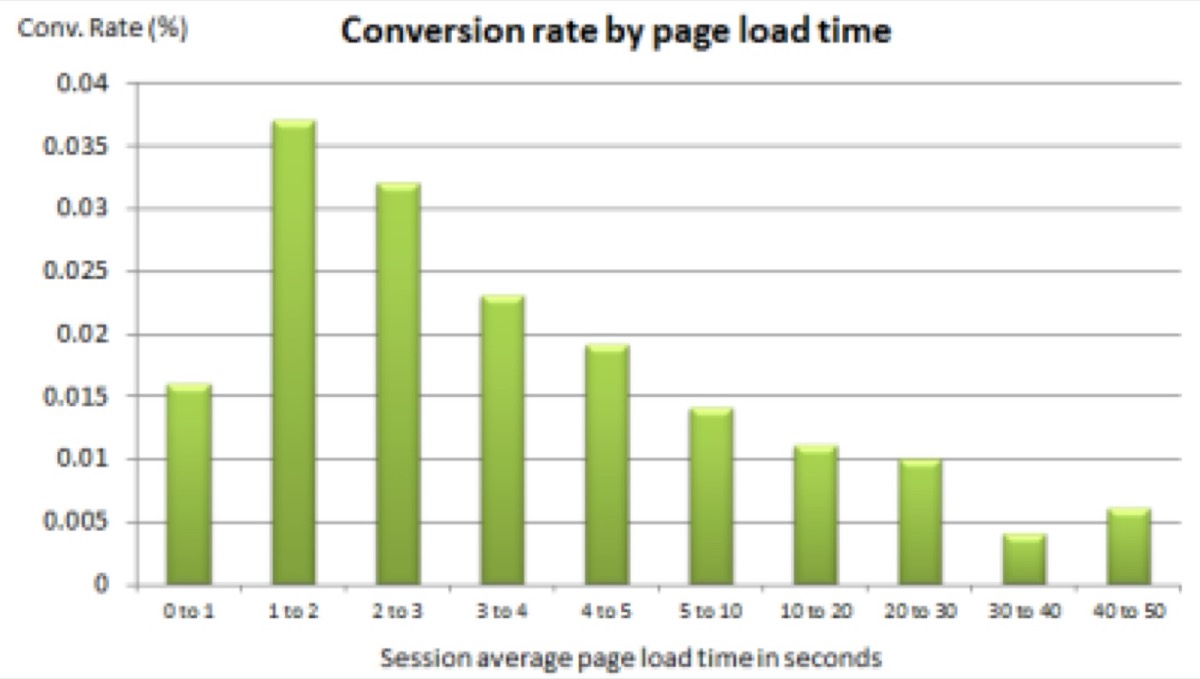
Custom websites can be performance-engineered specifically for your traffic patterns, content type, and hosting infrastructure. Template sites run shared code bases with generic optimization — adequate for early-stage traffic, insufficient for high-volume or high-intent audiences.
The faster the website, the higher the conversion rate and the lower the cart abandonment rate.
9. SEO Performance Built into the Architecture
Search engine optimization is not just keyword strategy — it is built into the technical architecture of the website. Page structure, URL schema, metadata handling, internal linking, Core Web Vitals scores, and schema markup all affect organic search ranking.

Template websites often share identical code structures across thousands of sites, with identical default metadata and limited control over technical SEO elements. A custom build can implement SEO architecture optimized specifically for your content and competitive landscape from day one.
Note: It is worth clarifying that SEO (Search Engine Optimization — organic ranking) and SEM (Search Engine Marketing — paid advertising) are distinct strategies. Custom websites improve both by providing clean technical foundations and flexible landing page creation.
10. Deep CMS and Analytics Integration
A custom website integrates your Content Management System, CRM, marketing automation platform, and analytics tools in ways that generate actionable data for ongoing sales optimization.
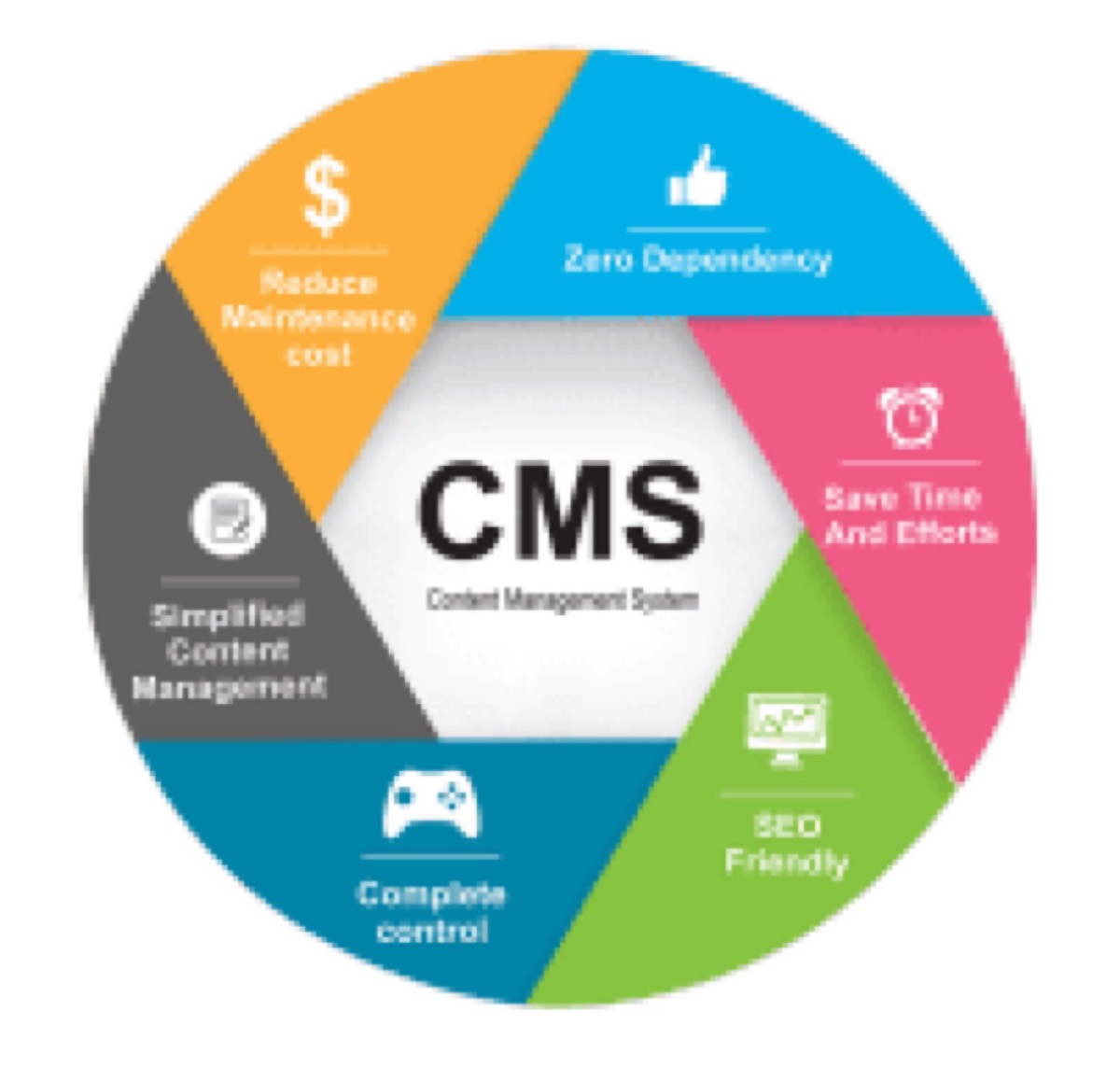
These integrations power customer segmentation, retargeting, lifecycle marketing, and conversion rate optimization campaigns that template-limited sites cannot run effectively.
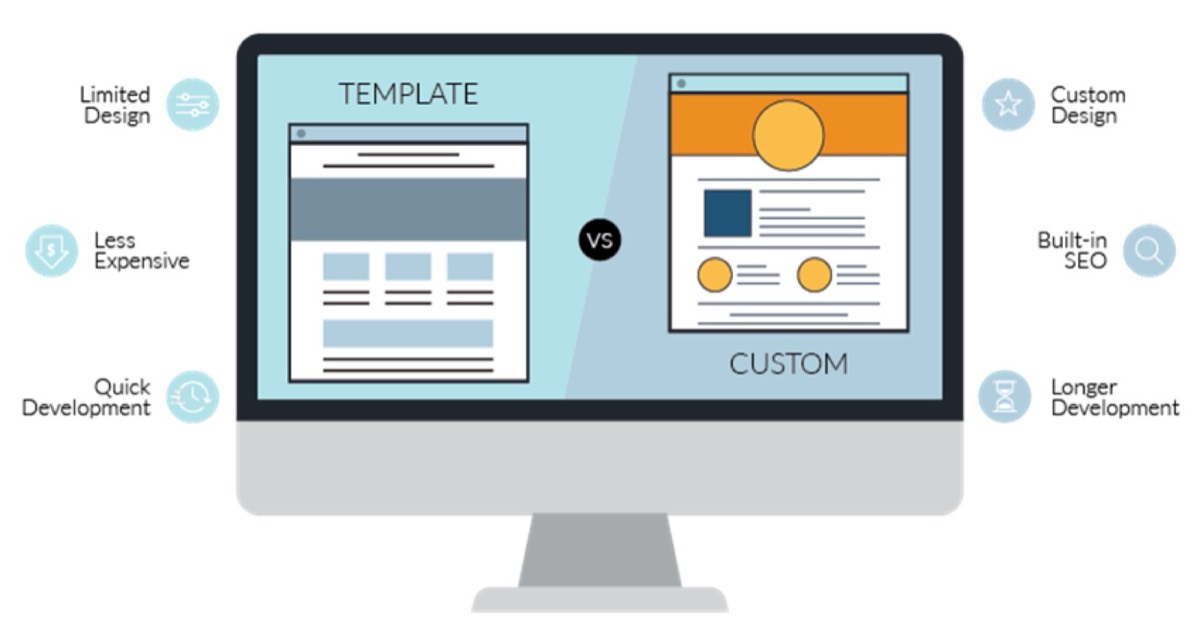
Custom Website vs Template: The Honest Comparison
| Factor | Custom Website | Template Website |
|---|---|---|
| Design flexibility | Unlimited | Constrained by theme |
| Mobile optimization | Designed for mobile | Responsive, not optimized |
| SEO control | Full | Limited |
| Load time control | Full | Shared infrastructure |
| CTA placement | Anywhere needed | Where template allows |
| Cost | Higher upfront | Lower upfront |
| Time to launch | Weeks to months | Days to weeks |
| Best for | Established/growing businesses | Early-stage/tight budget |
Templates offer four genuine advantages: they are affordable, available immediately, require no technical expertise, and are appropriate for early-stage businesses with simple offerings.
Custom websites become the better choice when: the business has grown beyond what a template can represent, conversion optimization has become a strategic priority, brand differentiation is essential, or the template's technical constraints are visibly limiting performance.
Need a website that works as hard as your sales team? See Digital Polo's web design plans →
Conclusion
For most businesses at launch, a well-chosen template is the right decision. For businesses that have grown to the point where the template is visibly limiting their sales performance — through poor mobile experience, generic branding, SEO constraints, or inflexible conversion flows — a custom build is an investment that pays for itself. Understanding how website design can make or break your business sets the right frame for making that investment decision.
The decision is not "custom good, template bad." It is a question of fit: does your current website architecture match the ambitions and needs of the business as it exists today? One thing both custom and template sites must avoid: deceptive design patterns that erode trust and drive users away the moment they sense manipulation.
If the answer is no, the cost of staying on a template is the difference between what you're converting and what you should be.
Digital Polo designs custom, conversion-focused websites for businesses that have outgrown their templates — with unlimited revisions and no per-project fees. Start for $399/mo → | Soulmate at $899/mo →
Frequently Asked Questions About Custom Website Design
Is a custom website worth it for a small business? It depends on the business stage and needs. For a brand-new business with limited budget, a well-designed template (Squarespace, Webflow, or a premium WordPress theme) is the right starting point. A custom website becomes worth the investment when conversion optimization is a strategic priority, when the business has distinct brand requirements a template can't serve, or when technical SEO and performance are critical differentiators.
What is the difference between a custom website and a template website? A template website is built from a pre-designed theme applied to your content — fast and affordable, with design constraints set by the theme. A custom website is designed and built specifically for your brand and business requirements — with full control over layout, functionality, performance, and SEO architecture. Custom sites require more investment and time; they return that investment through higher conversion rates, better SEO performance, and stronger brand expression.
How much does a custom website cost? Custom website design and development typically runs $5,000–$50,000+ depending on complexity, features, and the agency or developer building it. For businesses that need ongoing design support across their website and marketing materials, a design subscription like Digital Polo (starting at $399/mo) covers web design as part of an unlimited-request model — eliminating per-project fees for businesses with continuous design needs.
What makes a website good for sales? A sales-optimized website has: a clear value proposition visible within 5 seconds of landing, minimal friction between interest and conversion, CTAs positioned at the moments of highest intent, social proof adjacent to decision points, fast load times on mobile and desktop, and a mobile experience that matches desktop quality. These are achievable on both templates and custom builds, but custom builds provide more precise control over each element.
Why is website load speed important for conversions? Load speed directly affects conversion rate. Google data shows that a 1-second delay in mobile page load time reduces conversions by up to 20%. 40% of visitors abandon pages that take more than 3 seconds to load. This means a poorly performing website is losing a substantial percentage of its potential conversions before visitors have even seen the content. Custom websites can be performance-engineered for specific traffic volumes and content types in ways that generic templates cannot.