Since the first modern Olympics in Athens in 1896, every Olympic Games has been both a sporting event and a global branding exercise. Each host city produces a unique visual identity — logo, slogan, mascot, color palette, and design system — that must communicate the host nation's culture, signal universal Olympic values, and work across billions of impressions on every medium imaginable.
In this post, we examine five Summer Olympics from 2008 to 2024, analyzing the branding decisions that defined each Games and what they reveal about design at the highest level of visibility.
Tokyo 2020: United by Emotion
The Games of the XXXII Olympiad were officially Tokyo 2020, despite being held in 2021 due to the COVID-19 pandemic — the first Olympic postponement in the modern era.
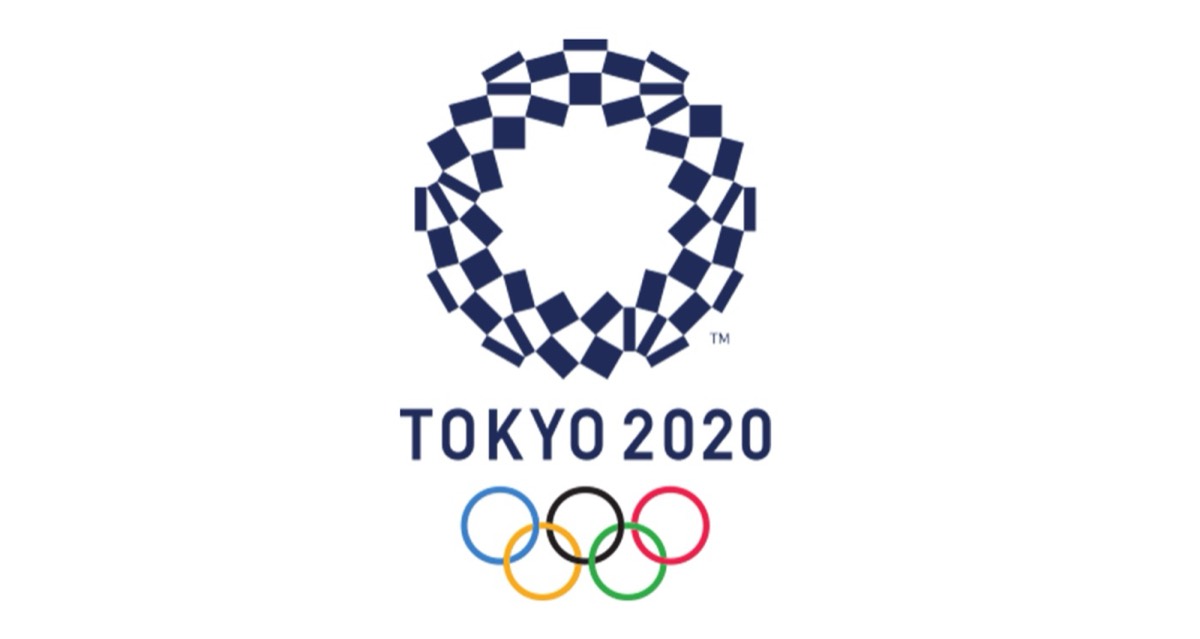
The Tokyo 2020 logo was designed by Asao Tokolo, who won a national competition. The design — a checkered circular pattern using the traditional Japanese indigo color alongside black — draws from traditional Japanese design language (the "ichimatsu moyo" checkered pattern) while constructing it into a form that reads as modern and globally accessible. The three shapes within the pattern represent different countries, cultures, and thinking styles, united by the event.
Slogan: "United by Emotion" — particularly resonant given that the Games were held without spectators due to COVID-19 health restrictions, making the emotional connection between athletes and global audiences an entirely broadcast one.
Mascots: Miraitowa (Olympic) and Someity (Paralympic). Miraitowa's name combines "mirai" (future) and "towa" (eternity) — a forward-looking aspiration appropriate for a Games that had endured a year's delay. Both mascots used the Tokyo 2020 checkered pattern in their design, creating visual coherence between mascot and logo.
Design insight: The Tokyo 2020 logo faced an early controversy — a previous version was withdrawn after plagiarism allegations — before the Tokolo design was selected. The final design demonstrates how traditional cultural patterns, when abstracted and modernized, can create a visual language that feels simultaneously national and universal.
The Beijing Olympics of 2008

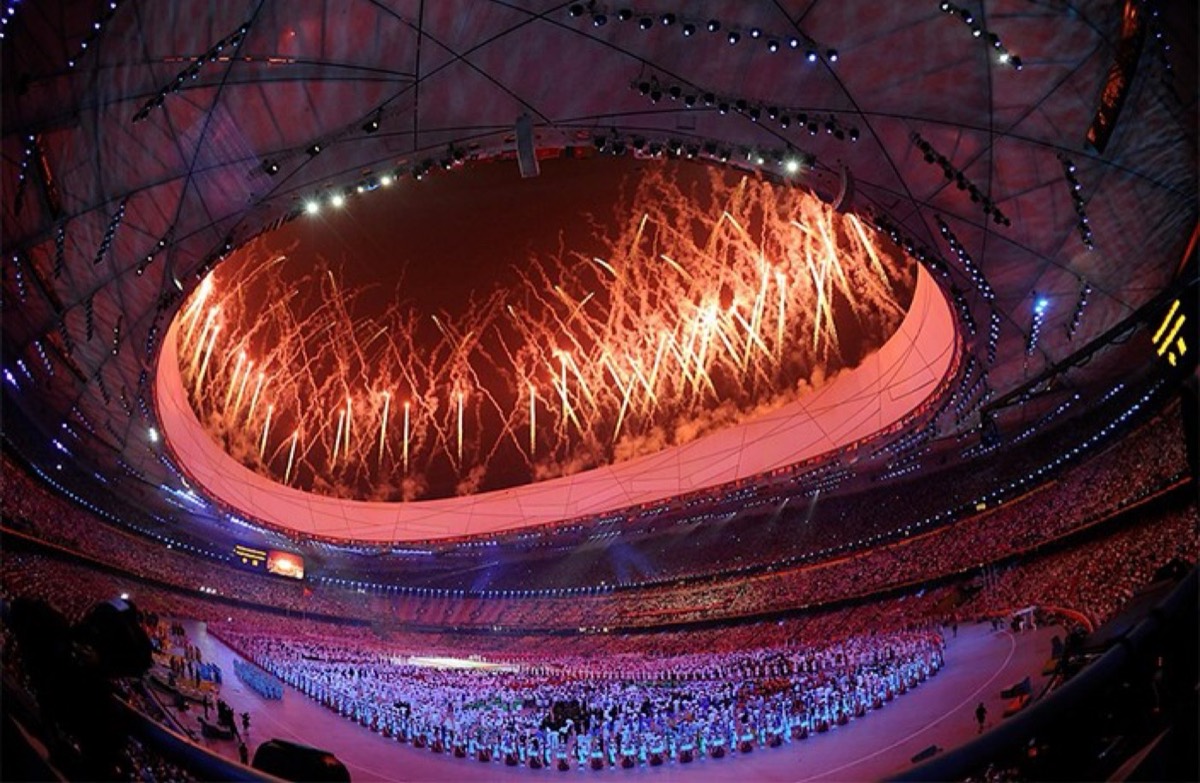
The Summer Olympics of 2008 — the Games of the XXIX Olympiad — were China's first opportunity to host the Summer Games and became one of the most discussed Olympic brand campaigns in modern history. 10,942 athletes competed in 28 sports over two weeks in August, in an event that was as much a statement of China's arrival on the world stage as it was a sporting competition.
The Branding of Beijing 2008
Logo
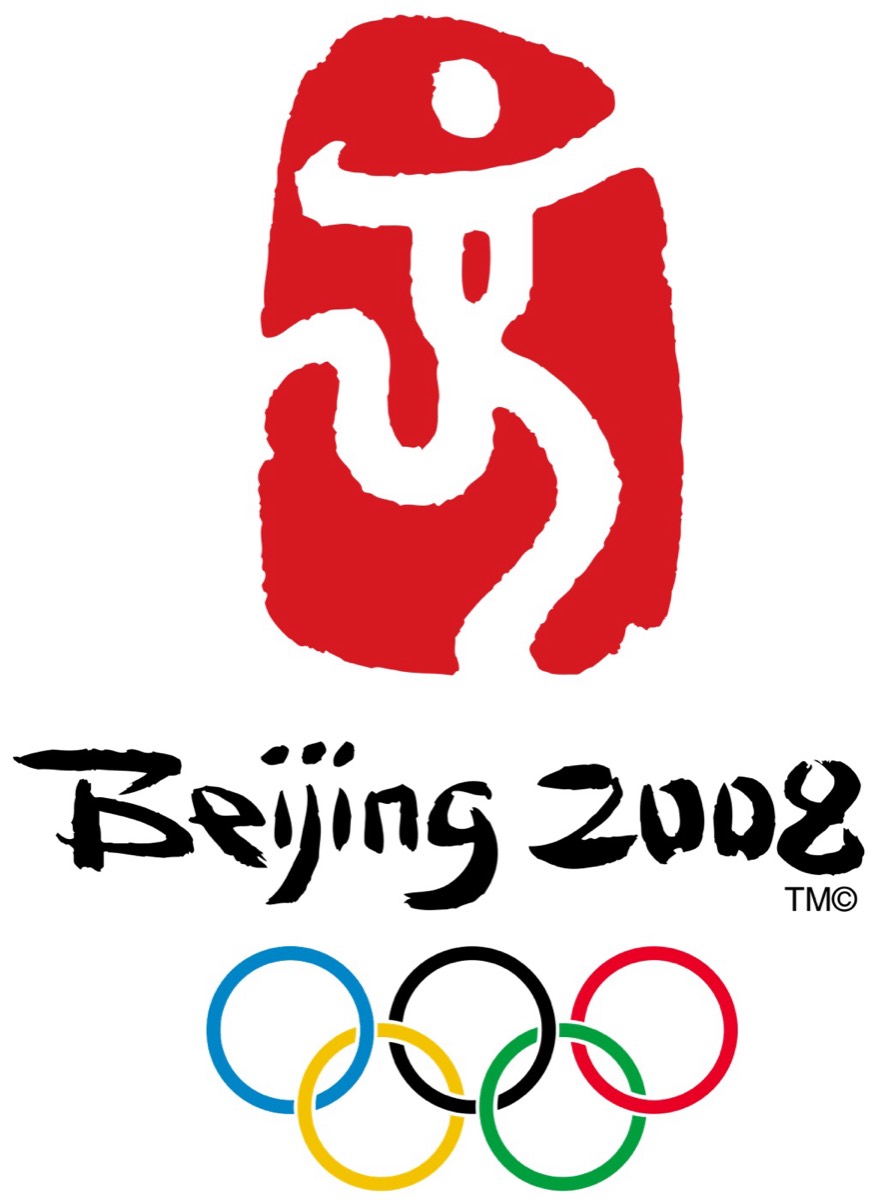
The Beijing 2008 logo, known as "Dancing Beijing," was designed by Guo Chunning. The design is a fusion of the traditional red seal of China with a calligraphic representation of the character "jing" (京, from 北京 — Beijing). The character is rendered in a form that shows athletic motion — open arms that suggest both invitation and physical dynamism. The design communicates Chinese cultural heritage while projecting vitality and welcome to the world.
Slogan
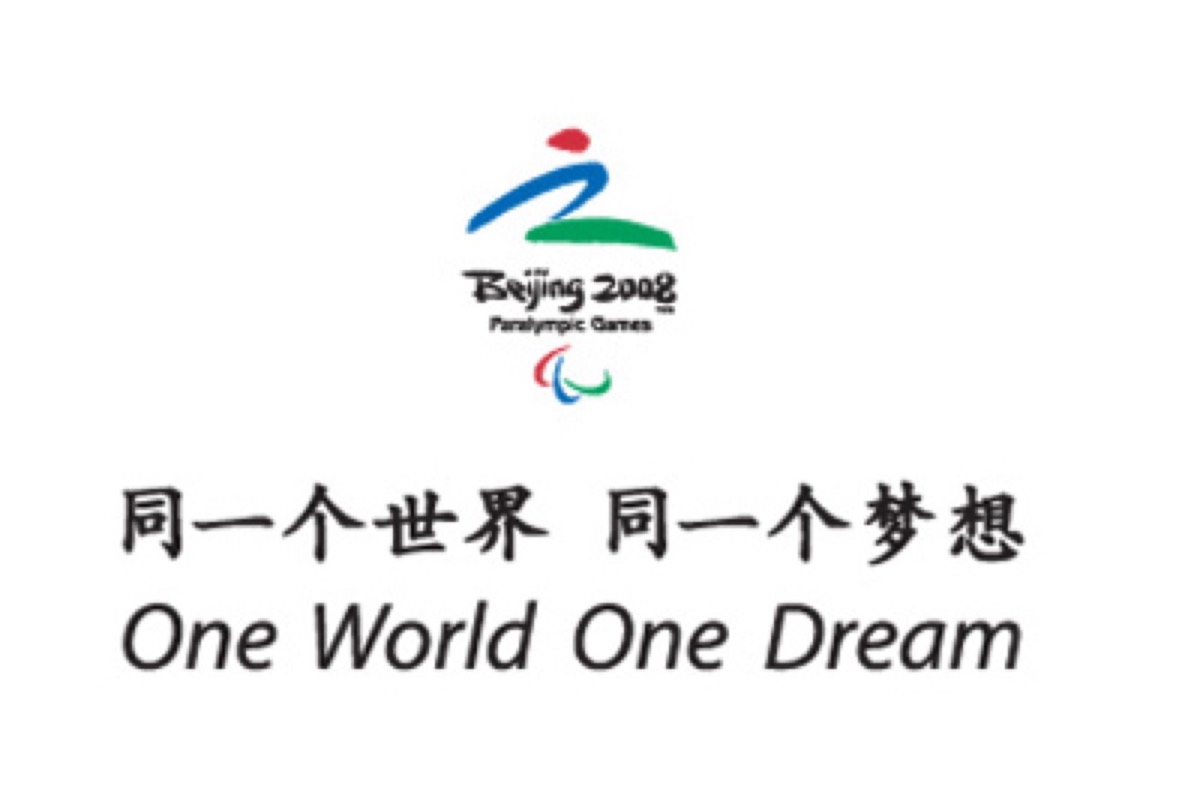
The slogan "One World One Dream" was chosen from over 210,000 submissions. It communicated both international aspiration (one world) and the specificity of athletic competition (one dream). The fact that it was chosen from submissions around the world was itself a brand message — the Olympics as a genuinely global project.
Mascots
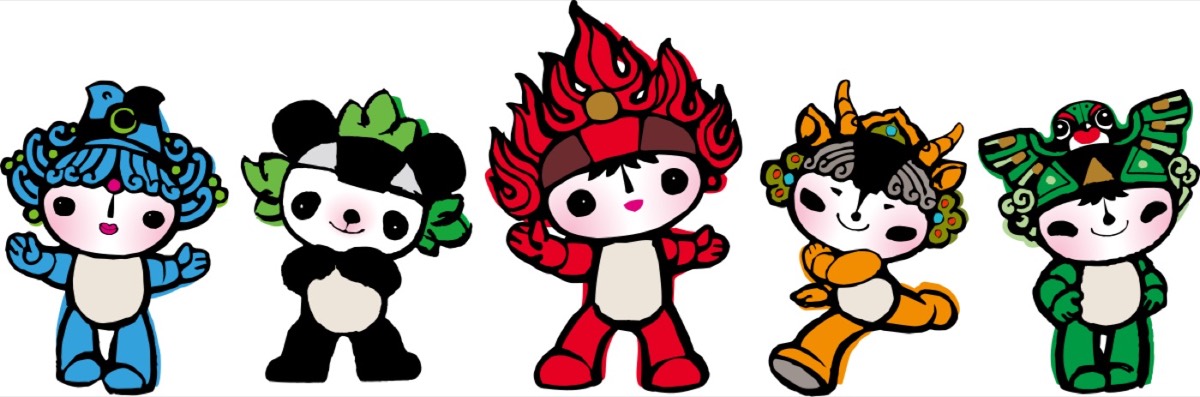
The Fuwa — five "good luck dolls" named Beibei, Jingjing, Huanhuan, Yingying, and Nini — each represent an element (water, earth, fire, air, and nature), an Olympic ring color, and a Chinese cultural motif (fish, giant panda, Olympic flame, Tibetan antelope, and swallow). The first syllable of each name combines to spell "Běijīng huānyíng nĭ" — "Beijing Welcomes You." A piece of linguistic branding embedded into mascot identity.
Marketing Beijing 2008
Broadcasting
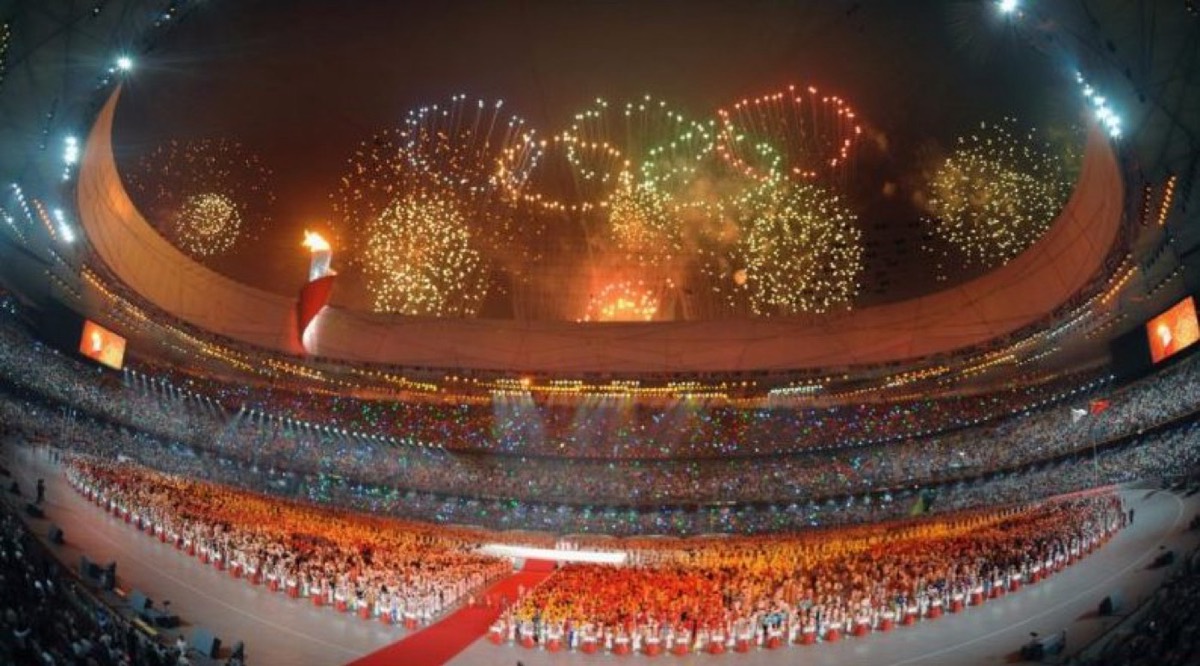
The Beijing Games were the first Olympics to deploy digital technology at scale — HD broadcast, internet streaming, and mobile viewing were all significant factors for the first time. OBS provided over 5,000 hours of HD sports content to partners who delivered a combined 61,700 hours of coverage globally. The Games were broadcast in 220 territories with a TV audience of approximately 4.3 billion — at the time, a record.
Sponsorship
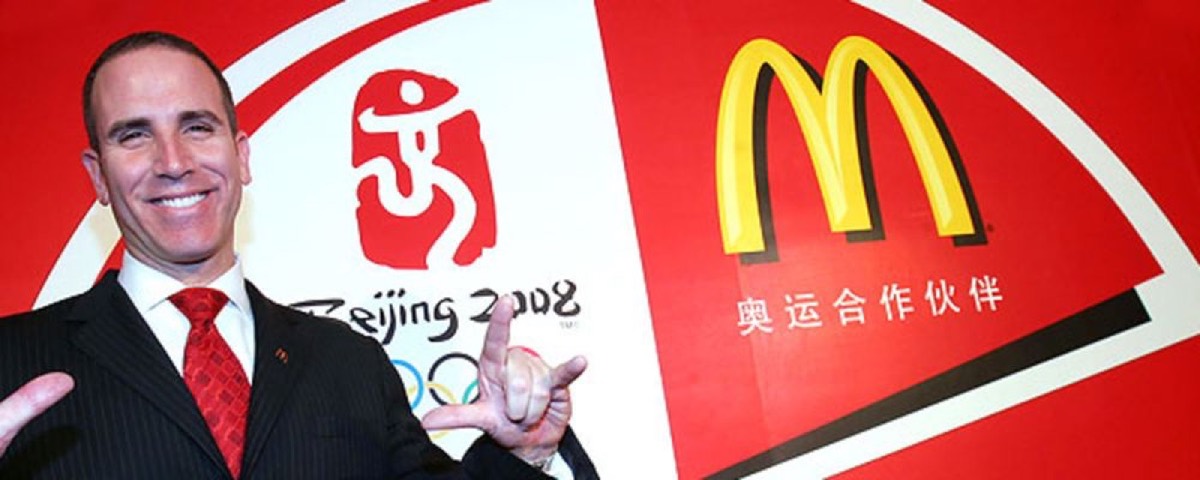
Nearly 50 companies contributed to the sponsorship program — the largest in Olympic history to that date. Sponsors gained access to China's rapidly growing consumer market and the global visibility of the most-watched sporting event on earth.
Impact
China won the most gold medals of any nation. The economic investment — over $40 billion in infrastructure — generated long-term returns through tourism expansion and international business growth, with analysts attributing a sustained 2.5% annual GDP increase to Olympic investment. Beyond economics, the Games fundamentally altered international perception of China as an economic and cultural power.
The London Olympics of 2012
The Games of the XXX Olympiad ran from 27 July to 12 August 2012 — London becoming the first city to host three modern Olympic Games, having previously hosted in 1908 and 1948. 10,768 athletes from 204 National Olympic Committees competed.
Branding
Logo
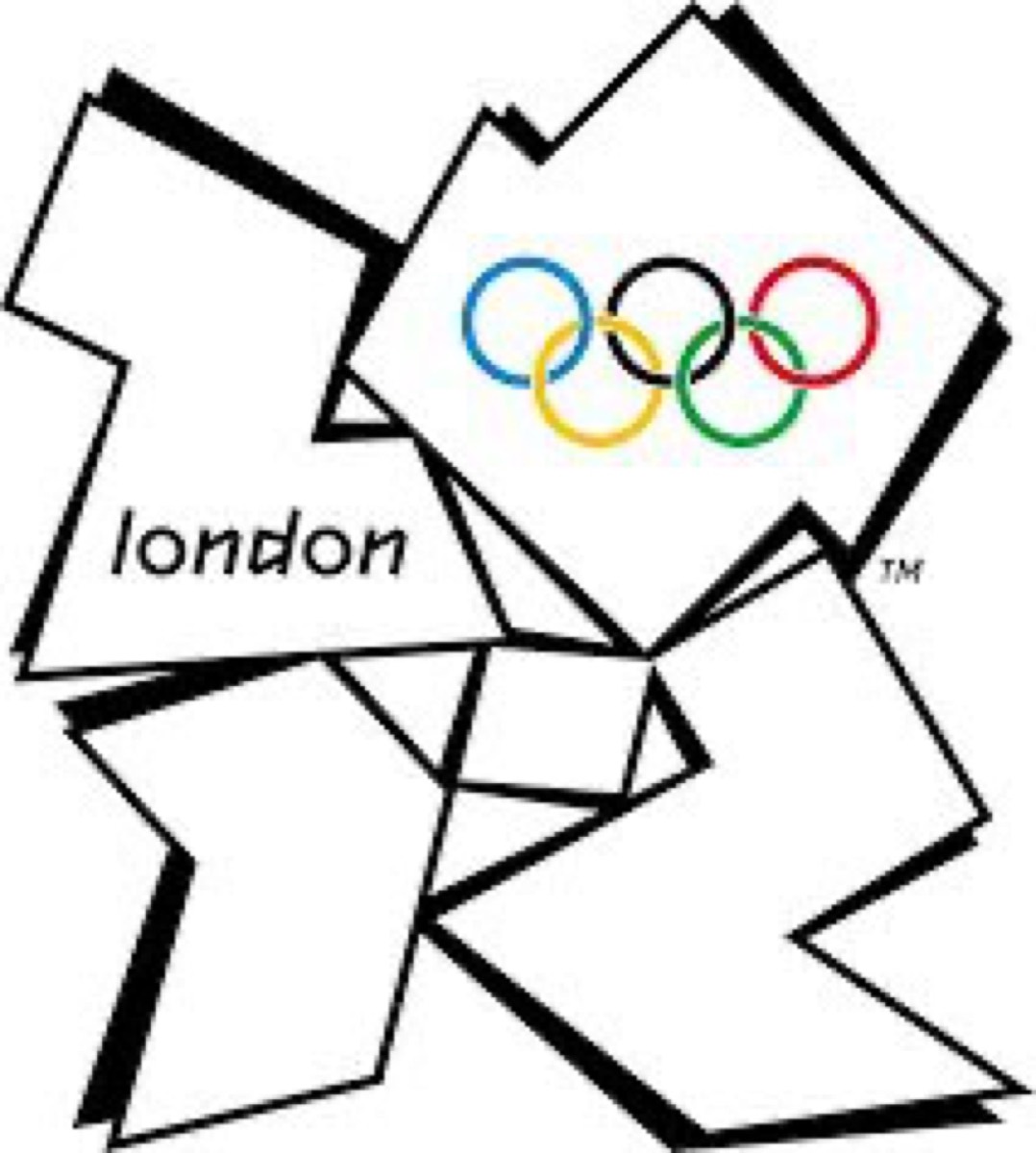
London 2012 had two logos: a bidding logo by Kino Design (a ribbon in the shape of the Thames, in Olympic ring colors) and the main Games logo designed by Wolff Olins. The main logo represented the year "2012" with the Olympic rings incorporated into the design. It was controversial from launch — a BBC poll found over 80% of respondents rated it negatively. Iran threatened to boycott over claims the logo spelled "Zion." The design was criticized as resembling cartoon characters and, in an animated version, was found to trigger photosensitive epilepsy in some viewers.
Despite the criticism, the logo became one of the most discussed design decisions in Olympic history — a case study in how branding at global scale generates scrutiny that most brand decisions never face.
Slogan
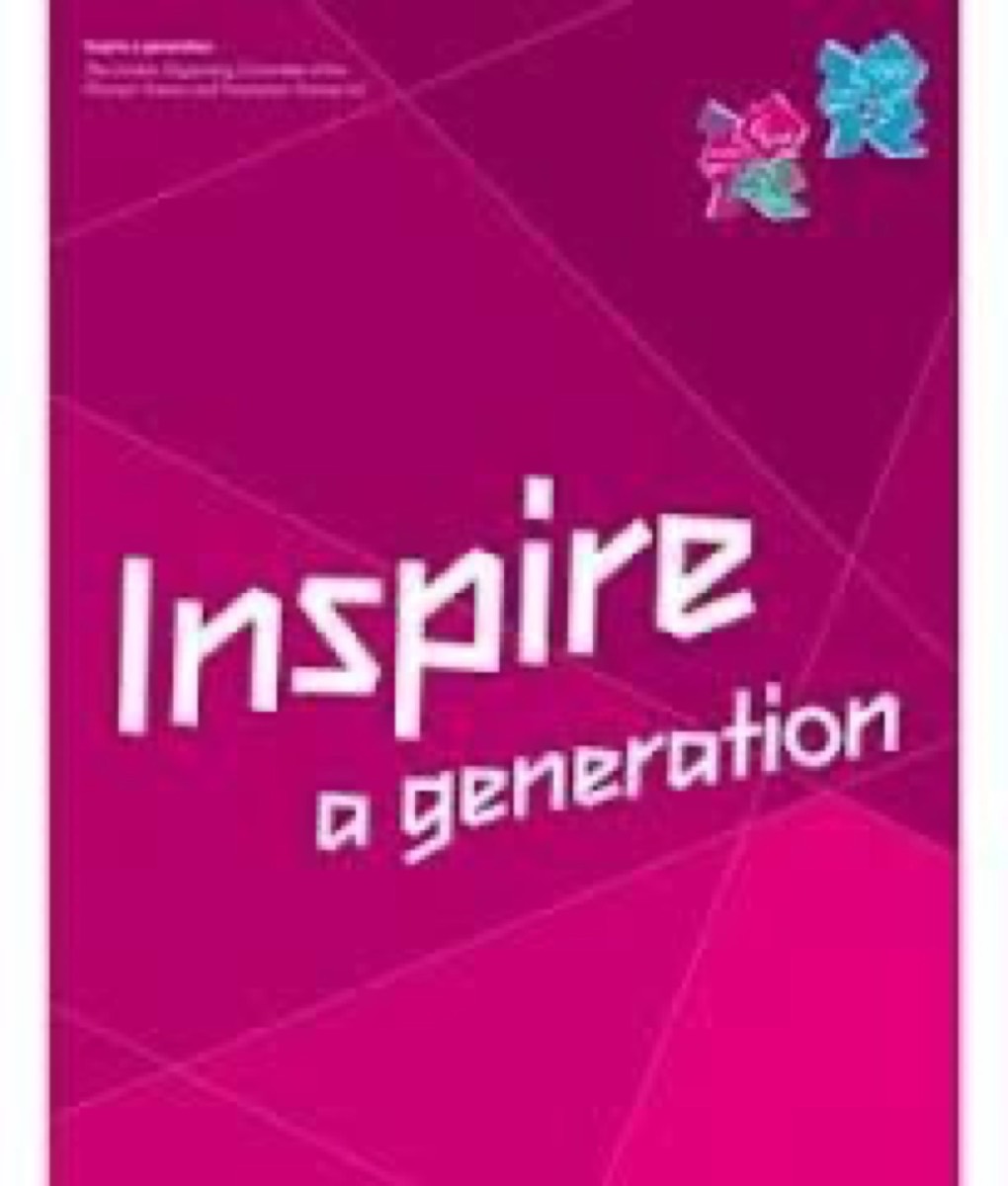
"Inspire a Generation" reflected the organizing committee's commitment to using the Games as a catalyst for youth sports participation across the UK. It was specific, aspirational, and measurable — qualities that most sports event slogans lack.
Mascots
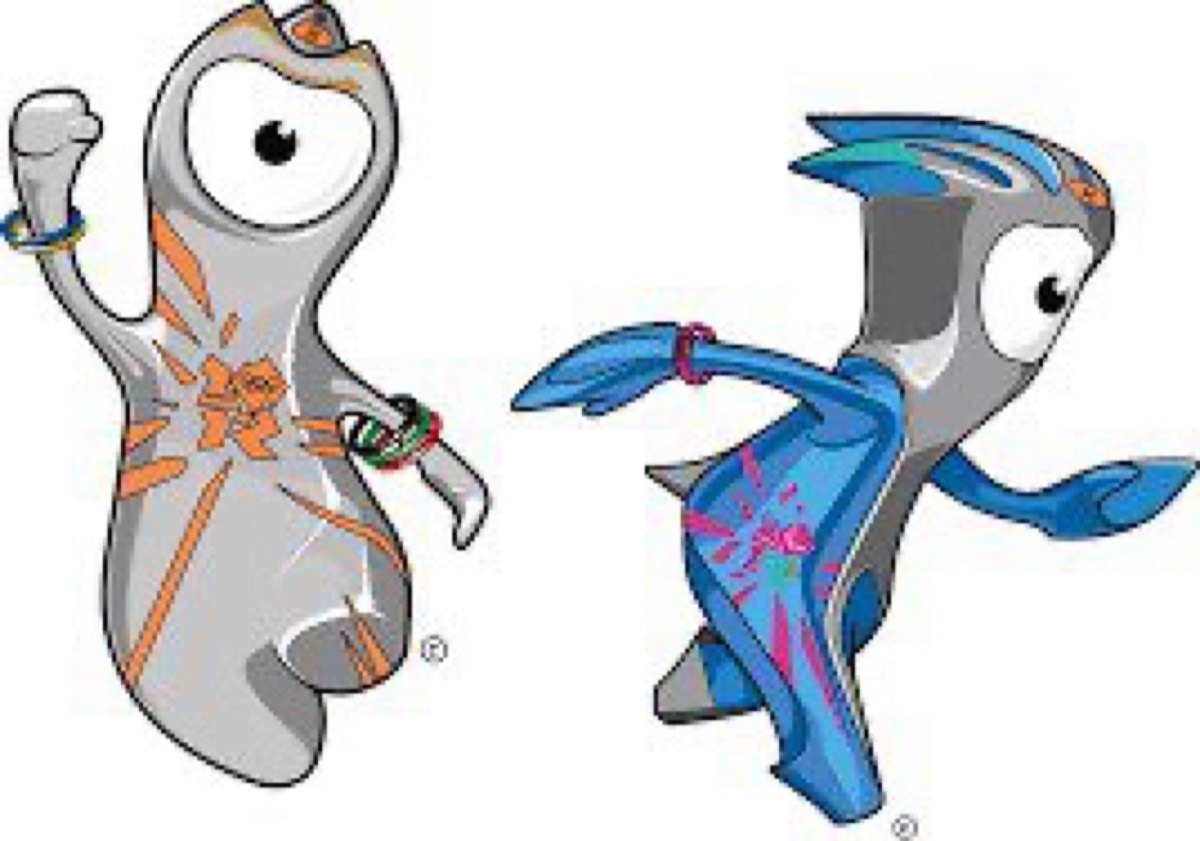
Wenlock and Mandeville depicted two drops of steel from a Bolton steelworks, named after Much Wenlock (which inspired the modern Olympics revival) and Stoke Mandeville (the site of the Paralympic movement's founding). The fictional backstory, written by Michael Morpurgo, was detailed and literary — the characters were given their own book series.
Marketing London 2012
Broadcasting
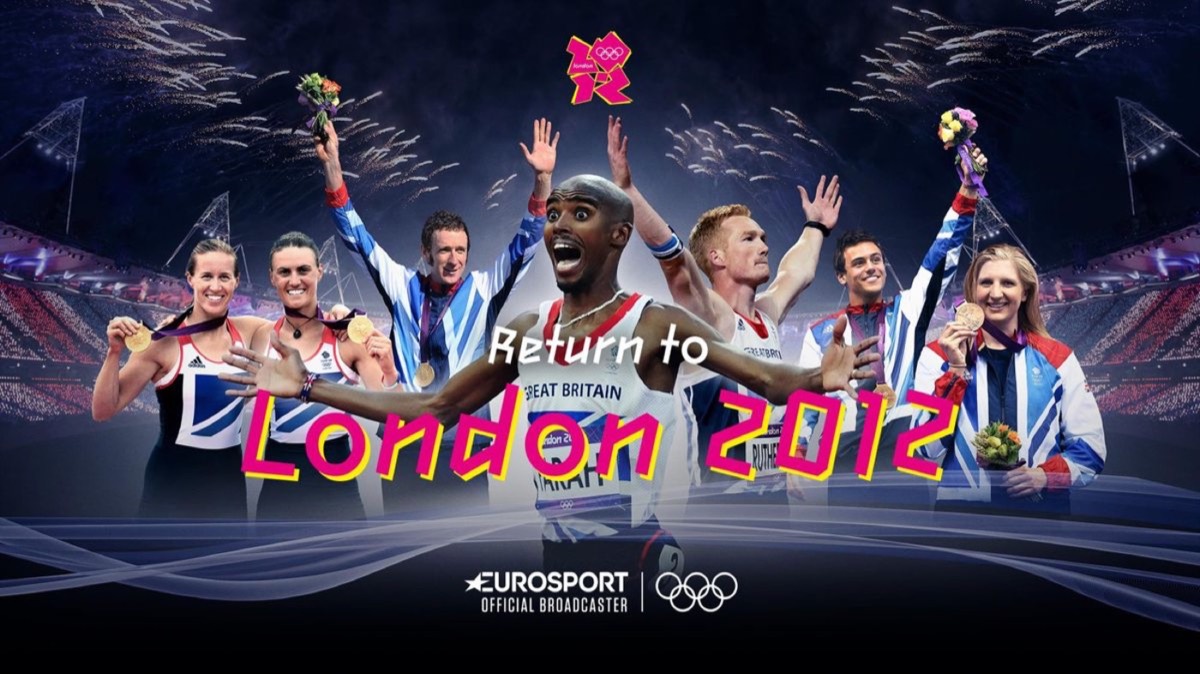
London 2012 reached 3.6 billion people in 220 countries — the largest Olympic audience to that point. Rights Holding Broadcasters provided over 100,000 hours of coverage across 500+ TV channels, nearly double the Beijing total. The event also featured the first live 3D Olympic broadcast.
Sponsorship
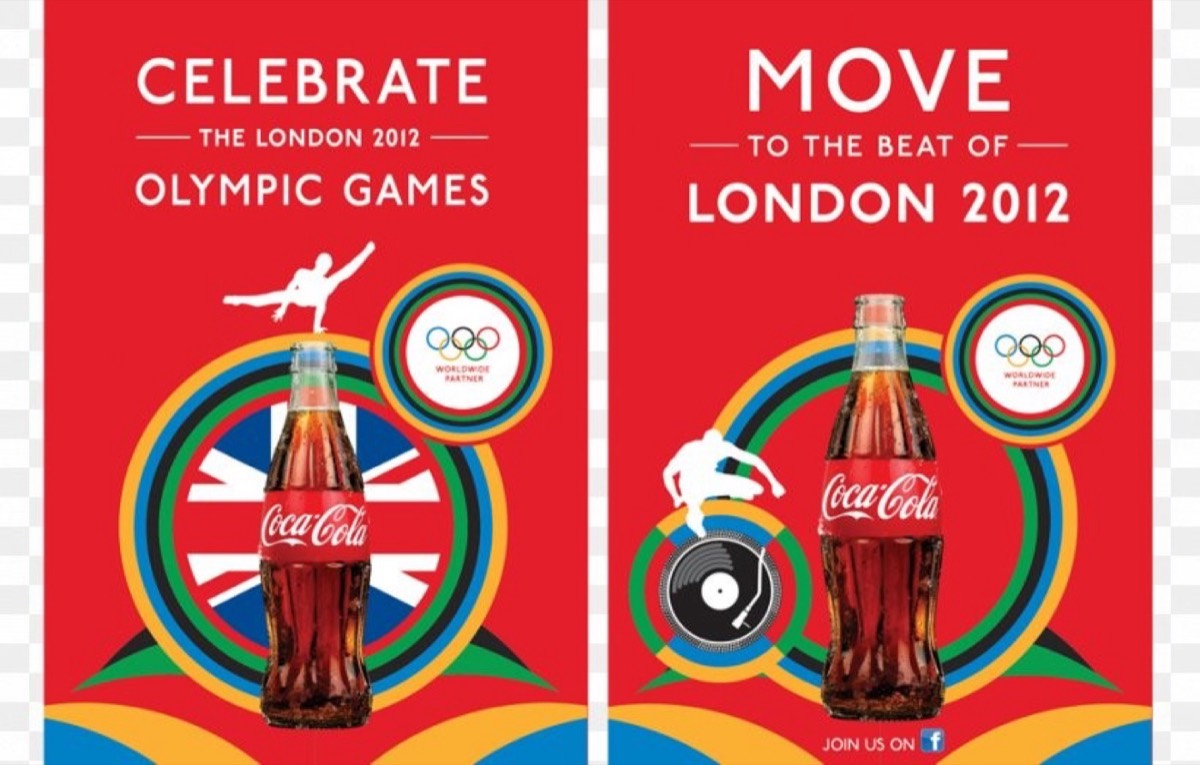
11 Worldwide Olympic Partners supported the Games, including Coca-Cola, Acer, VISA, P&G, and Panasonic — providing funding, products, and global promotion.
Impact
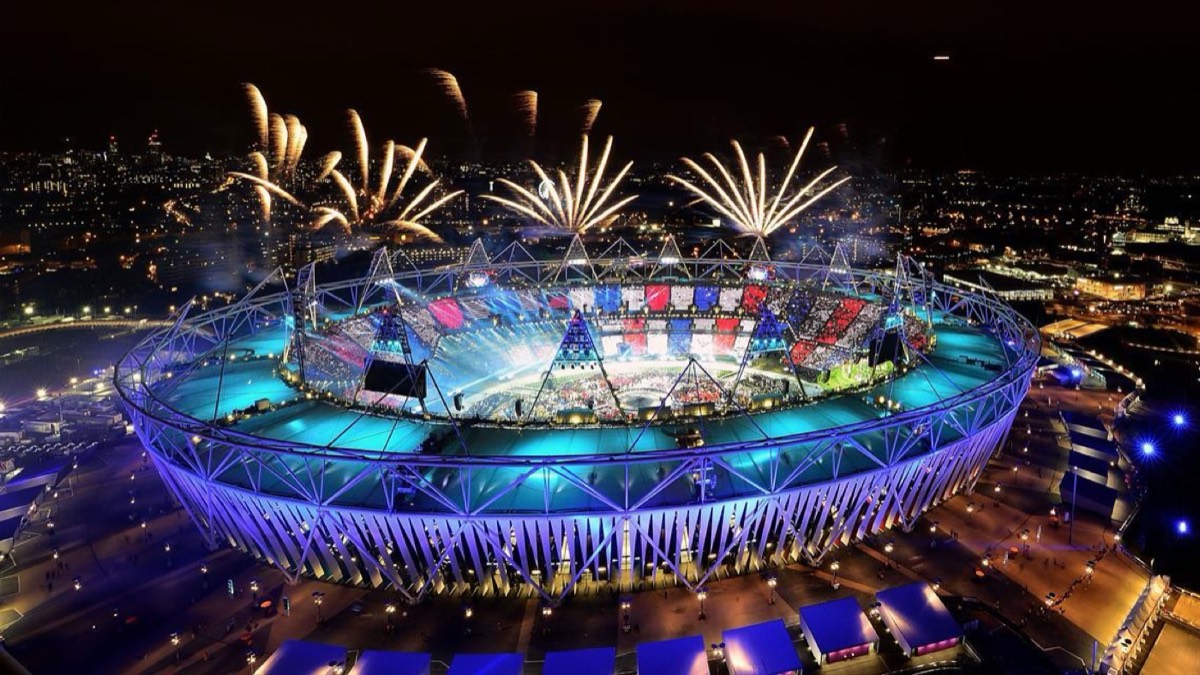
London 2012 produced one of the most remarkable public opinion reversals in modern event history. Before the Games, 73% of Londoners did not believe hosting was worthwhile. After the closing ceremony, 75% rated it the best event they had experienced. Britain used the Games to redefine its international cultural identity — presenting its traditional heritage alongside a modern, diverse, creative nation.
The Rio de Janeiro Olympics of 2016
The Games of the XXXI Olympiad ran from 5 to 21 August 2016 in Rio de Janeiro — the first Olympics held in South America. 11,000+ athletes from 207 nations competed, including the first Refugee Olympic Team. Events took place across 33 venues in Rio and five other Brazilian cities.
Branding
Logo
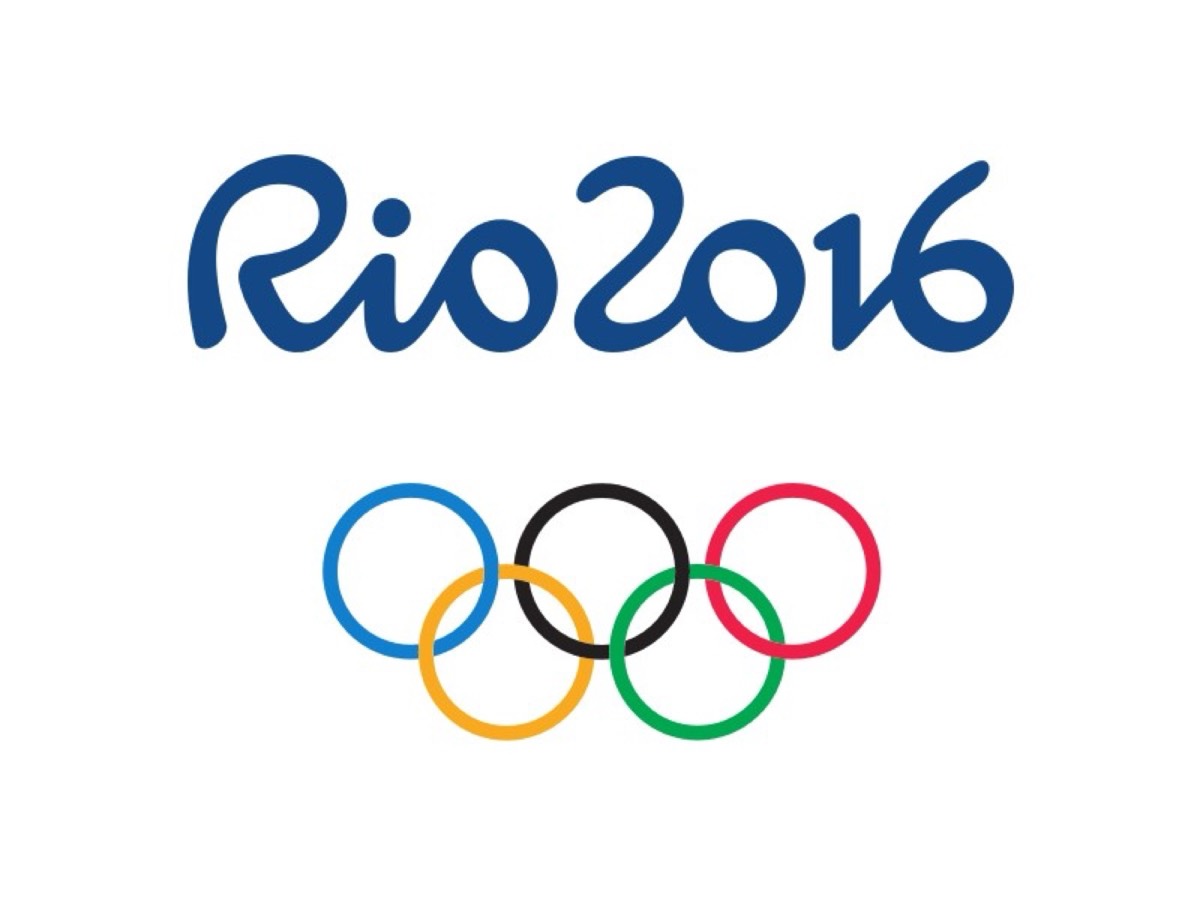
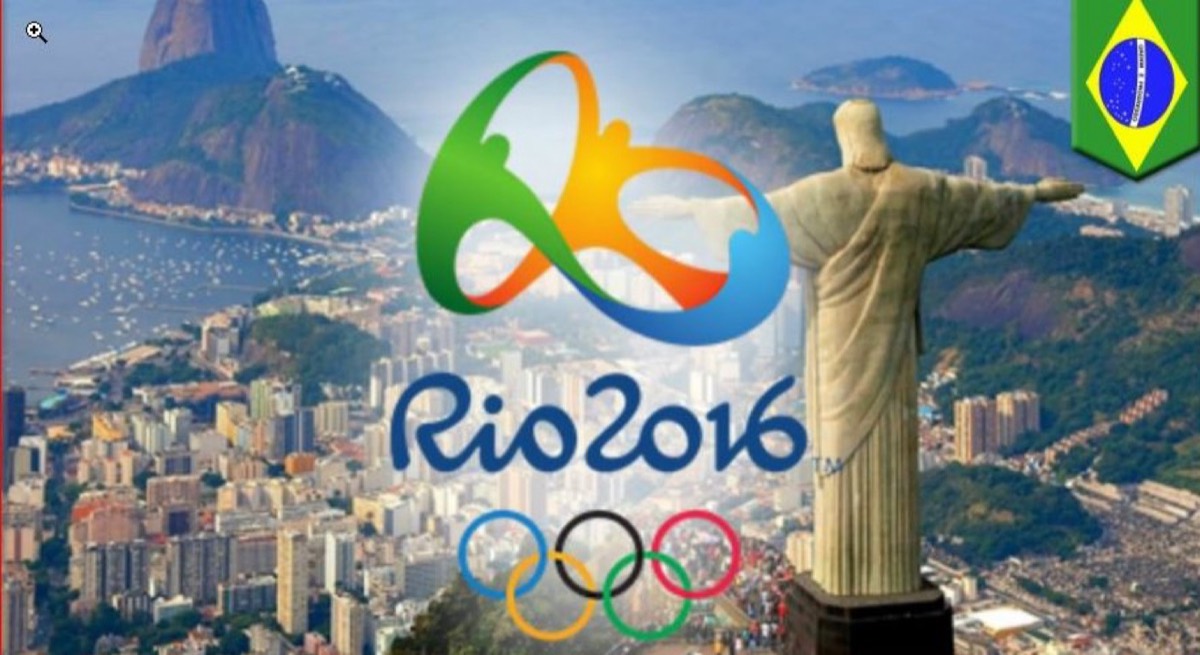
The Rio 2016 logo was designed by Brazilian agency Tatíl Design, selected from 139 competing agencies. The logo depicts three intertwined figures forming the shape of Sugarloaf Mountain — the iconic Rio landmark — in a 3D form that was, according to designer Fred Gelli, the first three-dimensional Olympic logo in Games history. The interlinked figures communicate connection, diversity, and the spirit of competition.
Slogan
"A New World" acknowledged the historic significance of South America's first Olympic Games. It communicated both geographic novelty and aspirational hope — an ambitious claim that the event delivered on more successfully than many critics predicted.
Mascots
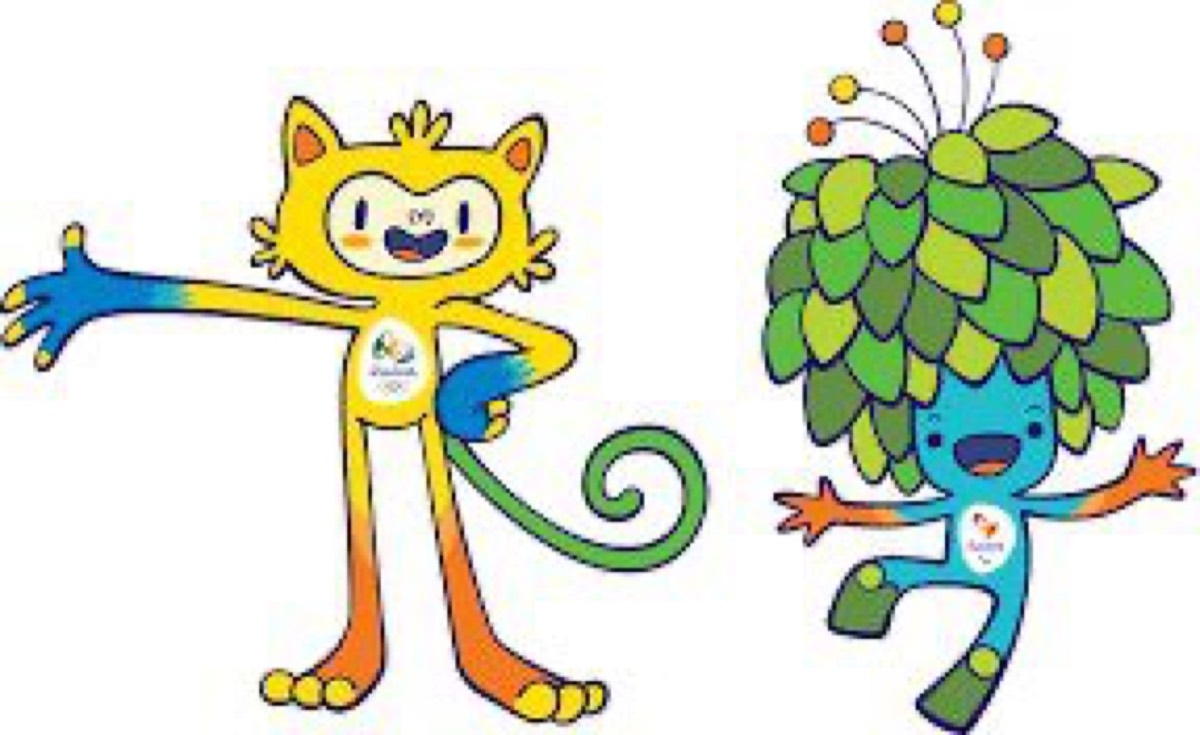
Vinicius and Tom were created by Birdo animation studio. Their names were selected by public vote — results announced in December 2014. Both mascots represented Brazilian flora and fauna, and their names referenced Brazilian music legends (Vinicius de Moraes, Tom Jobim), embedding cultural reference into mascot identity.
Marketing Rio 2016
Broadcasting
OBS deployed 1,000+ cameras to deliver 7,000+ hours of HD sports coverage. A potential audience of 5 billion viewers across 200+ countries and territories — the largest Olympic reach to that point.
Sponsorship
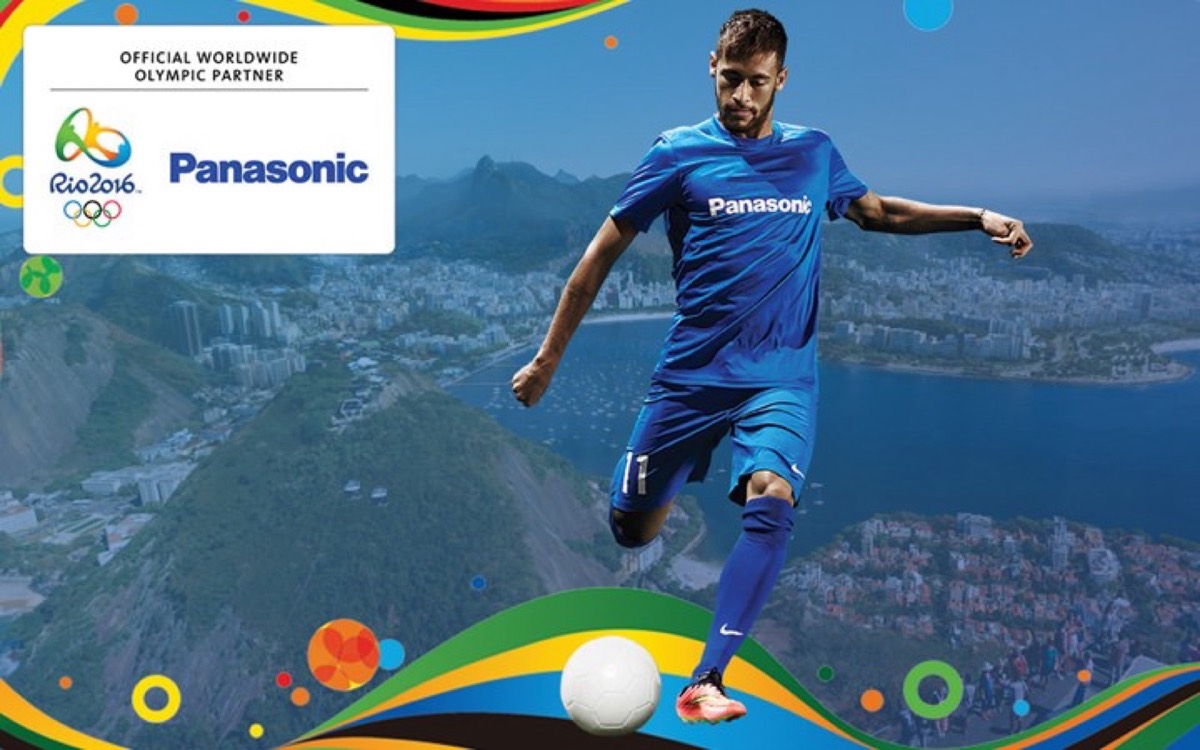
Sponsors including Omega, McDonald's, Panasonic, and Samsung provided both financial support and products and services for athletes and operations.
Impact
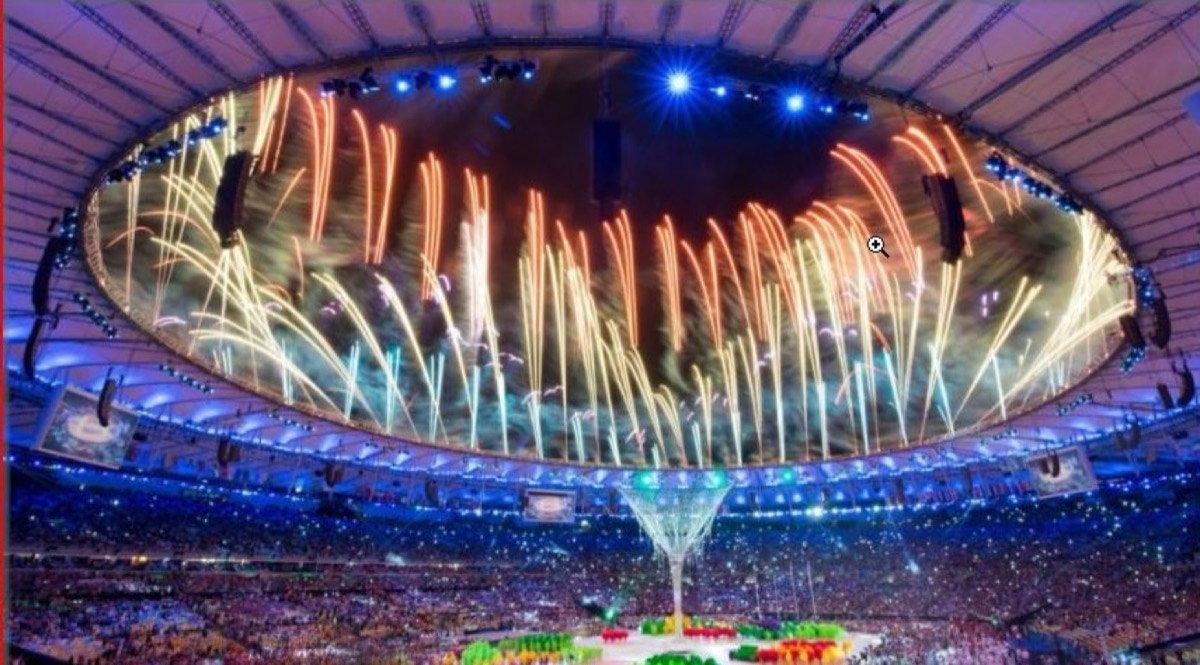
Rio faced skepticism before the Games — security concerns, political instability, and Zika outbreak fears dominated the pre-event coverage. The opening ceremony, with its rich presentation of Brazilian cultural history and the unexpected emotional power of the first Refugee Olympic Team's entrance, transformed the narrative. Brazil's gold in men's football gave the nation a unifying moment precisely when the slogan "A New World" needed substance.
Branding Lessons for Your Business
Five Olympic Games, five different design challenges, five distinctive approaches — but the same underlying lessons appear in each:
Visual identity must reflect genuine values, not just aesthetics. The Beijing "Dancing Beijing" logo worked because it expressed authentic Chinese cultural heritage. The London logo failed in public reception partly because critics felt it expressed nothing genuine about London or Britain. Brand identity earns trust when it is honest, not just designed. For brands looking to build this kind of authentic identity, minimalist branding principles offer a useful framework — restraint forces you to keep only what is genuinely true about the brand.
Consistency across every touchpoint amplifies impact. Tokyo 2020's checkered pattern appeared in the logo, the mascots, the official merchandise, and the venue design. That system-level consistency creates the brand recognition that a single logo cannot.
Controversy is not always failure. London 2012's logo was widely criticized — and widely remembered. The Games themselves were among the most loved in modern Olympic history. Brand attention, even negative attention, can be redirected by the quality of execution.
Slogans work when they are specific and honest. "United by Emotion," "Inspire a Generation," "A New World" — each communicated something specific about the context and aspiration of its respective Games. Generic slogans ("Excellence," "Together") create no impression and earn no memory. The color choices behind each Games' visual identity are equally deliberate — understanding how logo color psychology shapes brand perception reveals just how much intention goes into each palette decision.
The brand serves the event; the event validates the brand. Olympic branding is only as strong as the Games that follow it. The same is true for business brands — the brand promise must be backed by the product or service it represents.
Conclusion
The Olympic brand is one of the most studied and discussed in the world — not because it is the most profitable, but because it must operate at a scale and under a scrutiny that few brands ever face. Every design decision is a public decision.
What the Olympics demonstrate, edition by edition, is that brand identity is cultural communication. The best Olympic identities translate the host nation's character into a visual language that the entire world can engage with. That is the highest standard for what branding can achieve — and a useful aspiration for any organization asking what its brand should say about who it is. A strong corporate identity kit ensures that every touchpoint — from signage to digital — applies the brand system consistently, just as Olympic organizing committees do across thousands of assets.
Need brand design that communicates your identity clearly and consistently? Digital Polo creates complete brand systems — logo, identity kit, style guide, and brand materials — for one flat monthly fee. Start for $399/mo → | Soulmate at $899/mo →
Frequently Asked Questions About Olympic Branding
Who designs the Olympic logo? Each Olympic Games selects its logo through a different process — sometimes an open public competition, sometimes an invited competition among design agencies, sometimes a direct commission. Beijing 2008's logo was designed by Guo Chunning; London 2012's by Wolff Olins; Rio 2016's by Tatíl Design; Tokyo 2020's by Asao Tokolo, who won a national competition. The International Olympic Committee provides brand guidelines and approval, but each host city's organizing committee leads the identity development.
Why do Olympic logos get controversial? Olympic logos are viewed by billions of people and operate in a political context where any perceived symbolism can become a flashpoint. London 2012's logo was criticized for looking like a cartoon character and was claimed to spell "Zion." The original Tokyo 2020 logo was withdrawn over plagiarism allegations. At the scale of Olympic visibility, design decisions that would be unremarkable in commercial contexts become public debates. The lesson for designers: at high visibility, every ambiguity in a design will be found.
What is the purpose of Olympic mascots? Olympic mascots serve multiple brand functions: they make the Games' identity accessible to children and younger audiences, they create merchandise and licensing revenue, they embody host-nation cultural values in an approachable form, and they humanize an event that can otherwise feel abstract. The most effective mascots have a coherent story (Tokyo's Miraitowa and Someity, London's Wenlock and Mandeville) that extends the brand narrative beyond visual identity.
What can brands learn from Olympic branding? Key lessons: (1) brand identity works best when it reflects genuine cultural or organizational values, not just aesthetic trends; (2) system-level consistency (applying the visual identity across every touchpoint) amplifies recognition beyond what a logo alone can achieve; (3) specific, honest slogans earn recall where generic ones don't; (4) brand controversies can be survived and redirected by the quality of underlying product delivery; (5) the brand serves the product — no amount of design investment substitutes for what the event or product actually delivers.
How does Olympic sponsorship branding work? The IOC operates a tiered sponsorship program. Worldwide Olympic Partners (TOP sponsors like Coca-Cola, Visa, Samsung, Omega) pay hundreds of millions for exclusive global category rights and the right to associate their brand with the Olympic rings. Host city sponsors are managed by the local organizing committee. Sponsors receive brand integration across broadcasts, venues, official merchandise, and digital channels — exposure to multi-billion viewer audiences across the duration of the Games.