What does your business look like? Not your product, not your team — the visual presentation of your brand across every channel, document, and touchpoint it touches.
For most businesses without a formal brand identity kit, the answer is: inconsistent. The logo on the website is slightly different from the one on the business card. The colors vary depending on who created the document. The fonts change from presentation to presentation. Individually, none of these inconsistencies seem critical. Collectively, they signal to every potential customer that the business lacks a professional, coherent identity.
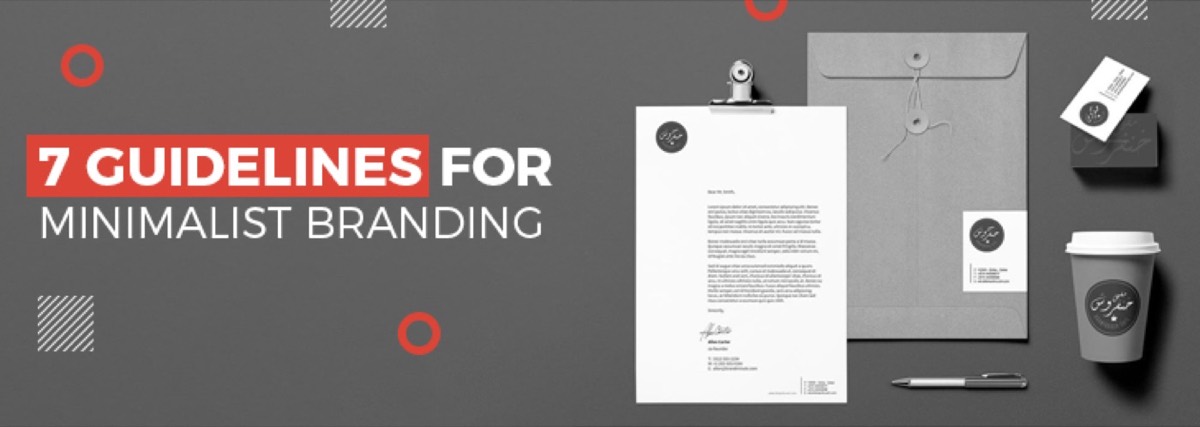
A brand identity kit (also called a corporate identity kit or brand style guide) solves this problem. It standardizes the visual language of your brand and makes consistent execution possible at scale — whether you have one person doing design or ten. If your brand leans toward simplicity and clean lines, minimalist branding principles can shape how that kit is put together.
Here are seven reasons every company needs one.
What Is a Brand Identity Kit?
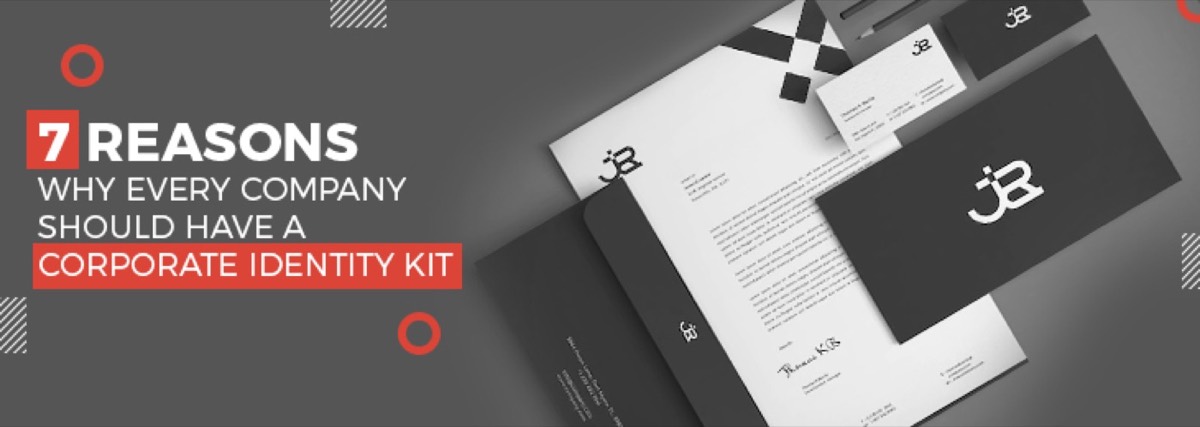
A brand identity kit is a set of standardized design elements and usage guidelines that govern how your brand appears visually across all materials and platforms.
A complete kit typically includes:
- Primary logo and approved variations (horizontal, stacked, icon-only, reversed)
- Color palette with exact HEX, RGB, CMYK, and Pantone codes
- Typography system — primary typeface for headings, secondary typeface for body copy
- Business card design
- Letterhead and envelope design
- Email signature template
- Brand usage guidelines — what the logo can and can't be placed on, minimum size requirements, spacing rules, color misuse examples
More comprehensive kits also include social media profile templates, presentation decks, packaging guidelines, and brand photography direction.
Building a corporate identity from scratch? Digital Polo creates complete brand identity kits — logos, business cards, letterhead, and more — for one flat monthly fee. View plans →
1. It Makes Your Brand Instantly Recognizable
Brand recognition is not built by a single good logo or a well-designed website. It accumulates over dozens and hundreds of consistent visual impressions — the same colors, the same fonts, the same logo treatment — across every channel where customers encounter your brand.
The 3-7-27 rule of branding describes exactly why this consistency matters: it takes 3 seconds to make a first impression, approximately 7 interactions before a customer starts to remember your brand, and 27 interactions before they develop meaningful trust. Each inconsistent touchpoint resets the clock or dilutes the signal.
A brand identity kit ensures that every interaction — every email, every social post, every printed document — adds to the cumulative recognition rather than creating noise around it.
2. It Signals Professionalism and Builds Trust
A company with a polished, consistent visual identity signals that it takes itself seriously and operates at a professional level. Customers pick up on visual coherence even when they can't articulate it — a well-designed brand feels reliable, while an inconsistent one feels unpolished or unreliable.
The psychology works the same way for every business size. A startup with a professionally designed identity kit is perceived as more credible than an established company with visual inconsistency across its materials. In competitive markets, that perception gap translates directly into buying decisions.
3. It Establishes Brand Authority in Your Category
Companies that define their visual identity clearly become category anchors — the brand that others are mentally measured against. A distinctive corporate identity, consistently applied, is what transforms a company from a name in a list to a recognizable presence in its market.
Thought leadership and authority are built through consistent exposure and consistent quality. Your brand identity kit is the foundation that makes sustained consistency possible.
4. It Improves Brand Loyalty Over Time
The 3 C's of branding — Clarity, Consistency, and Constancy — explain why brand loyalty compounds over time rather than appearing suddenly. Customers don't become loyal after one interaction. They become loyal after many interactions that all confirm the same thing: this brand is consistent, this brand delivers what it promises, this brand is worth remembering.
A brand identity kit enforces the consistency that makes loyalty possible. When every touchpoint applies the same visual language, customers build an increasingly specific mental picture of your brand — and that picture becomes their point of reference when making purchasing decisions.
5. It Creates a Unified Presence Across Every Medium
Brand materials appear in many formats: printed brochures, email newsletters, social media profiles, website headers, business cards, packaging, presentations, trade show displays. Without a documented identity system, each of these is designed independently — with slightly different colors, slightly different fonts, slightly different logo treatments.
The cumulative effect is a brand that looks like it was built by several different companies rather than one. A brand identity kit solves this by providing a single reference that every designer, every marketing team member, and every external agency works from.
6. It Works Across Print, Digital, and Social Media
A well-designed brand identity system is built for flexibility — logos that work at 16px favicon size and at full billboard scale, color values specified for both screen (HEX/RGB) and print (CMYK/Pantone), typography that renders correctly in web browsers and in print production.
Social media specifically has created new brand consistency challenges. Every platform has different profile image dimensions, cover photo proportions, and post format requirements. A brand identity kit that includes platform-specific templates removes this uncertainty and ensures your brand looks as intentional on Instagram as it does on a printed letterhead. For ecommerce brands especially, a consistent identity is foundational — the complete guide to ecommerce branding covers how to apply these principles across every customer touchpoint.
7. It Gives Every Designer a Single Source of Truth
When your brand materials are produced by multiple people — whether in-house, by a design agency, or by freelancers over time — quality and consistency depend on documentation. Without a brand identity kit, every new designer makes judgment calls: which shade of blue? Which font weight? How much space around the logo?
With a kit, those decisions are already made. A new designer can be onboarded onto your brand in hours rather than weeks. An agency partner can produce on-brand work from day one. And when your team grows, brand consistency scales with it.
Conclusion
A brand identity kit is not a luxury reserved for large companies with big budgets. It is the foundational document that makes professional, consistent branding possible for any business — at any size, at any stage. If you're unsure whether to handle this internally or bring in outside help, understanding why businesses work with a graphic design agency can clarify the trade-offs.
Without one, every design decision is made from scratch, every external designer interprets your brand differently, and every new channel introduces new inconsistency. With one, your brand grows stronger with every impression it makes.
A corporate identity kit is the foundation of every successful brand. Get yours designed by professionals — unlimited requests, unlimited revisions, delivered fast. Start your Digital Polo subscription → | Soulmate at $899/mo →
Frequently Asked Questions About Brand Identity Kits
What is a corporate identity kit? A corporate identity kit (also called a brand identity kit or brand style guide) is a set of standardized design elements — logo, color palette, typography, stationery templates — and usage guidelines that ensure your brand appears consistently across all materials and platforms. It gives every designer who works on your brand a single reference document, eliminating guesswork and inconsistency.
What is the 3-7-27 rule of branding? The 3-7-27 rule describes the relationship between brand exposure and customer memory: it takes 3 seconds to make a first impression, approximately 7 interactions before a customer starts to remember a brand, and 27 interactions before meaningful trust is established. This is why visual consistency matters so much — each inconsistent touchpoint either resets or dilutes the cumulative count toward recognition and loyalty.
What are the 3 C's of branding? The 3 C's are Clarity (is it obvious who you are and what you stand for?), Consistency (does your brand look and sound the same across every channel?), and Constancy (are you showing up regularly enough to build familiarity?). A brand identity kit directly enforces the first two — and makes the third possible by removing the friction from producing on-brand materials.
What should be included in a brand identity kit? At minimum: primary logo and approved variations, color palette with HEX/RGB/CMYK/Pantone values, typography system (heading and body typefaces), business card design, letterhead and envelope templates, email signature template, and brand usage guidelines specifying how and where each element can be used. More comprehensive kits include social media templates, presentation decks, packaging guidelines, and photography direction.
How much does a corporate identity kit cost? Agency projects for a full brand identity system range from $2,000–$15,000+. Freelance projects typically run $500–$3,000 depending on scope. A flat-rate design subscription like Digital Polo includes brand identity work — logo creation, business cards, letterhead, style guide — within the monthly subscription, starting at $399/mo with unlimited revisions.