Designing a logo takes more than creating a shape. A logo represents your entire business — and every element of it, including the font, shapes, and colors, must be considered carefully. For a broader view of logo decisions beyond typography, see how to pick the best logo for your business.
If you're a graphic designer or a business owner seeking logo inspiration, typeface selection is often the most challenging part of the process. Even with a clear concept for shape and color, choosing the right font can feel overwhelming given how many options exist.
Here are 35 typefaces that work well across different types of business logos. This list is a guide — a starting point to kick-start your logo design process. Not every industry is represented, but the principles behind each recommendation will help you make the right choice for your specific brand.
1. Garamond
Garamond was designed by French type designers Claude Garamond and Jean Jannon. It is not a single font but a family of typefaces including Stempel Garamond, ITC Garamond, Adobe Garamond, EB Garamond, and Sabon Next.
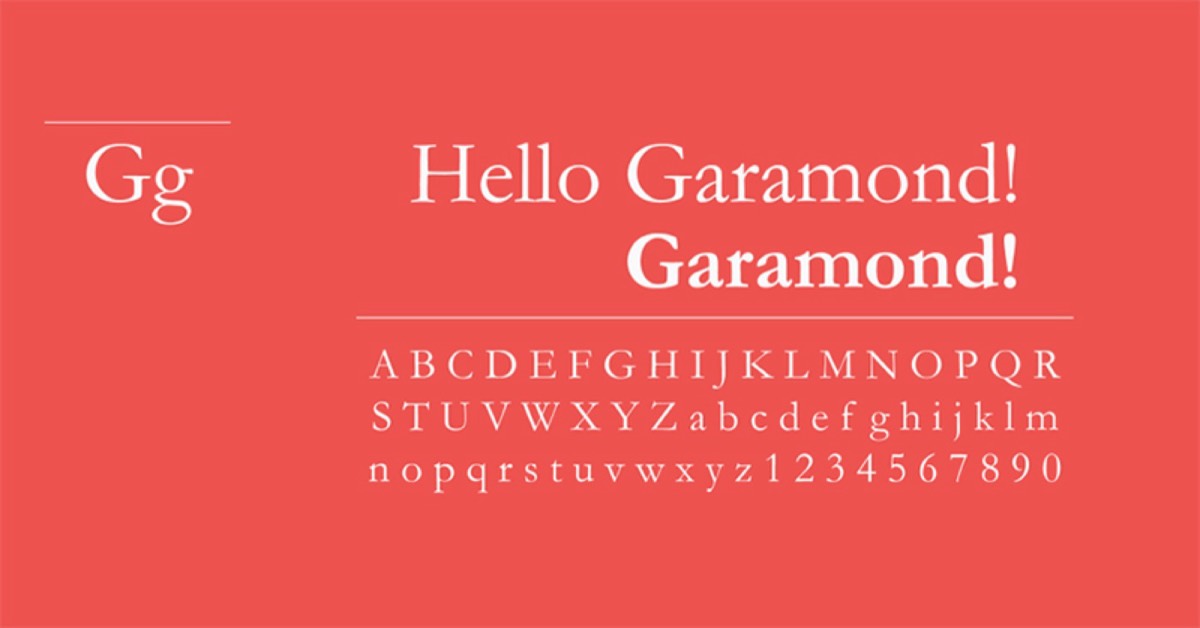
These typefaces offer exceptional readability and a classic, elegant appearance. Garamond is best suited for brands in the fashion industry, luxury goods, or publishing where a refined aesthetic is essential.
2. Helvetica
Helvetica is arguably the most influential typeface in modern design history. Its versatility is unmatched — Apple, Xerox, and Adobe have all used it for brand identity.
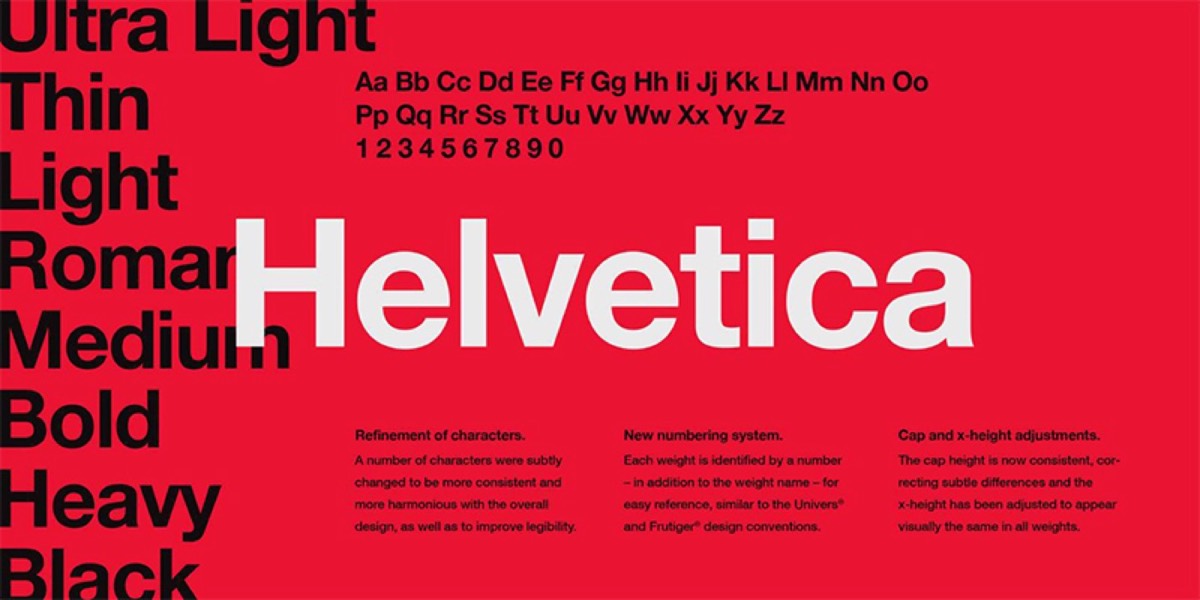
Helvetica works across virtually any industry, from construction to healthcare to technology. Its clean, professional appearance gives any logo a polished, international quality.
3. Trajan
Designed by Carol Twombly, Trajan is an old-style Serif typeface with roots in Roman square capital lettering. It has been widely used in Hollywood film posters, giving it an association with prestige and drama.
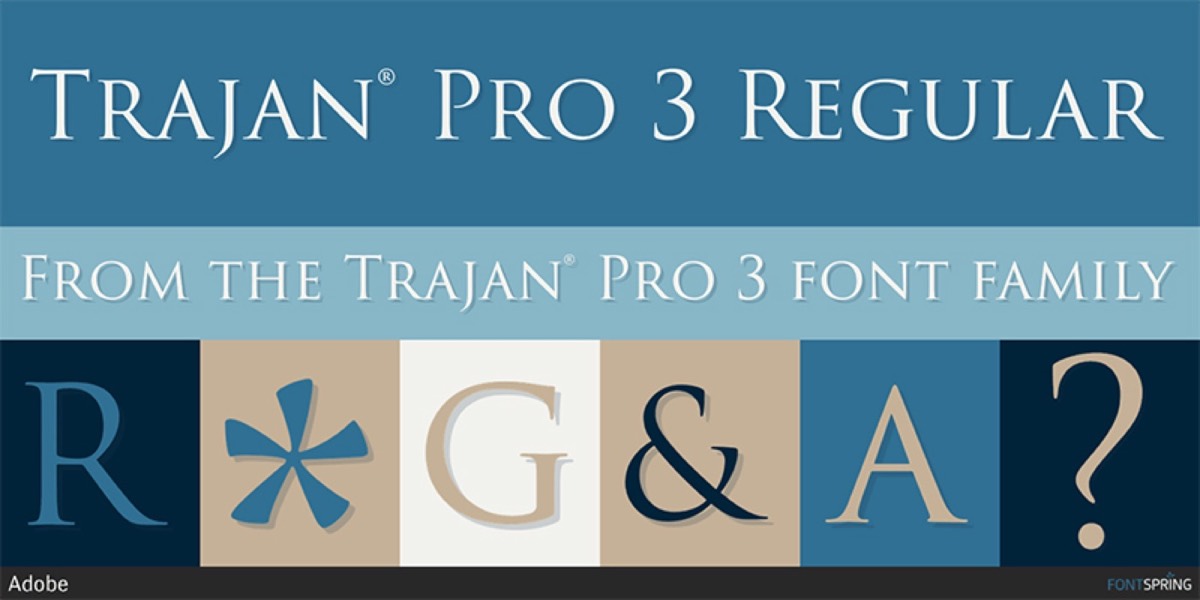
Trajan's clean, clear lines make it well-suited for restaurants, fine dining establishments, and fast-food brands that want to project quality.
4. Futura
Futura was designed by Paul Renner in 1927. It's a geometric Sans Serif built from squares, circles, and triangles — giving it a modern, international feel.
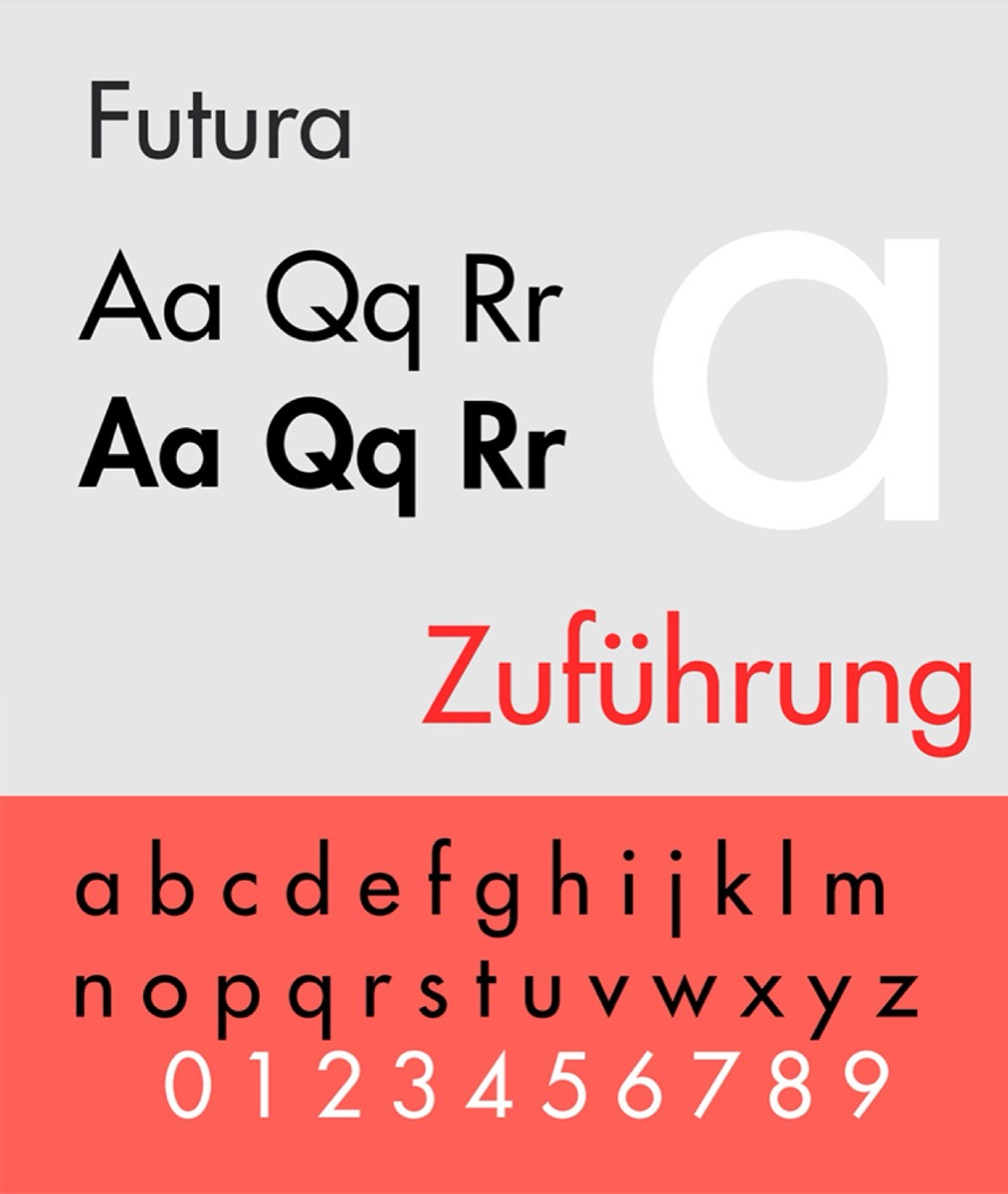
If you want your business to project an international, forward-looking image, Futura is an excellent choice. FedEx uses Futura-derived typography — it works particularly well for logistics, medical, and global service brands.
5. Bodoni
Designed in the late 1700s by Giambattista Bodoni of Italy, Bodoni is a timeless typeface defined by its striking contrast between thick and thin strokes.
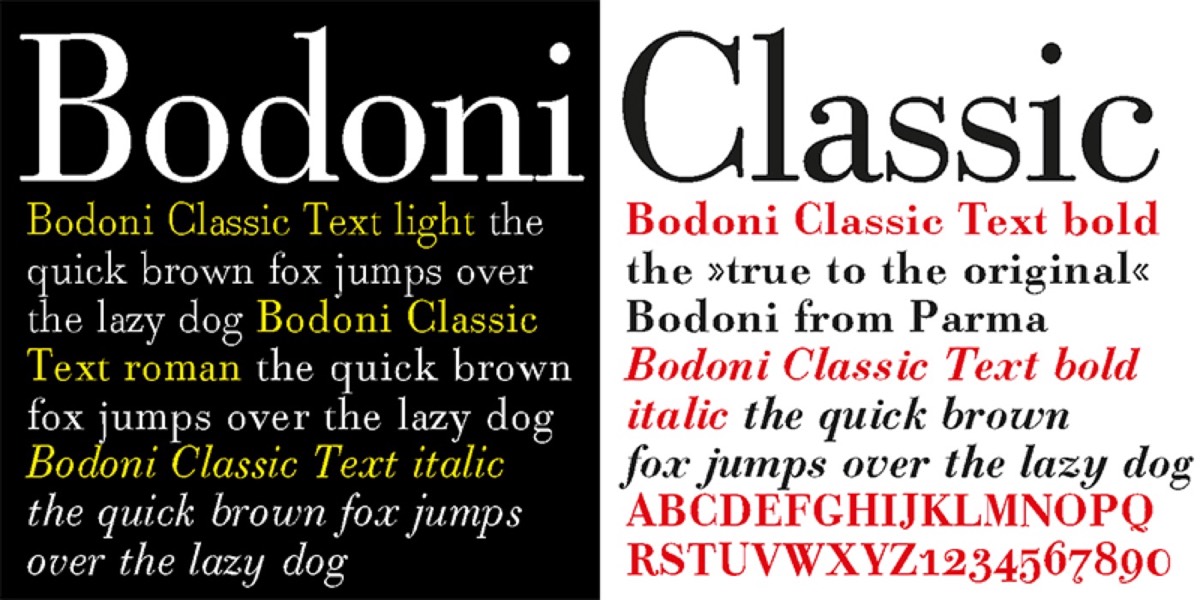
Bodoni has a flat, narrow structure with geometric, un-bracketed Serifs that give it an edgy, modern quality despite its age. It's widely considered one of the best fonts for fashion and luxury brand logos.
Need design that applies these typefaces strategically to your brand identity? See Digital Polo's plans →
6. Zorus Serif
Unlike many serif fonts, Zorus Serif has a distinctly French aesthetic — old-fashioned yet clean. Designed by Canadian typeface designer Jeremie Dupuis, it delivers a unique, refined quality to logo designs.
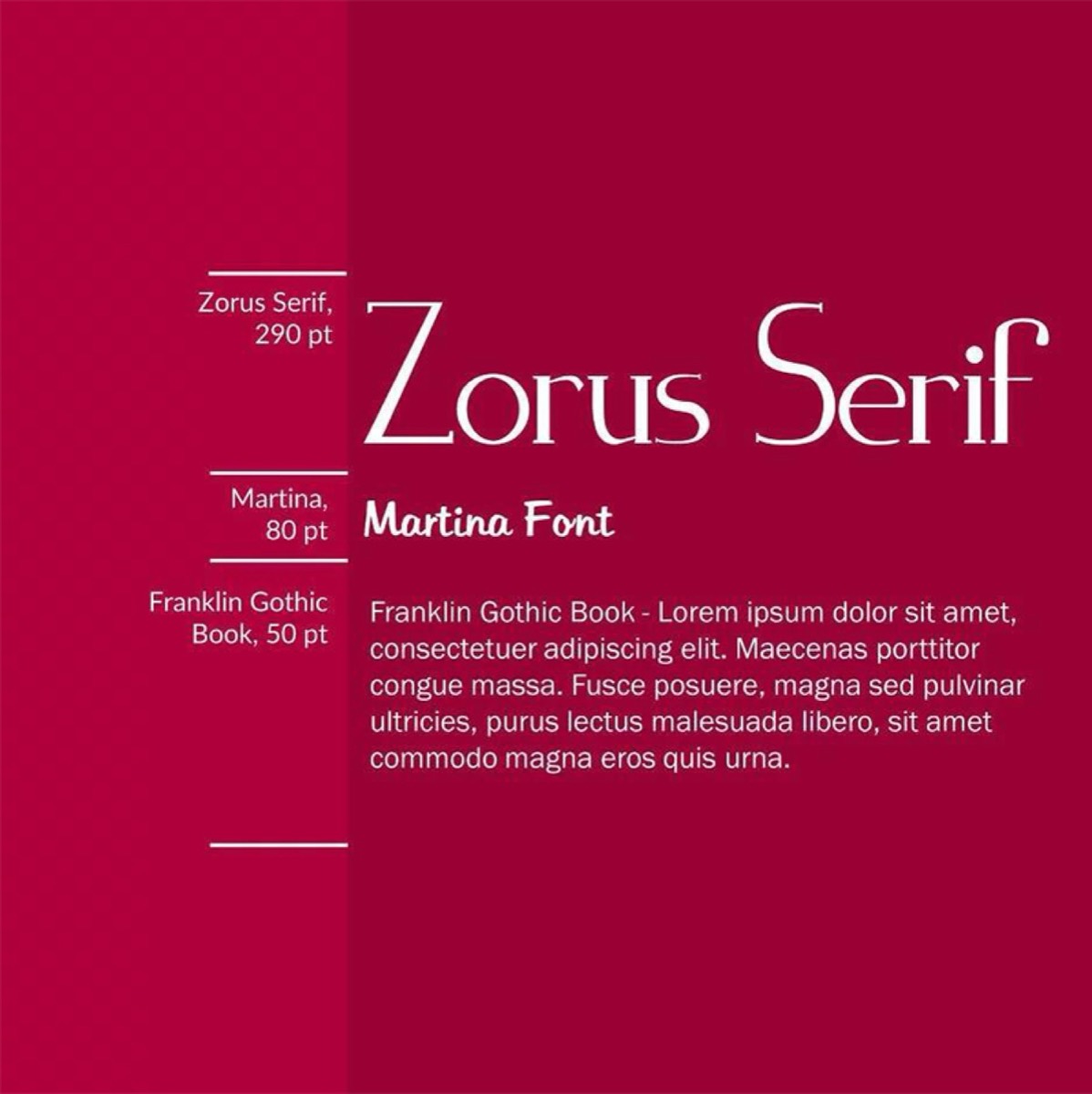
The crisp, italic versions of Zorus Serif are especially striking. This typeface works well for fashion brands and construction companies that want a sophisticated, distinctive identity.
7. Sabo
Sabo is a retro, pixelated typeface created by Swiss designer Philippe Moesch. It comes in two versions: inline and filled. Both carry a cool, digital-era vibe that feels simultaneously nostalgic and contemporary.
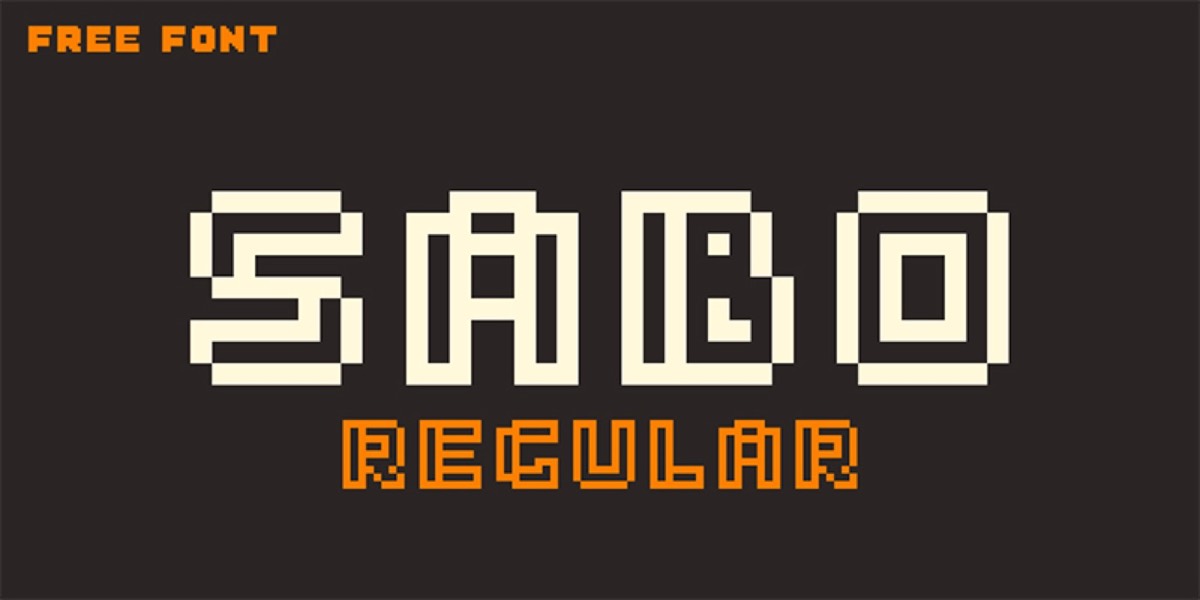
Sabo is ideal for logos in digital marketing, web design, gaming, or technology — any business that wants to signal modernity with a playful edge.
8. Bobber
Bobber is a slab serif typeface inspired by Bobber motorcycles. Designed by Dmitry Goloub and Lucas Almeida, it combines thin and double lines for a vintage-yet-modern aesthetic.
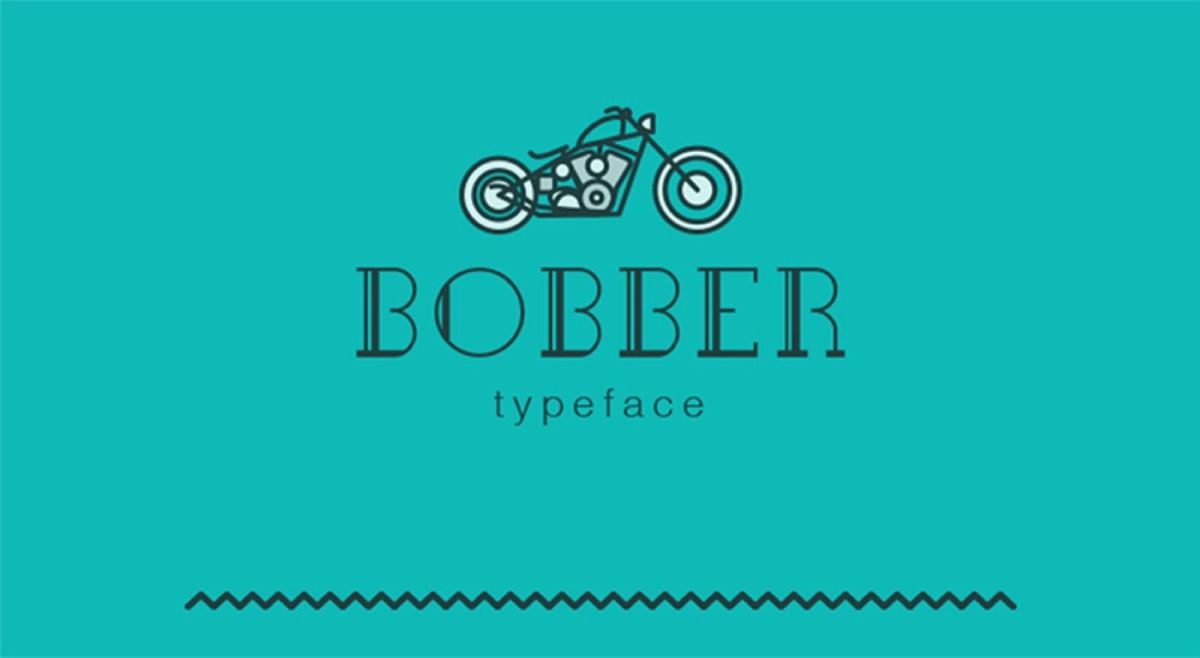
Bobber works especially well for tattoo artists, hairstylists, motorcycle restoration shops, and other businesses where a handcrafted, artisanal identity resonates with the target audience.
9. Akura Popo
Akura Popo, designed by Twicolabs, is a retro font with sharp edges that give it a bold, tough appearance. Unlike Sabo, it's more classic than modern — which actually makes it versatile across multiple applications.
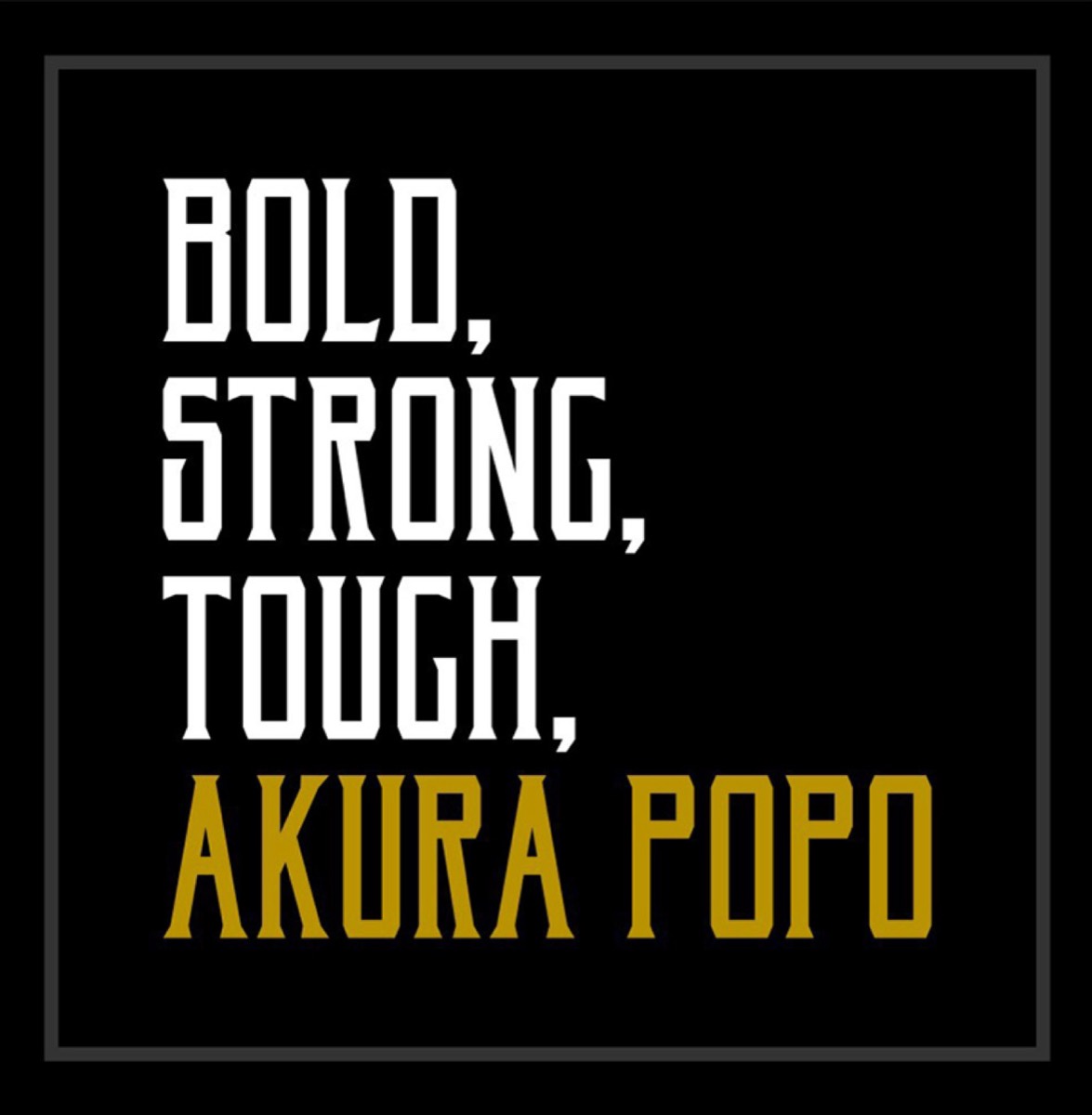
Akura Popo suits T-shirt brands, sports equipment companies, and hardware businesses — anywhere a strong, assertive visual identity is needed.
10. Berlin
Berlin is not a single typeface but a geometric font group created by Brazilian designer Antonio Rodrigues Jr. The family includes Berlin, Uberlin, Berlina, and Slaberlin — each with geometric forms available in regular, bold, and extra-bold weights.
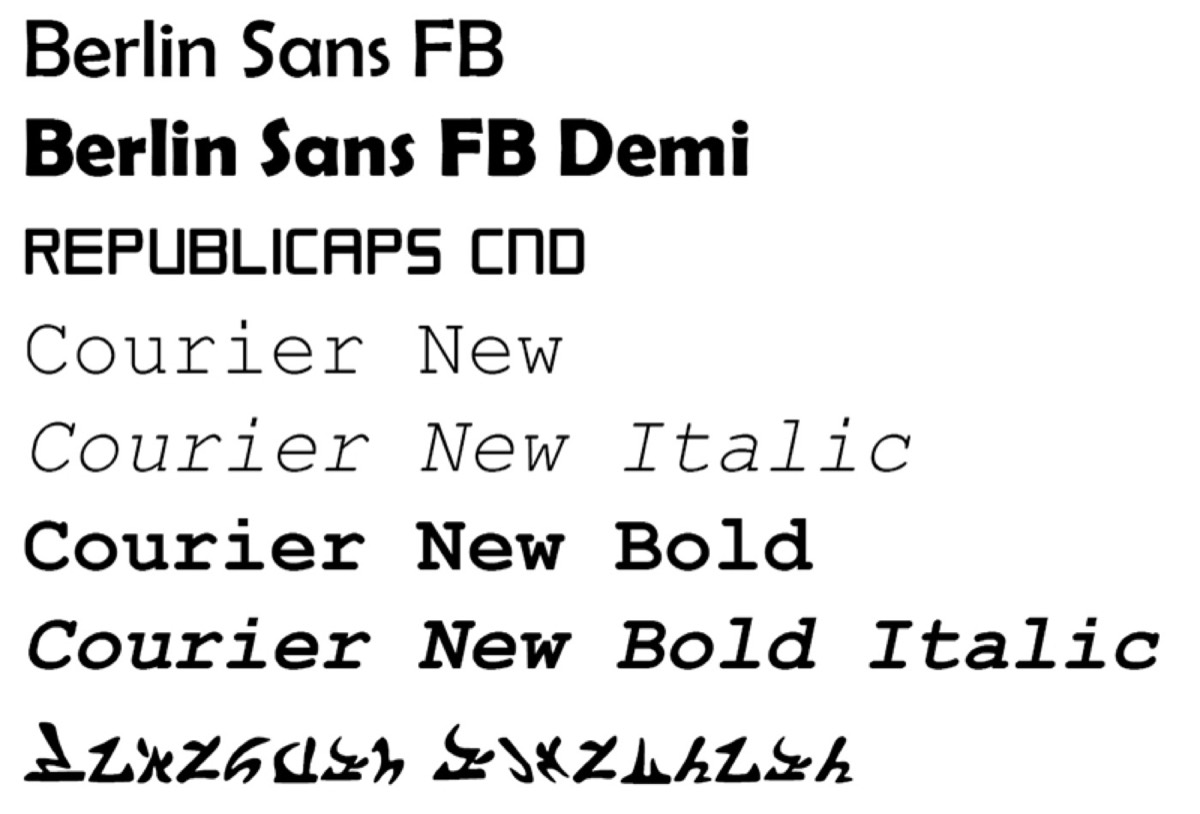
Berlin's geometry makes it ideal for construction logos. Its versatility in weight also makes it work well for coffee shops, restaurants, and fast food services.
11. Rockwell
Rockwell's slab serif style has a strong, stable presence — reminiscent of classic Hollywood movie poster typography. The font family was redesigned in the 1920s by Morris Benton and is available in nine variations.
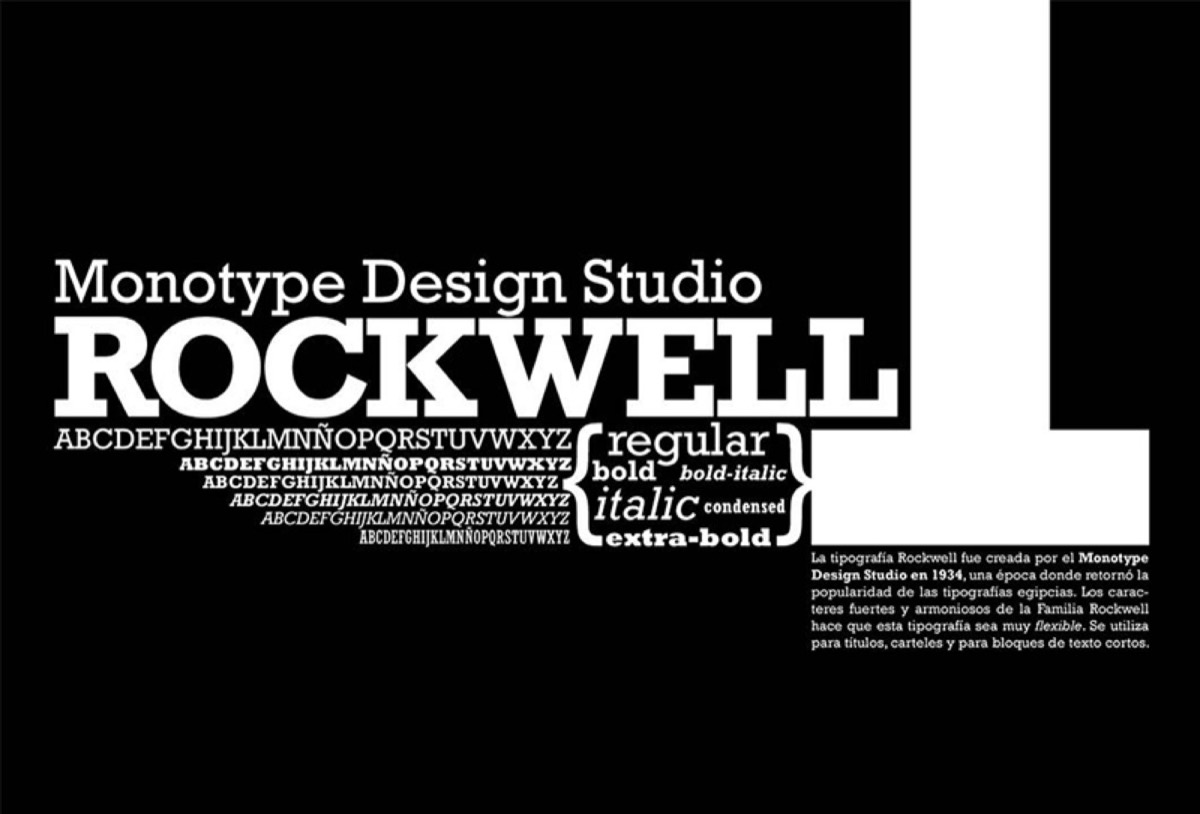
Rockwell's bold, dependable character makes it well-suited for health-related brands, luxury spa and salon services, and outdoor adventure companies.
12. ITC Bauhaus
Designed in 1975 by Ed Benguiat and Victor Caruso, ITC Bauhaus combines geometric patterns with unconventional curves and negative space. It has an old-school feel while remaining visually distinctive.
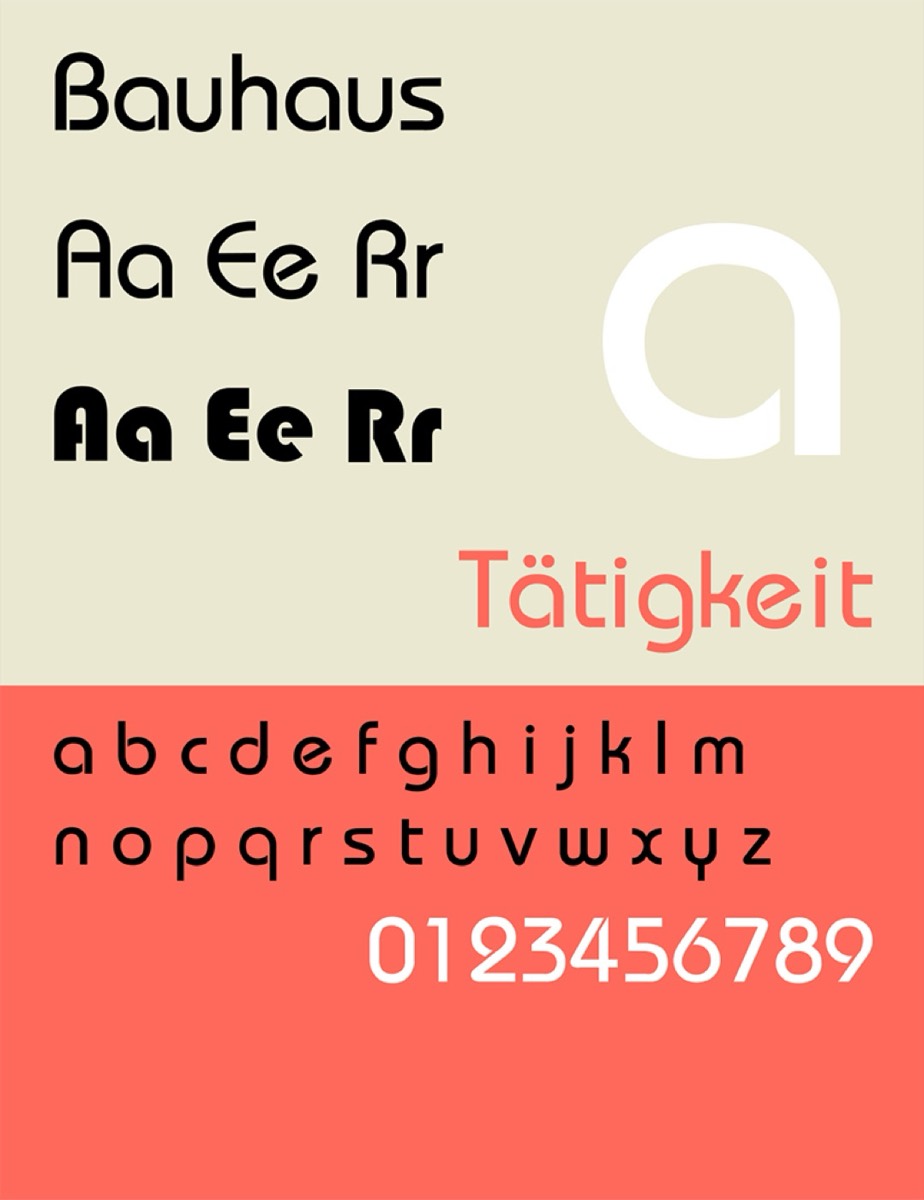
ITC Bauhaus is a strong choice for antique dealers, vintage businesses, and any brand that wants to tap into nostalgia as part of its identity.
13. FF Avance
FF Avance is an asymmetrical serif font with a strong sense of forward motion — the "A" leans right while the "V" leans left, creating a dynamic visual tension.
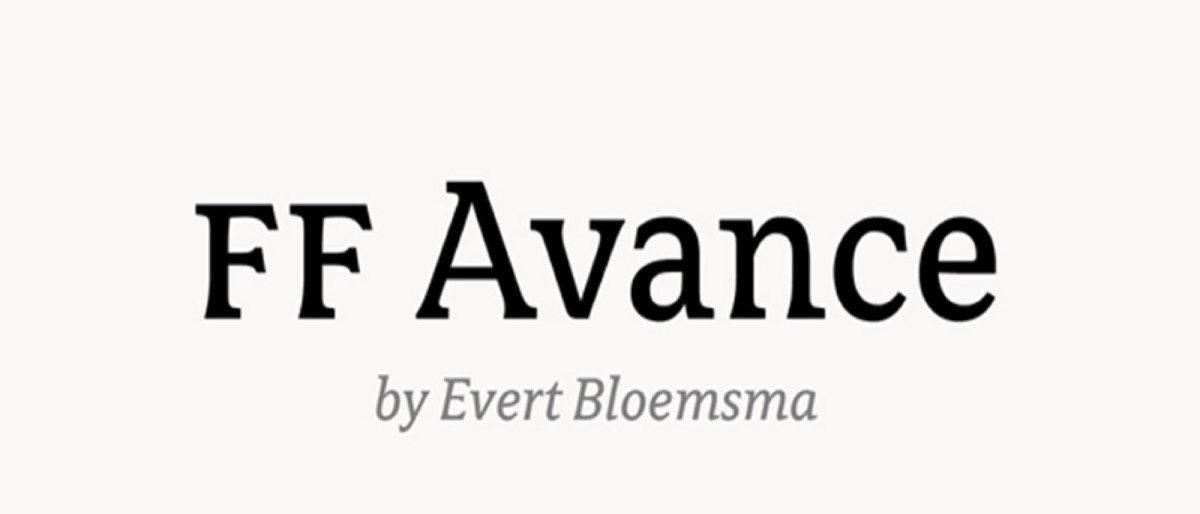
This movement quality makes it ideal for automotive, sports, and mobility-related brands where energy and direction are core brand values.
14. FF Blur
Created by designer Neville Brody, FF Blur is an experimental sans serif typeface built by applying a blur filter three times to an existing font. The result is an unconventional, somewhat blurry aesthetic.
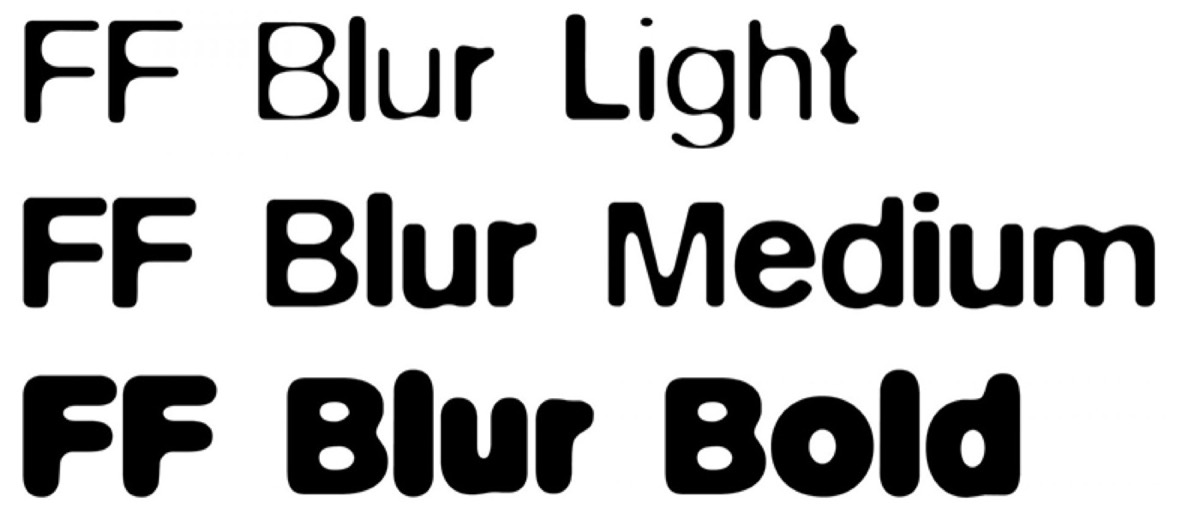
FF Blur isn't ideal for readability-first applications, but it works well for brands that want to communicate excitement, energy, or avant-garde positioning — especially when the company name is short.
15. FF Din
FF Din was designed by Albert-Jan Pool in 1995. Rather than the purely circular forms common in Sans Serif typefaces, FF Din uses oval letterforms for a crisper, more precise appearance.
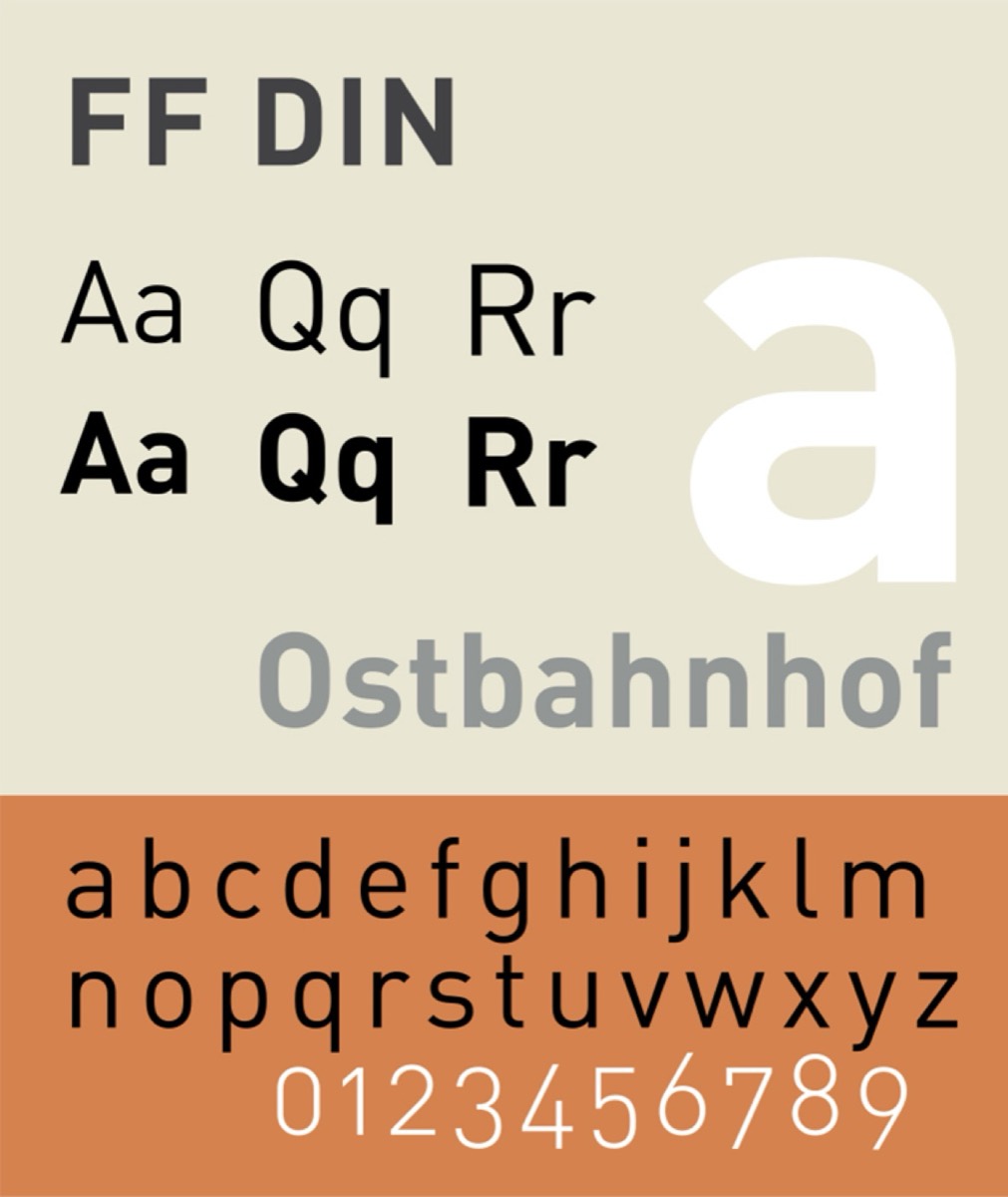
Despite the crispness, FF Din retains warmth. It's well-suited for customer-facing brands like banks, hospitals, smartphone companies, and service businesses where approachability and professionalism matter equally.
16. FF Meta
Claimed by designer Erik Spiekermann to be the "anti-Helvetica," FF Meta replaces Helvetica's rigid rigidity with flowing curves and rhythmic letterforms. Even the dot on the lowercase "i" is spherical.
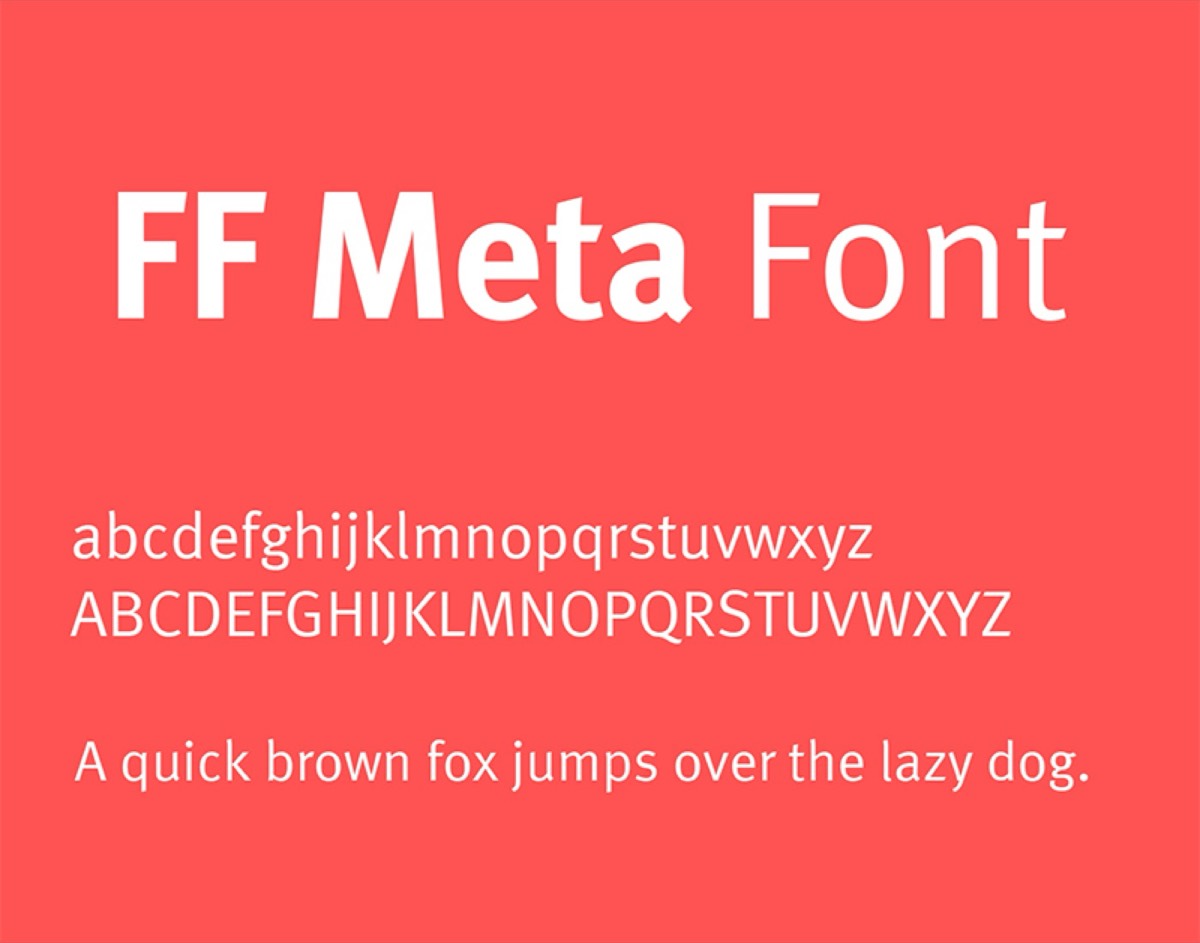
FF Meta is universally adaptable — suitable for any industry. It's especially compelling for fashion and beauty brands where a welcoming, flowing aesthetic reinforces the brand's core promise.
17. Baltica-2
Baltica-2 entered the slab serif category in 1998, designed by Isay Slutsker and Vera Chiminova. Its most distinctive characteristic is a subtle horizontal stretch that sets it apart from other slab serifs.
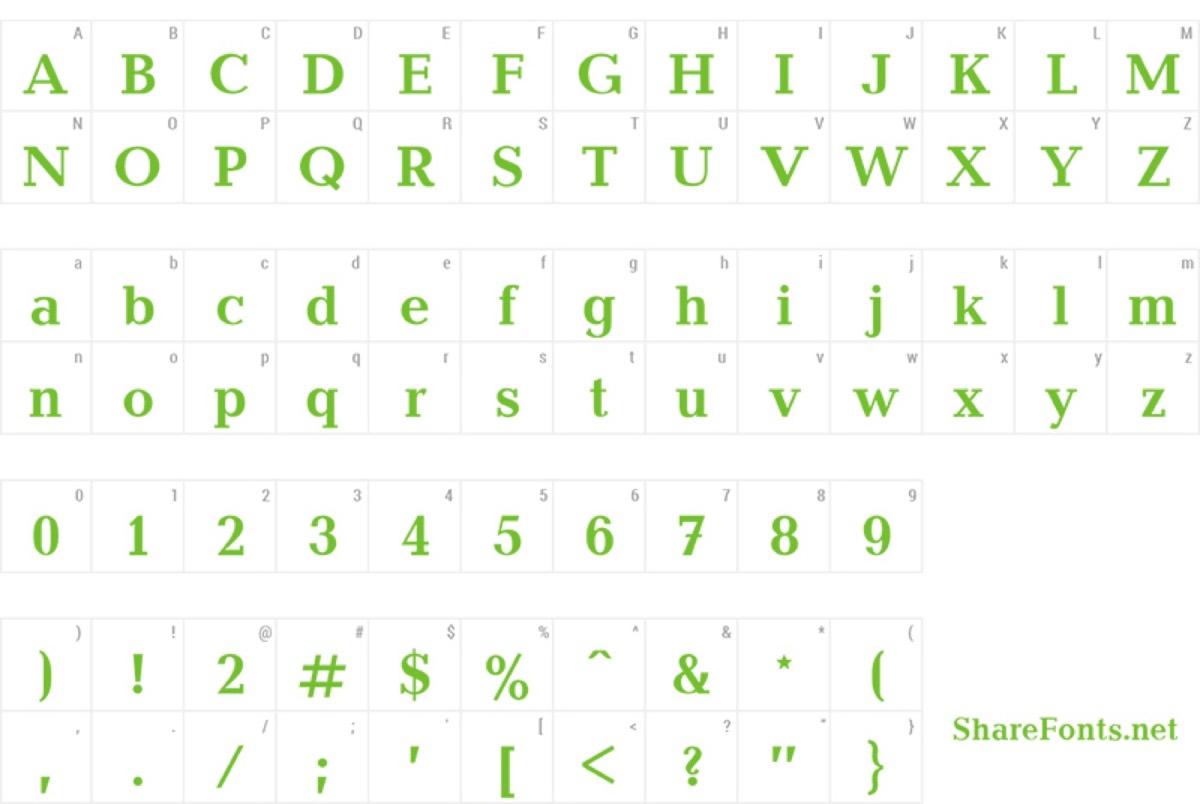
Its clean, elongated form is well-suited for airlines, beer breweries, and healthcare services — industries where a stable, trustworthy identity is a core brand requirement.
18. Foco
Designed in 2006 by Fabio Haag and Veronika Burian, Foco became popular among designers for its well-balanced visual weight and clean readability. Its soft corners and carefully calculated character spacing give it a friendly, approachable quality.
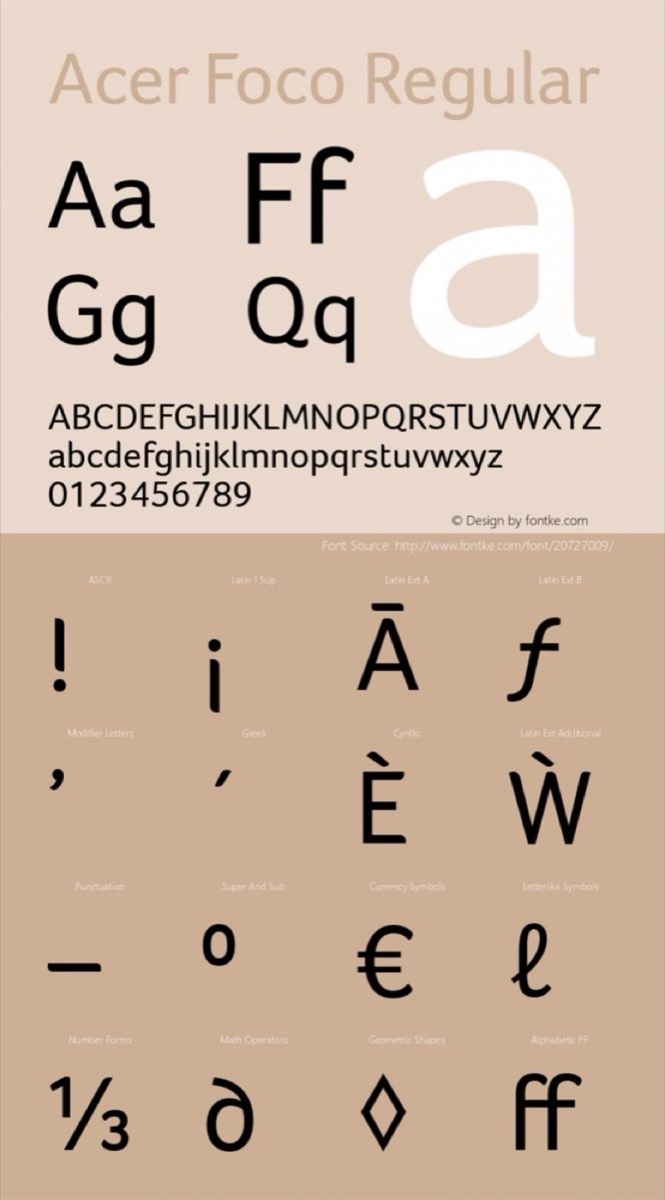
Foco is excellent for medical services, childcare brands, candy companies, and confectionery businesses where warmth and clarity both matter.
19. Museo Sans
Museo Sans was designed in 2008 by Dutch designer Jos Buivenga. It's the sans-serif companion to the Museo family — clean, spacious, and breathable.
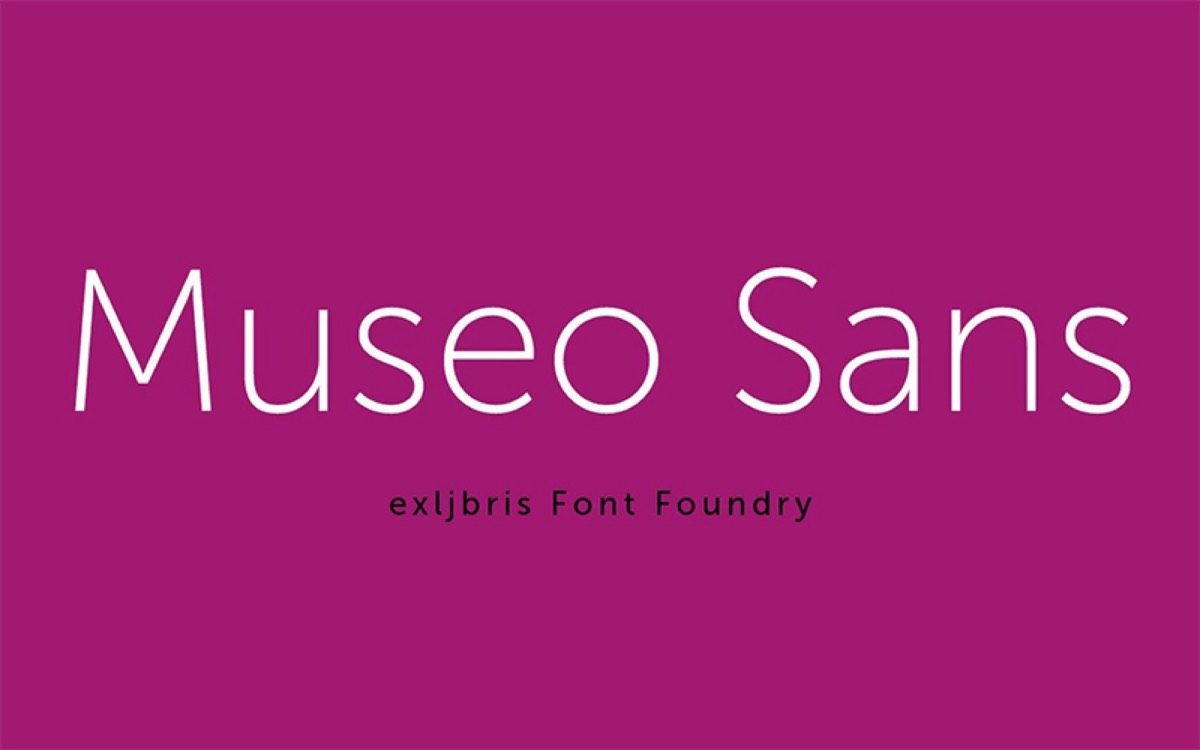
Its standout feature is the letter "Q" — practically an abstract shape unto itself. Museo Sans is excellent for minimalist logos in e-commerce, travel, and design-related businesses where simplicity and elegance are the brand pillars.
20. Bodoni Egyptian Pro
A new-style serif designed in 2010 by Canadian designer Nick Shinn, Bodoni Egyptian Pro is built around reduced stroke weight — making it one of the sleekest modern fonts available. It comes in eight weight variations, from hair-thin to heavy.
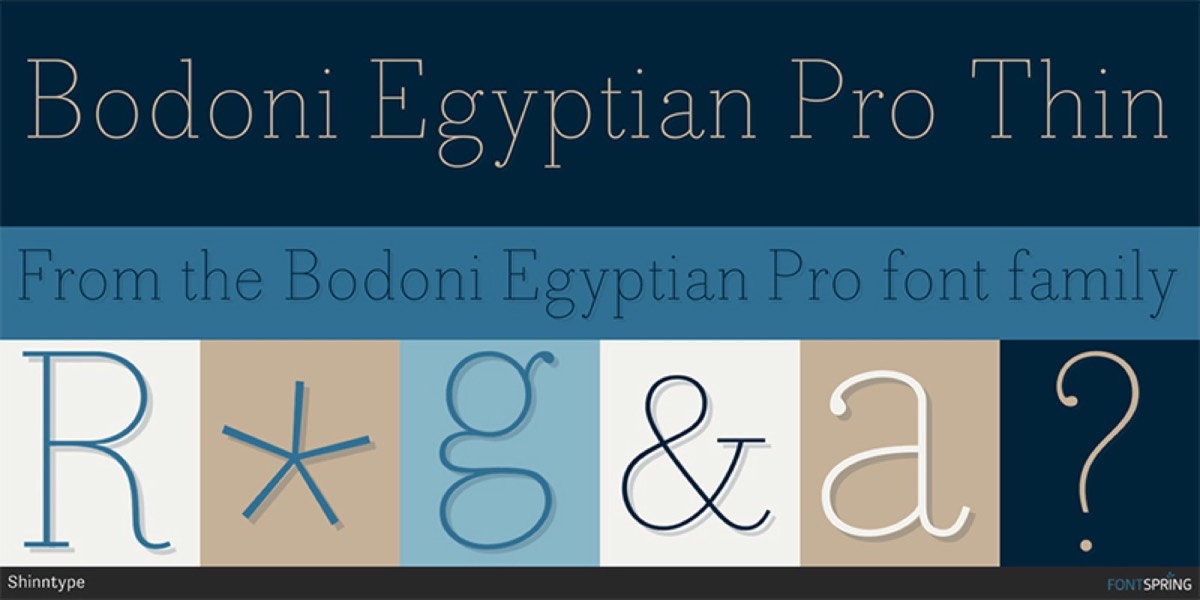
Its modern-yet-classic appearance makes it a natural fit for music industry brands — record labels, instrument manufacturers, and performing arts organizations.
21. Aventura
Created by Argentinian designer Jimmy Kalman, Aventura was inspired by the outdoors and consists of uppercase letters, numbers, and select characters with a strong, adventurous aesthetic.
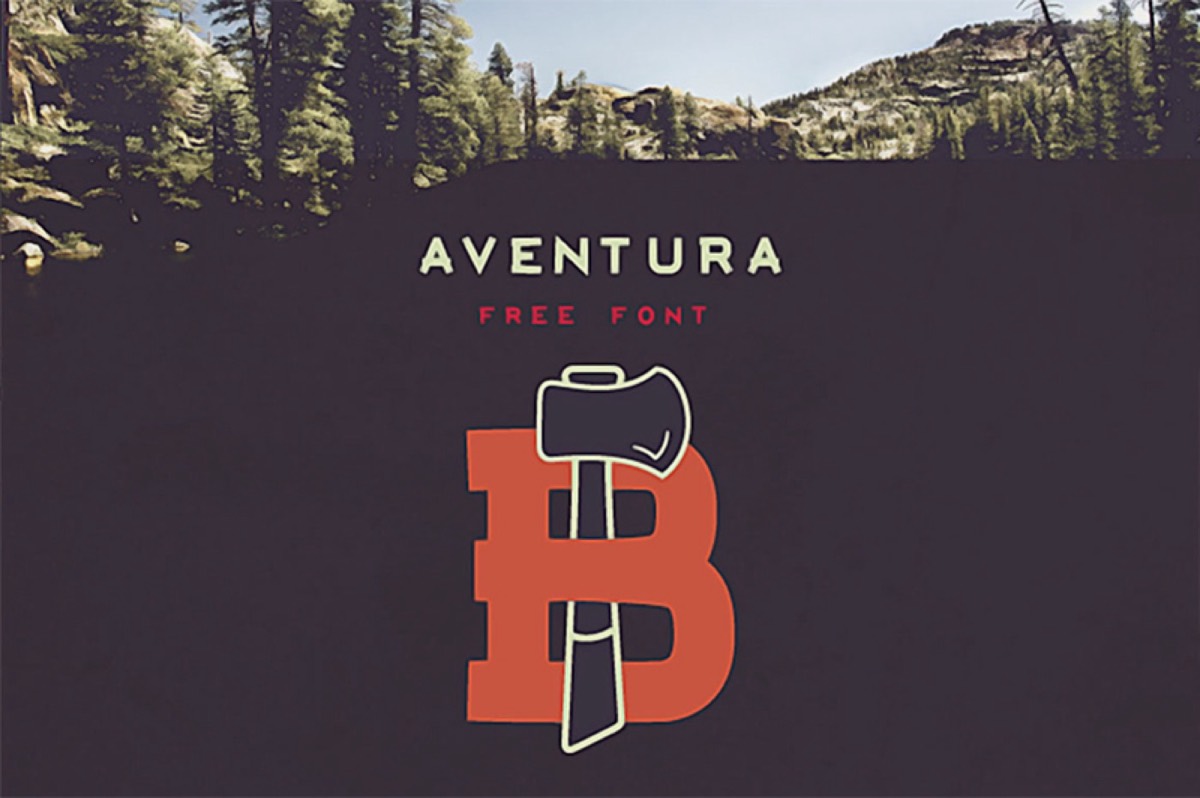
Aventura is ideal for nature-connected brands — outdoor equipment, solar energy, eco-tourism, and environmental businesses where the adventurous, natural ethos needs to come through in the logo.
22. Axis
Axis was created by Jean M Wojciechowski, inspired by urban life. Its geometric curves and edges create a friendly, optimistic quality.
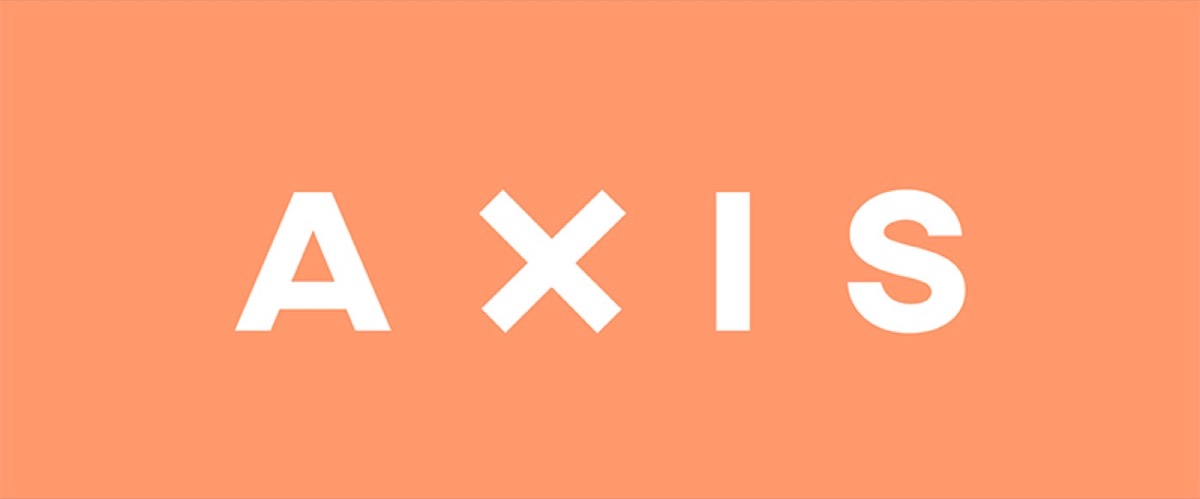
Supermarkets and consumer-facing brands have used Axis effectively. It's a strong choice for any business that wants to project positivity and accessibility as core brand values.
23. Azedo
Designed by Portuguese designer Pedro Azedo, Azedo is a near-universal typeface — effective for almost any kind of business logo as well as broader graphic design applications.
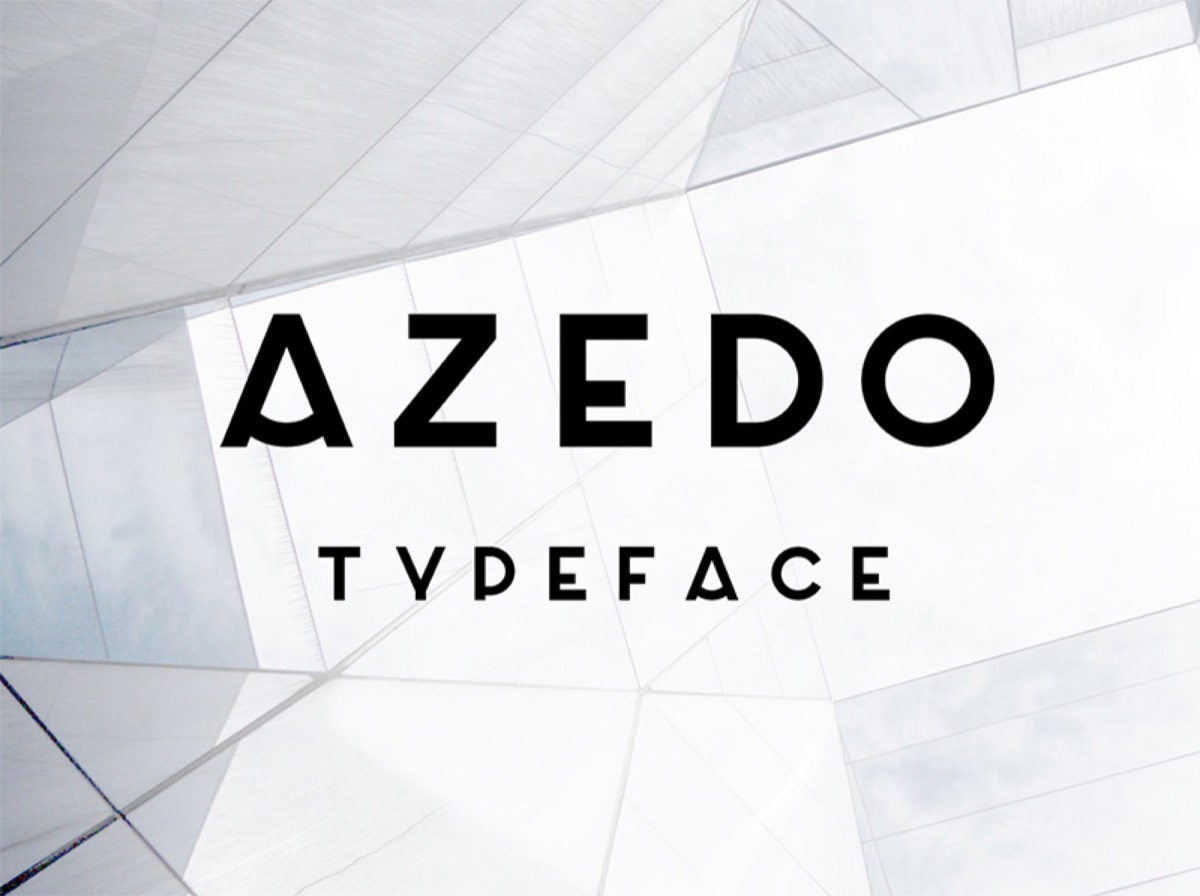
Its lines blend curves with straight segments, giving it a distinctive, adaptable quality. Azedo works well in headlines, on T-shirts, across websites, and in brochures — not just in logos.
24. Elegant Lux Pro3
Designed in 2015 by Schoener, Elegant Lux Pro3 is a Grotesque-inspired Sans Serif with rounded corners that lives up to its name. The rounded edges give it a refined, contemporary finish.
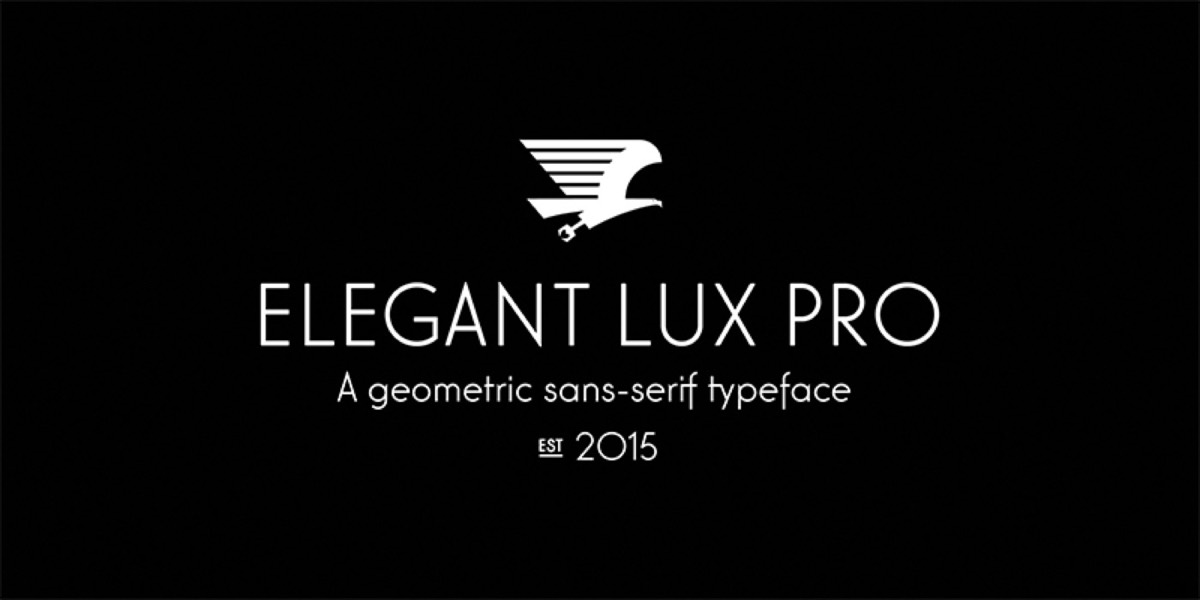
Elegant Lux Pro3 works well for boutiques, mobile phone brands, and design agencies — businesses where elegance and modernity need to coexist in the visual identity.
25. Futuracha
Futuracha is inspired by Art Deco typography and incorporates Latin and Greek characters into its design. Designer Odysseas Galinos Paparounis created it through deliberate typographic experimentation.
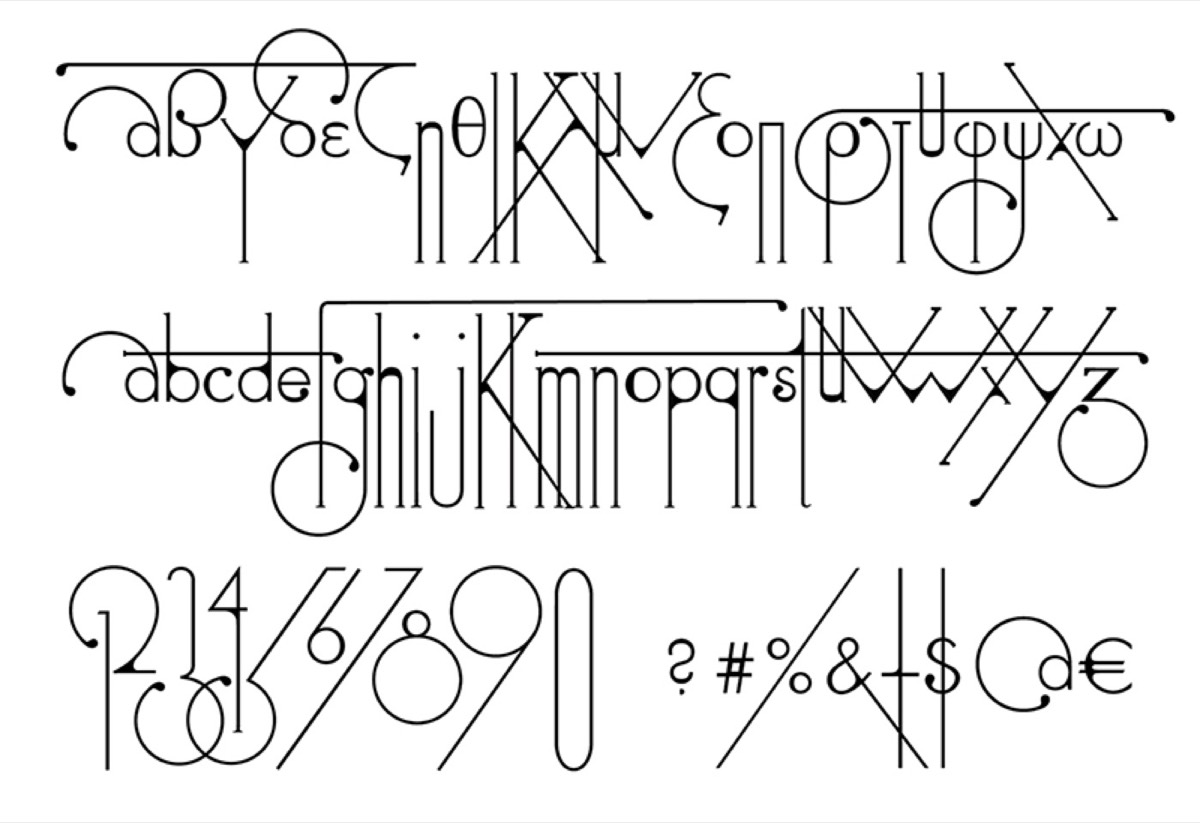
Futuracha is ideal for design studios, fashion brands, and art-related businesses where a distinctive, historically-informed aesthetic signals creativity and cultural depth. Brands operating in more specialized markets should also consider industry-specific branding guidelines to understand how typeface choices carry different weight in different contexts.
26. Didot
Didot was designed by the Didot type family in 1799 and has since been adopted by prestige brands including Giorgio Armani. It features high-contrast strokes that create a dramatic, commanding visual impact.
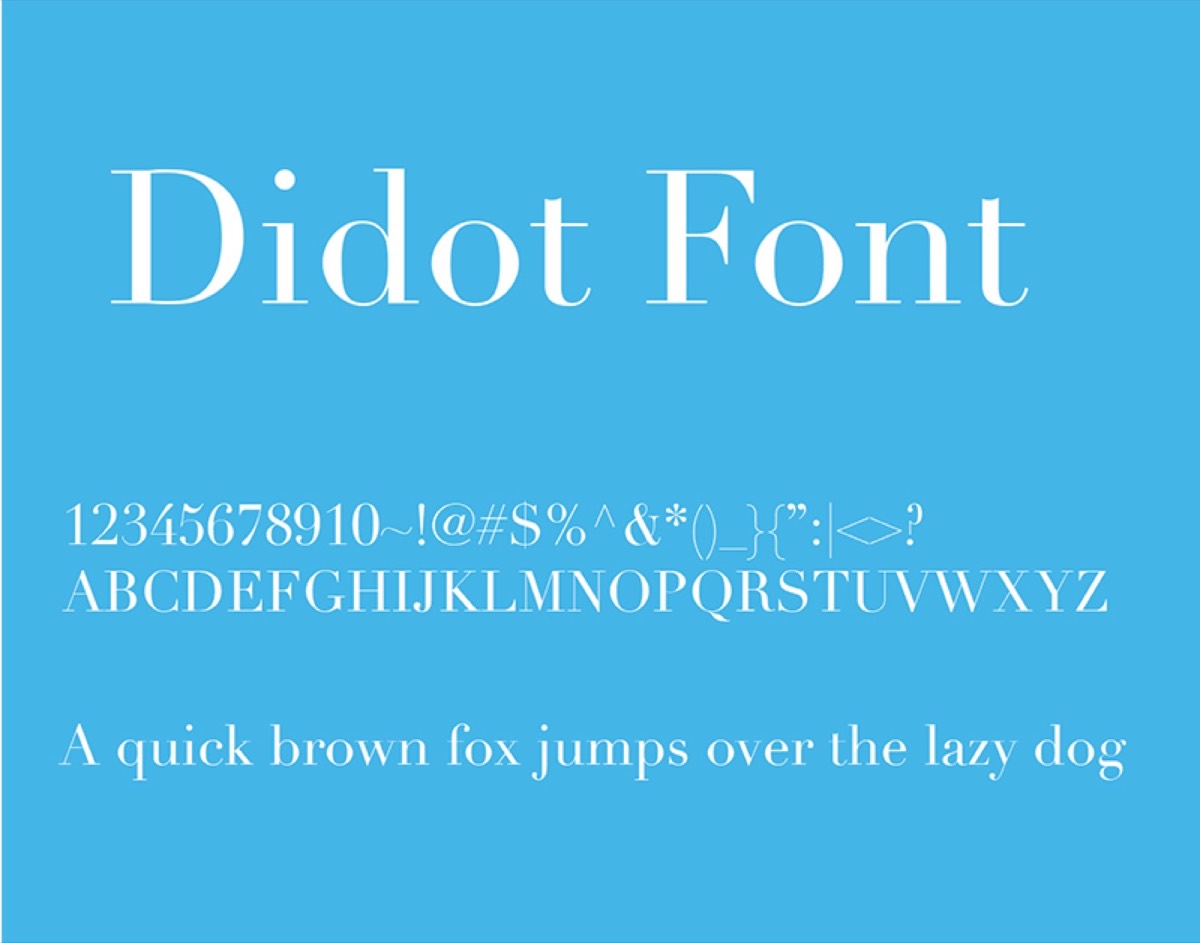
Didot is the ideal choice for construction businesses, luxury brands, and companies in fields where strength and authority are core to the brand's identity.
27. Neue Swift
Designed by Gerard Unger in 2009, Neue Swift features letters that are visually separated and individually prominent — making it exceptional for wordmark-based logo designs where legibility at any size is critical.
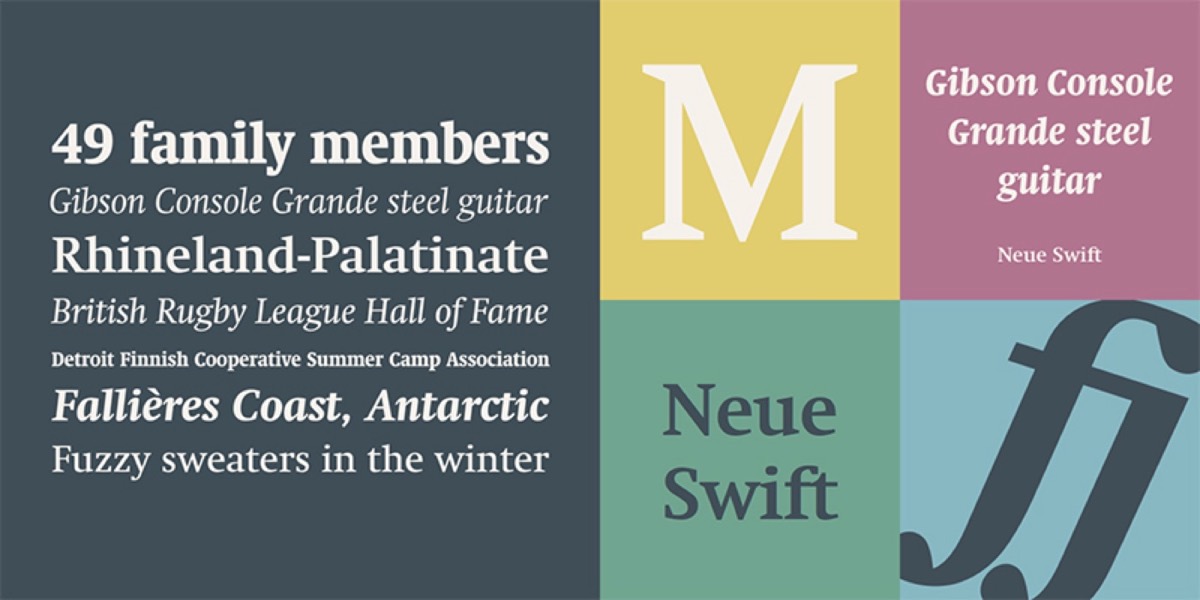
Publishing companies, media organizations, and any business that relies on name recognition as a primary brand asset will find Neue Swift a strong typographic choice.
28. Big Caslon
William Caslon I's original Serif typeface was redesigned by Matthew Carter in 1994. Big Caslon features distinctively styled versions of letters like "S," "X," "E," and "F" — creating a memorable yet understated personality.
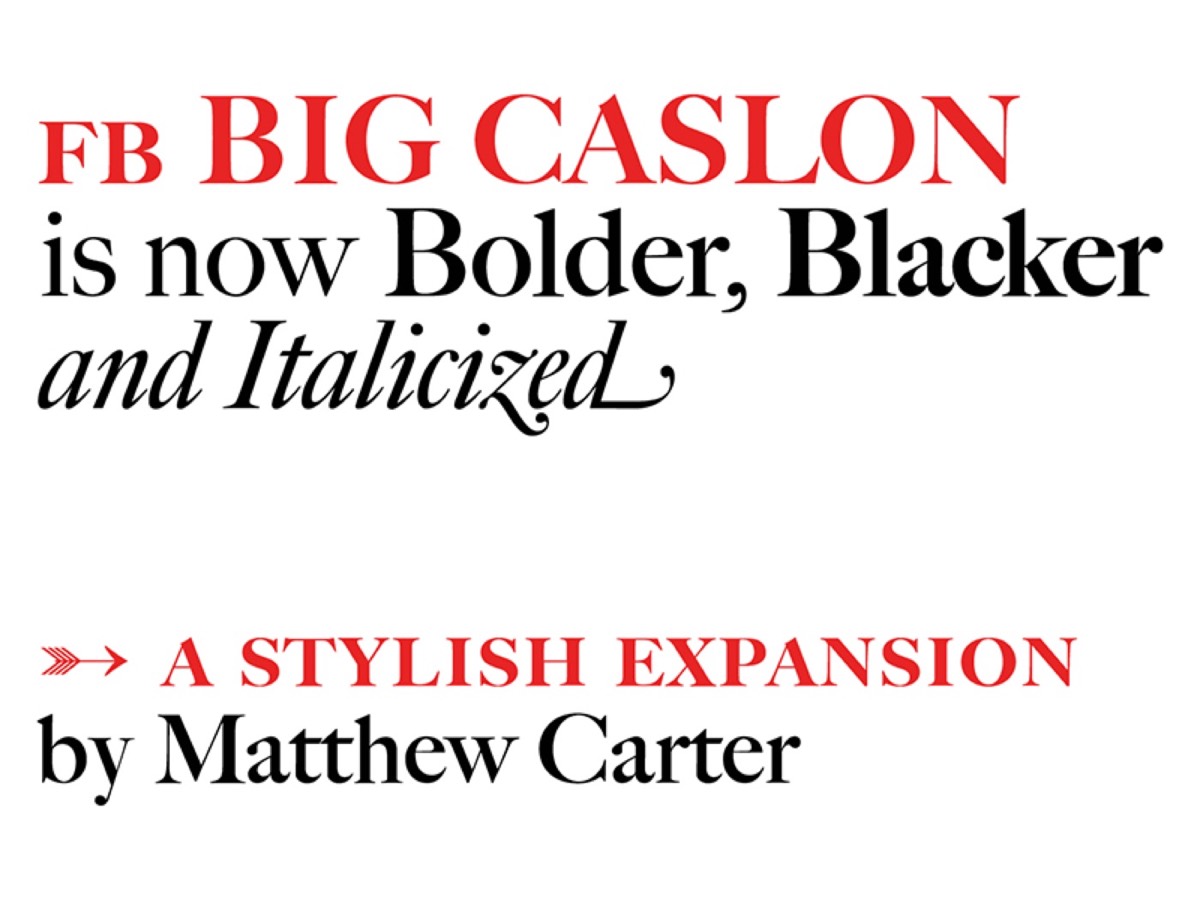
Big Caslon is ideal for hardware manufacturing and industrial businesses — brands that want to project solidity and reliability without flamboyance.
29. Canilari
Created in 2016 by Chilean designer Patricio Truenos, Canilari is a post-modern Serif with a geometric, pointy character that resists easy categorization. That distinctiveness is precisely its appeal.
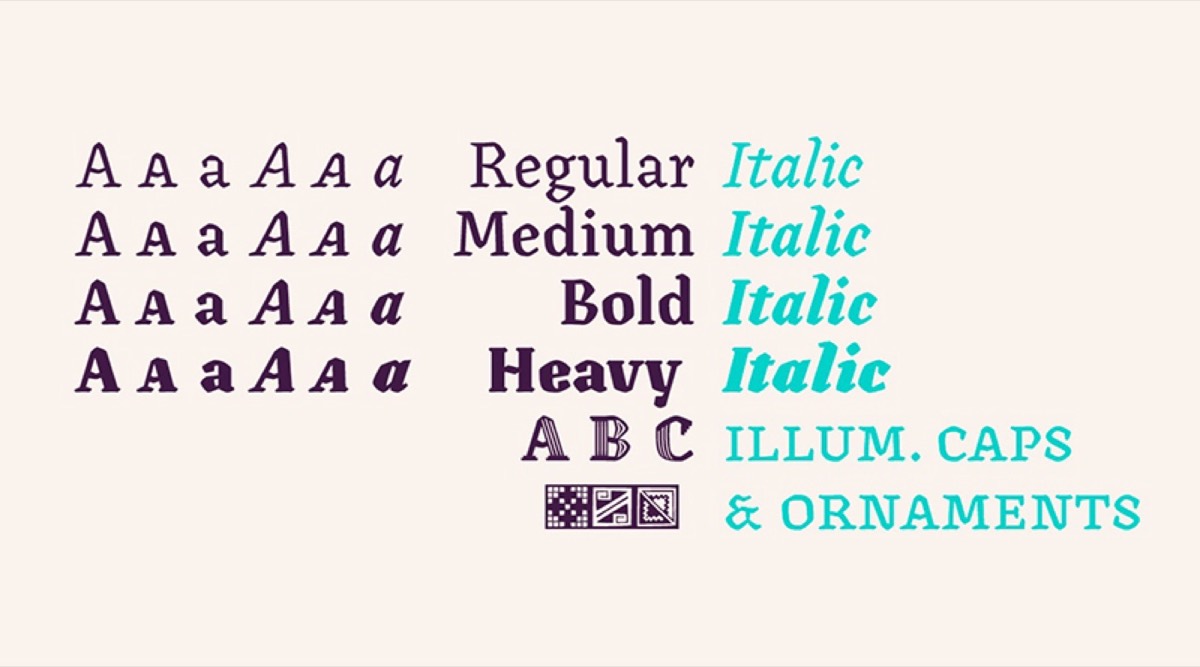
Canilari suits businesses that want to appear modern and edgy without relying on the standard sans-serif styles that saturate the market.
30. Modesto
Inspired by 19th and 20th-century hand-painted typography, Jim Parkinson designed Modesto in 2000. Clean lines and generous letter spacing make it highly readable at any size.
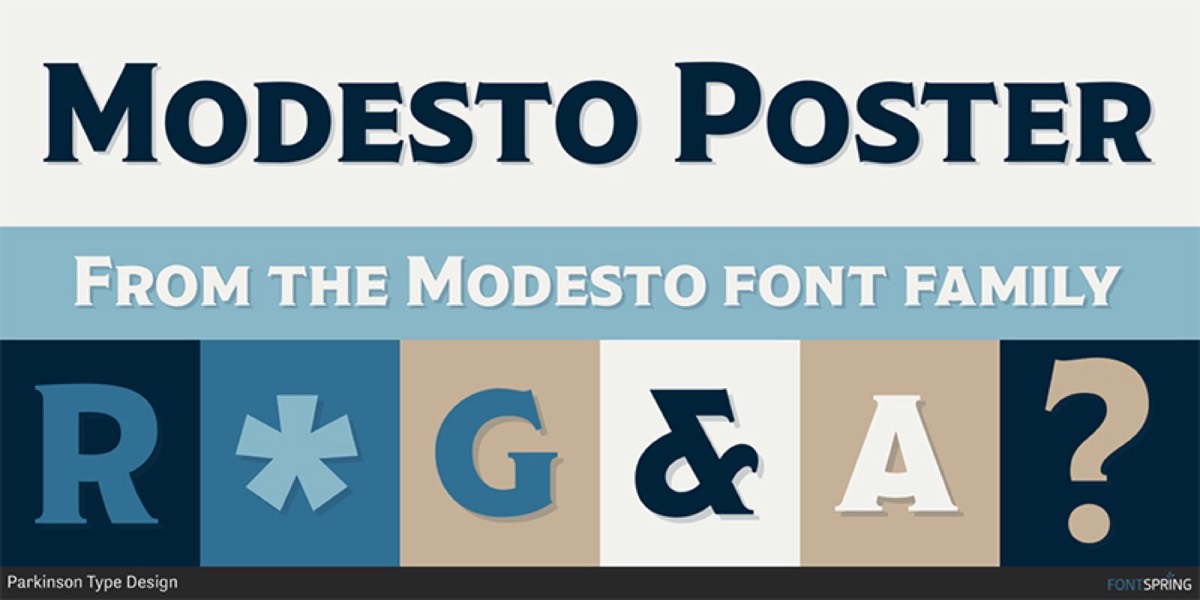
Modesto is suitable for virtually any business logo where the designer wants a typeface with personality, history, and strong visual clarity.
31. Rufina
Designed by Martin Sommaruga, Rufina draws from stencil-serif traditions but transcends them — the result feels less like stencil typography and more like an artistic puzzle.
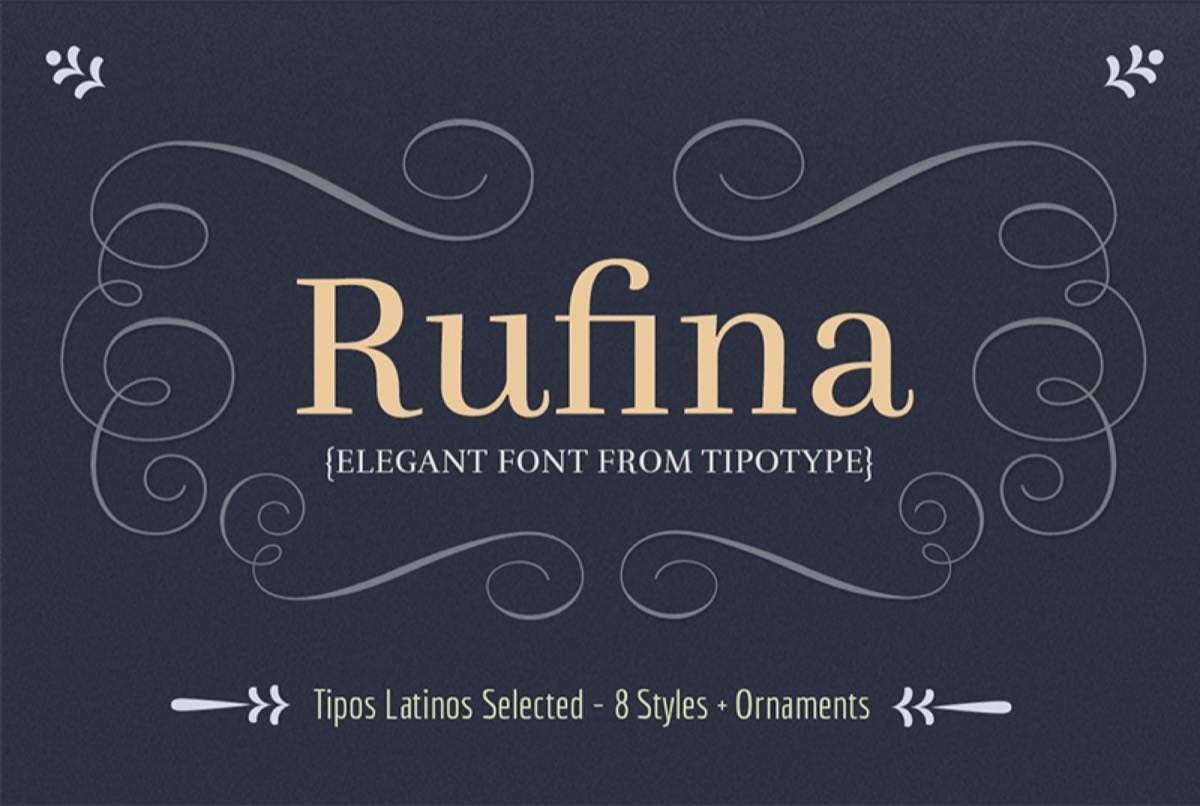
Rufina is a strong choice for art galleries, styling studios, boutique creative agencies, and any business where artistry is a defining part of the brand narrative.
32. Revista
Revista is a stencil typeface designed in 2015 by Daniel Hernandez, Paula Nazal Selaive, and Marcelo Quiroz. Its two typography sets — one based on zodiac signs, one on technological symbols — make it visually layered and complex.
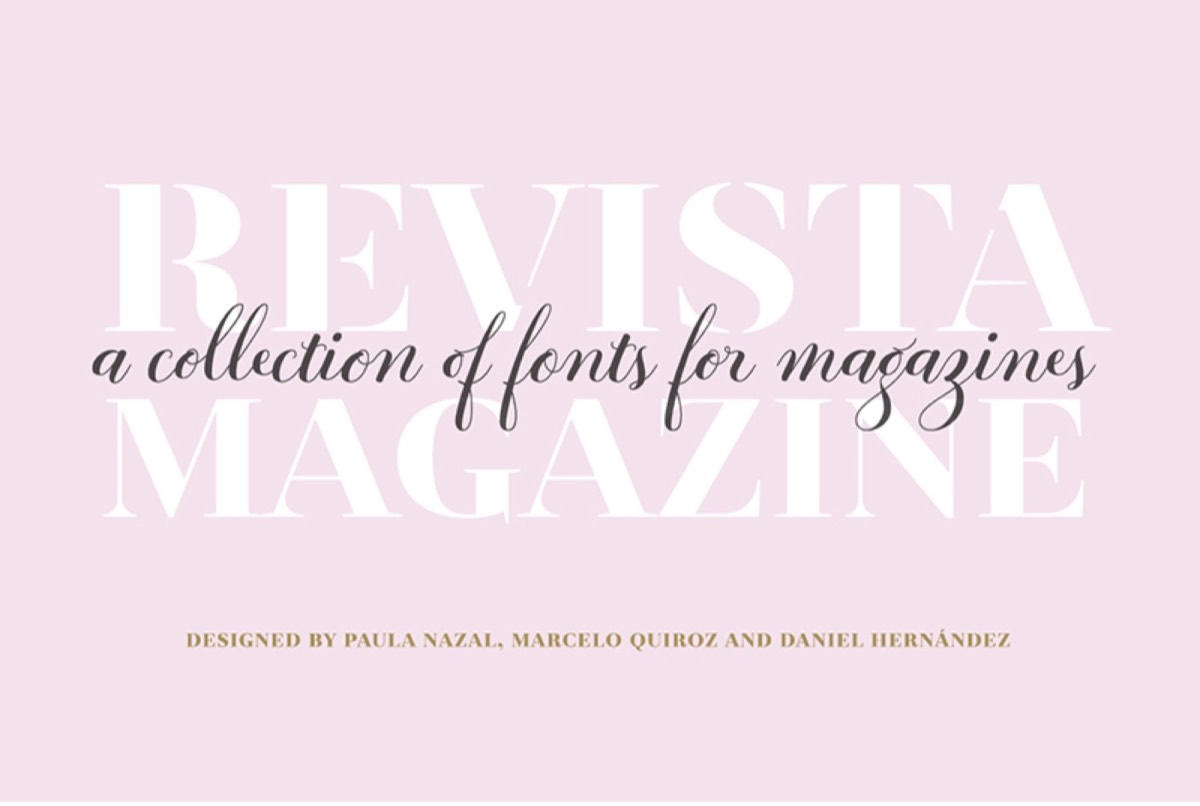
Revista is ideal for businesses that want a highly distinctive logo with strong visual character — premium products, niche lifestyle brands, and design-forward companies.
33. Baltica
Designed in 1998 by Russian designers Isay Slutsker and Vera Chiminova, Baltica is a slab serif that reads almost like a sans serif at first glance. The bracketed letters and varying letter widths create its distinctive slab-serif identity.
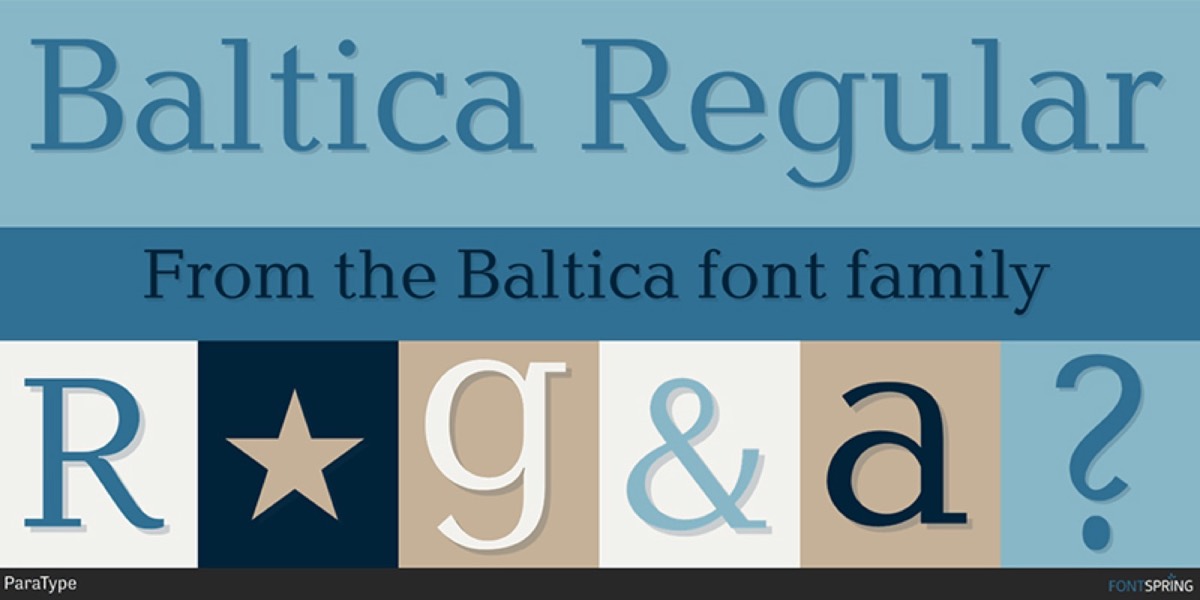
Baltica's classic appearance communicates trustworthiness — making it an excellent choice for health brands, medical practices, and financial services businesses.
34. Grenale Slab
Created in 2016 by Jeremy Dooley, Grenale Slab features whimsical curves and a bouncy rhythm that gives it a sense of playful movement.
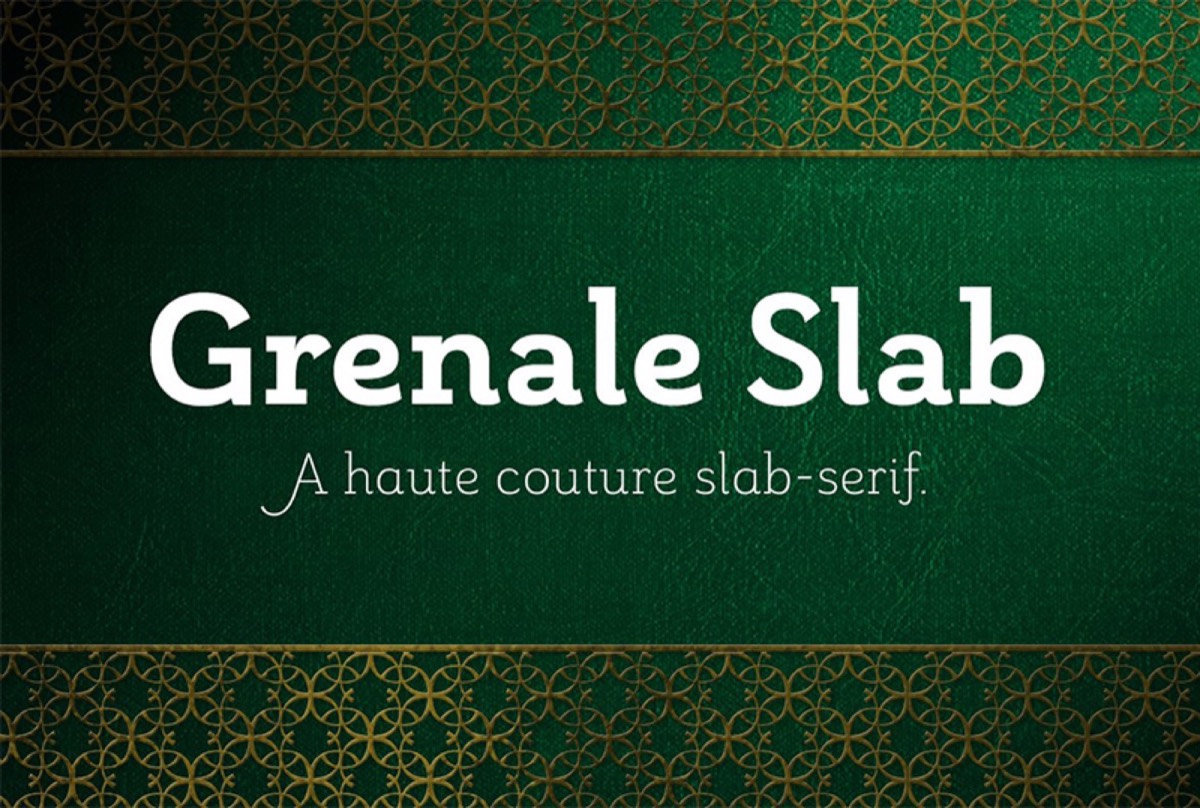
Grenale Slab is ideal for baby care brands, children's products, music companies, and any business where a light-hearted, friendly tone is central to the brand identity.
35. Bambusa Pro
Bambusa Pro, designed by Dutch designer Hanneke Classen, solves the legibility problem that plagues most handwritten typefaces. Each letter is clearly defined and connected through deliberate, proportioned spacing.
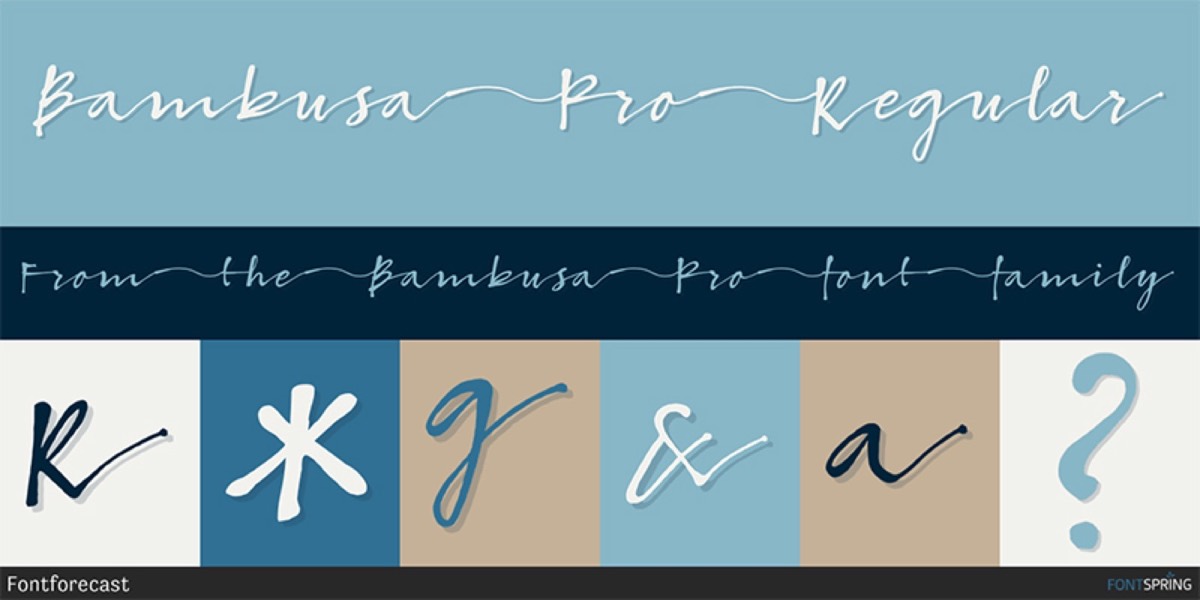
Bambusa Pro's flowing motion makes it ideal for nature-connected brands, beauty businesses, and organic product companies where fluidity and natural elegance are core aesthetic values.
Choosing the right typeface for your logo is one of the highest-leverage design decisions you can make. The font you select communicates your brand's personality before anyone reads a single word — it signals whether you're modern or classic, approachable or authoritative, playful or serious.
The 35 fonts above cover an enormous range of brand personalities and industries. Use this guide as a starting point, but don't stop here. The best logo typeface for your brand is the one that communicates your specific identity with clarity and consistency. When in doubt, work with a professional designer who can evaluate your brand positioning and recommend the right typographic approach — a design agency brings the strategic context that makes these decisions far less guesswork.
Digital Polo offers professional logo design services with skilled designers experienced in typography, brand identity, and logo systems across every industry.
Digital Polo creates professional logos and brand identity systems for one flat monthly fee with unlimited revisions. Start for $399/mo → | Soulmate at $899/mo →
Frequently Asked Questions About Business Fonts for Logo Design
How do I choose the right font for my business logo? Start with your brand personality. If you want to project authority and tradition, serif fonts like Bodoni or Garamond work well. For modern, international brands, geometric sans-serifs like Futura or Helvetica are strong choices. For approachable, friendly businesses, consider rounded fonts like FF Din or Foco. Always test your chosen font at multiple sizes to ensure it remains legible at small sizes.
Can I use any font for my business logo? Not all fonts are licensed for commercial use. Always verify the licensing terms before using a typeface in a logo or brand identity. Many excellent professional fonts require purchase. Open-source options like EB Garamond or Museo Sans are available for commercial use at no cost, but premium fonts often offer better quality and exclusivity.
How many fonts should a logo use? Most professional logos use one font, or at most two that complement each other. Using more than two typefaces creates visual confusion and weakens brand recognition. If you use two fonts, pair a serif with a sans-serif, or a display font with a neutral body font.
What is the difference between a serif and sans-serif font for logos? Serif fonts have small decorative strokes at the end of letters — they convey tradition, authority, and reliability (Garamond, Bodoni, Trajan). Sans-serif fonts have clean, unadorned letterforms — they communicate modernity, clarity, and simplicity (Futura, Helvetica, FF Meta). Neither is inherently better; the choice depends on the personality your brand needs to project.
Should I use a display font or a text font for my logo? Display fonts (like Sabo, Bobber, or Revista) are designed to stand out at large sizes and work well for logos and headlines. Text fonts (like Garamond or Museo Sans) are optimized for readability at smaller sizes. For logos, display or hybrid fonts often work best — just ensure the font remains legible when scaled down for business cards or small digital applications.
Ready to Build Your Brand's Typography System?
A logo font is one decision. A brand typography system — display family, body family, weight contrast, scale, hierarchy — is what holds an identity together across every surface.
DigitalPolo's Partner plan at $399/month delivers full typography systems as part of every brand identity build, plus every execution after — landing pages, social, packaging, print collateral — under one flat fee with 48-hour turnaround and unlimited revisions. 16 years of operating history behind every brand we ship.
See plans and pricing → | Read the serif vs sans serif explainer → | Book a 15-minute call