Once in a while, we all grab a Sub from Subway or spend time with friends at Starbucks. The Quick Service Restaurant (QSR) industry has seen explosive growth globally, and the competition for customer loyalty has never been fiercer.
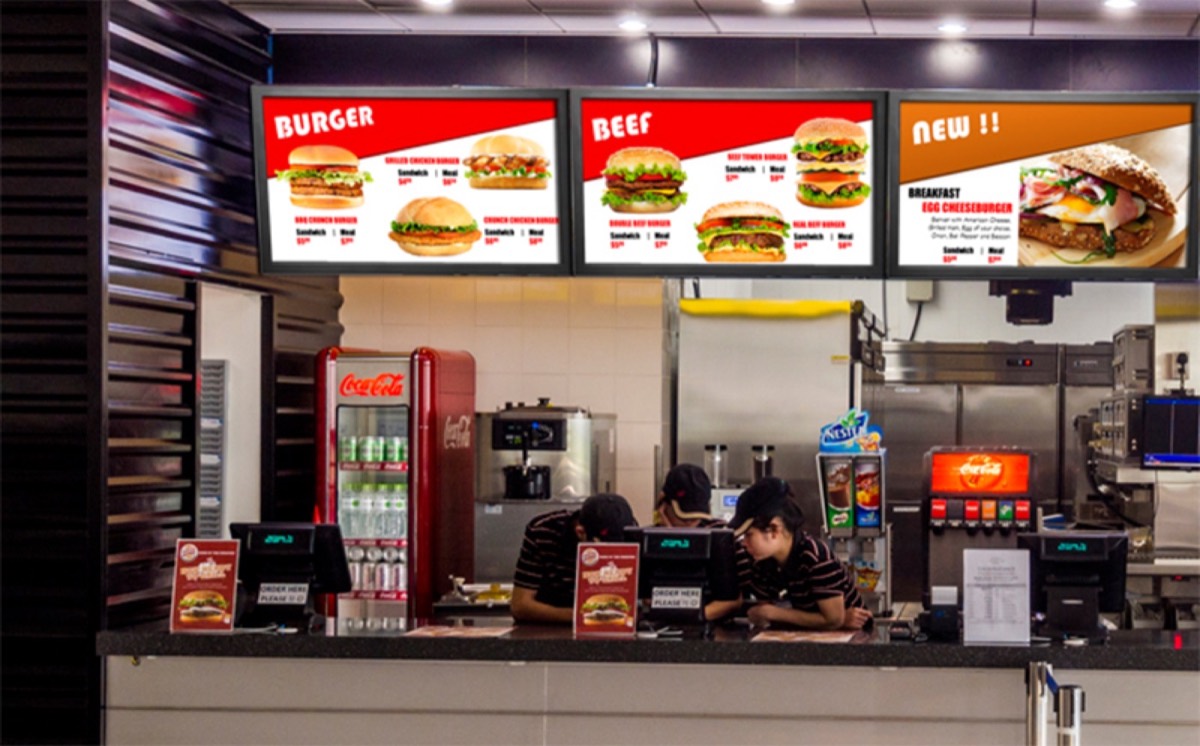
The QSR industry is estimated to be worth hundreds of billions globally. If you own a QSR outlet, you can't afford to stay still. Growth depends on how effectively you increase both online and offline sales.
Here are 13 proven growth hacks that will serve your QSR business well in the long run — and most of them are straightforward to implement.
1. Build a Strong Social Media Presence
One of the most effective ways to grow your QSR is through social media. Facebook, Instagram, Pinterest, and Twitter each have distinct audiences that you can tap into with the right content strategy.
Social media marketing is one of the most powerful trends every business is riding. Increasing your presence across these platforms will directly increase your sales prospects.
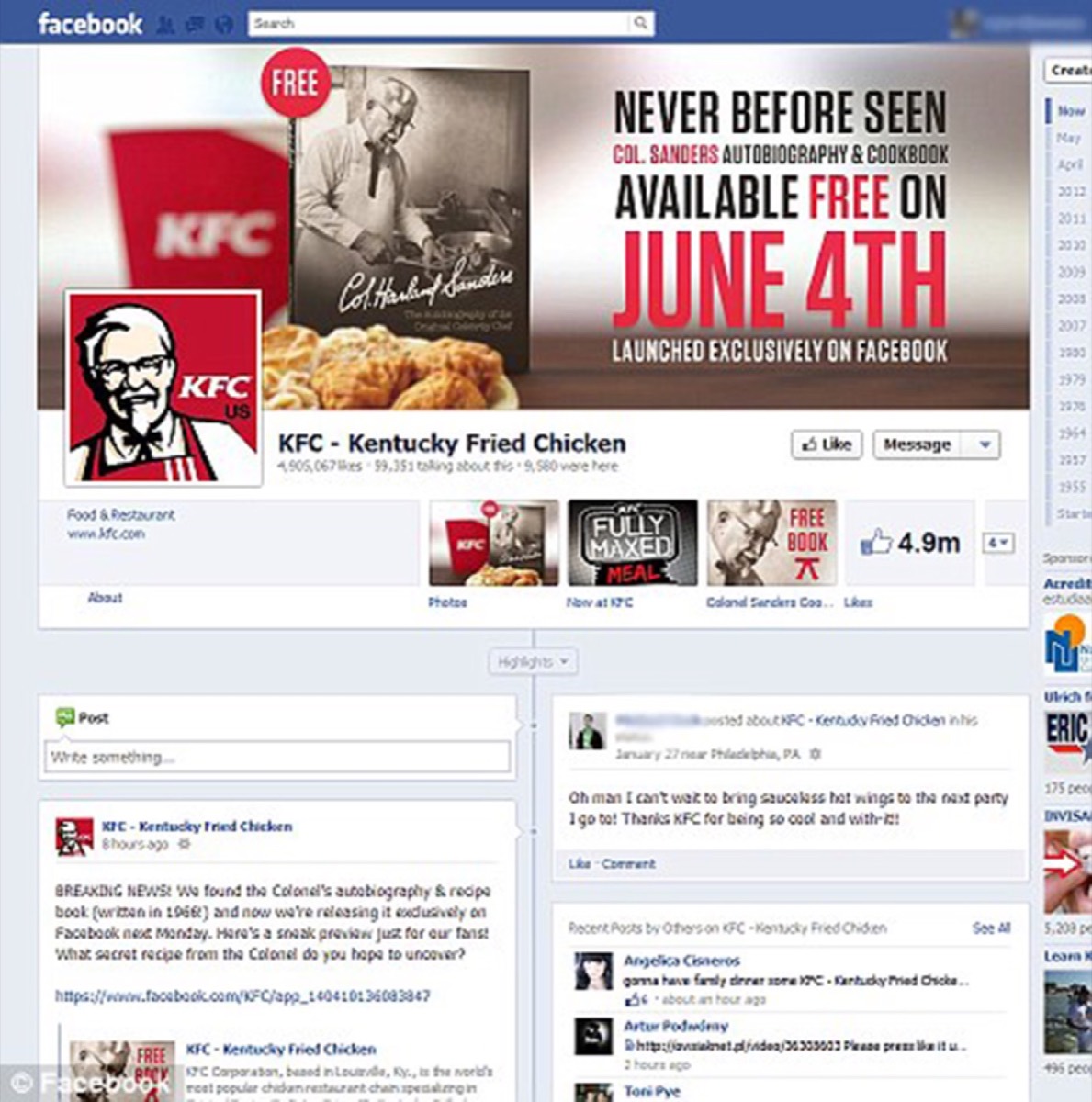
KFC uses their Facebook cover page as a direct communication tool with customers — not just a static billboard.
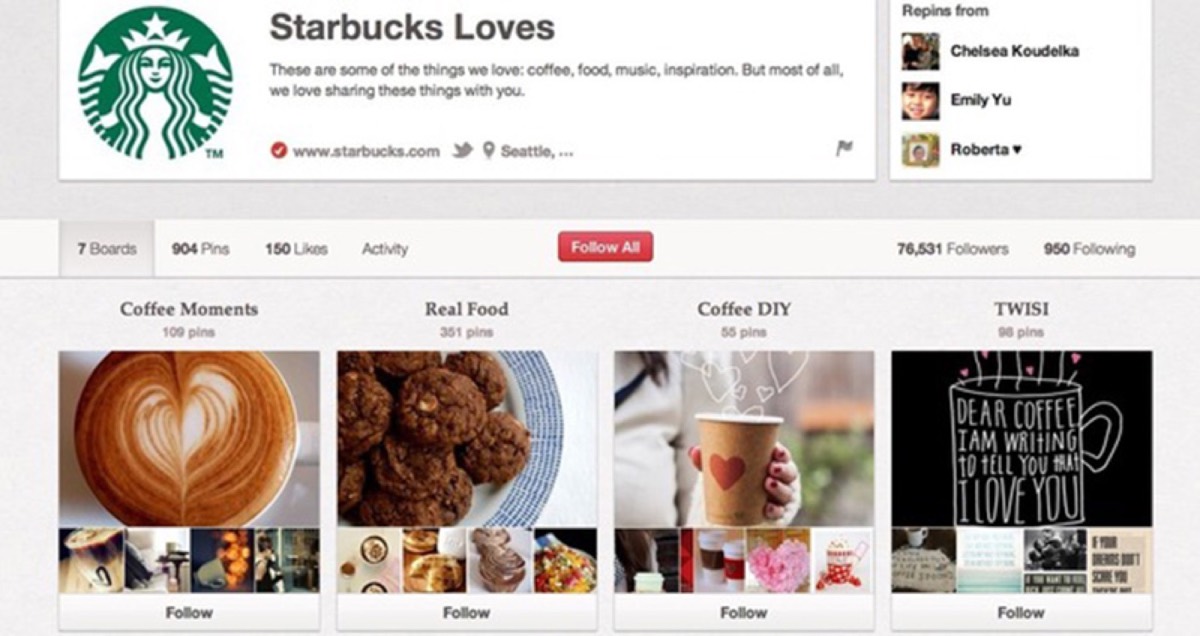
Starbucks regularly runs competitions on Pinterest to engage followers and draw them deeper into the brand. You don't need to be Starbucks to use this technique — the strategy scales down to any size of QSR.
Do you know that Instagram is one of the most effective platforms for food businesses?
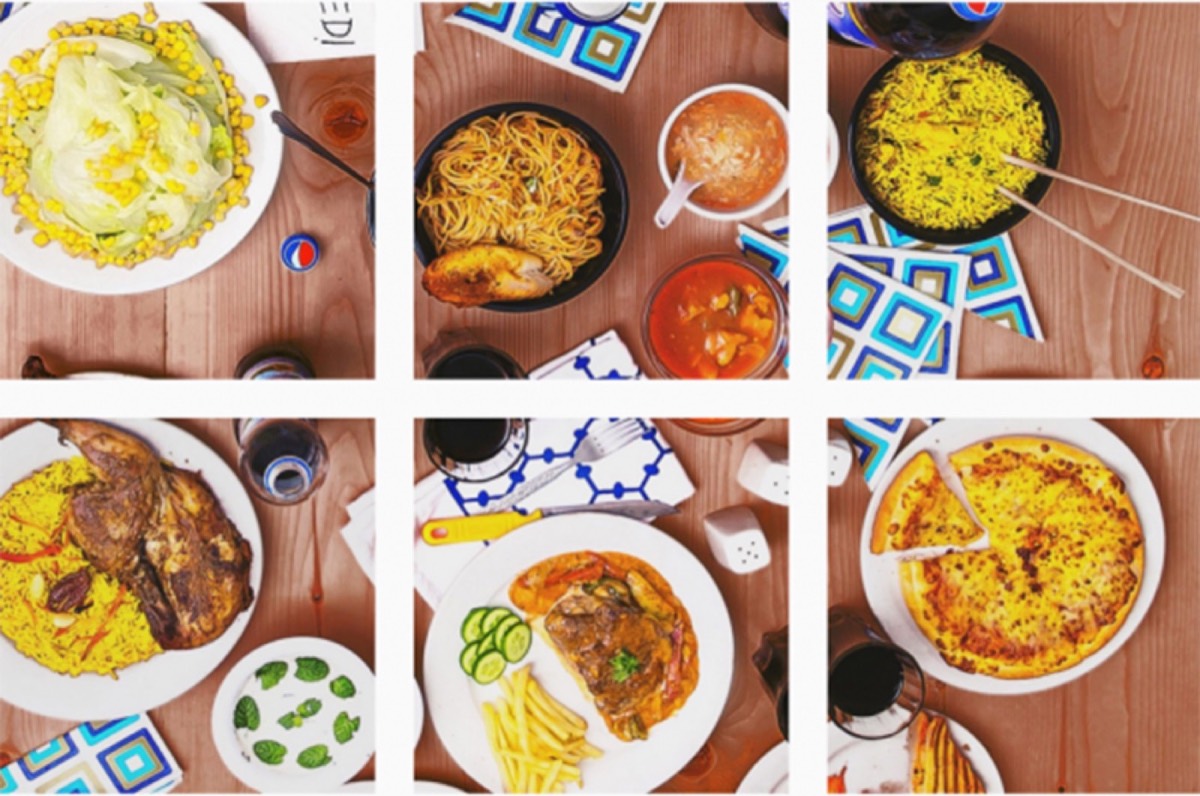
A well-planned Instagram grid can showcase your restaurant's personality and food quality in a way that draws new customers. Short video content is also highly effective — hundreds of thousands of videos are uploaded to Instagram every second, and food content consistently ranks among the most-engaged categories.
2. Track Your Social Media Presence
Once you've established a social media presence, tracking it is essential. Monitoring conversations helps you stay on top of mentions, spot problems early, and understand what's resonating with your audience.
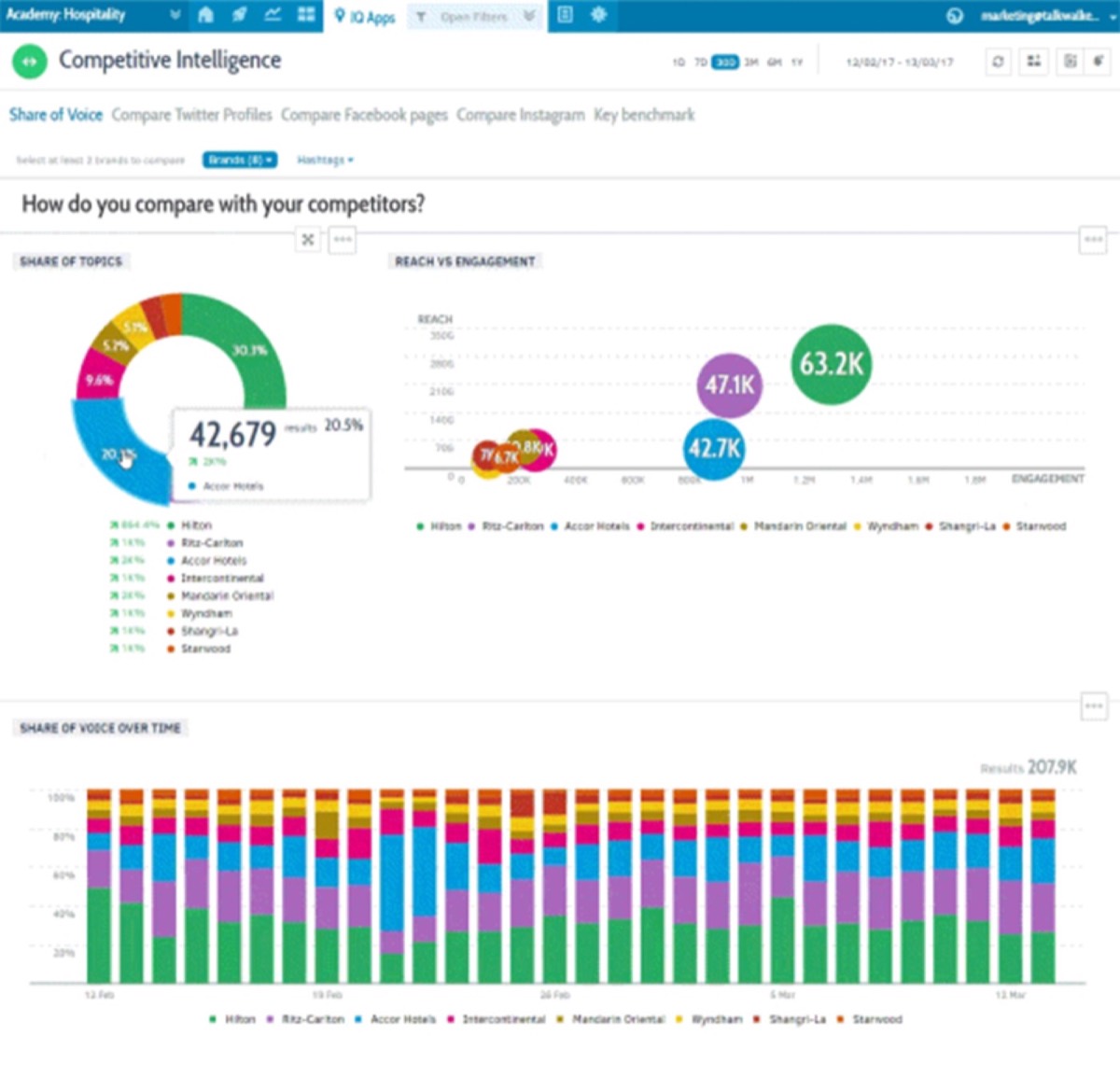
Several free tools make this easier:
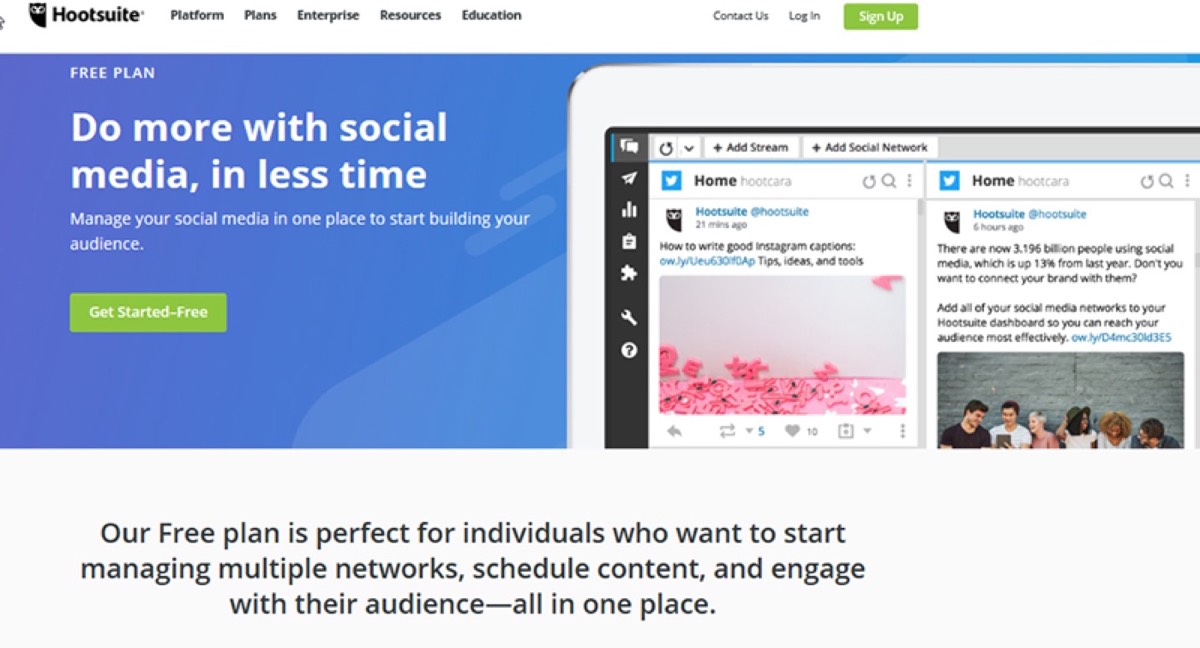
Hootsuite offers a free tier that handles Twitter tracking well. Beyond tracking your own account, it enables keyword searches — helping you monitor competitors and see how your brand is being represented.
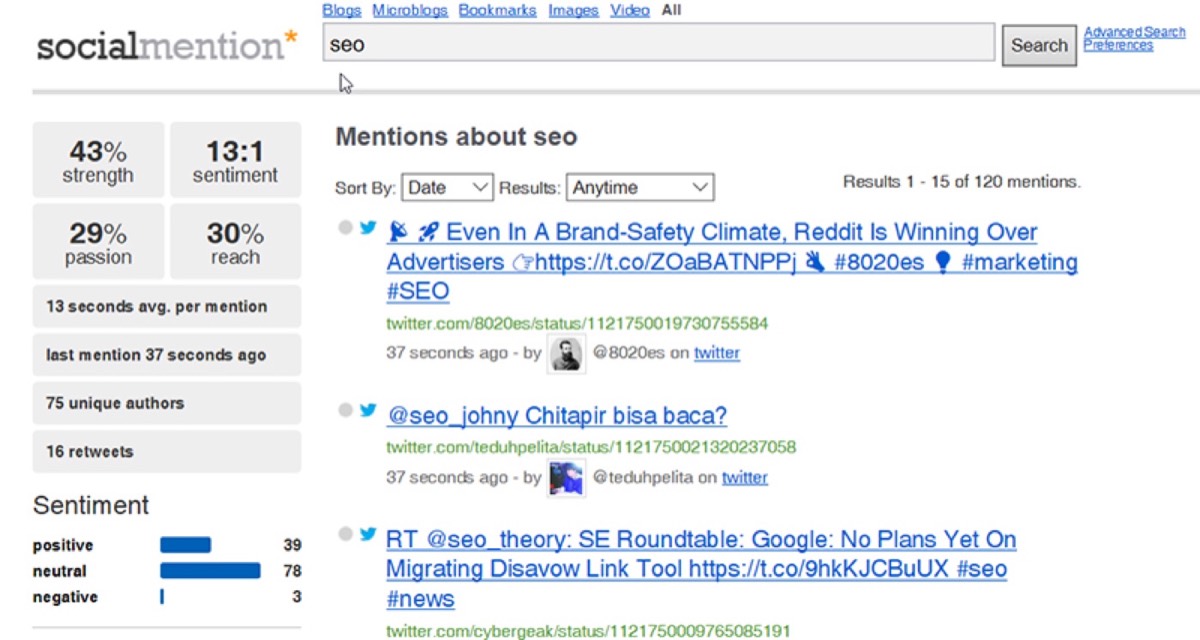
Social Mention is one of the most comprehensive free social media monitoring tools. It measures your influence across four dimensions: Strength (how often you're mentioned), Sentiment (positive vs. negative ratio), Passion (repeat mentions by the same users), and Reach (unique users talking about you).
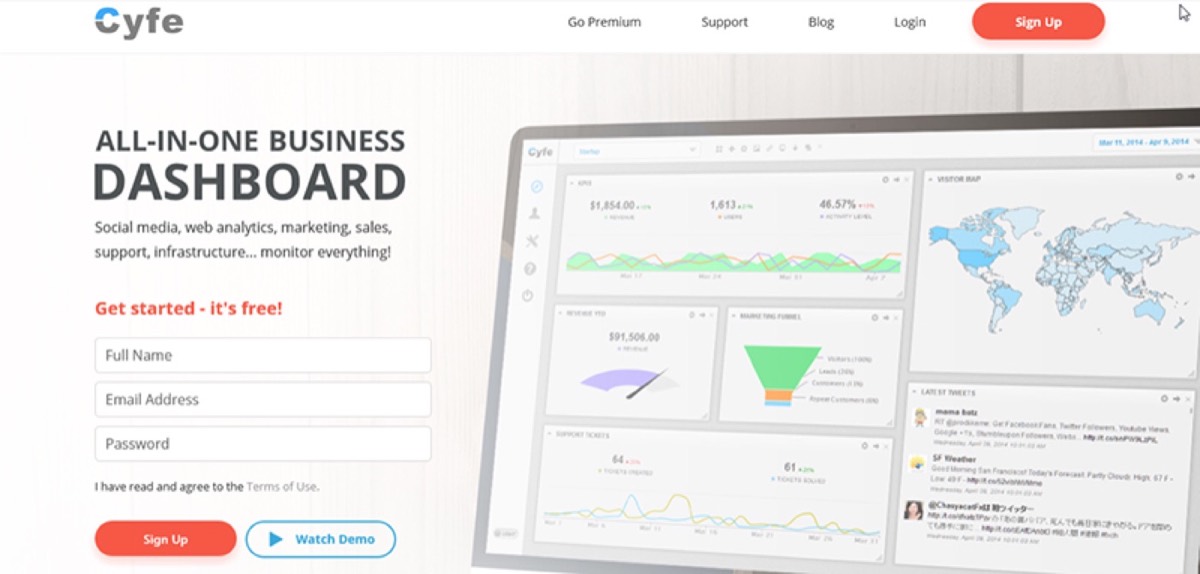
Cyfe provides an integrated dashboard that consolidates all your business data in one place. You can track Twitter followers, Facebook demographics, website metrics, and more — all on a single screen with real-time reports.
Research your options and pick the tool that best fits your needs. A combination of two free tools often covers most monitoring requirements for a growing QSR.
3. Partner With Food Delivery Apps
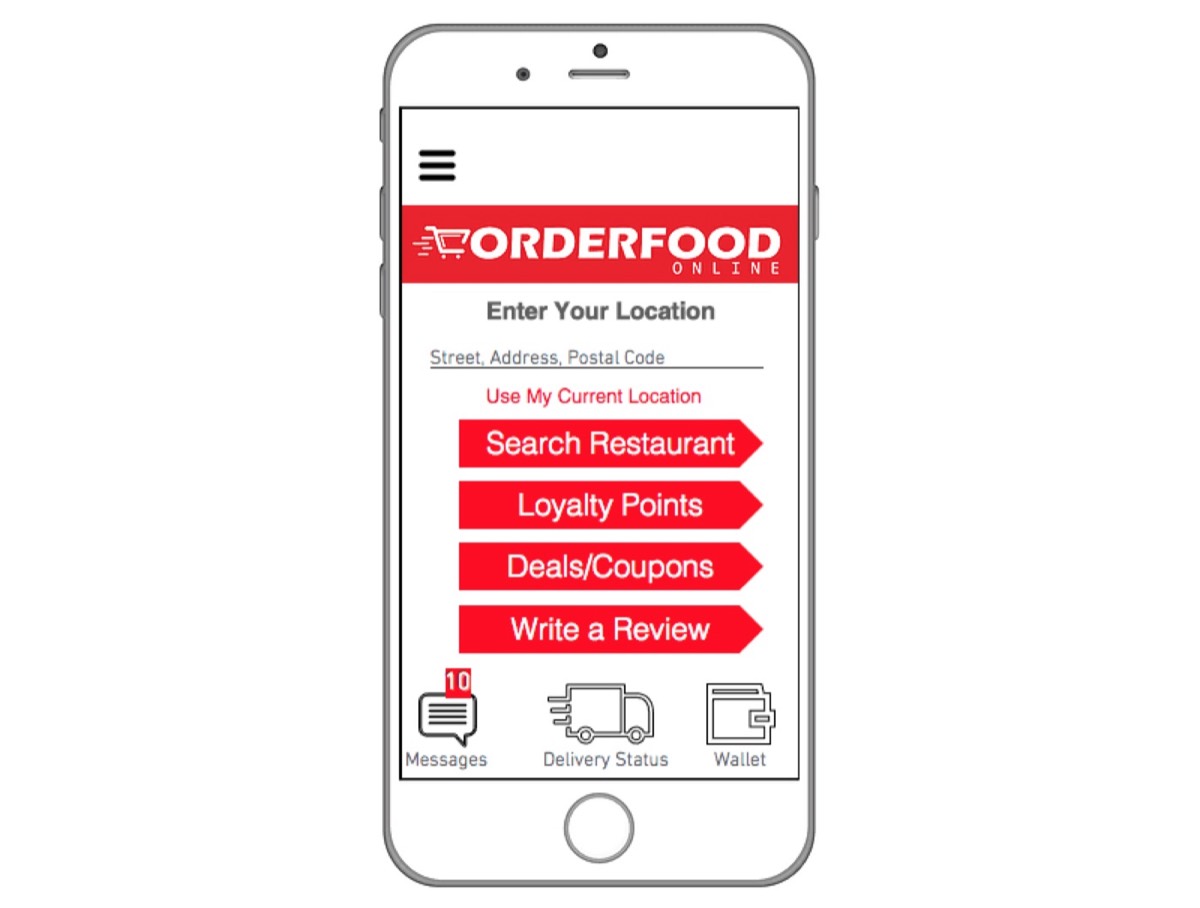
Rather than investing in building your own ordering app from scratch, partner with established food delivery platforms. These partnerships put your restaurant in front of an existing, hungry audience.
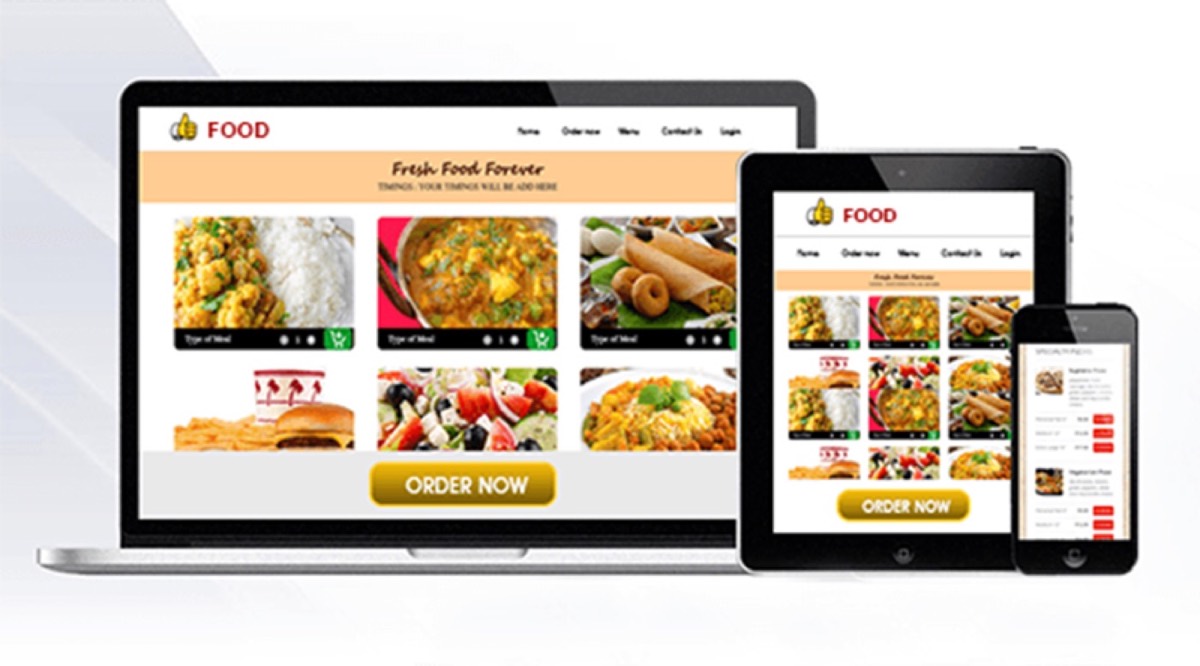
Partnering with food apps delivers two advantages: your brand reaches more people as more visitors discover your restaurant through the platform, and gamification features — where users earn points and discounts for repeat orders — incentivize customers to keep coming back to you specifically.
Need marketing materials that make your restaurant stand out? See Digital Polo's plans →
4. Build a Customer Retention Plan
Why focus on retaining customers when the goal is growth? Because retention is growth.
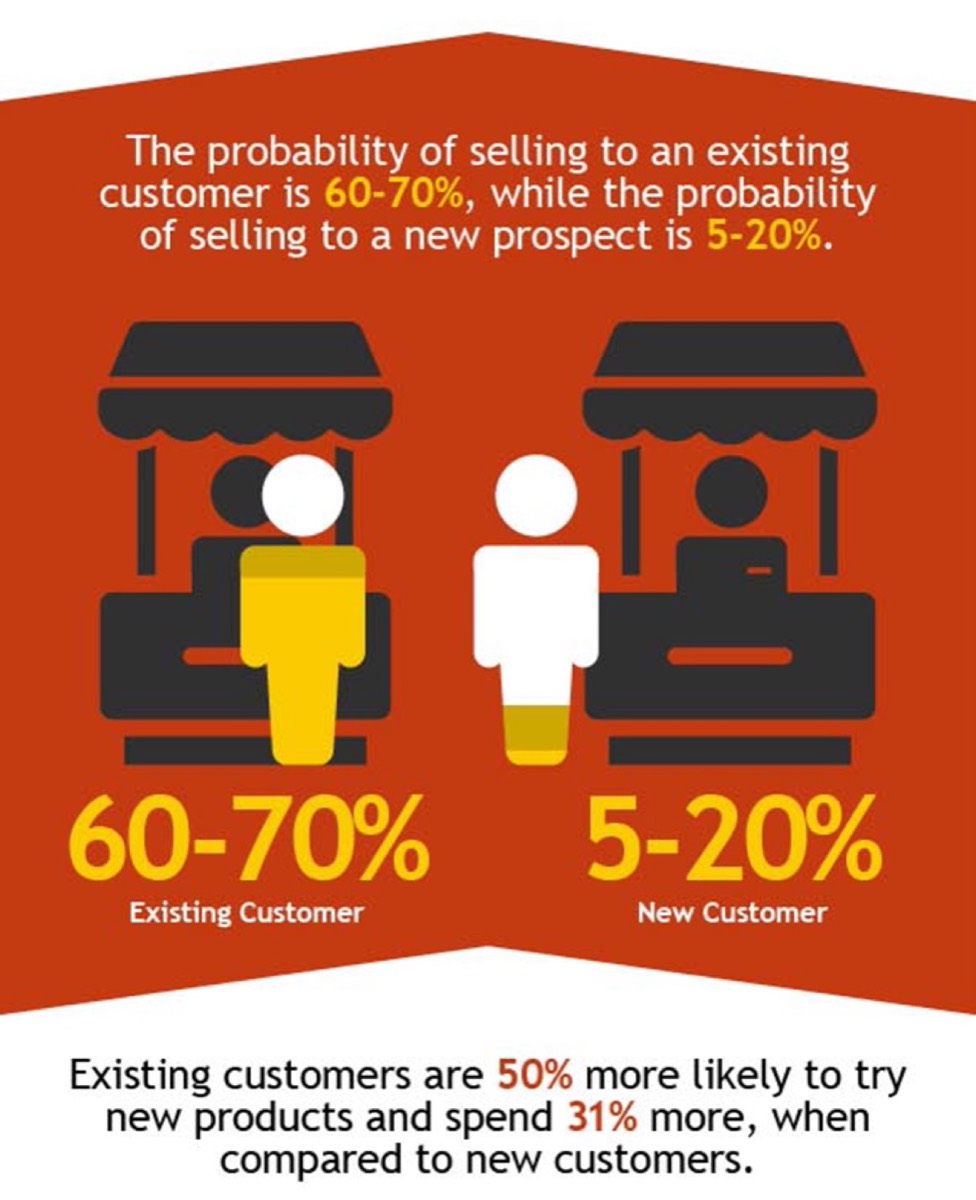
Research from Harvard Business School shows that a 5% increase in customer retention can boost profit by up to 95%. Acquiring new customers is consistently more expensive than keeping existing ones. Selling a new product to an existing customer is 50% more likely to succeed than selling to a new prospect.
Being proactive is the most effective retention strategy. Don't wait for customers to ask — anticipate their needs and meet them first. Live Chat is one of the best tools for this.
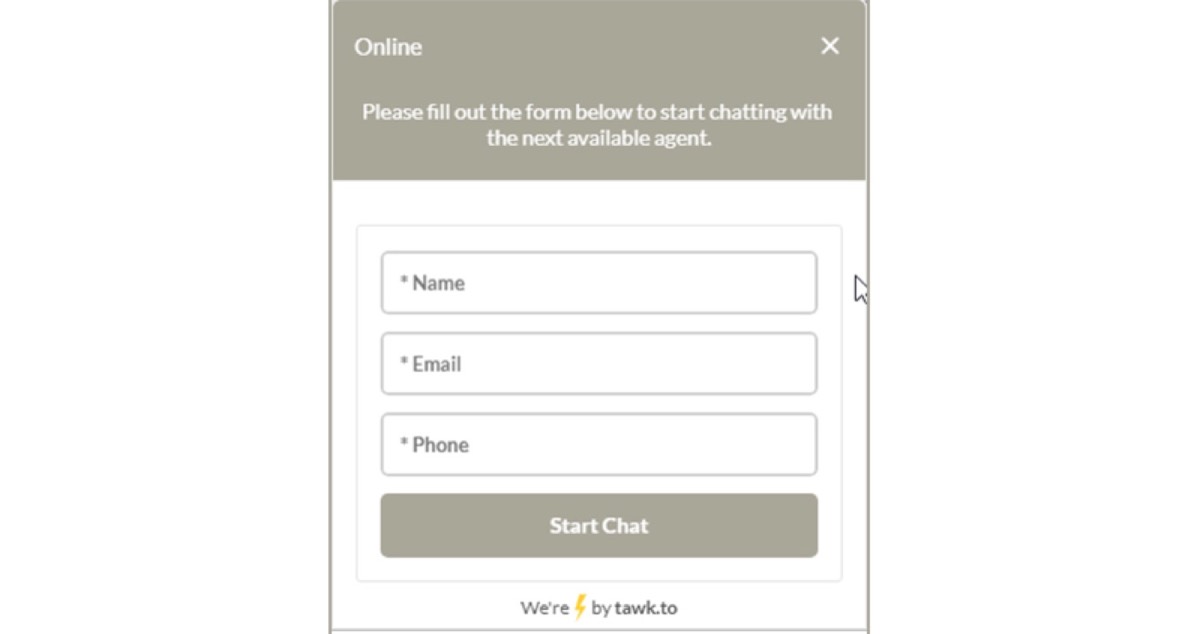
When a potential customer visits your website, a pop-up chat box immediately opens the door for engagement.

The chat box isn't just for data collection — respond promptly so customers feel valued. Follow up after orders through email campaigns. Consistent contact builds the kind of loyalty that drives long-term retention.
5. Invest in Email Marketing
Many QSR owners underestimate email marketing. That's a mistake.
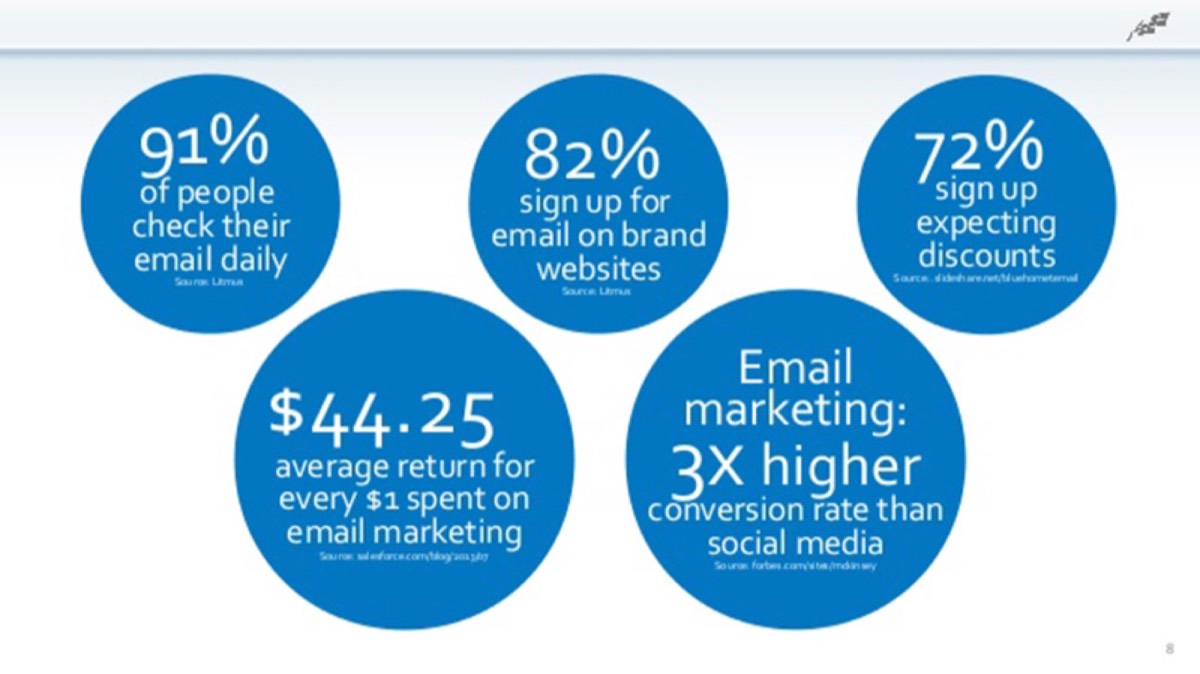
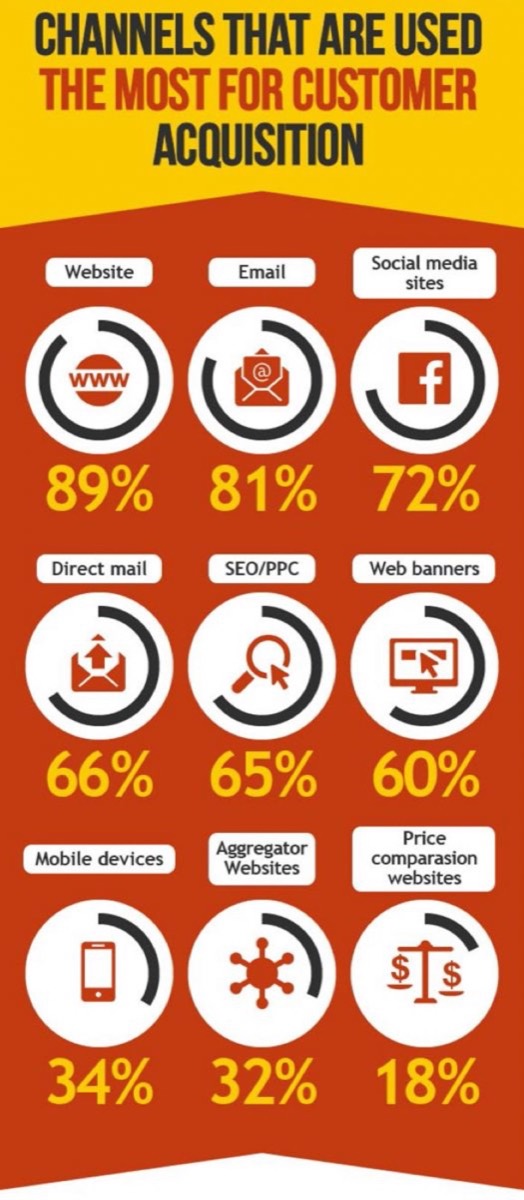
Email marketing has a conversion rate three times higher than social media marketing. It's one of the most cost-effective channels available. And the numbers back it up: email contributes to over 80% of customer acquisition for businesses that use it well. A strong sales sheet can complement your email campaigns when you need to move prospects from awareness to purchase.
A few guidelines for QSR email campaigns: don't email every day. Even once per week can feel excessive. One well-crafted email per month often outperforms daily sends in engagement and retention — customers unsubscribe when they feel bombarded.
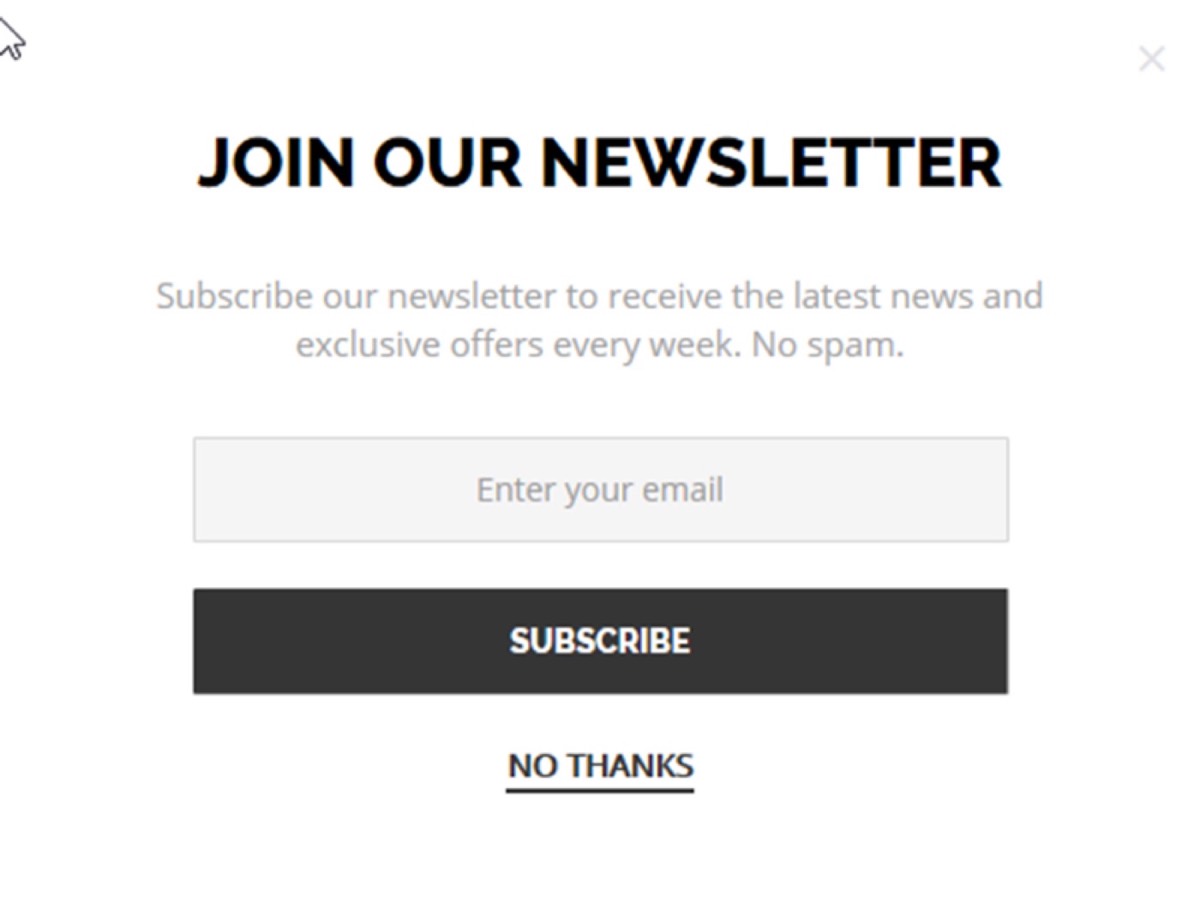
Start by collecting email addresses through a simple sign-up form on your website or ordering platform.
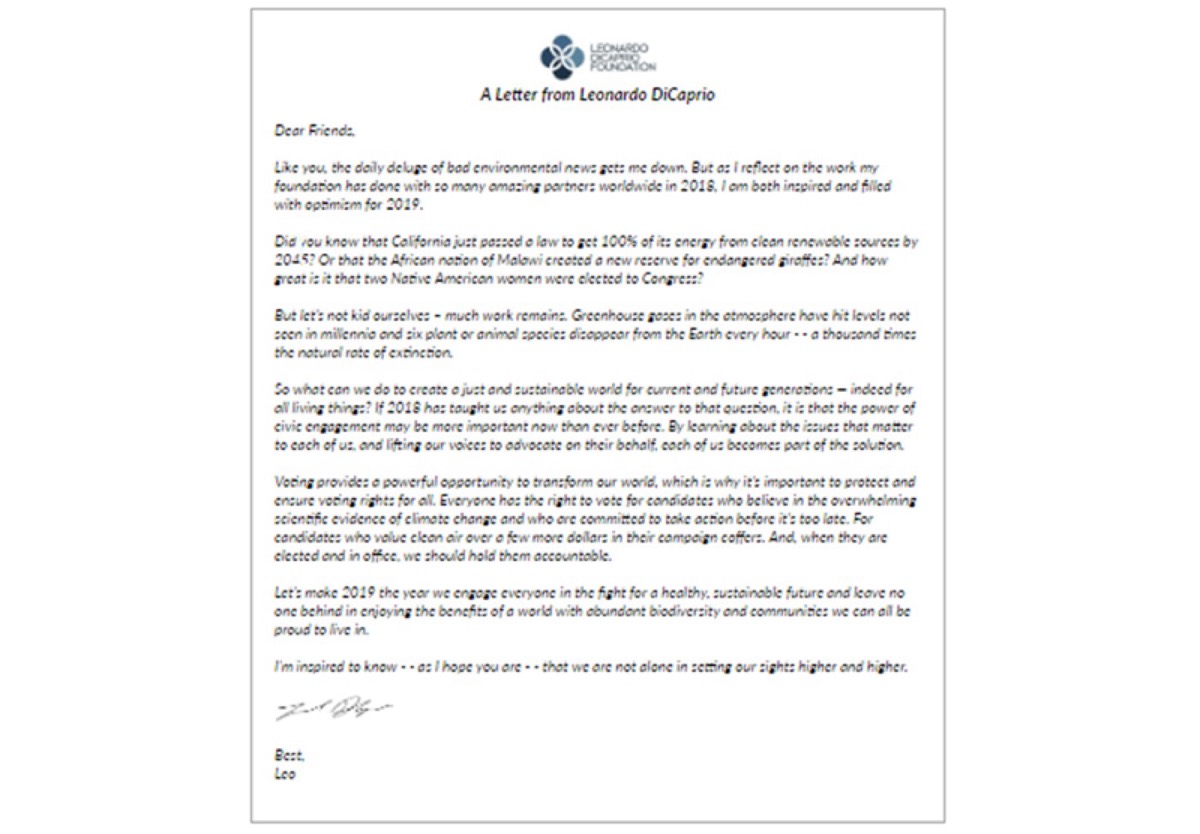
Once you have a list, maintain a balance between relational emails (sharing useful content and building connection) and promotional emails (driving specific offers). Relational emails build trust; promotional emails drive revenue. You need both.
Here's what a promotional newsletter looks like in practice:
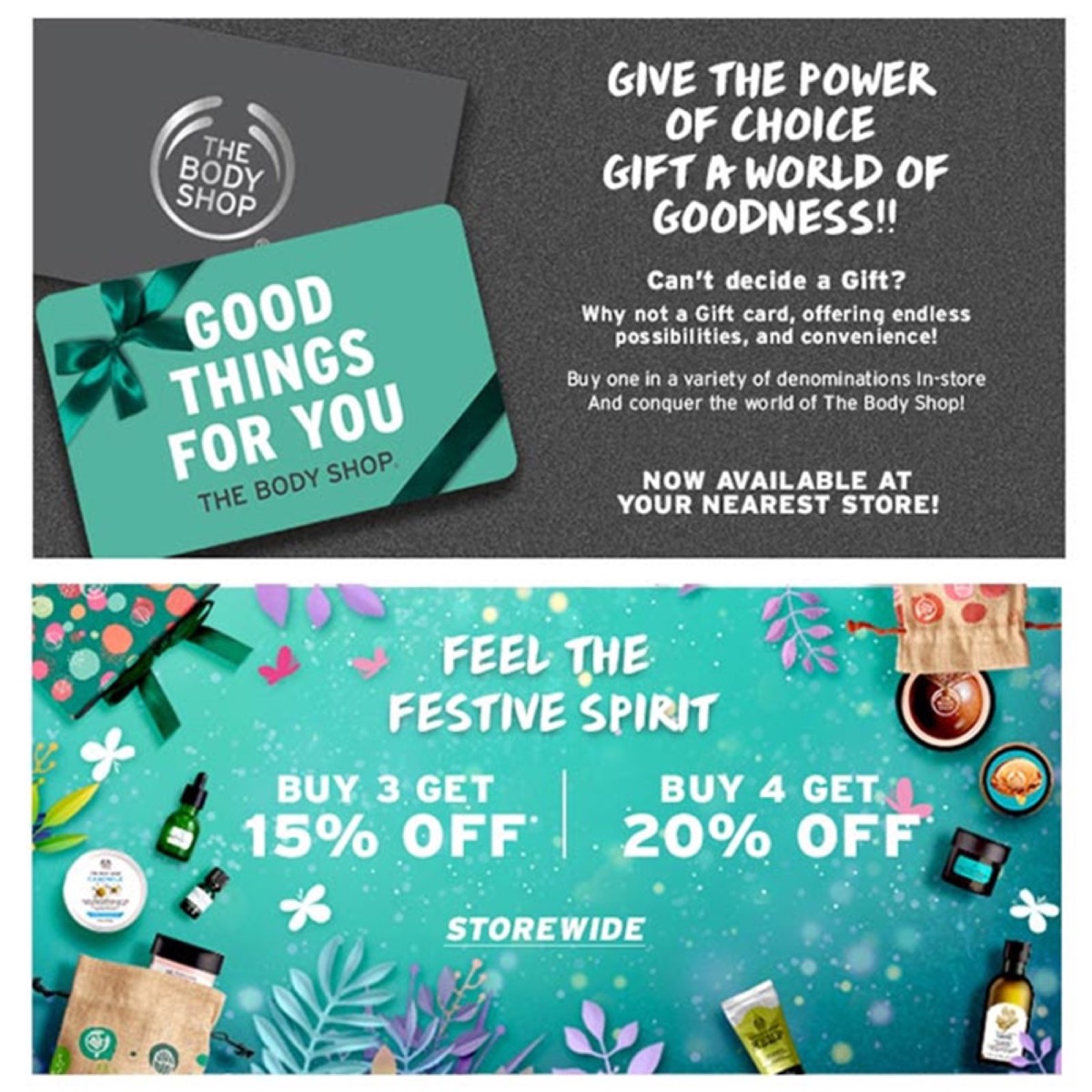
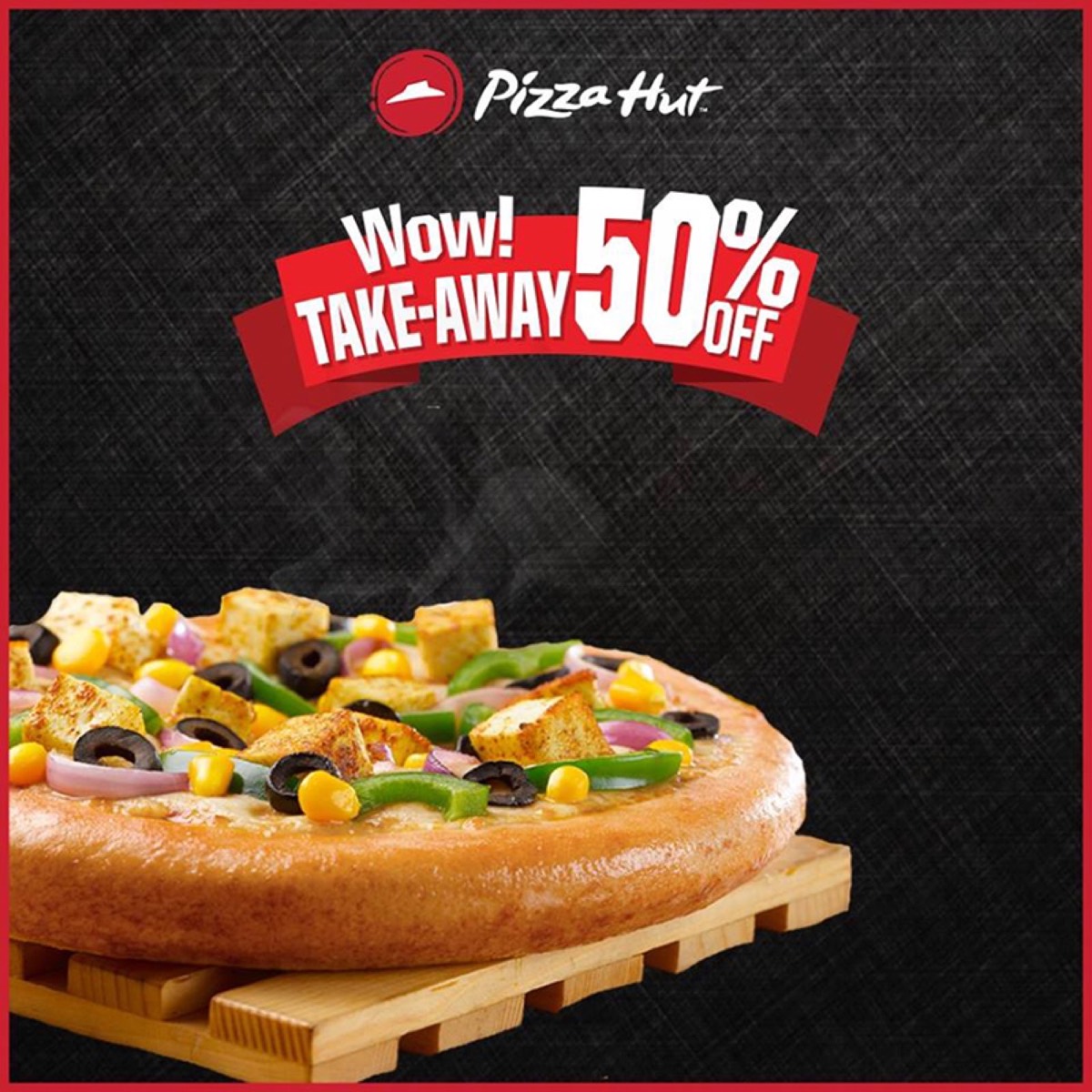
The Body Shop clearly highlights discount offers with bold, scannable design. You can apply the same principle to your QSR menu — featuring seasonal specials, discount codes, and limited-time offers.
6. Actively Seek Customer Reviews
Research shows that 9 out of 10 customers read reviews before making a purchase. Nearly 88% of customers are influenced by online reviews.
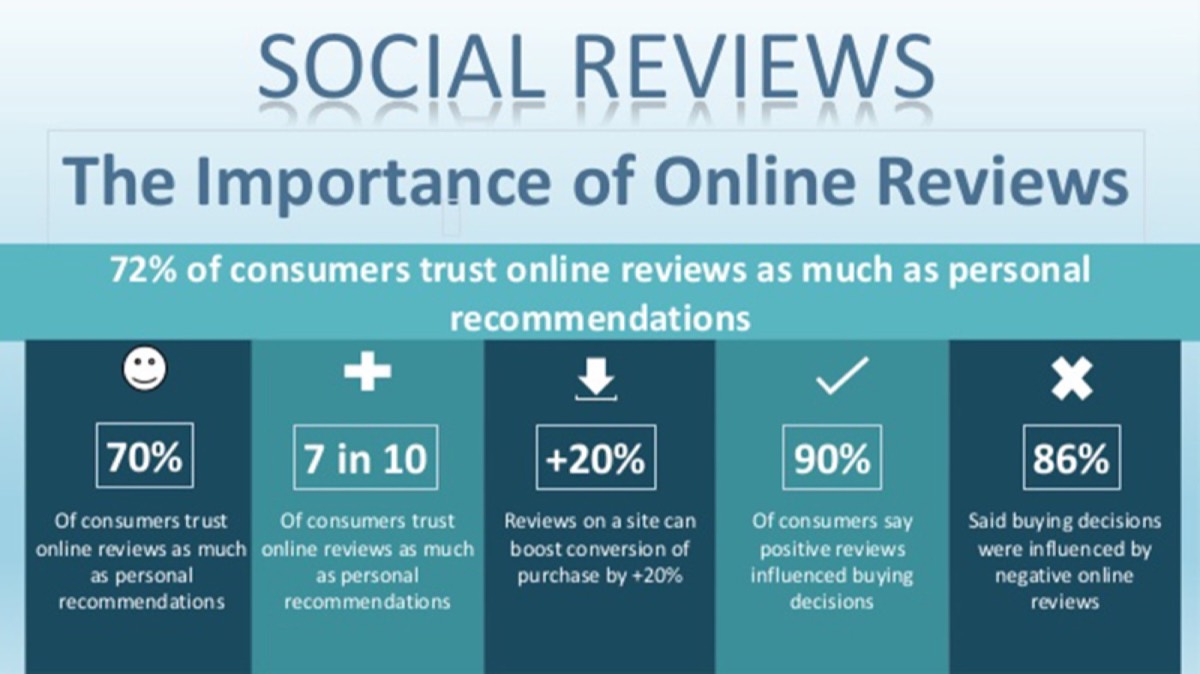
Customer reviews can significantly accelerate or stall your growth. The first step is simple: deliver quality food and service consistently. When the experience is good, reviews follow.
Track what regular customers order. Use that data to recommend dishes the next time they visit. Personalization makes customers feel valued — and happy customers become vocal advocates through word of mouth.
After every purchase, invite customers to leave a review and rating on your website.
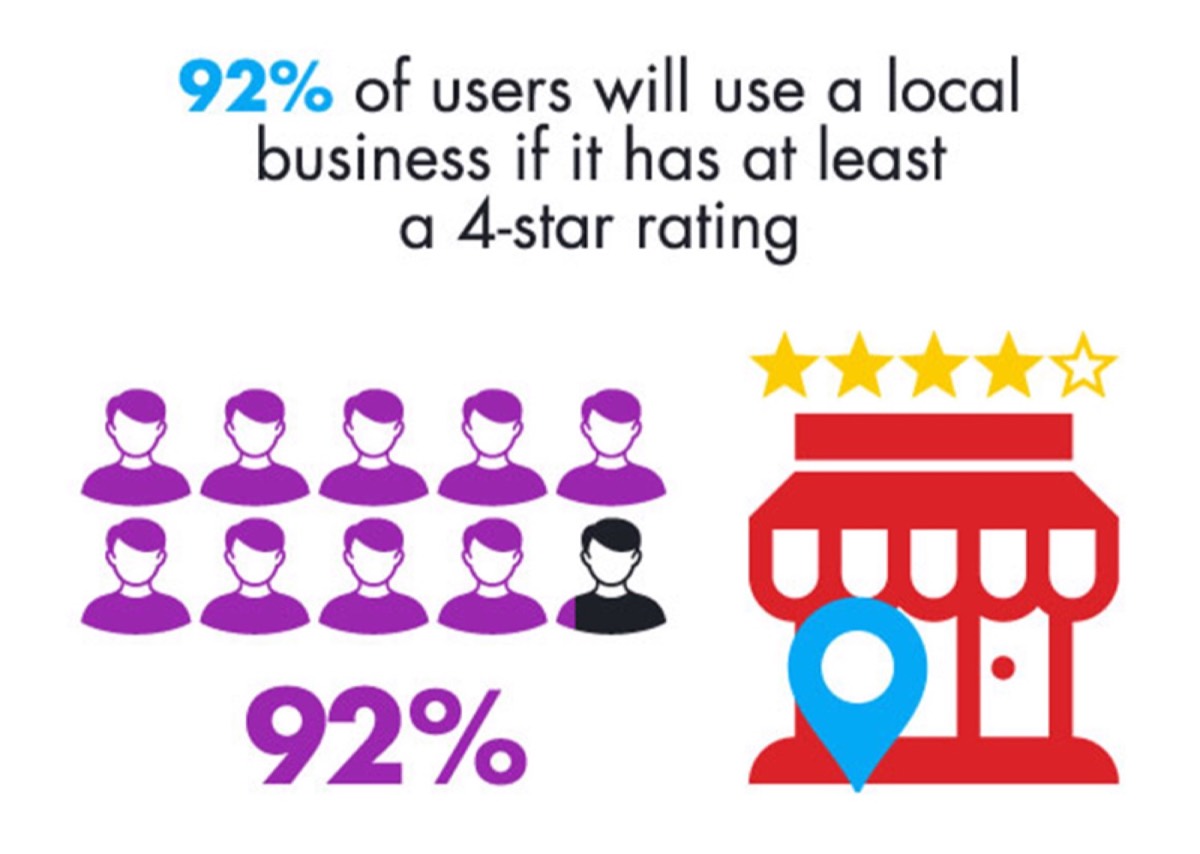
Ask customers to follow your restaurant on social media and share their feedback there too.
7. Optimize Your Online Presence for Search
An optimized website directly increases your visibility in search engines — and in a competitive local market, that visibility translates directly into foot traffic and orders.

SEO for QSRs means using relevant keywords, adding meta tags, optimizing image alt text, and keeping content fresh. Don't stuff keywords — search engines have moved well beyond that. Focus on creating content your customers actually want to read.
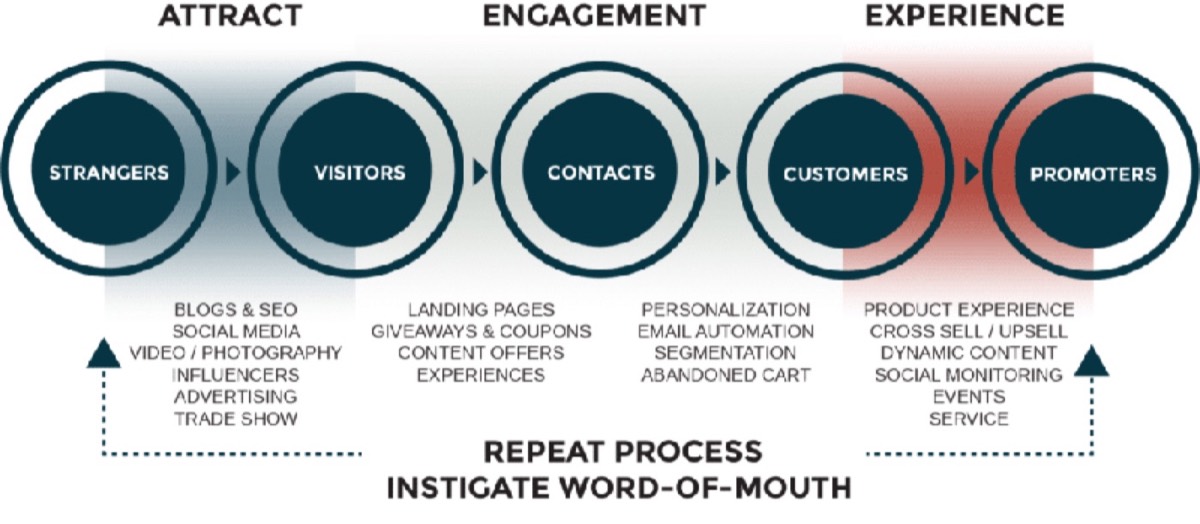
Keep your website and social media pages up to date. Upload new food images regularly. Run Hashtag campaigns and encourage customers to share photos using your branded hashtag.
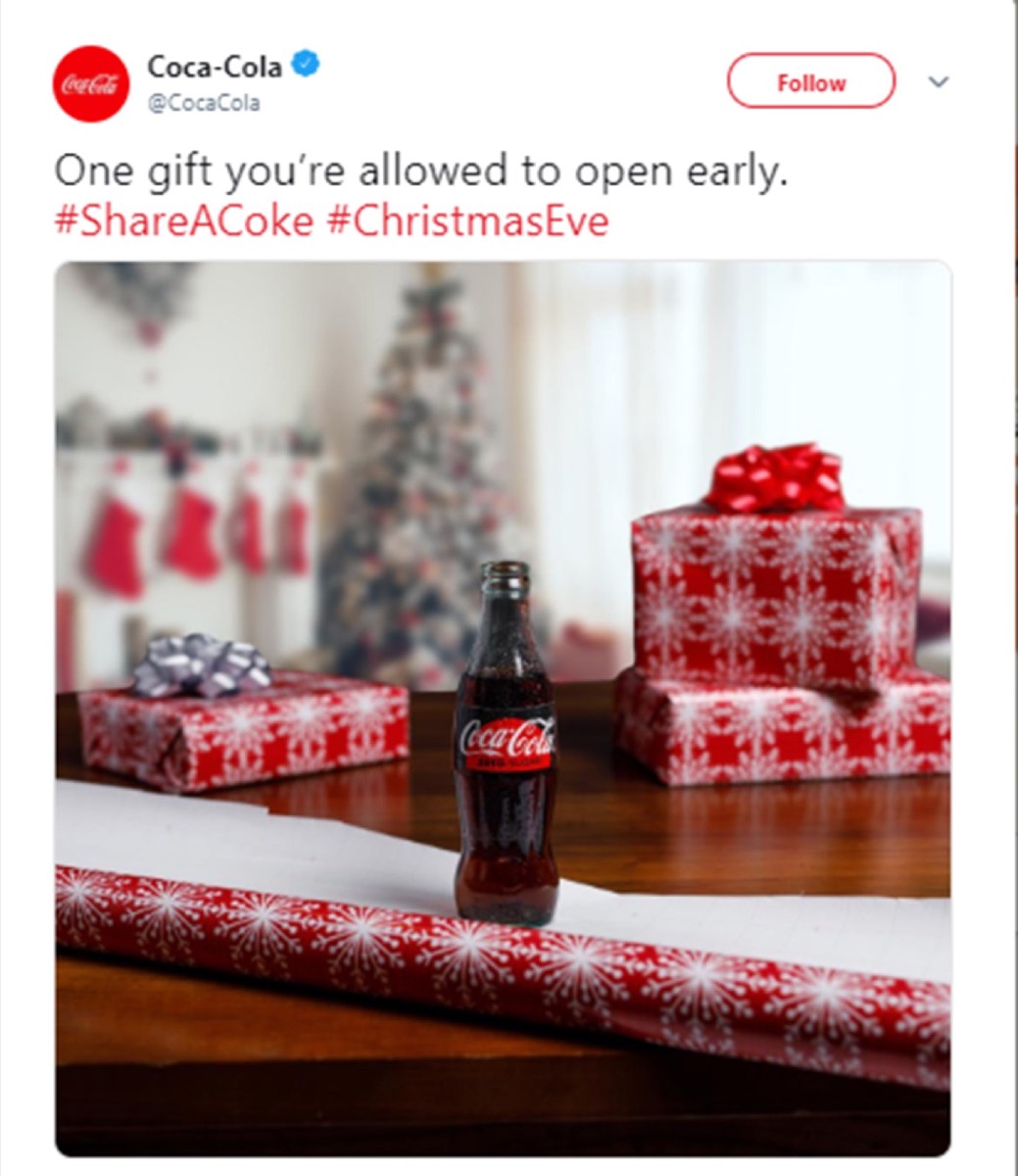
Coca-Cola's branded Christmas hashtag is a textbook example — a company-owned hashtag merged with a universal celebration to maximize shareability. User-generated content campaigns work especially well for food businesses, where customers are naturally inclined to share photos of their meals.
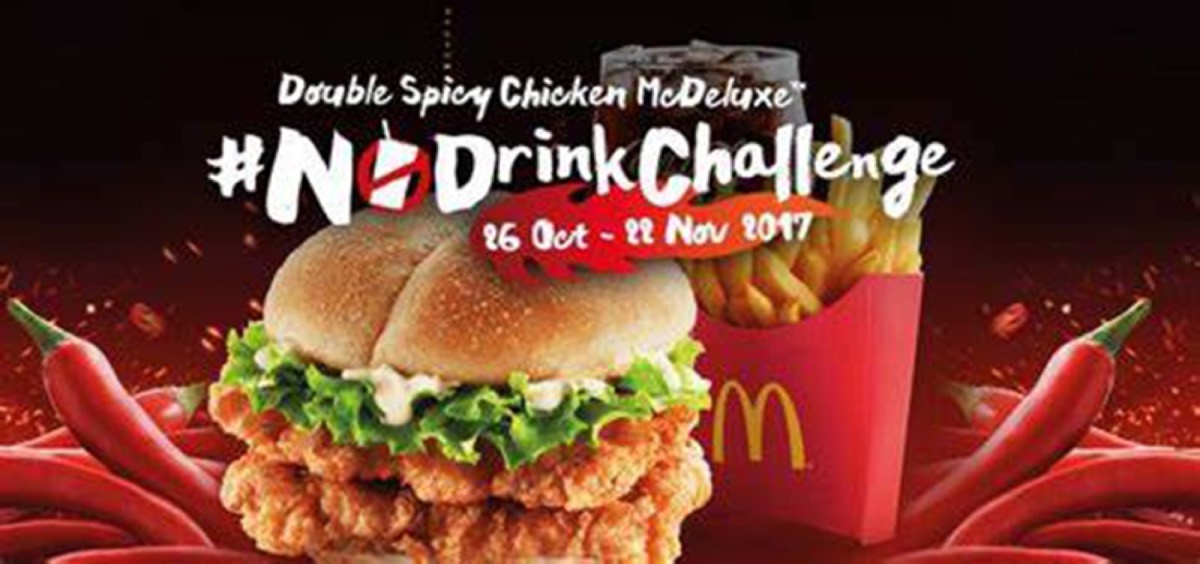
McDonald's ran a social media challenge with a branded hashtag that generated enormous shares across multiple platforms — with direct impact on revenue.
8. Create a Sense of Urgency
FOMO — the fear of missing out — is a real psychological trigger that over 55% of social media users experience regularly. Smart QSR operators can leverage this to drive immediate action.
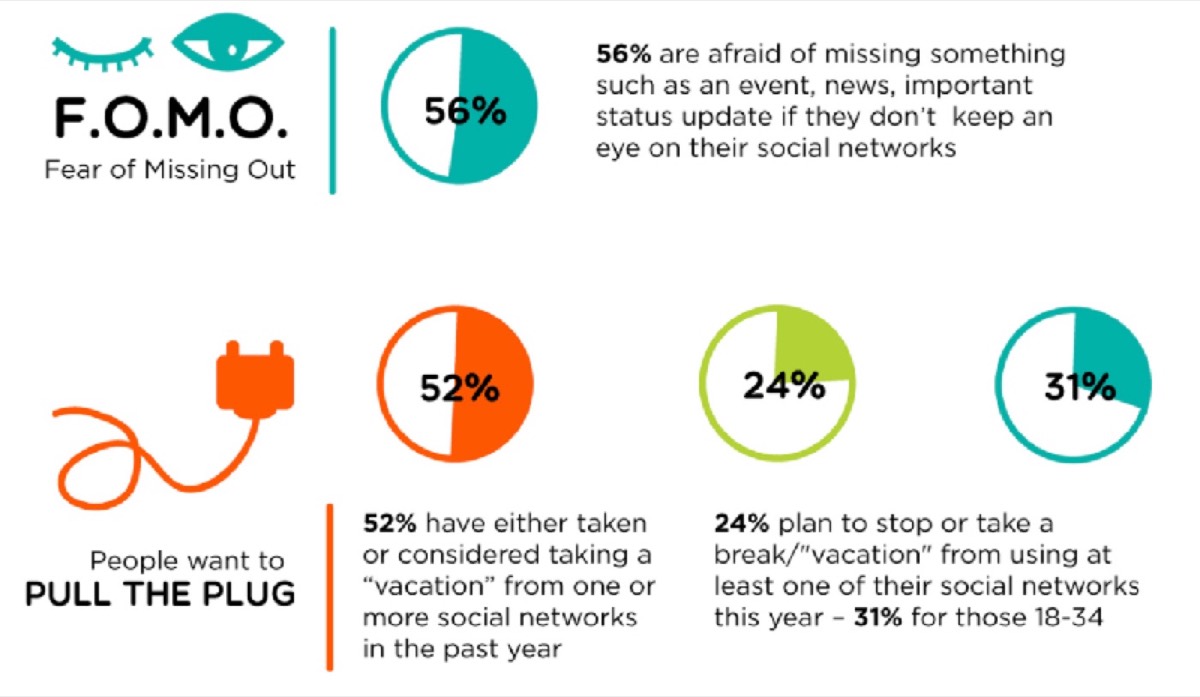
Limited-time offers and countdown promotions are among the most effective ways to create urgency. Amazon uses countdown clocks prominently to push time-sensitive purchases.
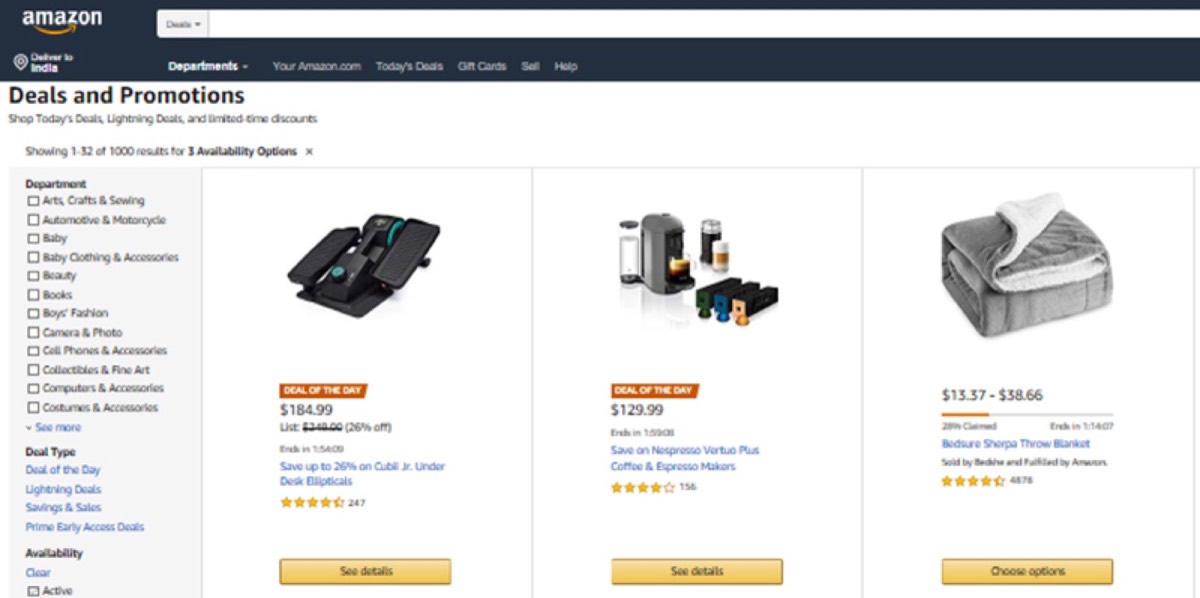
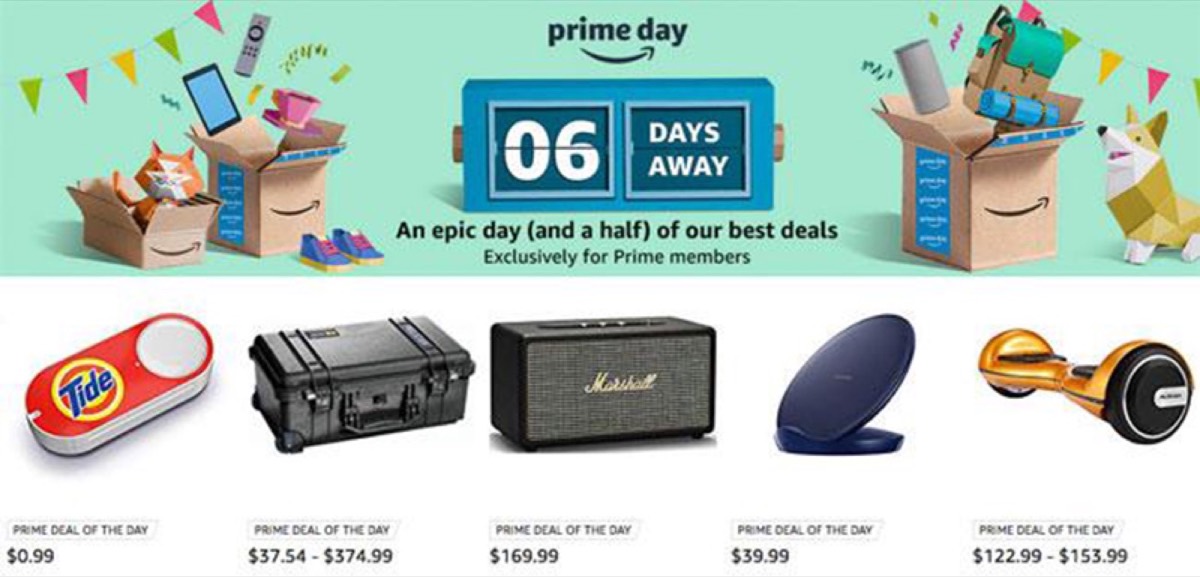
Apply the same logic to your QSR — a weekend-only special, a flash discount that expires at midnight, or a "first 50 orders only" offer can create a surge of demand without any additional cost.
9. Work With Food Influencers
As social influencer culture has grown, influencer marketing has become one of the most effective and measurable marketing methods available.
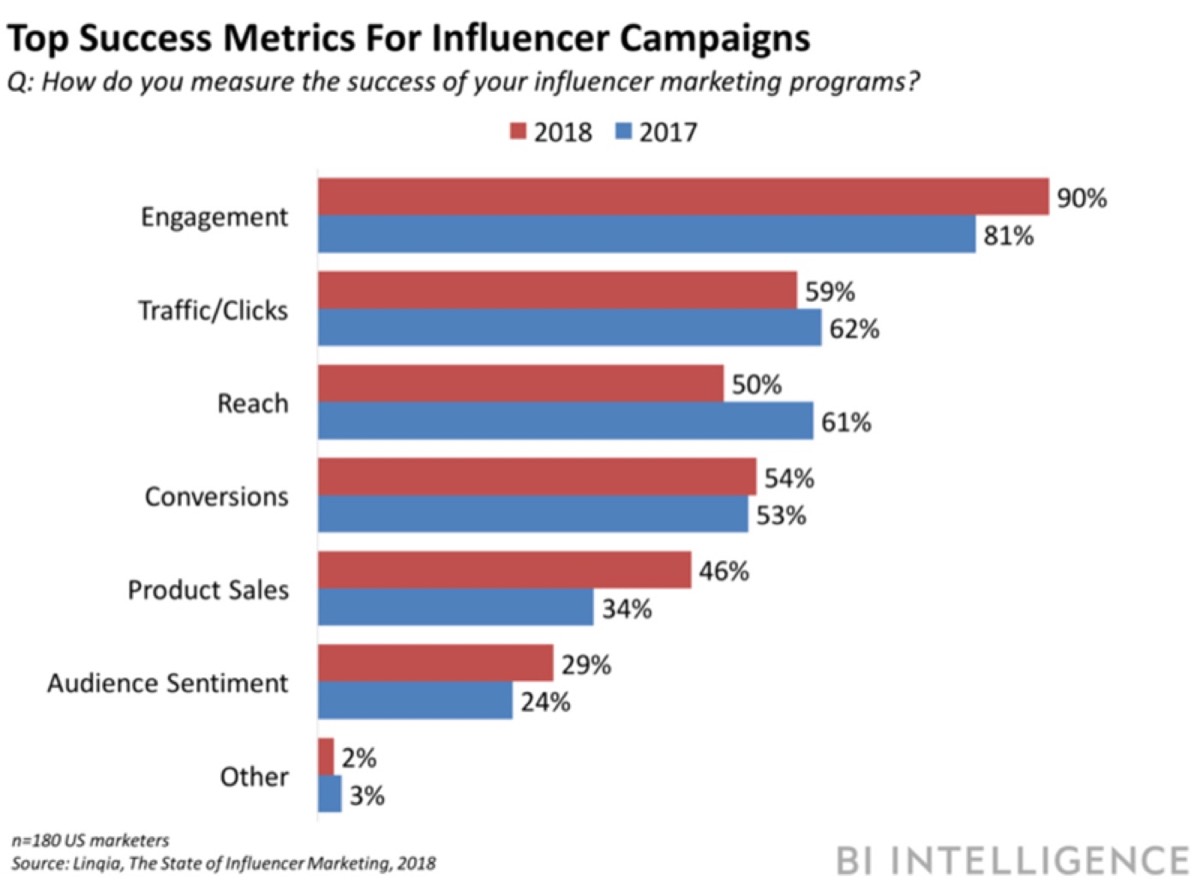
More brands are choosing food influencers over traditional celebrity endorsements — because influencers have niche, engaged audiences who genuinely trust their recommendations.
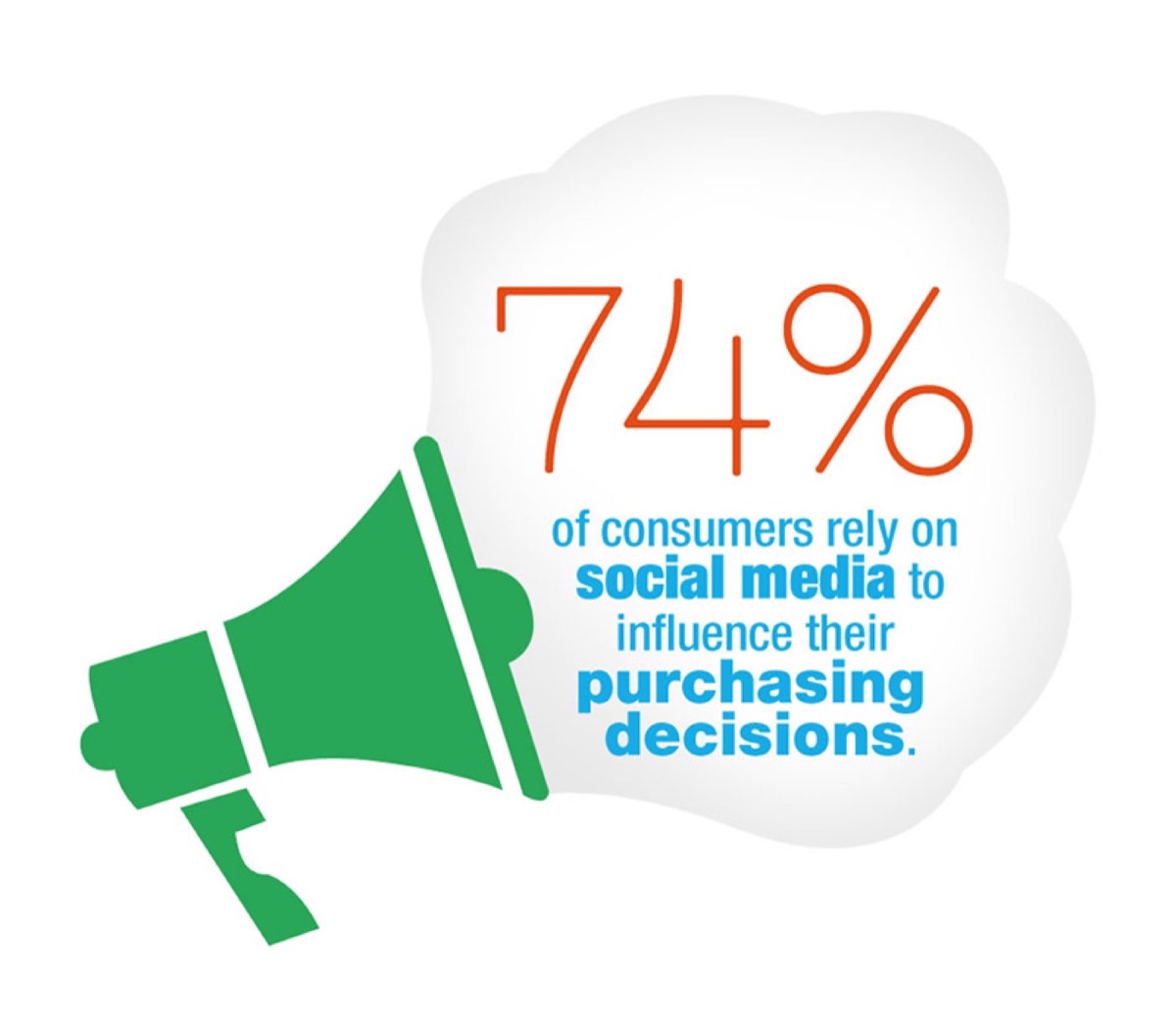
Word-of-mouth through influencers can generate twice the sales of traditional marketing. Look for Instagram pages, YouTube channels, or local food bloggers who cover your cuisine type and location. Reach out with a collaboration proposal — a meal on the house in exchange for an honest review or feature post.
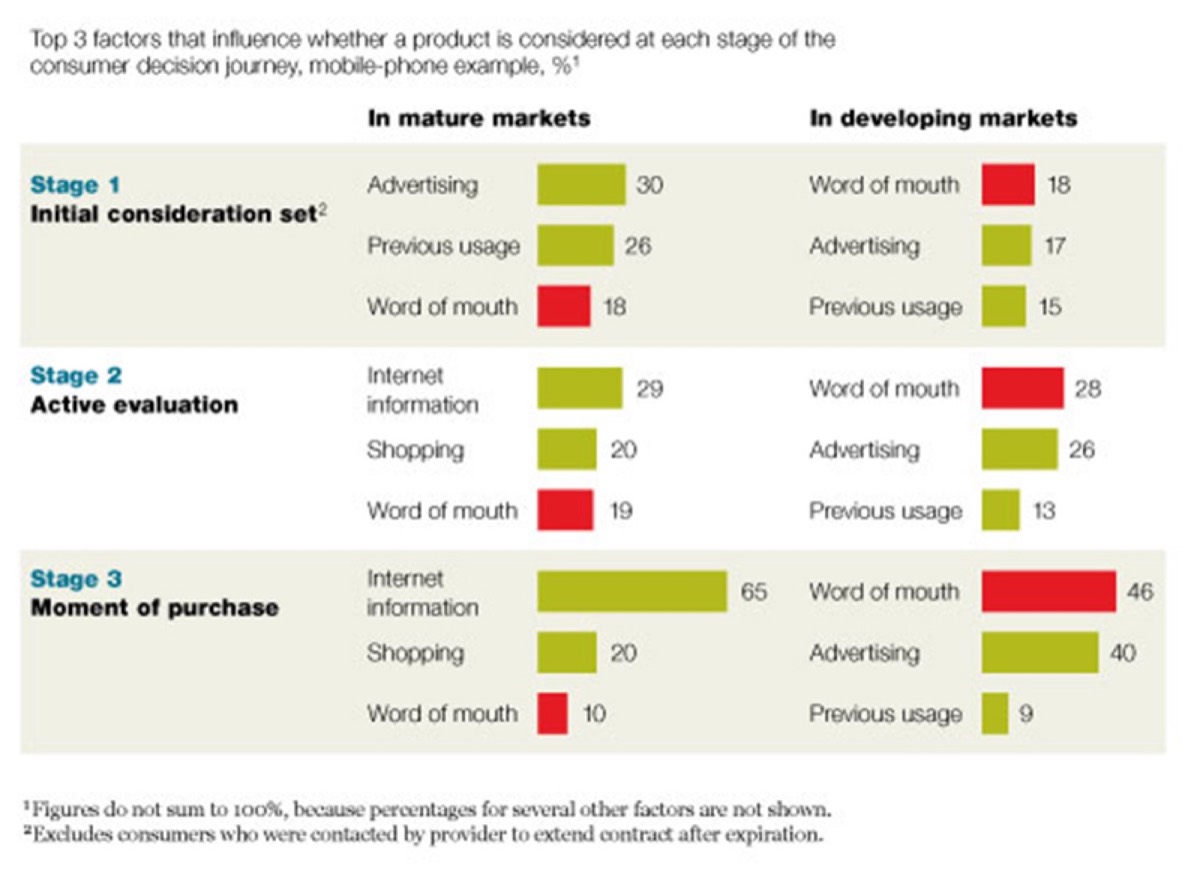
Research potential influencers carefully before reaching out. Review their engagement rates, audience demographics, and the tone of their content. A micro-influencer with 10,000 loyal local followers can deliver more value for a QSR than a national influencer with 1 million disengaged ones.
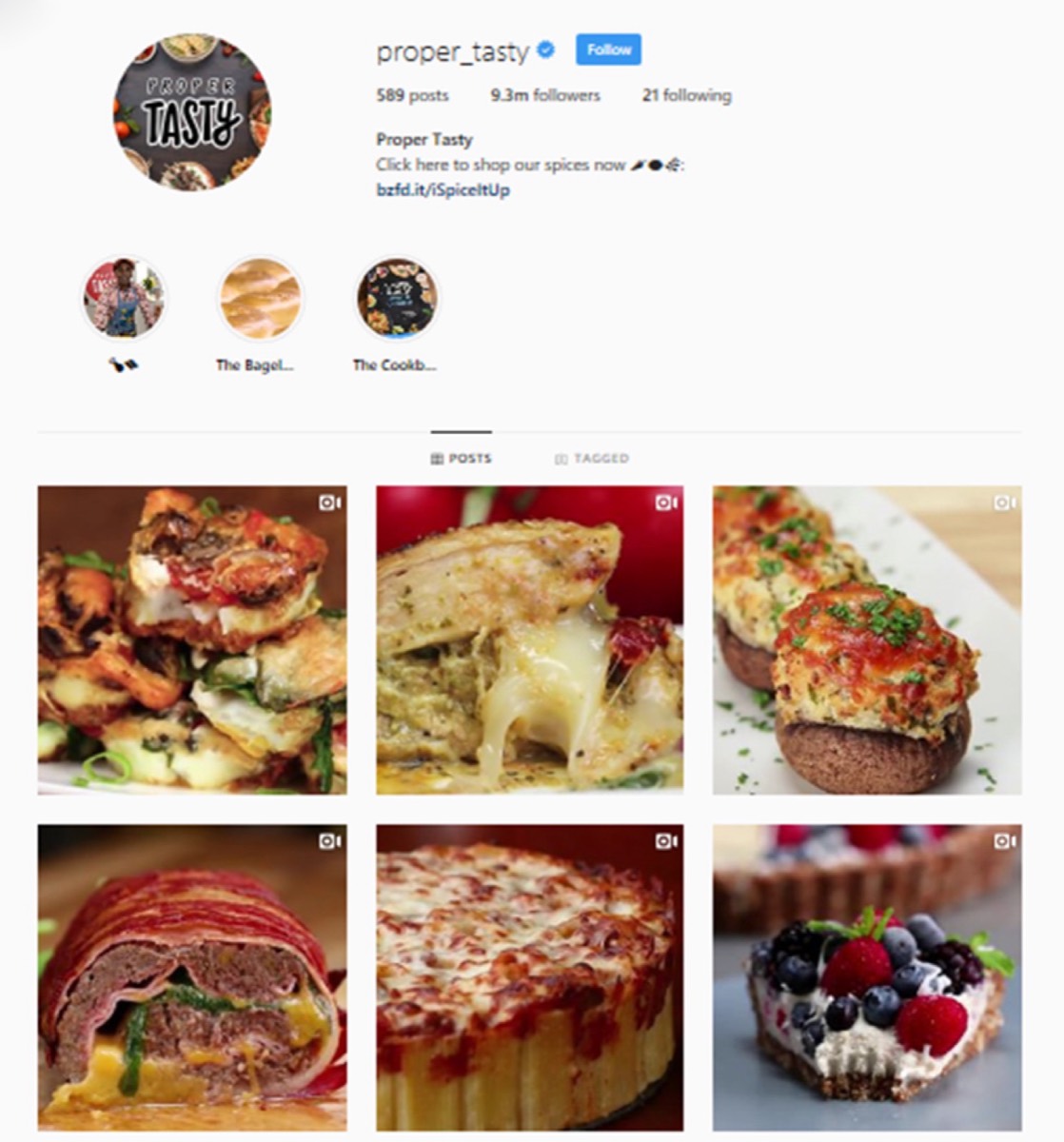
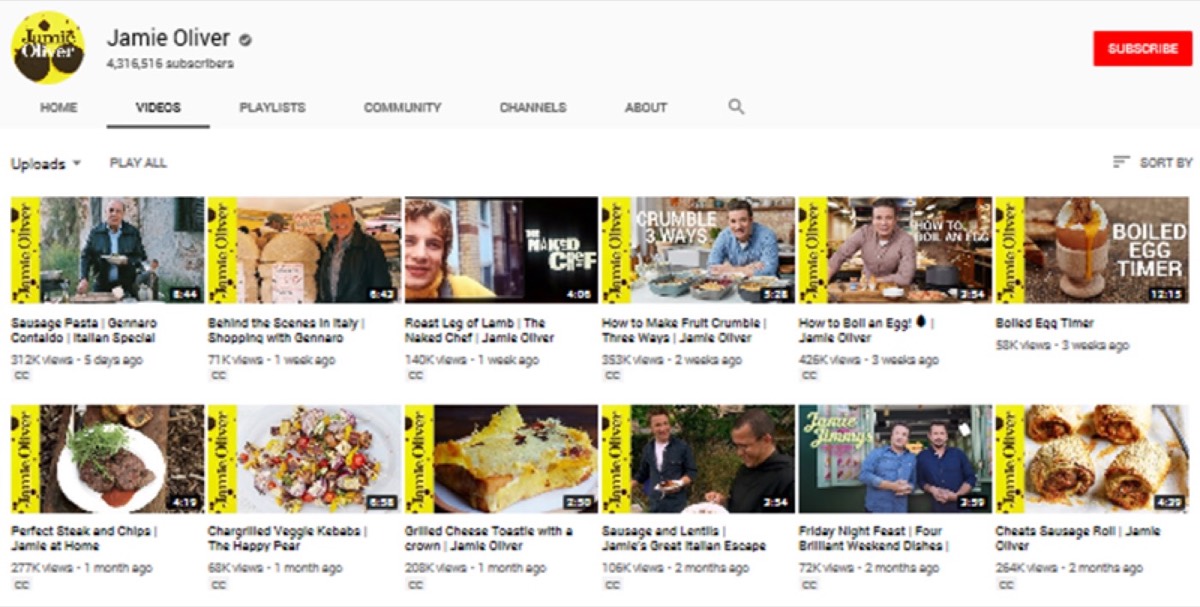
Beyond Instagram and Facebook, YouTube also hosts a wide range of food influencers with dedicated audiences who trust their recommendations.
10. Value Your New Customers
When someone visits your restaurant for the first time, they are evaluating everything with fresh, critical eyes. First-time customers — whether in person or via a food app — are skeptical until proven otherwise. Even physical brand materials like business cards get evaluated — common design mistakes can undermine the professional impression you need to make.
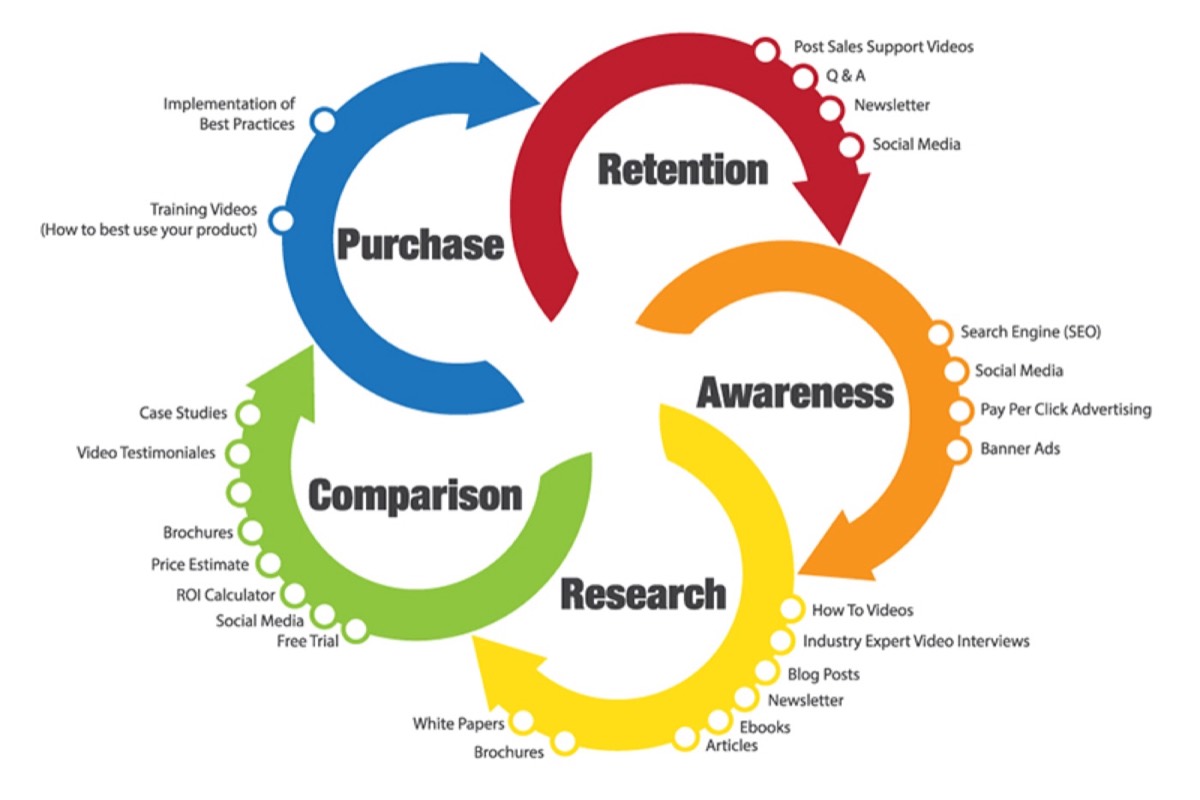
Don't make them wait. Ensure that payment gateways on delivery platforms work seamlessly. Train your staff to be attentive and warm to new faces. Have a feedback form ready — and take immediate action when problems arise.
The first experience sets the baseline for all future interactions. Get it right, and a first-time visitor becomes a regular customer.
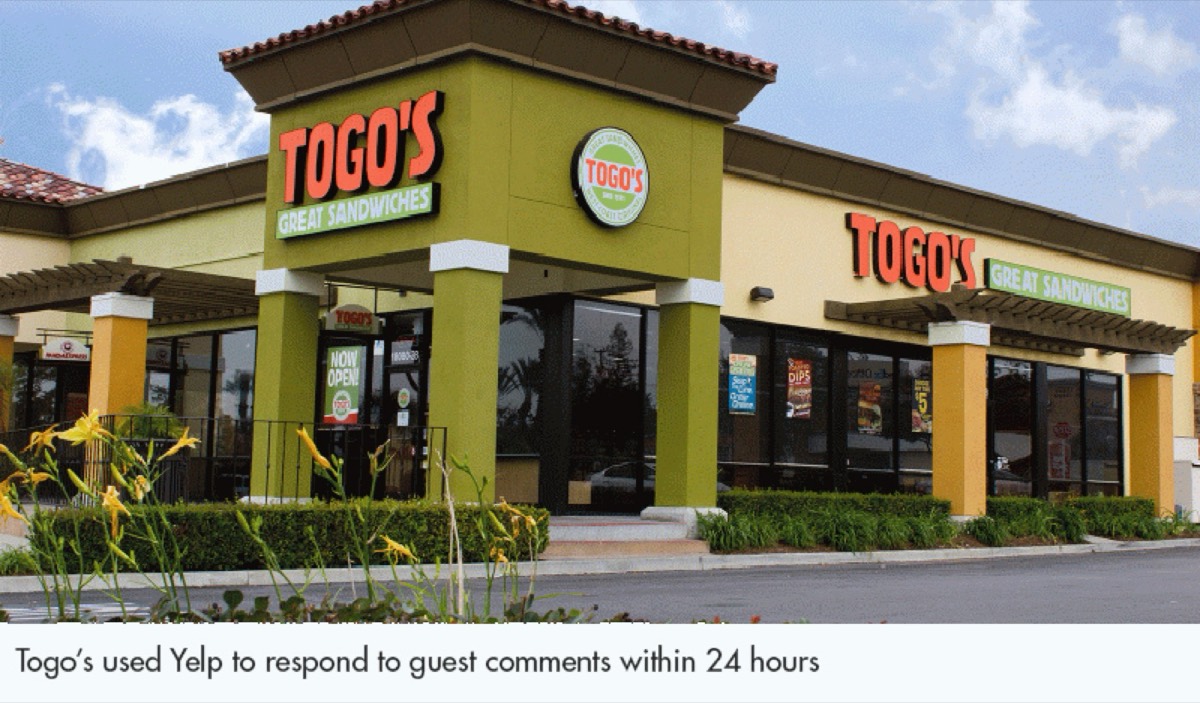
11. Use Yelp to Build Credibility
Yelp attracts over 80 million unique visitors per month — and many of them are specifically searching for local food businesses. Whether or not you have a Yelp page, your customers may already be reviewing you there. Taking a proactive approach gives you control over your brand's presentation.
Here's how to use Yelp effectively:
- Create a business page and fill it out completely — description, photos, menu, hours, and contact details
- Add "Find us on Yelp" signage in your restaurant to encourage reviews
- Respond to every review — thank positive reviewers, address negative ones professionally and calmly
- Post Yelp deals to attract active users and generate more reviews

Yelp prohibits soliciting positive reviews — that policy is actually what makes the platform credible. Focus on delivering great experiences and the reviews will follow.
12. Claim Your Google Business Profile
When users search on Google, the Knowledge Panel on the right side of results pulls heavily from your Google Business Profile. Claiming and completing this profile means your restaurant gets recommended in prime search results.
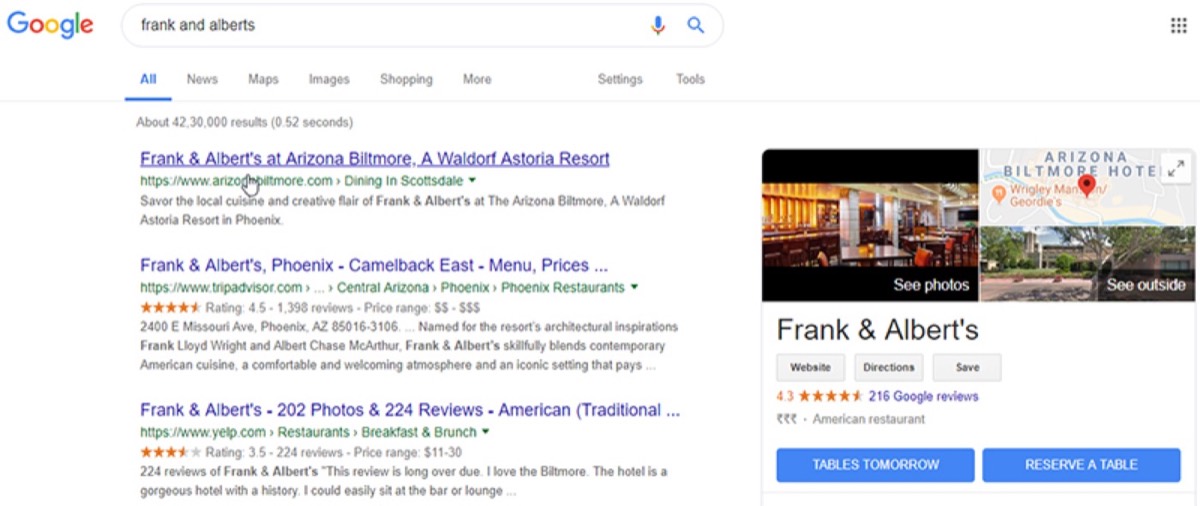
Ask customers to leave Google reviews as well. Google reviews appear prominently in local search results and directly influence whether new customers choose your restaurant over a competitor.
13. Use Pinterest for Visual Food Marketing
Pinterest is often underestimated by restaurant owners, but the data is compelling. Pinterest influences 93% of its users in making purchase decisions.
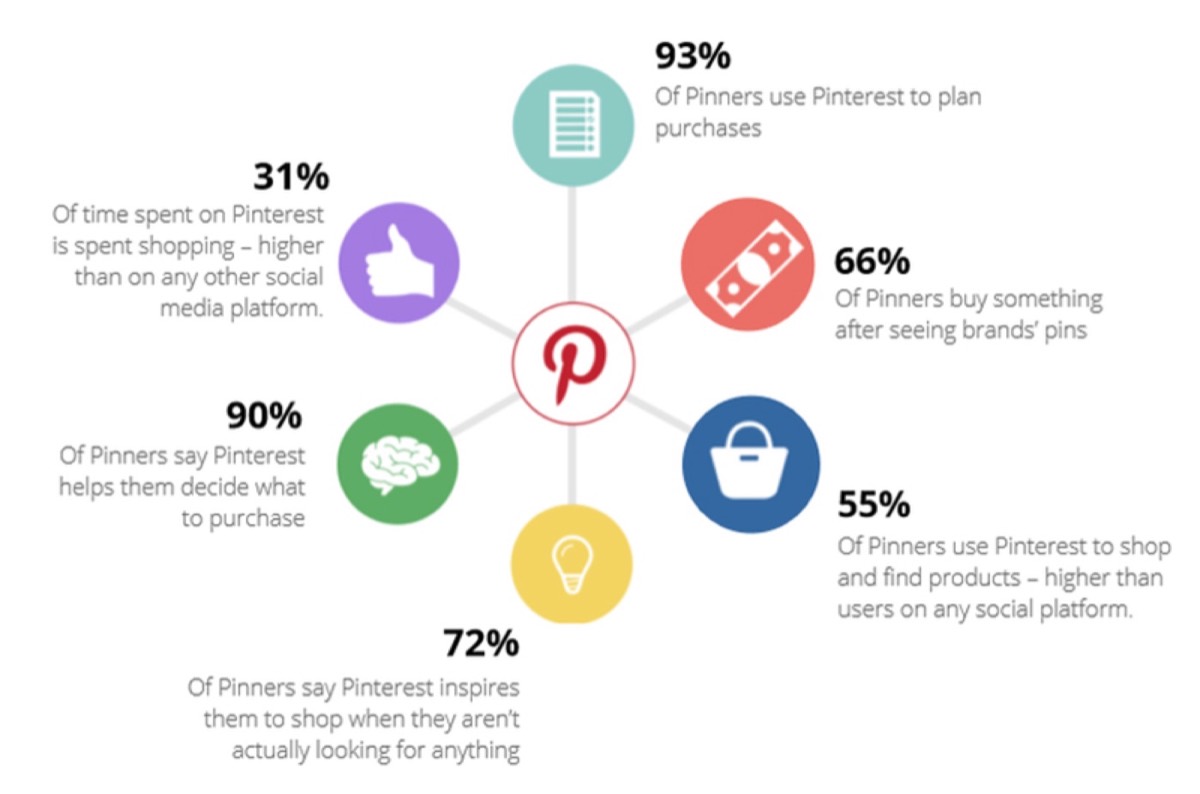
High-quality food photography on Pinterest can drive direct traffic back to your restaurant website or ordering page. The platform's audience — heavily weighted toward Millennials and Gen X — makes up a 150+ million strong user base.
When pinning, link directly to the ordering page for a featured dish — not just your homepage. An interested customer who clicks through to a dead end won't complete the purchase.
Using relevant hashtags on Pinterest works similarly to Instagram. Research trending food hashtags on the platform and use them consistently to expand your reach.
Growing a QSR is not just about gaining new customers — it's about building a system that retains the ones you already have while consistently attracting new ones. The hacks in this guide are designed to work together: each one strengthens your overall marketing ecosystem.
The most sustainable QSR growth comes from delivering great food and service, then amplifying that experience through smart digital marketing. Invest in the strategies above, track your results, and refine your approach over time — and the results will compound. Staying sharp on design tools and resources will also help you produce better marketing materials in-house as your business scales.
Digital Polo creates branded menus, social media graphics, and marketing materials for QSR businesses for one flat monthly fee with unlimited revisions. Start for $399/mo → | Soulmate at $899/mo →
Frequently Asked Questions About QSR Marketing Growth Hacks
What is the most cost-effective marketing strategy for a small QSR? Email marketing and social media are consistently the highest-ROI options for small QSRs. Email marketing in particular delivers strong returns with minimal spend — and building your own list means you own the channel. Pair this with an active Instagram presence and regular customer review management for the best results at a low budget.
How can a QSR use Instagram effectively to drive sales? Post high-quality food photography consistently, use 9–12 relevant hashtags per post, engage with followers in comments, run periodic giveaways, and encourage user-generated content through branded hashtags. Short-form video of food preparation or behind-the-scenes content tends to perform especially well.
Should a small QSR invest in influencer marketing? Yes — specifically micro-influencers with local followings. A local food blogger or Instagram account with 5,000–30,000 engaged followers in your city will deliver far better results than a national influencer with little connection to your market. The investment is typically low (often just a complimentary meal), and the trust factor is high.
How do I get more positive reviews on Yelp and Google? The most reliable approach is simply to deliver a consistently great experience and then remind customers — via signage, receipts, or follow-up emails — that reviews are appreciated. Responding professionally to negative reviews also signals to prospective customers that you care about service quality.
What role does restaurant branding play in QSR growth? Strong branding — consistent logo, colors, packaging, signage, and digital assets — builds the recognition and trust that drives repeat visits and word-of-mouth referrals. Customers choose familiar, professional-looking brands over unfamiliar ones, especially when making quick dining decisions. Investing in cohesive design is one of the highest-leverage moves a QSR can make.