When you need design work done, the first question is usually who to hire. Freelancers look attractive — lower rates, direct communication, flexible scope. Design agencies look expensive — overhead, account managers, project timelines.
But the right answer depends on what you actually need. Before choosing either, ask yourself a few honest questions. If you've been doing design in-house and are considering moving to an outsourced model, our guide on why businesses stop doing graphic design in-house addresses the cost calculus directly.
- What's the project scope and how long will it last?
- Do I need one type of design output or multiple?
- How important is consistency across materials?
- What happens if the designer disappears mid-project?
Here's an honest breakdown of both options.

What Freelance Designers Offer
Many professional designers start their careers in freelance before joining agencies. The freelance model gives designers freedom to choose their projects and build a portfolio across diverse work. Understanding why good designers freelance helps you understand what you get (and don't get) when you hire one.
Advantages of Freelance Designers
1. Lower Cost
Freelancers charge only for the work delivered. They don't have to factor in office rent, equipment maintenance, or team salaries — which means their rates can be significantly lower than agency rates for comparable work. For a business with a tight budget and a straightforward project, a freelancer's pricing is often the right fit.

2. Direct Competition Keeps Rates Down
The freelance design market is competitive. Multiple talented designers compete for the same work, which keeps rates from inflating the way agency pricing can. You can compare proposals, review portfolios, and select based on both quality and price.
3. Direct Communication
When you hire a freelancer, you communicate directly with the person doing the work. There's no account manager or project coordinator between you and the designer. Feedback goes straight to the source, revisions happen faster, and misunderstandings are caught immediately rather than filtered through intermediaries.

4. Visual Consistency Within a Project
Every designer has a personal visual style. When one freelancer handles all your design work — logo, website, brochure, social media assets — the style remains consistent because it comes from one hand. This can be an advantage for smaller projects where you want a unified aesthetic rather than work that feels assembled by a committee.
Disadvantages of Freelance Designers
1. Reliability Risk
The most serious risk with freelancers is reliability. Unlike agencies with HR processes and contractual accountability, freelancers operate independently. A designer who goes silent mid-project, misses deadlines, or becomes unavailable due to personal circumstances can halt your work completely with limited recourse.

Background checks and client references help but don't eliminate this risk. For projects where delivery timelines are critical — a product launch, a rebrand tied to a marketing campaign — reliability risk is a real cost.
2. Limited Brand Understanding
Freelancers understand your brand only as well as you can explain it to them through email and calls. This requires significant communication investment on your end, and even then, the designer lacks the institutional knowledge that comes from working with a brand daily over months.
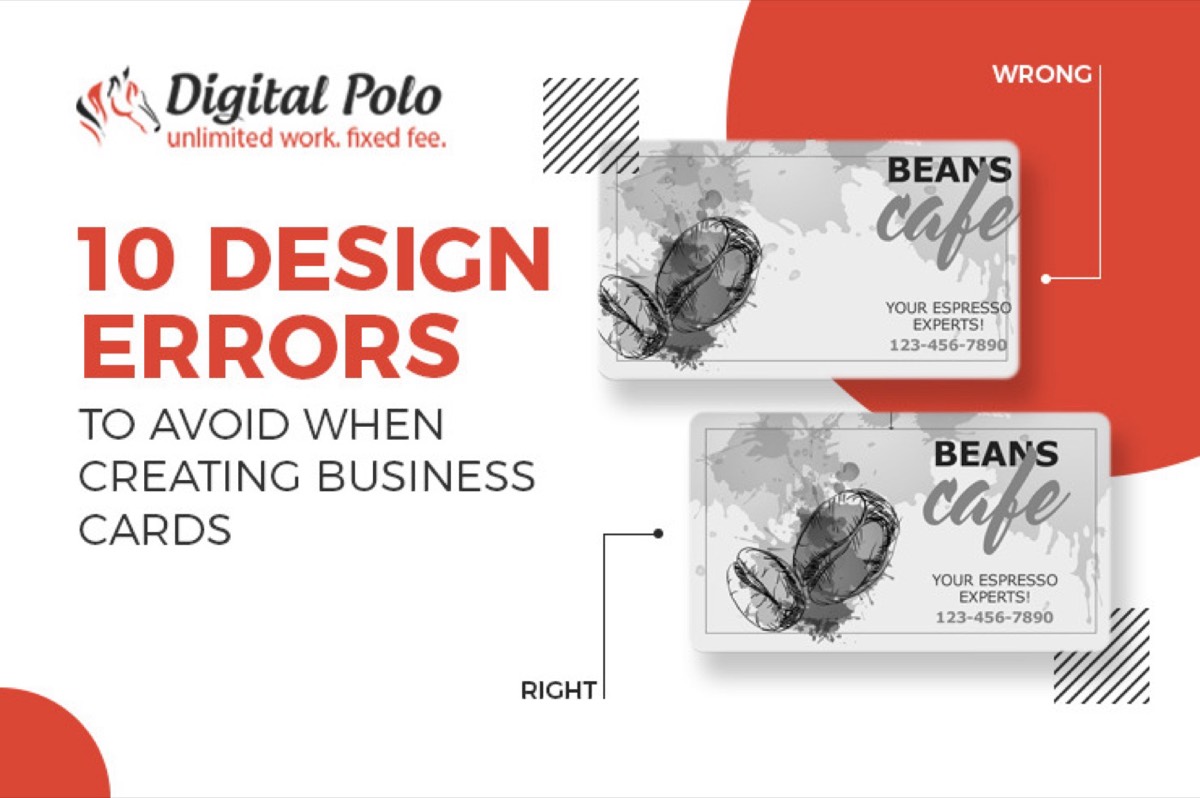
Research shows that users take roughly three seconds to decide whether they want to stay on a website. If the designer doesn't deeply understand your brand, the resulting design may fail at that critical first impression moment. Knowing common business card and print design mistakes to avoid is one way to spot whether a freelancer has the attention to detail your brand requires — small errors in a business card reveal a lot about how they'll handle more complex work. Misalignment between your brand vision and the design output is a more common problem with freelancers than with agencies that build deeper brand familiarity over time.
3. Training Investment
Many designers start freelancing early in their careers, before they've developed the full project management skills to deliver independently. If you hire a less experienced freelancer, you may invest significant time in direction, feedback, and training — time that has real cost even if the design rate is low.

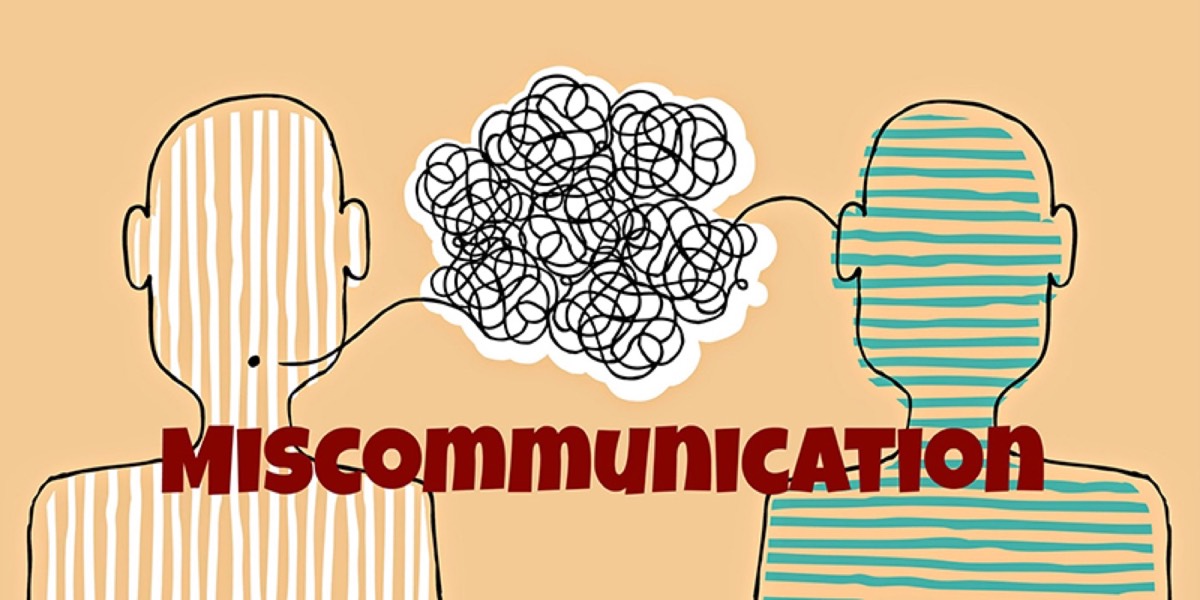
4. Communication and Cultural Gaps
To access genuinely affordable freelance rates, most businesses hire internationally. While this creates cost advantages, it also introduces potential gaps in cultural understanding — a freelancer unfamiliar with your target market's cultural references, visual expectations, or communication style may produce work that misses the mark for your specific audience.
5. Experienced Freelancers Aren't Cheap
There's a significant pricing gap between junior and experienced freelancers. A designer with a decade of experience and a strong portfolio will charge rates that approach — or exceed — what subscription-based design agencies charge. At that price point, the question becomes whether paying for one experienced individual makes more sense than paying for an agency team.
What Design Agencies Offer
Design agencies exist because most businesses need more than one designer can provide. The team model creates redundancy, specialization, and process infrastructure that individual freelancers structurally cannot replicate.
Advantages of Hiring a Design Agency
1. Experienced Team, Not an Individual
An agency doesn't give you one designer — it gives you access to a team with different specializations. Logo designers, web designers, illustrators, 3D designers, and UI specialists all contribute within their areas of expertise.
When you hire an agency, you're not betting on one person's skills being sufficient for the full scope of your project. If one aspect requires a different approach or specialty, the agency has the internal resource to cover it.
2. Higher Efficiency from Team Collaboration
Multiple designers working under shared briefs can identify problems that a solo designer might not catch. When revisions are needed, there's capacity to execute them quickly without delaying other active work. Efficiency increases as designers develop familiarity with your brand over time.
3. Ideas from Multiple Perspectives
Agencies brainstorm collectively — different designers bring different conceptual approaches to the same brief. This multi-perspective process produces stronger initial concepts and reduces the likelihood that the first draft misses the mark entirely. You often get more initial concepts to choose from, which is a structural advantage over the single-perspective approach a freelancer offers.

4. Professional Equipment and Current Software
Professional design requires expensive software licenses (Adobe Creative Cloud, Figma, specialist 3D tools) and hardware. An agency amortizes these costs across their entire client base, meaning every client benefits from access to professional-grade tools without paying for them individually. A freelancer may not have invested in the full professional toolkit, particularly in niche design categories.
5. Consistent Availability
Agencies have redundancy built in. If one designer is sick, on leave, or off the project, work continues. For businesses with ongoing design needs, the guarantee of consistent delivery is worth paying for. A freelancer who becomes unavailable creates a workflow halt with no easy resolution.
6. Full Service Coverage
Design agencies typically offer multiple service categories under one roof — web design, brand identity, print, social, illustration, 3D, and motion. This breadth means you can manage a single agency relationship rather than maintaining five separate freelancer relationships for different design needs.
Agencies also tend to offer ongoing support after project delivery — something most freelancers don't provide as a default.
Disadvantage of Hiring a Design Agency
Cost
Agency pricing reflects team depth, overhead, and structural reliability. For businesses with limited budgets or genuinely one-off, simple projects, the cost difference compared to a freelancer may not be justified. However, for any business with ongoing design needs, subscription-based agency models — which offer unlimited design for a flat monthly fee — change this calculation significantly. The per-deliverable comparison shifts in favor of agencies when volume is high.
Conclusion
Freelancers work well for isolated, well-defined projects with clear briefs and relaxed timelines. Agencies work better for ongoing design needs, complex brand work, or situations where reliability and breadth of output matter.
The real decision point is consistency. If your brand needs to look coherent across twenty different touchpoints, one agency relationship produces better results than coordinating five separate freelancers. Staying on top of current graphic design trends is much easier when you have a dedicated agency partner whose designers are already tracking what's working across multiple industries.
Digital Polo offers agency-quality design at flat monthly subscription pricing — unlimited design requests, fast turnaround, and coverage across all design categories. Start for $399/mo → | Soulmate at $899/mo →
Frequently Asked Questions About Freelancers vs. Design Agencies
When does it make sense to hire a freelancer instead of a design agency? Freelancers make sense for well-defined, one-off projects with clear scope and flexible timelines — a single infographic, a batch of social media images, or a simple brochure. They're also appropriate when you're working with a tight budget on a project that doesn't require broad design specialization. The risks (reliability, limited scope, potential brand inconsistency) are more manageable when the stakes are lower.
What are the biggest risks of hiring a freelance designer? The primary risks are: availability gaps if the freelancer becomes unavailable mid-project, limited scope (most freelancers specialize in one or two areas, not the full design spectrum), inconsistent brand application when multiple projects use different freelancers, and no accountability structure if quality is poor. These risks grow proportionally with project complexity and business importance of the design work.
What advantages do design agencies have over freelancers? Agencies offer: team redundancy (work continues if one designer is unavailable), multiple specializations under one roof, collective brainstorming that produces stronger concepts, professional equipment and current software, consistent brand knowledge built over time, and ongoing post-delivery support. For businesses with regular design needs, these structural advantages outweigh the higher base cost.
How do subscription-based design agencies change the comparison? Subscription models like Digital Polo's flat monthly fee eliminate the traditional agency cost disadvantage. Instead of per-project billing (which inflates with project complexity), you pay a predictable monthly rate for unlimited design requests. This makes agency-quality work accessible at costs closer to a part-time freelancer while retaining the team depth, reliability, and breadth benefits of an agency structure.
What should I ask before hiring a design agency or freelancer? Ask: What does your process look like from brief to delivery? How many revision rounds are included? What's your typical turnaround time? Can I see work done for clients in my industry? How do you handle feedback and communication? Who specifically will work on my project? What happens if the project scope expands beyond the original brief? The answers reveal whether the working relationship will be smooth or frustrating.