
Starting any relationship — and the effort to carry it forward — always depends on the behavior of the people involved. Whether personal or professional, maintaining mutual harmony, respect, and shared benefit is essential for making it work long-term.
In the workplace, showing too much rigid professionalism can actually be counterproductive. Your colleagues are human beings, and treating them purely as transactional resources erodes the trust and creativity that fuel great work. If your relationship with a colleague is good, the work will be good. As soon as the relationship turns sour, quality starts to decline.
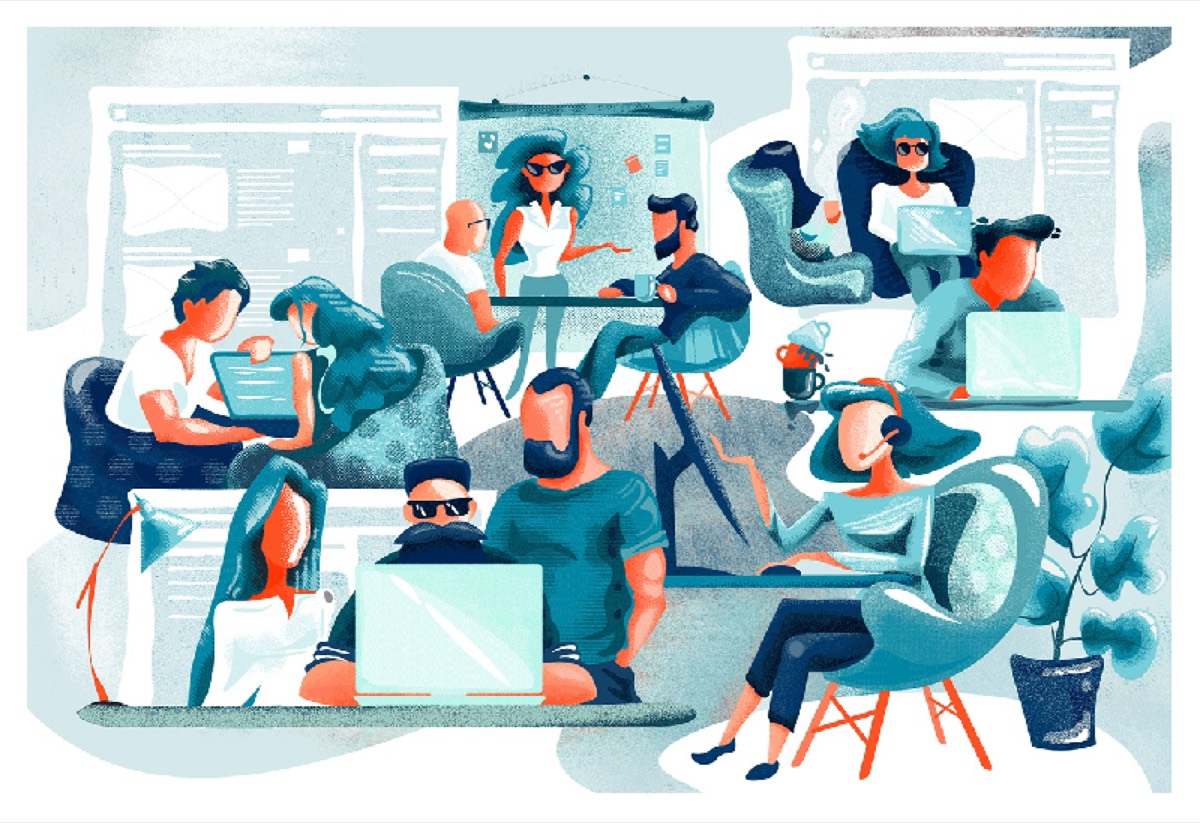
Graphic designers have a particularly crucial role to play in the modern organization. They shape and maintain the digital profile of the company, create thought-provoking designs for marketing and advertising, and bring visual creativity to nearly every customer-facing touchpoint. They are among the most dynamic employees in any organization. For this reason, working with them in a friendly, collaborative manner is a necessity for any organization's growth. Understanding current graphic design trends also helps clients speak the same language as their designers — the more fluent you are in what's working in design today, the more productive those conversations become.
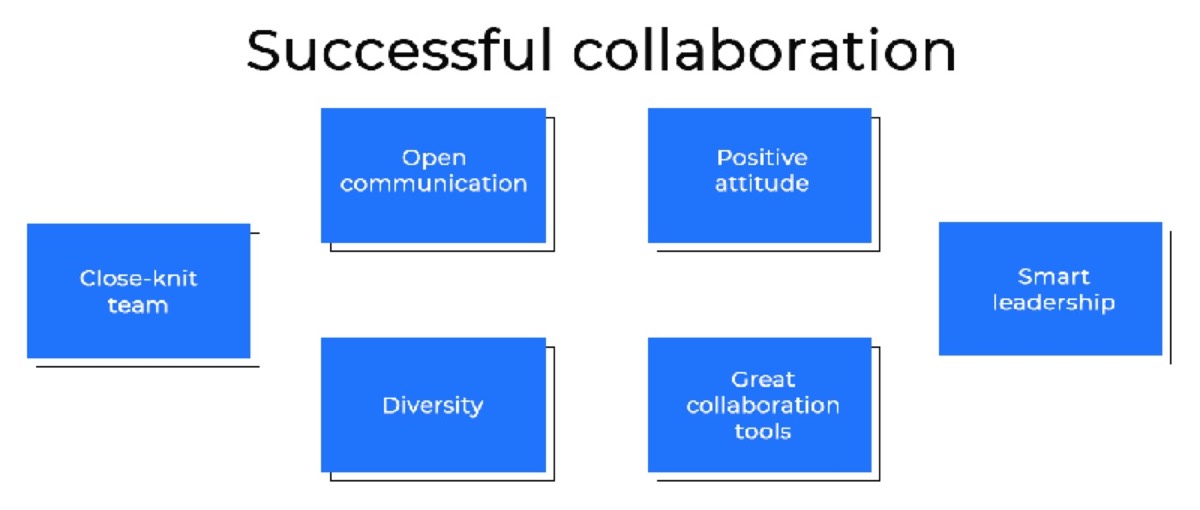
Tips for a Successful Collaboration with Graphic Designers
For a positive and fruitful working relationship with graphic designers, apply the following points consistently. A strong team is invincible not because of its leader alone, but because of its players who function as one.
Start with a Clear Mind on What You Want
A designer faces two types of clients: those who clearly know what they want, and those who do not. The designer's job is significantly easier with the former. If you are clear about your requirements, you can convey them effortlessly.
How effectively you understand your own needs directly determines the designer's productivity. Be clear about your creative demands (style, fonts, color scheme, content) as well as your business requirements (target audience, objectives). List down the full scope of the project at the start rather than communicating requirements piece by piece throughout the process.

Show, Don't Just Tell
Every client wants a design that stands out and speaks to its audience. A common client phrase is "I'll know what I want when I see it" — which confuses designers and leads to wasted revisions. Instead of verbal explanations alone, show designers what you want.
Prepare a creative draft of your project with all your essentials listed, and present it through visual examples. Collect samples of similar design styles to share as reference. Using a mood board — with relevant images, font styles, color palettes, icons, and content types — is one of the best ways to give designers a clear visual brief. If your team is working with web designers specifically, familiarizing yourself with the best APIs for web designers helps you understand what tools your designers may be using and why certain requests take more or less time to execute.
Visual samples give designers the freedom to express your idea in their own creative way, with zero time wasted on misunderstanding the concept.
Arrive at Mutual Agreement on Minor Details
Creative alignment is necessary to get the final product you want, but so are the operational details. Both client and designer must agree on meeting deadlines, revision limits, on-time payment, and delivery formats. If these details are sorted at the beginning, a lot of unnecessary problems can be avoided.

Every project must have a reasonable timeframe that includes time for revisions. File formats should be agreed upon before starting the project, as delivering in the wrong format can cause delay and frustration. The deadline also applies to clients — timely feedback from you directly affects the designer's ability to submit final files on time.
Openly Welcome Designers into Your Team
In a corporate world, the feeling of belonging grows among employees when they are made part of a team. Treating graphic designers — especially freelancers — with the same inclusion can do wonders. No employee wants to simply be a cog in the machine. Everyone wants to feel part of the culture.

Speak with your designers in a friendly, informal way and make them comfortable. This way, both parties come to know each other and build mutual trust. Give them access to relevant company data and credentials so they understand the brand. Introduce them to other team members. This kind of inclusion makes designers want to go the extra mile.

Looking for professional designs that apply these strategies? See Digital Polo's plans →
Make Your Feedback Sound Like Problems, Not Solutions
Mistakes are part of the creative process. It is not always possible for designers to deliver the perfect design in the first attempt. What matters is how feedback is communicated. To get changes done correctly the first time, phrase your feedback as a problem rather than a prescribed solution.
Say what is not working and what you need — not exactly how to fix it. For instance, instead of saying "Please add a flowchart showing product usage," say "Our product's usage needs to be easier to understand for the customer." This leaves room for the designer to apply their expertise and often produces a better result than what you imagined.
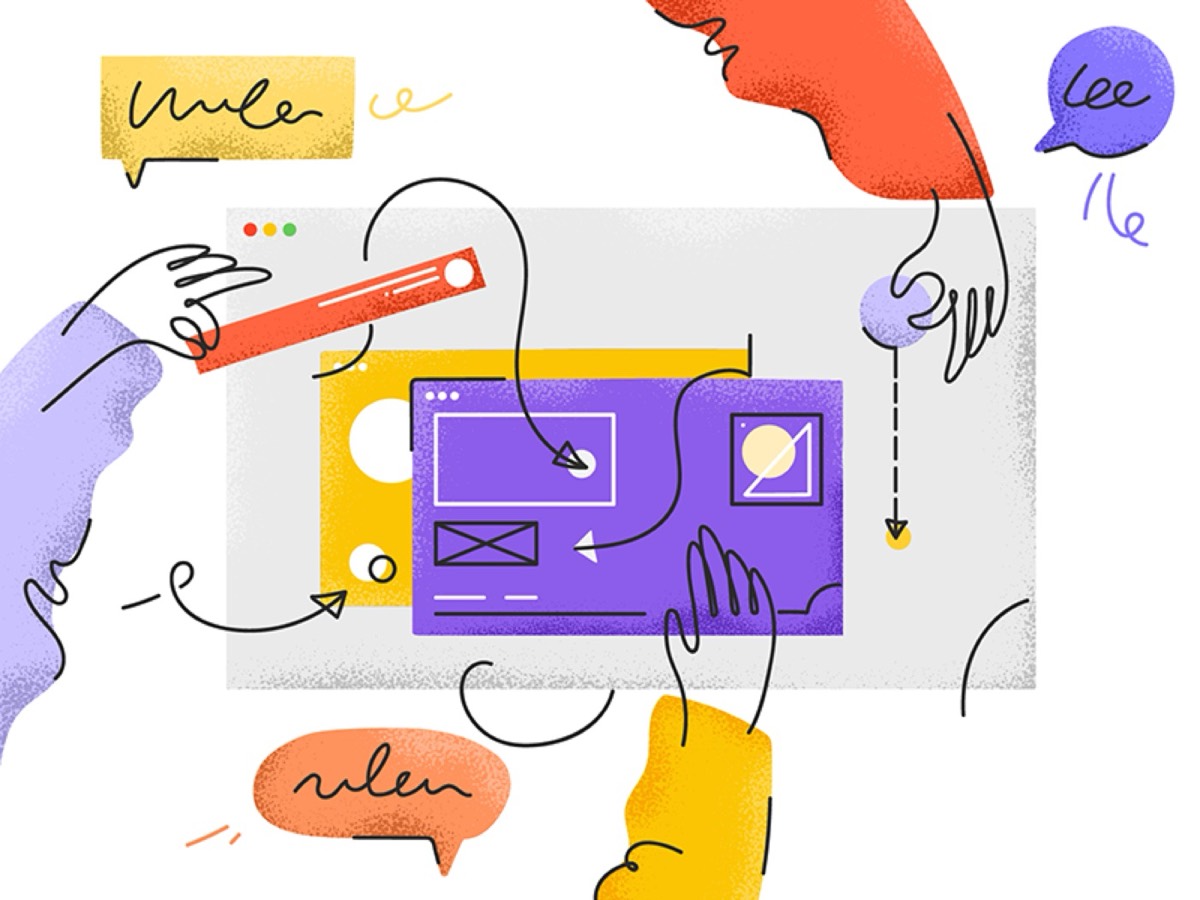
By giving a solution, you ignore the designer's expertise and stifle the creative thinking that could have led to an even better outcome.
Keep Your Mind Open for Variations
An expert's knowledge and expertise should be respected regardless of their position in the hierarchy. The knowledge and skill of graphic designers should not be overridden by a client who is not trained in design. Clients are often rigid and focused solely on their own vision. What they miss is that designers have a significant creative advantage and their suggestions can produce results the client hadn't considered.
Sometimes it is better to follow the expert's lead than to force your own path and get a lesser result. Openness to variation is not a sign of weakness — it is how the best creative work gets made.

Explain Your Vision Multiple Times
Over-explanation can irritate a listener in most contexts, but not when it comes to abstract creative concepts. Every explanation of an abstract idea can reveal something new — a different nuance, a new context, a clearer connection to the business purpose. No amount of explanation is too much when the concept is not yet concrete.
Beyond the project details, help designers understand the purpose of the design and how it fits into the broader business. Knowing why a design matters gives designers the context to create something deeper and more connected. Too much information is almost always better than too little.

Be Soft and Polite Every Time You Speak
This tip matters in every relationship, but it is critical in professional creative work. Your words and tone of voice impact the relationship directly. A harsh or dismissive manner can cause delays in submission and harm the quality of the work. Even if you are frustrated, address it calmly and constructively.
Making designers feel respected consistently leads to better, faster, and more willing creative output. The investment in courtesy is always worth it.

Trust Your Designers to Deliver
Trusting a creative partner, especially a new one, is not always easy. But it is essential. To start building that trust, invest in getting to know your designers personally. Talk more frequently and about things beyond work. Once you have a personal connection, it becomes far easier to trust their professional judgment.

End Each Project with a Genuine Thank You
Two of the most powerful words in any language are "Thank you" and "Sorry." Using them sincerely does not diminish you — it makes you a better collaborator. When you accept final work from a designer, a genuine thank you makes them feel recognized and respected for their effort.
Everyone wants their hard work to be appreciated. When you offer that appreciation, your standing in the designer's eyes increases significantly. Designers will be genuinely happy and motivated to work with you again.

Following these principles consistently is not a difficult task. They require awareness and intention, not extraordinary effort. If you apply them, you will build long-term relationships with designers who are genuinely invested in your brand's success — relationships that produce better creative outcomes than any transactional arrangement ever could.
The best creative partnerships are built on clarity, trust, and mutual respect. When clients and designers work together as genuine partners, the results speak for themselves. Your brand gets designs that are not just technically correct but deeply aligned with your goals and resonant with your audience. For a longer view of how graphic design practice has evolved and why these collaboration dynamics matter more than ever, the evolution of graphic design from 2010 to today is worth reading.
Digital Polo creates unlimited graphic design for your brand — from logos and social media assets to brochures and web graphics — for one flat monthly fee with unlimited revisions. Start for $399/mo → | Soulmate at $899/mo →
Frequently Asked Questions About Collaborating with Graphic Designers
How do I give effective feedback to a graphic designer? Frame your feedback around problems rather than prescribing specific solutions. For example, instead of saying "make the font bigger and change it to blue," say "the headline doesn't stand out enough — I want it to feel bold and authoritative." This gives designers the context they need to apply their expertise and often leads to better results than micro-directing every element.
What should I include in a design brief? A good design brief should include: the purpose of the design, the target audience, the tone or mood you want to convey, key messages to communicate, brand guidelines (colors, fonts, logo usage rules), examples or references you like, the format and dimensions required, and the deadline. The more specific and visual your brief, the better the first submission will be.
How can I use a mood board to communicate my vision? A mood board is a collection of images, colors, fonts, and examples that convey the feeling or direction you want. You can build one in Figma, Canva, or even a Google Slides document. Share it with your designer before work begins — it eliminates ambiguity and gives designers a visual reference they can return to throughout the project.
How many revision rounds is normal for a design project? Most professional design projects include 2–3 rounds of revisions. At Digital Polo, revisions are unlimited — you submit feedback until the design is exactly right. To minimize revision rounds in general, provide clear, consolidated feedback rather than sending multiple separate notes at different times.
How do I build a long-term relationship with a graphic design partner? Be consistent, respectful, and communicative. Pay on time, provide clear briefs, give consolidated feedback, and genuinely appreciate good work. Designers who feel valued as creative partners — not just executors — will invest more deeply in your brand's success. A subscription model like Digital Polo also removes friction by eliminating per-project negotiations.