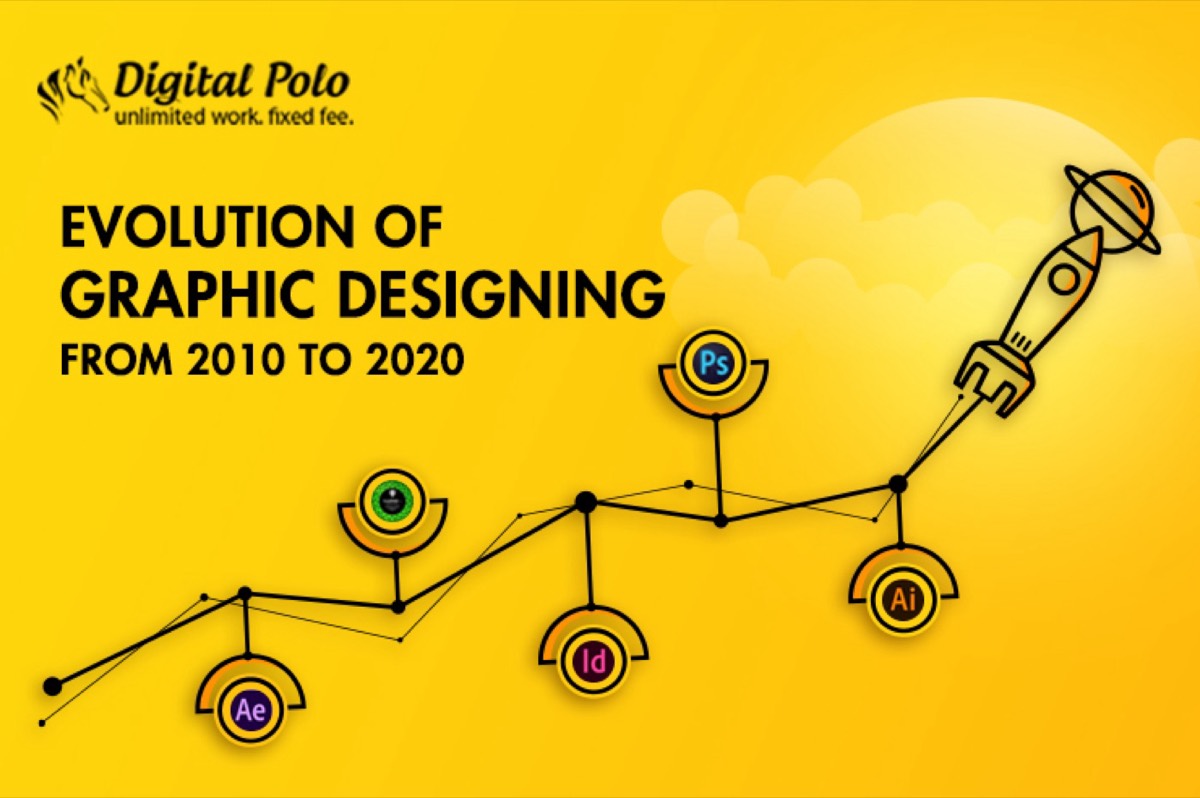
Industrial and technological change moves at a pace that was unimaginable just a generation ago. What seemed impossible yesterday is standard practice today — and already under experimentation for its next version. Everything evolves, and graphic design is no exception. In fact, few disciplines have been transformed as thoroughly as design has been by the wave of technological advancement that swept through the past decade.
The decade that ran from 2010 to 2020 delivered some of the most significant inventions and discoveries in human history — from augmented reality to machine learning, from streaming to the mass adoption of smartphones. Each of these shifts had a direct and lasting impact on what designers create, how they create it, and what clients and audiences expect.
While the fundamentals of graphic design — composition, color theory, typography, and visual hierarchy — remained constant, almost every tool, format, and workflow changed dramatically. Graphic design and technology are directly proportional: as technology advances, design advances with it. The computers of the early 2010s had limited RAM and software capabilities compared to today's machines. The invention of tablets, the explosion of smartphones, and the development of touch-based design applications all combined to make the design process faster, more intuitive, and more powerful.
The growth of the web also had a ripple effect that touched every corner of the design world. Web technology and the emergence of User Interface (UI) design as a discipline had perhaps the greatest influence on how graphic design evolved as a profession. Websites that once mimicked the aesthetics of print media were replaced by dynamic, interactive, screen-optimized experiences.
Here is a detailed look at the major transformations that defined graphic design's most pivotal decade.
Inventions and Developments in Graphic Design from 2010 to 2020
Smartphones Making Everything Responsive
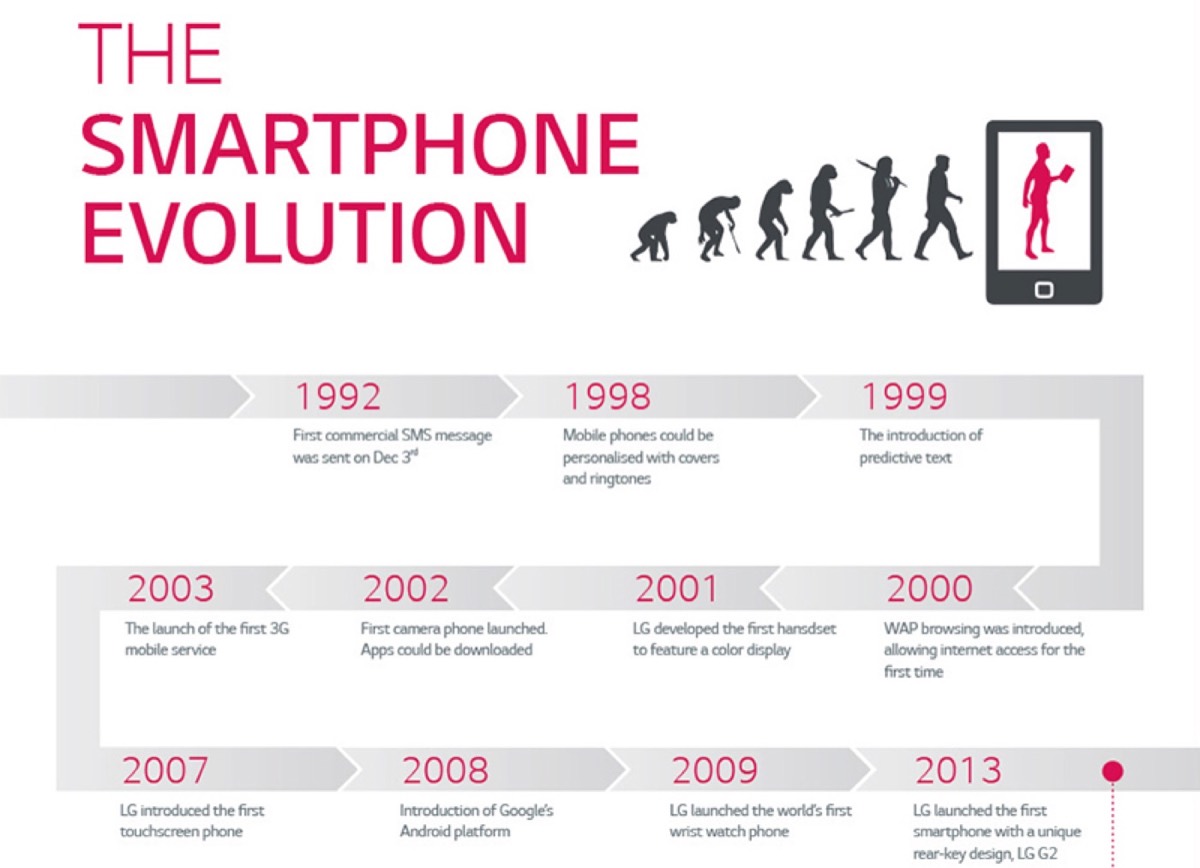
The smartphone was the single most impactful invention of the decade for graphic designers. After internet access, the smartphone stands as arguably the most transformative invention in modern history. The introduction of increasingly capable smartphones created an entirely new set of design categories: mobile interfaces, responsive web design, and app design.
With the discovery of 4G technology in 2012, mobile internet usage accelerated dramatically. By 2016, desktop usage had officially declined compared to mobile usage — a watershed moment that permanently changed how designers think about layout, scale, and user experience. Smartphones also brought with them the demand for minimalist design: sparse interfaces, high readability, and screens that communicate clearly at small sizes.
Tablets and E-Reading Applications
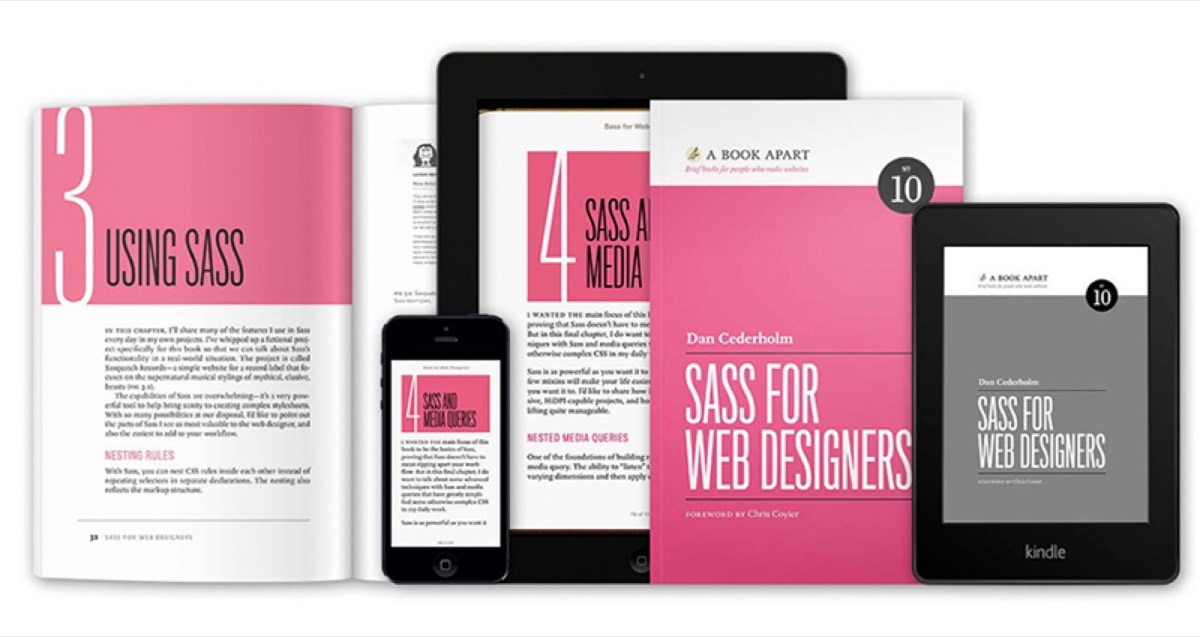
Tablets emerged as a bridge between smartphones and laptops — portable enough to carry anywhere, capable enough to handle serious creative work. Their rise shifted how designers used digital tools and expanded the market for stylus-based illustration and design software.
Equally significant was the explosion of e-books and digital reading. When Amazon revealed in 2010 that e-book sales had surpassed physical book sales for the first time, it sent a clear signal to designers. E-book cover design became its own discipline — demanding large typography, simplified images, and designs that communicated instantly even as a tiny thumbnail.
Emergence of Virtual and Augmented Reality
AR and VR technologies opened entirely new territories for graphic designers. Google began integrating AR into app design in 2014. Instagram and Snapchat popularized AR filters in 2016, bringing augmented reality into daily consumer life. These platforms gave designers access to an enormous audience for AR-driven experiences, blending graphic design with photography and animation in real time.
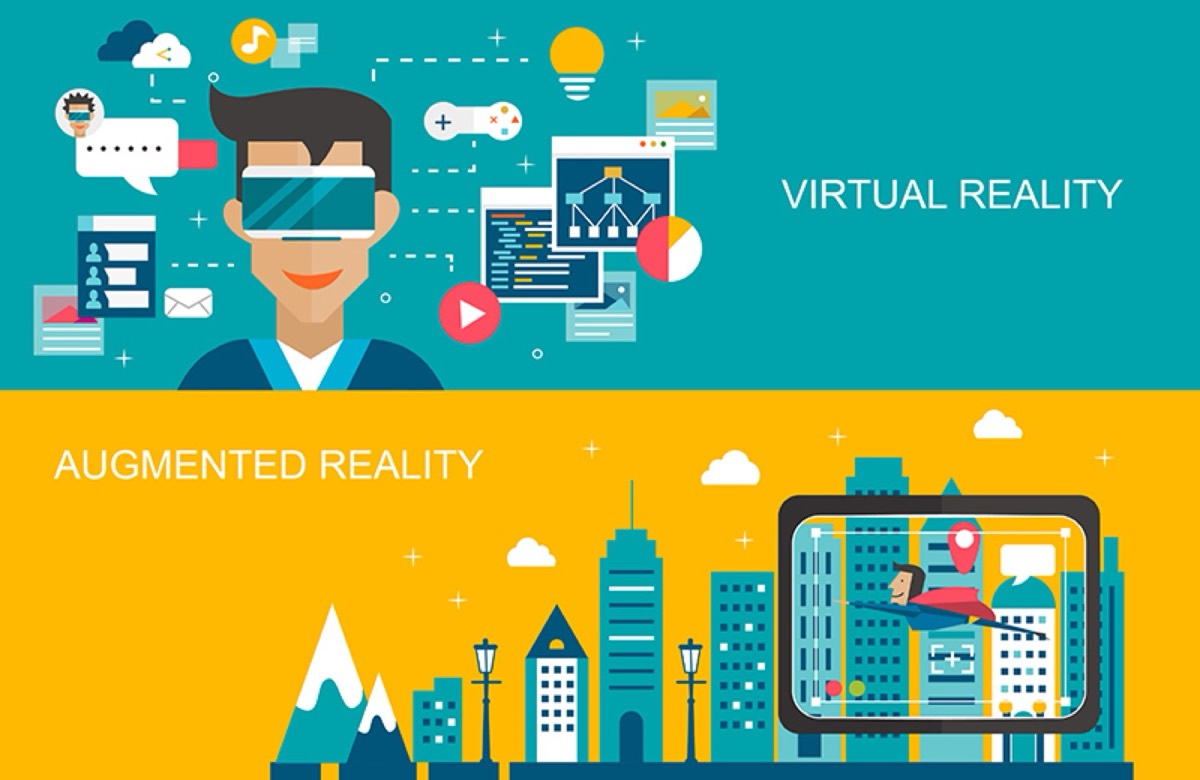
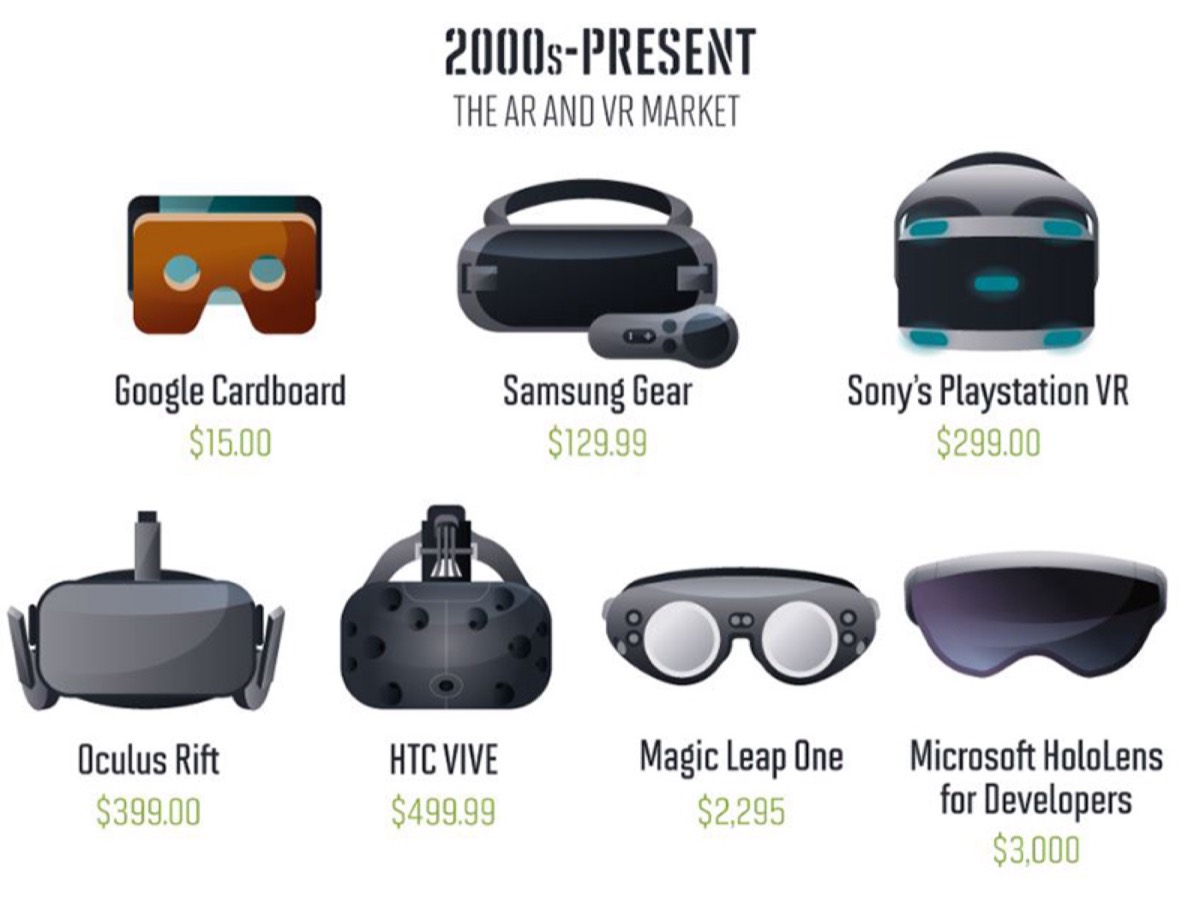
Virtual reality followed a parallel track. After the launch of Google Cardboard in 2014 and the introduction of HTC Vive and Oculus Rift in 2016, VR web design emerged as a new frontier. As VR technology continues to mature, it is steadily reshaping UX design and pushing the boundaries of what immersive visual experience can mean.
Spectacular Graphic Design Software
For much of the early 2010s, Adobe dominated the design software landscape. In 2011, Adobe transformed its business model with the launch of Creative Cloud — moving away from one-time software purchases toward a subscription model. This gave users access to all Adobe products, on-demand updates, and seamless integration between applications. Illustrator, Photoshop, and InDesign continued to receive significant updates throughout the decade.
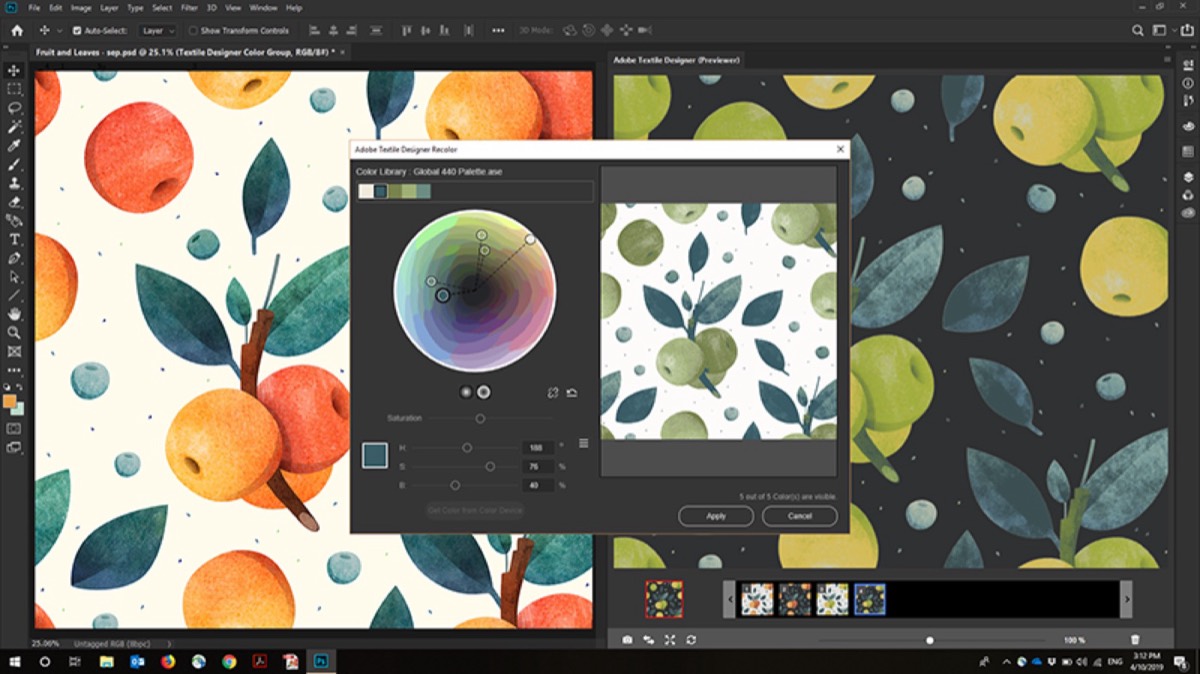
Notable Adobe milestones included Live Corners in Illustrator (2014), Multiple Layer Styles in Photoshop (2015), and the Curvature Tool in Illustrator (2017). Meanwhile, competitors emerged to challenge Adobe's dominance with more affordable, feature-rich alternatives that made professional design tools accessible to more creators than ever before.
Prototyping Applications
The decade saw a wave of purpose-built prototyping tools that dramatically changed how designers create and test user interfaces. Sketch launched in 2010, Invision in 2011, and Adobe XD in 2017. These tools introduced simplified canvases, drag-and-drop interfaces, and streamlined animation processes that allowed designers to build and test prototypes faster than ever before.
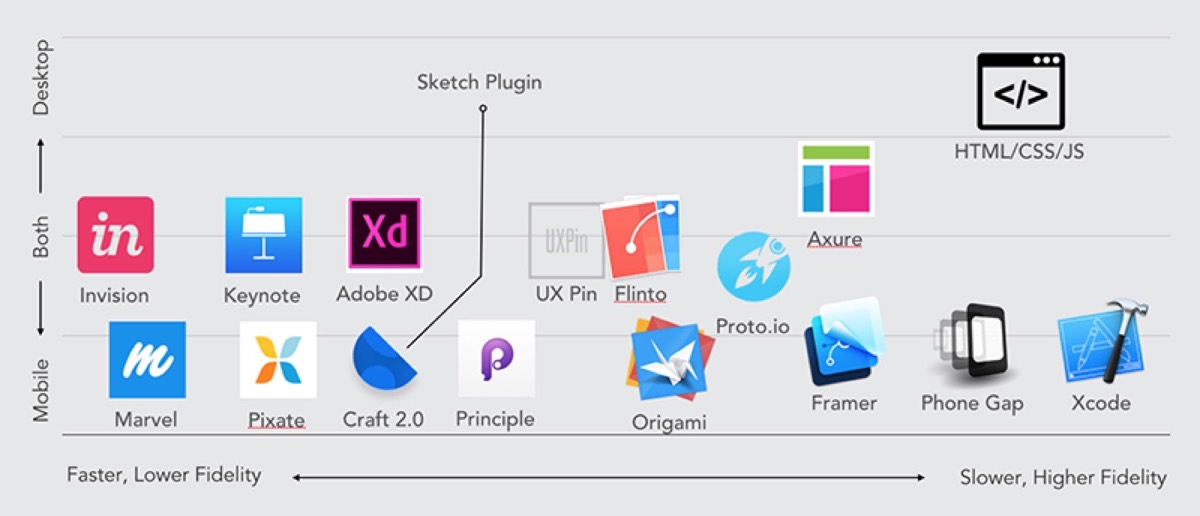
Sketch in particular became the industry favorite for web design, dethroning Photoshop in that specific workflow. The rise of prototyping tools also normalized rapid iteration — testing multiple design concepts quickly became standard practice in product and UX design.
Looking for professional designs that apply these strategies? See Digital Polo's plans →
Flat Design
Flat design was arguably the defining visual trend of the decade. It emerged from the urgent need to make digital applications cleaner and more accessible across the rapidly expanding range of screen sizes and resolutions. Microsoft's Windows 8 in 2012 and Apple's iOS 7 in 2013 both adopted flat design principles, effectively signaling the end of skeuomorphism — the style of making digital interfaces mimic real-world textures and objects.
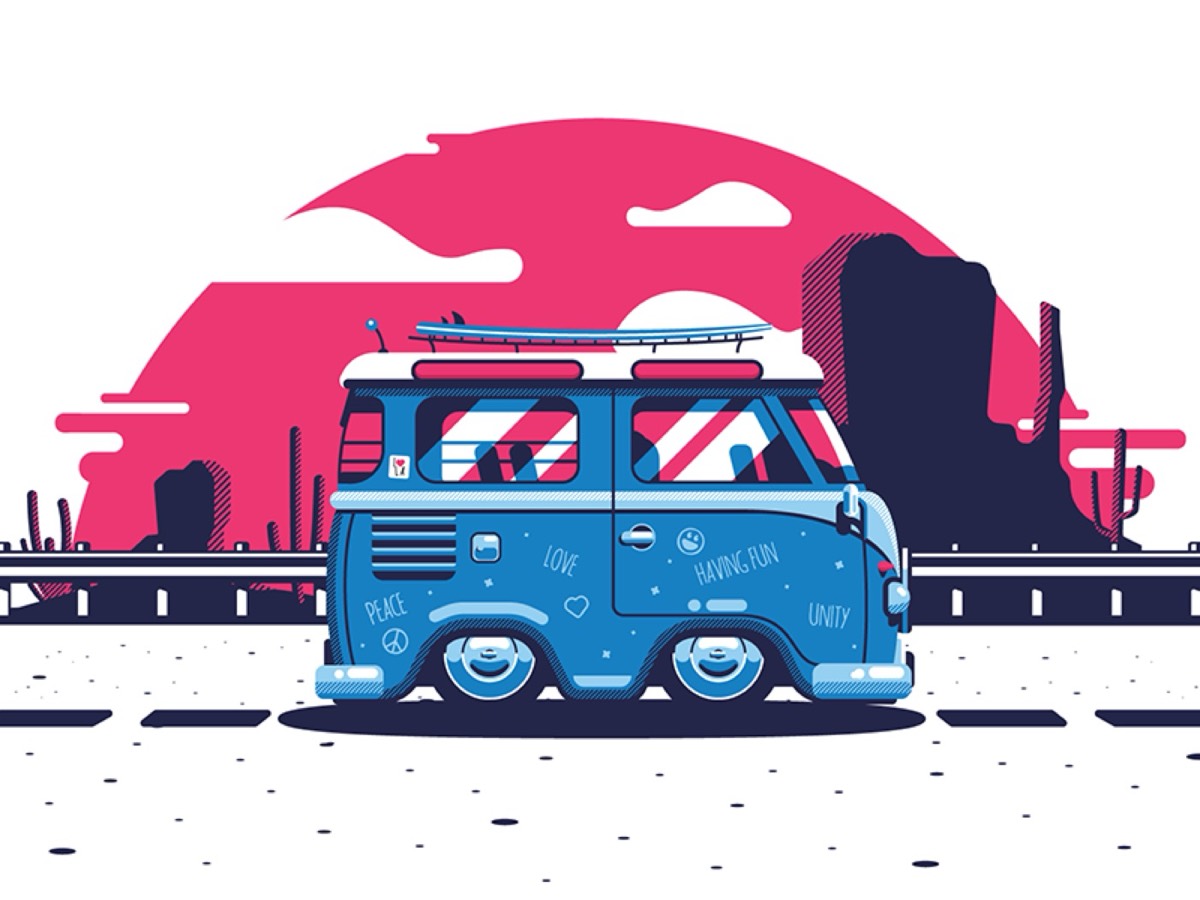
Flat design brought minimal vectors, geometric sans-serif fonts, and flat color palettes to the forefront. These elements became the lingua franca of digital design — to the point where interfaces that still used heavy textures or drop shadows felt visually dated.
Animated and Communicating Brand Identity
As brands expanded into an ever-growing number of digital channels, logos and brand identities evolved to meet them. Static logos gave way to animated and interactive logos that could adapt to different contexts and media. Spotify's 2017 campaign used live user data to generate personalized branded imagery — a breakthrough example of how branding became dynamic, data-driven, and shareable. This also popularized duotones, photo filters, and color transitions as branding tools.
Rebranding
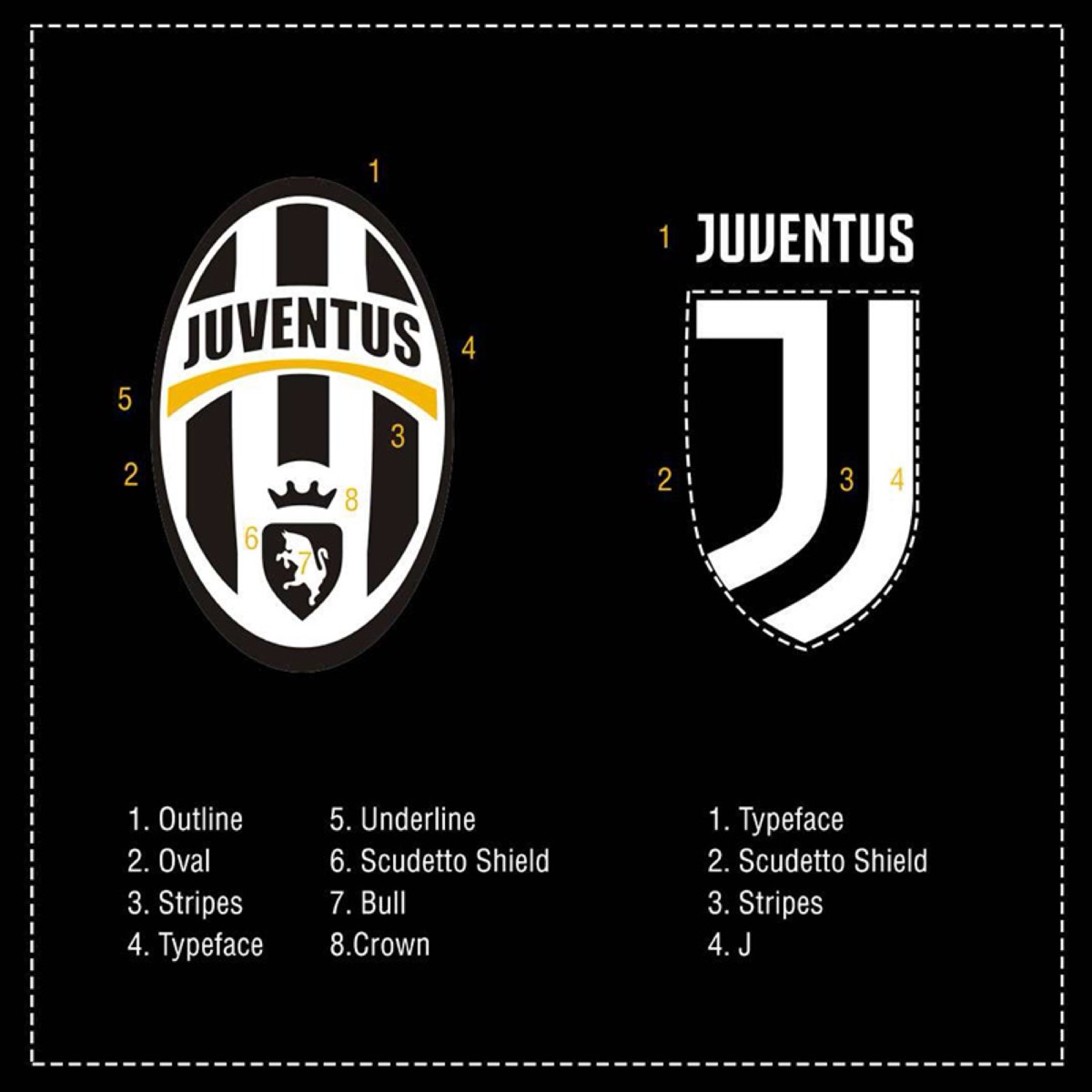
The 2010s were also defined by a major wave of corporate rebranding. Startups disrupted legacy industries at scale, forcing established brands to modernize or lose relevance. The response was widespread rebranding — simplifying logos, clarifying messaging, and updating visual identities to feel contemporary and accessible.
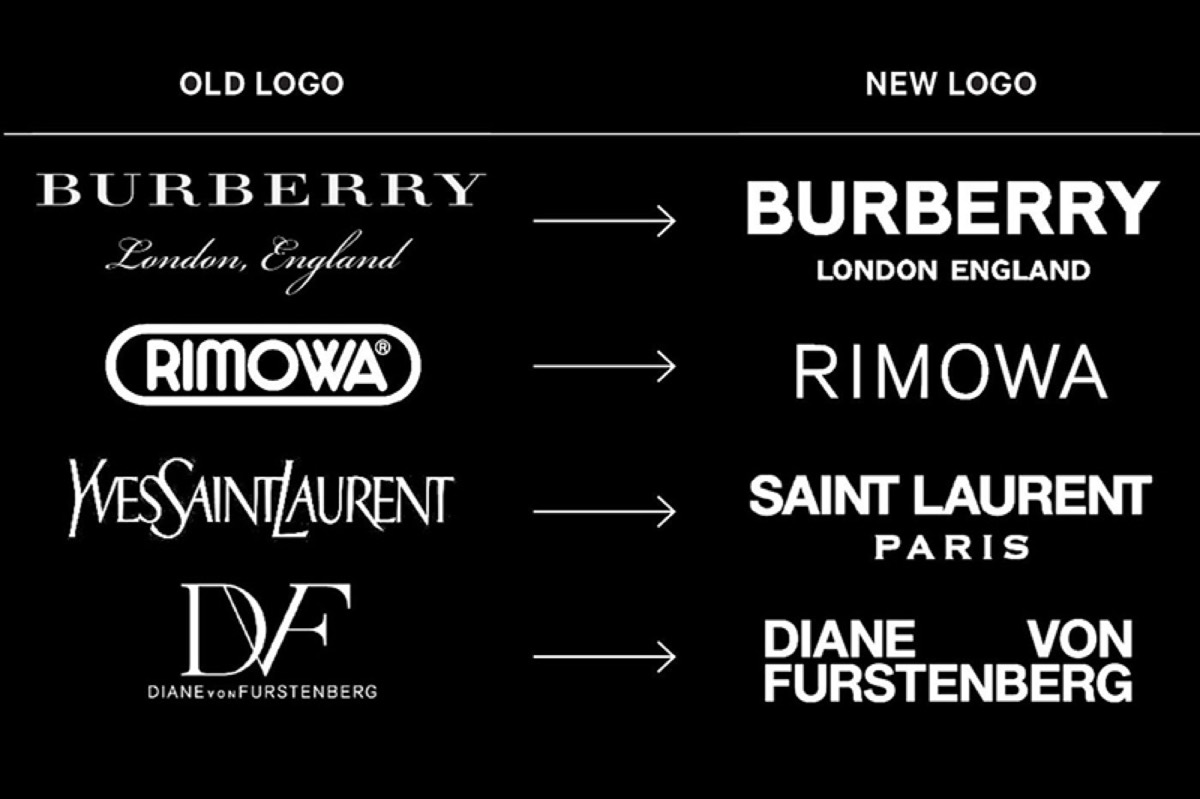
Airbnb changed its logo multiple times starting in 2014. OkCupid rebranded with a new set of charming illustrations in 2017. Burberry returned to a classic monogram for the first time in two decades. Instagram's 2016 gradient rebrand single-handedly brought gradients back into mainstream design.
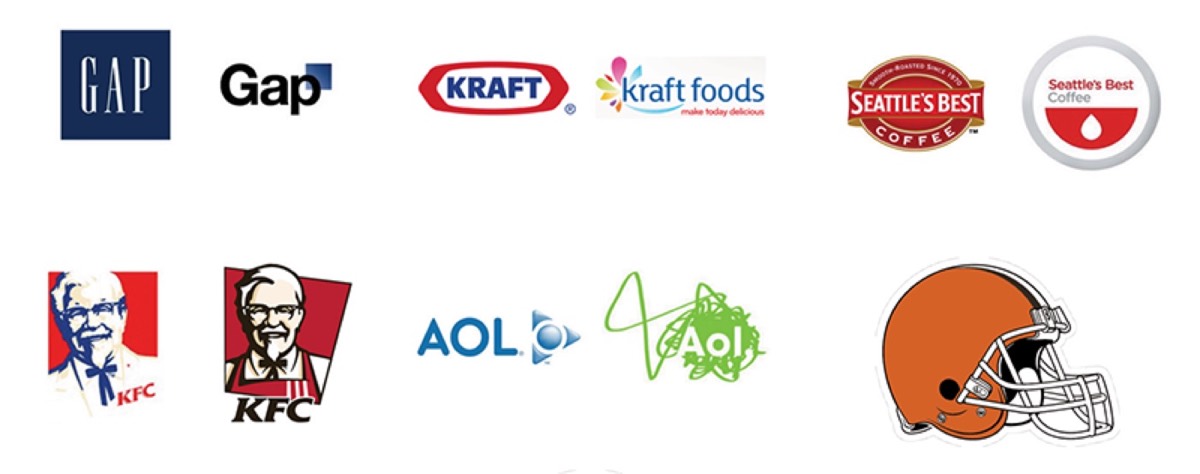
The direction of all this rebranding was consistent: simpler, more communicative, and more human. Brands wanted their visual identity to show — at a glance — what they do and why it matters to the customer.
Online Freelancing for Designers
The rise of fast, reliable internet made remote design work viable at scale. Platforms like Freelancer.com, Dribbble, and Behance enabled designers to build online portfolios, connect with clients globally, and get paid through secure digital payment systems. This decentralization of design work opened professional opportunities to talented designers regardless of their geographic location.

Google Fonts
In 2010, Google launched its Fonts collection with just 19 free, web-ready typefaces. It was a modest beginning. Over the decade, that library grew to over 800 fonts — creating the world's largest free typography resource. Google Fonts gave designers, developers, and businesses access to professional-grade typography without any licensing cost, fundamentally democratizing typographic design on the web.
The decade of transformation described above did more than change individual tools or trends — it elevated graphic design from a supporting role to a central driver of business success. As screens multiplied, brands competed for visual attention, and user experience became a key differentiator, demand for skilled graphic designers grew sharply.
Understanding where design has been is essential for understanding where it is going. The patterns of the past decade — increased accessibility of tools, the demand for responsive and adaptive design, the blending of animation with identity — are all continuing to accelerate. Designers who understand these patterns are better equipped to anticipate the next shift and position themselves ahead of it.
Digital Polo creates high-impact graphic design work across print, digital, and brand identity for one flat monthly fee with unlimited revisions. Start for $299/mo → | Soulmate at $899/mo →
Frequently Asked Questions About Graphic Design Evolution
What was the most significant graphic design trend of the past decade? Flat design was arguably the most influential trend — adopted by major platforms like Apple and Microsoft, it replaced the skeuomorphic style that defined the early digital era and became the dominant visual language for interfaces across the web and mobile.
How did smartphones change graphic design? Smartphones fundamentally changed the scale and context in which design is experienced. Designers had to create layouts that work beautifully on small screens, which drove the adoption of responsive design, minimalist interfaces, and touch-friendly navigation patterns.
What caused the major rebranding wave in the 2010s? The rise of startups and digital-first competitors forced legacy brands to modernize to stay relevant. Simultaneously, new digital channels demanded more flexible, scalable brand identities. The result was a decade-long wave of simplification, with brands moving toward cleaner logos, clearer messaging, and more human-centered visual identities.
Why did Adobe switch to a subscription model? Adobe's move to Creative Cloud in 2011 allowed the company to deliver more frequent updates, seamless product integration, and broader access to its full suite of tools. For designers, it meant always having the latest version of every Adobe application — though it also shifted design software from a one-time purchase to an ongoing expense.
How has online freelancing affected the graphic design industry? Online freelancing platforms made it possible for talented designers anywhere in the world to find clients and build sustainable careers. This expanded the global talent pool, increased competition, and gave clients access to a far wider range of design styles and specializations than they could find locally.