What is the CTR of your Facebook ad? How much do you pay for PPC ads? Have you checked your KPI lately?
If those questions made you pause, you are not alone. Social media marketing comes with its own dense vocabulary of acronyms and platform-specific jargon. If you work in marketing, these terms will appear in your daily workflow — understanding them is not optional.
This glossary covers the essential social media marketing terms beginning with A, B, C, and D. Some of these terms also appear in email marketing and search engine marketing. The goal is a focused reference you can bookmark and return to — not an exhaustive list of every term ever used on social media. Once you've got the vocabulary down, see our guide on how to design social media images with the right sizes and specs to put that knowledge into practice.

A: A/B Testing to Average Response Time
A/B Testing
When managing multiple social media channels, you need to know which posts perform best on which platforms. A/B testing compares two versions of a post — typically with one small change, like a different headline or image — to identify which version gets better results. This approach helps you make data-driven decisions rather than guessing what works.
AddThis
AddThis is a web technology company that provides social sharing tools. Its tools are designed to increase followers across social media channels and improve engagement on your website.
Ads Manager
Ads Manager is a platform tool — most commonly associated with Facebook — that allows you to create, manage, and analyze the performance of your ads. It works across multiple platforms and is the primary dashboard for paid social media campaigns.
Algorithm
In social media, an algorithm is the process that determines which posts appear in a user's feed and in what order. Facebook famously shifted its algorithm to prioritize posts with the most comments. Instagram's algorithm update changed how photos and videos are surfaced on users' feeds. Understanding the algorithm for each platform you use is critical to organic reach.
Analytics
Analytics tools show you how your social media posts are performing — which content drives engagement, which posts fall flat, and how your audience behaves over time. Most social media platforms have built-in analytics, and third-party tools provide deeper cross-platform insights.
API
API stands for Application Programming Interface. Developers use APIs to build software that integrates with social media networks. In a marketing context, APIs enable third-party scheduling tools, analytics platforms, and CRM systems to connect with your social accounts.
Average Response Time
Average response time is how long your brand takes to respond to customer complaints or inquiries on social media. Research shows that 32% of consumers expect a response within 30 minutes, and 42% expect one within an hour. Fast response times are a competitive differentiator in customer service.
B: Bio to Buyer Persona
Bio
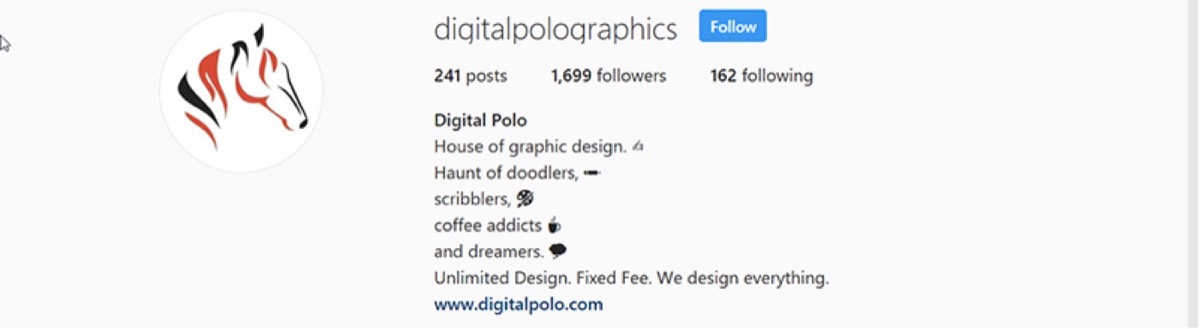
A bio is the short text on your social media profile that explains who you are and what your brand does. Twitter, Instagram, and Facebook all use the term "bio." On LinkedIn, the equivalent is called a "summary." A well-written bio is one of the highest-leverage pieces of copy on your social profiles.

Boosted Post
A boosted post is an organic social media post that you pay to extend beyond your existing audience. Unlike formal ad campaigns created in Ads Manager, a boosted post starts as a regular post that you then promote. You can target specific audiences and set a budget to determine the duration and reach of the boost.
Brand Advocate
A brand advocate is a satisfied customer who voluntarily promotes your product or service on social media through positive reviews and word-of-mouth recommendations. Brand advocates are among the most valuable marketing assets a company can have — their endorsements carry genuine credibility with other consumers.
Buyer Persona
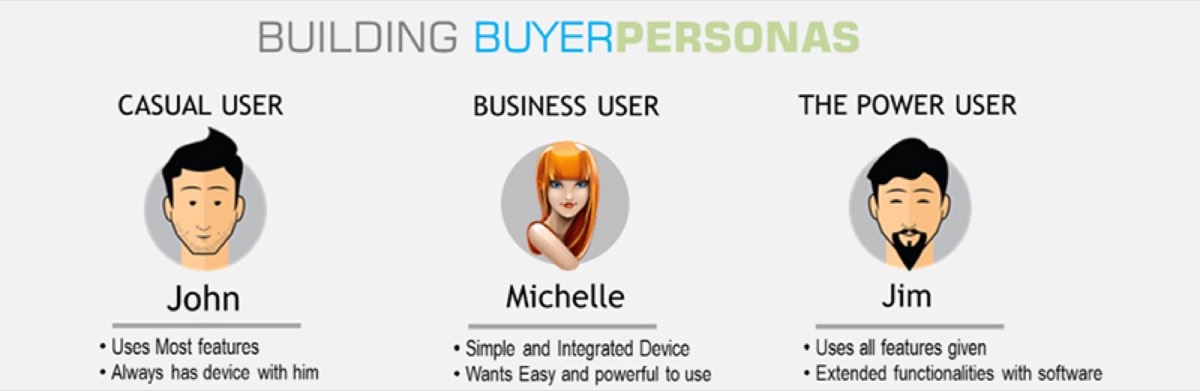
A buyer persona is a research-based profile of your ideal customer. It captures demographics, behaviors, buying motivations, purchase habits, and goals. Creating detailed buyer personas helps you understand who you are marketing to and ensures your social media content speaks directly to the right audience.

Looking for professional designs that apply these strategies? See Digital Polo's plans →
C: CAC to Crowdsourcing
CAC
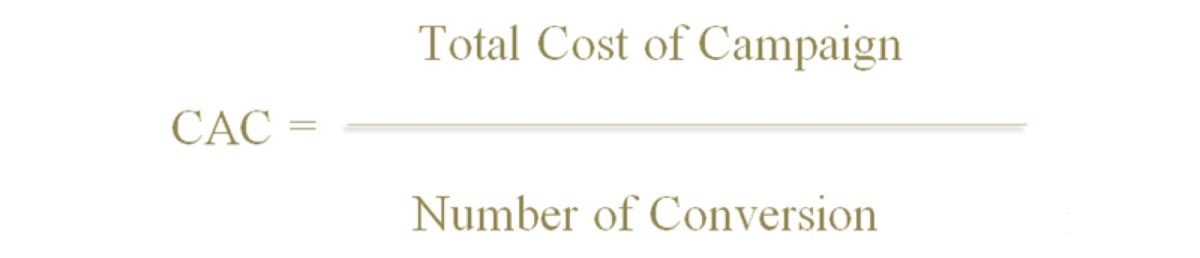
CAC stands for Customer Acquisition Cost. It tells you how much you spent, on average, to acquire each new customer. Calculating CAC is straightforward: divide your total marketing and sales spend during a period by the number of new customers acquired in that same period.
Chatbot
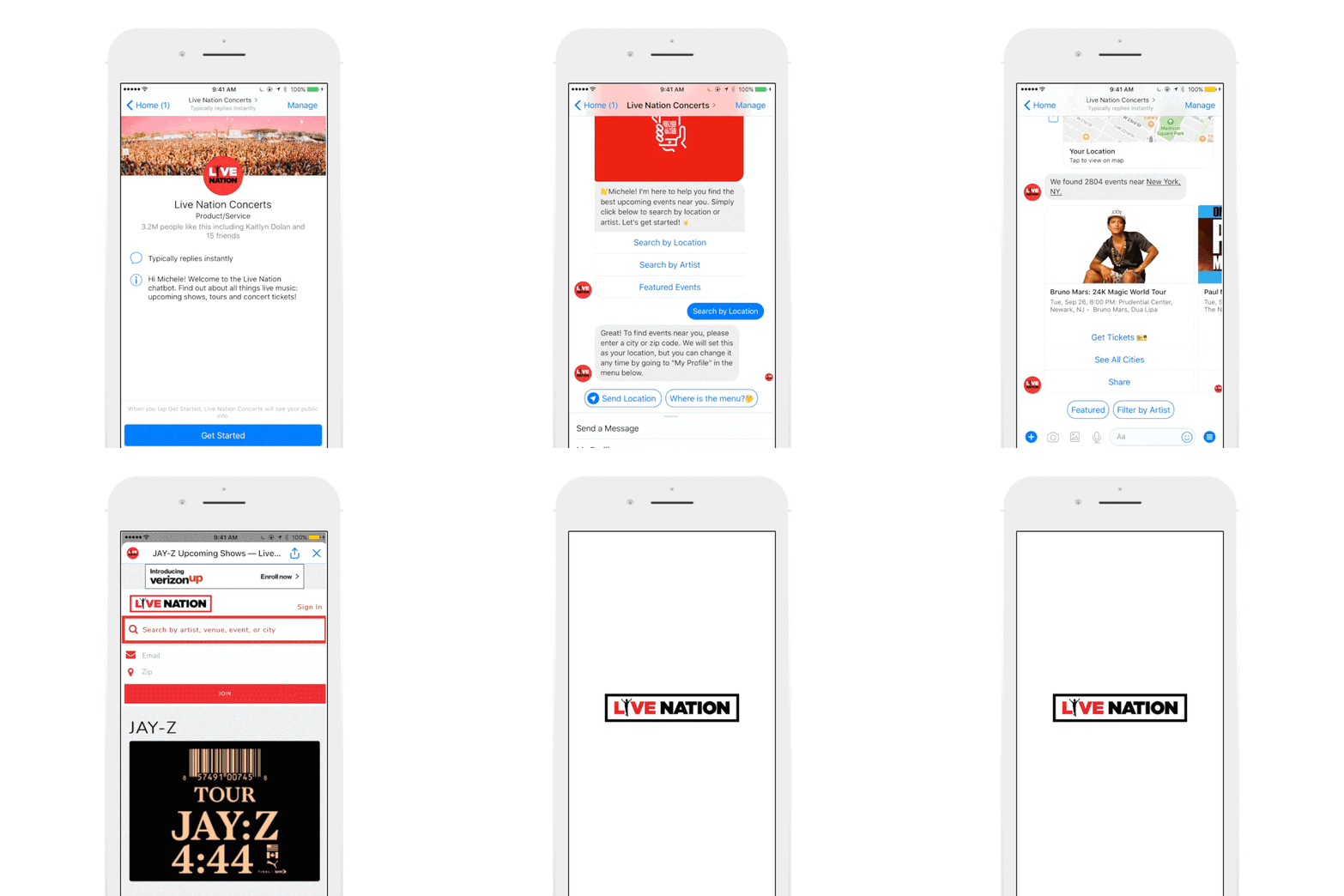
A chatbot is an AI-powered program that automates customer interactions on behalf of a brand. Many social platforms, including Facebook, support chatbots through their messaging systems. Chatbots can handle common customer questions, qualify leads, and route more complex issues to human representatives.
Clickbait
Clickbait is the practice of writing sensationalized or misleading headlines to lure users into clicking on a link. While it may generate short-term traffic, clickbait consistently damages brand trust and credibility. Avoid it.
Content Marketing
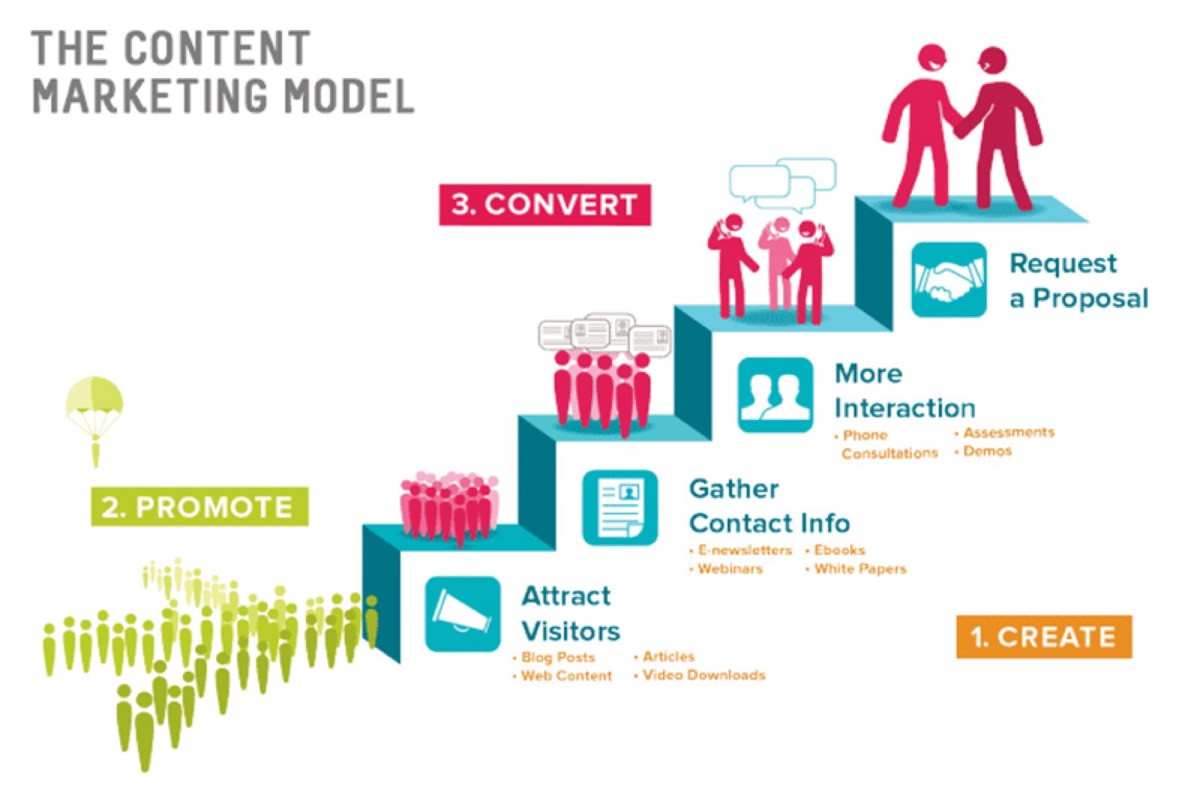
Content marketing is the practice of creating valuable content — blogs, videos, infographics, white papers, newsletters — to attract and educate your target audience rather than directly selling to them. It is one of the most effective long-term strategies for building brand trust and generating qualified leads through social media. Knowing what to share and when is a skill in itself — our post on how to curate content for your personal social media posts walks you through a practical approach.
Conversion Rate
Conversion rate is the percentage of people who take a desired action after seeing your social media post or ad. The action could be making a purchase, subscribing to a newsletter, downloading a resource, or registering for an event. Conversion rate is one of the most direct indicators of whether your social media marketing is delivering real business results.
CPC
CPC stands for Cost per Click. It tells you the average amount you are paying for each click your ad receives. A low CPC indicates efficient spending — you are getting more traffic for less money. A high CPC means you are paying a premium for each visitor, which may or may not be justified depending on the value of that traffic.
CPI
CPI stands for Cost per Impression. It measures how often your ad is displayed relative to how many people actually interact with it. Unlike CPC (which tracks clicks), CPI focuses on visibility — how many times your ad appeared on screen, regardless of whether anyone clicked.
CTR
CTR stands for Click-Through Rate. It is the percentage of users who clicked your link after seeing it. CTR is calculated by dividing the number of clicks by the number of impressions and multiplying by 100.

Crisis Management
Crisis management in social media refers to having a policy in place for responding to public complaints, negative reviews, or account security incidents. An unhappy customer posting an angry review on your Facebook page, or a hacked Twitter account, can escalate quickly without a plan. Every brand active on social media needs a documented crisis response process.
Cross-Channel Marketing
Cross-channel marketing means coordinating your messaging across multiple social media platforms — posting content that works together to tell a unified brand story rather than treating each channel in isolation.
Crowdsourcing
Crowdsourcing is the practice of asking your followers to contribute ideas — for content, product improvements, or campaigns. It serves two purposes simultaneously: it makes your audience feel valued and involved, and it generates fresh ideas you might not have come up with internally. It is one of the most effective community-building tactics in social media marketing.

D: Dark Social and DM
Dark Social
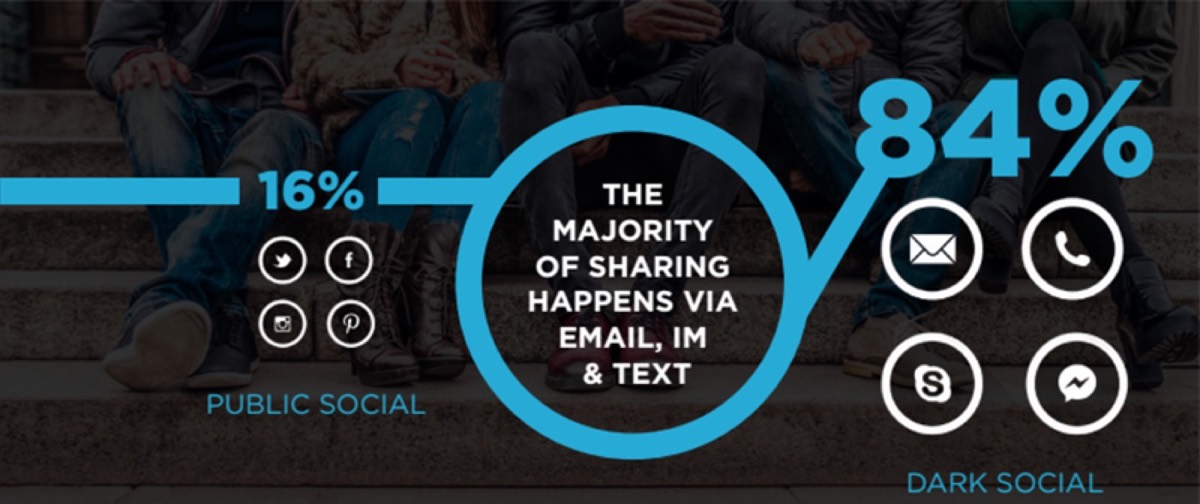
Dark social refers to web traffic that arrives without a traceable source — meaning analytics tools cannot identify where it came from. This happens when people share links via private channels like messaging apps, email, or SMS. Research suggests that more than 80% of outbound links are shared through these private channels, making dark social a significant blind spot in most analytics dashboards.
DM
DM stands for direct message — a private message sent between users on a social platform. Marketers use DMs to create more personal touchpoints with prospects and customers. For example, you might post content that highlights your product features and invite interested users to DM you for pricing details. DM is widely used as both a noun and a verb in modern social media parlance.
Understanding social media marketing terminology is not about memorizing a dictionary. It is about building a shared professional language that makes your strategy conversations, campaign briefs, and performance reports more precise. When you can speak fluently in these terms, you become a more effective marketer — and a more credible one to clients and collaborators. Turning that strategy into a cohesive visual presence starts with knowing how to design the best social media pages for your brand.
This glossary covers only the first four letters of the alphabet, but even within A through D there is a substantial vocabulary to master. The more fluent you become with these concepts, the more confidently you can build and evaluate your social media strategy. Start here, apply what you learn, and expand your knowledge as you go.
Digital Polo creates professional social media design and marketing visuals for one flat monthly fee with unlimited revisions. Start for $399/mo → | Soulmate at $899/mo →
Frequently Asked Questions About Social Media Marketing Terms
Why are social media marketing acronyms important to know? Acronyms like CTR, CPC, CAC, and KPI appear in platform dashboards, agency reports, and marketing conversations constantly. Not knowing them means you cannot accurately evaluate your campaign performance or make informed budget decisions. Fluency in these terms is a baseline requirement for any marketer.
What is the difference between CTR and conversion rate? CTR (Click-Through Rate) measures how many people clicked on your ad or link. Conversion rate measures how many of those clicks resulted in a desired action — a purchase, sign-up, or download. CTR tells you about interest; conversion rate tells you about results. Both metrics matter, but conversion rate is the stronger indicator of campaign success.
What does A/B testing look like in practice on social media? A common A/B test on social media might involve running two versions of a Facebook ad — one with an image and one with a video — to the same target audience. After a set period, you compare which version produced a higher CTR or conversion rate. The winning format then informs your future creative strategy.
How do I reduce my CPC on social media ads? Improving your ad's relevance score (by targeting more precisely and using compelling creative) typically lowers CPC. You can also experiment with different bidding strategies, test new audience segments, and refresh ad creative regularly to avoid audience fatigue.
What is the difference between a boosted post and a Facebook ad? A boosted post starts as an organic post on your page that you pay to promote to a broader audience. A Facebook ad is created directly in Ads Manager with more advanced targeting, placement options, and optimization controls. For most businesses, ads created in Ads Manager offer better control and performance than simple post boosts.