The concept of the white paper originated in British political administration, where it referred to a formal document or report explaining a specific policy issue and proposing solutions. That heritage matters, because it explains why white papers carry so much authority — they're associated with rigor, evidence, and serious analysis.
Since the mid-1990s, white papers have entered the world of marketing and are now one of the most powerful sales and lead generation tools available to B2B businesses.
You might be wondering: do white papers really affect business sales? Do they deliver measurable results? This post answers those questions with data — and gives you compelling reasons to start publishing white papers immediately if you haven't already.
What is a White Paper and What Are the Industry Standards?
Wikipedia defines white papers in marketing as: "long-form content designed to promote the products or services from a specific company."
That's a starting point, but successful white papers do something subtler. Unlike a website or sales brochure, a white paper is not primarily a self-promotion tool. It acts as an advanced guide that addresses problems relevant to your industry and provides evidence-based solutions. The content builds authority by educating — and the authority generates trust that converts.
The trick is mastering the balance: a great white paper both educates readers and generates leads by promoting your brand — without the two goals undermining each other.
Industry Standards for a Professional White Paper
1. Length: Typically no fewer than 6 pages. Complex topics may require 50 or more.
2. Content Structure: Similar to an eBook — title page, table of contents, introduction, problem definition, root cause analysis, proposed solutions, evidence and proof, and a conclusion.
3. Data Types: Statistics, illustrations, charts, tables, and cited references to establish credibility.
4. Density: Denser than most marketing content. Readers often need more than one reading to absorb the full value.
5. Format: PDF, portrait orientation (8.5" x 11").
6. Tone: Professional and serious, in both design and content.
1. White Papers Are a High-Performance Lead Generation Tool
The most important question when considering white papers: are they worth the investment of time and resources?
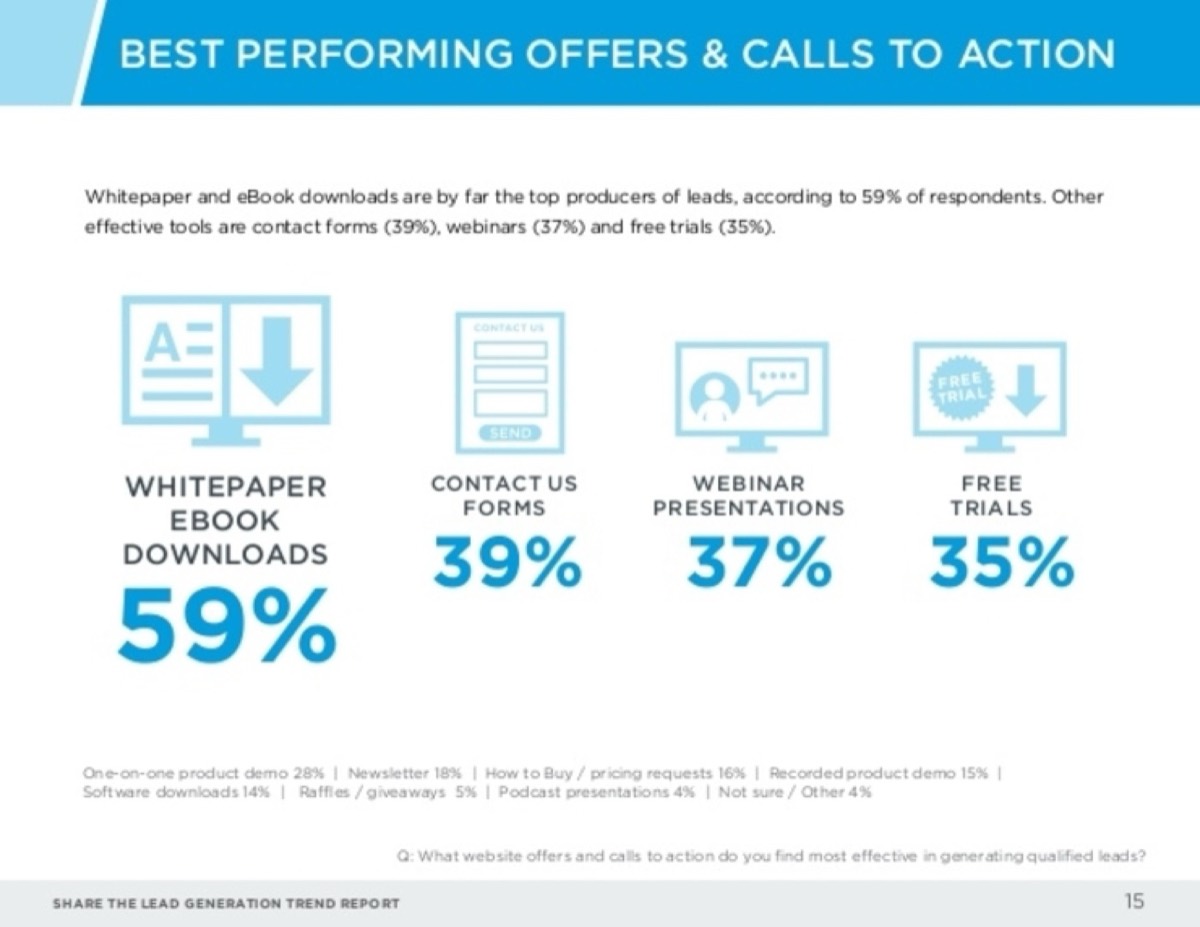
The data says yes. Research shows that 59% of total leads are generated by white papers and eBooks — a remarkable share of overall lead volume.
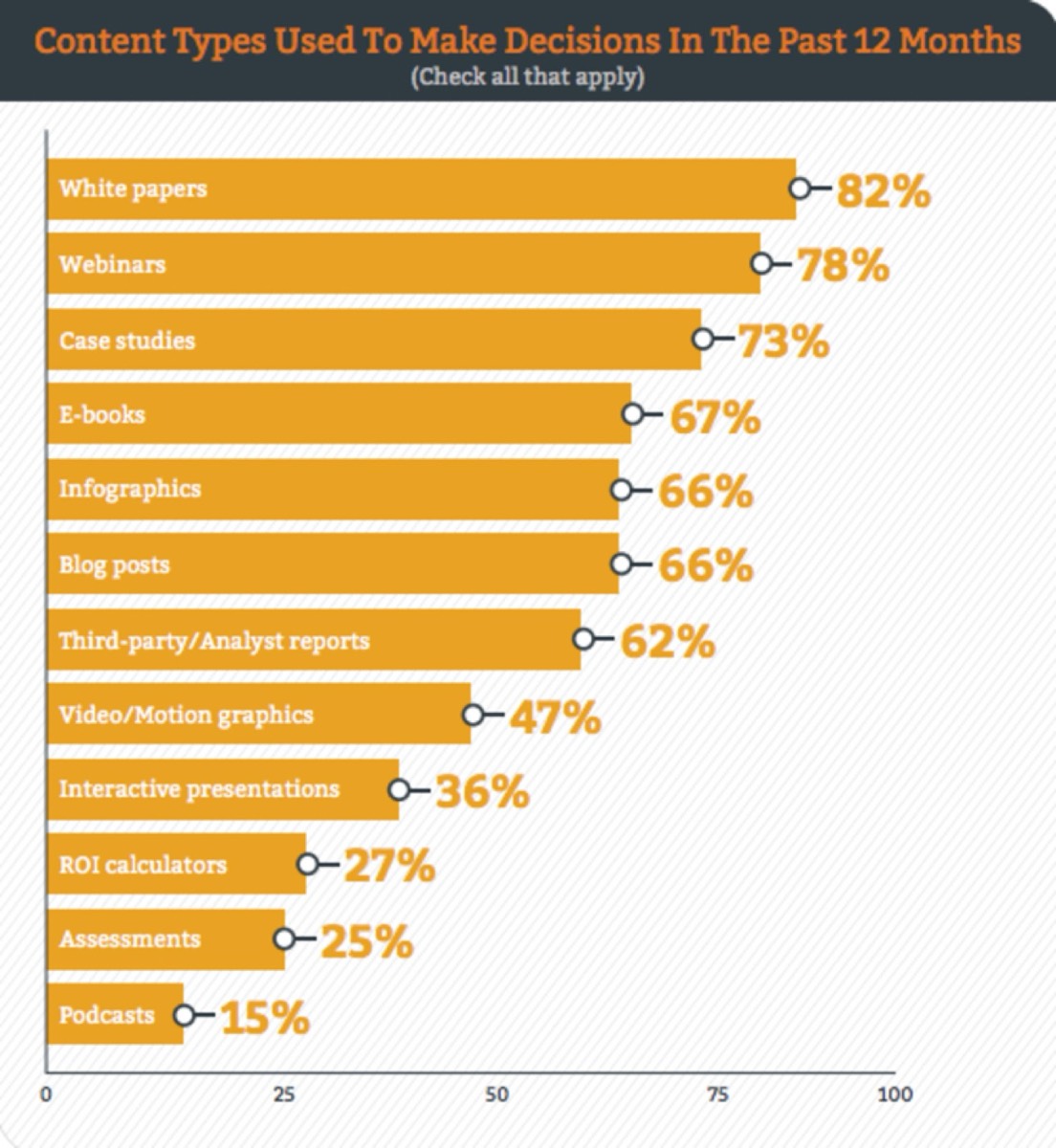
White papers also drive purchasing decisions. Among all types of content, white papers influence buying decisions for 82% of buyers, followed by webinars at 78% and case studies at 73%.
Research by HubSpot's former Chief Revenue Officer and Chief Marketing Officer segmented Marketing Qualified Lead (MQL) data by type — Demonstration, Free Trial, Contact Sales, and White Paper — and further analyzed close rates and average revenue per customer.
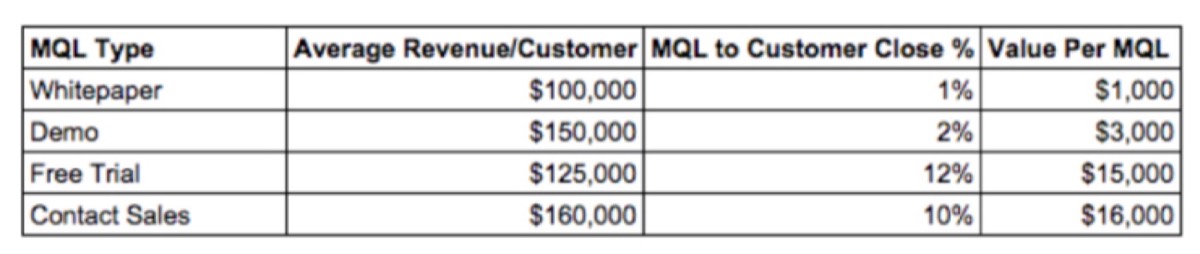
White paper leads consistently produced strong close rates and high average revenue per customer. The blend of education and subtle persuasion within a single document makes it uniquely effective.
To maximize the lead generation potential of your white paper, the cover and landing page are critical. Structure them around these elements:
- Address the difficulties readers face without your solution
- Show the comparative advantage of your approach over alternatives
- Explain benefits in customer-friendly, jargon-free language
- Use light promotional language to create purchase intent
- Include a clear, immediate Call to Action
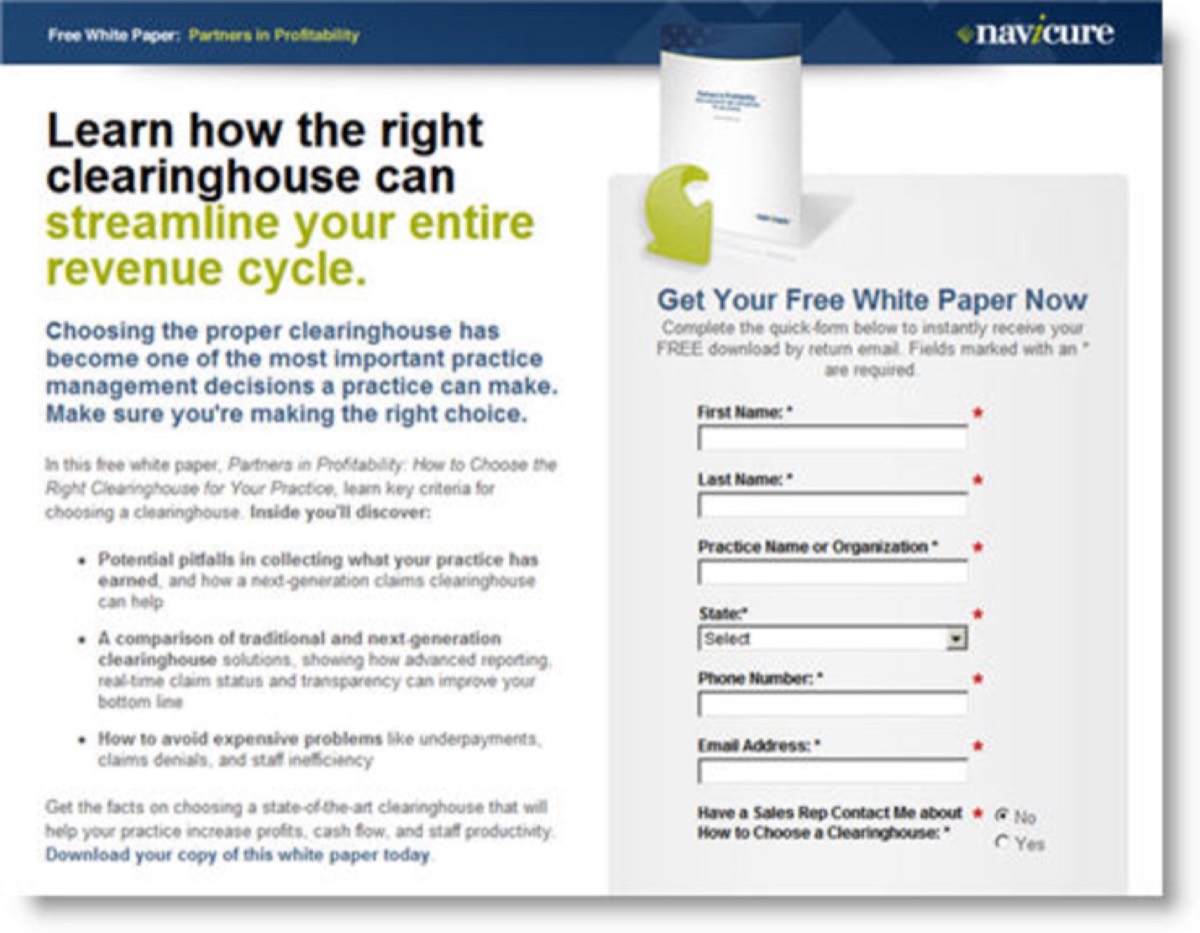
Study examples from companies like Oracle Marketing Cloud, Pardot, and Mediative to understand what effective white paper landing pages look like in practice.
2. White Papers Build Brand Authority and Demonstrate Expertise
Lead generation is the primary role of a white paper, but brand building is an equally valuable secondary benefit. A well-researched, genuinely useful white paper establishes your company as a credible authority in your industry.
This is exactly why marketing experts consistently advise prioritizing educational content over promotional content within white papers. When your paper becomes a reference that even competitors cite, your brand achieves a level of visibility and credibility that no ad campaign can replicate.
The short company description included at the end of the white paper works harder than most marketing copy ever will — it introduces your brand to readers who have already been persuaded by your expertise.
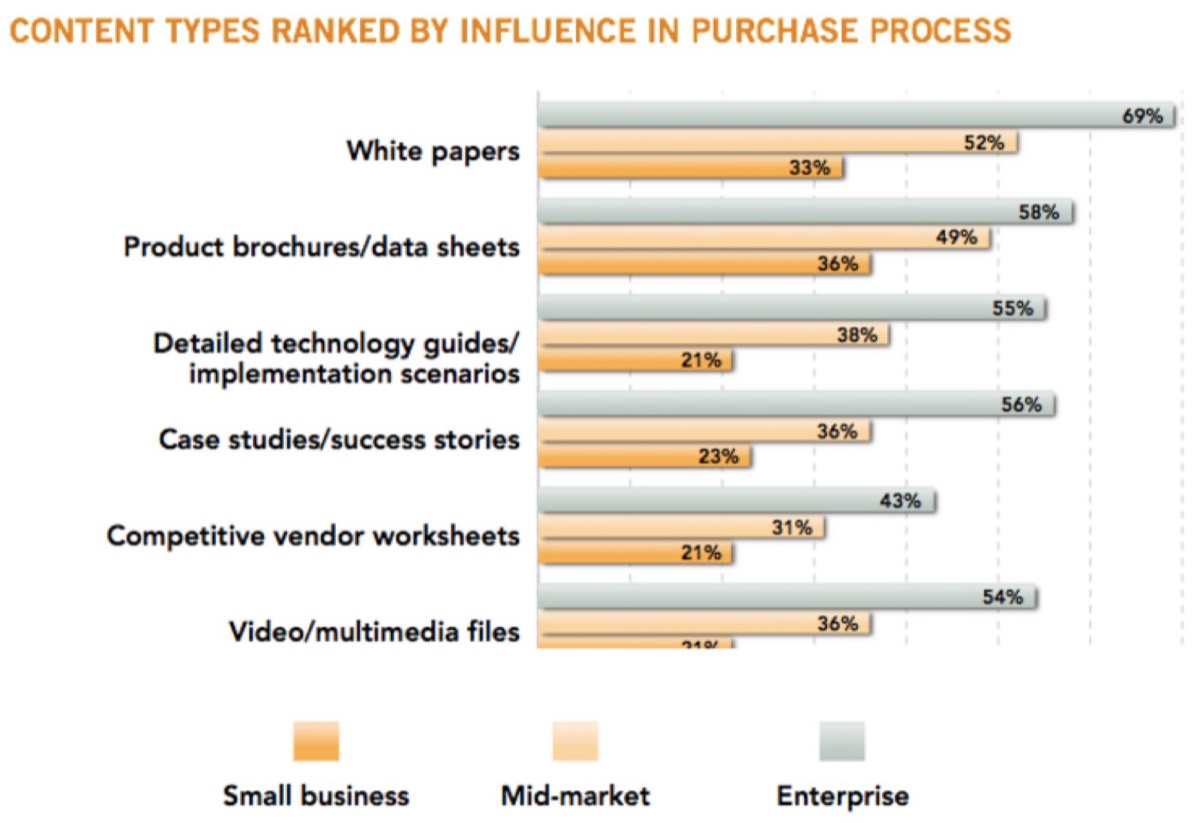
Research confirms that everyone from large enterprises to small businesses relies heavily on white papers for product purchase decisions.
Need design that makes your white papers look as professional as the content inside them? See Digital Polo's plans →
3. White Papers Boost Social Media Reach and Engagement
A compelling white paper that addresses a genuine industry challenge will generate organic social sharing — driving new followers to your platforms and building social proof around your brand.
Publish your white paper across every social channel as soon as it goes live. Critically, always include social share buttons within the document itself. Research by BrightEdge Technologies found that websites with social share buttons receive 7 times more shares than those without.
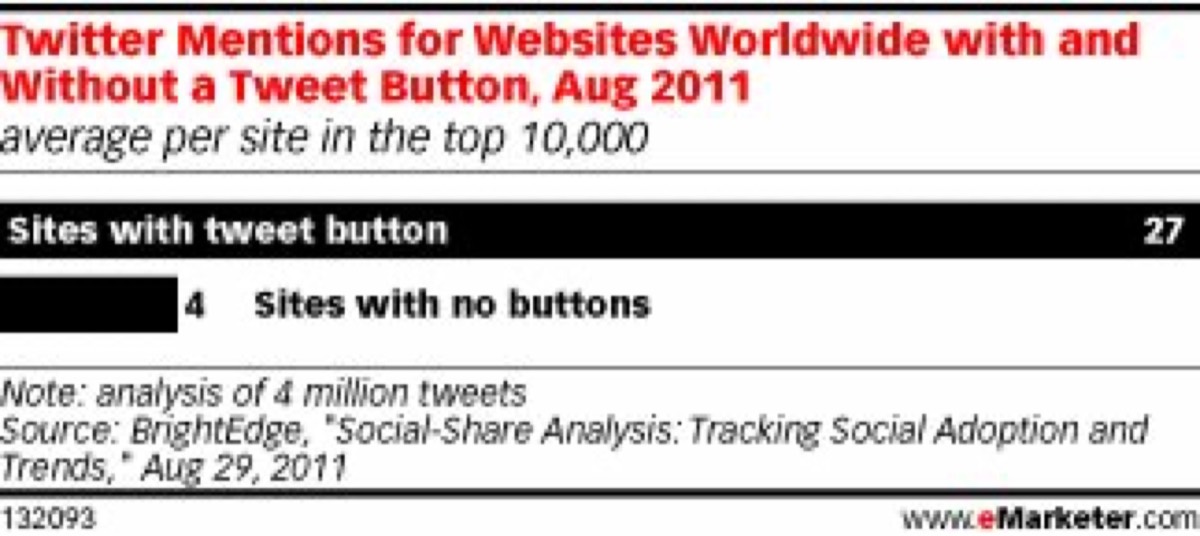
Social proof compounds — when new viewers see a paper that's already been shared widely, their psychological inclination to download and read it increases significantly.
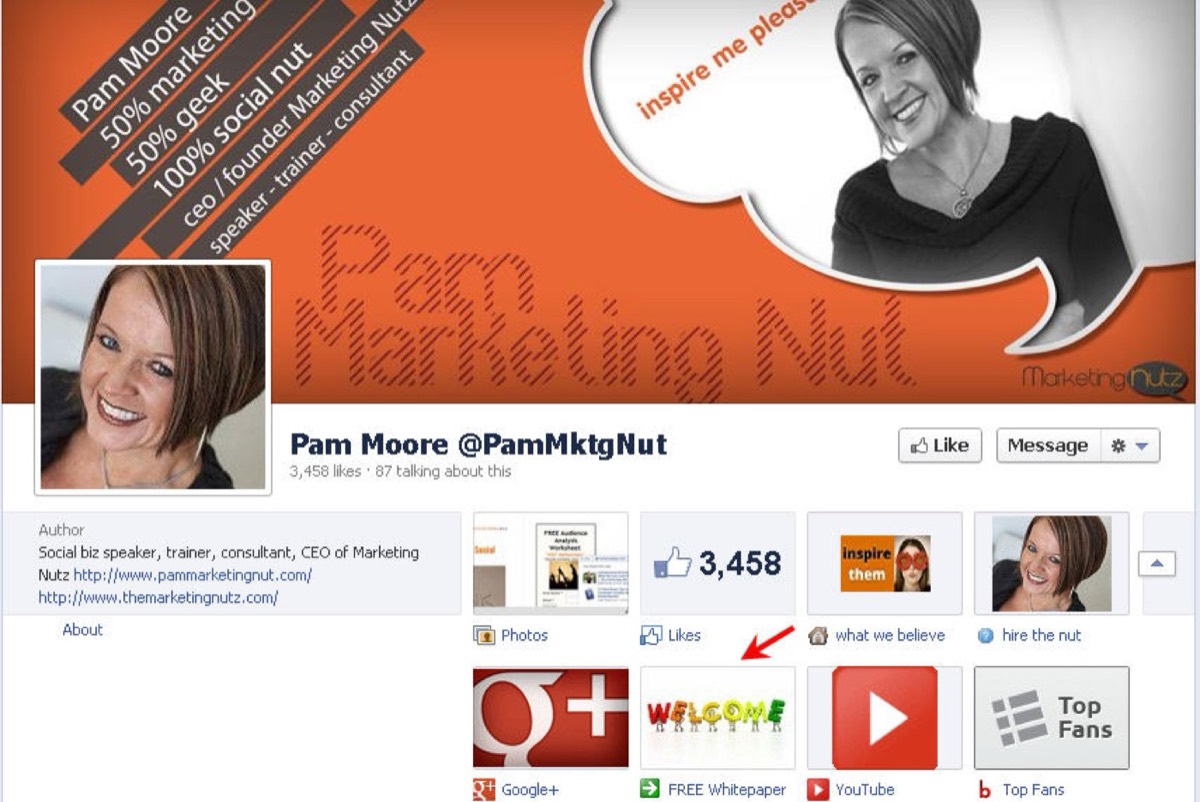
Adding a Download tab on your Facebook page is a particularly effective tactic. Marketing specialist Pam Moore uses this approach to drive consistent white paper downloads directly from her Facebook audience.
LinkedIn is also an especially powerful channel for white paper distribution. Use LinkedIn's group discussion features to share your paper, open a conversation around its key findings, and add a link to your landing page directly within the discussion. To distribute it at scale via email, choosing the right email marketing platform will make a significant difference in your open and download rates.
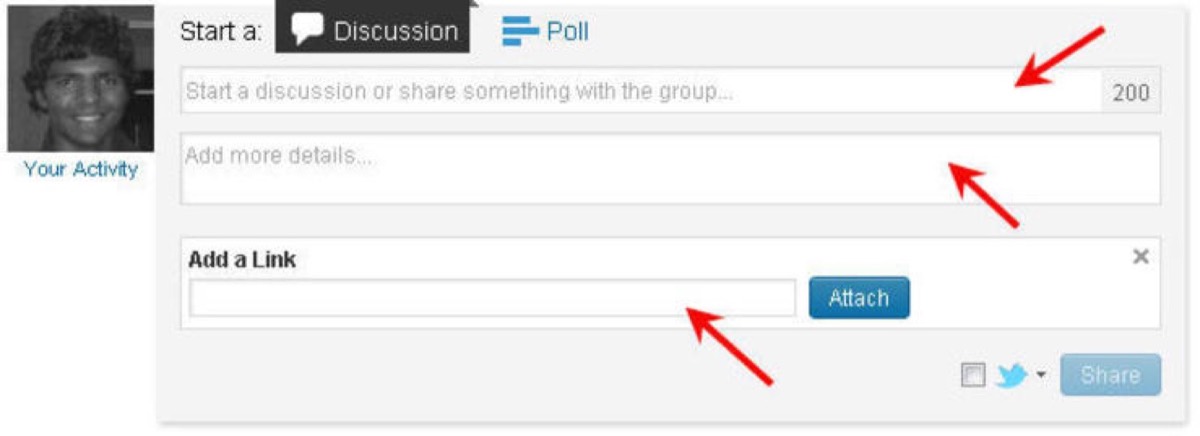
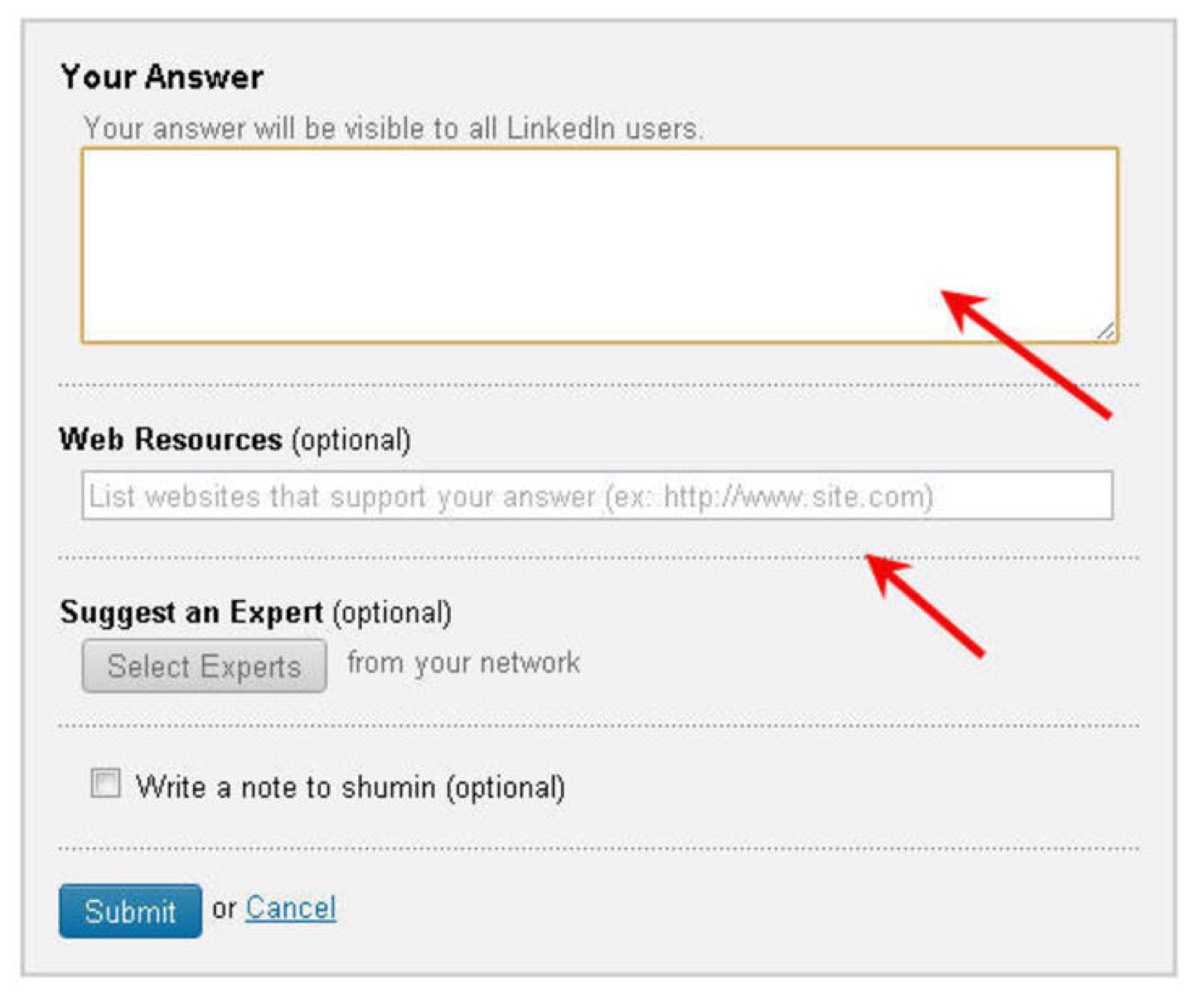
LinkedIn group discussions that link back to your landing page are a smart, low-friction way to drive qualified traffic directly from your professional network.
4. White Papers Are a Powerful Tool for Growing Your Email Subscriber List
Getting people to subscribe to a newsletter is consistently one of the hardest tasks in content marketing. Offering your white paper as a free download in exchange for an email address is one of the most effective solutions to this problem.
The key is that the white paper topic must be genuinely compelling to your target audience. A great white paper that addresses a real problem in your industry will attract exactly the subscribers you want — qualified, engaged readers who are already interested in your domain.
Point to Remember: A unique, high-quality white paper will almost always be downloaded. Generic or poorly researched papers will not. Quality is non-negotiable.
Case Study: TruLogica Inc.
Challenge: Getting 100% of hot trade show prospects to download a white paper via follow-up email.
Field Marketing Director Margaret Herndon used TruLogica's white paper as the centerpiece of a trade show follow-up email campaign — and the results exceeded expectations.
The email campaign was built around the white paper as a value offer, not a promotional pitch.
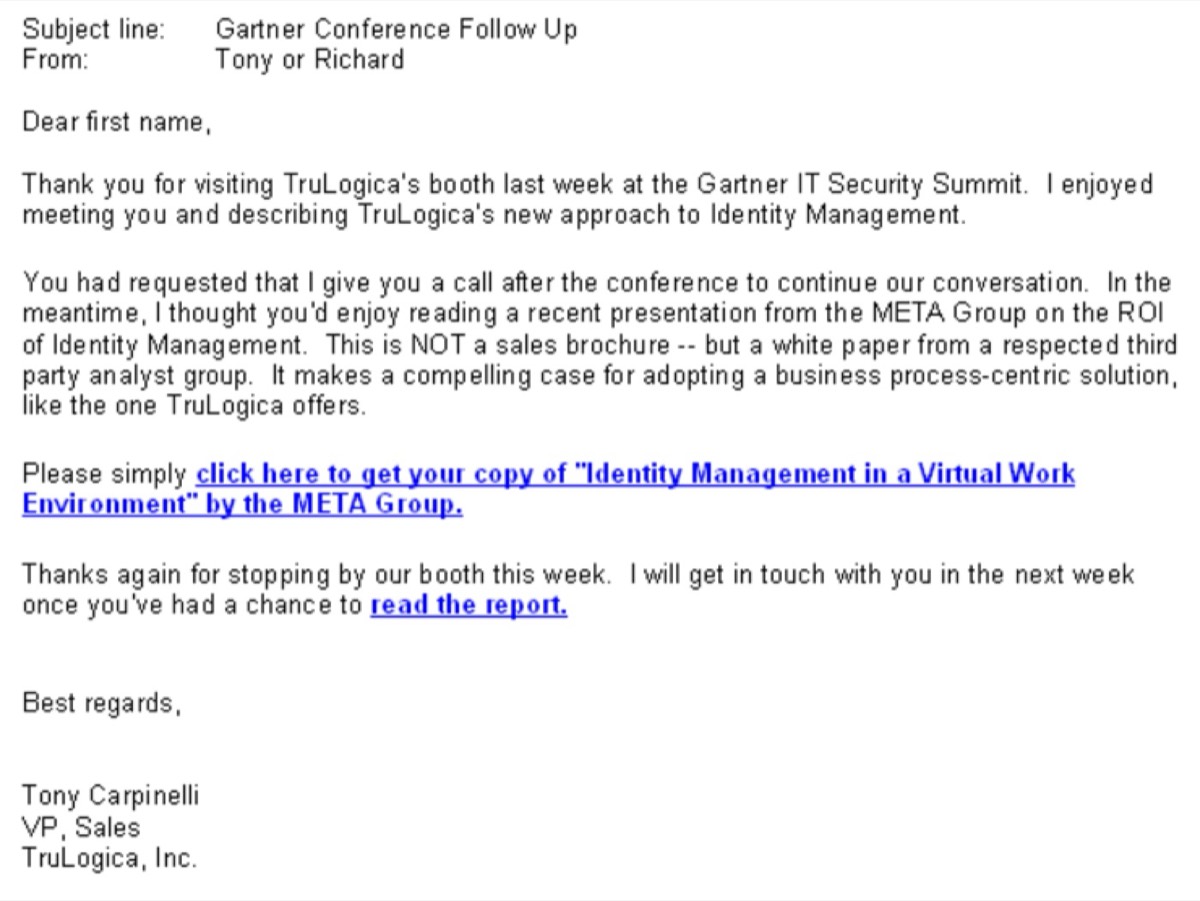
Campaign
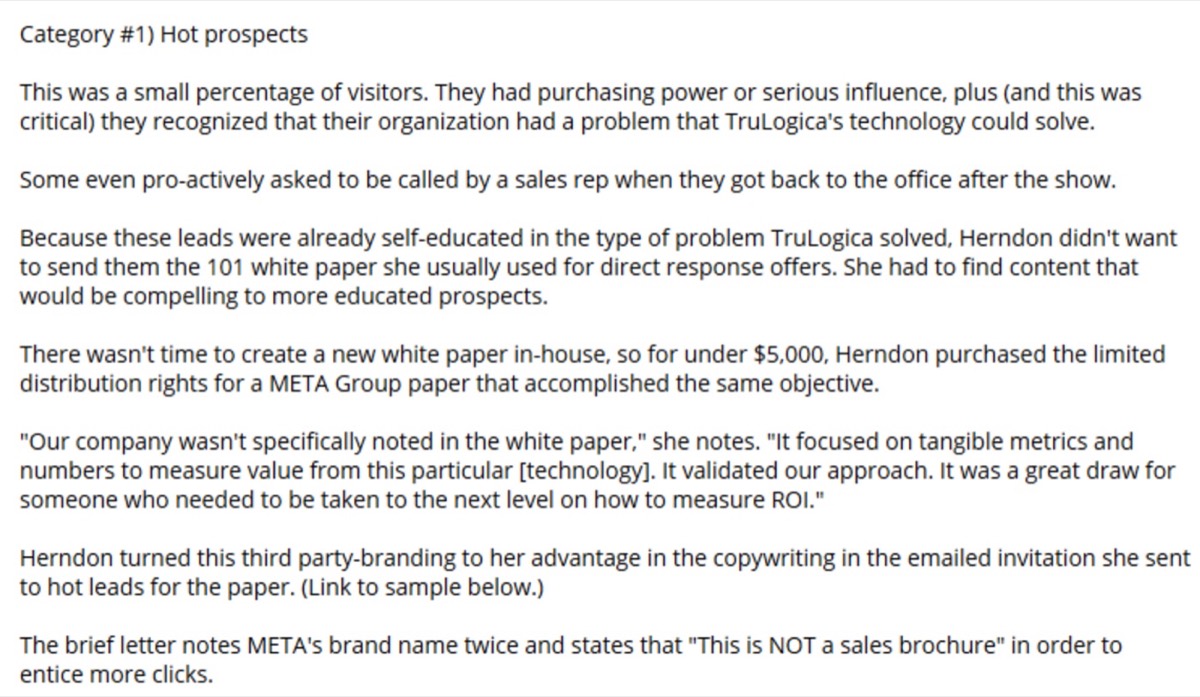
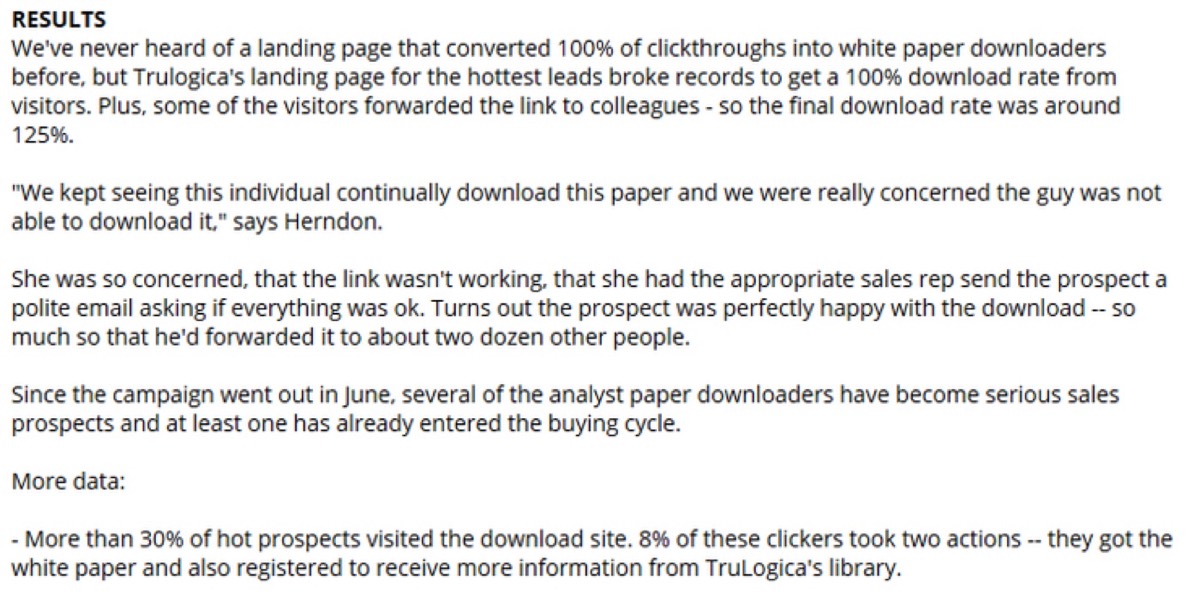
The campaign achieved its goal of 100% download rate among targeted hot prospects — demonstrating that the right white paper, offered at the right moment, can deliver extraordinary conversion results.
5. White Papers Build Long-Term Customer Relationships
Addressing the genuine problems your customers face — and providing evidence-based solutions — earns the kind of trust that one-dimensional promotional content never can. When readers see that your content consistently provides valuable, actionable knowledge, they return. And consistent return visitors become loyal customers.
This isn't just theory. Continuous engagement with readers who find real value in your white papers creates a community of informed, interested prospects. Those prospects eventually become customers — and customers who were educated by your content tend to have higher lifetime value and lower churn rates. White papers work alongside other brand-building tools — including brand mascots, which create the kind of emotional recall that white papers alone can't generate.
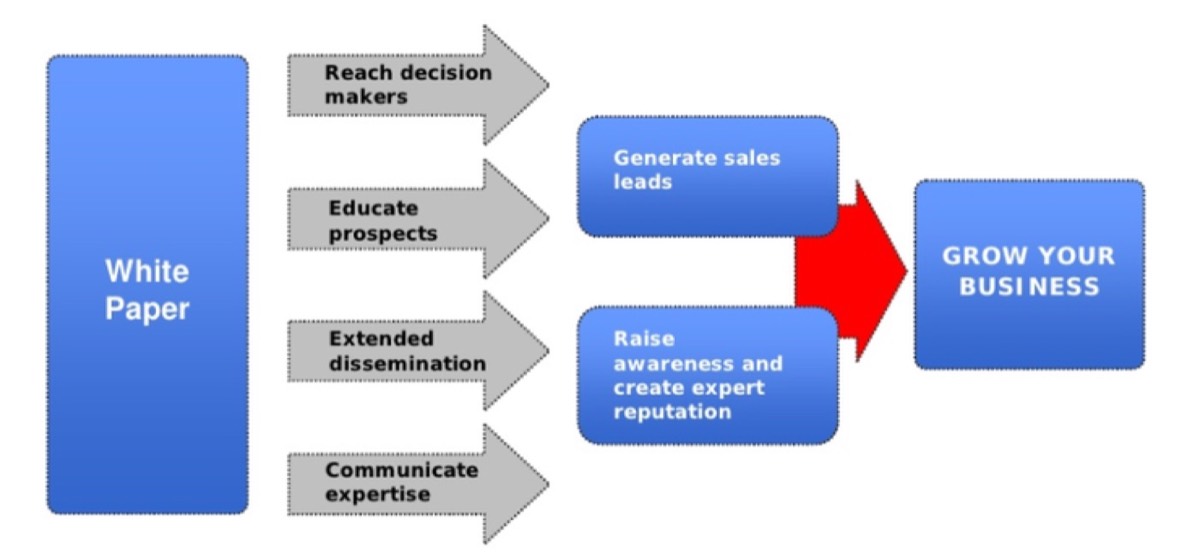
Case Study
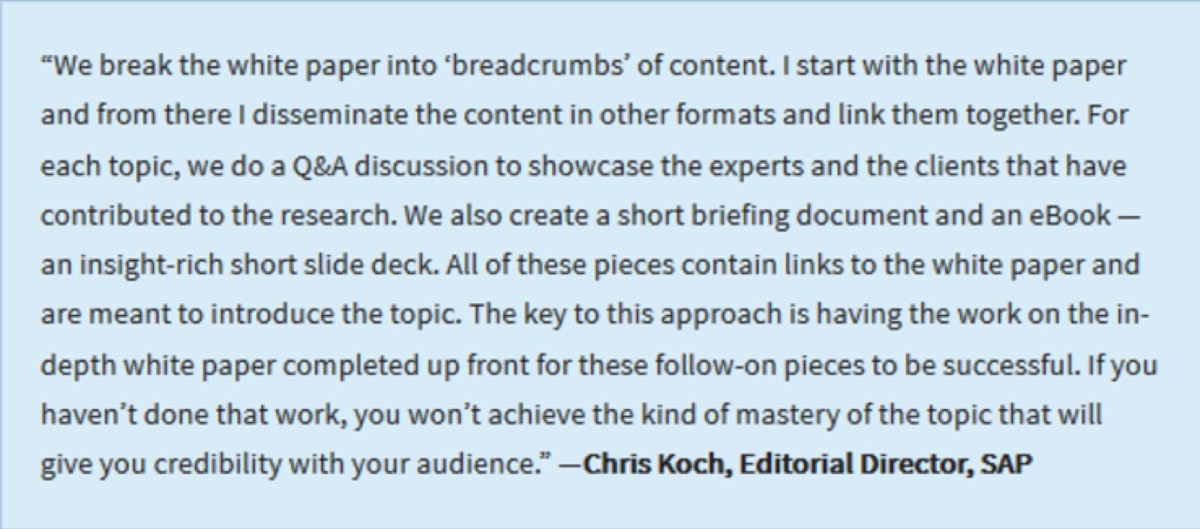
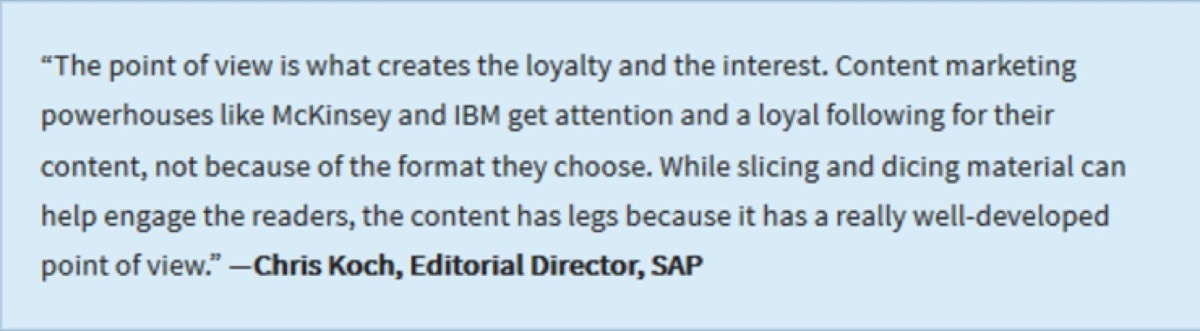
Examples of Effective White Paper Landing Pages
For inspiration, look at how these companies use white papers as lead generation assets:
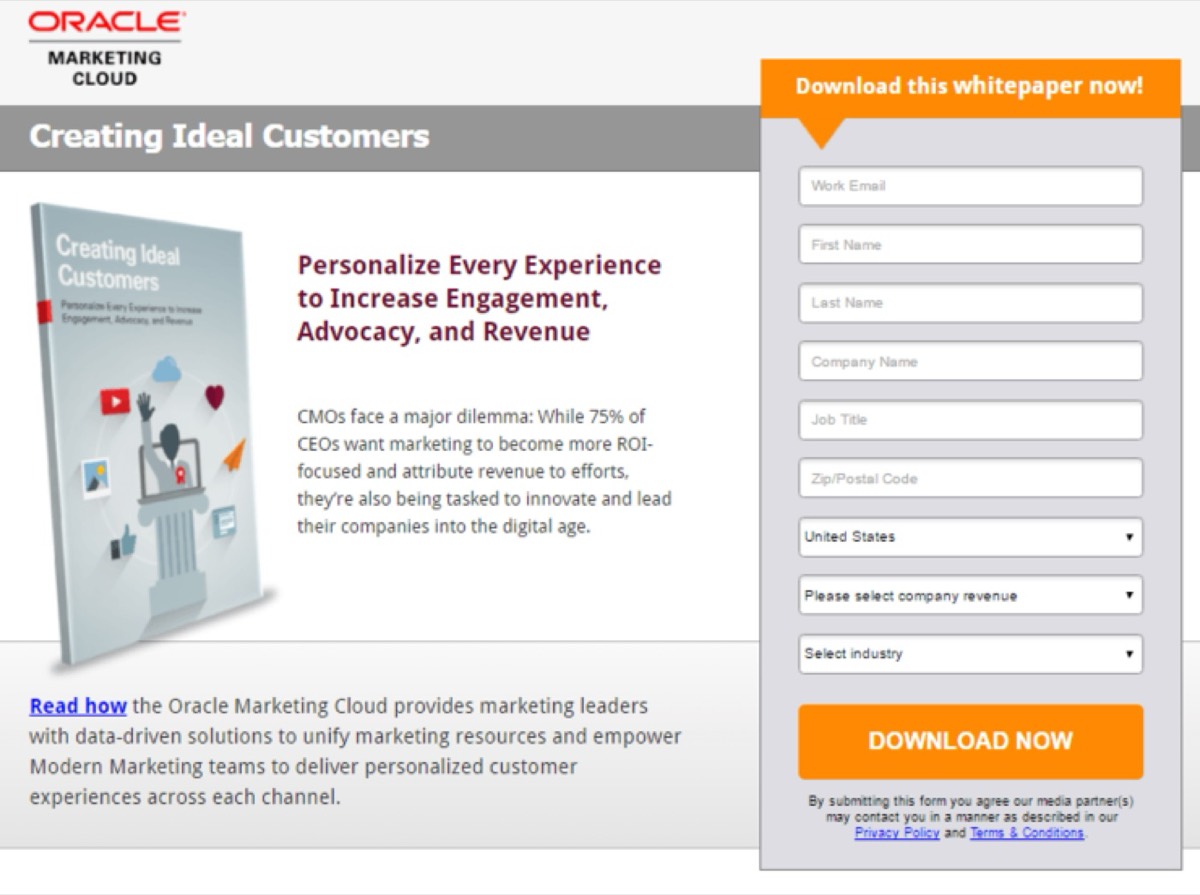
1. Oracle
2. Tableau

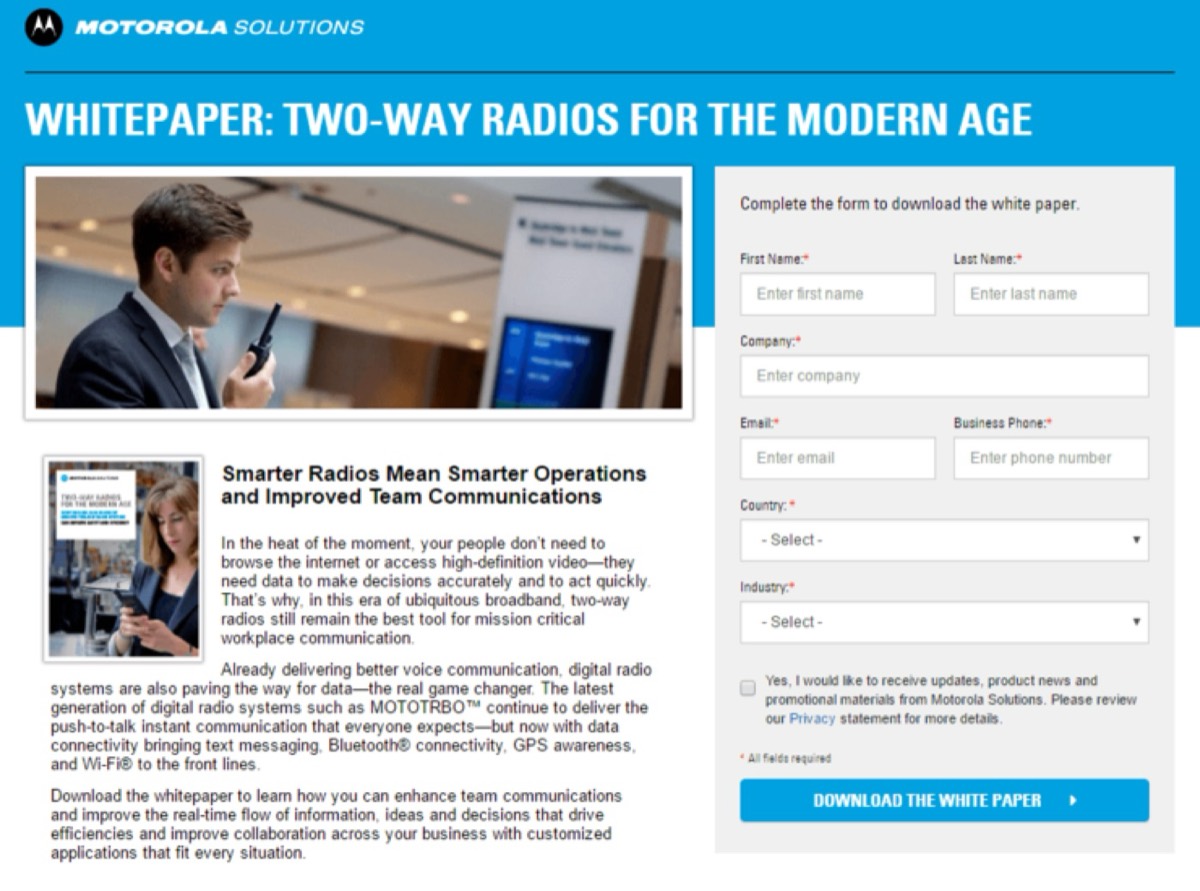
3. Motorola
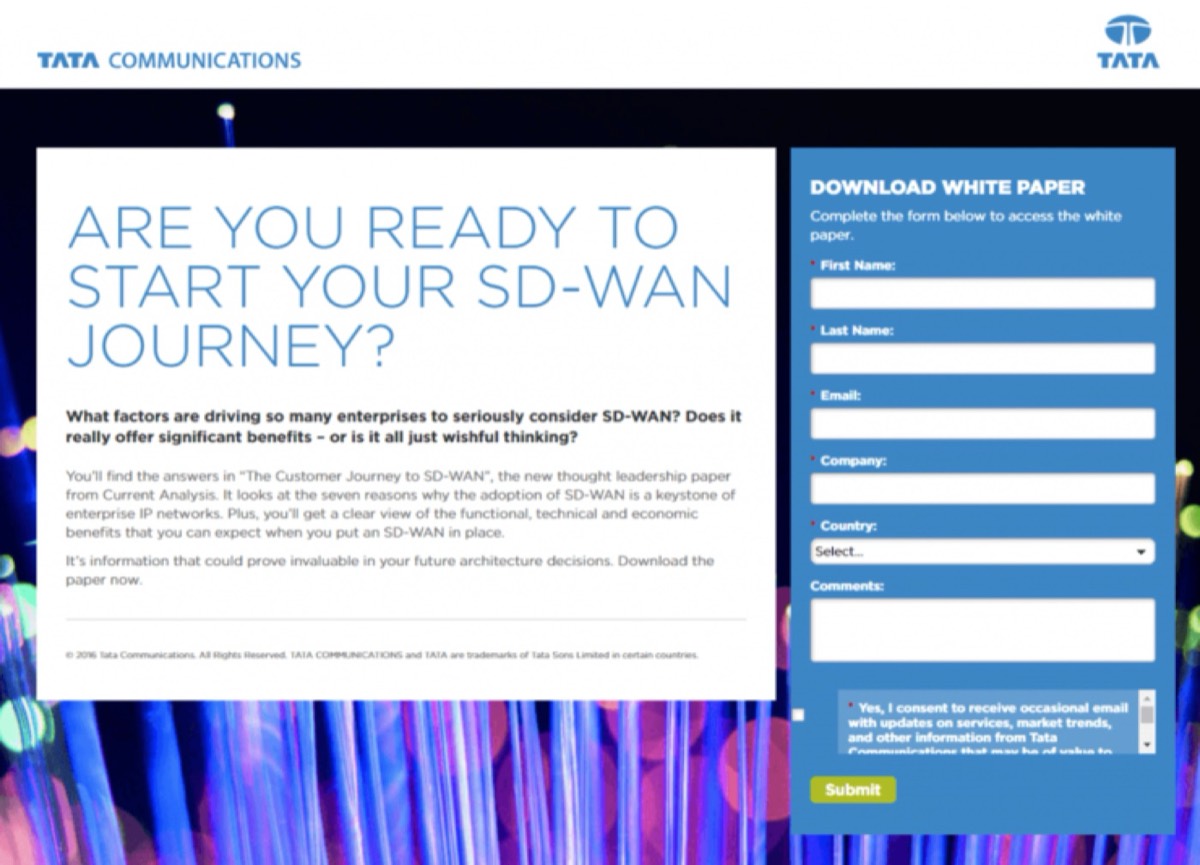
4. Tata Communications
5. NetSuite
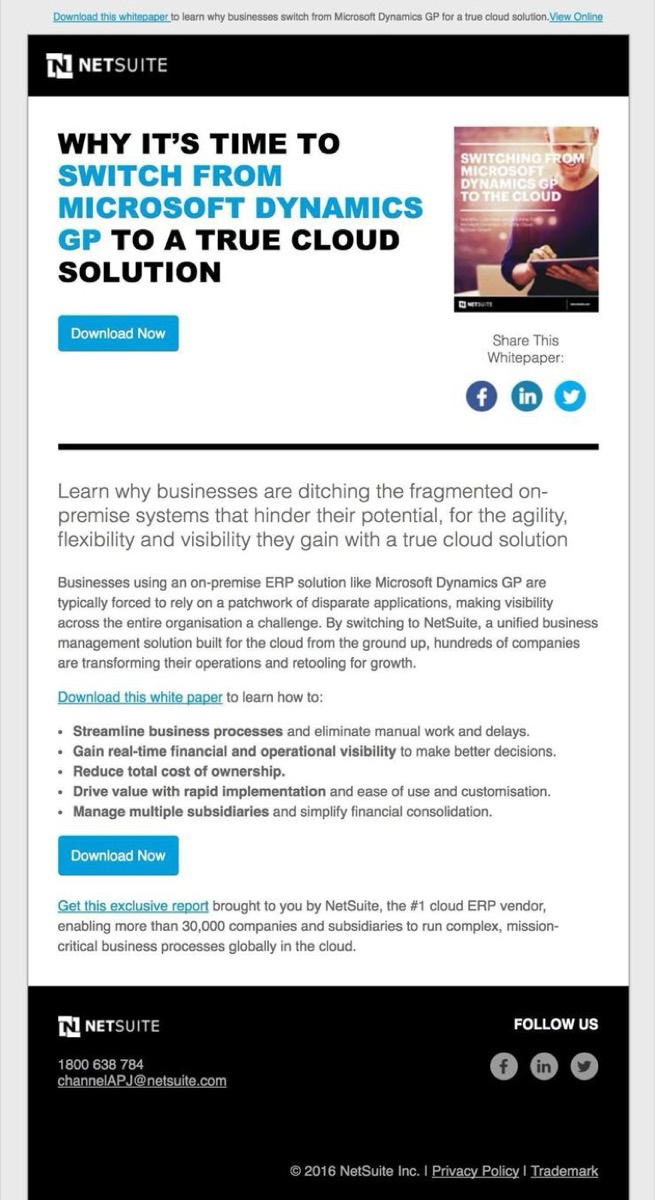
As the examples above show, effective white paper landing pages share a few common qualities: a compelling headline, a clear statement of what the reader will gain, a focused form, and a design that builds credibility at a glance.
White papers are one of the most misunderstood assets in content marketing. Many businesses underestimate the effort they require — and, as a result, underestimate the returns they deliver. A well-crafted white paper is a long-term asset: it generates leads, builds authority, grows your email list, and strengthens customer relationships simultaneously.
In a market where most content is shallow and disposable, a thoughtful, well-designed white paper stands out. It signals that your business takes its expertise seriously — and that signal resonates with exactly the buyers who matter most. If the design quality of your white paper is a concern, hiring a professional graphic designer rather than DIYing is worth considering — presentation quality affects perceived credibility.
A good white paper, as the principle goes, should discuss a relevant topic for the targeted reader, include unbiased and objective reasoning, contain adequate technical details, and quote credible, verified references. Meet that standard, and your white paper will keep delivering value long after its initial publication date.
Digital Polo designs professional white papers and marketing documents for one flat monthly fee with unlimited revisions. Start for $399/mo → | Soulmate at $899/mo →
Frequently Asked Questions About White Paper Marketing
What is the difference between a white paper and an eBook? White papers are typically more formal, data-heavy, and technical — designed to present evidence-based analysis of a specific business or industry problem. eBooks are usually broader in scope, more conversational in tone, and easier to read. White papers are often used in B2B sales cycles to influence purchase decisions; eBooks tend to be used for broader audience education and top-of-funnel awareness.
How long should a B2B white paper be? Industry standards typically put a white paper at a minimum of 6 pages, with complex topics often running 15–30 pages or more. The right length depends entirely on the topic — it should be as long as necessary to present the problem, evidence, and solution comprehensively, but no longer. Padding reduces credibility.
How do I promote my white paper to get more downloads? Publish it on your website behind a simple email capture form. Promote it across LinkedIn, Twitter, and Facebook with social share buttons embedded in the document itself. Use it in email campaigns — both as a newsletter feature and in trade show follow-ups. Run LinkedIn Sponsored Content to reach a targeted professional audience. Offer it as a bonus incentive for newsletter signups.
Should my white paper be gated (require an email to download)? For lead generation purposes, yes — gating your white paper behind a simple email form is standard practice and significantly increases the quality of leads you capture. However, if your primary goal is brand awareness and establishing authority, an ungated white paper can reach a wider audience and generate more organic sharing.
What makes a white paper effective for lead generation? The most effective white papers address a genuinely painful problem your target audience experiences, provide actionable and evidence-based solutions, are professionally designed (not just well-written), and include a clear, appropriately timed Call to Action. The topic must be specific enough to attract your ideal buyer and not so broad that it fails to differentiate your expertise.