Fonts are the foundation of every design they appear in. A complete knowledge of font types, their importance, and applicability is essential for every designer — because no single font type works for every business. Readability is not the only factor to consider when choosing a typeface. You must also evaluate whether the font aligns with your client's brand identity and how it will connect with the audience on an emotional and personal level.
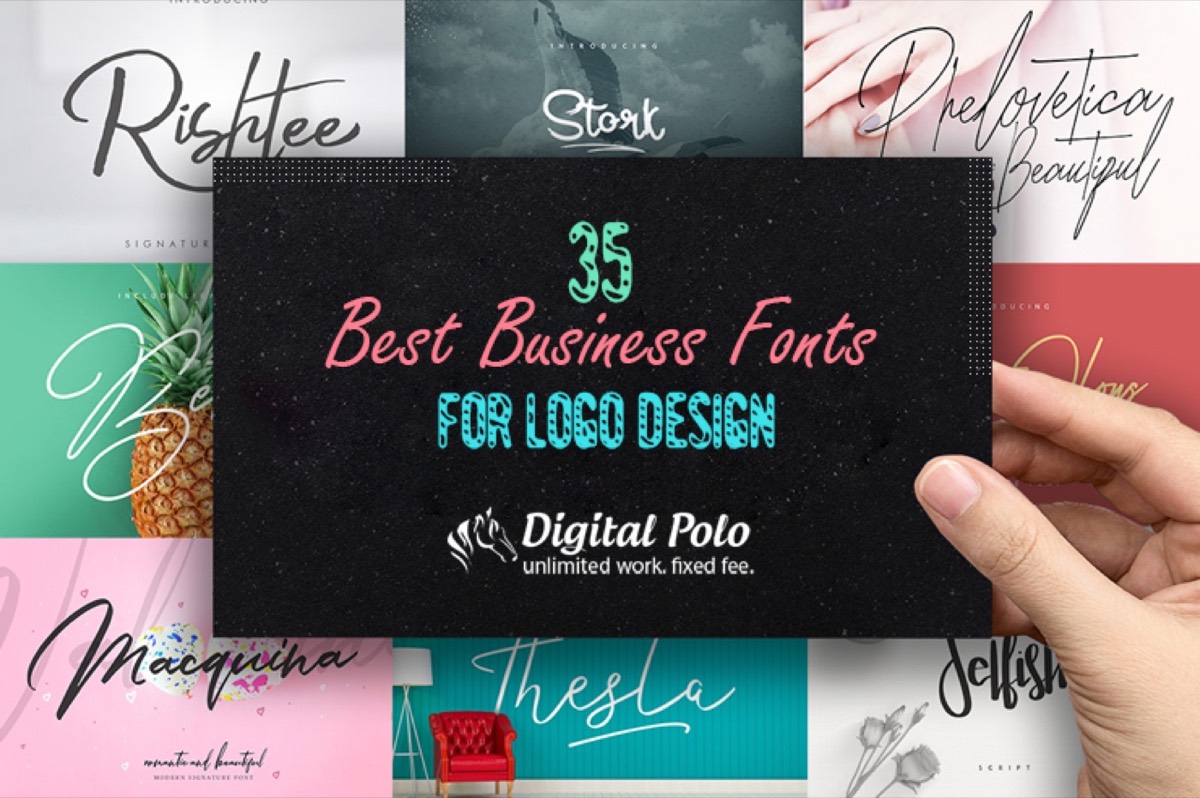
Beyond visual images, fonts play an equally significant role in communicating what your brand is, what it does, and how it benefits its audience. Choosing the wrong font can undermine your business objectives. The right font for a brand is one that defines its industry, reflects its business type, and remains easily understandable to the public. If you want a curated starting point, our roundup of the 35 best business fonts for professional logo design covers the most reliable options across every category.
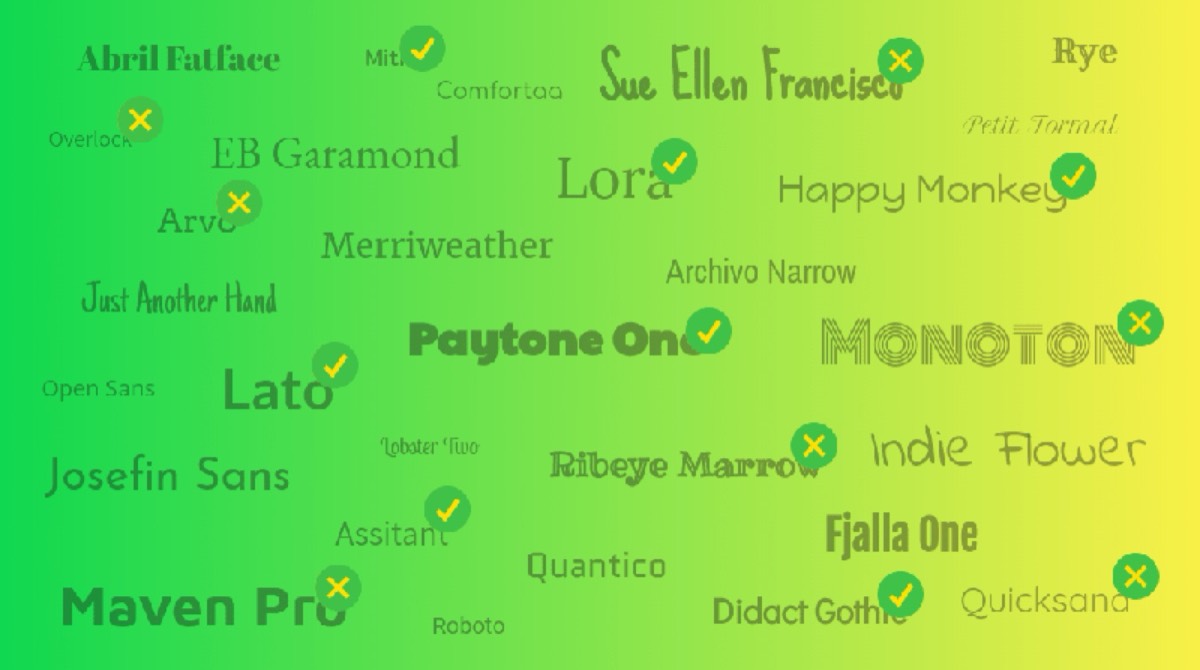
The perfect font for a brand is unique and memorable, compatible across all platforms, legible at various sizes, and clearly expresses the brand's personality. A brand name set in Comic Sans immediately reads as young, playful, and fun. The same name in Times New Roman reads as serious and traditional. Our mindset and mood shift with the fonts we encounter. This article will help you understand which font types suit which industries, how fonts are selected to match business values, and how to combine typefaces effectively for a single brand.
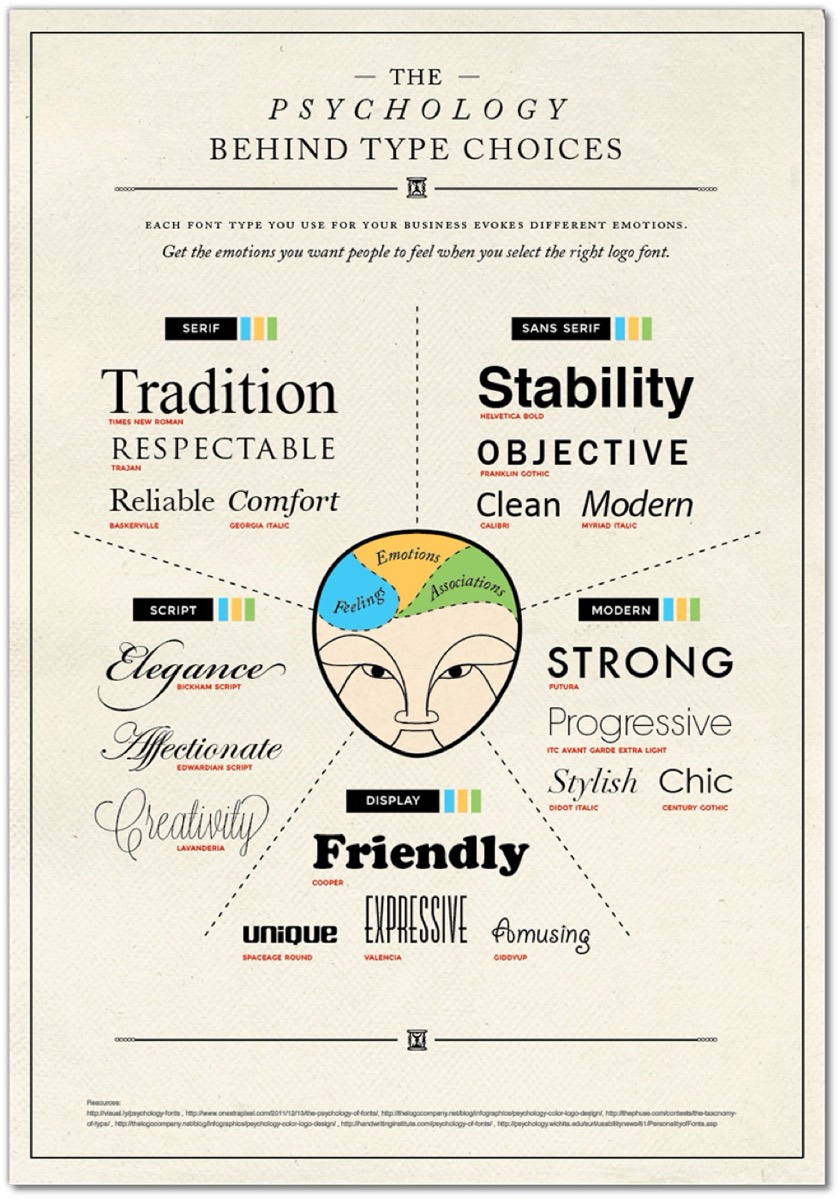
Understanding the Impressions a Brand Creates Through Its Fonts
Just as people mix and match clothing to create the right outfit, fonts serve the same role in design. A well-chosen combination of fonts makes a design meaningful and cohesive. Fonts can dramatically influence a viewer's thinking and drive subsequent action — they can function as the call-to-action key for customers.
Choosing a font or a font pairing can be influenced by industry trends. But brands can also choose to move differently and position themselves in a distinct way.
Trends are neither industry-specific nor permanent — they follow no rulebook. That said, certain font styles are strongly associated with emotional traits. Multiple geometric fonts in equal proportions suggest purity, simplicity, and cleanliness, which many tech brands use in their branding. Leading fashion houses, on the other hand, have an enduring love for high-contrast modern fonts with bracketed serifs, smooth arch-like curves, and stylish hairline strokes — a look that conveys perennial elegance. When you're ready to narrow your shortlist, our in-depth guide on how to choose the best font for your brand walks you through the decision process step by step.
The right font does more than put words on a page. It gives a brand a voice and a personality.
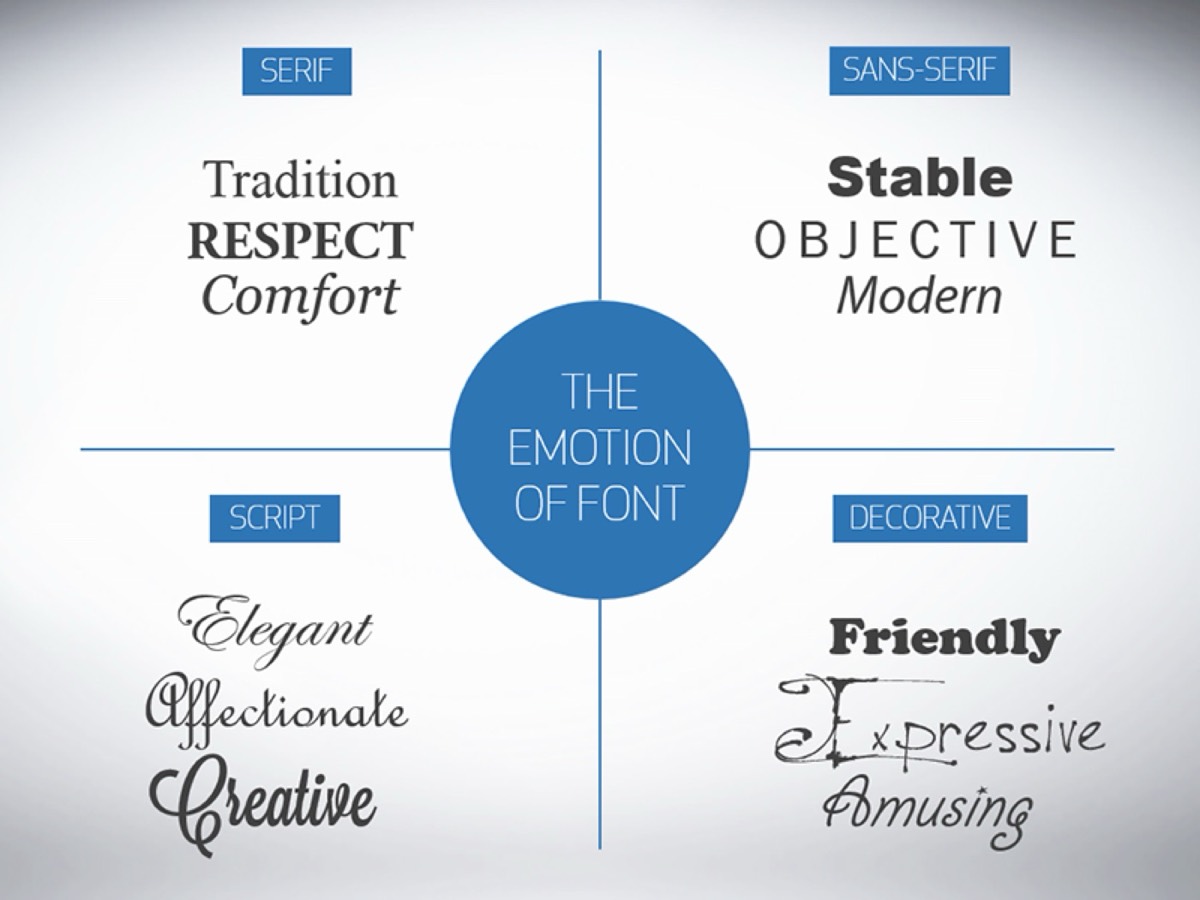
7 Basic Font Classifications for Your Brand
Most brands need at least three types of fonts: one that matches the brand's overall aesthetic, a strong secondary font, and a clear body copy font. Each font type has its own strengths and weaknesses, making it suitable for some businesses but not others. Before a person absorbs any other element of your branding, the font type will have already made an impression. Read about the seven major font groups below and learn which is right for your business.
Looking for professional designs that apply these strategies? See Digital Polo's plans →
Serif
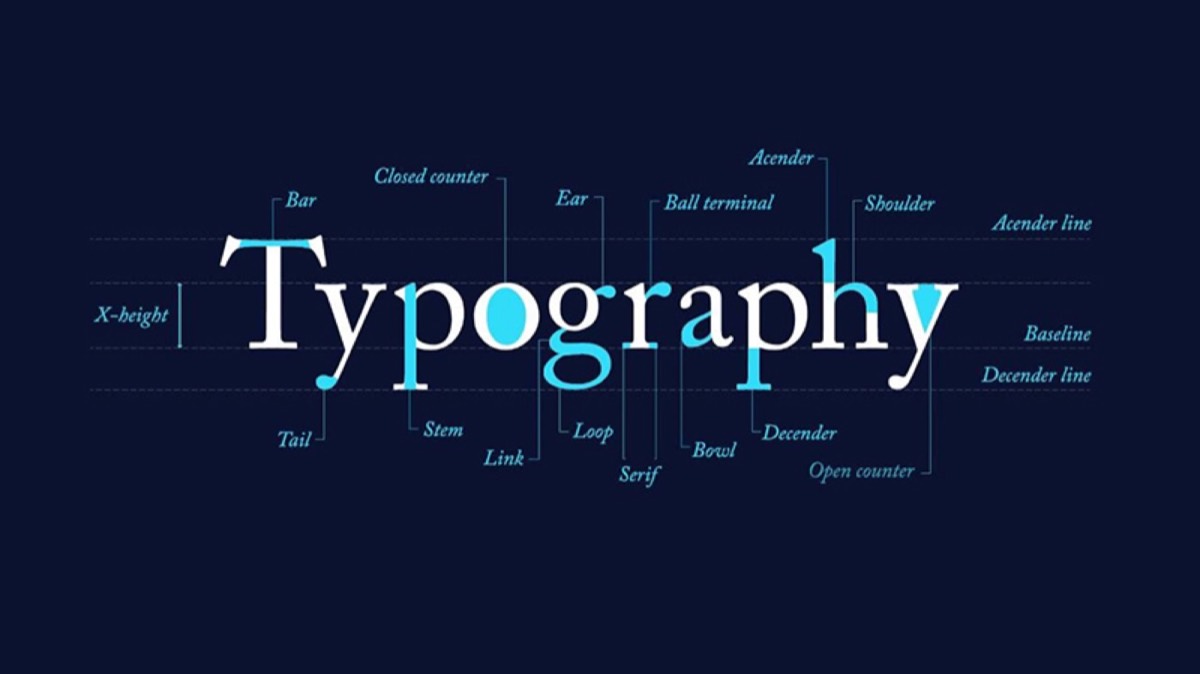
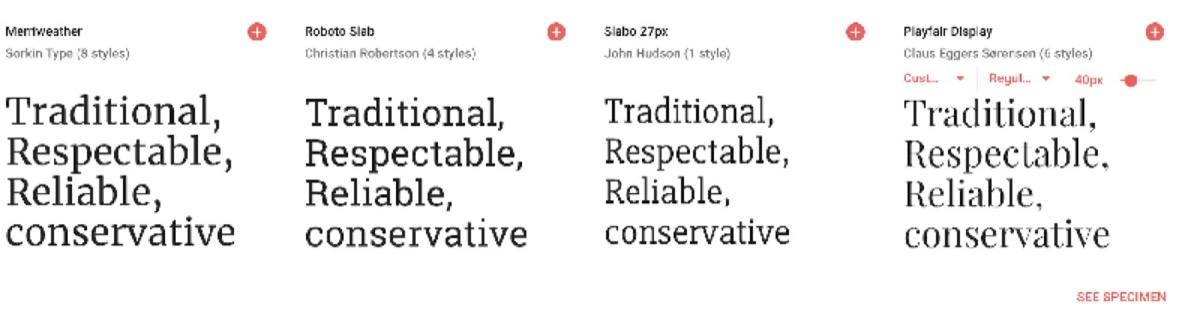
Originating in the 15th century, Serif is the oldest font classification. Because Serif fonts are the originals, they are perceived as traditional, trustworthy, and classic. The name comes from the small "feet" or strokes at the top and bottom of each letter. Businesses that want to be seen as timeless and sophisticated — like Vogue, HSBC, and Time Magazine — favor Serif fonts. From the beginning of printing, Serifs have been the preferred typeface for publishing. They carry the qualities of dependability, neutrality, reliability, and convention.
Popular Serif fonts:
- Times New Roman
- Playfair Display
- Lora
- EB Garamond
- Merriweather
- Baskerville
Sans-Serif
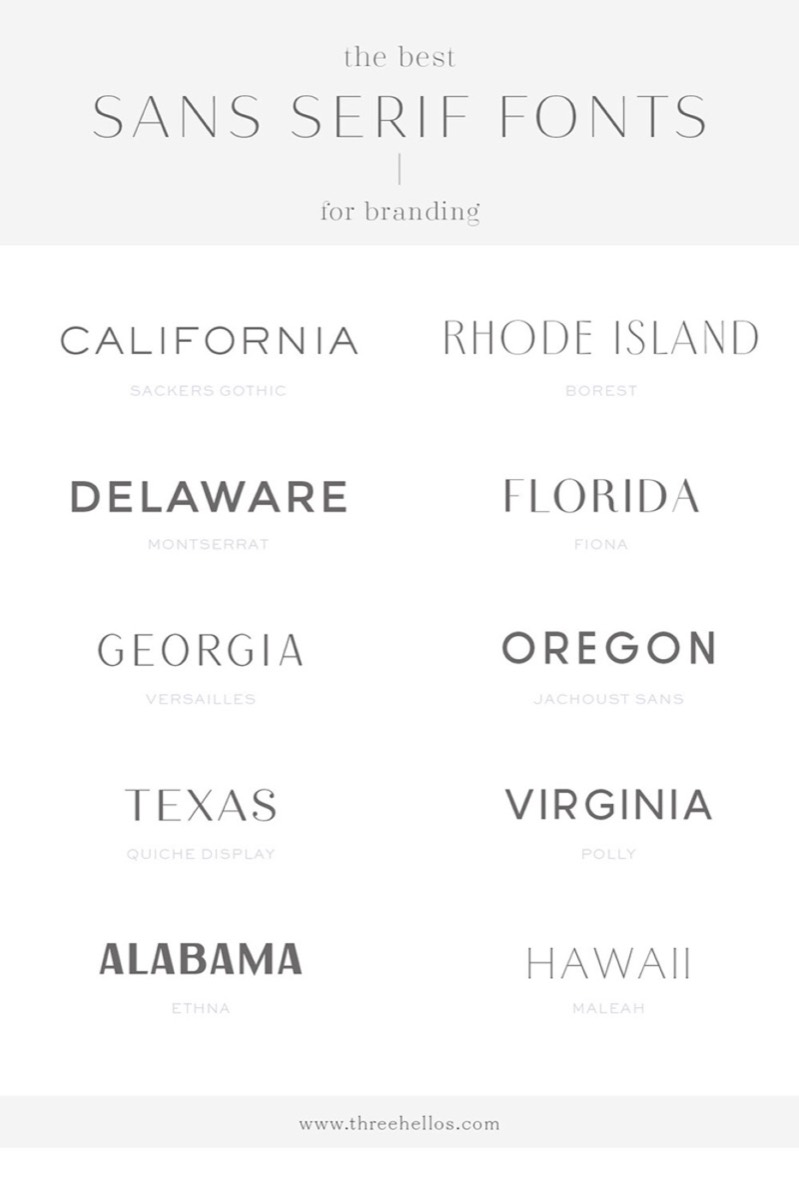
Emerging in the 19th century, Sans-serif is considered the modern alternative to Serif. The term means "without serif," and it projects more simplicity and cleanliness than its ancestor. Bold Sans-serif fonts have been adopted by leading tech companies — Google, Facebook, Netflix — because of their easy readability, straightforwardness, and contemporary feel. Unlike Serifs, Sans-serif letters have no decorative flags at their heads or tails. Brands that want to appear approachable and interactive tend to favor this font style.
Popular Sans-serif fonts:
- Calibri
- Arial
- Helvetica
- Century Gothic
- Open Sans
- Roboto
Slab Serif
Slab serifs are a special type of Serif font, larger and heavier in weight. In contrast to traditional serifs, they look bolder, rugged, and unconventional. Organizations that emphasize production quality, have a long history of success, and want to continue projecting strength use Slab serif. Letters in this classification are thicker at the base and are especially legible on posters, billboards, and outdoor advertising. Electronics, automobile, restaurant, and media companies often use Slab serif. Examples include Sony, Honda, and Volvo.
Popular Slab serif fonts:
- Arvo
- Roboto Slab
- Rockwell
- Courier New
Script Fonts
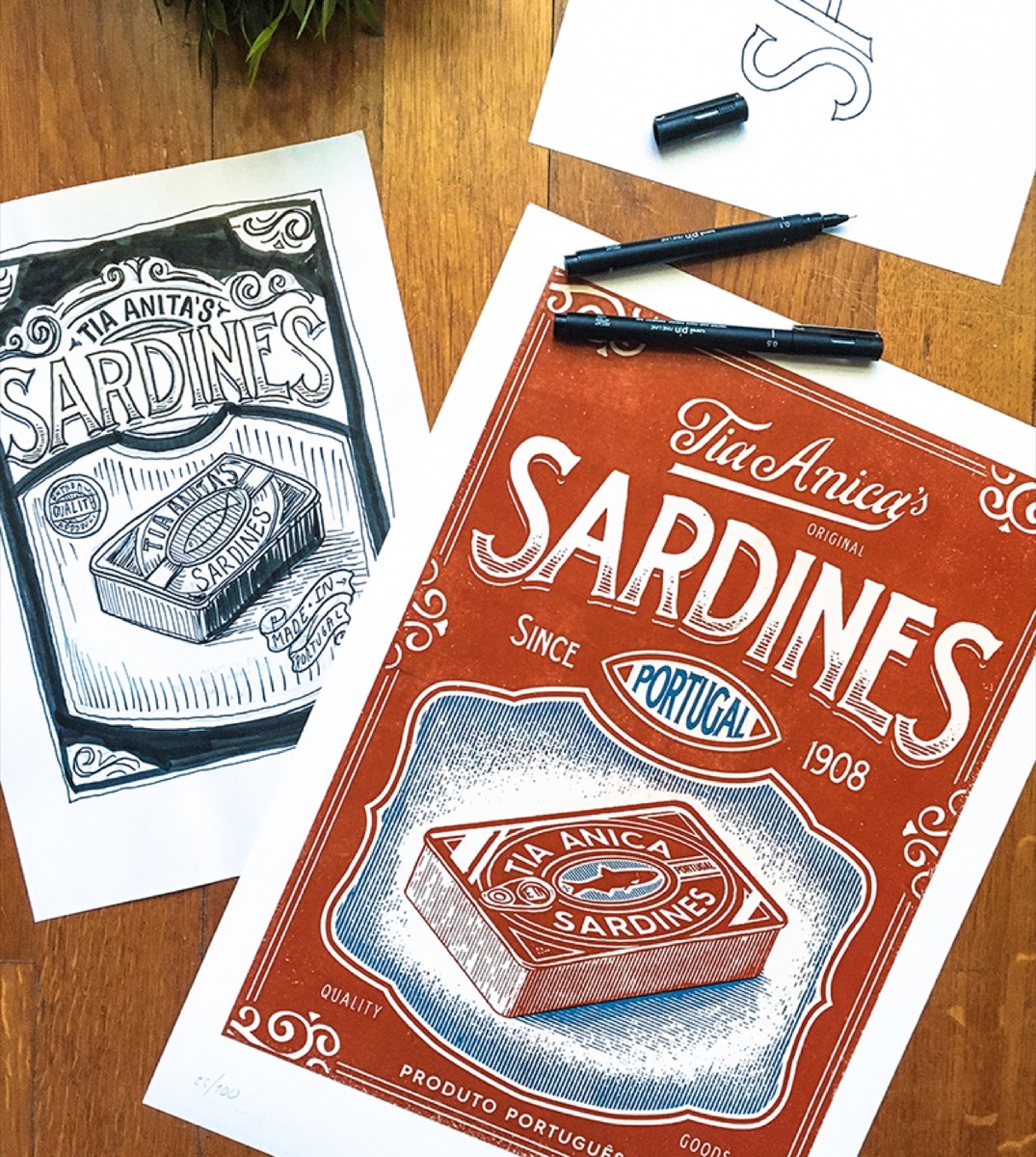
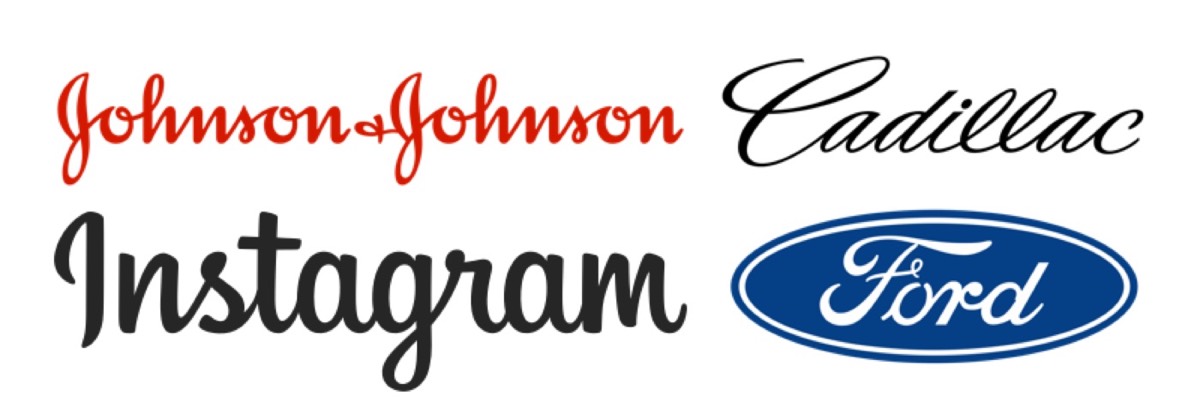
Script fonts consist of cursive letters connected through character strokes, giving them an uninterrupted, flowing appearance. Each Script font has its own character, imparting a unique identity. Script fonts are part of the decorative font family and give a creative, carefree look to a brand. Companies in creative fields — social media, baby products, and automotive — use script fonts. Examples include Instagram, Johnson & Johnson, and Ford.
Script fonts are further divided into two categories: casual and formal.
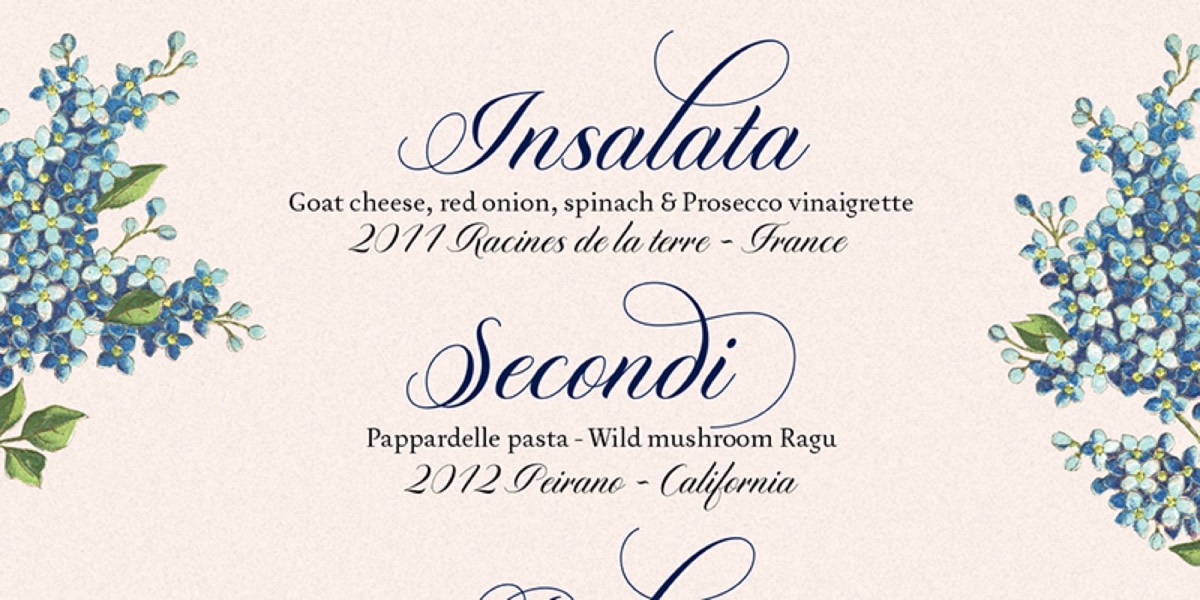
Formal script fonts feature large curling swashes and are prevalent in invitations, book covers, and traditional design work.
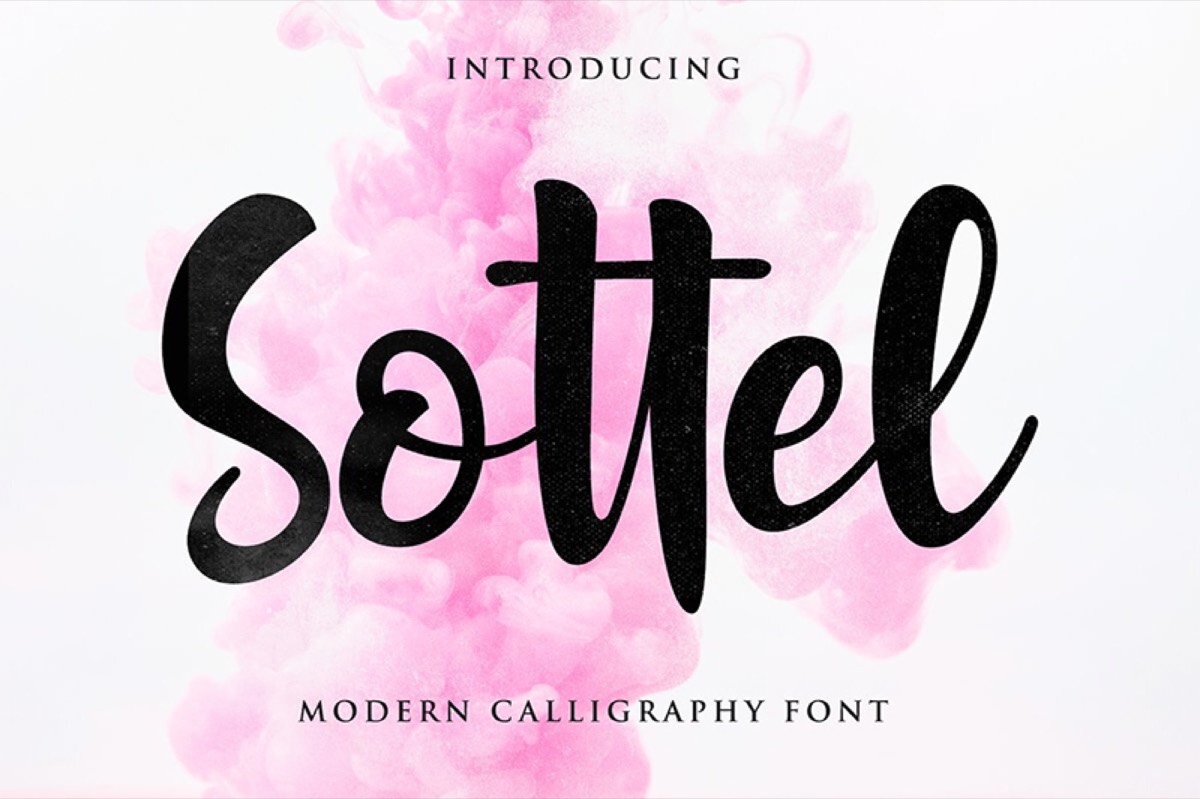
Casual script fonts are simpler and more modern, making them ideal for logos, posters, banners, postcards, website headers, and brochure headers. Script fonts with more curves are also associated with femininity, which women-oriented brands can use strategically.
Popular Script fonts:
- Pacifico
- Lobster
- Sofia
- Allura
- Satisfy
- Dancing Script
Handwritten Fonts
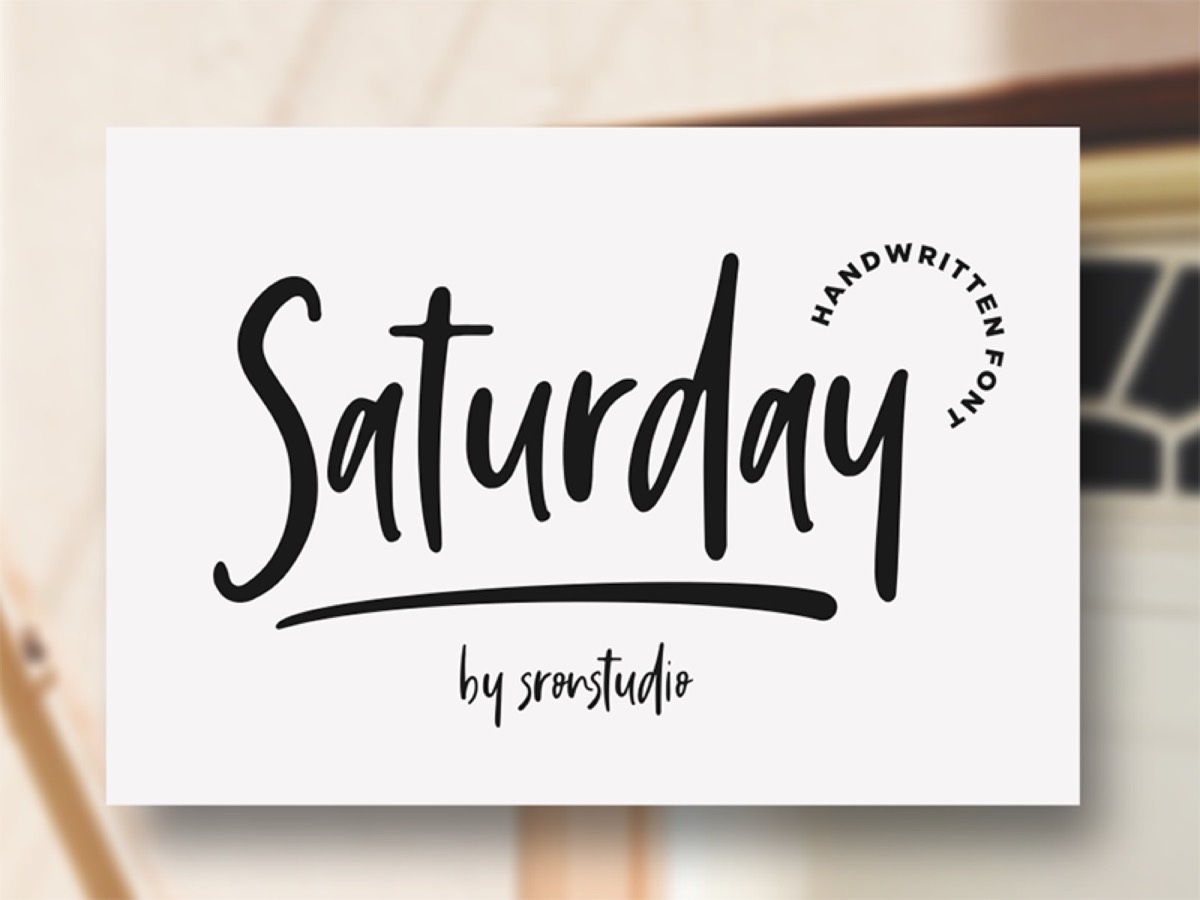
Handwritten fonts look like actual handwriting and give a personal feeling upon first sight. They differ dramatically from traditional Serif fonts and include some intentionally irregular letterforms. Brands that want to appear informal, young, playful, approachable, and funky use handwritten fonts. They are popular in entertainment and café branding — think Disney, John Hancock, and The Coffee Shop. Some handwritten fonts have limited punctuation, making them ideal for headlines in print media.
Popular Handwritten fonts:
- Permanent Marker
- Amatic SC
- Knewave
- Just Another Hand
- Patrick Hand
Decorative Fonts
Decorative fonts are designed to make text look distinctive, stylized, and dramatic. They are the most diverse and broad category in typography. Brands that require a highly stylized presentation can use Decorative fonts, which include unique forms, proportions, and shapes.
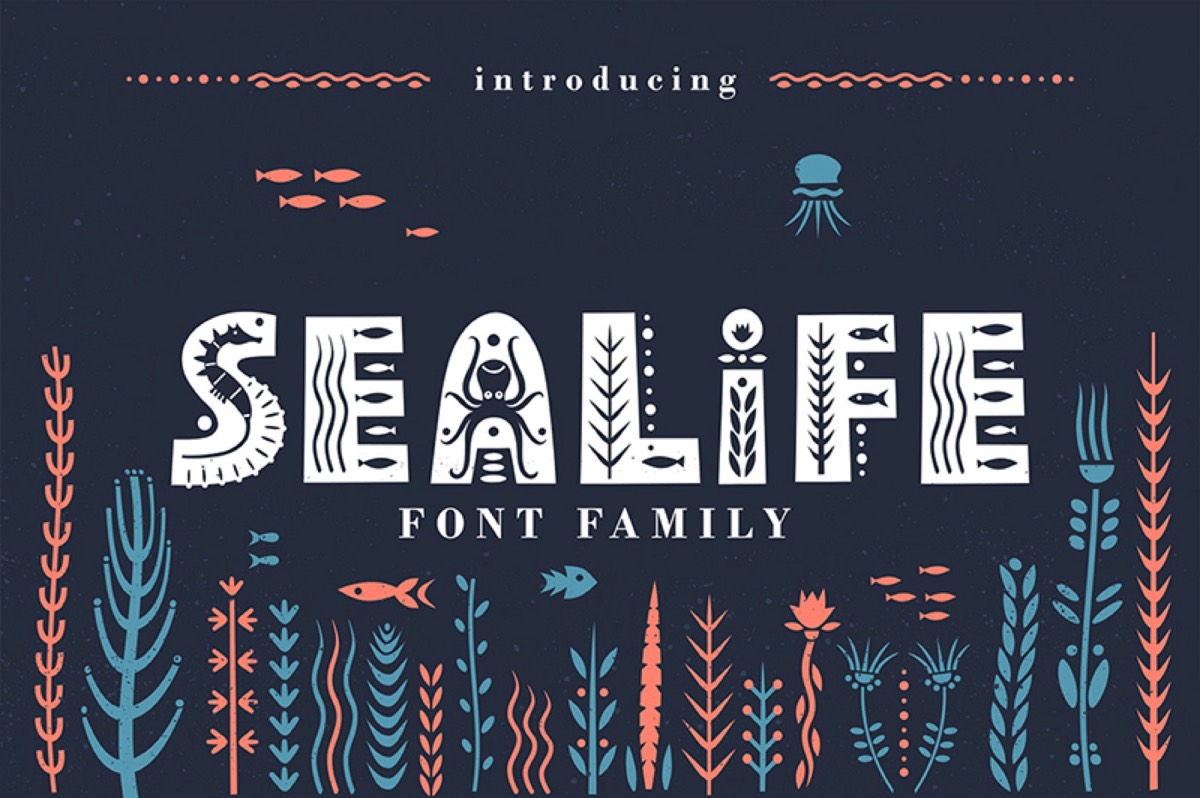
Companies that want to create a truly memorable brand impression — like IBM and Lego — use Decorative fonts effectively. Each font in this category is visually different, but they share personality traits like intriguing, flamboyant, and playful.
Popular Decorative fonts:
- Fredoka One
- Bangers
- Fredericka
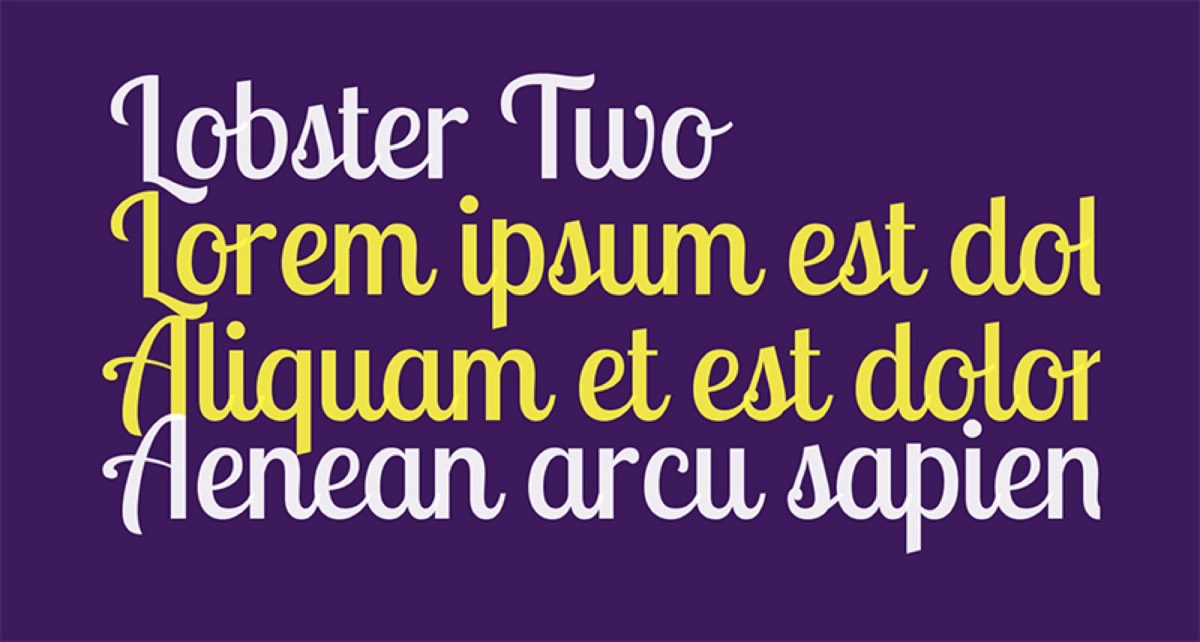
- Lobster Two
Modern Fonts
Born in the 18th century, Modern fonts — also known as Didone — are characterized by strong vertical stress and high contrast between thick and thin strokes. They project intelligence, elegance, and determination. Red Bull and Calvin Klein are notable examples of brands that use Modern fonts in their logos.
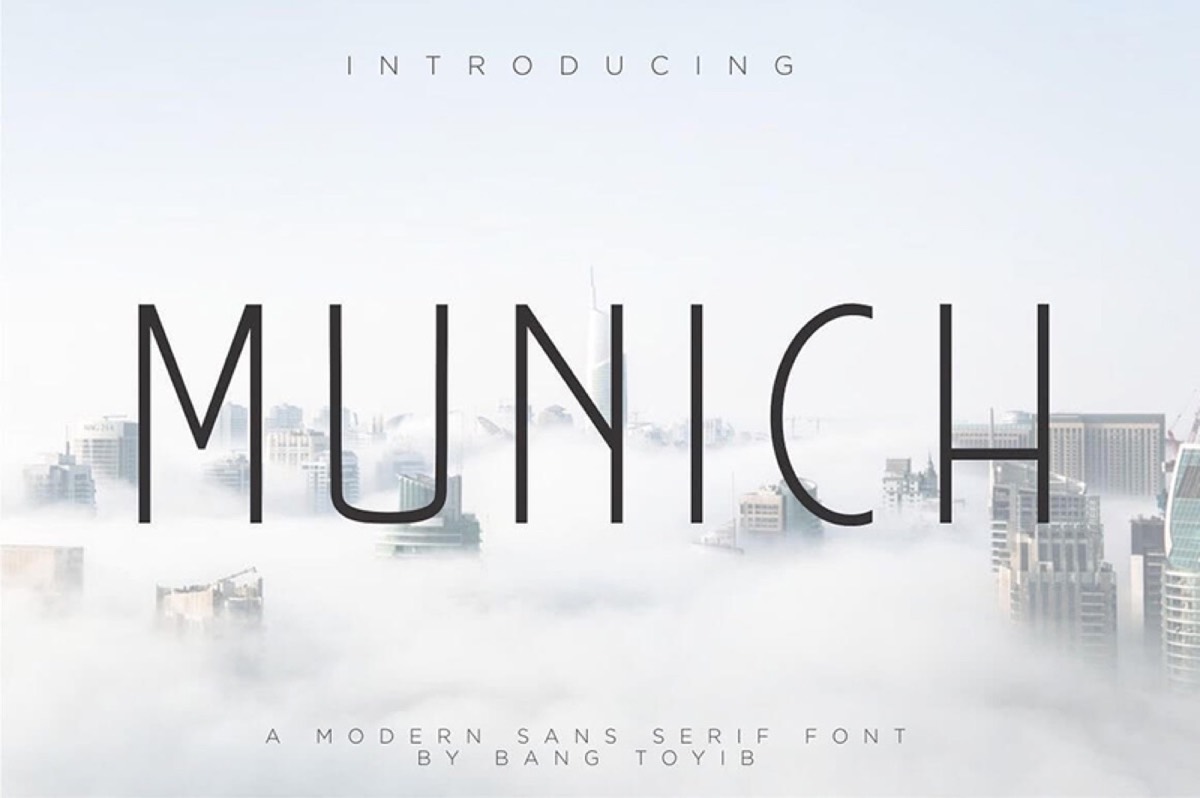
Popular Modern fonts:
- Bodoni
- Futura
- Empire
- Bedini
Font selection is not tied to any particular industry — it depends entirely on your brand's values and how you want to position it in the market. A wrong combination of fonts can undermine an otherwise strong brand identity. Choose a font type that clearly suits your industry, meets your business objectives, and is easily legible for your target audience. Once your typography is sorted, the next question is how it comes together in your logo — our guide to picking the best logo for your business covers the full picture.
Fonts may seem like a small detail in the branding process, but they create a lasting impact on business growth. Whether that impact is positive or negative depends on the choices you — or your graphic designer — make.
Digital Polo creates professional brand identities and logo designs for one flat monthly fee with unlimited revisions. Start for $299/mo → | Soulmate at $899/mo →
Frequently Asked Questions About Choosing Fonts for Business Branding
How many fonts should a brand use? Most brands work best with two to three fonts: a primary display font for headings and brand name, a secondary accent font, and a clean body copy font. Using too many fonts creates visual chaos and dilutes brand identity.
Can I use a decorative font as my primary brand font? Decorative fonts work well for logos and headlines but are difficult to read at small sizes or in long passages of text. Use them sparingly as an accent, and pair them with a clean Sans-serif or Serif for body copy.
Do font trends matter for business branding? Trends can inform your choices but should not dictate them. A well-chosen font that aligns with your brand values will serve you for years, while a trend-chasing font may feel dated quickly. Prioritize timelessness and brand fit over what is currently popular.
What font types work best for logos? Serif and Sans-serif fonts are the most reliable for logos because of their legibility at all sizes. Script fonts can add personality for lifestyle or creative brands. The key is testing how the font looks at both large and small sizes across different media.
Should I use a custom font or a standard font for my brand? Both are valid options. Standard fonts like Helvetica or Garamond offer familiarity and reliability. Custom fonts provide a unique identity and are harder to replicate. For most small to mid-sized businesses, a well-chosen standard font is more cost-effective and just as impactful.