"A brand for a company is like a reputation for a person. You earn reputation by trying to do hard things well." — Jeff Bezos
Strong branding is not a budget line item exclusive to enterprise companies. It is a strategic discipline — and the investment required is primarily time and consistency, not capital.
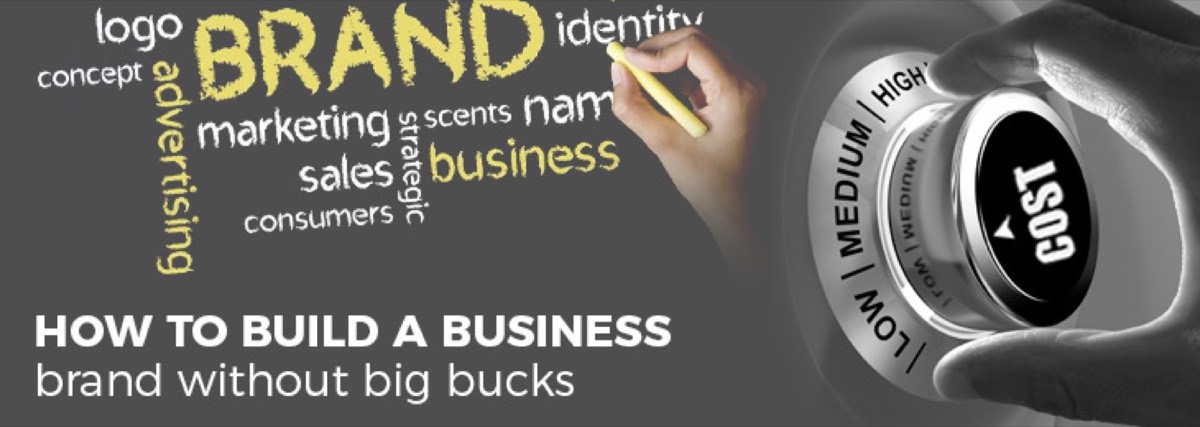
The cost of building a brand does scale with ambition: launching a national consumer brand requires different resources than branding a local service business. But the underlying principles — clarity, consistency, and credibility — are the same at every budget level. And with the right free and low-cost tools now available, a small business can build a brand identity that genuinely competes with much larger competitors.
Here are six strategies to build a strong brand on a limited budget.
1. Know Your Audience
Every effective branding decision starts here. Before choosing colors, fonts, or messaging, you need a precise picture of who you're trying to reach.
Audience definition is not demographic labeling. It requires understanding your target customer's actual problems, the solutions they are currently using, the language they use to describe their situation, and what they trust. That understanding informs every downstream brand decision — what the visual identity looks and feels like, which platforms to prioritize, and what the brand promise should be.
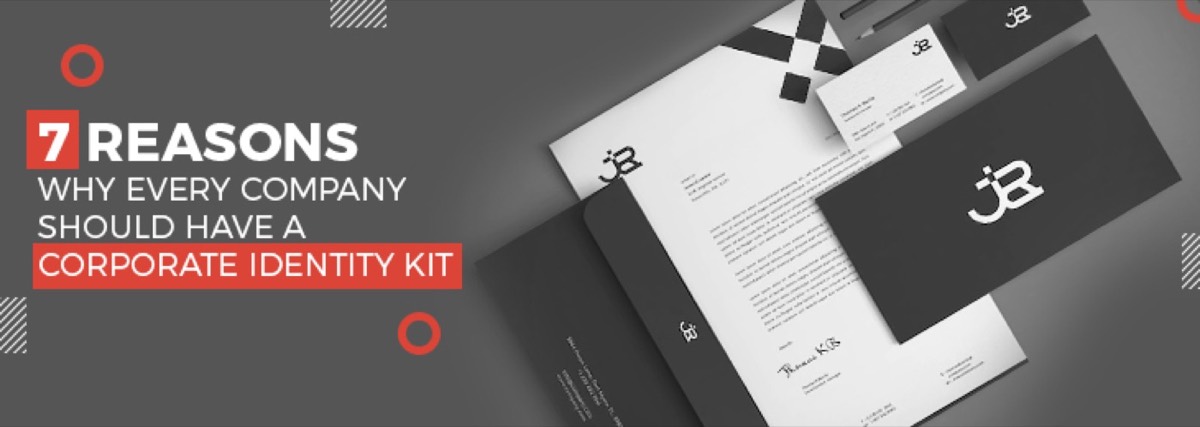
A practical way to build audience clarity cheaply: conduct 5–10 conversations with current or potential customers. Ask about their problems, their decision process, and the alternatives they considered. The language they use will consistently outperform marketing copy generated in a vacuum. A complete corporate identity kit — covering everything from logo usage to color standards — gives even a small team the tools to stay consistent; every company needs one.
2. Establish a Clear Brand Identity
Brand identity is the set of visual and verbal elements that create a recognizable, consistent impression wherever the brand appears. For a budget brand build, the essential components are:
Logo: The brand's visual anchor. It needs to be clear, scalable (readable at both 16px and billboard size), and distinctive enough to own. Free options like Canva and Looka produce usable logos for early-stage businesses. Canva's Logo Maker offers brand-aligned templates at no cost. Looka ($65 one-time for a basic package) generates professional logo variations from a brief.
Color palette: Choose 2–3 colors and define exact hex codes. Apply them without deviation across every brand touchpoint. Free tools: Coolors (coolors.co) generates and exports professional palettes; Adobe Color offers color theory-based suggestions.
Typography: Select one heading typeface and one body typeface and use them consistently. Google Fonts (fonts.google.com) offers hundreds of professional-quality fonts at zero cost, including popular combinations like Playfair Display + Lato or Montserrat + Open Sans.
Brand voice: A short document defining the tone and style of every piece of written communication — whether the brand sounds formal or conversational, authoritative or approachable. This guides every email, social post, and web page.
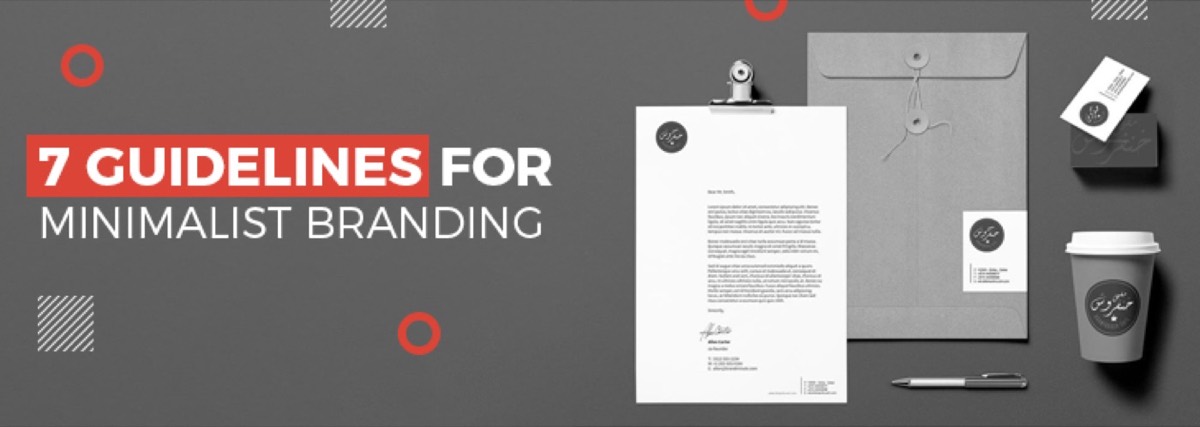
The design pattern and scheme must be consistent across all platforms — websites, social media, business cards, brochures, email signatures. Irregularity in brand application actively undermines the recognition you're trying to build. For brands aiming at a clean, uncluttered look, minimalist branding principles provide a useful framework for keeping the identity focused.
3. Develop an Out-of-the-Box USP
In any market with more than a handful of competitors, a Unique Selling Proposition (USP) is the single most leverageable brand asset. The USP answers the question: "Why should a customer choose you over the alternatives?"
A strong USP is specific and honest. "High quality" and "great service" are table stakes, not differentiators. The USP needs to identify something genuinely distinctive — a process, a guarantee, a model, a philosophy — that competitors either can't or won't match.
Dollar Shave Club's USP in 2012 was simple: "A great shave for a few bucks a month." In a category dominated by Gillette's expensive razor cartridge model, that single positioning claim — cheap, convenient, subscription — built a brand valuable enough for Unilever to acquire for $1 billion four years later. The branding didn't require a large budget; it required a genuinely distinctive position and the creative confidence to state it plainly.
Identify what your business does better or differently than competitors — price, speed, specialization, values, model, guarantee — and make that the center of gravity for every brand communication.
4. Use Social Media to Its Full Potential
Social media is the most effective brand-building channel available to budget-constrained businesses. It requires primarily time and creative discipline, not advertising spend.
Organic social media branding works through consistency and value:
- Define your content pillars: 2–3 topics you will own on each platform, aligned with your audience's interests and your brand's expertise
- Apply the 70-20-10 rule: 70% valuable/educational content, 20% curated content, 10% promotional content
- Use your brand's color palette and typography in every visual post
- Post on a schedule you can maintain — consistency over frequency
Scheduling tools with free tiers: Buffer, Later, and Hootsuite all allow scheduling across multiple platforms with no cost for small accounts.
Free design tools: Canva offers social media templates sized for every platform, pre-loaded with brand color and font settings that can be saved and reapplied across every post.
Hashtags, interactive content (polls, questions, quizzes), and engagement with followers in the comments all build reach without paid promotion.
Building relationships with micro-influencers — accounts with 5,000–50,000 highly engaged followers in your niche — typically produces better ROI per dollar than mass-reach campaigns and is accessible even on minimal budgets.
Get a professional brand identity designed without per-project fees. See Digital Polo's subscription plans →
5. Increase Audience Interaction
Direct audience interaction builds brand loyalty faster than broadcast content. It creates a two-way relationship — and customers who feel a genuine connection to a brand spend significantly more and churn significantly less.
Budget-accessible tactics for building interaction:
Webinars and live Q&As: A business selling a product or service can run live sessions that demonstrate expertise and create direct conversation with prospects. The investment is primarily time. Zoom, YouTube Live, and Instagram Live all offer this at no cost.
Community building: Creating a community around the problem your brand solves — whether that's a Facebook Group, a Discord, a LinkedIn community, or a newsletter with genuine editorial value — positions your brand as a resource, not just a vendor.
Response cadence: Responding to every comment and direct message creates earned credibility that paid advertising can't replicate. Customers notice which brands engage.
6. Prioritize Customer Service as a Brand Investment
Customer service is your most direct influence on brand perception — more direct than any advertising. A 2024 Zendesk study found that 81% of customers say positive service experiences make them more likely to repurchase and recommend.
Exceptional customer service produces earned media: word-of-mouth recommendations, public social media posts, and positive reviews that appear in every purchase consideration search. These are assets that compound in value over time and require no advertising budget to generate.
Practical brand-building through customer service:
- Establish response time standards and hold to them (24-hour maximum for email)
- Create a feedback loop — ask customers about their experience and act visibly on what you hear
- Resolve problems fast and publicly when they occur — the recovery experience often creates stronger loyalty than a problem-free one
Free and Low-Cost Branding Tools Summary
| Tool | Use Case | Cost |
|---|---|---|
| Canva | Logo, social media, presentations | Free / $15/mo Pro |
| Looka | Logo generation | $65 one-time (basic) |
| Coolors | Color palette creation | Free |
| Google Fonts | Typography | Free |
| Buffer / Later | Social media scheduling | Free (limited) |
| Mailchimp | Email marketing | Free up to 500 contacts |
Conclusion
Branding on a budget is not about cutting corners on brand quality — it is about applying the same strategic principles more efficiently. If your business sells online, ecommerce branding strategy adds another layer to these principles, covering how to build trust and convert visitors in a digital-first context. Know your audience before choosing aesthetics. Build a consistent identity with free tools. Develop a USP that is genuinely distinctive. Use social media for organic reach. Build community through direct interaction. Let customer service generate the word-of-mouth that paid campaigns can't buy.
The brands that achieve recognition on limited budgets are not the ones that spent less — they are the ones that were more strategic with every decision.
When you're ready to move beyond DIY to a professional brand identity, Digital Polo creates complete brand identities — logos, business cards, social media kits, and style guides — for one flat monthly fee. No per-project costs. Start for $299/mo → | Soulmate at $899/mo →
Frequently Asked Questions About Budget Branding
How do I build a brand with no money? Start with free tools: Canva for visual identity, Google Fonts for typography, Coolors for your color palette, and social media for organic reach. The most important investment is not money but time — consistent posting, genuine customer engagement, and a clear unique selling proposition cost nothing but pay back significantly in recognition and trust over time.
What is the cheapest way to brand a small business? The most cost-effective approach is: (1) define your audience and USP first, (2) create a simple logo using Canva or Looka, (3) build a 3-color palette, (4) establish brand-consistent social media profiles, and (5) focus on organic content and customer service to build reputation. Total cash investment can be under $100 for the initial brand setup.
How much does branding cost for a small business? DIY branding using free tools can cost less than $100. Using a freelancer for a logo and basic identity typically runs $300–$2,500. Full brand identity from a boutique agency runs $2,000–$15,000+. A design subscription like Digital Polo covers unlimited brand design work — logo, business cards, social media, and more — for a flat $299/mo with no per-project fees.
What is a USP in branding? A Unique Selling Proposition (USP) is the single most important differentiator between your brand and its competitors — the specific reason a customer should choose you over alternatives. An effective USP is honest, specific, and directly addresses what your target customer values most. It should appear in your brand messaging, your website headline, and every key brand communication.
What free tools can I use for branding? Canva (logo and social media design), Coolors (color palette generation), Google Fonts (professional typography at zero cost), Buffer or Later (social media scheduling), and Mailchimp's free tier (email marketing up to 500 contacts) together cover the core tools needed to build and maintain a brand visual identity at no cost.