Choosing a graphic design outsourcing partner is a decision that directly affects your brand. The right partner becomes an extension of your team — producing consistent, professional output that builds recognition and trust. The wrong one costs you time, money, and brand equity that can take years to rebuild. If you're still deciding whether to outsource at all, our post on why most businesses stop doing graphic design in-house makes the financial case clearly.
The challenge is that most design agencies look good from the outside. Portfolios are curated, testimonials are hand-picked, and pricing looks competitive until the project begins and scope creep sets in. Knowing which criteria actually separate reliable partners from unreliable ones makes the evaluation process much faster.
Here are the six factors that matter most.
1. Experience and Portfolio Depth
Experience in design isn't just years in business — it's the breadth and quality of work produced across different industries, formats, and scales.

When evaluating a potential partner:
- Review their portfolio across multiple categories: brand identity, print, digital, social media
- Look for work in your industry or for brands at your stage — a portfolio full of enterprise work tells you little about how they handle SMB briefs
- Check that the quality is consistent throughout — curated "best work" portfolios hide weak execution on routine projects
Ask for live examples of work they've done — not just mockups. See the logos in use, the printed materials in production, the websites live on the web. This is the most reliable signal of real-world quality.
If they can't show you live examples, that's a yellow flag. If they won't, that's a red one.
2. Understanding of Your Business Goals
Design work that ignores business objectives produces beautiful assets that don't convert, don't communicate your positioning, and don't support your sales process.
Before committing to a partner, assess whether they understand the difference between art and business design. Ask them: "How would you approach a brief for a company in our sector?" A competent design partner should ask you about your target customer, your competition, and what the specific design asset needs to accomplish — before they ask about colors or aesthetics.
The deliverable isn't a logo or a brochure. The deliverable is a communication tool that serves a specific business purpose. Partners who don't understand that distinction will consistently miss the brief.
3. A Trial Project Before a Long Commitment
Any credible design outsourcing partner should welcome a trial project before you commit to a retainer or subscription. This trial reveals more about a partner than any portfolio review can.

What to evaluate during a trial:
- Turnaround time: Did they deliver within the promised window?
- Brief interpretation: Did they ask clarifying questions, or did they just produce something and hope for the best?
- Revision quality: When you gave feedback, did the next version demonstrate that they understood it?
- Communication: Were they responsive and professional throughout?
A single business card or social media graphic is enough to evaluate all of these things. If the partner objects to a trial project, move on.
Already know outsourcing is the right call? Digital Polo's design subscription starts at $399/mo with no long-term commitment. See what's included →
4. Communication and Support Standards
Design projects require back-and-forth — brief clarification, feedback rounds, revision requests, file delivery. A partner who is difficult to reach, slow to respond, or unclear in their communication adds friction to every project.
Before signing, establish:
- Who is your primary point of contact? (A dedicated account manager is significantly better than a shared inbox)
- What are the response time guarantees for feedback and revisions?
- What channels do they use? (A combination of async written communication for briefs and synchronous chat or calls for complex feedback works best)
- What happens when the primary contact is unavailable?
For businesses that outsource across time zones — US companies working with India-based agencies, for example — the time difference can actually be an advantage: designers work during your off-hours, and the revised asset is ready when you start your day. But only if communication protocols are clearly established.
5. Pricing Transparency
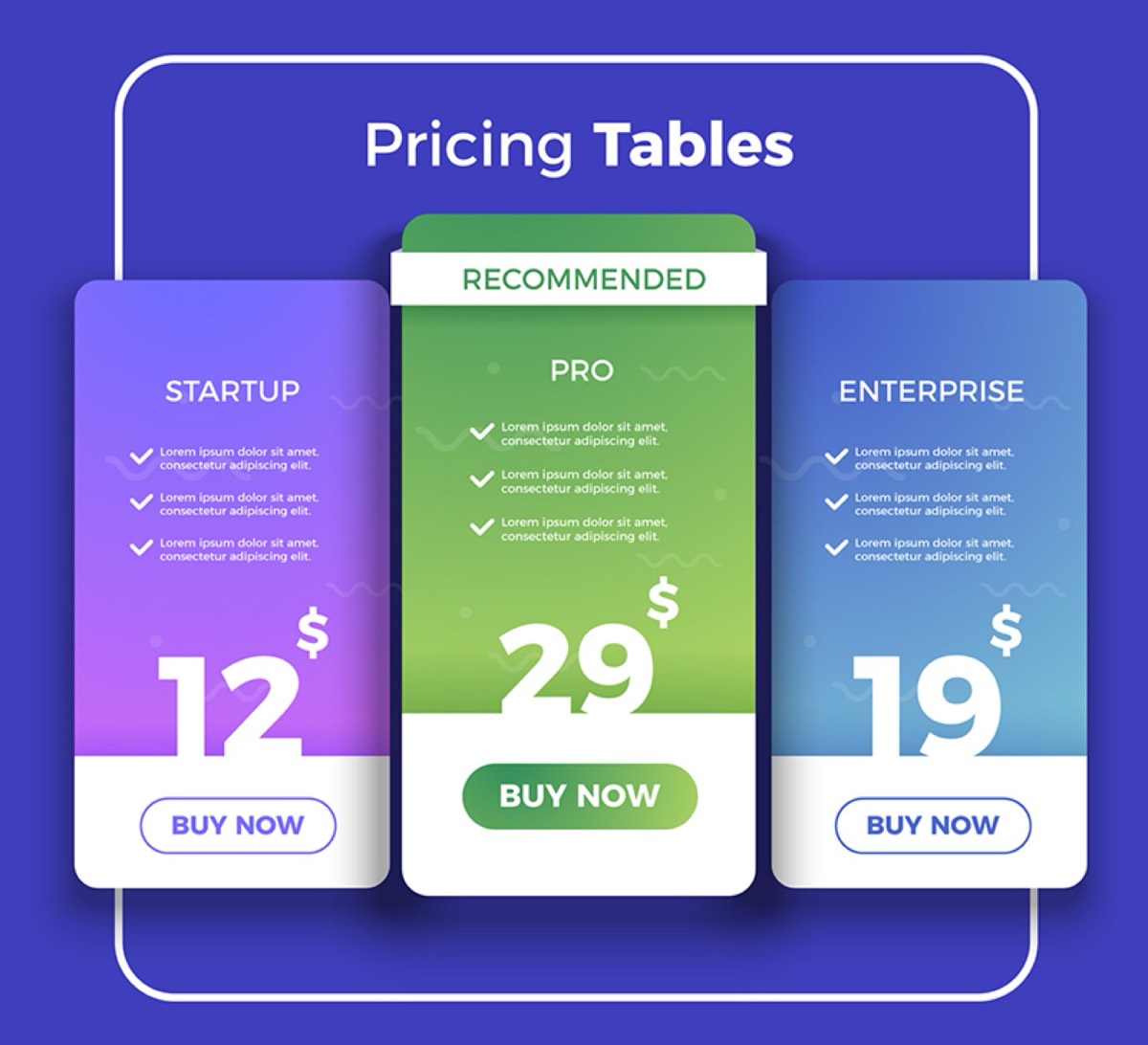
Hidden fees, scope creep, and post-project billing disputes are among the most common complaints about design agencies. Transparency in pricing protects both parties.
What to look for:
- Flat-rate or subscription pricing eliminates per-project negotiation and makes budgeting predictable. You know what you're paying each month, and there are no surprises.
- Itemized project pricing should clearly specify what's included, how many revision rounds are covered, and what triggers additional cost.
- Avoid any agency that can't give you a price range before seeing your brief. Legitimate agencies have enough experience to scope projects accurately.
Digital Polo operates on flat-rate subscription pricing: $399/mo (Partner) or $899/mo (Soulmate). No per-project quotes, no revision billing — the monthly fee covers everything.
6. Location and Time Zone Considerations
Many US and European businesses outsource graphic design to India, the Philippines, or Eastern Europe — primarily for cost and quality reasons.

India specifically has a structural advantage for outsourcing: the 10–12 hour time difference with the US means designers work during US off-hours. A brief submitted at end-of-day US time can be delivered by the time the client starts their next morning. This effectively compresses 24-hour turnaround into the equivalent of a same-day service.
When evaluating a partner based outside your region:
- Confirm they have US or EU business registration if that's important to your contract requirements
- Check that their customer support hours overlap with at least part of your working day
- Verify that English-language communication is strong throughout the sales process — because communication quality during sales is the best predictor of communication quality during delivery
Red Flags When Evaluating a Design Outsourcing Partner
Watch for these warning signs before you commit:
- No live portfolio examples — only mockups or "sample" work with no real client attribution
- Pressure to sign a long-term contract before a trial — credible partners let the work speak for itself
- Vague revision policy — "unlimited revisions" with no definition of what counts as a revision is a billing dispute waiting to happen
- No dedicated point of contact — shared inboxes and rotating support teams produce inconsistent outcomes
- Generic responses to your brief — if they haven't asked clarifying questions about your brand or business goals, they haven't really read it
Why Digital Polo Checks Every Box
For businesses evaluating design outsourcing partners, Digital Polo's subscription model addresses each of the criteria above. Before you brief a new partner, it also helps to read about why every business benefits from a professional design agency — understanding the full value of the relationship sets clearer expectations from the start.
- Experience: 7+ years, portfolio spanning brand identity, print, digital, packaging, and motion across multiple industries
- Business goal alignment: Dedicated project manager for every account — not a shared queue
- Trial: Start with no long-term commitment — monthly subscription, cancel anytime
- Communication: 24/7 support, dedicated account manager, defined turnaround times
- Pricing: $399/mo flat — no per-project quotes, no revision billing
- Location: US-registered (Delaware), India-based design team — 10–12 hour time difference means overnight turnaround on US briefs
Conclusion
The best design outsourcing partners are the ones who make you forget you're outsourcing at all — consistent quality, predictable turnaround, and professional communication that treats your brand with the same care you do. The criteria above give you a reliable framework for evaluating any agency before you sign.
Start with a trial project. Evaluate the quality of communication as closely as the quality of design. And make sure the pricing model is transparent enough that you know exactly what you're getting for your money.
Digital Polo's subscription gives you a vetted, professional design team with transparent flat-rate pricing — from $399/mo. Get started → | Soulmate plan at $899/mo →
Frequently Asked Questions About Choosing a Design Outsourcing Partner
What questions should I ask a graphic design agency before hiring? Ask to see live portfolio examples (not just mockups), ask about their revision policy and turnaround time guarantees, ask who your primary point of contact will be, and ask for a trial project before committing to a retainer. The quality of their answers — and how quickly they ask you clarifying questions about your business — tells you more than any sales presentation.
What are red flags when evaluating a design outsourcing partner? Key red flags include: pressure to sign a long-term contract before a trial, no live portfolio examples with real client attribution, vague revision policies, no dedicated point of contact, and generic responses to your brief that show they haven't read it carefully.
Is it better to outsource design to India or hire locally? For most SMBs, outsourcing to an India-based design team offers significantly better value: lower cost, large talent pool, and a time zone advantage where designers work during your off-hours. The 10–12 hour difference between India and the US means briefs submitted at end of day are delivered the next morning. Quality is determined by the partner, not the country — evaluate on portfolio and communication, not location.
What's the difference between project-based outsourcing and a design subscription? Project-based outsourcing means negotiating scope, timeline, and price for each individual project — unpredictable cost, variable turnaround, and a new relationship to manage for every brief. A design subscription provides a flat monthly rate for ongoing design work with defined turnaround times, revision policies, and a consistent team. Subscriptions are more predictable in both cost and quality.
How long does it take to onboard a new design outsourcing partner? Most subscription-based services can onboard you within 24–48 hours — account setup, brand brief, and first task submission. Project-based agencies typically require a discovery call, proposal, contract, and brief stage before any design work begins, which can take 1–3 weeks. The faster the onboarding, the sooner you can evaluate whether the partner is right for you.