Designs are like magnets that attract people. Whether on a product, a wall, or a website, great design draws people in — sometimes to the point where they buy something solely because of their love for how it looks. So why compromise when designing a website that is your business's digital face to the world?
Today, nobody has time for something that lacks visual appeal. The only way to bring in customers is to offer them high-quality features at a competitive price, in varied options. Whether you have an e-commerce business or a retail chain, a website is essential for rapid communication with customers. Designing a website that lures visitors to buy even when they're just browsing is a core business need.
Modern web design is an optimal combination of visually aesthetic graphic design and new-age technology. Earlier, clients had to imagine and guide designers about what they wanted. Now, the situation is reversed. Web designers surprise clients with unimaginable and fascinating designs, rich with features and functions that are simultaneously light, fast, and smooth. For a broader look at how AI is accelerating this evolution, see how AI and web development statistics are changing what's possible in modern site design. With evolving technology, designers are free to explore the unexplored — bringing old styles back to life in modified, hybrid versions and combining them with cutting-edge capabilities.
The timeless traits that keep appearing on every business's wishlist are: minimalism, vibrant color, multi-feature interactivity, and fast loading. A successful website caters to the general public — not just the target audience. Only when your website is understandable to all can your business truly spread. Below are eleven web design approaches that have earned their place as enduring standards.
Most Coveted Web Design Styles for Modern Websites
The following web design trends are perfect for delivering a lucid, accessible website that is rich with features, visuals, and content. These are standard styles that are stylish, meaningful, and suitable for all business types.
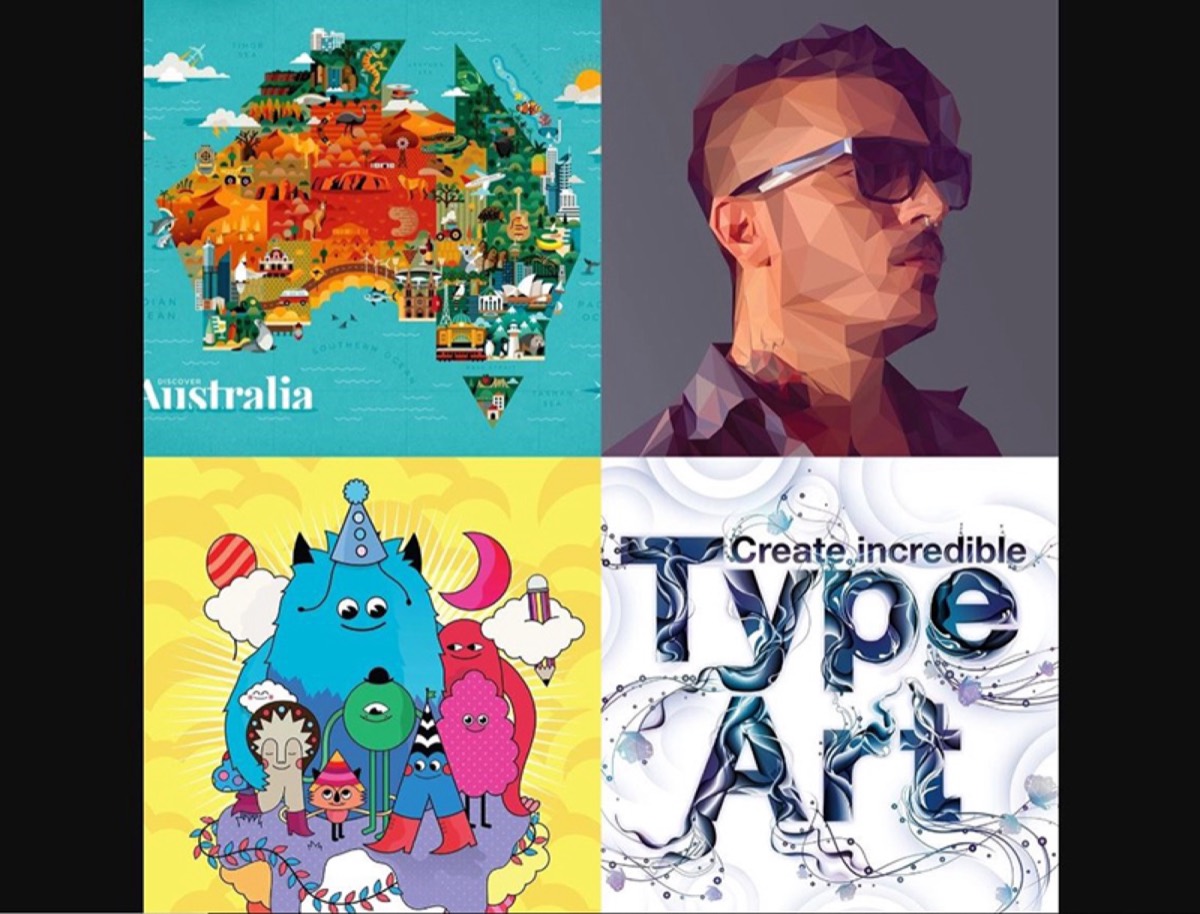
Mix of Illustrations and Photos
To keep your website minimal but still attractive, use a simple combination of photographs and 2D illustrations. You can replace some portions of photos with illustrations, or make them interact with photos so the outcome is a fun blend of two different realities.
The best characteristic of custom illustration is that it cannot be copied. Your competitors can copy your content, fonts, and color palette — but not your illustration style.
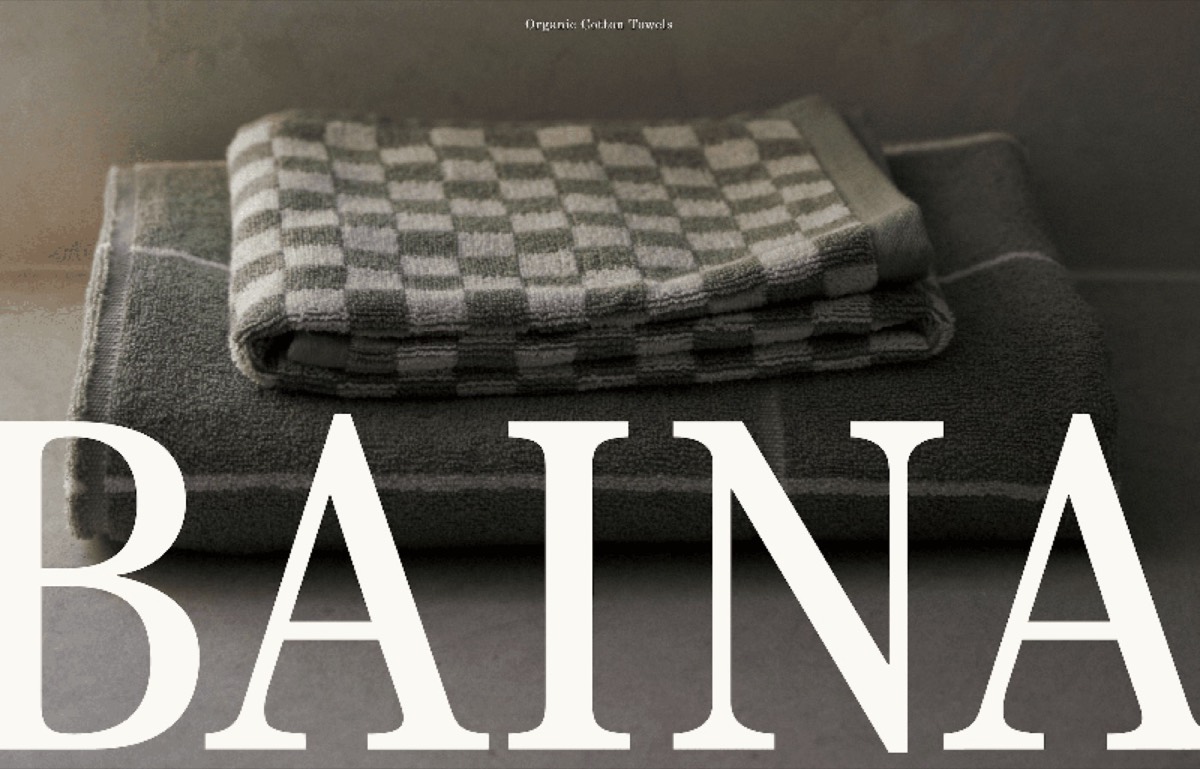
Minimalist Design and Bold Typography
For a modern and classy website, minimalist design is the key. Designers keep unnecessary details at bay and let the website speak through large, bold fonts. Such typography creates a powerful statement on visitors before they even look at images or color schemes.
Breaking typical typography rules through large sizing, uneven line spacing, and unusual spacing turns type into art rather than just an informational element. Bold fonts do not strain the eyes, and they improve the readability of content.
Patterns That Communicate
With a diverse and refreshing look, patterns make an impressive design statement. Beyond full background coverage, patterns applied to specific or separate parts of a background render a modern, distinctive look to your website. These upgraded patterns communicate a personality and style that visitors immediately feel.
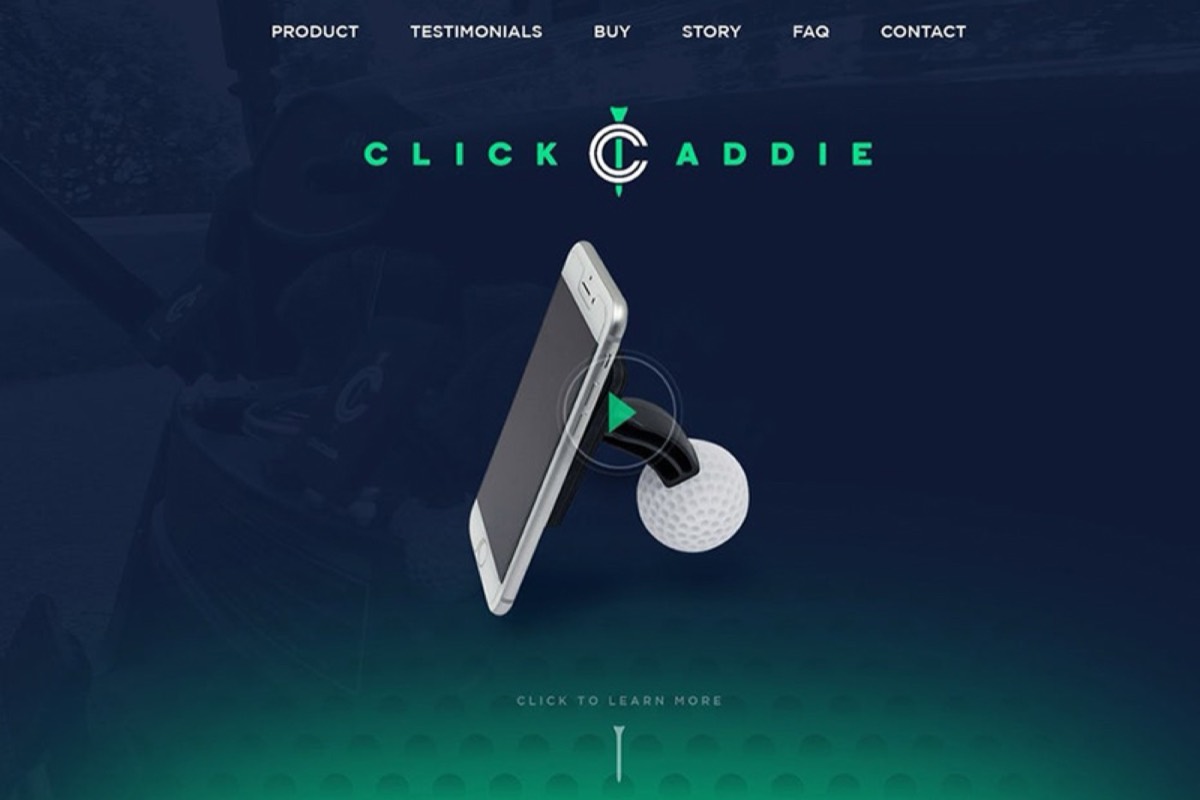
Radiant and Glowing Color Combinations
Futuristic color combinations — hot pink, blue, purple — make web designs dazzle. Designers are making bold and courageous color pairings that seem to leap off the screen. With daring results like highly saturated colors mixed with soft dark shades, or glow-in-the-dark neon colors, your website gives visitors a luminous, energetic feeling.
Duotone web design has led the way with this approach, modifying itself with time to stay ahead. Bold, neon, and contrasting color palettes deliver vivid visuals that stand out in any crowded feed or search results page.
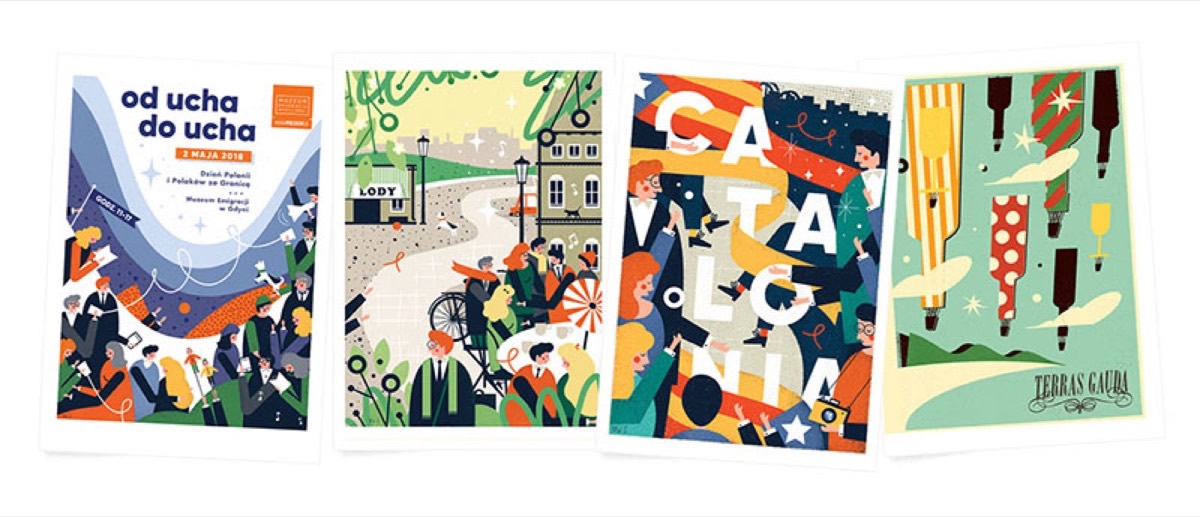
Art and Design Through Illustrations
If you are looking for an effortless combination of art and design, illustrations are your answer. You can create amazing artwork ranging from modern and quirky art to pastel and watercolor art using disproportionate or asymmetrical characters, human characters with no facial features, and more.
To make illustrations effective, many designers have moved to abstract styles. What they must keep in mind is that users must be able to interpret the illustration in the intended way — an illustration that is too abstract will simply remain art rather than serving a business purpose. You can also pair illustrations with animation to make your website more eye-catching and communicative.
Looking for professional designs that apply these strategies? See Digital Polo's plans →
Dark Mode Design
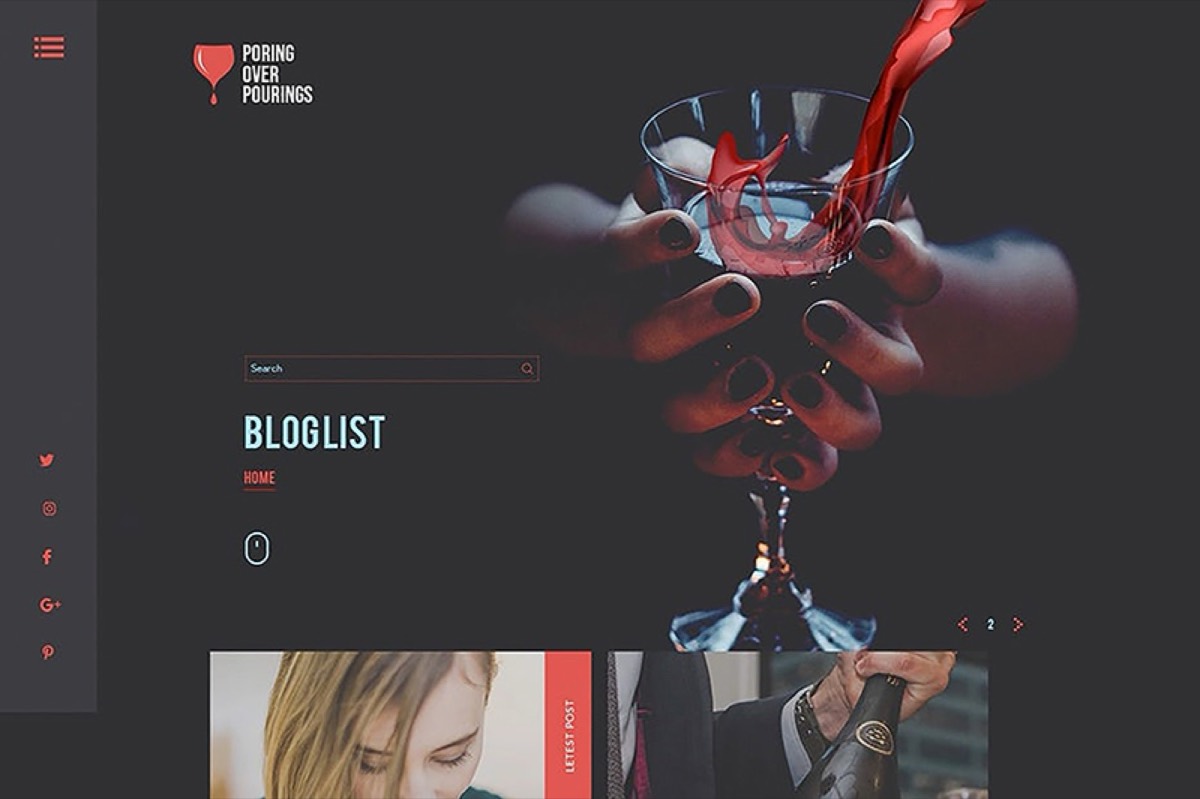
Design elements get best highlighted against a dark background, which results in a higher contrast ratio. Dark mode is a low-light user interface with dark surfaces, making it visually comfortable and reducing eye strain. Websites with dark backgrounds and vibrant colors look ultra-modern and dynamic.
Dark modes are also compatible with OLED screens, reducing power consumption and increasing screen lifespan — a genuine technical benefit beyond pure aesthetics.
3D and Motion Effects
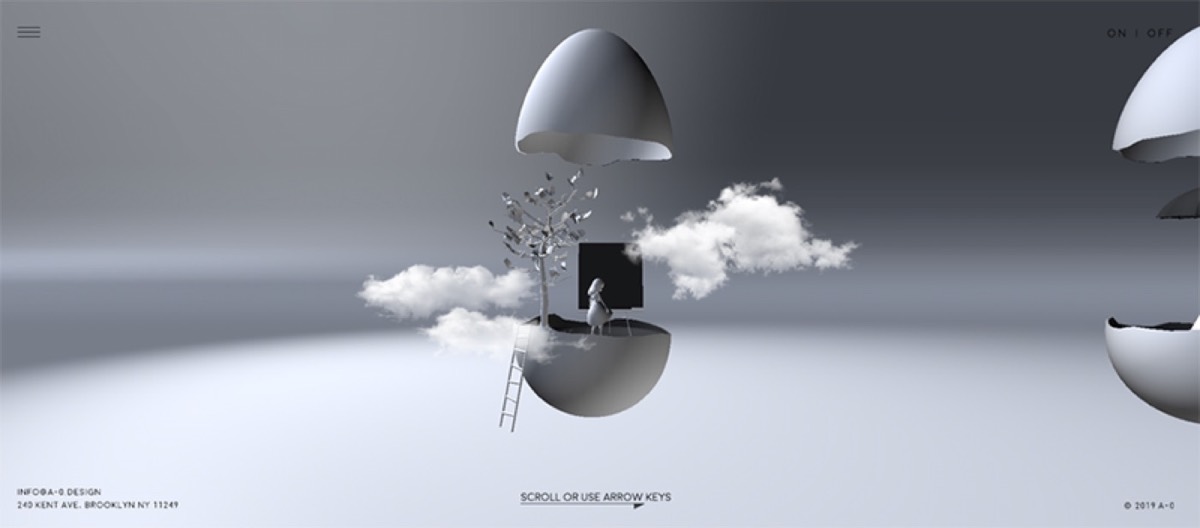
3D design has become an unavoidable part of web and graphic design because of the depth and reality it allows designers to create. Animated, interactive, and static 3D elements each serve different purposes. Interactive or motion 3D effects on websites make users stay longer. Static 3D styles pair well with smooth shapes, fascinating colors, and realistic textures.
When using 3D graphics, designers keep the rest of the elements minimal to maintain a well-balanced, neat, and clear overall design. 3D objects make user interaction with a website feel significantly more realistic and memorable.
Full-Screen Forms
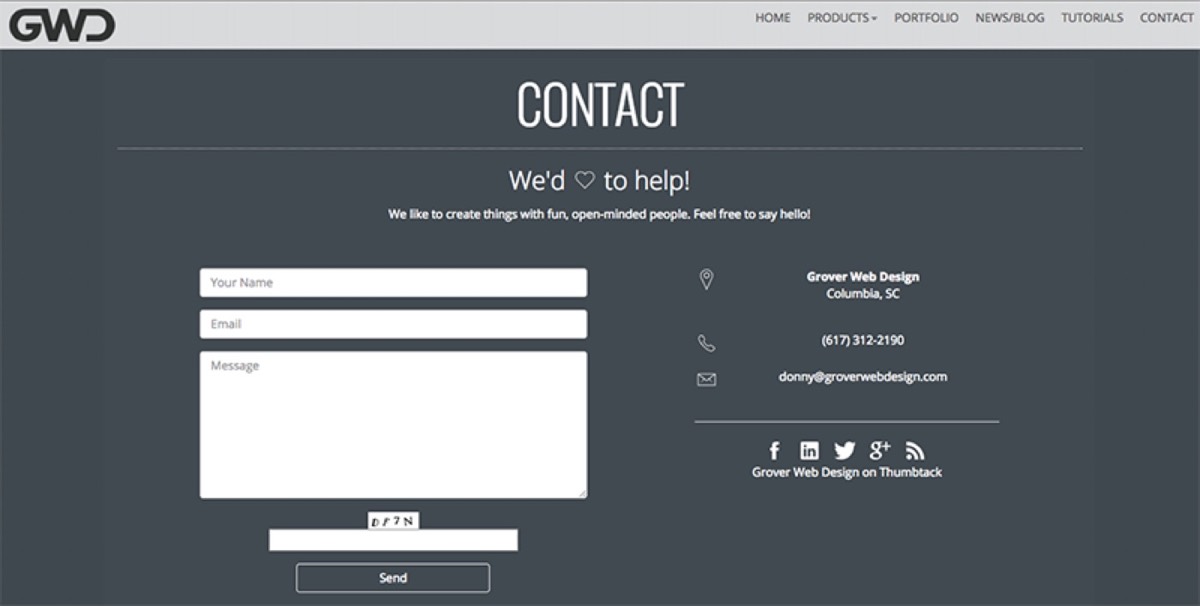
Adding a full-screen form at the homepage of your website is a fast-growing trend in web design. The full-page cover area simplifies the form-submission process by creating surplus room on the page, making it easier for users to fill out without distractions.
Full-screen forms also reduce the likelihood of users leaving your website without engaging — a problem that occurred when forms were added in small sizes that could be easily overlooked.
Solid Frames and White Space
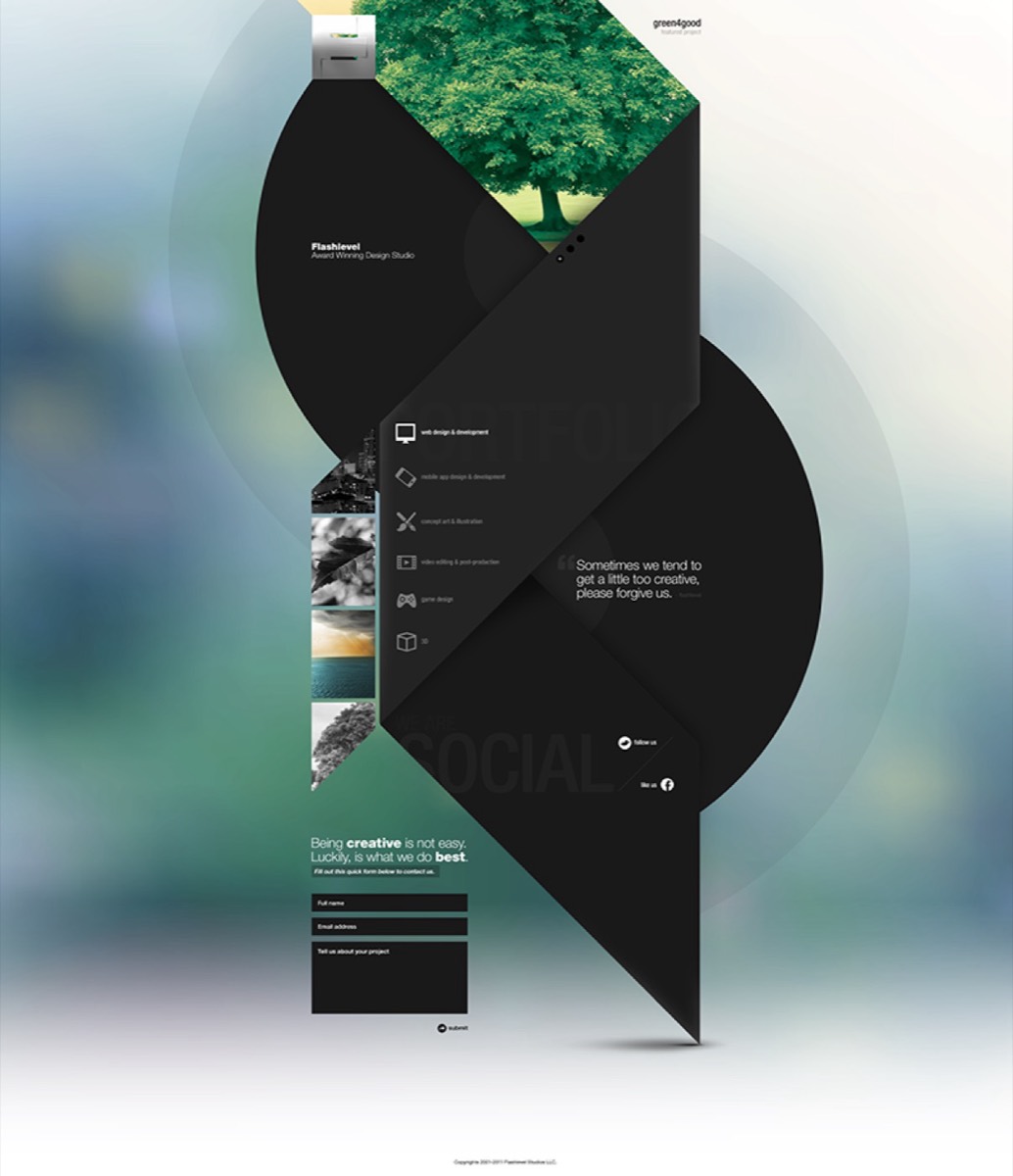
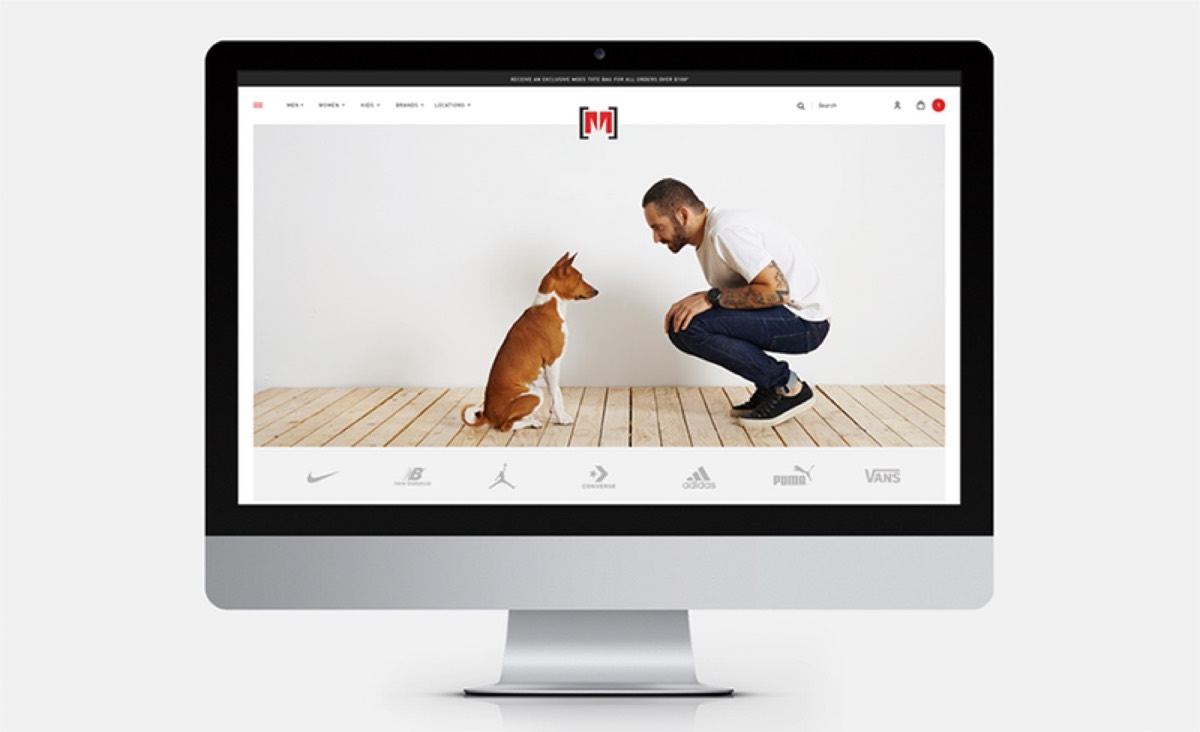
When images or content on a website are bordered with a frame, the content stands out from the rest. Full-screen websites are still popular, but what is evolving is a more structured, framed layout. Designers deploy white or colored borders around the corners of the website, giving content a solid structure and individual identity.
Such frames place elements on every page in order and give visitors a clearer sense of visual hierarchy, making navigation intuitive and design intentional.
Advanced Technology Features
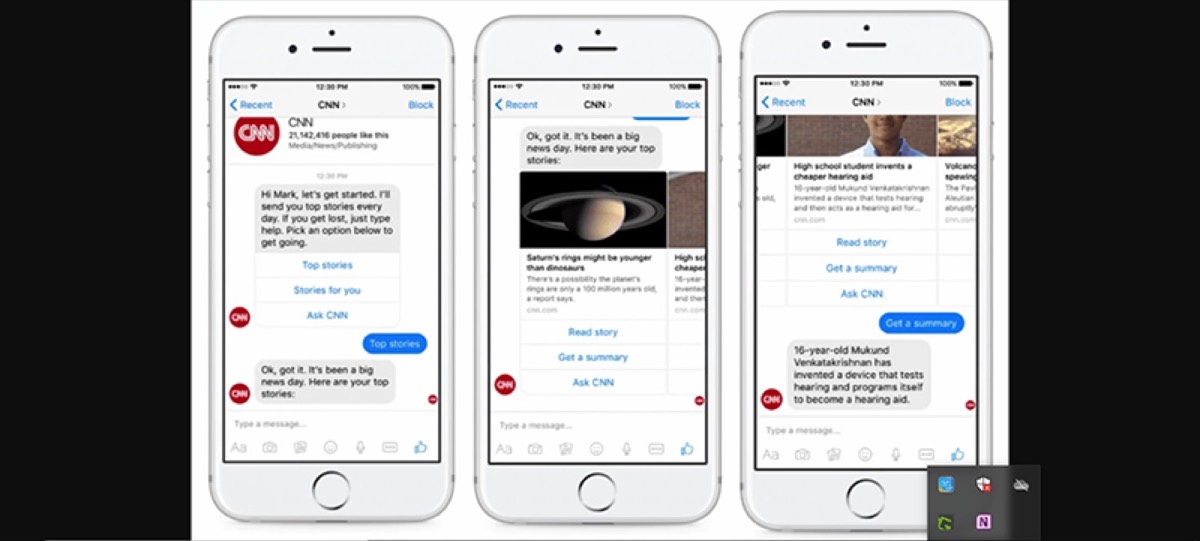
Adding interactive and innovative features born from advanced technology makes websites stand out. Chatbots have made websites more conversational than ever — available 24×7 to answer user questions and guide them through a site. With advancing AI technology, chatbots are becoming ever more capable.
Voice User Interface and AI technology have also made it possible for users to verbally interact with websites, primarily benefiting those who are differently abled. These technologies give people the ability to speak with devices using voice commands.
Extremely Simple Navigation
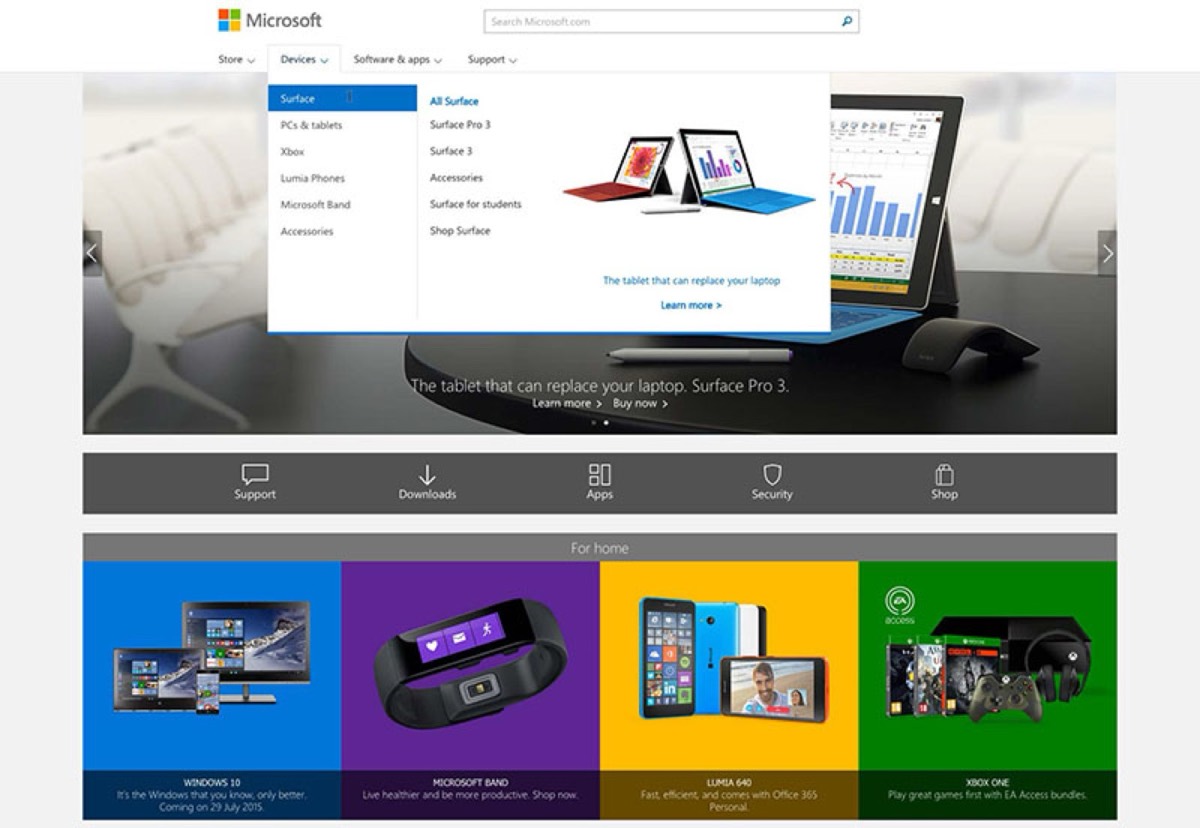
As the years pass, website navigation is getting simpler to adapt to smaller devices, including smart watches. Minimal navigation reduces friction and helps users surf more content rather than spending time figuring out how to navigate the website. Large-scale images and videos combined with minimal text highlight the main composition of the site, since images capture users' attention before text.
The concept of web design has not merely changed over the past decade — it has undergone a revolution. Each of these design approaches has proven its staying power because it serves both the business and the user at the same time. Great web design is never just about aesthetics — it is about conversion, retention, and trust. For context on just how far the discipline has come, the evolution of graphic design over the past decade shows which trends have earned permanent places in the designer's toolkit.
If you want to stay on top in your industry, design a website that embodies these features and attributes. A well-designed website is not a cost — it is one of the most powerful tools your business has for converting visitors into customers.
Digital Polo creates stunning, conversion-focused website graphics and UI assets for one flat monthly fee with unlimited revisions. Start for $399/mo → | Soulmate at $899/mo →
Frequently Asked Questions About Modern Web Design Trends
What are the most enduring web design trends? Minimalism, bold typography, high-contrast color combinations, and simple navigation have all proven to be enduring principles. While specific aesthetics shift over time, websites that load fast, communicate clearly, and look visually striking consistently outperform those that are cluttered or outdated.
Is dark mode a good choice for all websites? Dark mode works exceptionally well for brands in tech, entertainment, photography, and luxury goods. For businesses in healthcare, food, or children's education, light and bright designs tend to perform better. The key is matching the design to your audience's expectations and the emotional tone of your brand.
How does 3D design affect website performance? 3D elements can slow page load times if not optimized properly. Use compressed 3D assets, lazy loading, and web-optimized formats to keep performance strong. When implemented well, 3D and motion effects significantly increase time-on-site and engagement metrics.
Should small businesses invest in custom web design? Yes. Generic templates often fail to differentiate a business from its competitors. Custom web design communicates professionalism, builds trust, and is optimized for your specific customer journey. A subscription design service like Digital Polo makes professional custom design accessible to small businesses without the high agency cost.
How often should a website be redesigned? Most businesses benefit from a design refresh every 2–3 years to stay current with technology and visual trends. More importantly, redesigns should be triggered by performance data — if bounce rates are rising or conversions are dropping, a design audit and refresh can make a significant difference.