What do people find when they search your name? What comes to mind when a potential employer, client, or collaborator hears it? Your personal brand is the answer to both questions — and unlike your reputation, it's something you can actively shape.
Personal branding is the deliberate process of defining and communicating who you are, what you stand for, and what makes you distinctly valuable in your field. It's how solopreneurs attract clients, how professionals advance their careers, and how creators build audiences that trust them enough to buy.
This guide covers the complete personal branding process: the foundational frameworks (7 pillars, 5 C's, 4 P's), the step-by-step build, and the visual identity work that makes it all visible.
What Is Personal Branding?
Personal branding is the consistent presentation of yourself — professionally, visually, and verbally — across every context where others encounter you: your website, LinkedIn profile, social media, the way you're introduced at events, the design of your business card. For product and e-commerce founders, the same principles that apply to personal branding extend into your ecommerce brand strategy — the consistency of how you present yourself as a person directly affects how customers perceive your brand.
Unlike corporate branding, which shapes how a company is perceived, personal branding shapes how you are perceived. It determines:
- Whether a Google search of your name builds confidence or raises doubt
- Whether you're seen as a generalist or an authority in a specific area
- Whether clients, employers, and collaborators seek you out — or scroll past
Personal branding doesn't mean self-promotion. It means having a clear, consistent, and authentic signal that cuts through the noise so the right people can find and remember you.
The 7 Pillars of Personal Branding
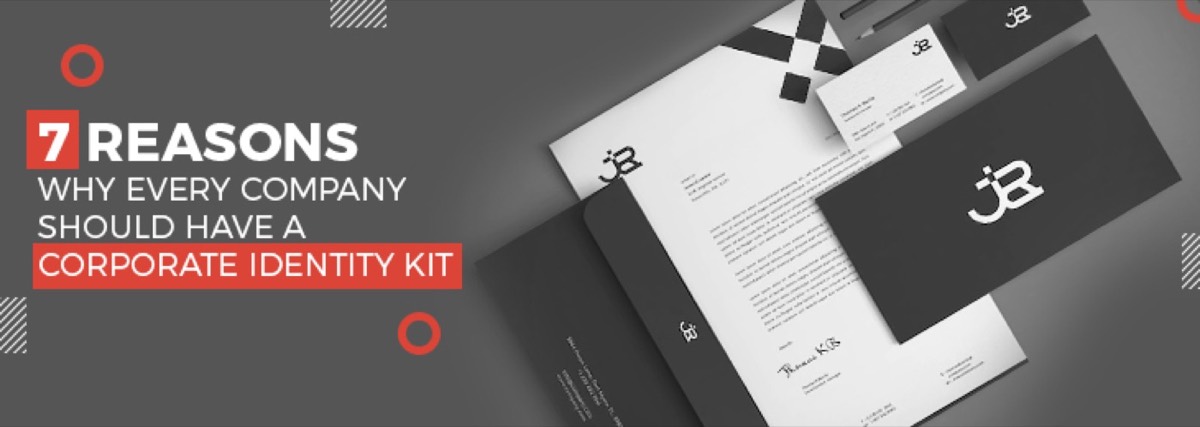
These seven elements are the structural foundation of every strong personal brand. If you're preparing the visual assets to support them, understanding why a corporate identity kit matters gives useful context — even for solo operators, a documented visual system ensures your brand looks consistent whether you're on LinkedIn, presenting at a conference, or sharing a business card.
- Purpose — Why do you do what you do? Your purpose is the north star that makes your work coherent and your messaging compelling. People with a clear purpose attract others who share it.
- Values — What principles guide your decisions and define your standards? Values give your brand consistency when circumstances change.
- Story — Where did you come from, and why does that matter? Origin stories build emotional connection faster than credentials do.
- Positioning — Where do you sit in your market? Who do you serve and how are you different from others in your space?
- Audience — Who specifically are you building this brand for? A personal brand that appeals to everyone appeals to no one.
- Visibility — Where and how does your audience encounter you? (Content, speaking, media, social media, SEO)
- Consistency — Are all of the above aligned across every platform and context? Inconsistency erodes trust even when individual touchpoints are strong.
The 5 C's of Personal Branding
The 5 C's are a practical framework for evaluating whether your personal brand is working:
- Clarity — Is it immediately obvious who you are and what you offer? If someone can't explain your brand after 30 seconds on your website, you lack clarity.
- Consistency — Does your brand look, sound, and feel the same across LinkedIn, your website, your email signature, and in person?
- Content — Are you producing content that demonstrates your expertise and builds trust over time? Content is the most scalable way to build a personal brand at scale.
- Connection — Are you building genuine relationships with your audience, not just broadcasting? Personal brands that build communities outperform those that only publish.
- Credibility — Are you backing up your positioning with proof? (Case studies, results, testimonials, credentials, publications)
The 4 P's of Personal Branding
An alternative framework that many professionals find useful, particularly when just starting out:
- Passion — What do you genuinely care about in your field? Authentic enthusiasm is visible and contagious.
- Proficiency — What can you demonstrably do better than most? Passion without skill produces a hobby, not a brand.
- Prominence — Are you visible enough in your space for the right people to discover you?
- Proof — What evidence backs up your claims? Results, work samples, testimonials, and credentials all function as proof.
How to Build Your Personal Brand: 5 Steps
Step 1: Define What You Want to Be Known For
A personal brand is a specialization, not a summary of everything you've ever done. Before building, get specific about:
- What is the one problem you solve better than most?
- Who specifically has that problem? (Industry, career stage, context)
- Why you — what experience, perspective, or approach is unique to you?
These questions are harder to answer than they seem. Most people resist specificity because narrowing down feels like leaving opportunities on the table. The opposite is true: a specific personal brand attracts better clients, commands higher rates, and spreads by word-of-mouth more effectively than a generalist one.
Step 2: Identify What Makes You Different
Your differentiators are the inputs to your positioning. Two useful exercises:
- Ask 5–10 people who know your work: "What's the one thing I do better than anyone you know?" The answers will surprise you — often the things you take for granted are exactly what makes you distinctive.
- Look at the alternatives your ideal client or employer would consider. What gaps do those alternatives leave? That gap is your positioning.
Step 3: Define Your Audience Precisely
Your content strategy, platform choices, and messaging all depend on a clear audience definition. A personal brand built for "business owners" is too broad. A personal brand built for "female founders in the SaaS space raising their first institutional round" is specific enough to guide real decisions.
When you plan on building a brand to advance your career, your positioning should align with the niche in which you want to be recognized as an expert.
Step 4: Build Your Digital Presence
Website: Your personal site is the one corner of the internet you fully control. It should include:
- A clear positioning statement above the fold (who you help and how)
- Your work, results, or case studies
- A bio that reads like a story, not a resume
- Links to your active social profiles
- A clear way to get in touch
Social media: Choose one primary platform where your target audience is most active and invest in it seriously before spreading to others. For B2B professionals, LinkedIn is typically the highest-leverage platform. For creatives and visual brands, Instagram. For thought leadership and real-time conversation, X (Twitter).
All platforms should present a consistent name, profile image, visual style, and bio. Inconsistency across platforms dilutes your brand signal.
Step 5: Build a Content Strategy That Demonstrates Expertise
Content is how you convert visibility into credibility. The format matters less than consistency and quality:
- Written content (articles, LinkedIn posts, newsletters): Best for demonstrating nuanced thinking
- Video: High trust-building medium — shows your personality and communication style
- Podcasts: Good for long-form authority-building and audience depth
- Speaking: Event appearances and panels signal peer recognition in your field
The most common content mistake: stopping when results don't come immediately. Personal brand content compounds over time — the post you write today reaches people 6, 12, 24 months from now. Consistency over 12–18 months is what creates noticeable brand recognition.
Your Personal Brand Needs Visual Identity
A personal brand strategy without a visual identity is like a restaurant without a sign — the substance might be excellent, but no one can find it, and nothing sticks in memory.
Your personal brand's visual identity should include:
- A professional headshot that reflects your brand personality (approachable and warm vs. authoritative and polished)
- A personal logo or wordmark — especially important if your brand will appear in promotional materials, speaking engagements, or digital products
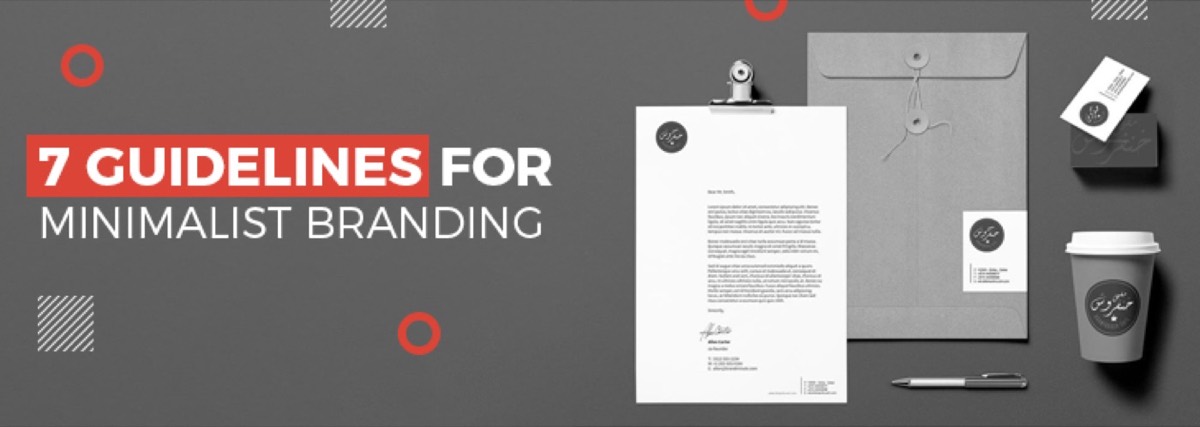
- A color palette of 2–3 colors applied consistently across your website, social media profiles, email signature, and any branded materials. If you're building a personal brand from the ground up, minimalist branding principles are particularly relevant — a constrained palette and clear visual hierarchy make individual brands feel more authoritative, not less.
- Typography — one or two fonts that reflect your brand personality, used consistently across all touchpoints
- Social media templates — pre-designed formats for your content posts, so every piece of content looks recognizably yours
The goal is that when someone scrolls past your content, your post stops their thumb before they've read a word — because the visual identity is immediately familiar.
Need design help with your personal brand? Digital Polo creates logos, social media templates, and brand identity assets for personal brands — from $399/mo. See plans →
Conclusion
Building a personal brand isn't about self-promotion — it's about clarity. When your positioning is specific, your visual identity is consistent, and your content demonstrates expertise, the right people find you, remember you, and choose you.
Use the 7 pillars as your foundation. Apply the 5 C's as a regular audit. Build content consistently, and invest in a visual identity that makes you recognizable before a word is read.
The outcomes are significant: better clients, better career opportunities, better rates, and a professional reputation that works for you whether you're actively promoting it or not.
Your personal brand deserves professional design. Digital Polo creates logos, color systems, and social media brand kits for personal brands — subscription from $399/mo. Get started → | Soulmate at $899/mo →
Frequently Asked Questions About Personal Branding
What are the 7 pillars of personal branding? The 7 pillars are: Purpose (why you do what you do), Values (the principles that guide your decisions), Story (your origin and the "why" behind your work), Positioning (where you sit in your market), Audience (who you're building for), Visibility (how your audience encounters you), and Consistency (whether all of the above align across every context). Strong personal brands are built on all seven — not just the visible ones like visibility and content.
What are the 5 C's of personal branding? The 5 C's are Clarity (is it obvious who you are and what you offer?), Consistency (does your brand look and sound the same everywhere?), Content (are you producing expertise-demonstrating material?), Connection (are you building real relationships, not just broadcasting?), and Credibility (do you have proof backing your positioning?). Use these as a regular audit framework.
What are the 4 P's of personal branding? The 4 P's are Passion (what you genuinely care about), Proficiency (what you can demonstrably do better than most), Prominence (how visible you are in your space), and Proof (what evidence supports your claims). They're a useful starting framework for people new to personal branding who haven't yet defined their positioning.
Do I need a logo for my personal brand? Not immediately — but yes, eventually. If your personal brand will appear in speaking materials, digital products, a newsletter, or a professional website, a personal logo or wordmark gives you a visual anchor that makes your brand instantly recognizable. It's the difference between looking like a professional brand and looking like a personal LinkedIn profile.
How long does it take to build a strong personal brand? Most people see meaningful results — inbound leads, speaking invitations, stronger career opportunities — after 12–18 months of consistent content and network-building. The timeline shortens significantly if you already have an established network, a clear niche, and strong visual identity from day one. The key variable is consistency: sporadic effort produces no compounding effect.