Companies in the US, UK, and Australia have been outsourcing design work to Asia for years. The cost advantages are real and well-documented — professional design talent at a fraction of local rates, covering everything from web and UI design to logo work and print collateral.
India and the Philippines are the two most frequently considered destinations. But they're not equivalent. Their design industry maturity, talent pools, cost structures, and communication profiles are meaningfully different. Here's what you need to know to make the right choice for your specific needs.

Why Outsourcing Design Makes Business Sense
Before comparing the two countries, it's worth confirming the basic case for outsourcing design at all.
Design is a continuous business requirement, not a one-time project. Websites require updates. Social media needs fresh content. Marketing materials need to evolve with campaigns. Brand identity work requires maintenance. Handling all of this through a local agency or in-house team is expensive — particularly for small and medium businesses where design budgets are constrained.
Outsourcing allows businesses to access professional design talent continuously at a fraction of local market rates, without the overhead of full-time employment (software, equipment, benefits, desk space).
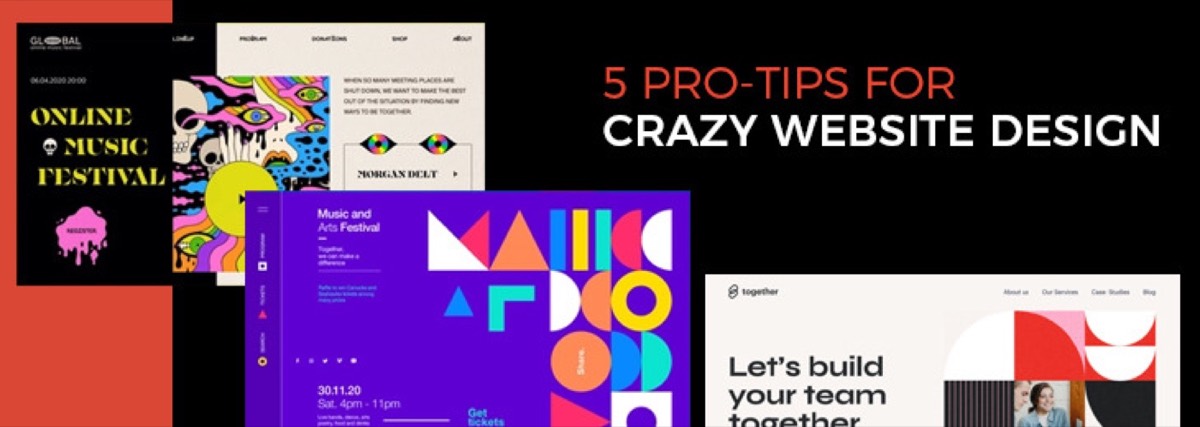
The question is which outsourcing destination gives you the best combination of quality, breadth, cost, and communication for design-specific work. When evaluating web design deliverables in particular, it's worth knowing what pro tips separate high-converting websites from average ones so you can brief your outsourced team accordingly.
Cost
Cost is the primary driver behind most outsourcing decisions. Both India and the Philippines offer substantial savings compared to US, UK, or Australian rates — but India is typically more competitive for design-specific services.
Design agencies in India offering comprehensive, unlimited-revision flat-rate services price significantly below comparable Philippines-based agencies. For ongoing design work — where you need regular output across multiple material types — India's pricing structure makes it the more economical choice.

Breadth of Services
India has a mature outsourcing market that has been developing for decades. This maturity means companies like Digital Polo can offer comprehensive design coverage: web design, UI/UX, logo design, brand identity, social media assets, print materials, illustrations, 3D design, and more — all under one roof. Staying current with design trends is part of that value — see our complete reference on graphic design trends every marketer should know to understand what skilled Indian design teams are already applying.
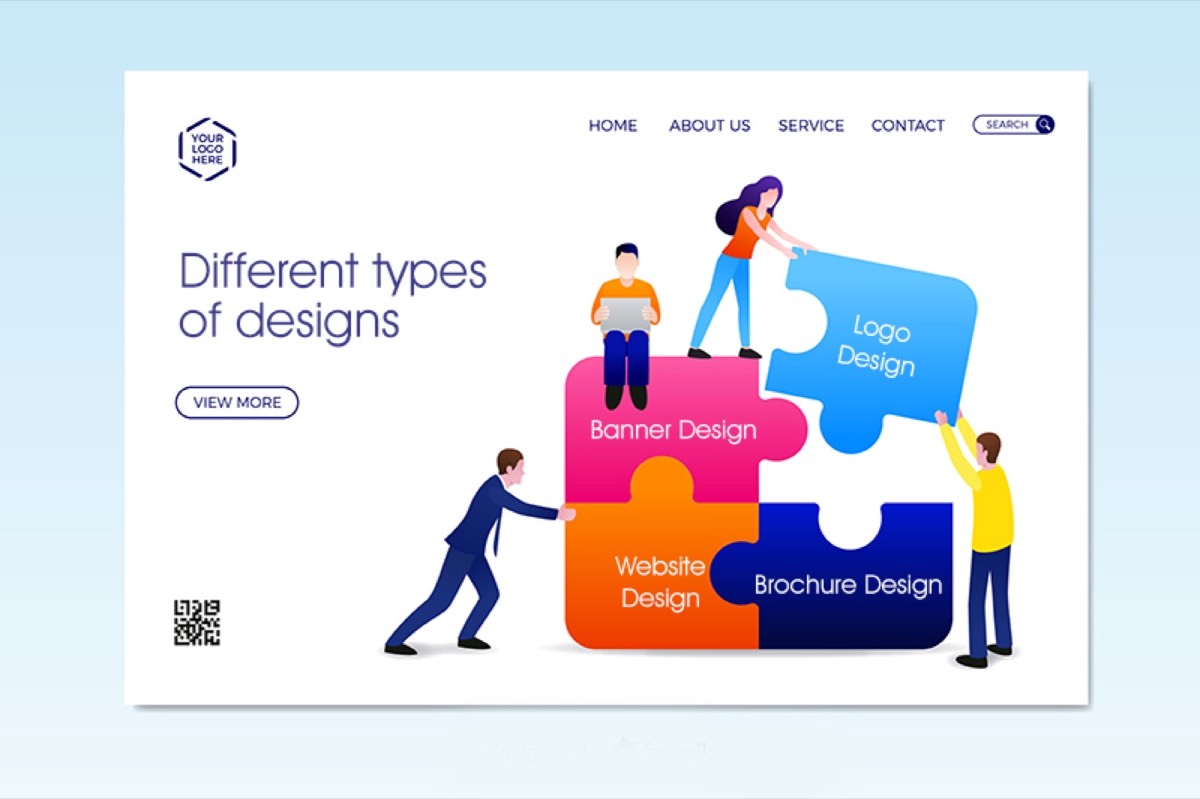
The Philippines excels in voice-based BPO services. For design-specific work, particularly across multiple disciplines, India offers significantly more options and more specialized expertise. This breadth means you can consolidate all your design requirements with a single Indian agency rather than managing multiple vendors for different design categories.
Talent Pool and Workforce Scale
India has a workforce exceeding 400 million people, with millions employed in knowledge work and creative industries. The graphic design sector in India is competitive, well-developed, and includes talent ranging from generalist designers to specialists in specific areas (3D, motion, UI, brand identity).
The Philippines has a growing creative workforce, but it remains smaller and less specialized in design than India. For businesses that need scale — high volume output, simultaneous projects, or multiple design disciplines — India's deeper talent pool is an advantage.
Communication
India is the second-largest English-speaking country in the world, with over 125 million English speakers. For written communication — briefs, feedback, project management — this creates minimal friction. Most professional Indian designers and project managers communicate clearly and efficiently in written English.

The Philippines has a slight edge in spoken English accents — Filipino English tends to be more neutral and easier for American or Australian ears to follow in voice calls. However, for design work, the majority of communication happens in writing (briefs, email feedback, project management tools). Written communication quality, combined with India's design expertise, more than compensates for the accent difference in voice calls.
Need professional design outsourced to India at a flat monthly rate? See Digital Polo's plans →
Young Workforce and Long-Term Availability
Both India and the Philippines have young, growing populations. Approximately 30% of each country's population is between 15 and 25 years old, ensuring a continually replenishing talent pipeline. Both countries are viable long-term outsourcing partners — neither faces the demographic aging challenges that will constrain talent availability in Western markets over the coming decades.
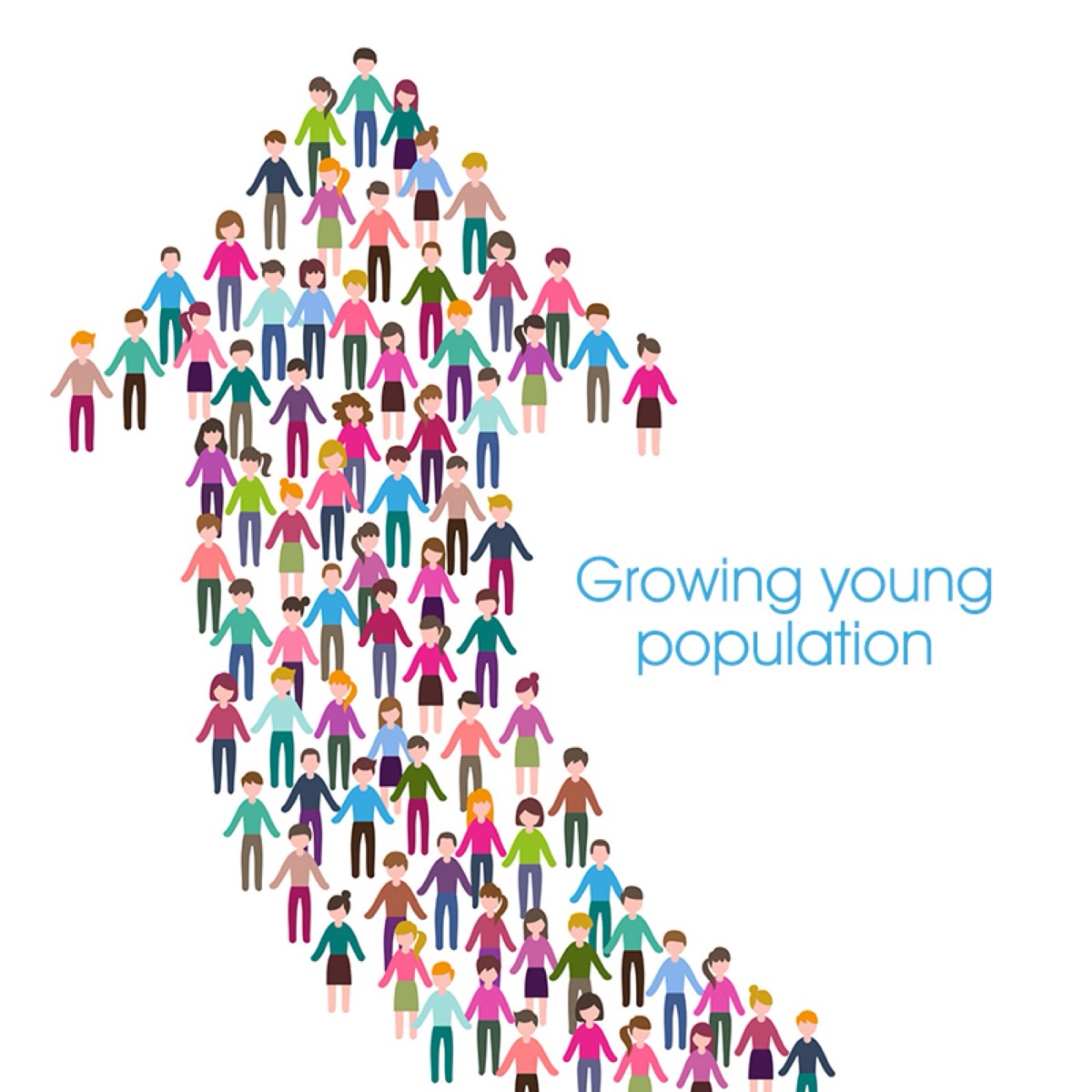
For businesses building long-term outsourcing relationships rather than one-off project engagements, this demographic advantage matters.
Design Specialization
India's outsourcing industry developed across multiple sectors simultaneously. This created specialist clusters: IT services, business process outsourcing, content creation, and creative services including design. The result is an ecosystem where design agencies compete on quality and specialization, driving standards upward.

The Philippines' outsourcing industry concentrated primarily in voice-based BPO services. While design capabilities exist, the Philippines doesn't have the same density of specialized design agencies, freelancers, and talent networks that India offers. For design-specific outsourcing, India is simply the more developed market.
Time Zone Advantage
Both countries operate in time zones that work well for Western businesses. The time difference from the US is approximately 10–13 hours, meaning Indian or Filipino designers work through the Western business night. Projects briefed at end-of-day in New York are ready for review at the start of the next working day — a workflow advantage that eliminates waiting.
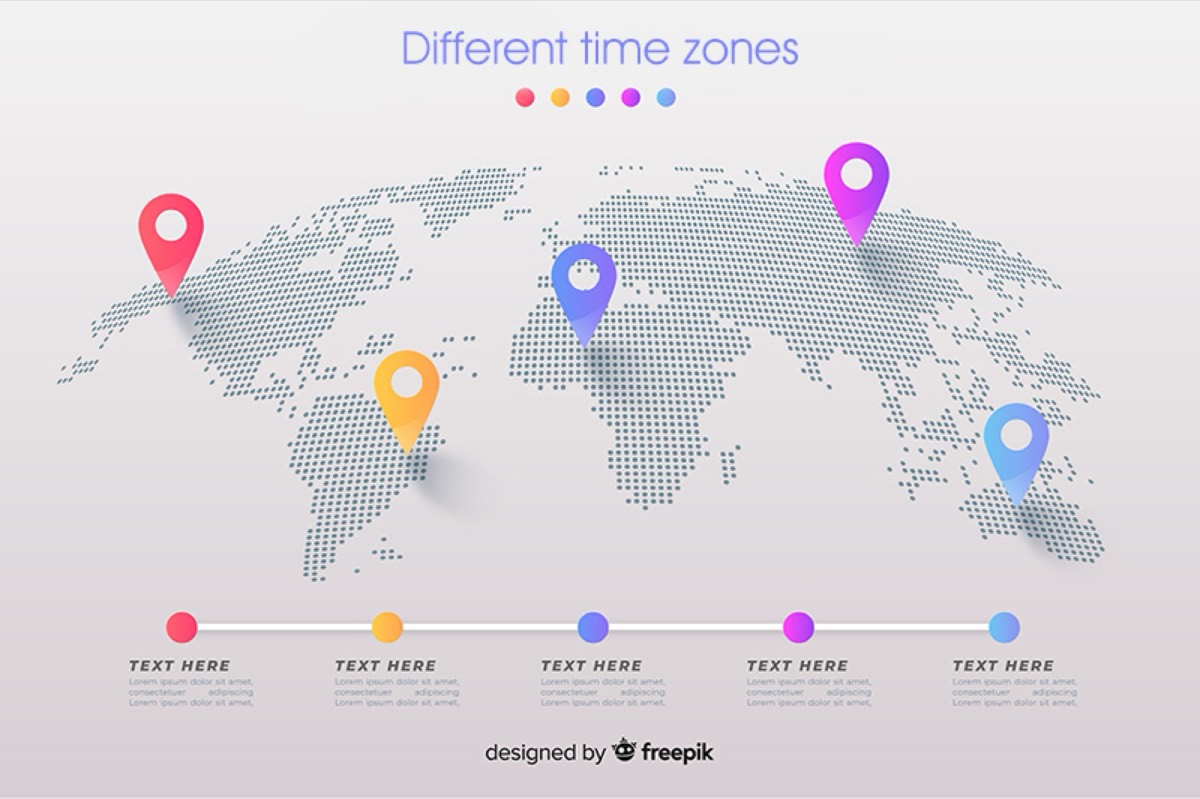
The time difference between India and the Philippines is minimal (about 2.5 hours), so neither country has a meaningful time zone advantage over the other from a Western client's perspective.
Growing Economies
Both India and the Philippines have growing economies with expanding outsourcing sectors. India's outsourcing industry contributes over 9% of GDP, with more than 3 million people employed in the sector. This scale creates accountability, competition, and professional standards that benefit clients.
A large, economically significant outsourcing sector means professional agencies compete on quality and reliability — not just price.
Conclusion
For design-specific outsourcing — graphic design, web design, brand identity, UI/UX, print materials — India is the more developed and cost-effective choice. The combination of a mature design ecosystem, a large specialized talent pool, broad service coverage, strong English communication, and competitive pricing makes India the natural destination for businesses that need quality design work at scale. One area where external design partners add particular value is in identifying and avoiding deceptive web design patterns that can damage user trust — an ethical outside perspective catches problems internal teams often miss.
Digital Polo offers comprehensive design services from India — logos, brand identities, websites, social media assets, print materials, and more — for one flat monthly fee with unlimited revisions. Start for $399/mo → | Soulmate at $899/mo →
Frequently Asked Questions About Outsourcing Design Work to India
What types of design work can be outsourced to India? Indian design agencies handle the full spectrum of design requirements: logo and brand identity design, web and UI/UX design, social media graphics and templates, print materials (brochures, catalogues, flyers, business cards), packaging design, 3D visualization, motion graphics, and ongoing brand design maintenance. The breadth of India's design talent pool means businesses can consolidate all design needs with a single agency rather than managing multiple vendors.
How do I evaluate the quality of an Indian design agency before hiring? Review the agency's portfolio for work in or near your category. Look for range (can they handle multiple design disciplines?), quality consistency (are all pieces at the same standard?), and client diversity (have they worked with businesses like yours?). Read client testimonials and ask for references. Evaluate their communication quality during the initial inquiry — how they ask questions and explain their process reveals how they'll manage your project.
What are the risks of outsourcing design work overseas? The main risks are: quality inconsistency (mitigated by reviewing portfolios thoroughly before committing), communication barriers (mitigated by choosing agencies with strong English communication and structured project management processes), IP ownership concerns (mitigated by clear contract terms), and time zone delays (mitigated by the natural workflow advantage that time differences create). A well-established agency with a track record addresses most of these risks by default.
How does a flat-rate design subscription like Digital Polo work? A flat monthly subscription covers unlimited design requests within the plan scope. You submit design briefs via a project management portal, receive completed designs within the agreed turnaround time, and request revisions until you're satisfied. The flat fee replaces per-project invoicing, making design costs predictable and eliminating the negotiation that comes with hourly billing.
Is outsourcing design to India worth it for small businesses? Yes, particularly for small businesses with ongoing design needs. Local agencies or freelancers charge project rates that make frequent small updates expensive. A flat-rate subscription model — which Indian agencies like Digital Polo offer — makes professional design available continuously at a predictable monthly cost. For a small business that needs regular social media graphics, website updates, and occasional print materials, the economics are significantly better than the US/UK alternatives.