
NFTs had one of the most dramatic arcs in the history of digital technology: from relative obscurity in 2020, to the most discussed topic in art and design by 2021, to a market contraction that wiped out 95%+ of speculative value by 2023. The Bored Ape Yacht Club sold tokens for hundreds of thousands of dollars at peak. Two years later, the floor price had fallen to a small fraction of that.
But the underlying technology didn't disappear. And the questions it raised about digital ownership, artist compensation, and the relationship between creators and audiences are still unresolved — and still relevant to working designers in 2026.
This guide covers what NFTs actually are, what drove the boom, what the correction revealed, and what designers should genuinely take away from both.
What Are NFTs?
NFT stands for Non-Fungible Token. "Fungible" means interchangeable — one dollar bill is worth the same as any other dollar bill. "Non-fungible" means unique — each token is distinct and cannot be replaced by an equivalent.
An NFT is a record of ownership stored on a blockchain. The blockchain is a distributed database that records transactions in a way that is transparent, permanent, and resistant to manipulation. When an NFT is created ("minted"), a unique record is added to the blockchain linking a specific digital asset (an image, a video, a piece of music, a file) to the wallet address of its owner.
What an NFT does not do: it does not prevent copying. Any JPEG can still be right-clicked and saved. What it creates is a verifiable certificate of ownership for a specific version of that asset — the "original," even in a world of perfect digital copies.
The analogy most often used: a signed print. An artist can sell 1000 prints of a painting, but a signed, numbered original print carries different value. The signature doesn't prevent photography; it creates a verifiable provenance record. NFTs do this digitally, at scale, without an intermediary.
What Drove the NFT Boom
Three structural forces combined to produce the 2021 peak:
Digitization: The COVID-19 pandemic accelerated digital adoption across every sector. With physical galleries closed and physical events cancelled, digital art and digital collectibles became legitimate cultural assets in a way they hadn't been before. NFTs gave digital artists a way to sell originals for the first time — a genuine structural change.
Democratization: The traditional art market is highly exclusive. NFT platforms allowed any artist to create and sell directly to buyers, without gallery representation, auction house gatekeepers, or geographic constraints. Artists like Beeple, who had built large online followings over decades, suddenly had a direct revenue mechanism for work they'd been creating for free.
Speculation: The third force was the dominant one during the peak. Crypto prices were at all-time highs. Interest rates were near zero. Retail investors had experienced the unexpected gains of meme stocks. NFTs became a speculative vehicle, with buyers purchasing not for the art but for anticipated resale at higher prices. When crypto prices fell and interest rates rose, the speculation dried up — and the inflated floor prices collapsed with it.
The correction separated the speculative layer from the genuine utility layer. What remained was smaller, more serious, and more interesting.
What the Correction Revealed
The NFT market correction of 2022–2023 was harsh. Projects that had sold for six figures dropped to near zero. Platforms that had processed billions in volume saw trading activity fall by 95%+.
What the correction revealed:
Most NFT value was speculative, not intrinsic. Profile picture collections (PFPs) like CryptoPunks and BAYC were purchased as status symbols and speculative assets, not as art appreciated for its design merit. When the speculative basis evaporated, so did the prices.
Liquidity assumptions were wrong. Many buyers assumed they could sell whenever they wanted at or above their purchase price. The thinly traded market meant many holders couldn't sell at all.
Environmental concerns were real. Proof-of-work blockchain energy consumption generated justified criticism. Ethereum's transition to proof-of-stake in 2022 reduced its energy consumption by ~99.9%, addressing the largest environmental objection — but not before the issue damaged public perception during the boom.
The underlying technology remained functional. Blockchain-based digital ownership works. The technology itself didn't fail; the speculative market built on top of it did.
What Designers Should Actually Take Away
The NFT boom contained genuine insights for designers, separate from the speculation that dominated the coverage.
Digital originals are now a viable commercial concept. For the first time, digital artists can sell authenticated originals directly to collectors without a gallery intermediary. The market is currently smaller than 2021 peak but is structurally sound for artists with genuine audiences. Designers who create compelling digital work now have a distribution and monetization channel that didn't exist before 2021.
Direct-to-audience models reduce dependency on intermediaries. The NFT model's core value proposition for creators — connecting directly with buyers, retaining more revenue, building a collector community — reflects a broader shift in how creative professionals can operate. Whether or not NFTs are the specific vehicle, the lesson is that platforms enabling direct creator-audience relationships represent structural opportunity. For a closer look at how AI is reshaping creative work, see our analysis of the evolving relationship between graphic design and AI.
Smart contracts enable new royalty models. NFT smart contracts can encode royalty payments: when a token is resold, a percentage automatically goes back to the original creator. This is a genuinely new economic model for digital artists — one that doesn't exist in traditional art or design markets. The underlying mechanic is worth understanding as it evolves into broader digital licensing structures.
Understand the technology beneath trends. The designers who built genuine understanding of blockchain, smart contracts, and digital ownership during the NFT peak are now positioned to work intelligently in adjacent areas — digital fashion, gaming asset ownership, tokenized creative licensing — as these applications develop. Trend-chasing without understanding produces nothing durable. Technology understanding does. The same principle applies to working relationships — knowing how to collaborate effectively with your graphic designers makes any creative project run better.
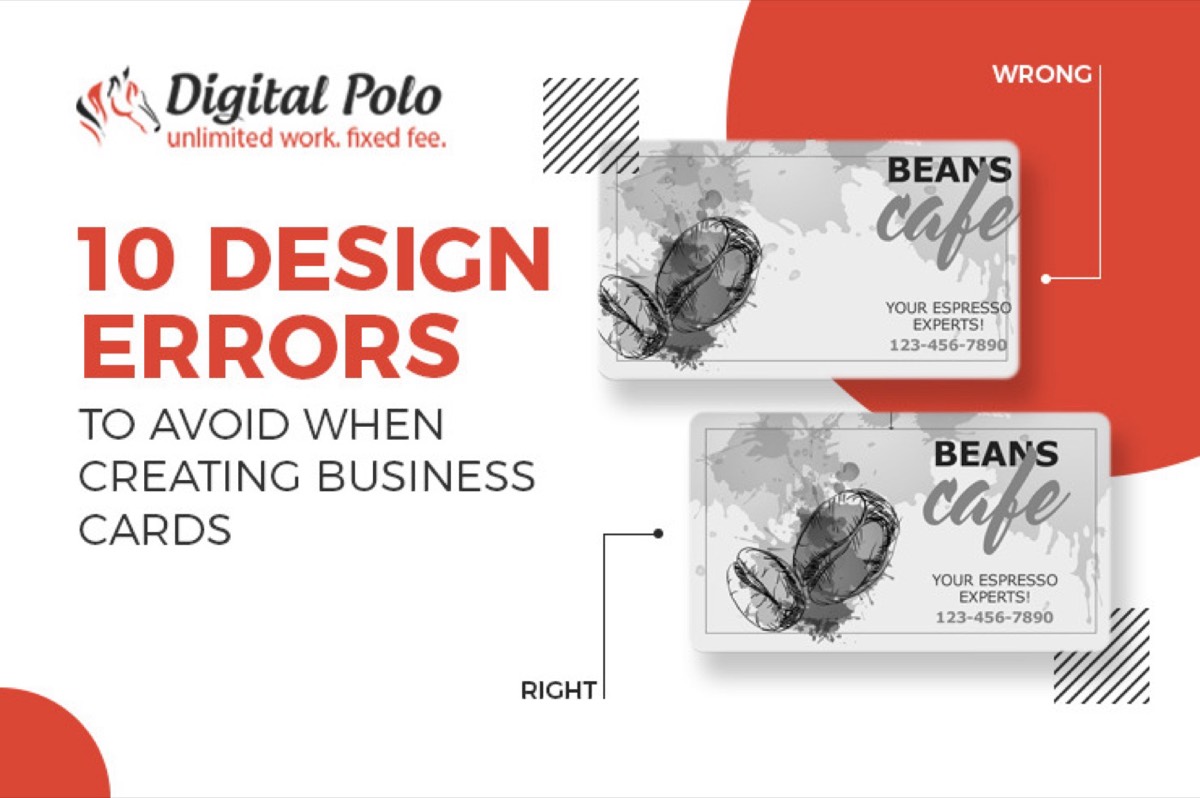
Speculation is not the same as value. The NFT boom was a vivid demonstration of how quickly markets detach from underlying value when speculation dominates. For designers building businesses or creative practices, it is a useful reminder: brand equity, craft reputation, and genuine audience relationships compound over time. Speculative valuations don't. Strong foundational design — including print materials like business cards — still matters; reviewing the most common business card design mistakes to avoid is a worthwhile exercise for any designer.
NFTs in 2026: Where Things Stand
The NFT market in 2026 is a fraction of its 2021 peak volume but is more mature and more interesting. Several genuine use cases have stabilized:
- Music NFTs: Artists like Gramatik and 3LAU have used NFT mechanisms to offer fans direct ownership stakes in tracks, with royalty-sharing built into the smart contract.
- Digital fashion and gaming: Platforms like Nike's .Swoosh (built on the blockchain) and major gaming studios are using NFT mechanics for verifiable in-game item ownership.
- Event ticketing: NFT-based ticketing reduces fraud and enables programmable secondary market terms (royalties to event organizers, blocked scalping).
- Creative licensing: Emerging platforms are exploring NFT-based digital rights management for stock photography, illustration, and video content.
The speculative era created awareness of the underlying technology. The applications being built on that technology in 2026 are more practically useful than CryptoPunk profile pictures.
Conclusion
NFTs generated enormous noise, enormous profits for early participants, and enormous losses for late ones. Beneath the speculation was a genuine technological development: verifiable digital ownership, direct creator-to-buyer sales, and programmable royalties.
For designers, the relevant question was never "should I buy NFTs?" It was "what does this technology enable, and how might it change the relationship between creators and their audiences?" That question is still worth engaging with — with the benefit of having watched the speculative bubble complete its cycle.
The designers who understand the technology, rather than just the trend, will be better positioned for whatever digital asset applications develop next.
Need design work that creates lasting brand value rather than speculative hype? Digital Polo creates professional graphic design for businesses at every stage — logos, brand systems, web design, and more. Start for $399/mo → | Soulmate at $899/mo →
Frequently Asked Questions About NFTs and Design
What is an NFT in simple terms? An NFT (Non-Fungible Token) is a unique digital certificate of ownership stored on a blockchain. It creates a verifiable record linking a specific digital asset — an image, video, piece of music, or file — to a specific owner's wallet address. It doesn't prevent copying of the file; it creates a provenance record that distinguishes the "original" token from copies, similar to a signed original print versus reproductions.
Can designers make money from NFTs? Yes, though the market has contracted significantly from 2021 peak levels. Digital artists with established audiences have used NFT platforms to sell authenticated originals and limited editions directly to collectors, retaining significantly more revenue than traditional gallery models allow. Smart contract royalty mechanics enable ongoing revenue from secondary sales. The opportunity is real but requires a genuine audience and craft reputation — it cannot be built on speculation alone.
Are NFTs still relevant in 2026? Yes, in a more mature form. The speculative bubble of 2021–2022 has cleared. Remaining use cases include music royalty-sharing, gaming and digital fashion item ownership, event ticketing with fraud prevention, and emerging digital rights management applications. The technology works; the speculative excess around it didn't last.
What is the difference between an NFT and copyright? Owning an NFT does not automatically transfer copyright. Copyright remains with the original creator unless explicitly transferred in the terms of the NFT sale. Buyers purchase ownership of the token (provenance record) and often limited display rights — not the right to reproduce, modify, or commercialize the underlying work without separate agreement. This distinction caused significant confusion during the boom and remains a source of legal complexity.
What can designers learn from the NFT market? Key lessons: (1) Direct creator-to-audience sales models reduce dependency on intermediaries and enable better economics for creators; (2) smart contract royalties represent a genuinely new economic model for digital creative work; (3) speculative markets detach from underlying value quickly — brand equity, craft reputation, and genuine audience relationships are more durable; (4) understanding the underlying technology rather than just following trends positions you to engage intelligently as applications evolve.