If you own a business, you know how difficult it is to establish a recognizable brand. You need a logo. You need a website. Your social media presence needs to look professional and consistent. Your marketing materials need to be cohesive enough to be instantly recognizable across every channel.
The common thread connecting all of these needs is design — and professional design that actually builds brand recognition and drives business results requires expertise that most businesses don't have in-house.
The most direct answer: hire a graphic design agency.
What Is a Graphic Design Agency?
A graphic design agency is a company that specializes in creating visual assets across all types of design: brand identity, web design, print collateral, social media graphics, packaging, and more.
Unlike a single freelance designer who may specialize in one area, a graphic design agency brings together multiple specialists — brand strategists, logo designers, web designers, illustrators, and production designers — under one operational umbrella. When you engage an agency, you access the full range of those capabilities under a single relationship.
Why Does Your Business Need a Design Agency?
You Get Access to Professional Expertise Immediately
Professional designers understand what makes visual communication work — color psychology, typography hierarchy, negative space, brand consistency, print specifications, and digital optimization. Developing even a foundational understanding of these disciplines takes years.
More importantly, professional designers know what performs in your market. They have worked across multiple industries and can bring that cross-sector experience to every design brief you give them. For evidence of how that expertise plays out across real campaigns, our graphic design trends reference guide shows the range of design decisions that drive measurable marketing results.
Instead of investing months learning design fundamentals that will never be a core skill of your business, a brand identity design agency delivers expertise from day one.
Design Agencies Save Both Time and Money
The time cost of producing design in-house is almost always underestimated. Researching design concepts, learning software, producing drafts, reviewing and revising, and finally preparing files for production — all of this displaces time from wherever your business actually needs you.
The financial case for professional design agencies is also stronger than most assume:
- Hiring a full-time in-house designer costs $80,000–$115,000/year in salary, benefits, and equipment
- Freelancers are less predictable in quality, availability, and turnaround time
- A graphic design subscription service provides professional output at a fraction of the in-house cost — typically $300–$900/month
Digital Polo's design subscription starts at $399/mo — no hiring process, no full-time salary. Just professional design, on demand. See what's included →
You Can Evaluate Quality Before You Commit
Unlike hiring a full-time employee, working with a design agency allows you to evaluate the quality of work before making a significant commitment. Review the agency's portfolio. Request a sample project. Look at the depth and range of their previous work.
This is an advantage that in-house hiring cannot match. Once you hire an employee, you're committed. With an agency, the relationship is built on demonstrated results.
Agencies Keep Your Brand Current
Design trends evolve continuously. What looks modern and authoritative today can look dated in two years. Designers who work across multiple clients and industries are exposed to those trends constantly and naturally incorporate them into their work.
When you hire a graphic design agency, you get the benefit of that continuous professional development without having to invest in it yourself. If your brand identity needs updating — your logo needs a refresh, your social media templates look outdated, your website needs a new design direction — an agency can identify and execute that evolution.
Creative Teams Produce Richer Output
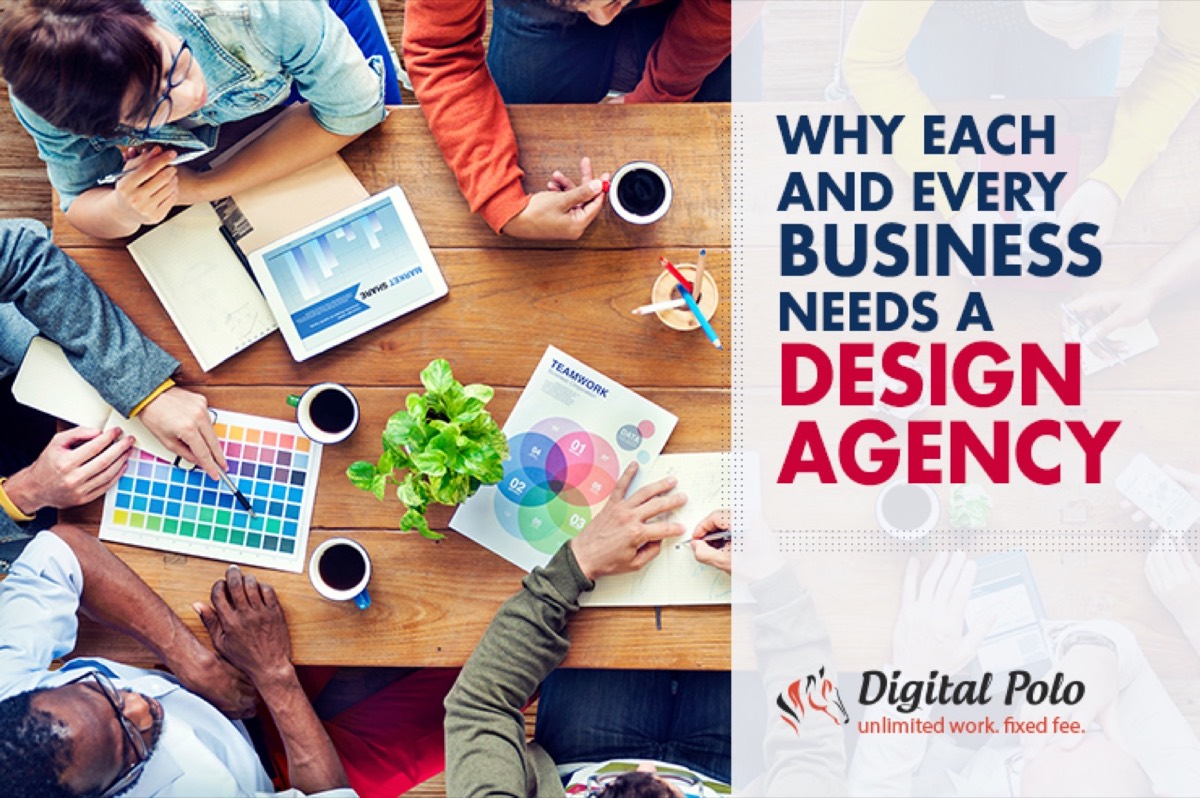
A design agency is not one designer — it is a team. Designers at agencies brainstorm together, review each other's work, and build on collective experience. Senior designers and project managers add perspective and quality control before work is delivered to you.
The practical result: the design you receive from an agency has typically been reviewed by multiple people before it reaches you. A single freelancer's work passes through fewer filters.
This also means greater creative range. An agency with designers who specialize in illustration, 3D, motion graphics, and brand identity can take on a broader brief than any individual designer can manage alone.
Consistency Across Every Brand Touchpoint
Brand identity isn't established in a single logo or a single campaign. It accumulates over time through consistent visual treatment across every touchpoint: your website, your business cards, your packaging, your social media, your email templates, your presentations.
Maintaining that consistency requires a systematic approach — documented brand guidelines, a design partner who understands the rules and applies them every time, and enough output to keep all your materials looking current and aligned.
A graphic design agency operating under a contract or subscription model becomes a long-term brand steward — not just a one-time vendor. Growing your LinkedIn presence is one channel where that design consistency pays off — our guide to LinkedIn marketing strategies for business growth covers how a polished brand identity on that platform compounds its impact over time.
Different Perspectives Improve Results
Your business has an internal perspective shaped by years of operating within your own market and brand assumptions. Outside designers bring a different vantage point — they see what you've stopped noticing, they identify what's confusing to a new visitor, and they bring knowledge of how comparable brands communicate effectively in your space.
This outside perspective is especially valuable during rebrands, new product launches, or when entering a new market. Designers who have worked across industries can often identify the best approach faster than an internal team that is too close to the problem.
What the 3 C's of Graphic Design Mean for Your Business
Professional designers apply the 3 C's of graphic design in every project:
- Color: The strategic use of color to evoke emotion, establish hierarchy, and create brand recognition
- Composition: The arrangement of visual elements to guide the viewer's eye to the most important information
- Contrast: The relationship between light and dark, large and small, bold and regular — what creates visual emphasis and makes designs readable
When these three principles are applied consistently across all your brand materials, the result is a visual identity that feels intentional, professional, and recognizable. When they are applied inconsistently — as often happens with DIY or in-house design without professional direction — the result undermines the credibility of the brand regardless of the quality of the underlying product.
Conclusion
Every business that wants to be perceived as professional, build recognition, and compete effectively in its market needs professional design. From your logo and website to your social media and print materials, the quality and consistency of your visual identity directly affects how potential customers perceive your brand — often before they know anything else about you.
A graphic design agency gives you access to professional expertise, creative range, and brand consistency that individual designers and DIY tools cannot match — and at pricing models that make it accessible regardless of business size.
Every business needs professional design. Digital Polo makes it affordable. Partner plan from $399/mo — no long-term contracts. Get started today → | Soulmate plan at $899/mo →
Frequently Asked Questions About Graphic Design Agencies
What are the 3 C's of graphic design? The 3 C's are Color, Composition, and Contrast. Color creates emotional response and brand recognition. Composition is the arrangement of visual elements to guide the viewer's attention. Contrast — between light and dark, large and small, bold and regular — creates emphasis and makes designs legible and memorable. Professional designers apply all three systematically; inconsistent application of these principles is the most common marker of amateur design.
Why do businesses hire graphic design agencies instead of using DIY tools? DIY tools like Canva produce functional designs for specific tasks, but they don't provide brand strategy, typography expertise, or the consistency required to build a recognizable brand identity over time. Agencies provide professional output across the full range of design needs, with brand guidelines that ensure consistency regardless of format or channel.
How much does a graphic design agency cost per month? Costs range widely: traditional agencies charge $100–$250/hour or project-based retainers starting at $3,000–$10,000/month. Flat-rate design subscription services — where you pay a fixed monthly fee for unlimited design requests — start at $399/month and represent a cost-effective alternative for SMBs that need consistent design output without large agency fees.
What's the difference between a graphic designer and a full graphic design agency? An individual graphic designer is one person with specific skills, one aesthetic approach, and limited bandwidth. A graphic design agency is a team of specialists — brand designers, illustrators, web designers, motion designers — who work collaboratively, review each other's work, and collectively cover a broader range of capabilities than any individual can.
Do small businesses need a design agency, or just a freelancer? Freelancers are appropriate for specific, well-defined projects (one logo, one brochure) with a limited budget. For ongoing design needs — maintaining a social media presence, refreshing marketing materials, keeping website graphics current — a design agency or subscription service provides more consistent quality, greater reliability, and better long-term brand coherence than managing multiple freelancers.