Just as a person's name is their identity in the world, a brand name — and the logo that represents it — is the identity of a business. The more effective and relevant your brand name, the greater its reach. Your brand is not only the face that makes your business recognizable in the market. It is a revenue generator.
Research from Nielsen confirms this: nearly 59% of buyers choose to purchase from brands they are already familiar with and trust. A brand that is built without strategy can either make or break a company's fortune. It is the mouth of your organization — the thing that communicates to the public on your behalf. If that communication is weak or inconsistent, your business suffers for it.
A brand that is in sync with the business and convinces its target audience just by its look is what we mean by an effective brand concept. Before diving into how to create one, it helps to understand what a brand actually is.
What Does "Brand" Actually Mean?
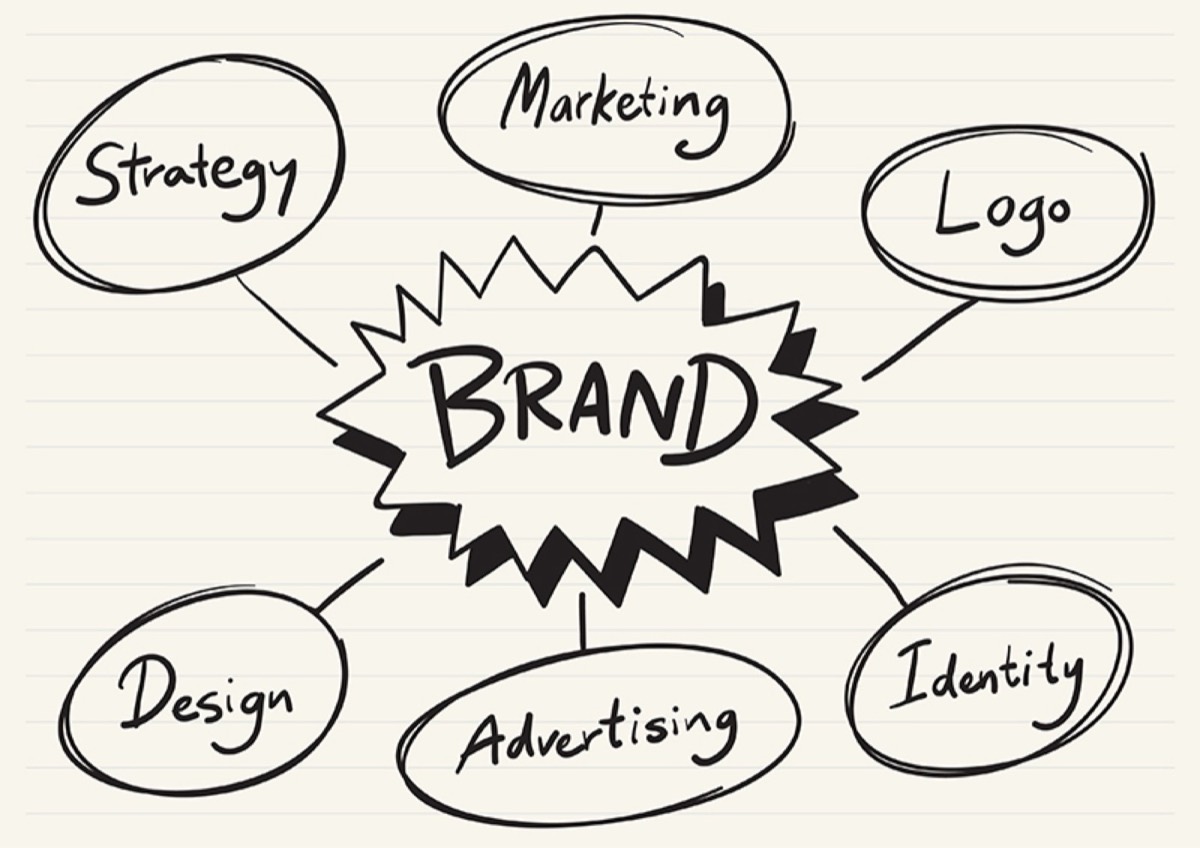
In plain terms, a brand is a combination of logo and text that speaks about the nature of the business it represents and communicates that nature to its target audience. A strong brand differentiates a product or service from its competitors and attracts the attention of potential customers, building trust over time.
Brand identity goes beyond design and text. It can include sound, sensory experiences, and even compelling associations with taste and smell. Some brands extend their identity further by pairing their logo with a brand mascot — a character that creates an emotional connection logo marks alone rarely achieve. The brand names of globally recognized companies — Mercedes, Apple, Adidas, Dell — are enough on their own to make people talk about them and buy. These brands know exactly what to put in front of the public, and when, to drive purchasing behavior. They understand that their brand is their goodwill.
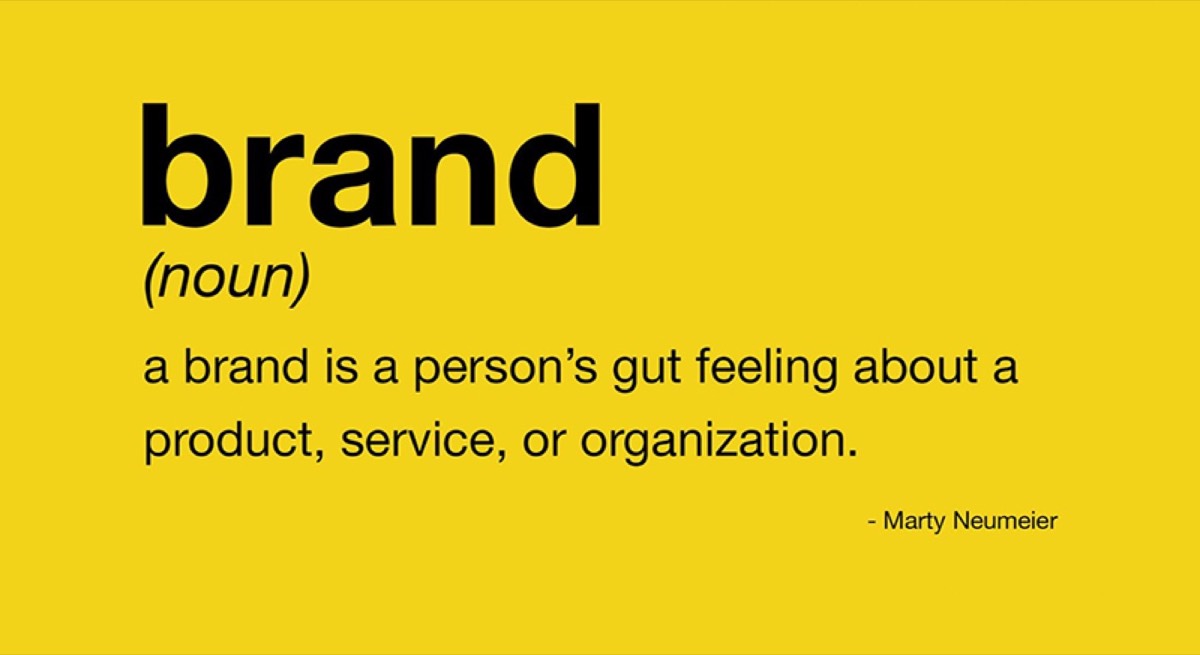
As Jeff Bezos put it: "Your brand is what other people say about you when you're not in the room." In today's competitive market, an effective brand is one that remains consistent in experience and communication across every touchpoint:
- Print collateral, packaging, and signage
- Content publishing
- Environmental surroundings (office or store)
- Online and digital marketing and advertising
- Sales and after-sales service
Building an effective brand concept is not a one-time project. It is a continuous process that evolves with your business needs and customer expectations. This ongoing effort is what establishes the long-term relationship with customers that drives sustainable revenue.
What Does Brand Building Mean?
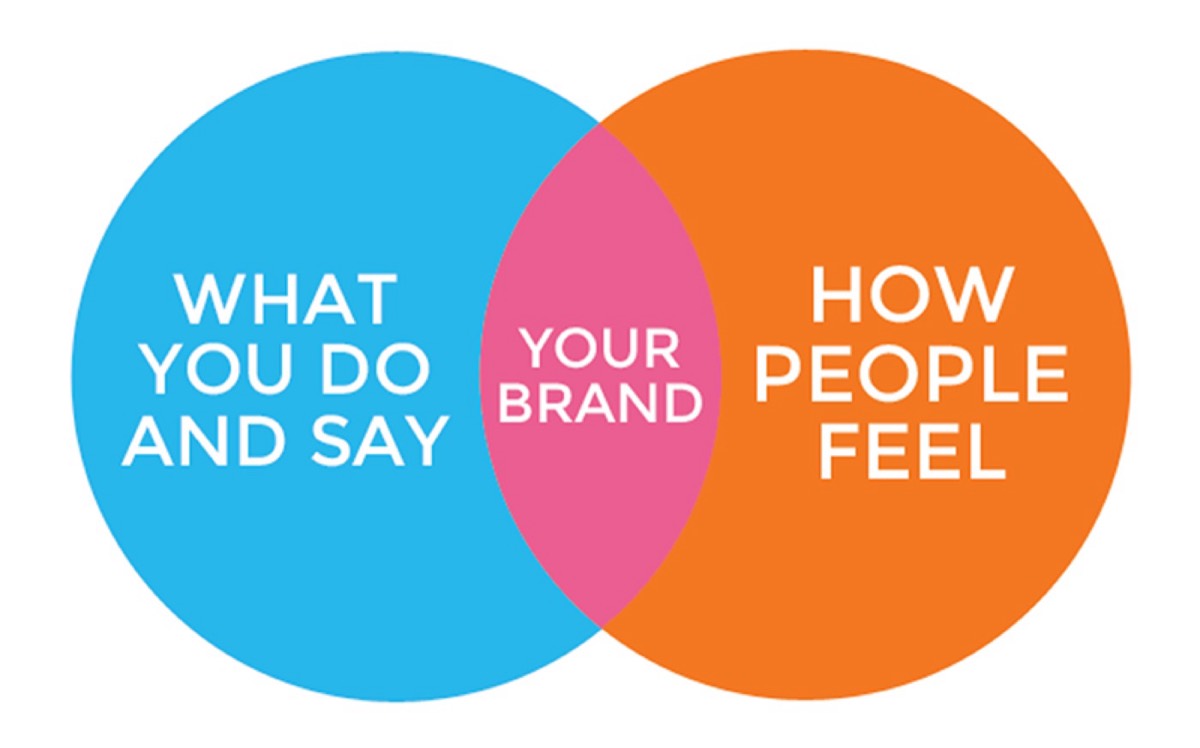
Brand building is the process of advertising your products or services to the public and creating lasting awareness through consistent marketing techniques and campaigns. The sole purpose of brand building is to make consumers aware of what you offer and leave a positive, lasting impression of your name on their minds.
A successful brand concept can be expressed through a simple equation:
Uniqueness + Positive Impression = Brand Concept Effectiveness
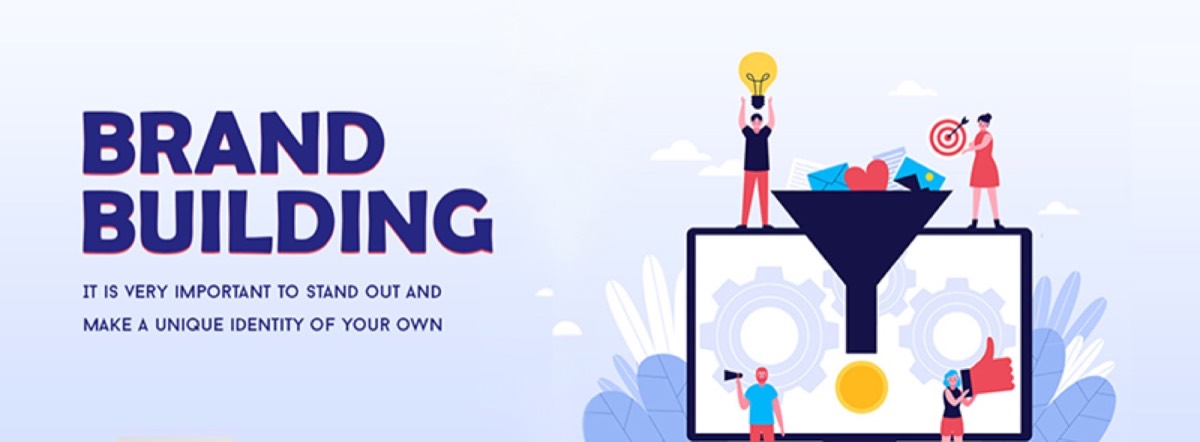
The digital marketing channels most effective for brand concept development include:
- Search Engine Optimization and Content Marketing
- User Experience (through your website and application)
- Paid Advertising (Pay Per Click)
- Social Media Marketing
- Email Marketing
All five channels together are essential for building a brand that achieves meaningful market presence and business growth.
Need a brand concept designed by experts who understand strategy as well as aesthetics? See Digital Polo's plans →
A Guide to Building an Effective Brand Concept
Identify Your Purpose for Establishing a Brand Image
Every successful brand identity is rooted in a strong purpose — one that shows what you love to do and how it benefits people and the world around you. To define your brand purpose, answer these four questions:
- What is the motive behind your existence in your chosen field of business?
- What factors differentiate you from your competitors?
- What problems does your business solve?
- Why should people choose you over established alternatives?
The answers to these four questions form the foundation for your slogans, taglines, visuals, voice, and messaging. Leadership expert Simon Sinek developed a model called "The Golden Circle" that supports this approach. His core insight: consumers do not buy what you sell — they buy why you sell it. The goal is to do business with people who believe what you believe.
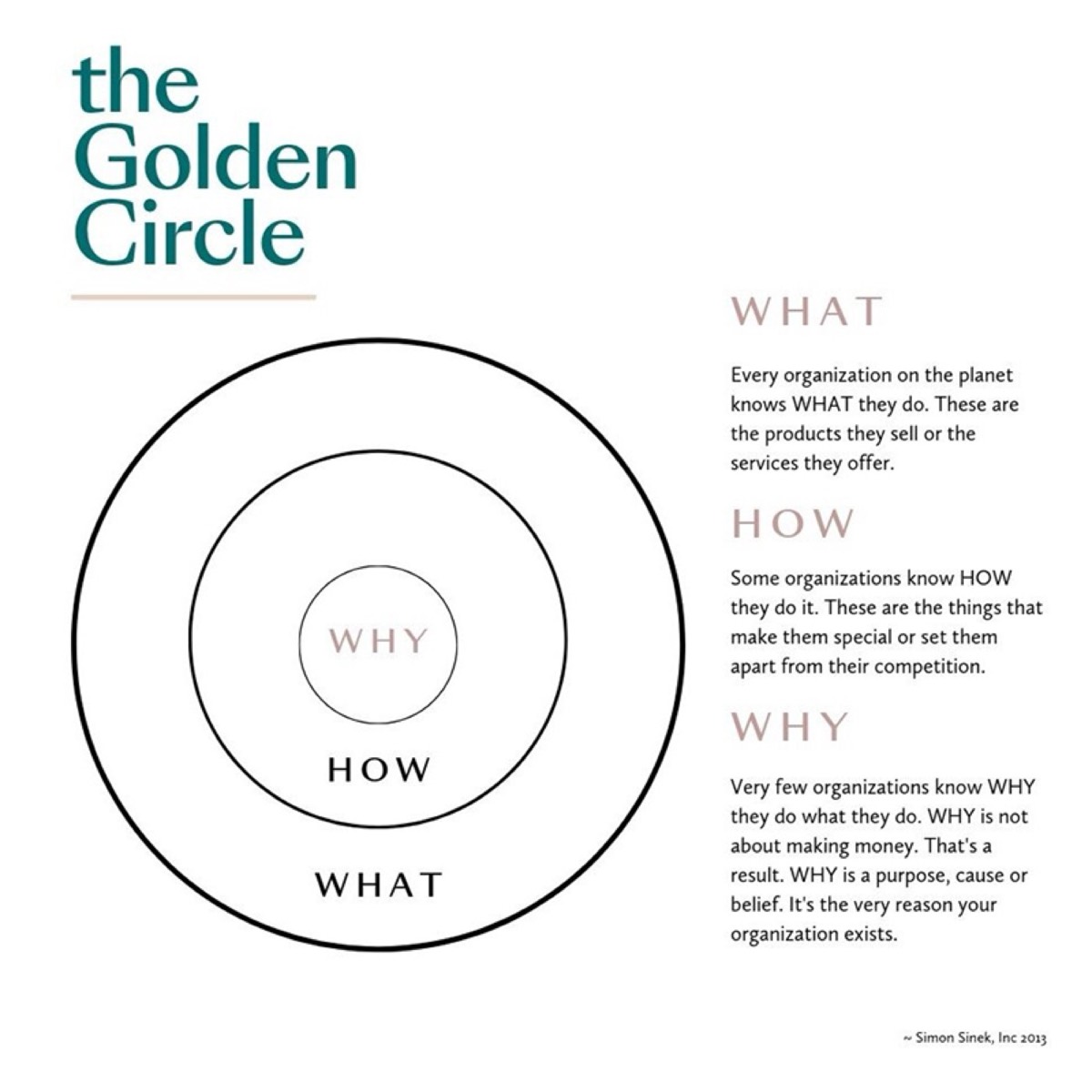
The Golden Circle asks three questions: What unique products or services do you offer? How do you differentiate from competitors? And most importantly, Why do you do this work?
Conduct Thorough Research of Competing Brands
Imitation is not what customers want. Being aware of your competitors' branding — including its flaws — is your key to establishing a brand that is genuinely unique. Strive to create a brand that is true to your business and has the convincing power to attract customers away from alternatives.

Set benchmark brands and study how they have performed in their brand-building process. An effective brand is one that consumers can easily recognize, connect to, and remember. Use a comparison spreadsheet to evaluate competitors on: consistency of messages and visuals, product or service quality, customer reviews, and marketing channels used both online and offline.
Understand and Ascertain Your Target Audience
You cannot be everything to everyone — and the same applies to your brand. Your product or service is not meant for all people, so your brand should not try to speak to all people either. Create a brand that specifically targets your range of consumers rather than the general public.
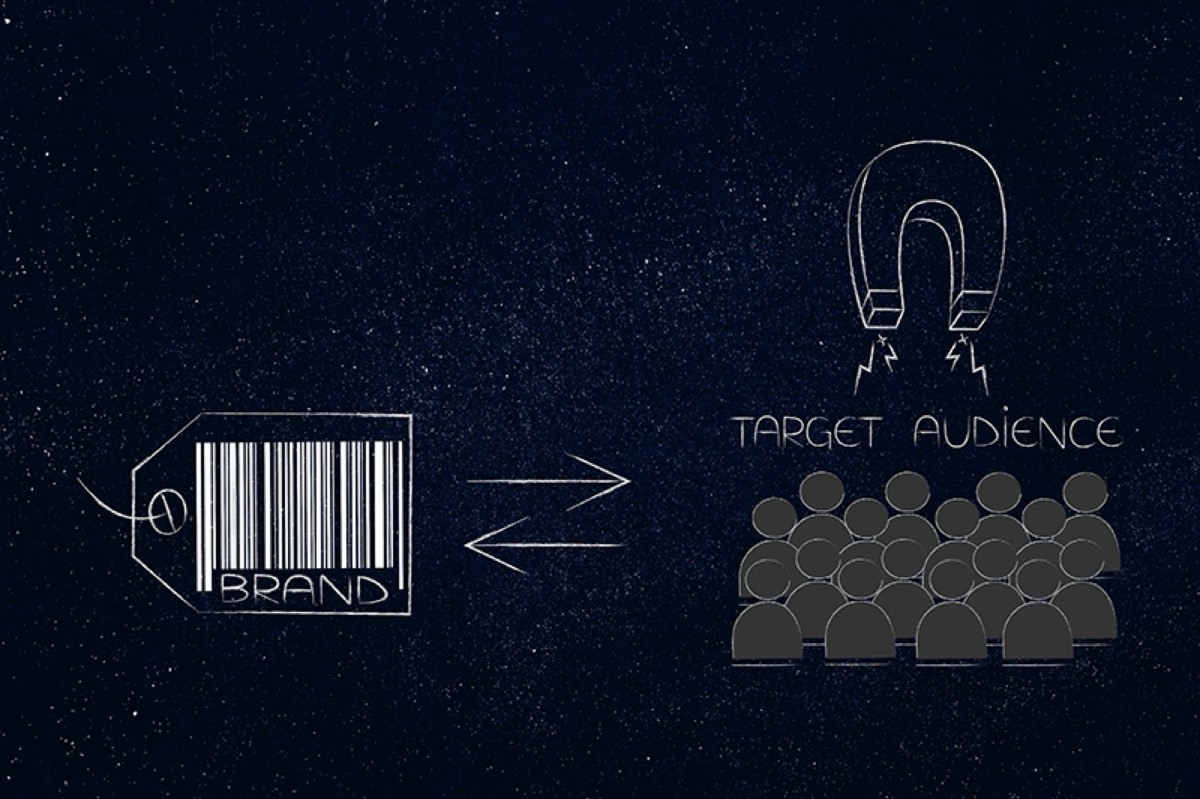
Design your brand according to the behavior and lifestyle patterns of your target audience. If you sell baby products, your audience is parents — specifically mothers. Incorporating words like "Moms" and images of parents with their children creates an emotional connection that resonates immediately and builds lasting loyalty.
Build a Full Brand Strategy
After identifying your brand purpose, analyzing competitors, and defining your target audience, you are ready to build your brand strategy. A brand strategy is a comprehensive plan that defines what you are working toward and how you intend to get there.
A full brand strategy includes your brand's core values, brand text positioning (tagline, props, and stories), and your brand voice. All of these elements work in alignment with the visual design of your brand. Document your brand concept guidelines thoroughly — consistency across all future implementations depends on it.
Highlight Your Brand's Vital Qualities and Benefits
Competitors will always exist who have bigger budgets and more resources. The way to outshine them is to offer unmatchable quality and make that quality visible in your brand concept. Your uniqueness and honesty are assets that cannot be copied.
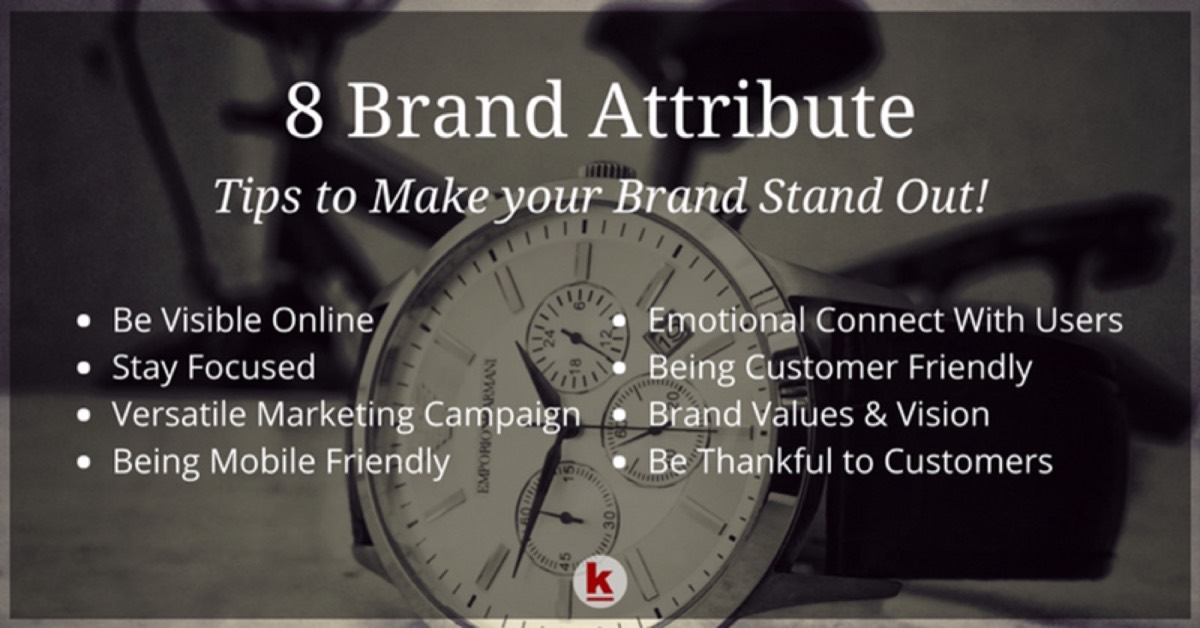
The more clearly you describe the benefits and quality standards embedded in your brand, the greater your consumers' trust will be. Make those descriptions specific enough that no competitor could credibly claim the same.
Create a Distinct Brand Voice
Your brand voice should correspond to your company's mission, industry, and target customers. It guides how your audience responds to everything you publish. A brand voice might be:
- Professional
- Service-oriented
- Friendly
- Authoritative
- Promotional
- Technical
- Informative
- Conversational
Choose a brand voice that separates you from competitors and matches your industry. The list of possible voices is nearly endless — the right one is the one that your specific audience trusts and relates to.
Construct a Robust Logo, Tagline, Brand Story, and Messaging
This is where strategy becomes execution. Your brand logo and tagline are the face and voice of your organization. They cannot be rushed or treated as afterthoughts. One decision that often gets overlooked is choosing the right font for your brand — typography shapes the emotional tone of your identity as much as your logo or color palette.
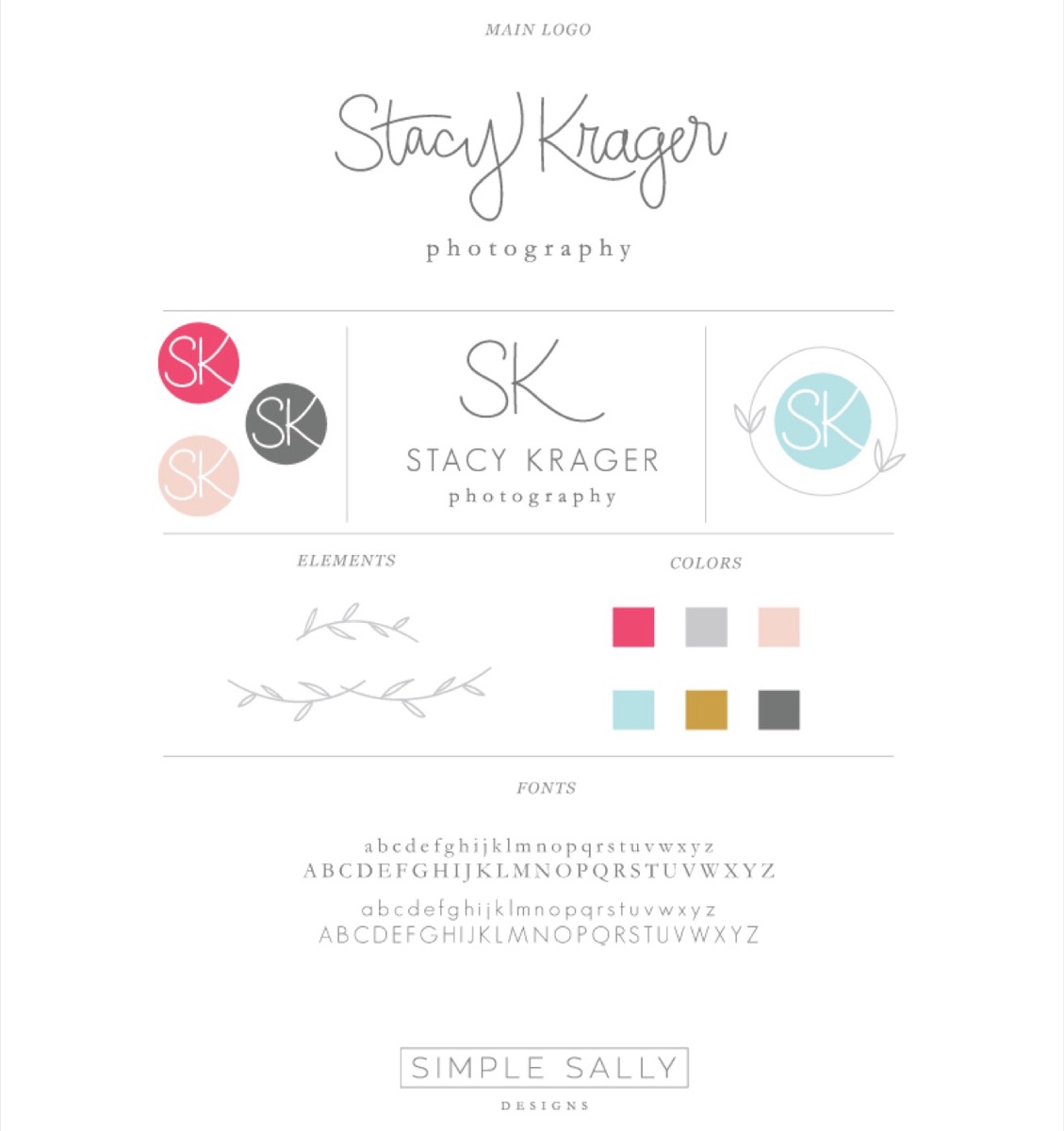
If you do not have a skilled and experienced designer in-house, hire a branding agency to handle it. Ask the designer to produce full brand guidelines to ensure consistency across all future applications of the brand concept. A complete brand identity includes:
- Logo size and placement
- Color palette
- Iconography
- Fonts and typography
- Web elements
- Illustrations
- Image style and photography
- Data visualization
Your brand story and messaging should reflect the entirety of your brand concept — who you are, what you offer, and why it matters. The most important element: make the story personal and emotionally resonant for the customer. Show them why your brand exists for them.
Make Every Aspect of Your Business Speak Your Brand
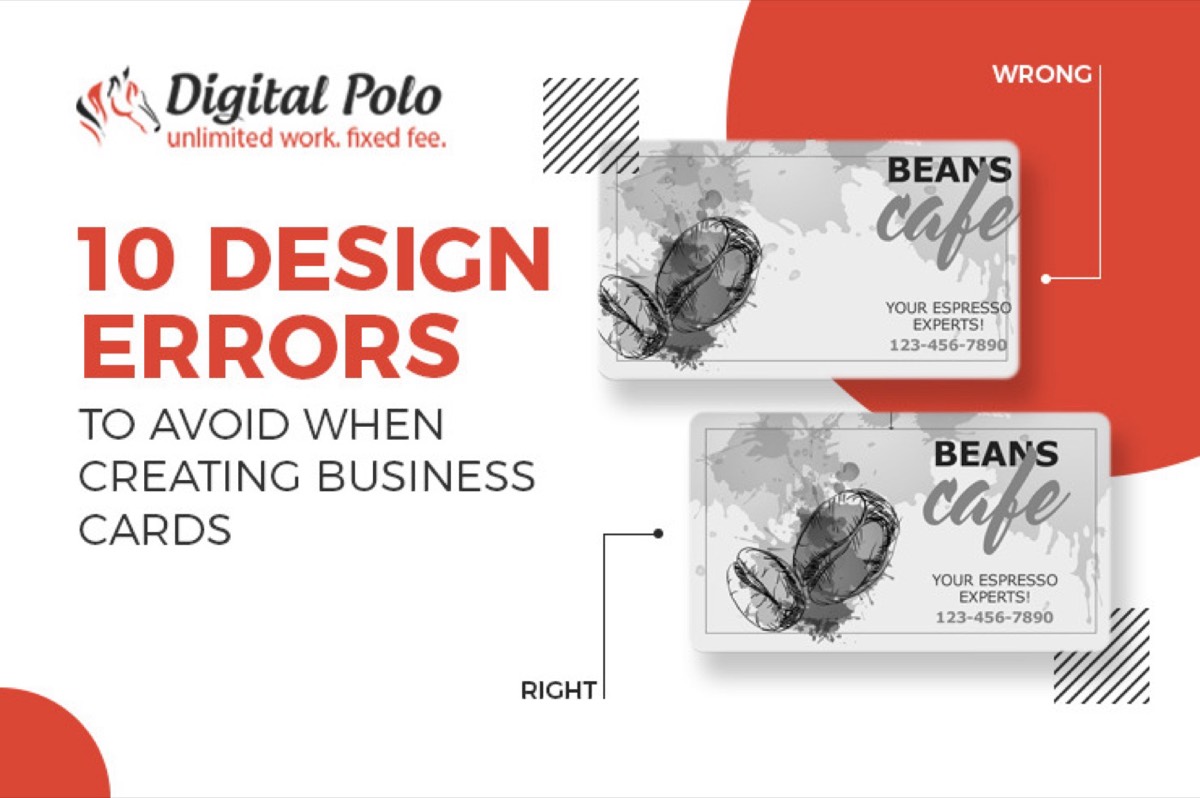
Every part of your business that customers can see, hear, or read should reflect your brand concept. From the moment a client enters your office to every digital platform they encounter, your brand should be present and consistent. Even smaller print touchpoints like business cards carry weight — there are common business card design mistakes that can quietly undermine the professional image your brand concept is building. As blood flows through veins, your brand name should flow through your entire organization.

Your website is the most important digital platform for brand expression. Integrate your brand voice, story, and message into the website's content from the start — and maintain that consistency across every platform you operate on.
A well-built brand concept, executed consistently and refined over time based on customer response, is one of the most powerful revenue-generating assets a business can have. Resist the temptation to change it frequently — consistency is the key to building the kind of trust that converts to lifetime customer value.
You are the best advocate for your brand. No one else can market it the way you can. You can also empower your employees to create personal brands aligned with the company's identity, and encourage loyal customers to spread your name through word of mouth and positive reviews. These organic amplifiers, built on a strong brand foundation, are what separate brands that endure from those that fade.
Digital Polo creates compelling brand identities, logo systems, and visual brand guidelines for one flat monthly fee with unlimited revisions. Start for $399/mo → | Soulmate at $899/mo →
Frequently Asked Questions About Brand Concept Development
What is the difference between a brand and a logo? A logo is a visual symbol — one element of your brand. A brand is the full experience your business creates: the visual identity, voice, values, customer service, and emotional associations people carry with them. A logo is what people see; a brand is what people feel.
How long does it take to build a strong brand concept? The initial framework — logo, color palette, typography, brand voice, and guidelines — can be developed in weeks. But the full impact of a brand is built over months and years of consistent, strategic communication. The most trusted brands have been reinforcing the same core identity for decades.
How do I know if my target audience is right for my brand? Start with customer research: surveys, interviews, and analysis of who is already buying from you. Define buyer personas based on behavior, demographics, lifestyle, and pain points. Then test whether your brand's visual identity and messaging resonate with those personas before committing to a full rollout.
Should a small business invest in professional brand design? Yes — and the earlier the better. A professionally designed brand signals credibility and consistency to customers. It reduces the cost of redesigns later and creates a coherent foundation for all future marketing. A strong brand identity is one of the highest-ROI investments a small business can make.
How often should a brand be refreshed or updated? Major brand overhauls should be rare — every 8–10 years or when a significant business pivot demands it. Minor refreshes (updating typography, adjusting color saturation, modernizing the logo) can happen every 3–5 years without disrupting brand recognition. Frequent changes confuse customers and erode trust.