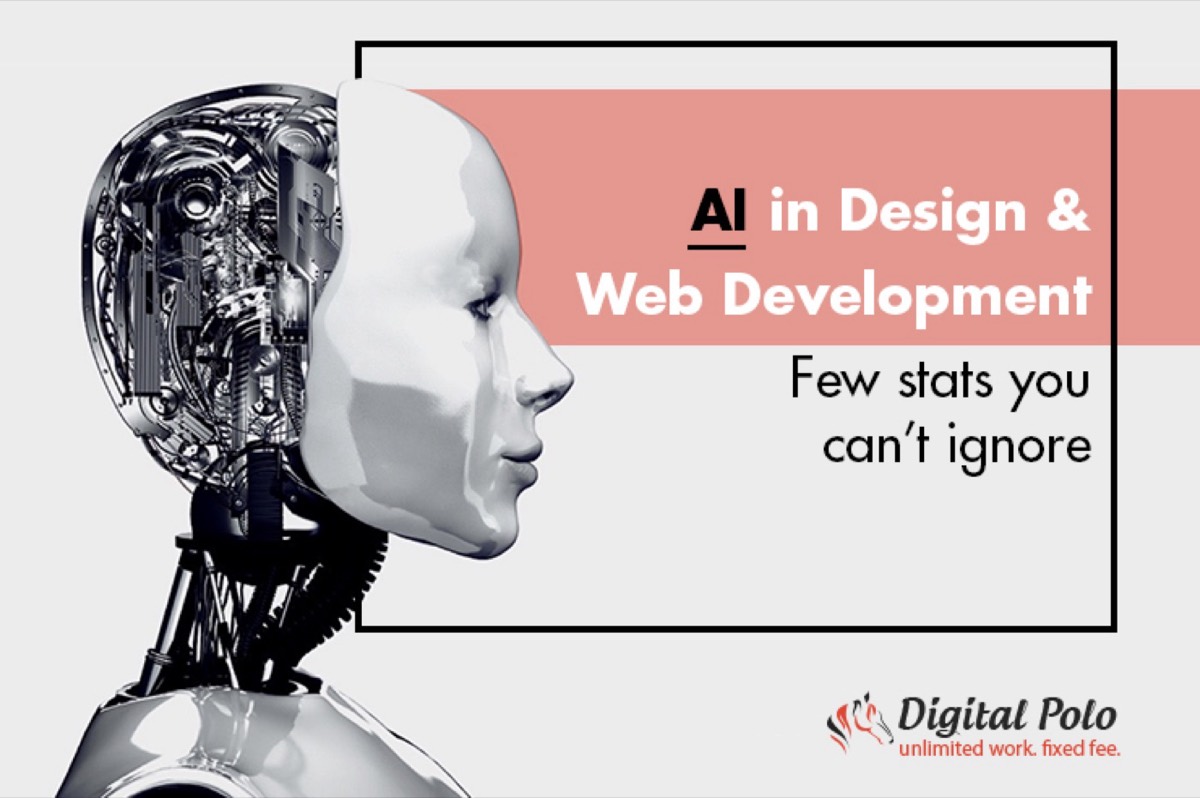
Think artificial intelligence is just an overhyped trend that will fade? The data tells a different story. Here are the key statistics on AI in design and web development — numbers that reveal just how fundamentally this technology is reshaping the field.
The Scale of AI Market Growth
The AI market has grown at a remarkable rate across sectors. As of 2018, the global AI market was valued at approximately US $7.3 billion. Industry projections point to explosive growth over the following decade, with the market expected to reach as high as US $89 billion. For design and development teams, this means AI-powered tools are not a future curiosity — they are an increasingly central part of the professional toolkit.
AI's Role in Quality Assurance and Testing
The data on AI adoption in quality assurance is striking. Research shows that:
- 57% of organizations have active projects involving AI for quality analysis and testing
- 36% are using AI for predictive analytics in testing
- 35% are using AI for descriptive analytics in testing
For design teams, AI quality tools are only part of the picture. Staying current with web design trends that define dazzling websites ensures that what AI helps you produce faster is also visually relevant.
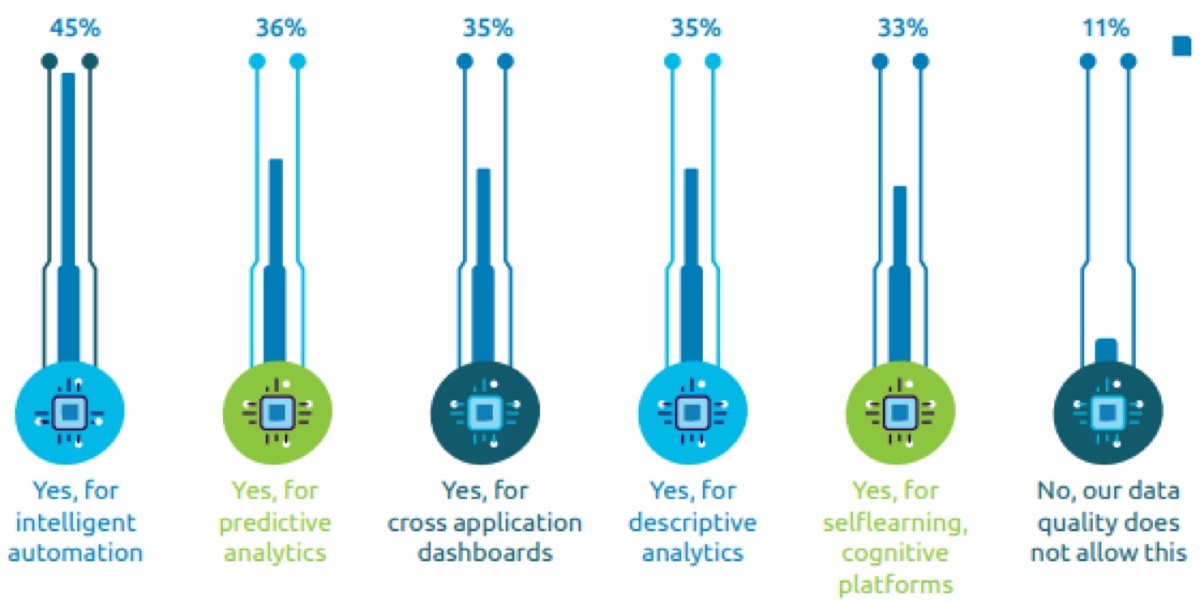
For web development and design organizations, this signals a shift toward automated quality processes — meaning faster iteration cycles, fewer bugs in production, and lower QA costs over time.
AI and Customer Interactions: Chatbots in Focus
One of the most immediate applications of AI for design and development businesses is customer service automation through chatbots. The data here is particularly relevant:
- 85% of all customer interactions are projected to be handled without a human agent in the near future
- Chatbots can save businesses up to 30% on customer service costs
- Bots can answer 80% of routine questions automatically, freeing human agents for complex issues
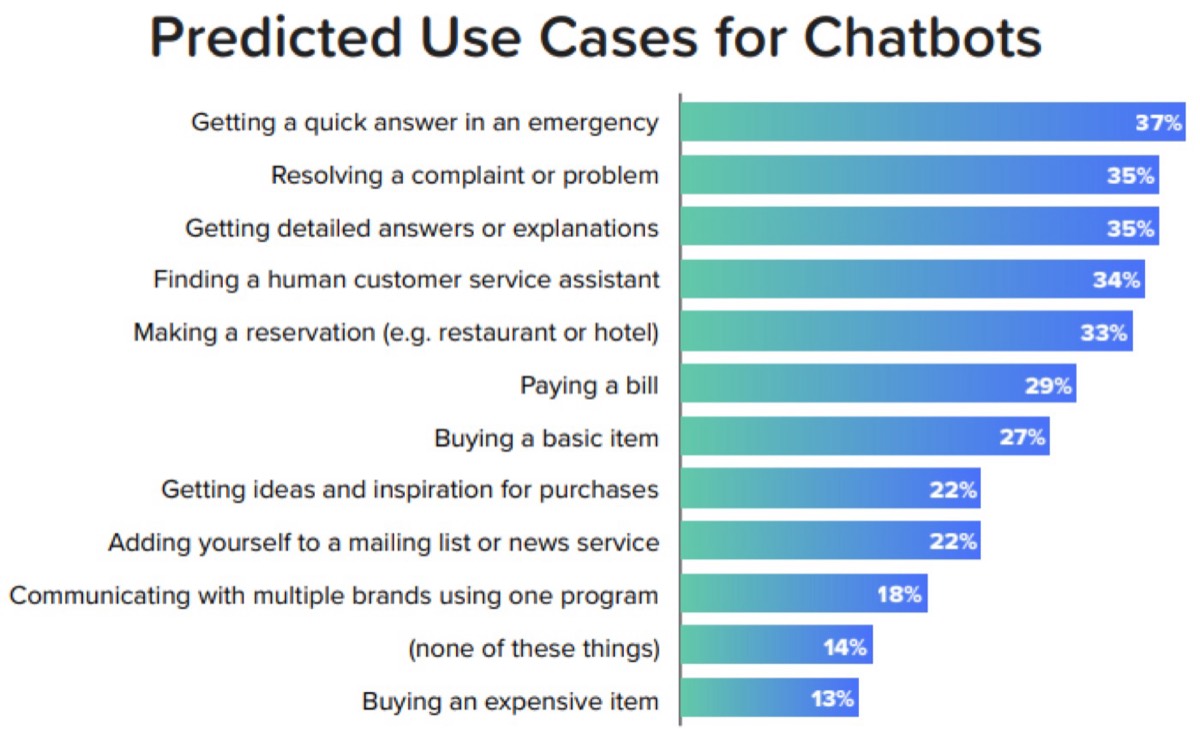
For tech-forward design and development organizations, this is a direct opportunity: reducing operational overhead while improving response speed.
Need design that communicates your brand's forward-thinking edge? See Digital Polo's plans →
AI Strategy Adoption Among Mature Organizations
Not every organization has an AI strategy, but the most digitally mature ones do. Research shows that 47% of digitally mature organizations have a defined AI strategy in place. This is a strong signal for design and development teams: the competitive gap between AI-enabled and AI-absent businesses will continue to widen.
The Business Value of AI-Enabled Tools
The projected business value generated by AI-enabled tools is one of the most compelling numbers in this space. Studies estimate that AI-enabled tools will generate as much as US $2.9 trillion in business value in the years ahead — with design automation, content generation, and UX optimization among the key contributors.
For design and development organizations still exploring AI tools, the risk of waiting is now measurable in trillions.
Investment in AI-Based Design and Development Automation
The final statistic worth noting: 46% of digitally powered companies plan to invest in AI-based tools to automate various web design and development processes. For independent designers and agencies, this trend means both increased competition from AI-augmented competitors and significant opportunity for those who adopt early.
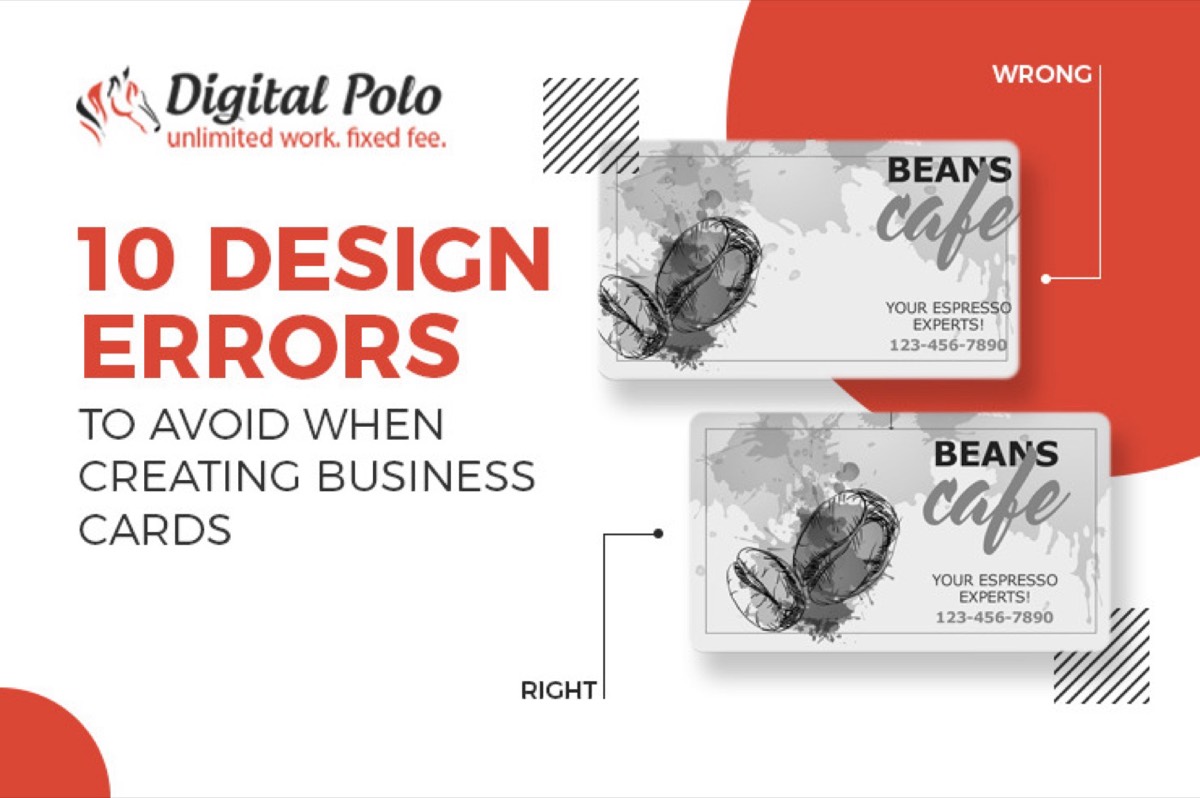
The data makes a compelling case. AI is not arriving — it is already reshaping how design and development work gets done. Organizations that define their AI strategy now, adopt the right tools, and integrate automation thoughtfully will be the ones that lead. Those that wait will find themselves in an increasingly difficult position as the gap between early adopters and laggards widens. As AI speeds up production, the human judgment required to avoid common design mistakes — especially in brand-critical collateral — becomes more valuable, not less.
For design teams specifically, the opportunity is not to be replaced by AI — it is to use AI to do more, faster, and at a higher standard. The numbers support that investment entirely. Keeping pace with graphic design trends worth embracing right now is one way designers can ensure AI-assisted output still reflects what modern audiences expect.
Digital Polo creates forward-thinking design and brand assets for one flat monthly fee with unlimited revisions. Start for $399/mo → | Soulmate at $899/mo →
Frequently Asked Questions About AI in Design and Web Development
How is artificial intelligence currently being used in graphic design? AI is being used for tasks like image generation, layout suggestions, background removal, color palette selection, and content resizing for different formats. Tools like Adobe Firefly and Canva's AI features are already widely integrated into professional workflows.
Will AI replace graphic designers and web developers? The evidence points toward augmentation rather than replacement. AI handles repetitive, rule-based tasks more efficiently — but it lacks the strategic thinking, emotional intelligence, and cultural nuance that skilled designers bring to a brief. The most competitive professionals will be those who use AI tools to multiply their output rather than resist them.
What is the best way for a design agency to start integrating AI? Start with tools that fit existing workflows: AI-powered image editing, automated asset resizing, chatbots for customer FAQs, and analytics automation. Adopting a few high-impact tools thoughtfully delivers more value than attempting a wholesale transformation.
How does AI benefit web development specifically? In web development, AI accelerates code generation, bug detection, accessibility auditing, and performance optimization. AI-assisted tools like GitHub Copilot can significantly reduce development time for routine tasks, allowing developers to focus on complex logic and architecture.
How should businesses measure the ROI of AI tools in design and development? Track time saved per deliverable, reduction in revision cycles, customer service cost reductions from chatbot automation, and improvement in quality assurance pass rates. Start with one metric, establish a baseline, and measure the delta after three to six months of AI tool adoption.