Even with the solid growth of e-commerce, physical retail stores are still holding strong. As online competition intensifies, retail stores need to sharpen their strategies — and one of the most powerful levers available is visual merchandising.
Arranging your products to highlight your best items is a good start, but it is often not enough to influence buyers at the level that drives real revenue. Introducing smart visual merchandising tweaks can have ten times more impact on customers than your current setup.
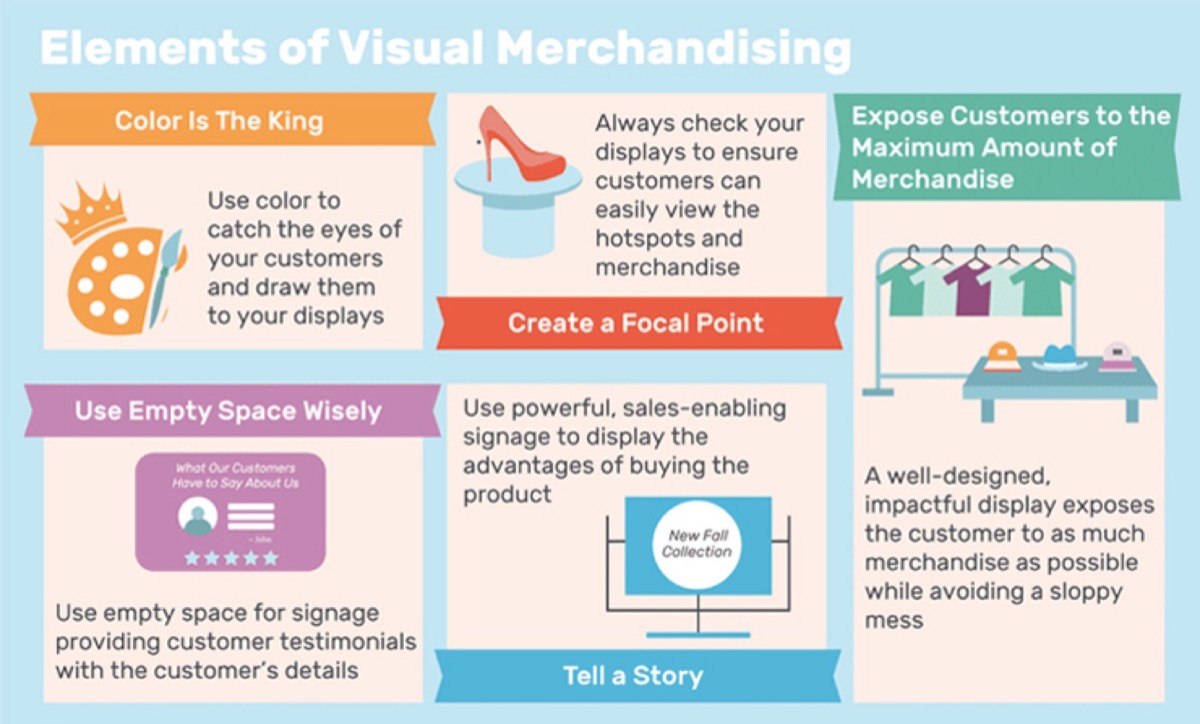
The goal is to generate maximum revenue by optimizing how your store looks, feels, and flows. You need aesthetic taste and an understanding of how visualization works. Here are 8 fail-proof visual merchandising methods you can implement right away.
1. Pay Attention to the Entrance
The entrance is where it all starts. Your display window is the very first thing a customer sees — and it can make or break whether they step inside. Make your store welcoming by keeping the display window clutter-free instead of stuffing it with unnecessary products.
According to a study by the Russel R. Mueller Retail Hardware Research Foundation, a well-executed display can increase sales by 540%. Choosing a hot-spot — the most visible, highest-traffic area in your store — wisely can increase sales by a further 229%.
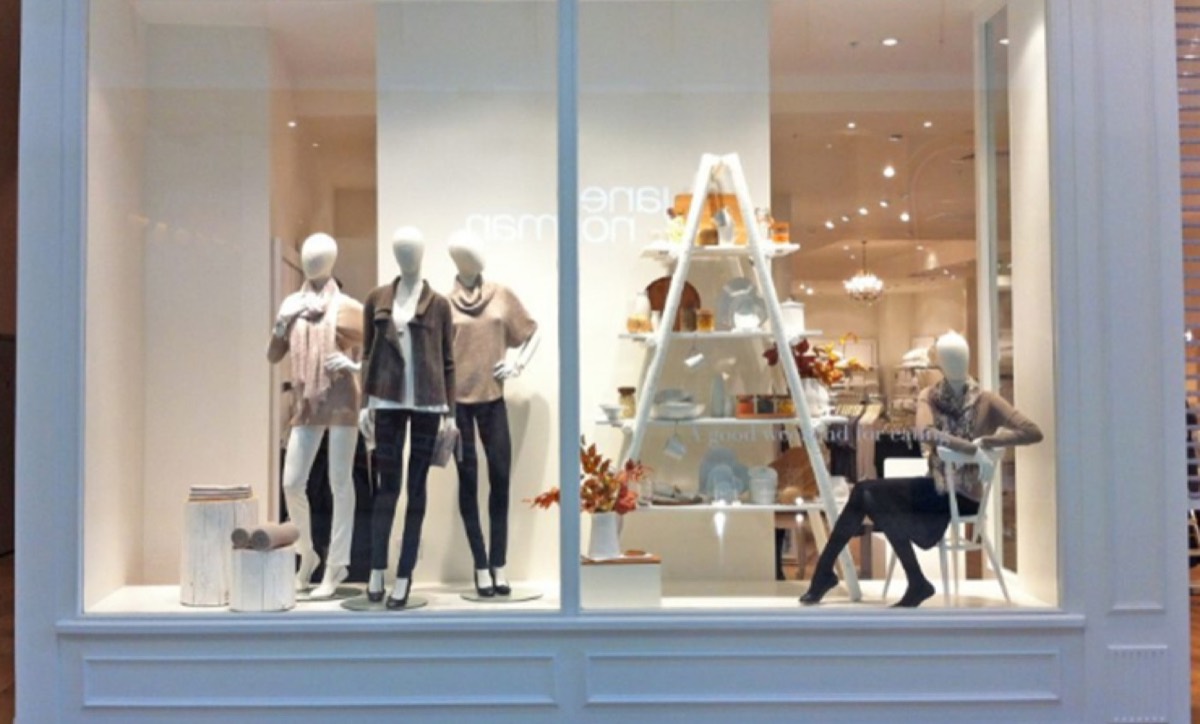
Use your display window to showcase fresh launches or sale items. Notice how the example above uses similar elements in different styles. The primary focus stays on the garments, while stools and shelves create visual balance without cluttering the space.
Revamp your display window at least once a month. It keeps customers engaged and gives them a reason to revisit to see what is new.
2. Involve All the Senses
Visual merchandising is not only about visual aesthetics. Engaging all five senses creates a richer, more memorable experience that makes customers more likely to purchase.
- Sight: Proper lighting, color, contrast, and shapes form the foundation of visual merchandising. More detail on this in the sections below.
- Touch: Research shows that 85% of customers still prefer to visit a physical store for shopping. Why? Because what we buy is often determined by what we can touch and feel. Make sure customers can interact with the products you most want to sell.
- Sound: Music shapes the customer experience profoundly. Choose a playlist matched to your target audience — country music for a 30–50 age bracket, pop for female teenagers, and so on.
- Smell: 75% of human emotions are influenced by smell. A store that smells fresh and has a subtle, pleasant fragrance will have customers associating it with a positive experience. Just avoid anything overpowering.
- Taste: If you sell consumables, let customers sample your best products. The conversion impact is direct.
3. Play With Colors
Do you use red on your sale signs? Have you ever thought about why — or do you just use it because everyone else does?
Color engages attention like almost nothing else and is deeply tied to human emotion. Research shows that 93% of customers make purchase decisions based on the visual appearance of a store. Color is a major driver of that.
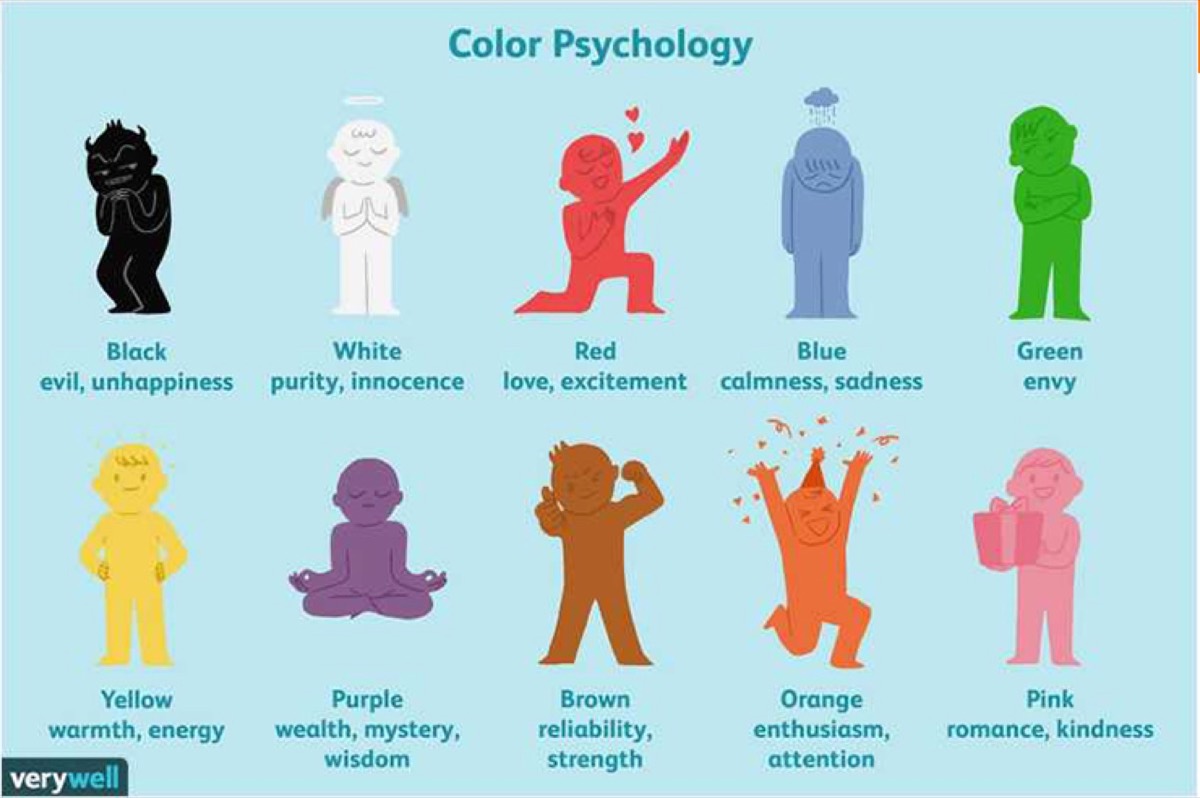
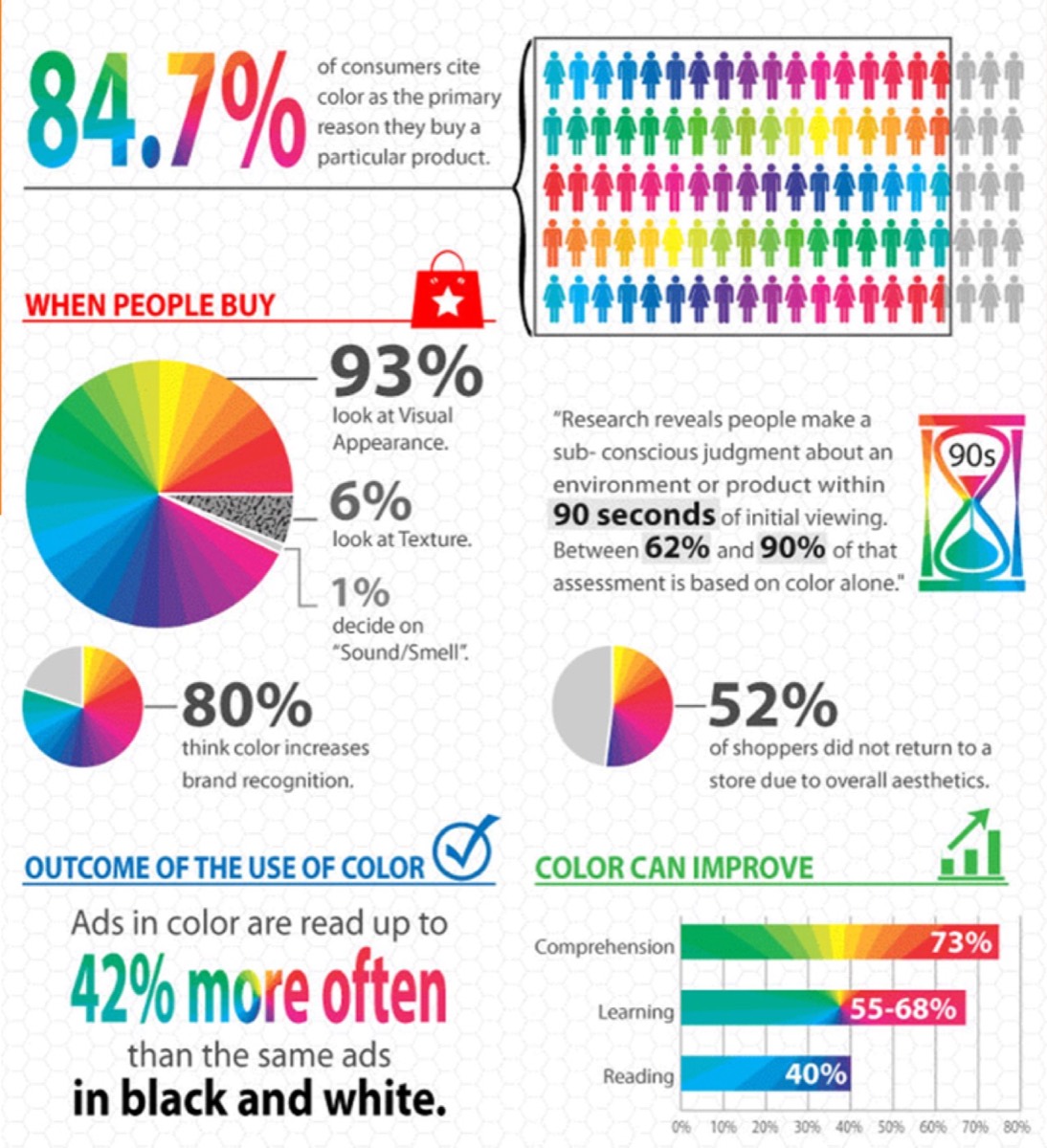
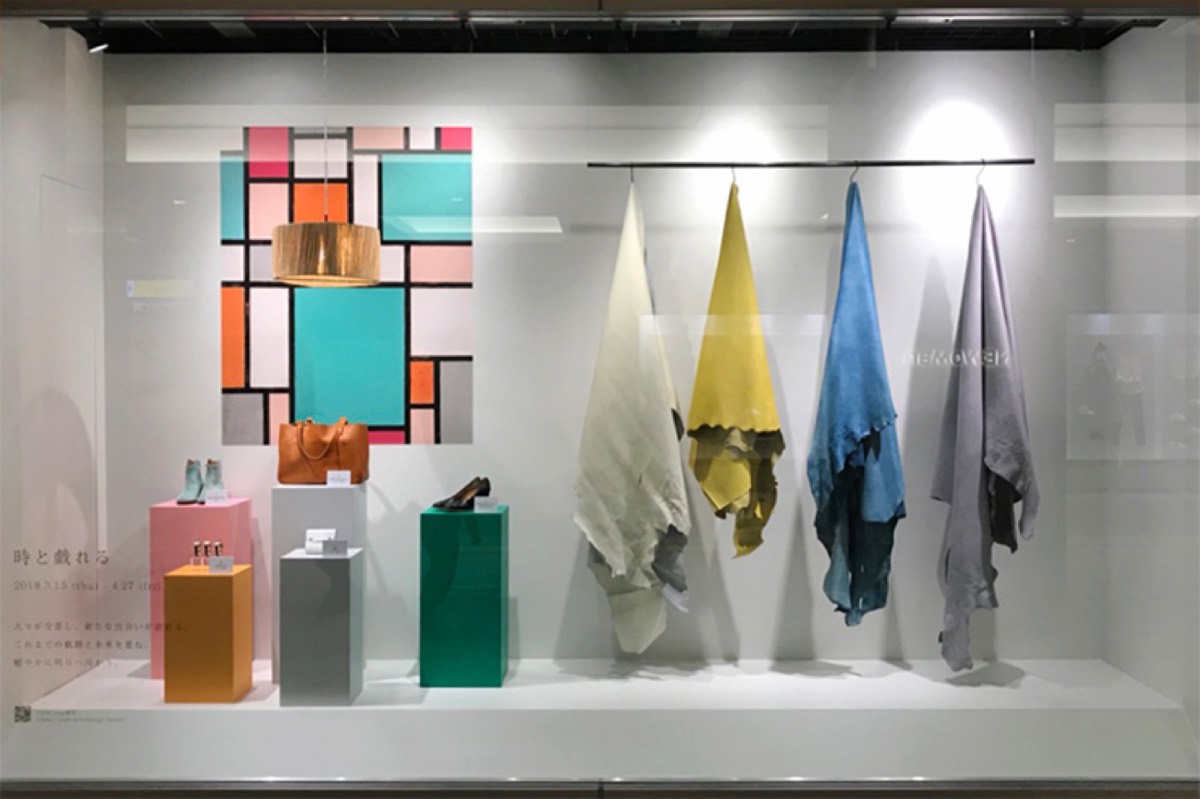
Use bold colors in the display window to draw customers in. Reds and oranges command attention. Avoid overusing dark shades, which can feel heavy and uninviting. Notice in the example below: different colors are used in the display window, but the backdrop remains a simple, light neutral — giving the colored products room to breathe.
4. Light, Light, and More Light
The right lighting strategy can change the entire game for your store. Many retailers underestimate it — but using the wrong light (or too little of it) is one of the most common visual merchandising mistakes.
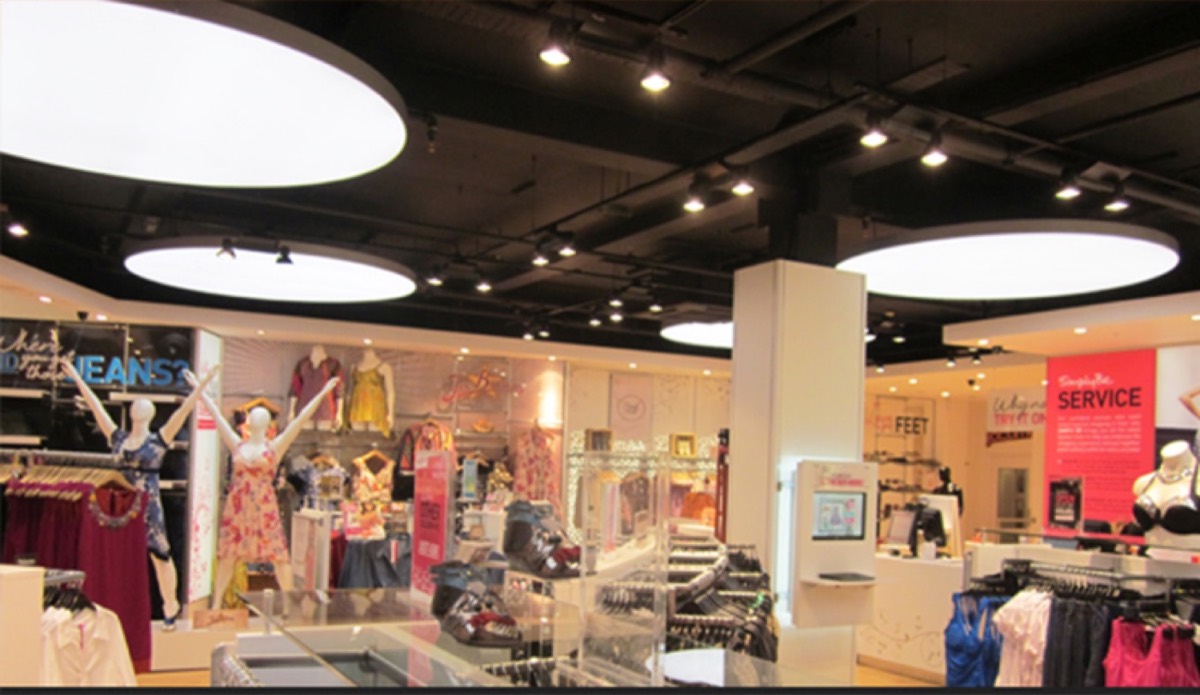
There are different lighting techniques suited to different store environments. If you want simplicity with strong effect, ambient lighting is a solid choice. Soft, warm lights create a welcoming atmosphere and make customers feel at home. Bright lights ensure every corner of your store is visible, encouraging customers to explore the full product range.
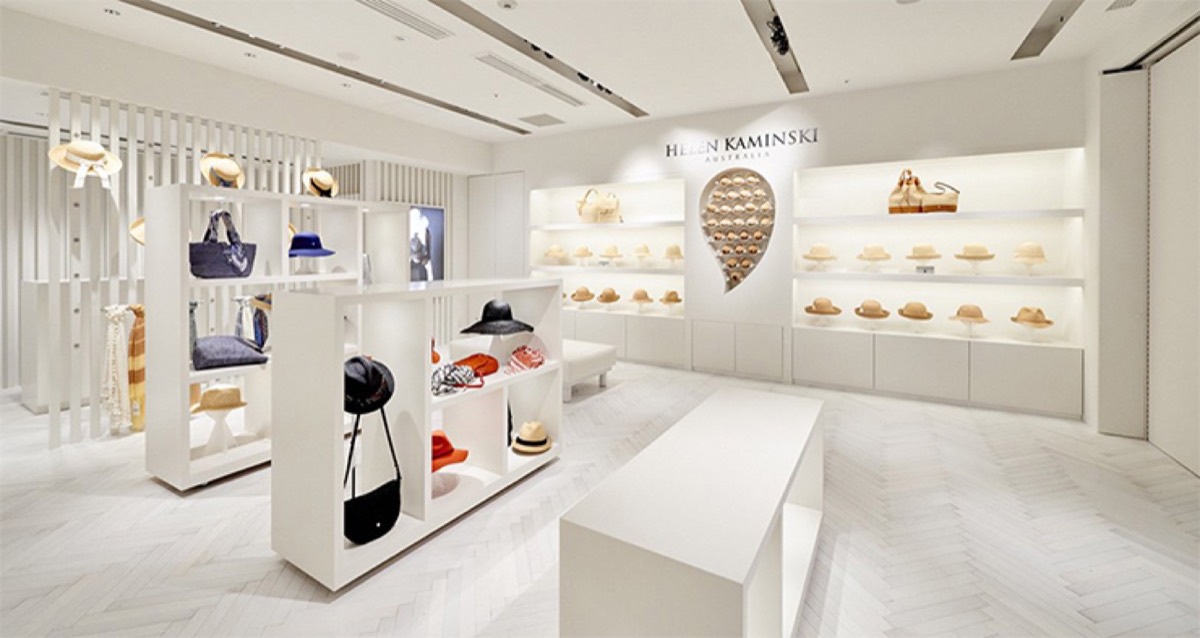
Your aim should be to create a visual appearance your customers fall in love with. Good lighting also allows you to spotlight specific products strategically and create a sense of awe that lingers after customers leave.
Need design that makes your retail brand as compelling as your best visual displays? See Digital Polo's plans →
5. Signage at Support
If you have not been using signage to guide customers, you have been leaving money on the table. Signage is the simplest way to communicate sales, new launches, and product benefits. The clearer your signage, the easier it is to attract and convert customers.
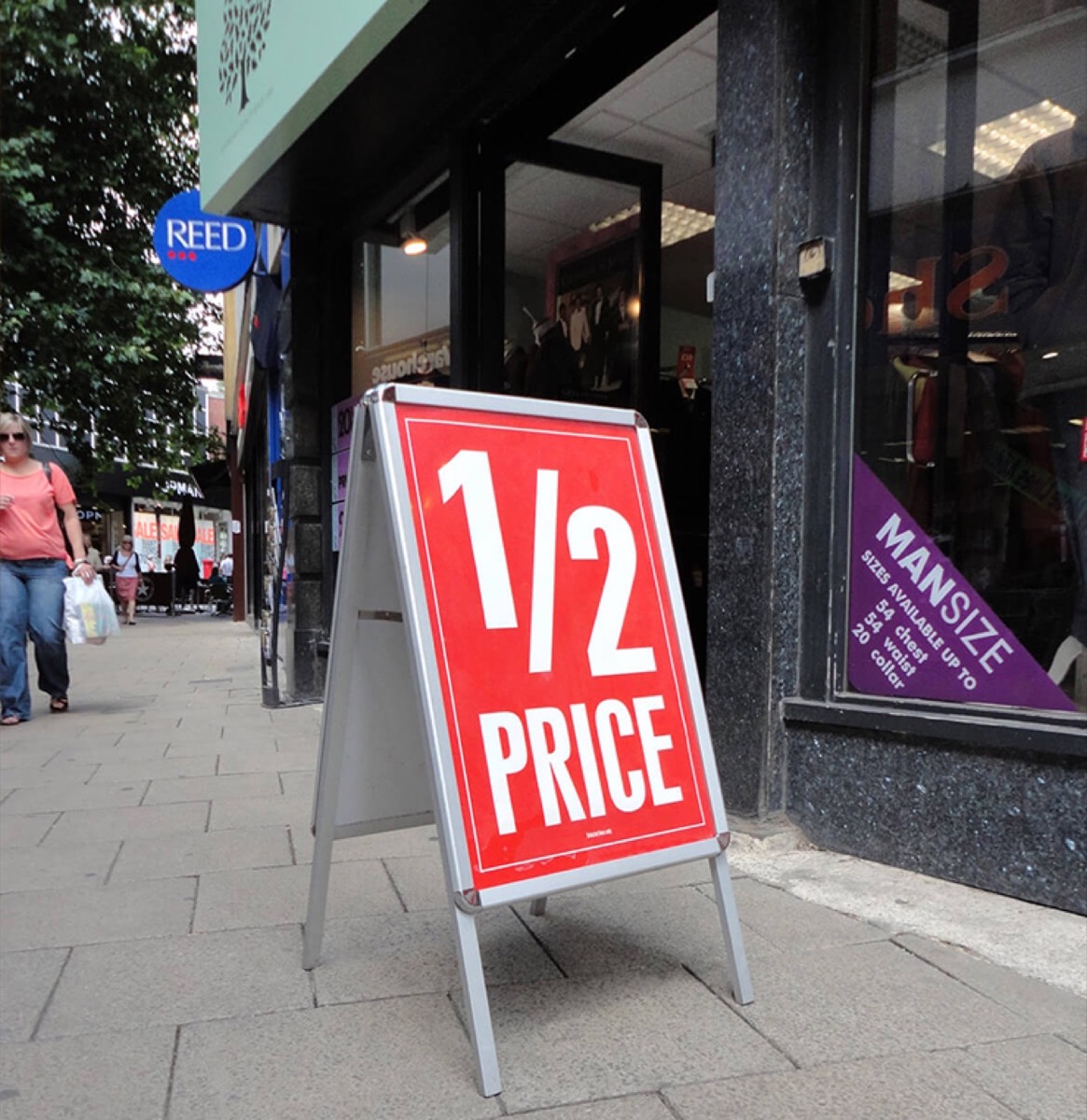
Outdoor signage is particularly powerful — it determines whether passersby decide to enter your store at all. Instead of announcing who you are, communicate what matters to the customer directly. Influential outdoor signage placed at the entrance will get people to stop, look twice, and walk in.
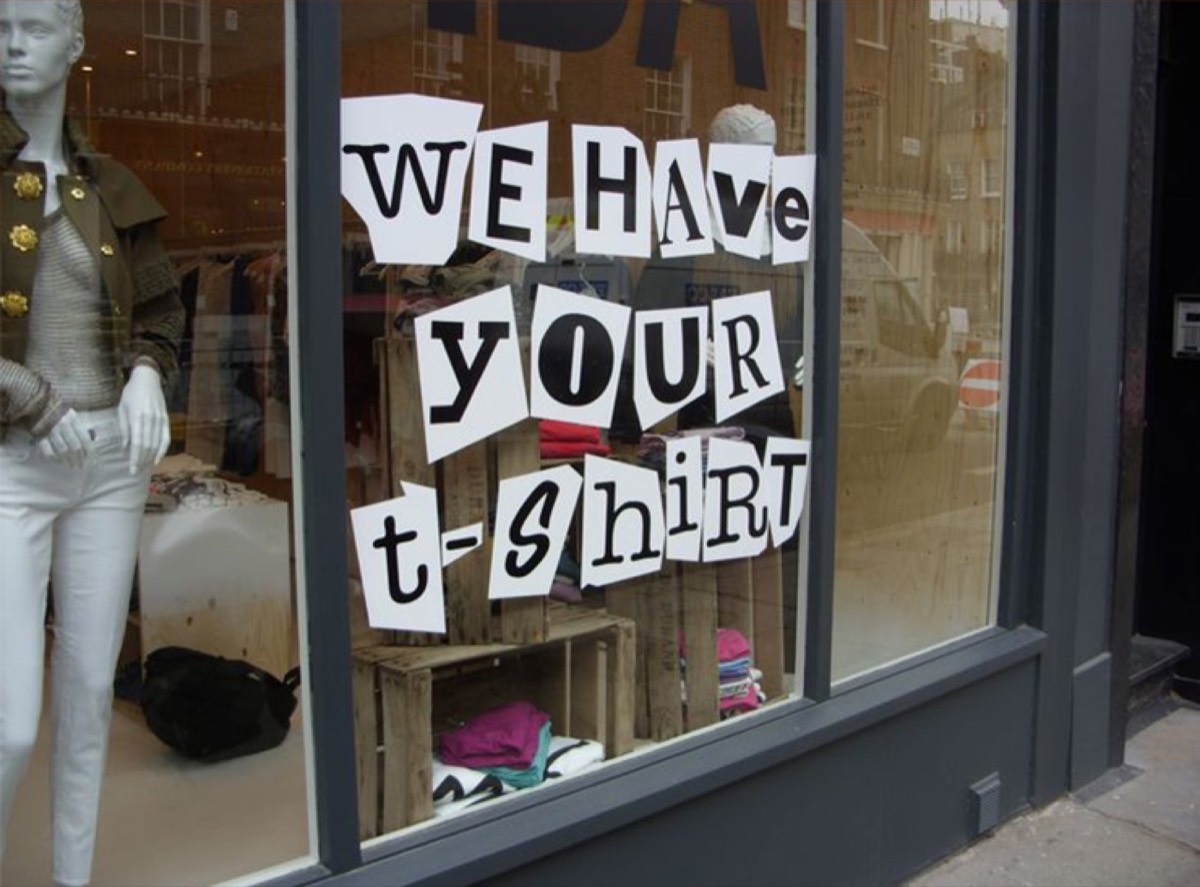
The more unique and creative your signage, the more interest it generates. Consider the example above: a simple sign positioned above a stack of t-shirts uses witty text to trigger an emotional reaction. Once the signage hits the right nerve, people start exploring.
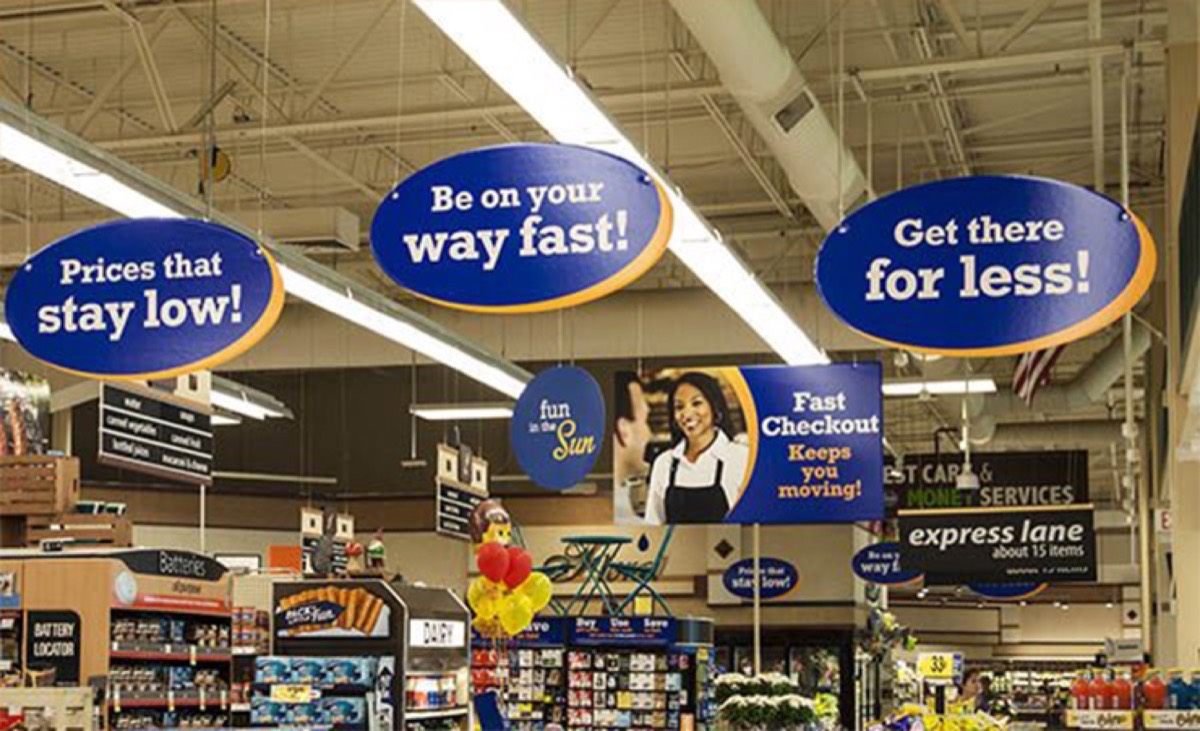
Influential signage placed in front of the products you most want to sell creates urgency and directs the customer's attention where you want it. Bold text, strong colors, and a clear message are your most powerful tools.
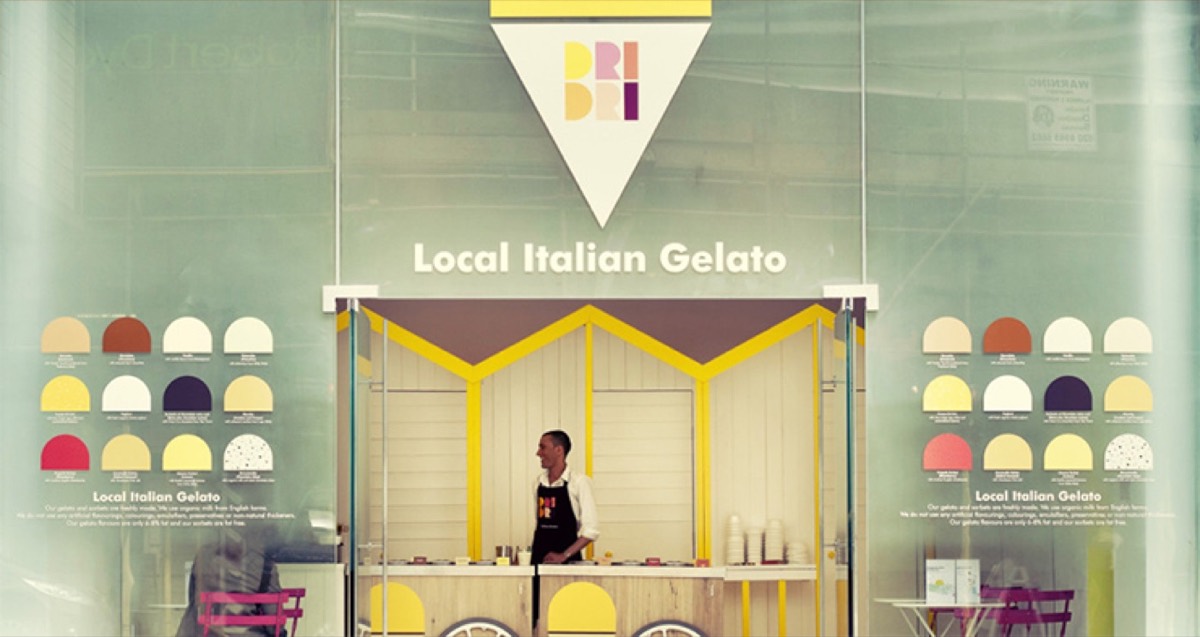
Experiment with iconography, imagery, fonts, and colors to find what works best for your store. Working with a professional graphic design team ensures you are using the right visual elements to engage and convert your customers. Staying on top of current graphic design trends helps you keep your in-store visuals feeling fresh rather than dated.
6. Cross-Merchandising With Product Grouping
You may know what product grouping is — but are you doing it right?
The products you group together, the colors of those products, and the category logic behind your groupings all matter enormously. If you are selling monsoon merchandise, keeping waterproof boots, bags, and raincoats together makes sense. A customer looking for a waterproof jacket is not looking for an umbrella — but they may well be looking for waterproof boots.
Group a winter jacket with boots, neck warmers, gloves, and thick socks. Your goal is not just to sell one product — it is to make the customer's shopping experience so frictionless that they do not need to look anywhere else for complementary items.
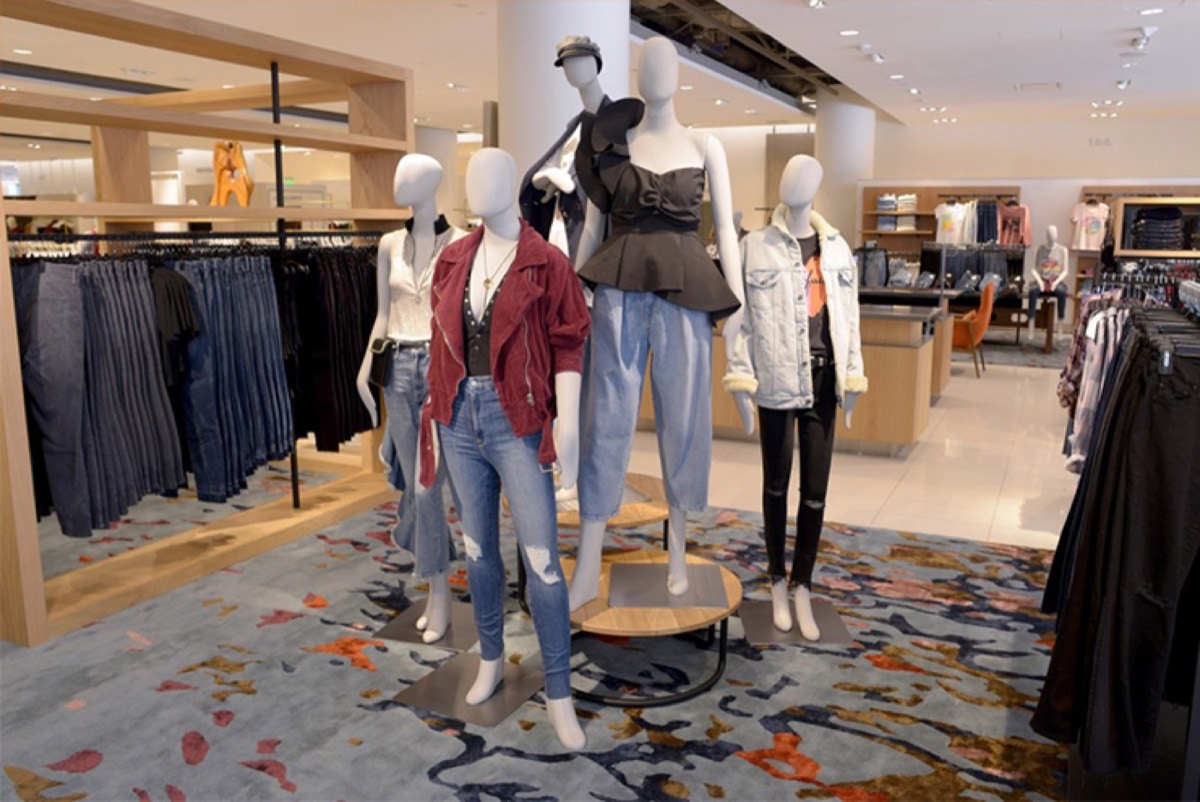
Cross-merchandising takes this a step further. If you have an outstanding bag collection, pair the bags with matching shoes, sunglasses, and jewelry. Customers shopping for bags will discover complementary shoes they did not know they wanted — saving their time and increasing your average transaction value.
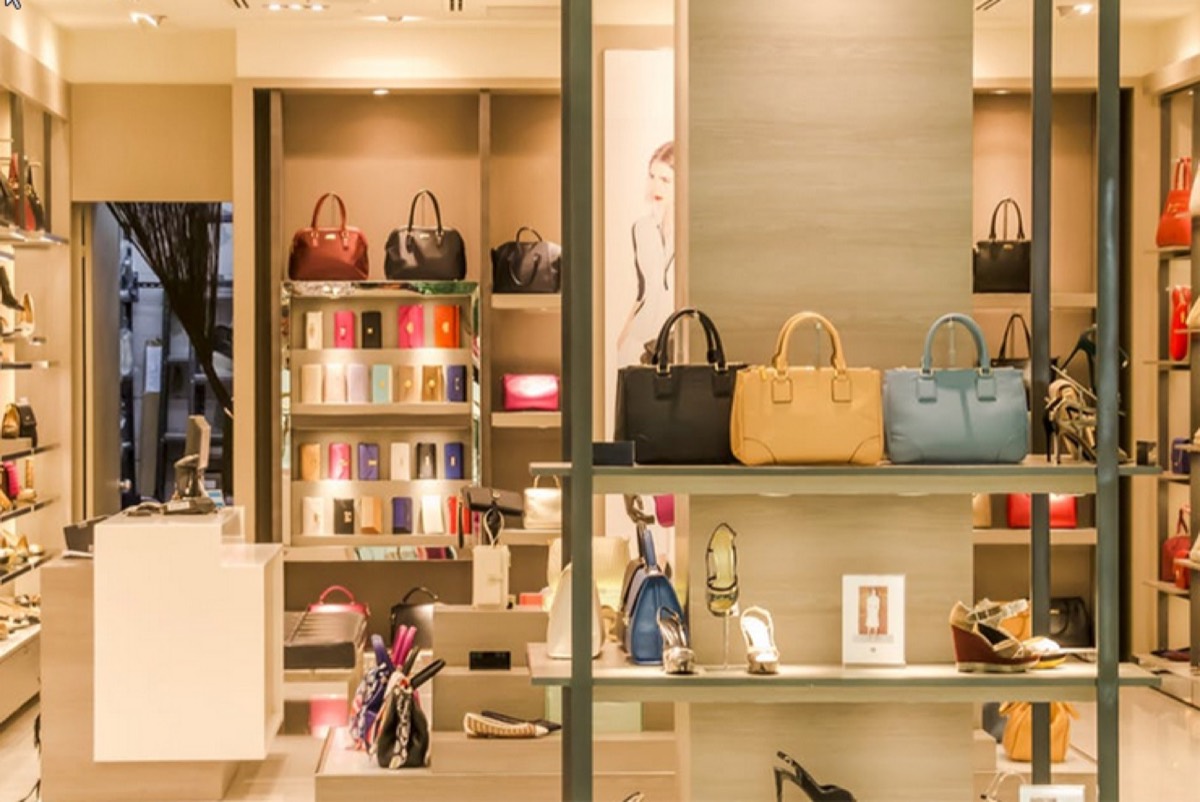
Apply the rule of three: display items in sets of three or odd numbers. Asymmetry keeps the customer's eye moving, increasing engagement time.
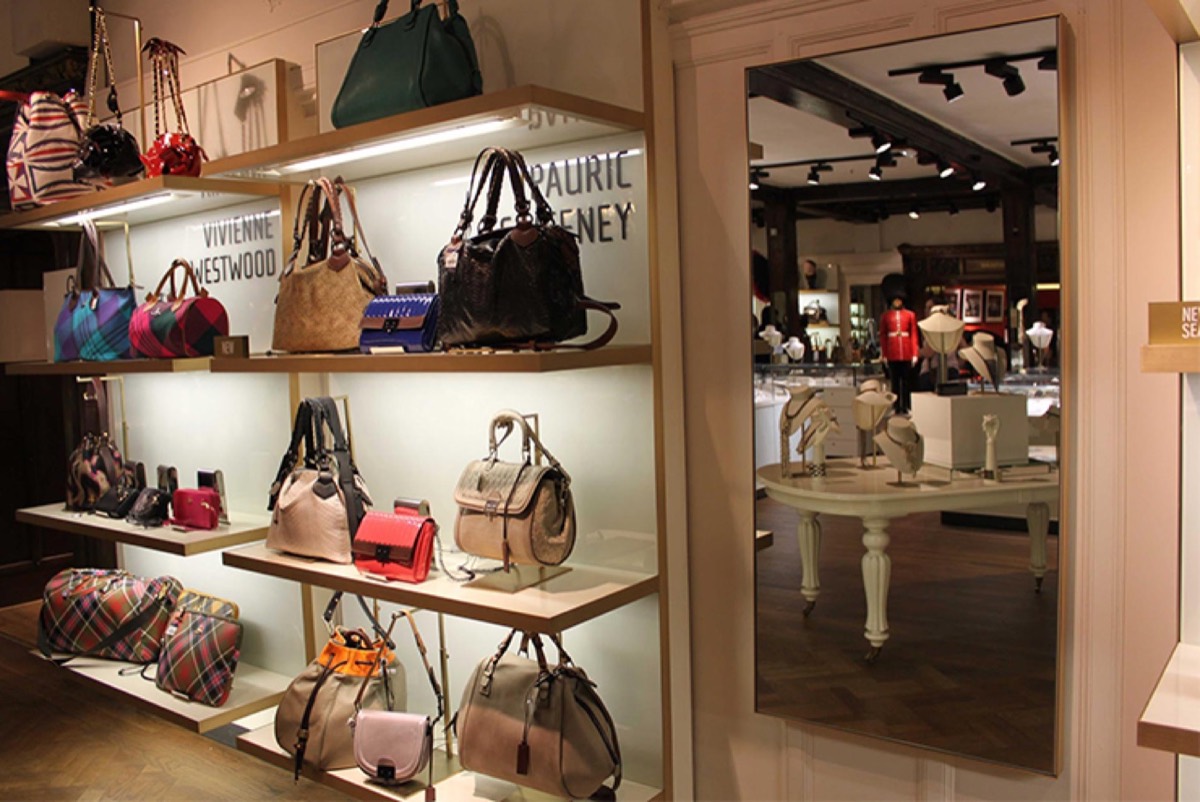
Notice how each rack displays exactly three bags in the example above. This principle is widely effective across virtually every retail category.
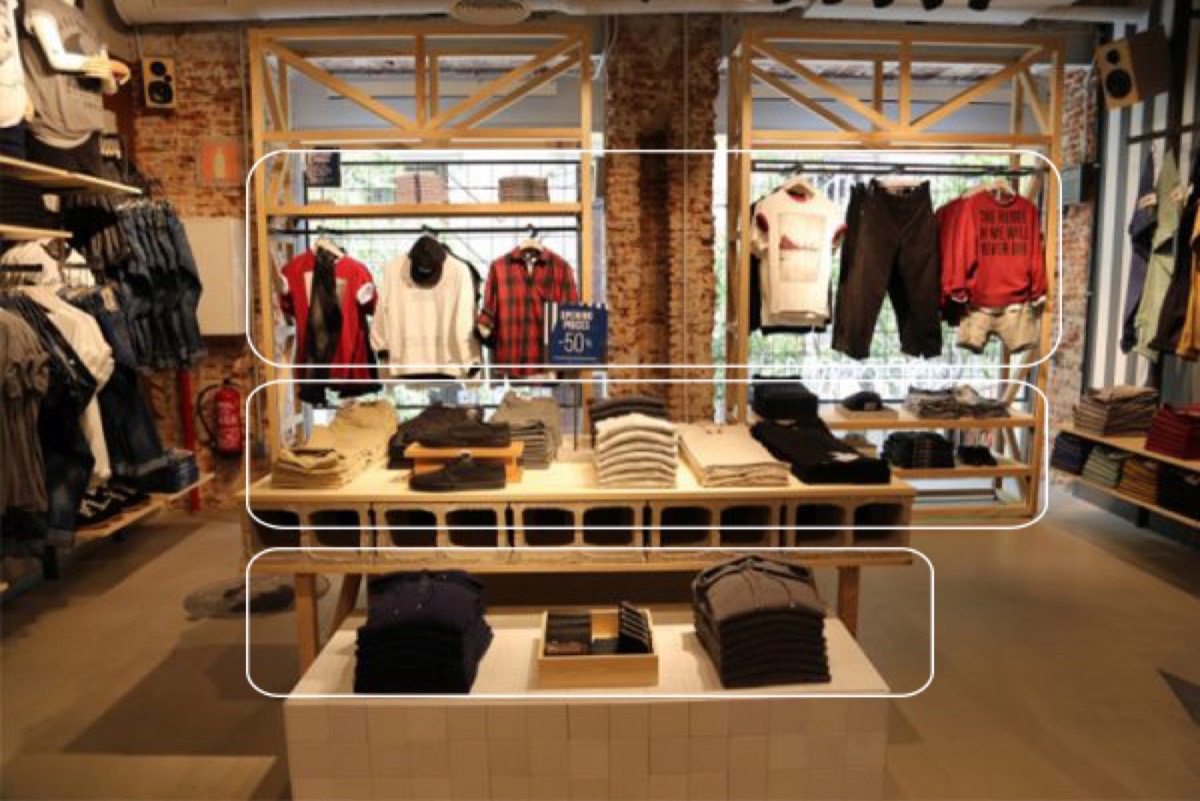
7. Creating Hierarchy
Most retail stores use floor space well but leave the vertical dimension entirely untapped. When everything is displayed at the same height, customers miss products and lose interest. Use pyramid merchandising to create a focal point.
Choose a point higher than your normal shelves and place a product there. Arrange surrounding products in a pyramid shape below it. This creates a natural visual hierarchy that draws the eye upward and makes the display feel curated rather than flat.
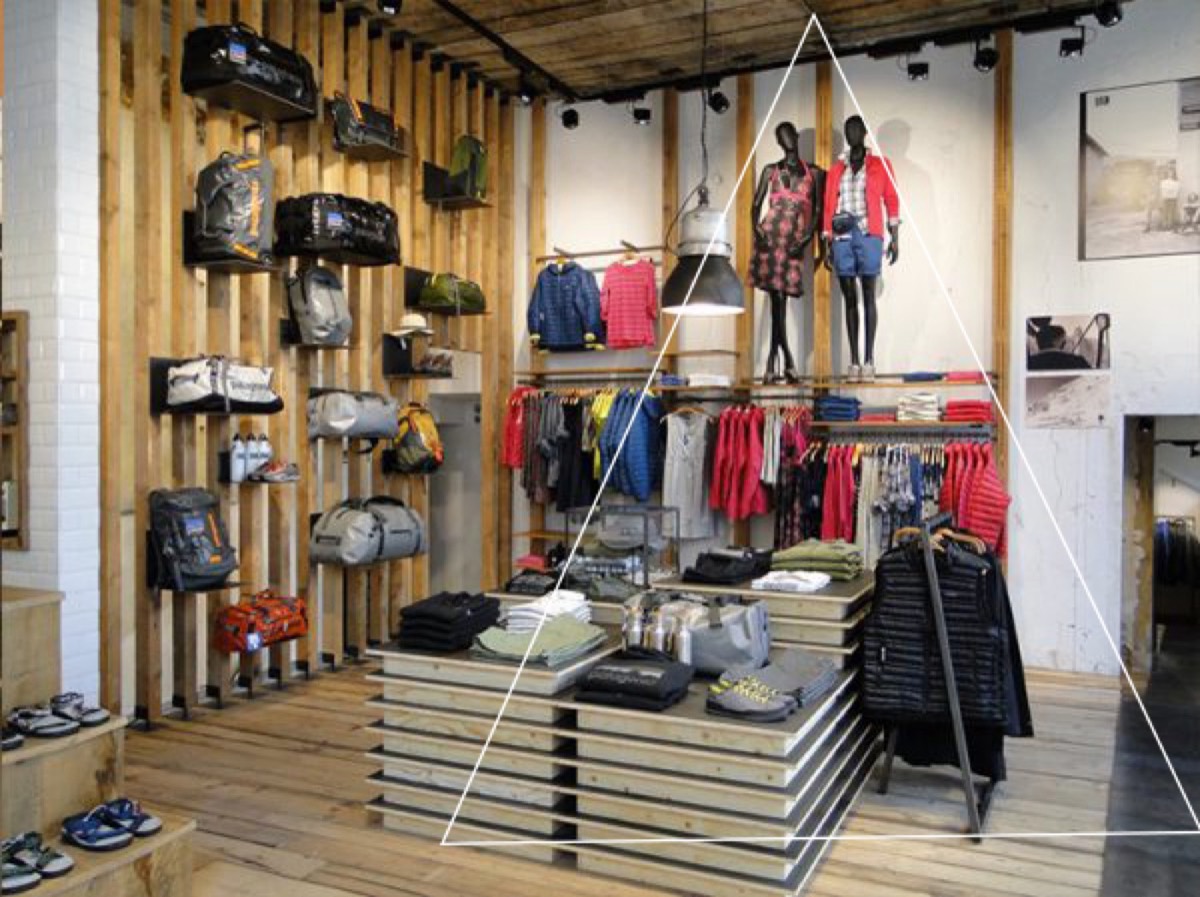
Notice in the image above how the bags are displayed at height with ample space around them. The display does not feel cluttered — it feels intentional. Customers can see everything, and the hierarchy tells them where to look first.
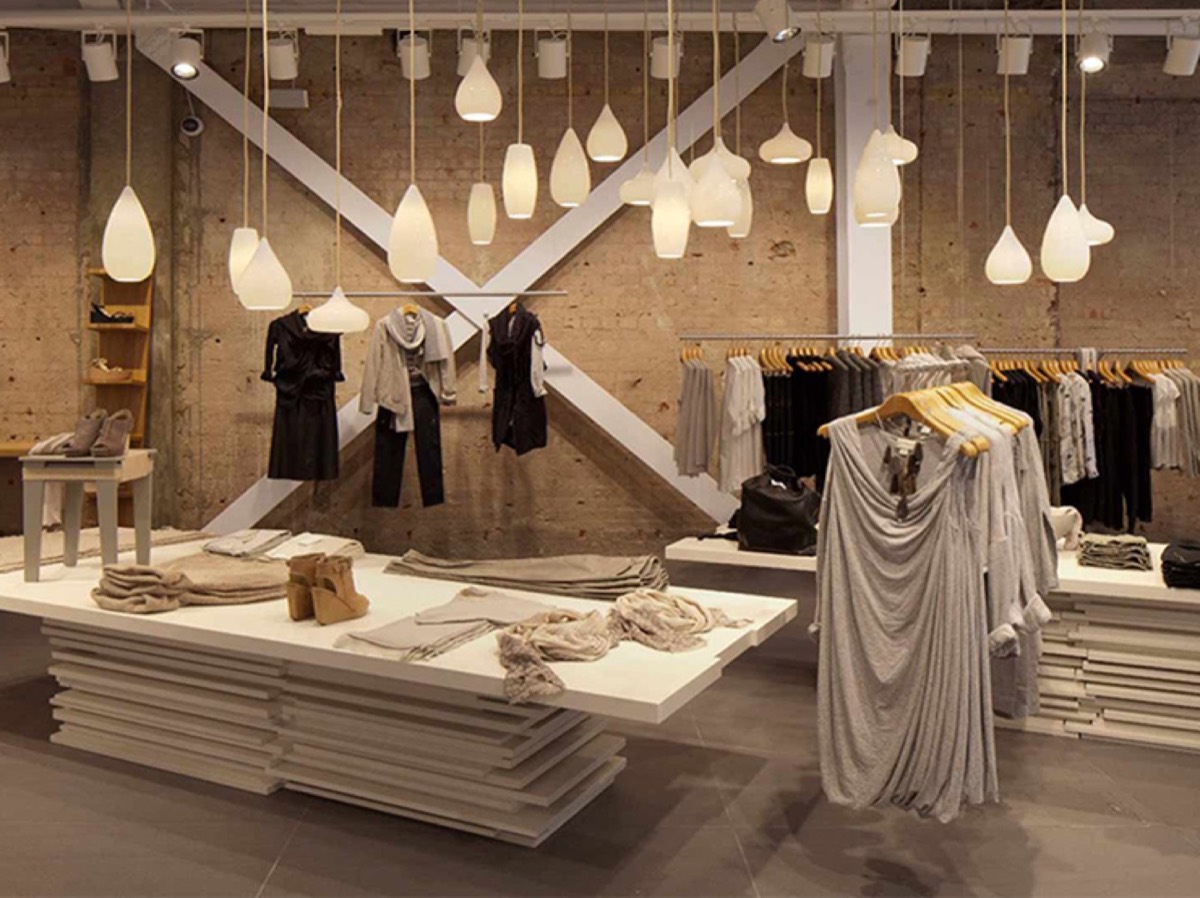
If you have a small store with limited inventory, hang large accent lighting pieces at height instead of products. This achieves the same visual hierarchy effect without requiring additional merchandise.
Alternatively, a slanted shelf display can achieve hierarchy without additional height.
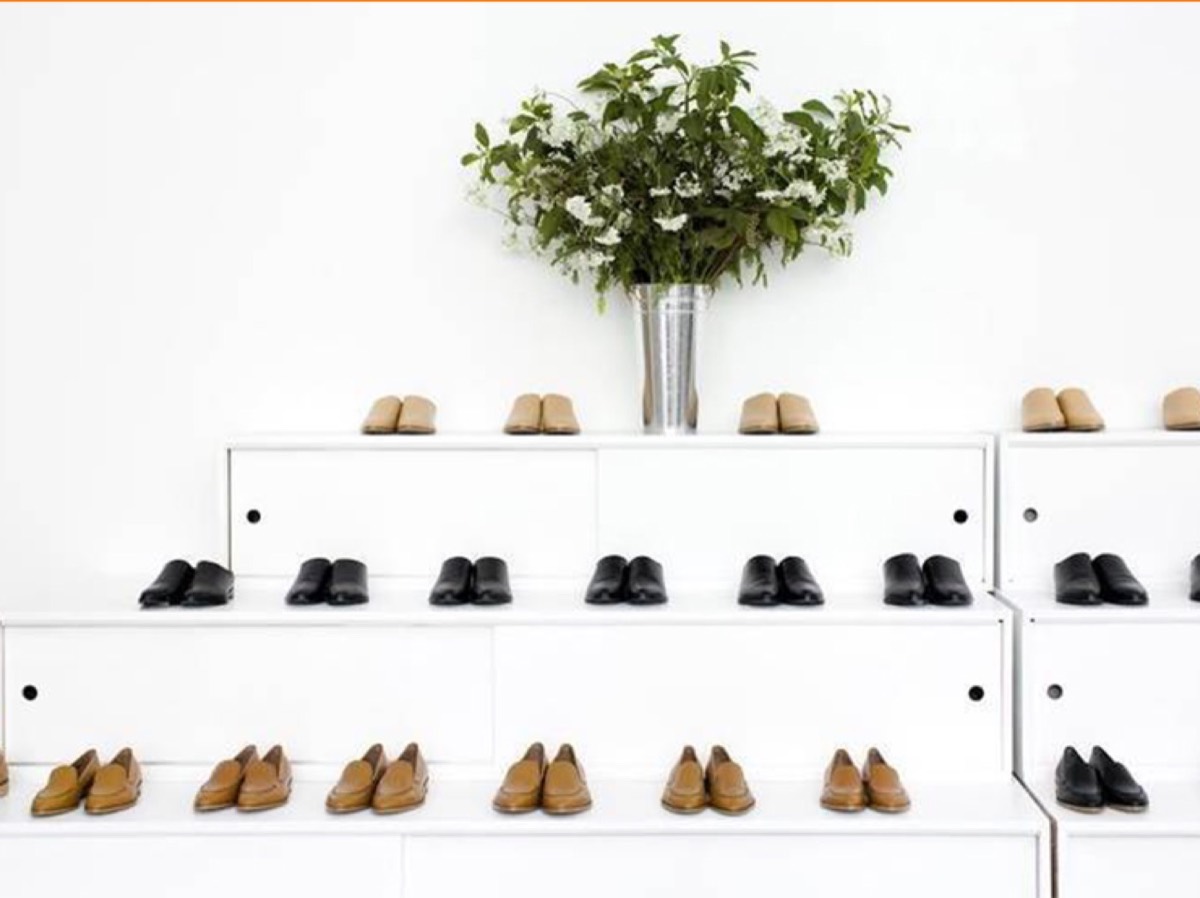
The slanted shelf makes it easier for customers to skim the collection, and a simple plant at the top row adds visual height without extra cost. Creating hierarchy is not rocket science — it requires aesthetic sense and a creative eye.
8. Tell a Story
We visualize things before they exist in reality. When someone is building a home, they imagine the interior décor long before the walls go up. Great visual merchandising taps into this same tendency.
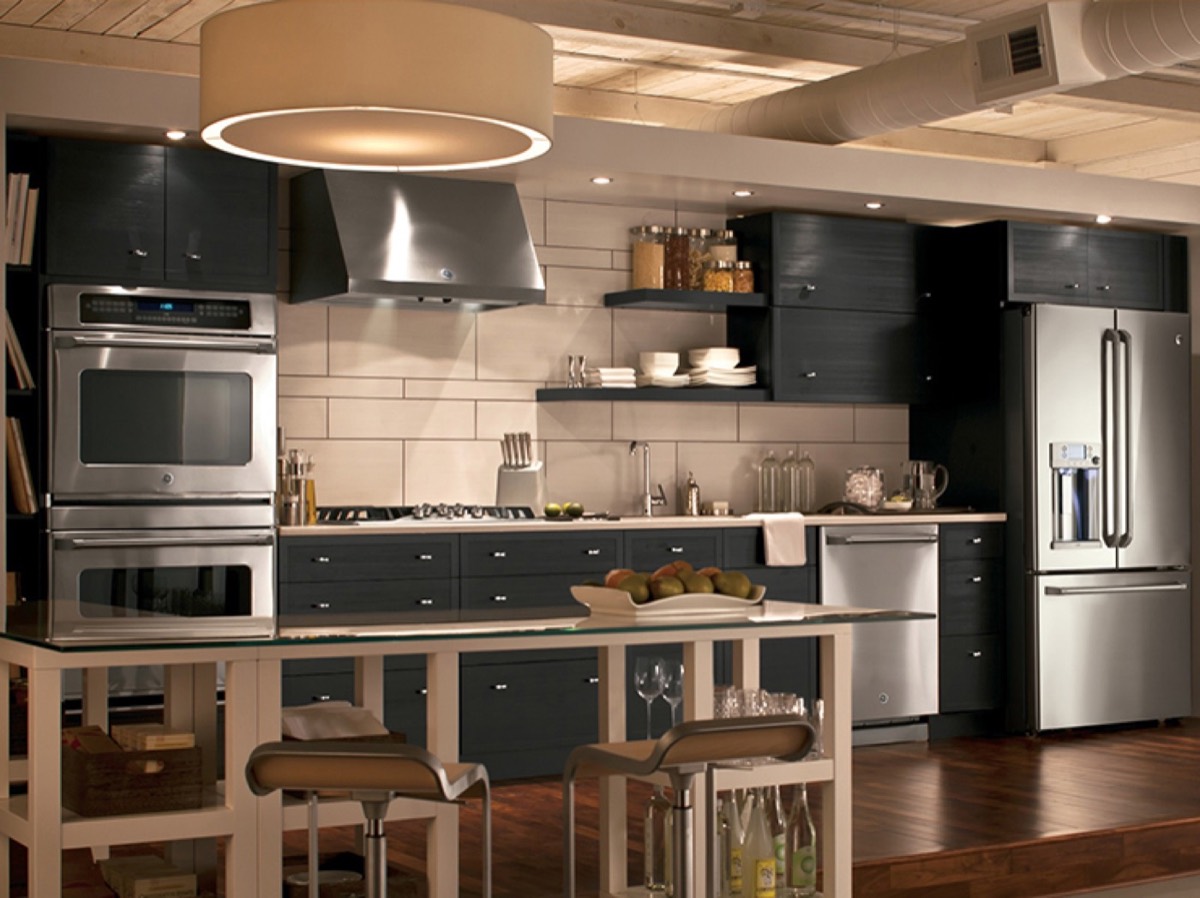
Create a visual story your customers can relate to. If you sell kitchen items, arrange them to show customers how they can make the most of a small kitchen space. You do not always need to pitch a product — if you add value to how customers imagine their lives, they will buy.
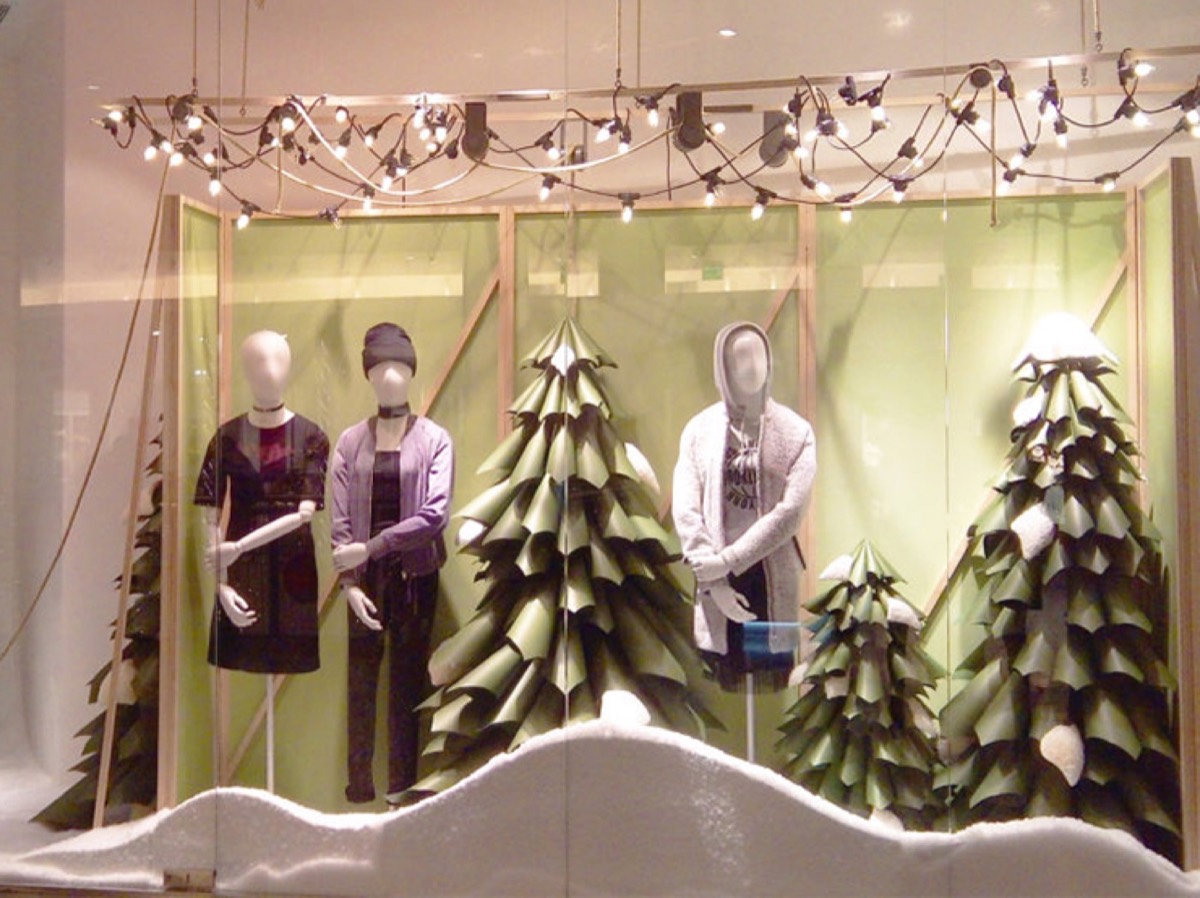
The example above shows a Christmas collection. The store has used Christmas tree cut-outs and a snowy backdrop to transform ordinary winter clothing into a Christmas collection. The products themselves have not changed — but the story around them has. Props, themed backdrops, and curated scenes can elevate even basic product displays into something customers want to photograph and share.
Visual merchandising is both a science and an art. The techniques above — from entrance design to sensory engagement to hierarchy — each contribute to a store experience that is greater than the sum of its parts. The key is to mix and match them, keep them fresh over time, and always remain responsive to how your customers move through and react to your space. And when you're selling face-to-face, the printed materials you hand over matter too — building an effective sales sheet can reinforce the story your store display is already telling.
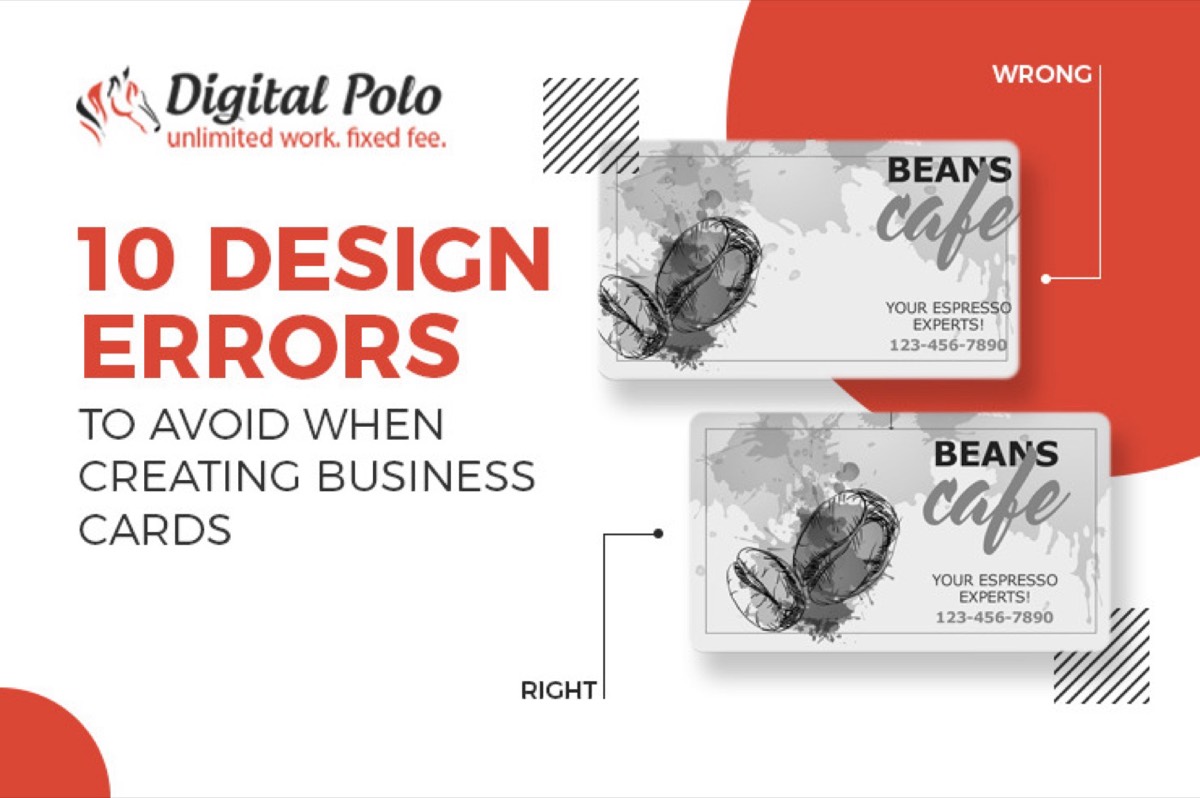
Do not become stagnant. Refresh your displays regularly, test new combinations, and do not hesitate to bring in professional help if visual consistency is a challenge. A well-merchandised store is one of the highest-ROI investments a retailer can make. The same attention to visual detail applies to every brand touchpoint — even something as small as avoiding common business card design mistakes can reinforce the professional impression your store creates.
Digital Polo creates retail signage, in-store displays, and brand design for one flat monthly fee with unlimited revisions. Start for $399/mo → | Soulmate at $899/mo →
Frequently Asked Questions About Visual Merchandising
What is visual merchandising and why does it matter for retail? Visual merchandising is the practice of arranging products, signage, lighting, and store layout to maximize the appeal of your retail space and drive purchasing behavior. It matters because research shows up to 93% of purchase decisions are influenced by visual appearance — making it one of the most direct levers retailers have to boost sales.
How often should I change my store's window display? At minimum, once a month. More frequent changes — especially tied to seasons, sales, or new product launches — keep your store looking fresh and give repeat customers a reason to come back and explore.
What is the rule of three in visual merchandising? The rule of three means displaying products in groups of three (or any odd number). Odd-numbered groupings create asymmetry, which keeps the eye moving and the viewer engaged longer than evenly spaced arrangements.
How can a small retail store with limited space use visual merchandising effectively? Focus on vertical space. Pyramid merchandising, tiered shelving, and hanging elements help small stores create visual hierarchy and make displays feel curated rather than cramped. Even a plant or accent light at height can transform a flat display.
Does lighting really affect sales in retail stores? Yes — significantly. Studies show that proper lighting directly impacts how customers perceive product quality and the store's brand. Warm ambient lighting encourages relaxed browsing, while targeted accent lighting directs attention to specific products you want to sell.