No matter what end product a company sells, visual social platforms like Instagram and Pinterest have become prominent fixtures in almost every successful marketing strategy.
These two platforms have established a strong foundation for both growing brands and established ones — helping them conceive and execute marketing strategies that are smart, visual, and highly practical. Companies using them strategically have seen impressive turnover growth, better conversion rates, and broader brand exposure.
In this article, we'll walk through the different methods you can use to supercharge your Instagram and Pinterest marketing.
An Overview of Instagram and Pinterest
Both Instagram and Pinterest are visual social platforms that have become powerful marketing channels in their own right.
Instagram's advertising authority leads viewers directly to brand pages, drawing their attention and addressing their questions across multiple product areas. Pinterest is a platform where registered users can upload, manage, sort, and save images and videos as "pins" displayed on organized boards — making it easy for viewers and potential customers to discover and purchase products.
While both are visual platforms acting as marketing channels, their modes of operation differ. Each demands a different approach.
Mastering Instagram for Brand Marketing
Instagram strikes a fine balance between what advertisers want for their brand and what consumers prefer to see. To use it effectively, certain tactics and strategies must be followed consistently.
1. Use Instagram for Both Campaigning and Advertising
Although Instagram instantly brings advertising to mind, an 80:20 ratio of lifestyle content to advertising content is the standard to maintain. Advertisements should not be jumbled with brand campaigns — they serve different purposes.

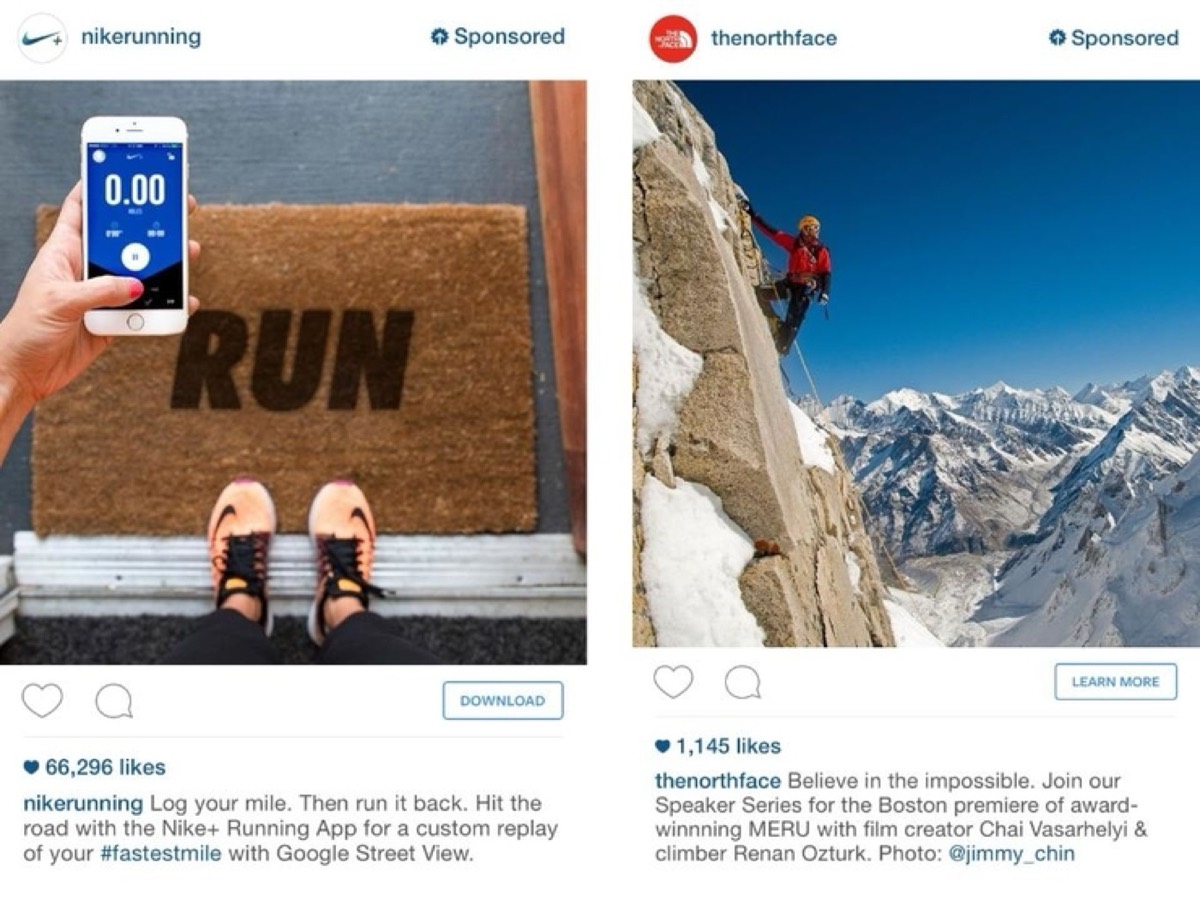
Use impressive photos for advertisements, and at times support them with non-promotional content for better campaign resonance. Make sure your profile page includes links strong enough to draw viewers in. Case studies show that with over 500 million users, Instagram is one of the most effective spaces for brands investing in native ads.
2. Contextualize Your Images
Merely projecting high-resolution images against contrasting backgrounds is not enough. Images must be contextualized so their worth is enhanced in terms of relevance and emotional credibility.
Your images must connect with the viewer's lifestyle so they can relate to them effortlessly. A static product shot of a hat against a blank background will underperform compared to a photo of a hiker wearing that hat under the blazing sun on a rugged trail. Contextualized images always outperform static ones on Instagram. Dramatize slightly — it helps viewers establish a personal connection.

3. Make an Intelligent Show of Your Products
An intelligent presentation of products — whether through pictures or stories — is a trick that can work wonders. The key is to avoid providing explicit details about products and their uses. Instead, project them in a way that lets viewers discover their purpose and importance on their own.
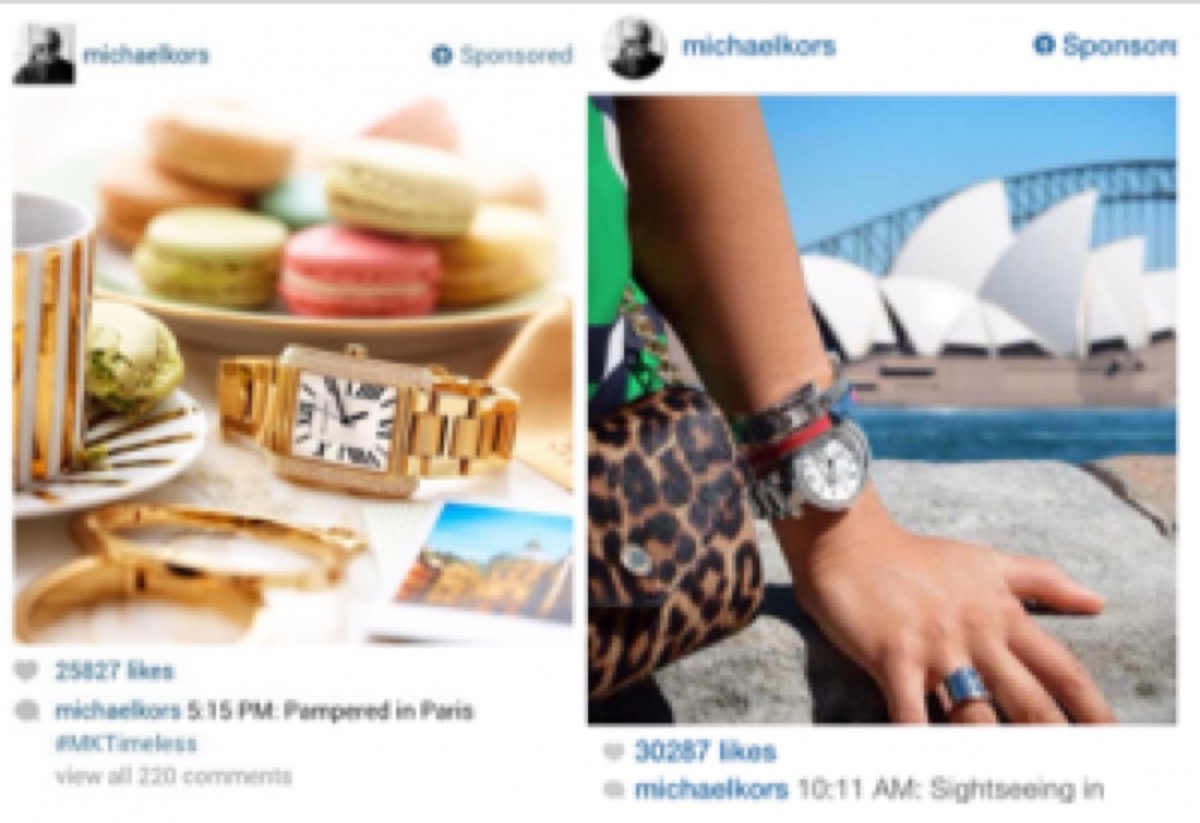
Make viewers feel the product fits naturally into their lifestyle. Give them the opportunity to explore a product's merits until they are convinced they want it. Visuals and stories can showcase a brand without needing anyone to announce how superior it is — they give viewers the freedom to arrive at that conclusion themselves.
Need design that creates that kind of compelling visual story for your brand? See Digital Polo's plans →
4. Shoot in Squares
Shooting Instagram photos in square format saves time on cropping and ensures the most important details are never accidentally lopped off. Many digital cameras and smartphones support this mode.
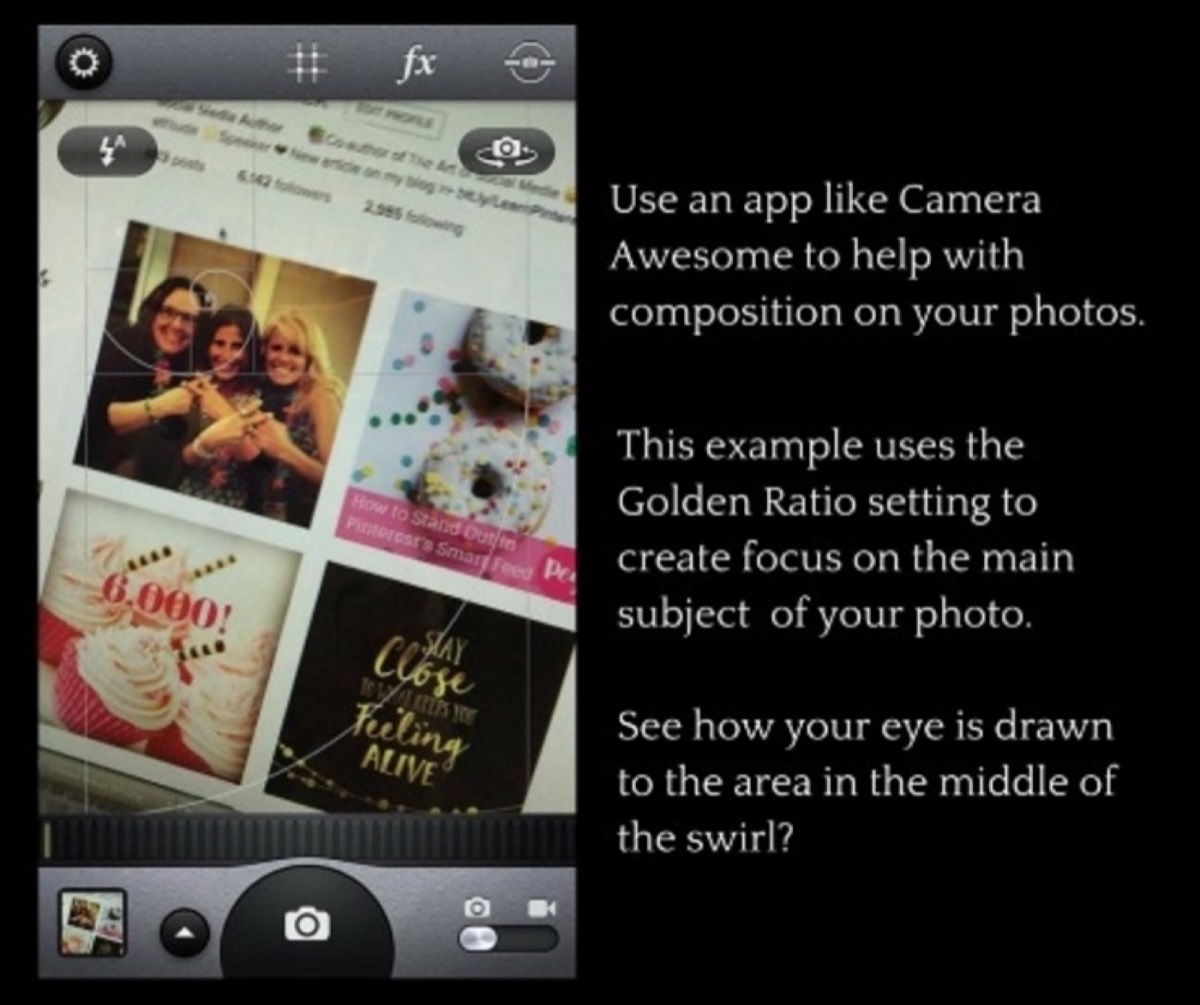
Square formats help viewers focus more on the subject by eliminating distractions. The eye moves around the subject in a circular pattern rather than flitting from side to side. A balanced frame with a centered subject is easier to process — and easier to remember. Creating diptychs and triptychs also becomes far simpler with square photography.
5. Use the Bio Link Strategically
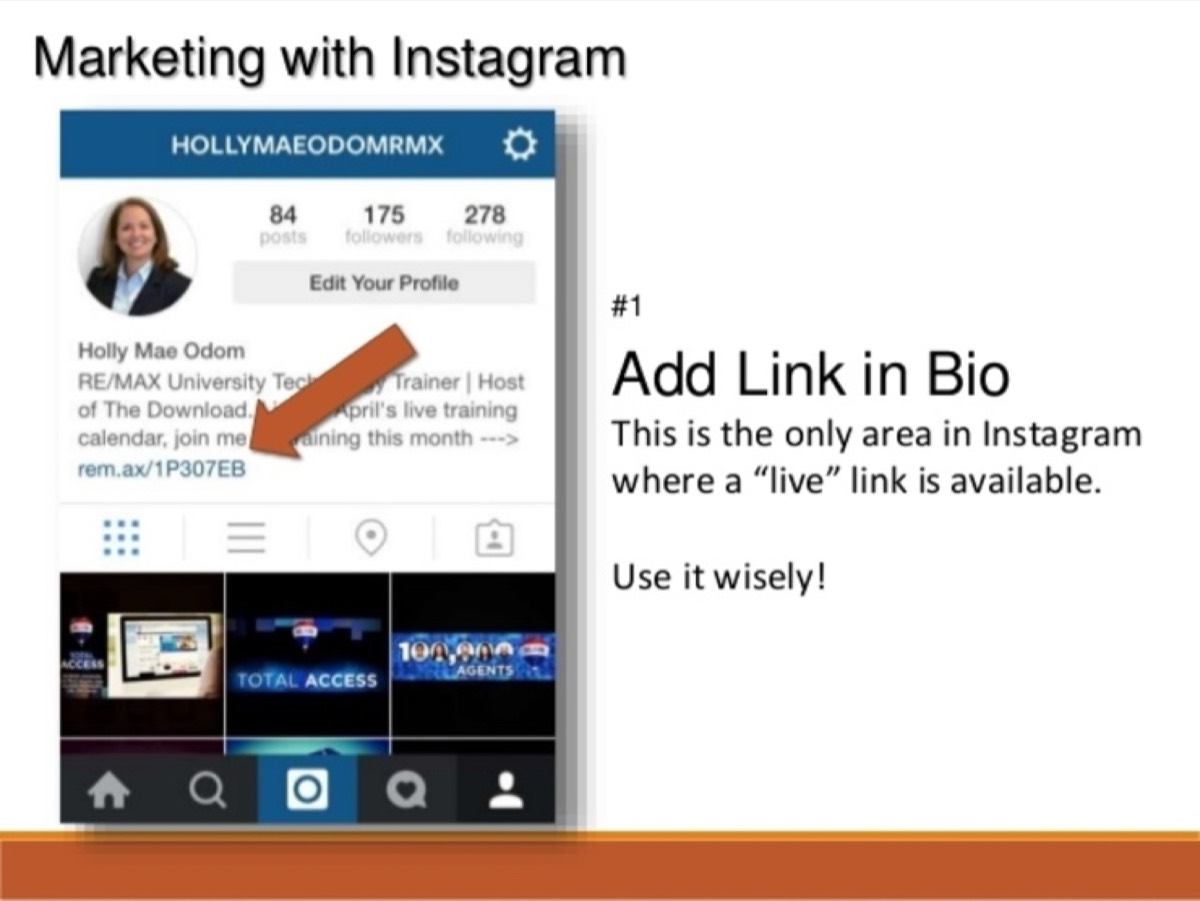
Your bio link is often the only clickable link on your Instagram profile. Make it work hard. Link directly to the landing page that mirrors what you are currently posting about — driving leads, e-commerce visits, and blog subscriptions from a single well-placed URL.
Your bio is the first thing a viewer reads when they visit your profile. Make it impressive, relevant, and true to your brand. If you can incorporate a Call to Action in the bio space, do it — it will strengthen the connection between your audience and your business. And don't overlook the power of hashtags to increase Instagram engagement — the right tags extend each post's reach far beyond your existing followers.
Tip: Keep your name consistent across all social media profiles. This makes it far easier for potential customers to find you.
6. Make Use of Instagram Editing Tools
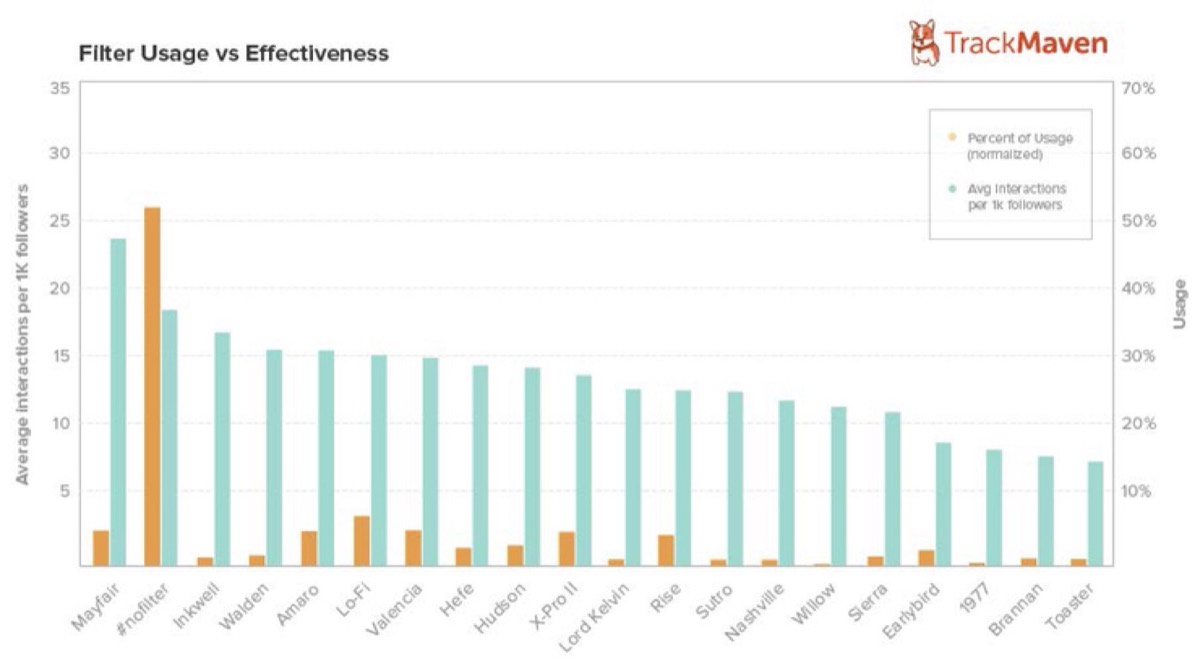
High-resolution, professionally edited photos flood the platform every single day. Instagram's built-in tools and filters can help your content stand out from the constant stream of competition. Use them thoughtfully to enhance without over-processing.
7. Put Forward Promotions and Exclusive Announcements for Followers
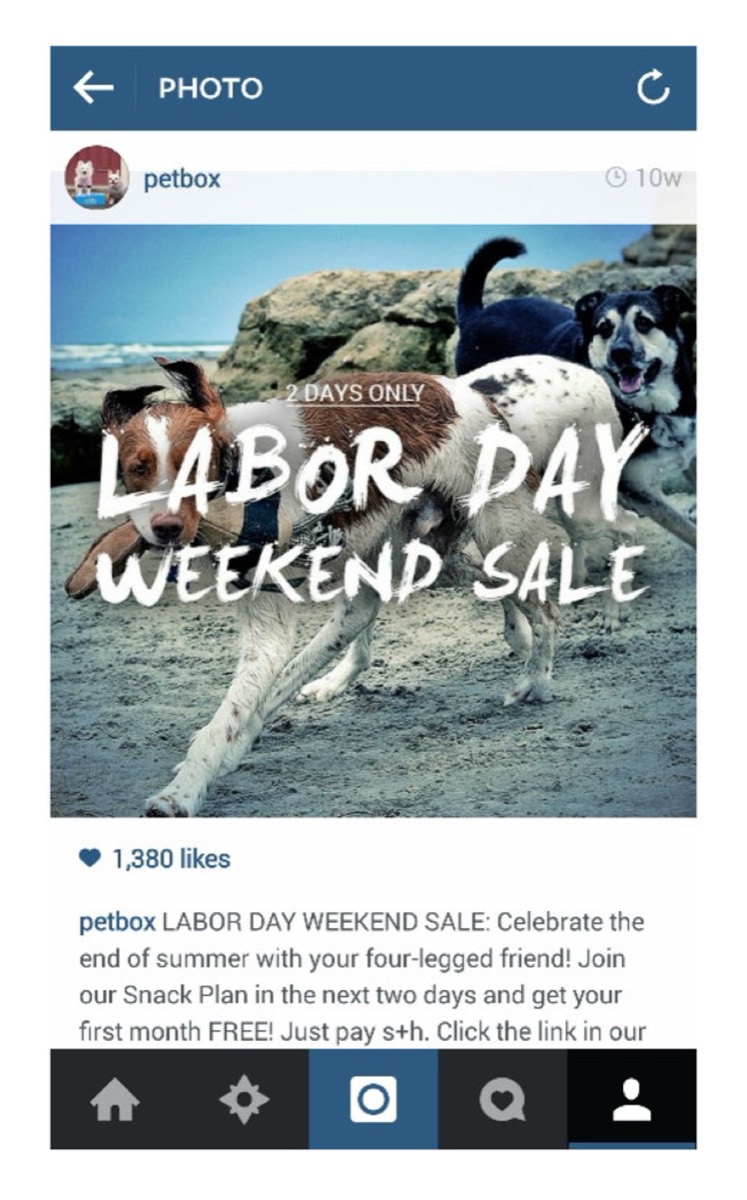
Bonuses, incentives, and special offers consistently boost follower feeds. Approximately 41% of Instagrammers say they will follow a brand specifically for its giveaways and incentives. Use this to grow your audience with people who are already predisposed to engage with your brand.
Supercharging Marketing Through Pinterest
Although a comparatively smaller platform, Pinterest is highly lucrative for building brand campaigns and discovery. Here are the key tactics to make the most of it.
Make the Boards
Pinterest allows marketers to categorize pins under different board headings. These boards simplify things for viewers — they can easily find what they are looking for by browsing board categories. Creating boards is the first necessary step for using Pinterest as a serious marketing tool.
Use relevant, SEO-friendly keywords in board titles to attract a larger audience. Pinterest has strong search capabilities, so the right keywords in board titles can significantly expand your organic reach.
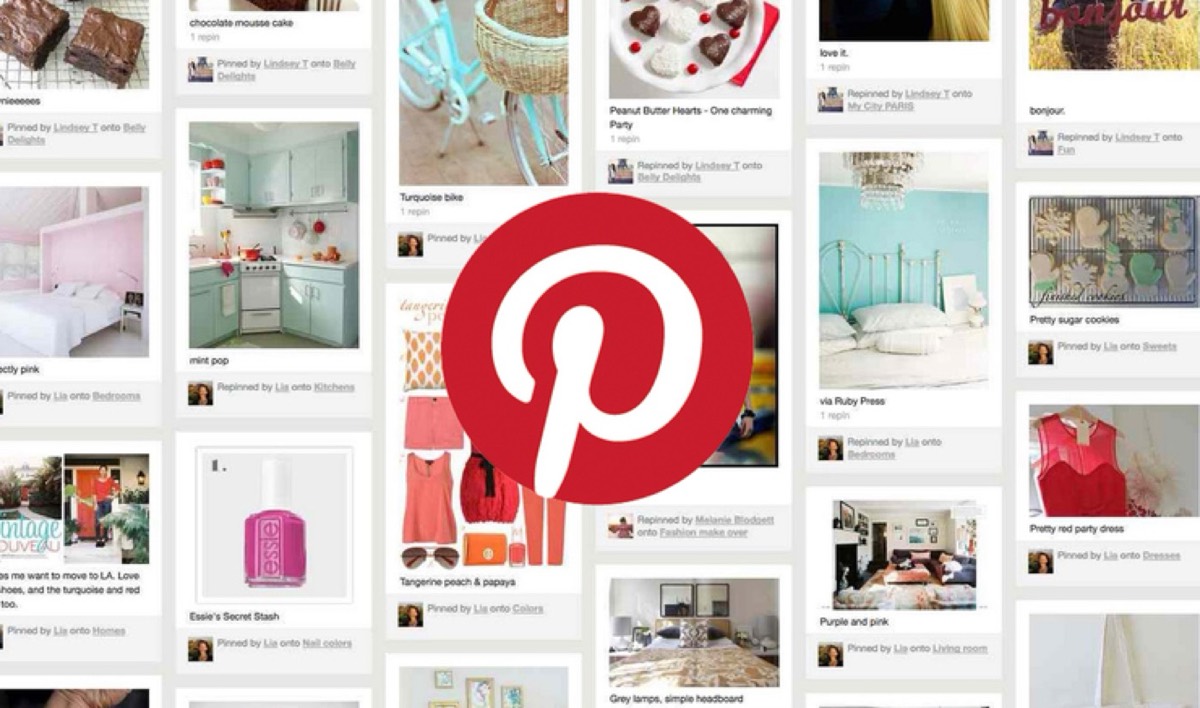
Pinterest introduces your board categories to users through its discovery algorithms. Make sure your categories are distinctive and clearly differentiated from one another.
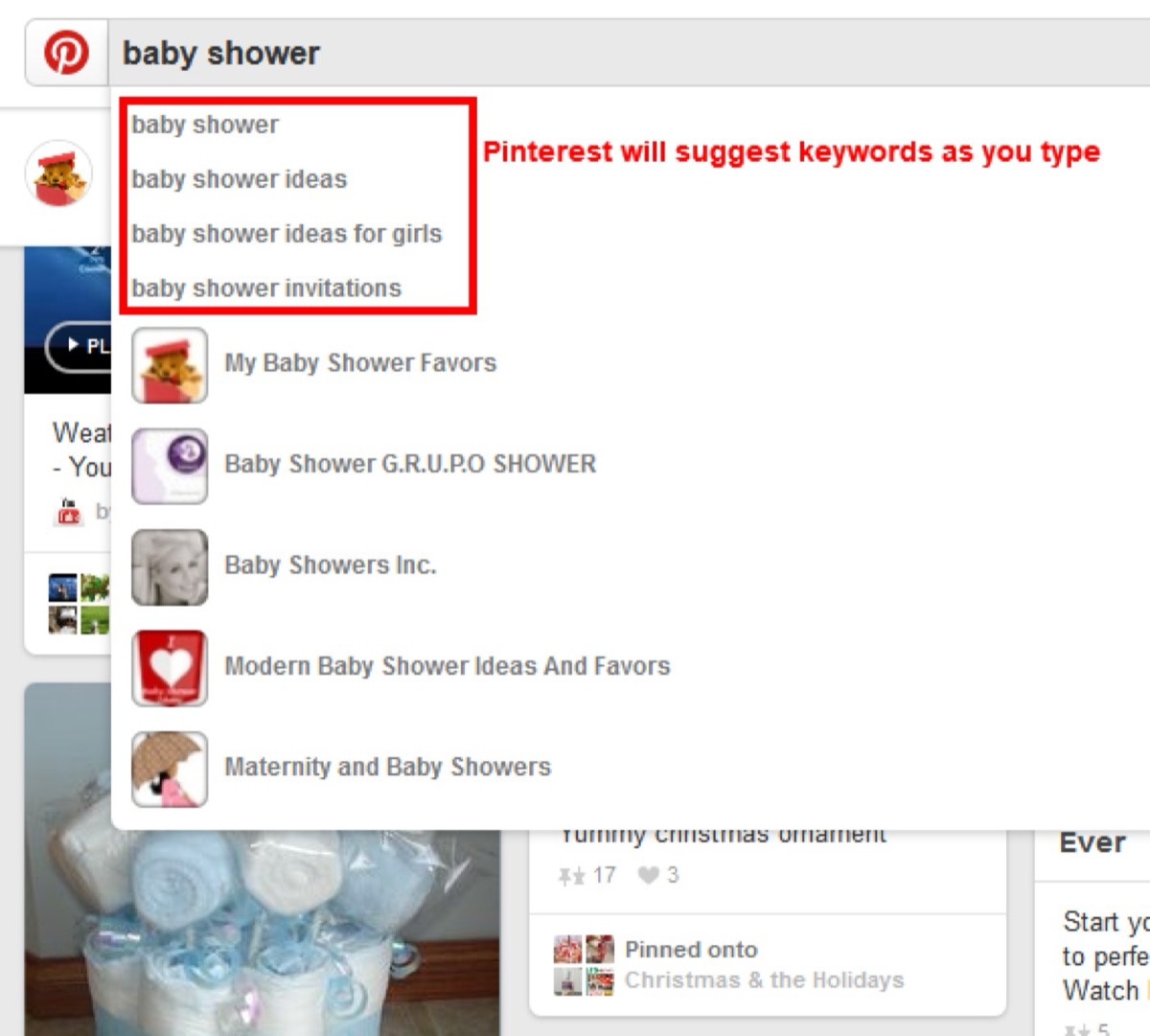
Use Brief, Keyword-Rich Descriptions
Write brief, intelligent descriptions for your pins. Make careful use of keywords even here. Help people tweet the pins along with the descriptions for broader reach.

Tip: Keep descriptions short, simple, smart, and catchy. Lengthy or complicated text reduces engagement.
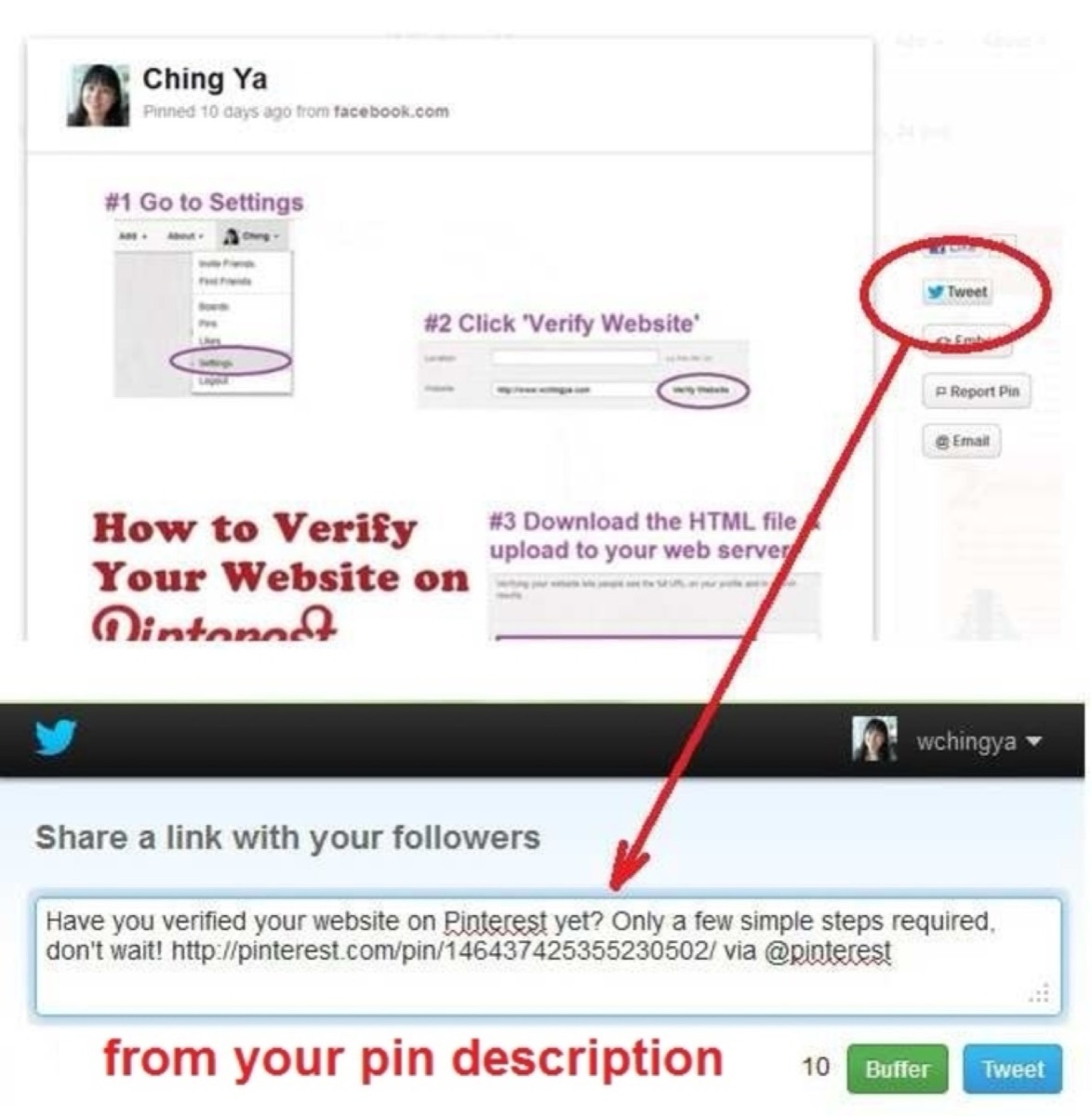
Lend Master Strokes to Your Images
Eye-catching, descriptive images are what Pinterest rewards. Stand apart by adding nominal but thoughtful editing touches that render your images more descriptive and polished. Even small improvements make a significant difference in a competitive feed.
Share Videos
Videos are more engaging and emotionally resonant than static images. They can prove a brand's credentials in ways that other content formats cannot. Make it a point to share engaging videos — but remember that on Pinterest, videos must first be uploaded to an external platform like YouTube before the link can be shared.
Encourage Sharing with a "Pin It" Button
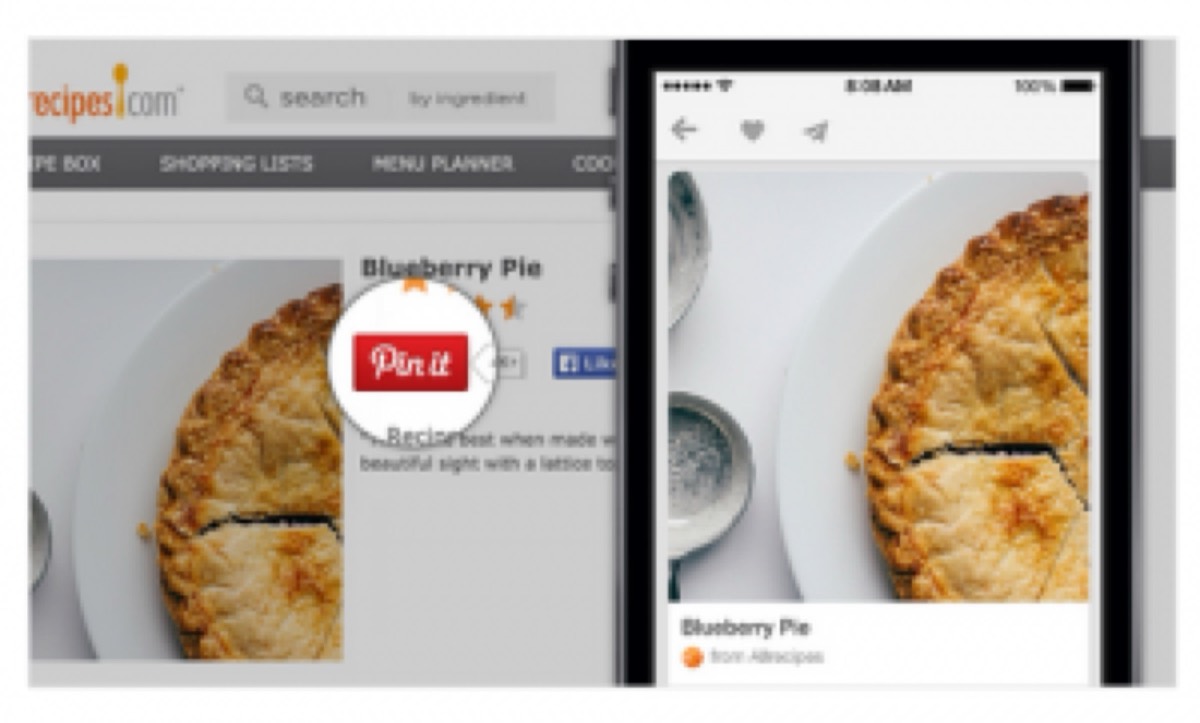
Adding a "Pin It" button to your blog encourages readers to share content directly to Pinterest. While this works better on desktop than on mobile, it can meaningfully boost visibility and generate a good number of pins. Share your pins and boards across other social platforms, and always include descriptions and sources.
Attach Pinnable Images to Blog Posts
For every published blog post, include one or two large images. Tall, vertical images work best on Pinterest — aim for 735×1102 pixels. These pinned images can be shared alongside blog links, driving referral traffic back to your content.
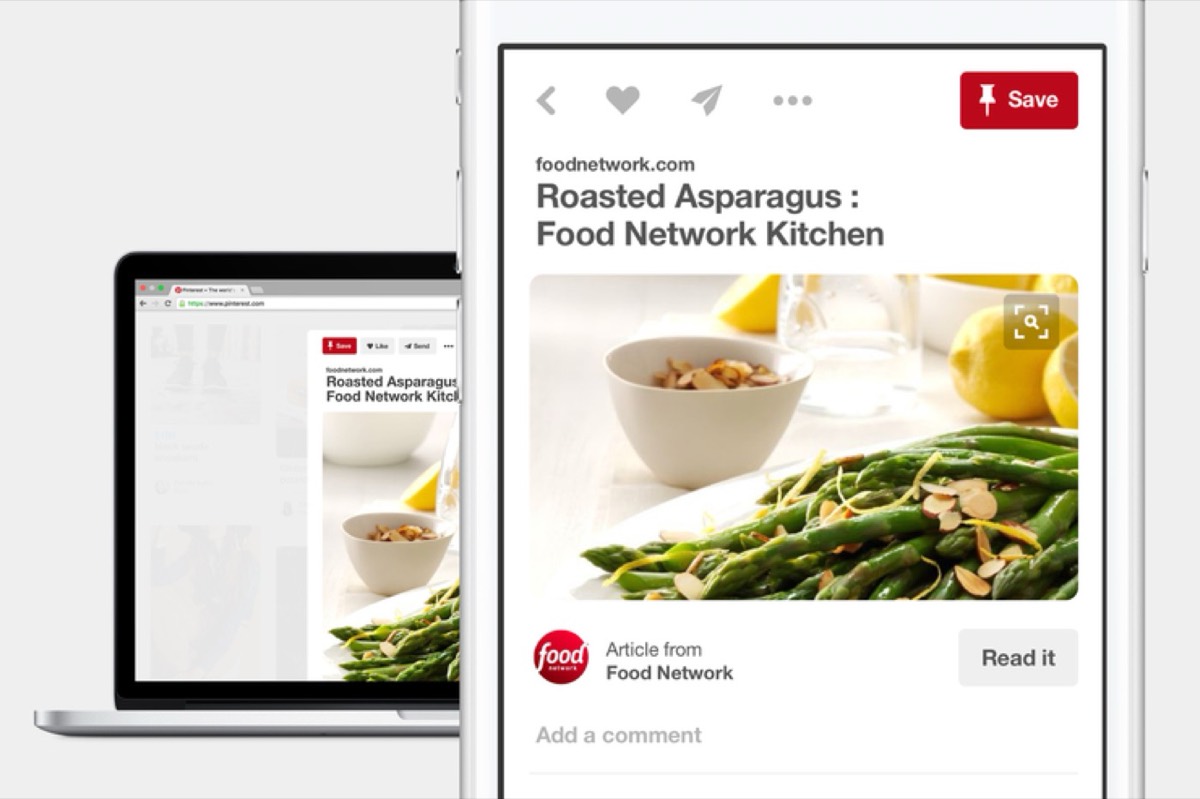
Track Competitor Pins for Your Domain
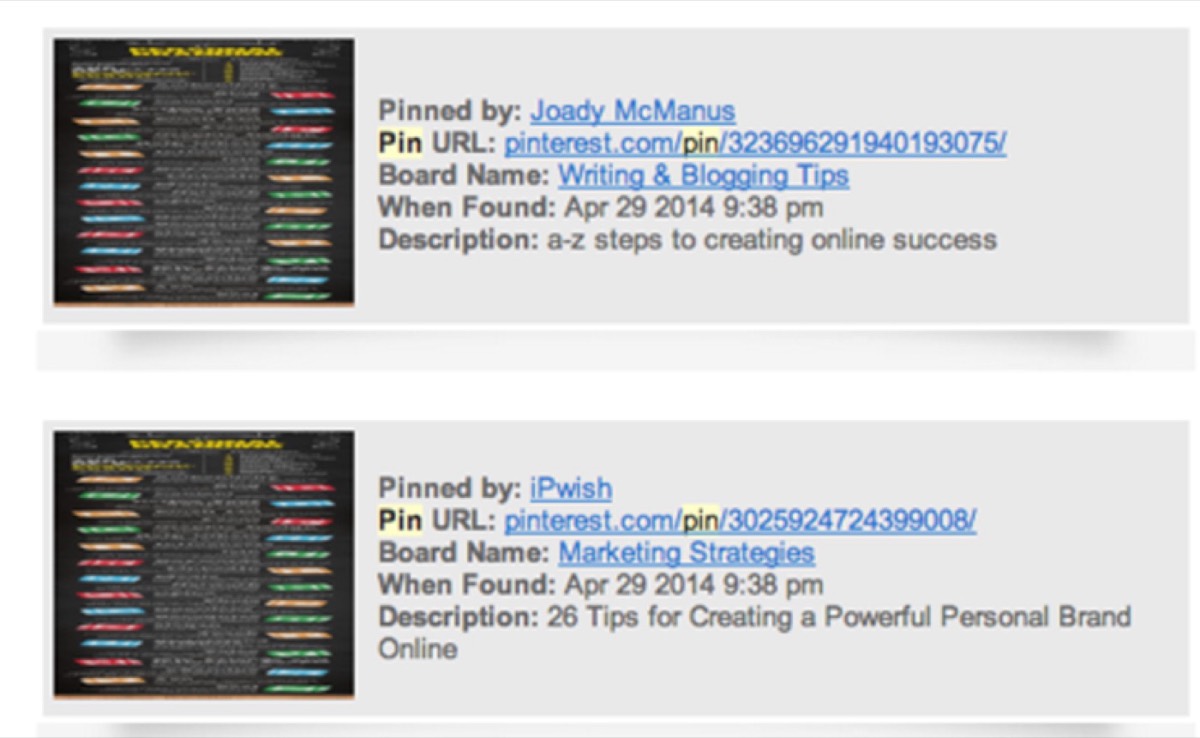
Use tools like Pinalerts to monitor who is pinning content from your website and from your competitors' sites. Check the number of pins, followers, and boards shared by those pinners. If they are relevant and are engaging with competitor content, start following them — you will likely be followed in return, creating a steady content circulation loop.
Pinterest can help a brand gain better accessibility to offline viewers, encourage brand discoverability, support steady growth, and boost overall marketability.
When you own a business, you need to increase your social influence — and that means showing up consistently on the platforms where your audience already spends time. Instagram and Pinterest are two of the most powerful visual content marketing tools available. Used intelligently, both can be exceptional platforms for spurring marketing growth, increasing followers, and generating sustainable sales. For B2B audiences, pairing these visual channels with LinkedIn marketing strategies creates a well-rounded social presence.
The key is a strategy that blends consistency, creativity, and a genuine understanding of how each platform's audience behaves. Start with the tactics in this guide, test what resonates with your audience, and build from there. Rounding out your marketing stack with the right email marketing software lets you capture and nurture leads generated by your social activity.
Digital Polo creates scroll-stopping social media visuals, brand content, and marketing design for one flat monthly fee with unlimited revisions. Start for $399/mo → | Soulmate at $899/mo →
Frequently Asked Questions About Instagram and Pinterest Marketing
How is Instagram different from Pinterest as a marketing channel? Instagram excels at real-time brand storytelling, paid advertising, and audience engagement through posts, Stories, and Reels. Pinterest is more of a discovery engine — users actively search for ideas and products, making it ideal for driving long-term referral traffic and product discovery.
What type of content performs best on Instagram for business? Lifestyle imagery, short-form videos, behind-the-scenes content, and user-generated posts consistently outperform purely promotional content. Maintaining an 80:20 ratio of organic to promotional content helps sustain engagement.
How important are keywords on Pinterest? Very important. Pinterest functions similarly to a search engine, so using relevant keywords in board titles, pin descriptions, and image alt text significantly improves organic discoverability. Think of it as SEO for a visual platform.
How often should I post on Instagram and Pinterest to see results? Consistency matters more than frequency. For Instagram, 4–5 posts per week is a solid baseline. On Pinterest, you can pin more frequently — many marketers pin 10–25 times per day — because content has a much longer shelf life on that platform.
Can small businesses compete with larger brands on these platforms? Absolutely. Visual storytelling is a leveler — a creative small business with compelling imagery and a consistent voice can outperform a larger brand with generic content. Focus on authentic, contextualized visuals that reflect your brand's personality and speak directly to your target audience.