Free design tools are everywhere. Canva, Adobe Express, DALL·E, and dozens of other platforms have made it easier than ever to produce something that looks like a design without hiring anyone. Most business owners try this path before eventually hiring a professional. Here's what they discover.
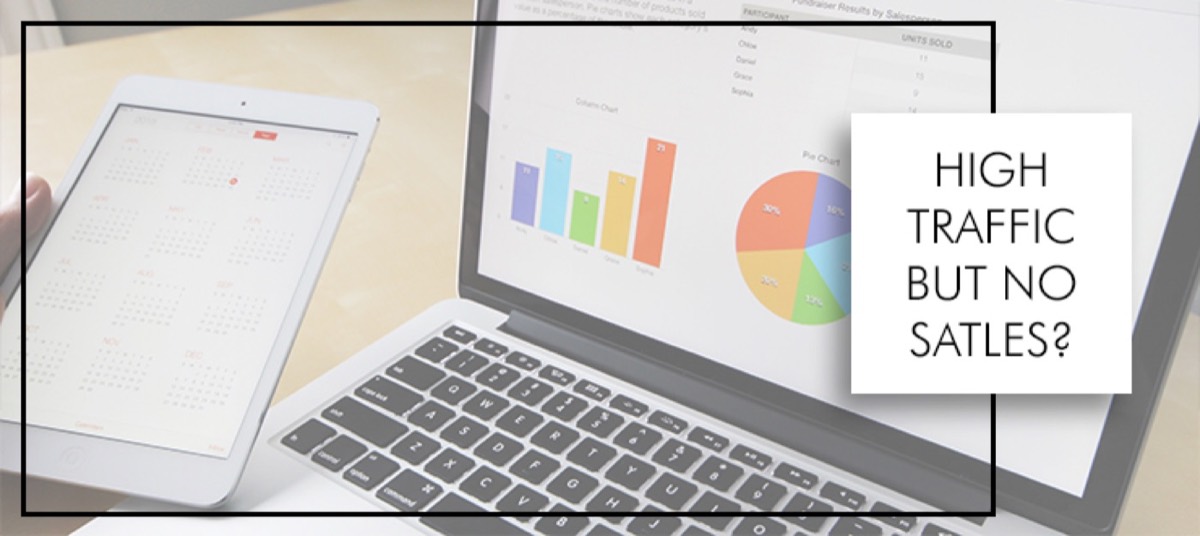
Your website functions like a travel guide. Visitors arrive looking for something specific. Beautiful images created without design training may look interesting to you, but they don't necessarily guide visitors to what they came for — and that gap has real conversion consequences.
1. Rules That Matter
Design looks intuitive from the outside but follows deeply learned principles. Professional graphic designers study and internalize rules around proportion, spacing, color relationships, typographic hierarchy, and visual balance — rules that take years to develop into instinct.
Joseph Kalinowski, a graphic designer with 16 years of experience, demonstrated this concretely by redesigning a DIY event poster.
The DIY version:
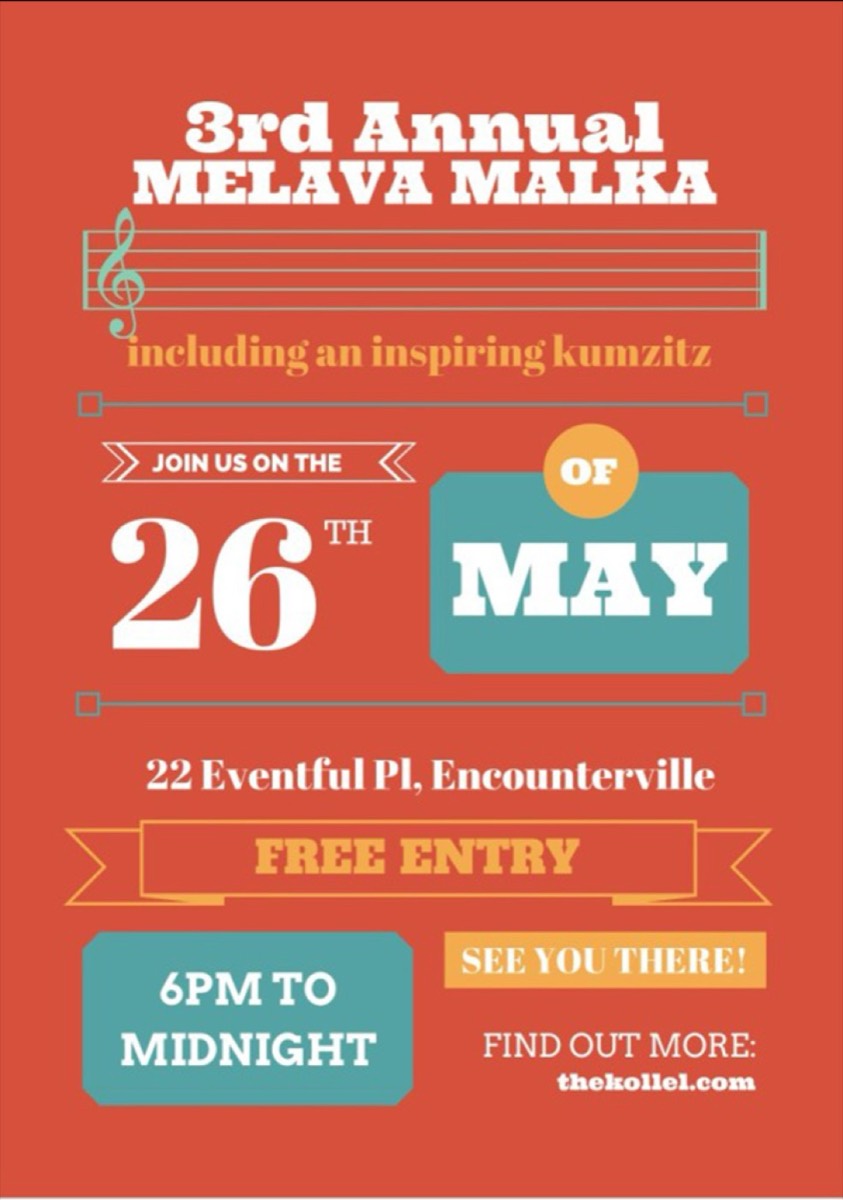
After professional redesign:

The differences are immediately visible. The original used four colors without intentional relationship. Kalinowski kept the same palette but applied orange and green strategically to direct the eye. He also corrected the typographic hierarchy — in the original, the date was larger than the event name, reversing the importance of those elements. The professional version creates balance through deliberate choice, not approximation.
Rules do matter. The mistake isn't not knowing the rules — it's not knowing what you don't know.
2. Time Saved for Better Productivity
Every hour spent struggling with design software is an hour not spent on the work only you can do. Business owners who DIY their design typically underestimate the time involved and overestimate the quality of the output.
A professional designer completes in two hours what takes an untrained person two days. The design is also better. A single image that looks amateurish can cost you a prospect who might have become a significant customer — the cost of that lost conversion dwarfs whatever you saved by not hiring a designer. The same logic applies across every format, whether you're building a website or deciding between 2D and 3D graphic design for your marketing materials.
3. Design Directly Creates Credibility
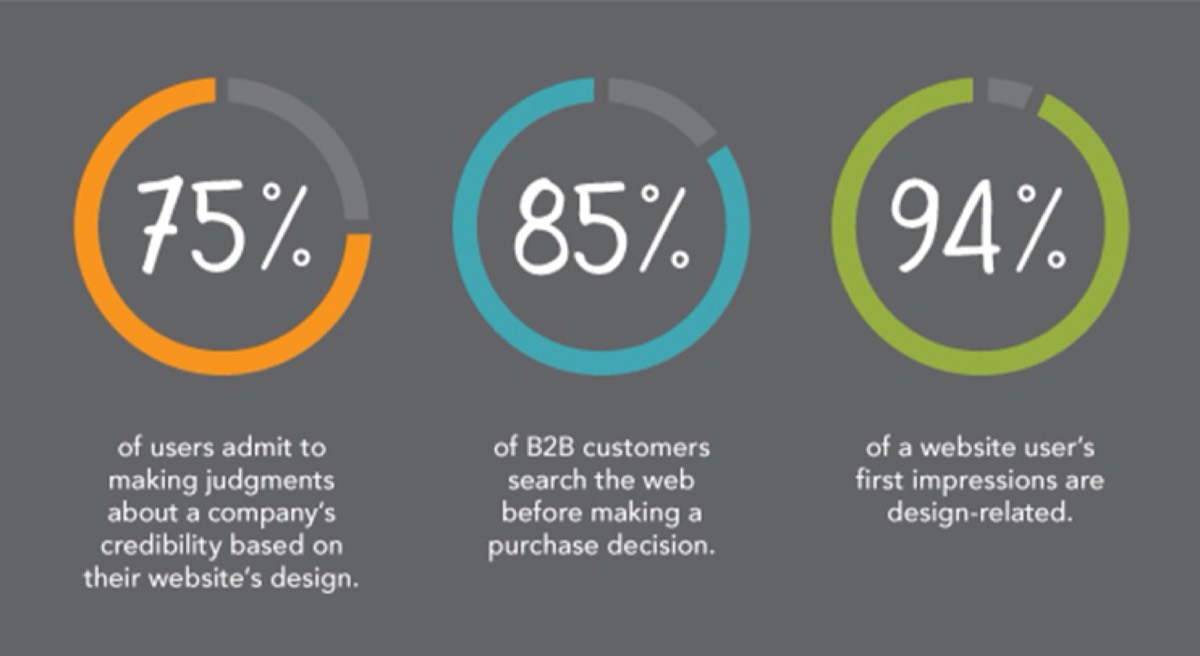
According to Stanford Web Credibility Research, 75% of users judge a website's credibility based on its design. 94% say their first impression of a website is subjective to the professional quality of the design.
Consider this design and travel magazine website:
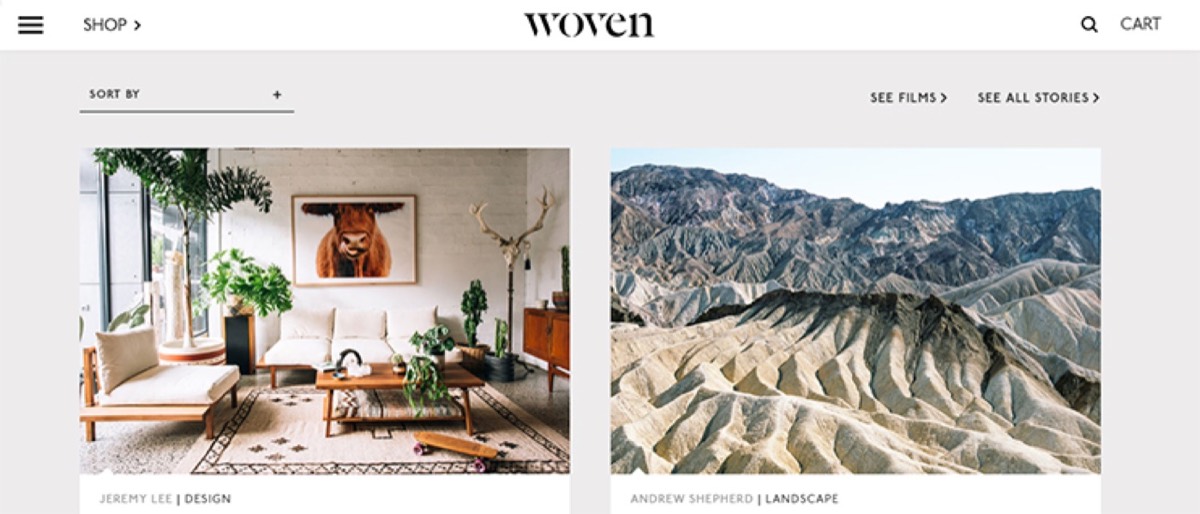
The layout is structured, the images are high quality, the text doesn't fight the visuals. White space is used deliberately to let the design breathe. Nothing competes for attention.
Compare that to a competitor's site cluttered with ads, misaligned elements, and inconsistent fonts. The credibility difference is immediate — before a single word is read.
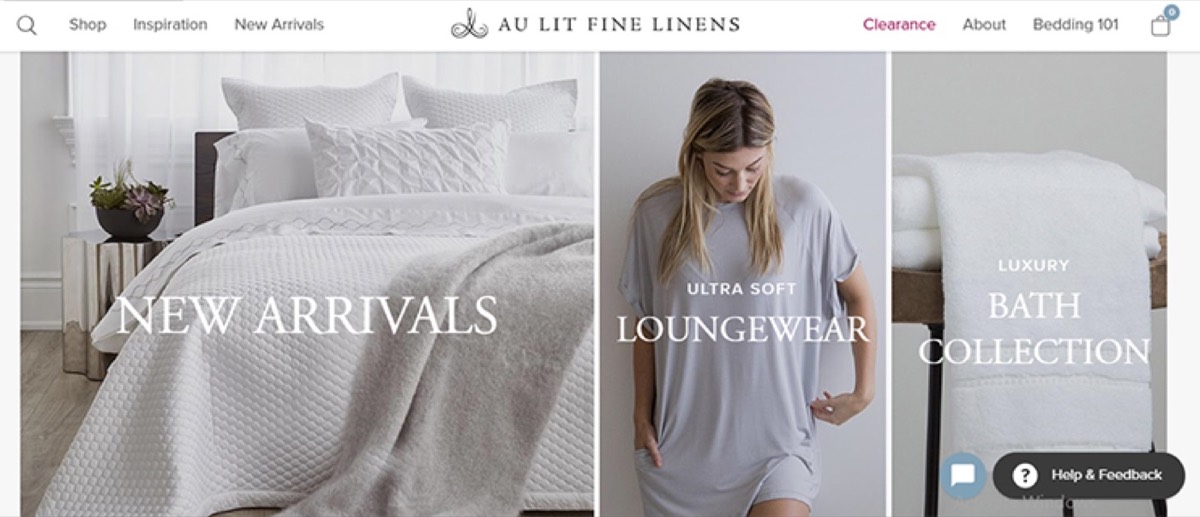
Au Lit Fine Linens' website uses accent pieces in product imagery, a sophisticated color palette, and thoughtful negative space to communicate luxury and quality. The design tells the brand story before the copy starts.
Need professional graphic design that builds credibility for your business? See Digital Polo's plans →
4. Marketing Design Standards Keep Rising
What worked for websites and marketing materials a few years ago no longer stands out. Algorithms change, design conventions evolve, and audiences become more sophisticated. Content that would have driven traffic and conversions in 2018 looks dated now.
Professional designers stay current — they understand what visual approaches work on today's screens, today's social platforms, and today's audiences. They also know when trendy design elements have become overused and are now actively signaling "generic." If you're ever tempted to try your hand at it, reading about things you should never say to a graphic designer reveals just how much specialized knowledge shapes every professional's workflow.
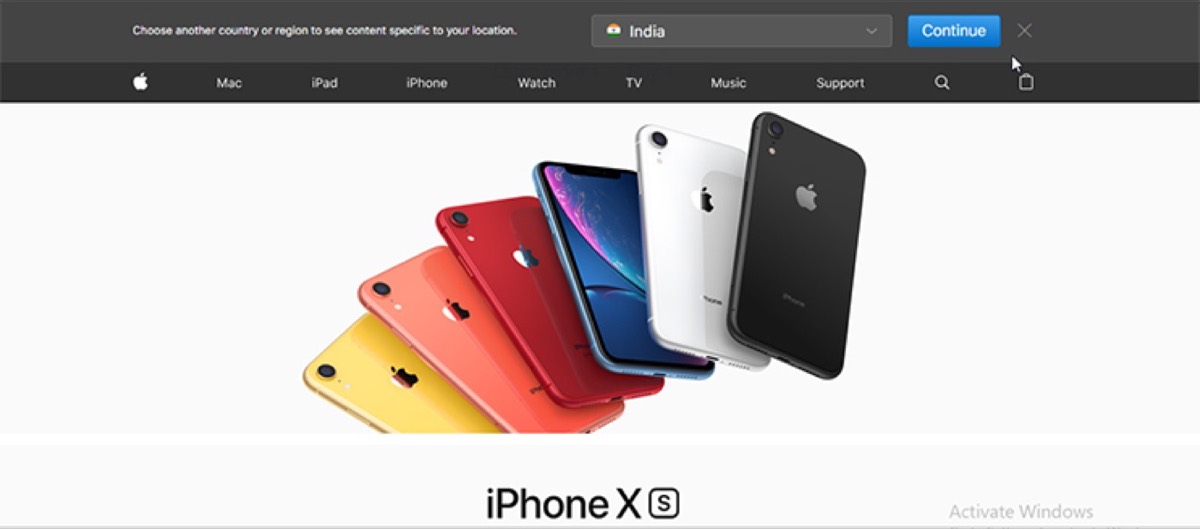
Look at Apple's homepage approach: minimal text, a product image that shows all color options on a clean white background, a font that establishes hierarchy through size rather than decoration. The design is simple because it's confident. That confidence comes from design expertise.
The Home Depot's marketing materials use two colors and simple typography. The image communicates the product context without being cluttered. The content within the image directs without distracting. These choices are deliberate applications of design expertise — not defaults.
Adapting your visual strategy to current design standards requires someone who understands both the standards and how they're changing. That's what professional designers bring to your marketing.
5. Sophisticated Design Is Your Magazine Cover
Would you pick up a magazine with a poorly designed cover? Probably not — and neither would most of your potential customers.
Your website's design is the cover of your business. The first impression it creates either invites people to stay and explore, or sends them back to the search results.
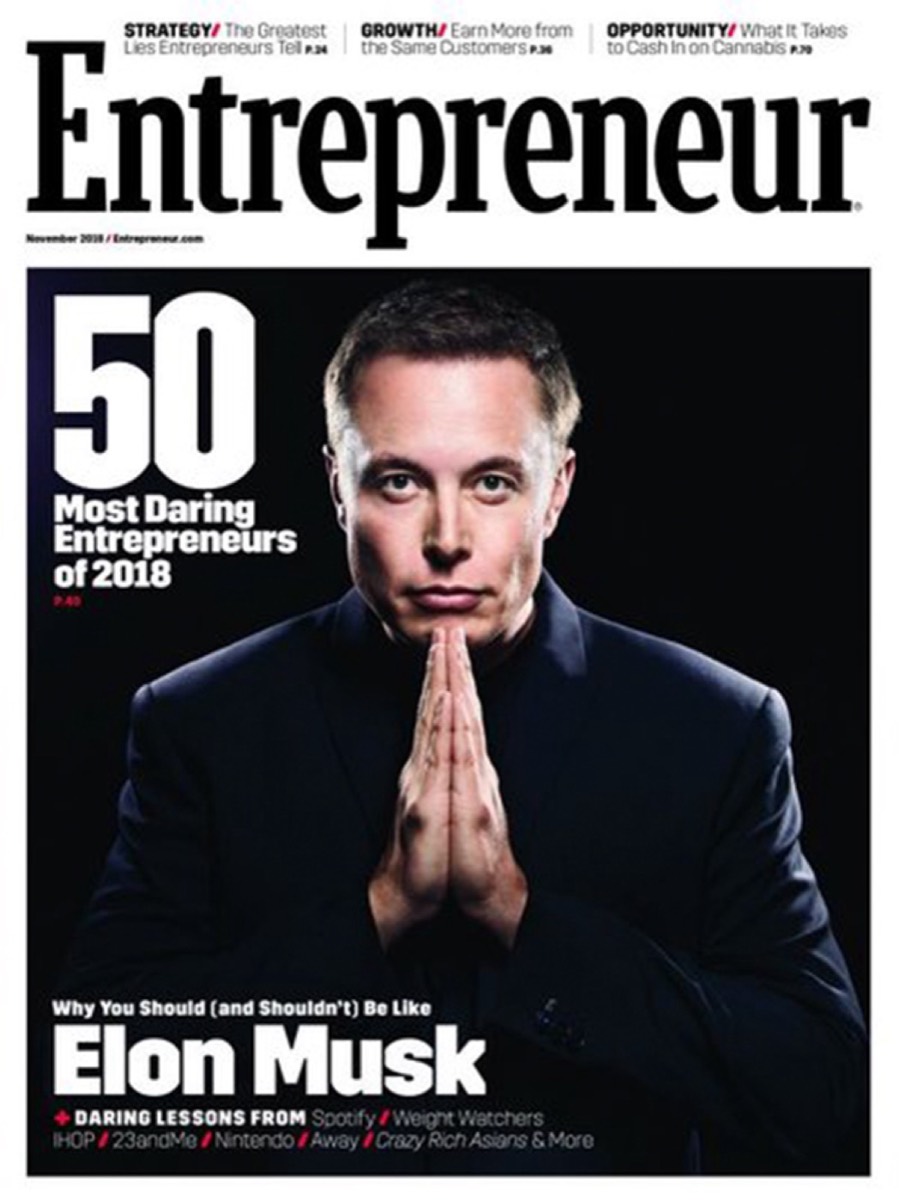
The magazine cover above achieves impact through restraint. The background merges with the subject's suit, bringing the face and text to the foreground. The headline uses large type to establish hierarchy without cluttering. The rest of the cover is deliberately left open.
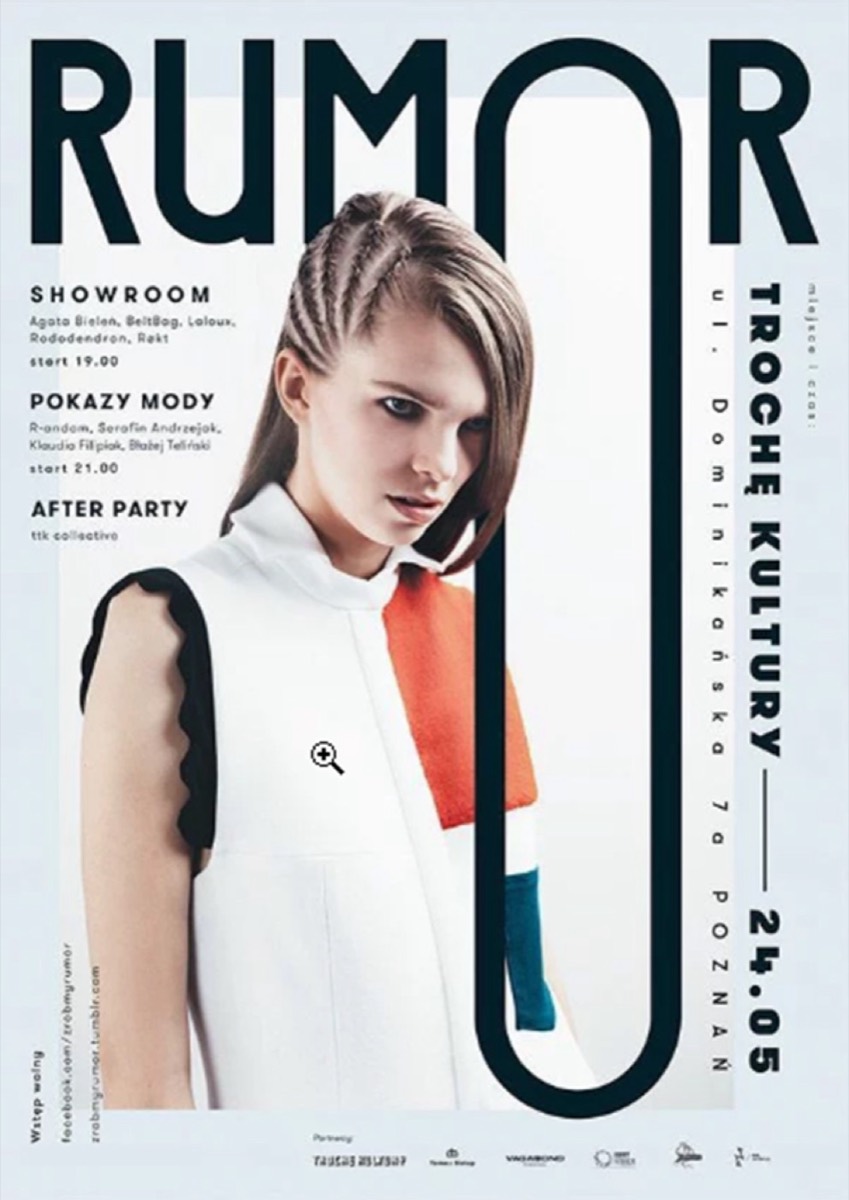
The Rumor magazine cover extends the 'O' character down the page and back up, creating a visual line that connects the header to the content below. Six colors are used, but each one blends with the others in a coordinated flow. None of these effects happen by accident.
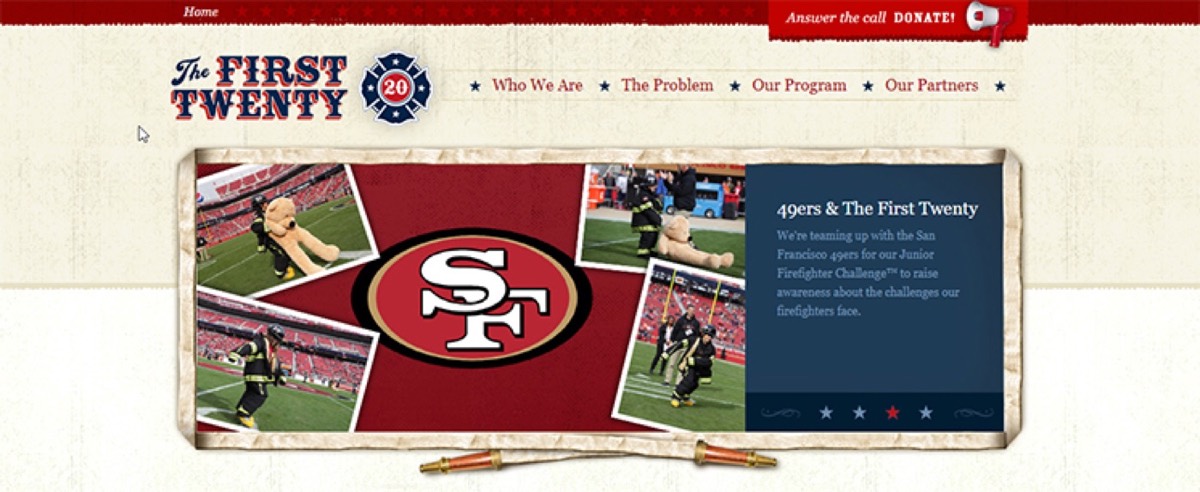
The asymmetrical heading above balances against a symmetrical body — a deliberate tension that creates visual interest without visual chaos. Amateur design tries to achieve this kind of balance and almost always either oversimplifies or overcomplicates.
Consider the Doritos illustration:
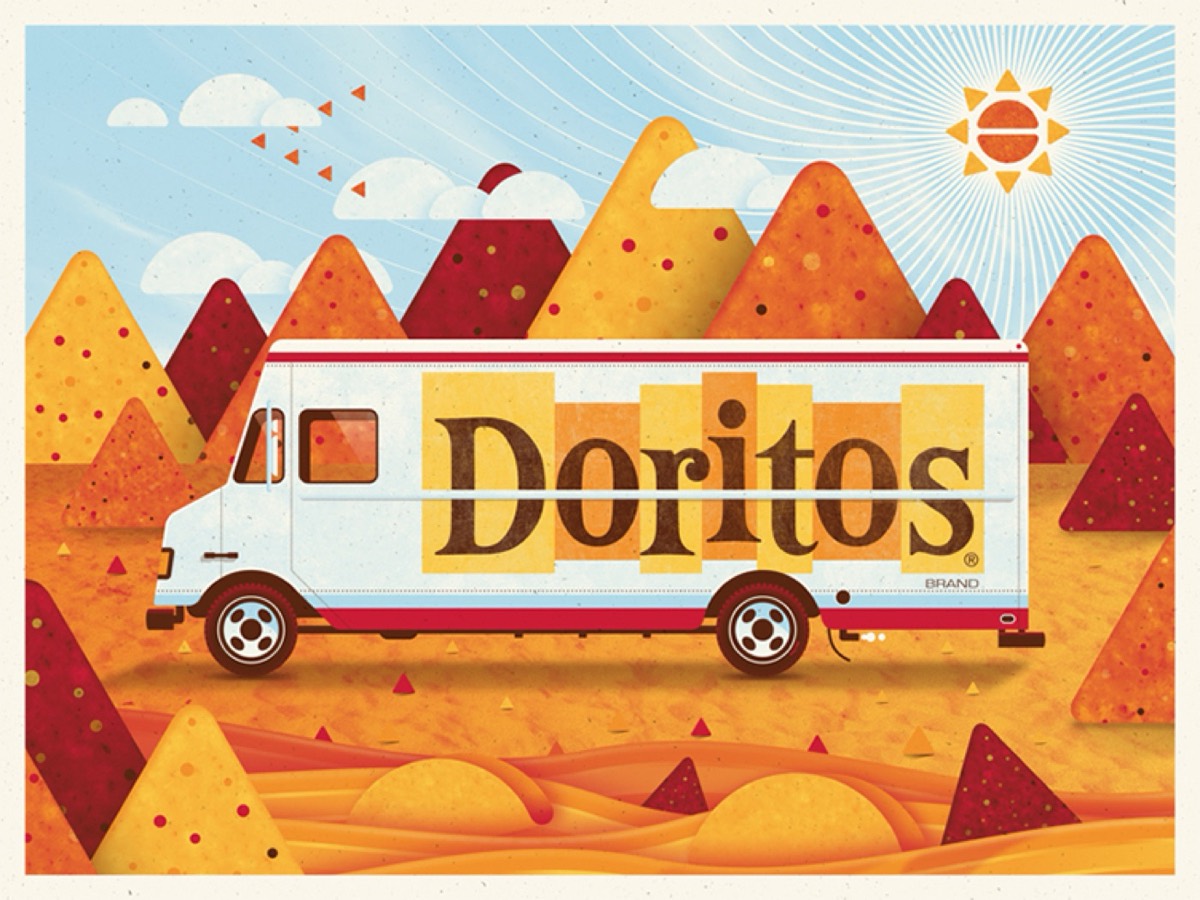
The mountains are shaped like Dorito chips. The sun and birds are triangular. The multiple mountain colors represent different chip flavors. Every element serves a communication purpose. That level of intentional design storytelling is what professional designers create — and what DIY tools cannot.
6. Design Requires the Right Ingredients
Creating an outstanding design requires more than a good idea. It requires knowing which tools to use, how to use them professionally, and what technical quality standards the output must meet.
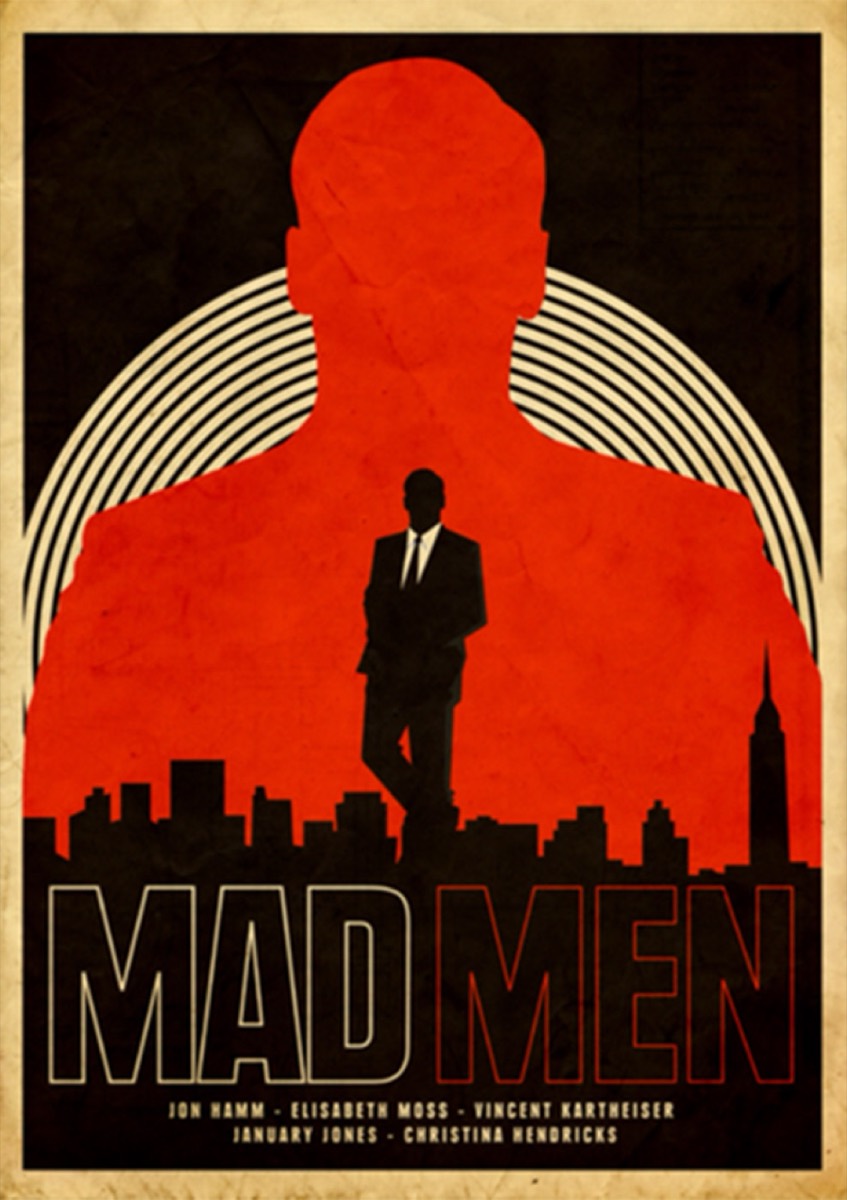
The image above uses two focal points (the standing figure and the large silhouette) without either overpowering the other. The composition balances scale, position, and the relationship between foreground and background — a technique that requires expertise to execute cleanly.
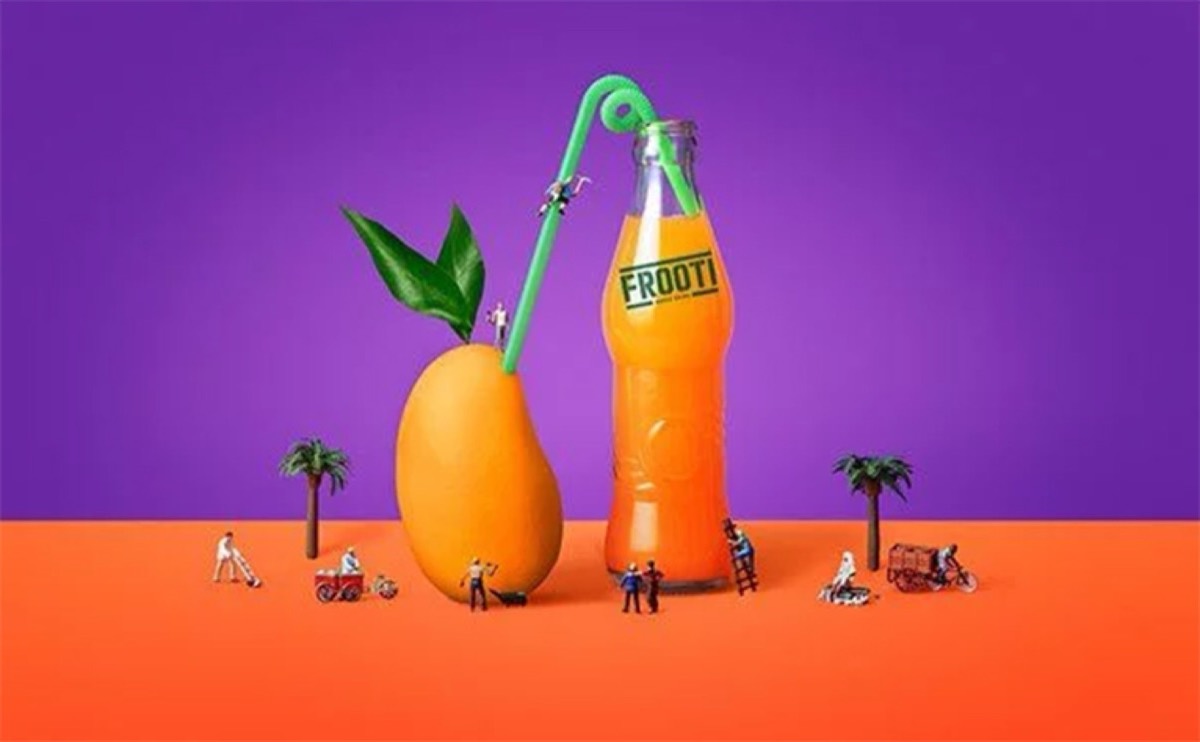
Frooti's brand design uses an orange color palette that directly mirrors the product's color, creating an immediate, emotional, sensory association. The playful boldness of the design communicates the brand's personality. Color and typography aren't decorative choices here — they're strategic ones.
Professional designers make technical decisions (resolution, color profile, file formats) that ensure designs render correctly in every context — on screen, in print, on retina displays, in small sizes. DIY designs frequently fail at these technical requirements, degrading at sizes or contexts their creators never anticipated.
When a skilled graphic designer creates a design, they ask whether it emphasizes what the content says. That question — not "does it look nice?" — is the right test for design quality.
Conclusion
The gap between DIY design and professional design is not a gap in software — it's a gap in judgment. Professional designers make thousands of micro-decisions correctly that untrained designers make incorrectly, and the cumulative effect of those decisions is what separates a design that builds credibility from one that undermines it.
The investment in a professional designer pays back in the form of higher conversions, stronger brand perception, and more efficient marketing — outcomes that compound over time and can't easily be quantified until you've seen the contrast firsthand. For content marketing specifically, a professionally designed asset like a white paper can dramatically extend your brand's reach and authority.
When deciding on design, be open to professional perspectives that may differ from your initial instincts. Your idea may be good — but an expert designer's execution of that idea will almost always be better.
Digital Polo creates professional graphic designs — logos, web designs, marketing materials, and brand systems — for one flat monthly fee with unlimited revisions. Start for $399/mo → | Soulmate at $899/mo →
Frequently Asked Questions About Hiring a Graphic Designer
Why can't I just use Canva for my business design needs? Canva and similar tools are excellent for quick, low-stakes content like internal presentations or social media fillers. But they're limited by their template structures, which produce recognizable generic outputs that don't distinguish your brand. Professional designers work from a blank canvas using industry-standard tools, creating genuinely unique work built around your brand's specific requirements — not variations on shared templates that your competitors might also be using.
How much does hiring a professional graphic designer cost? Costs vary significantly by engagement model. Traditional hourly or project-based designers in the US charge $50–$150/hour. Subscription-based design services like Digital Polo offer unlimited design work for a flat monthly fee ($399–$899/mo), making professional design predictable and continuously available. For businesses with ongoing needs, flat-rate subscriptions typically deliver better value than per-project billing.
At what point should a business start investing in professional design? The moment your design work has direct customer-facing impact: your website, your logo, your marketing materials. These are credibility touchpoints where design quality directly affects perception and conversion. Internal documents, rough mockups, and exploratory concepts can remain DIY. Anything a customer sees represents your brand and should meet professional standards.
Can professional design really improve conversion rates? Yes. Stanford's web credibility research shows that 75% of users judge website credibility by design, and 94% form first impressions based on visual design quality. Poor design is not neutral — it actively signals unprofessionalism and reduces trust. Every percentage point improvement in conversion rate from better design compounds over the lifetime of the website.
What should I give a graphic designer to get the best results? Provide: a clear brief describing the purpose of the design and who it's for, visual examples of styles you like (and dislike), your brand guidelines if they exist (logo, colors, fonts), the specific deliverable specifications (size, format, intended use), and context about your target audience. The more focused the brief, the more focused the design. Designers who ask questions before starting produce better outputs than those who proceed on assumptions.
Ready to stop DIYing? Compare your options in hire a graphic designer, check typical rates in our graphic design pricing guide, or see how a graphic design company subscription replaces per-project quotes entirely.