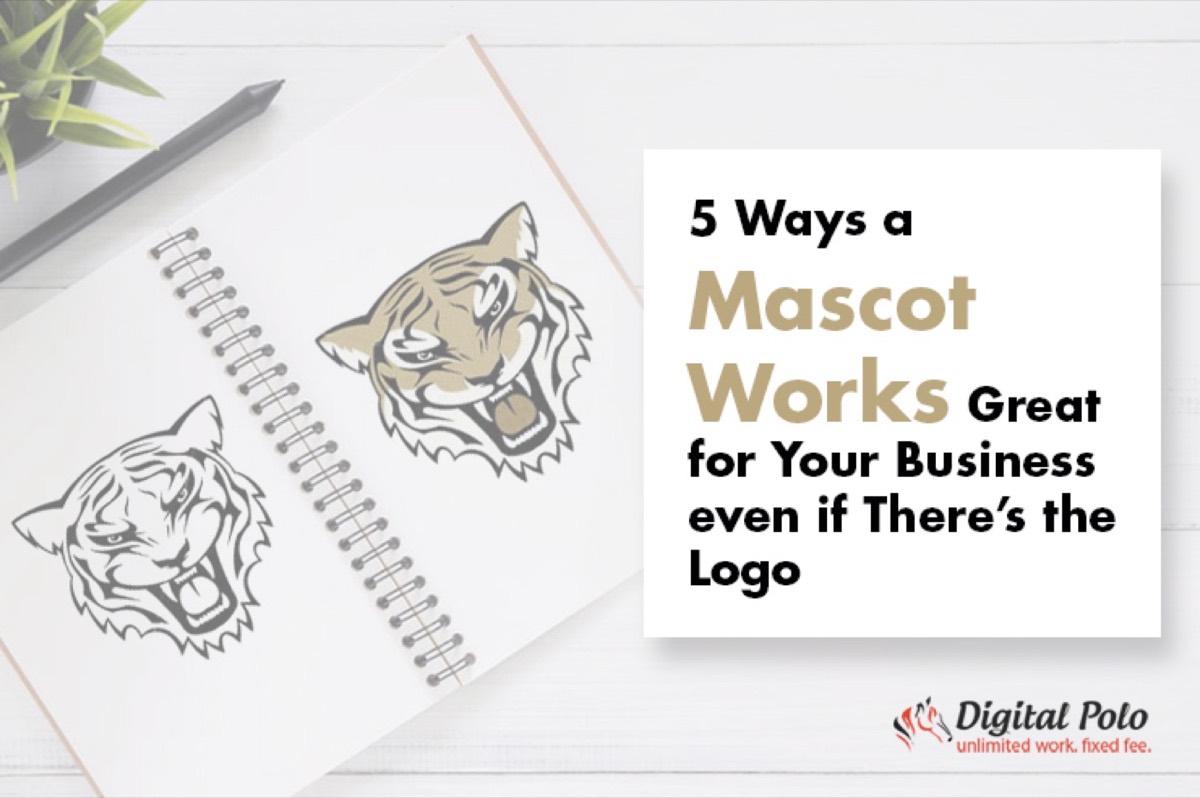
A logo identifies your brand. A mascot brings it to life.
These two serve different psychological functions. Your logo is a recognition mark — it tells people who you are. A mascot is a personality — it tells people what your brand feels like, and gives them a character to form a relationship with. Both work best when the underlying brand concept is clear and well-defined before any visual execution begins.
Not every brand needs a mascot. But for brands that want deeper emotional connection, broader recognition, and a character that can appear across advertising, packaging, digital content, and merchandise — a mascot is one of the most effective long-term brand investments available.
Here's why.
What Are Brand Mascots?
Mascots are characters that represent a company at a public level. They can be human characters, animals, objects, or illustrated figures — physical characters who appear in costumes, or animated characters in advertising. What they share is the ability to embody brand values in a relatable, humanized form.
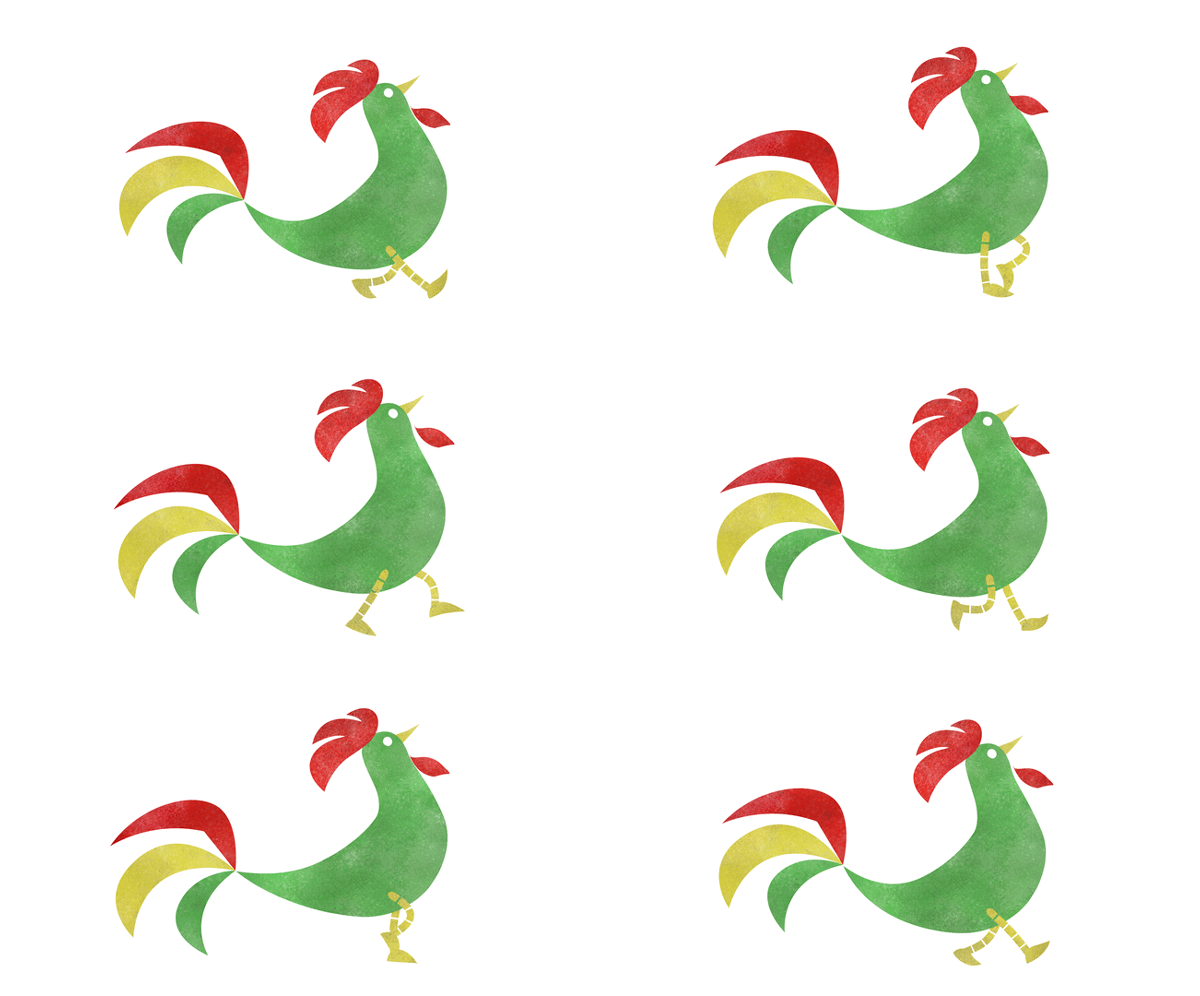
Cornelius Rooster (aka Corny) by Kellogg's Cornflakes
A 2013 study published in the Journal of Marketing Management found: "Brand mascots reflect a deeply rooted human tendency to understand the world through anthropomorphic objects." In plain terms: people connect with characters. They remember them, trust them, and feel something about them — responses that are harder to generate with a logo alone.
1. A Mascot Amplifies What a Logo Can Do
A logo has a limited range of motion. It appears on business materials, products, signage, and digital assets — but it stays still. It presents an identity; it doesn't tell a story.
A mascot can appear in videos, print campaigns, TV advertisements, social media content, billboards, and product packaging. It can interact with the audience. It can demonstrate product benefits through behavior. It becomes a narrative vehicle that the logo cannot be.
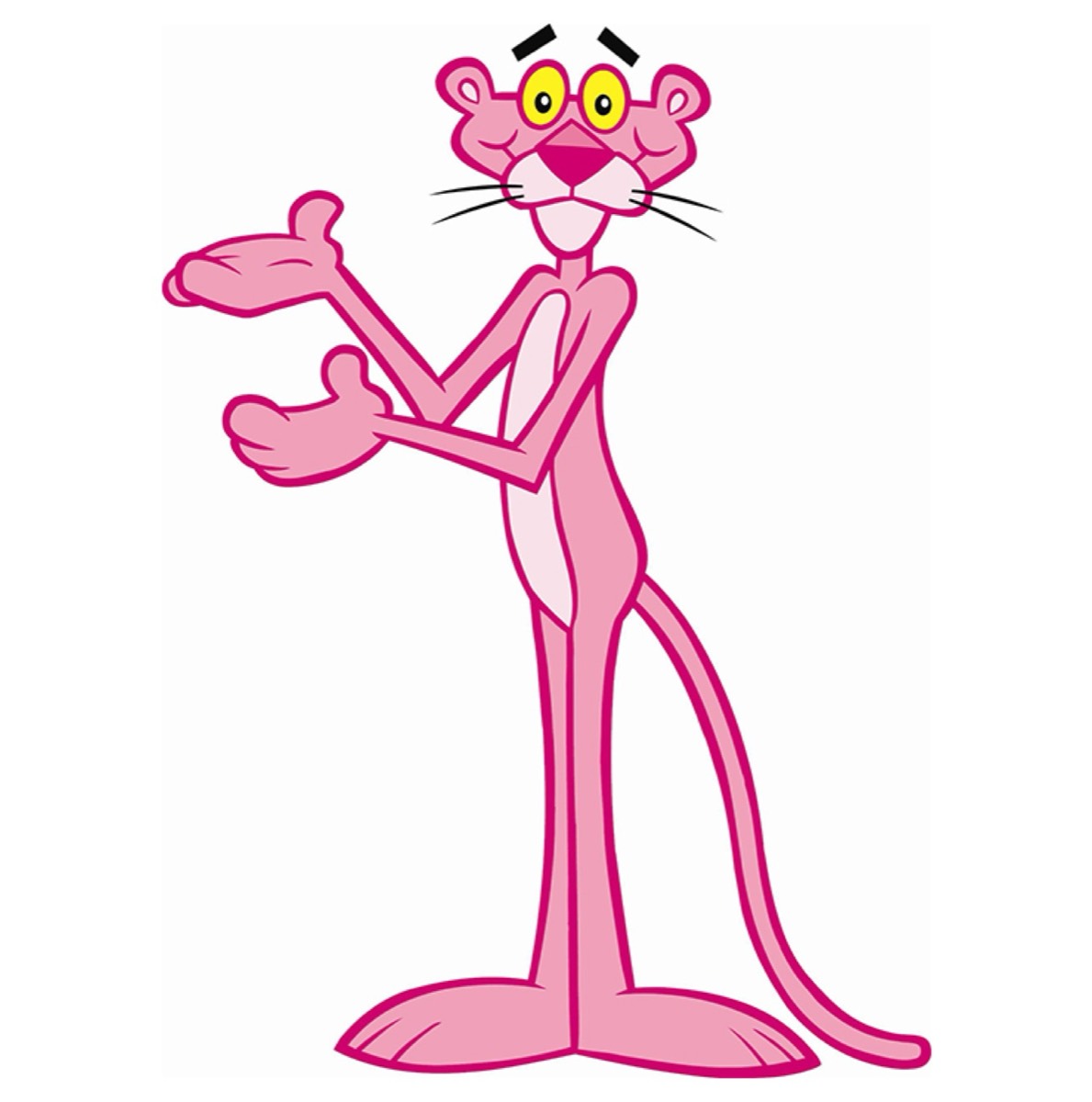
Consider Owens Corning and the Pink Panther. Few people could describe the Owens Corning logo from memory. But nearly everyone recognizes the Pink Panther. By using the character as a mascot, Owens Corning gained instant, broad recognition that its logo alone couldn't generate.
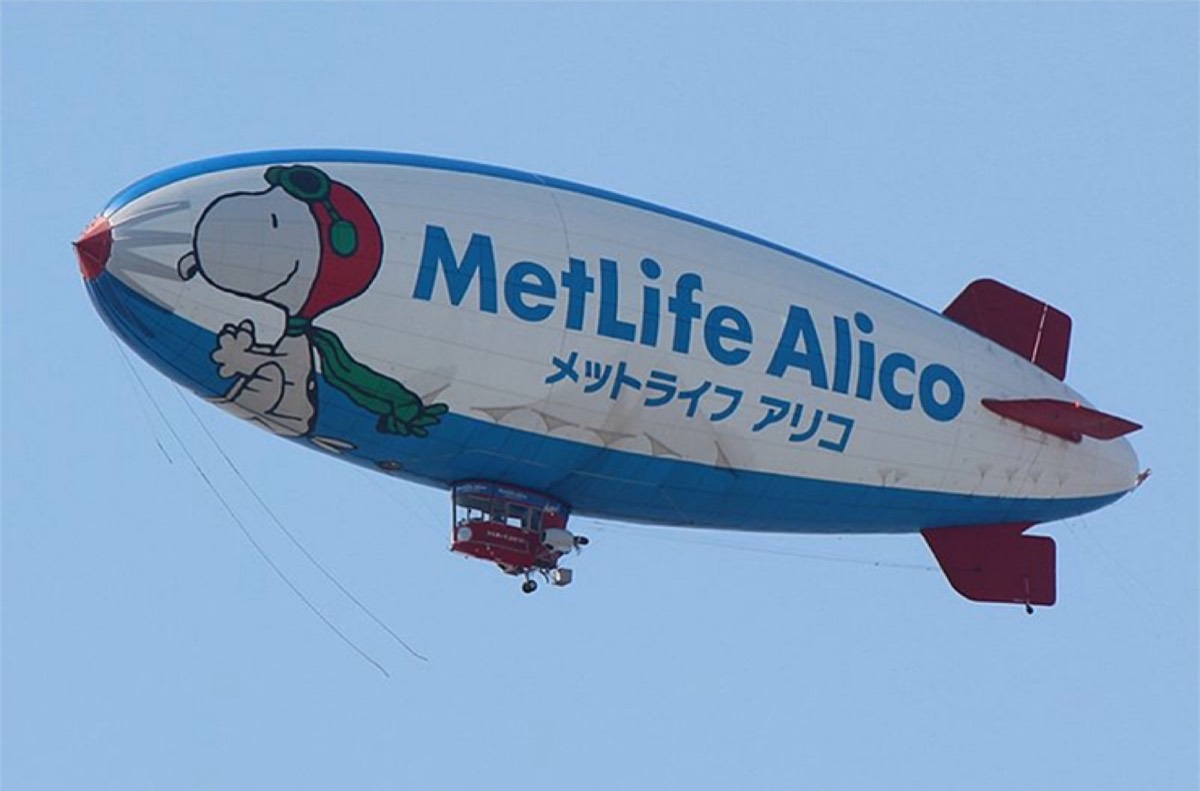
MetLife used the same strategy with Snoopy from the Peanuts comic strip — and used the character for 30 years. The warmth and trust associated with Snoopy transferred directly to the MetLife brand, building credibility with audiences who might otherwise find insurance abstract and impersonal.
2. Mascots Create Emotional Connection That Logos Cannot
Logos communicate identity. Mascots communicate personality. And people form relationships with personalities, not identities.
A logo can represent quality, reliability, or innovation through design choices — colors, shapes, typography. But these are implied values; the audience must decode them. A mascot demonstrates those values through character: the friendly duck, the energetic bunny, the wise owl. The emotional response is immediate rather than inferred. Understanding logo color psychology helps ensure that the colors you pair with a mascot reinforce rather than undermine the emotional signal you're sending.
This matters commercially. Brands with strong emotional connections command higher loyalty, greater price tolerance, and stronger word-of-mouth. A customer who likes your mascot will choose you over a competitor with equivalent products.
Need a mascot design that brings your brand to life? See Digital Polo's plans →
3. Mascots Strengthen and Animate Brand Themes
Every brand has a theme — a central idea that runs through its visual identity, its messaging, and its customer experience. A mascot can make that theme vivid and tangible in a way that design elements alone cannot.
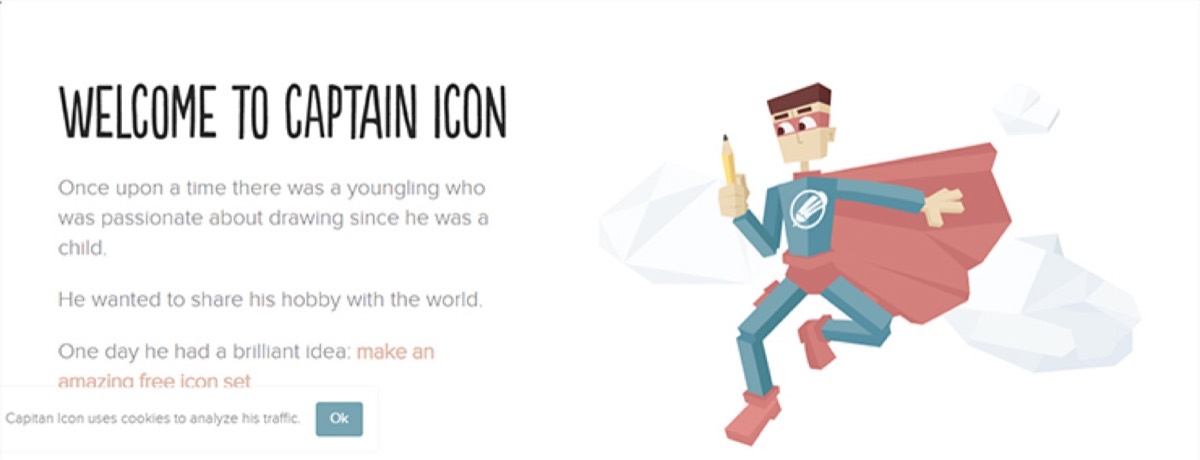
Look at how the superhero mascot concept works for brands that want to communicate that they'll fight for their customers, or protect them from something. The character literally embodies the theme — wearing it, acting it out — rather than implying it through abstract design.
When you use a mascot consistently across your website header, footer, social media, and advertising, the character reinforces the same theme in every touchpoint. Over time, the theme becomes inseparable from the mascot — and the mascot becomes inseparable from your brand.
4. Mascots Communicate Product Benefits Directly
A logo cannot demonstrate what a product does. A mascot can.
The Energizer Bunny is perhaps the clearest example in advertising history. The bunny keeps going and going — running through scenes long after other things have stopped. That behavior is a direct, memorable, instantly understood demonstration of what Energizer batteries do differently.
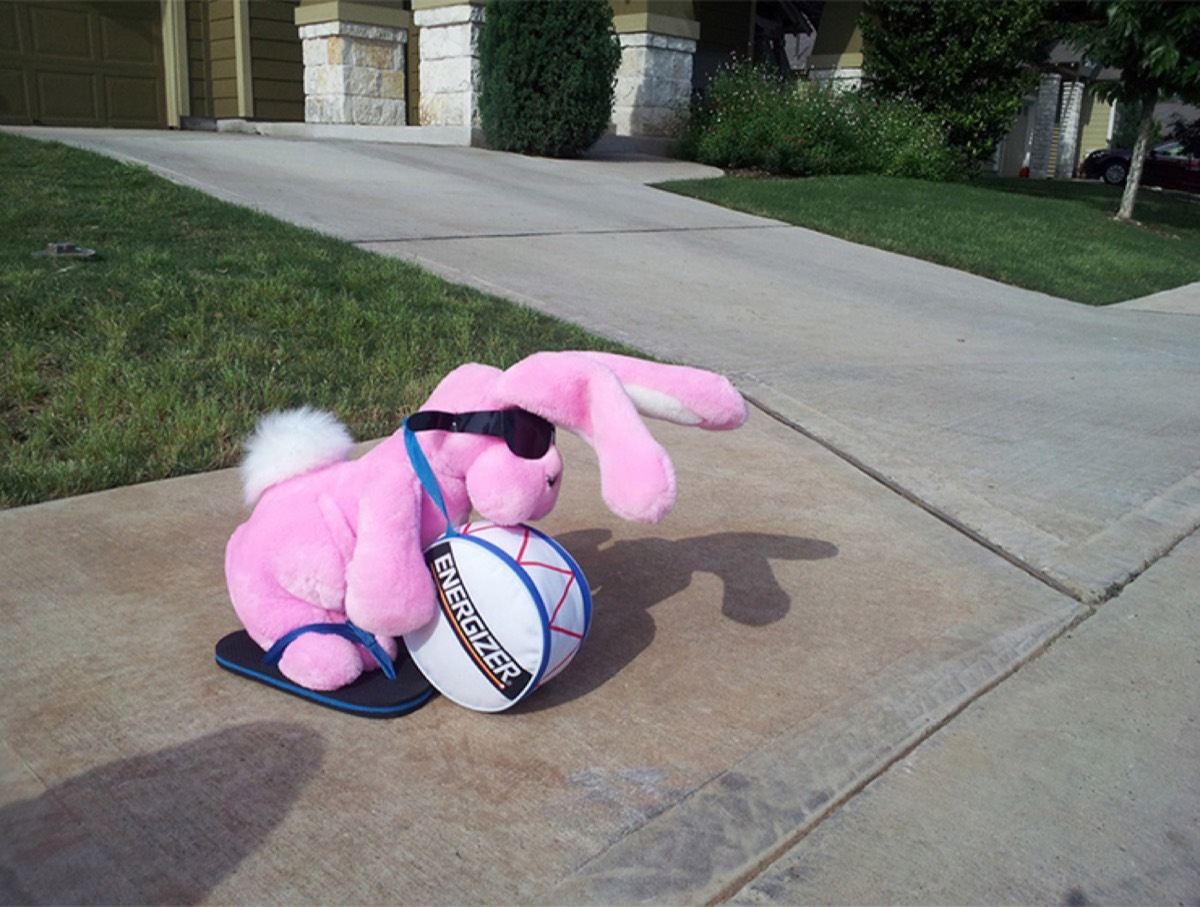
Energizer saw a 7% increase in sales in 1992 following the campaign — attributable directly to the memorability and clarity of the mascot's product message.
Kellogg's Rice Krispies demonstrates this even more literally. The three mascots — Snap, Crackle, and Pop — don't just have memorable names that sound like crispy cereal; they actively listen to the sounds the cereal makes when milk is poured. The mascots are enacting the product's USP in every appearance.
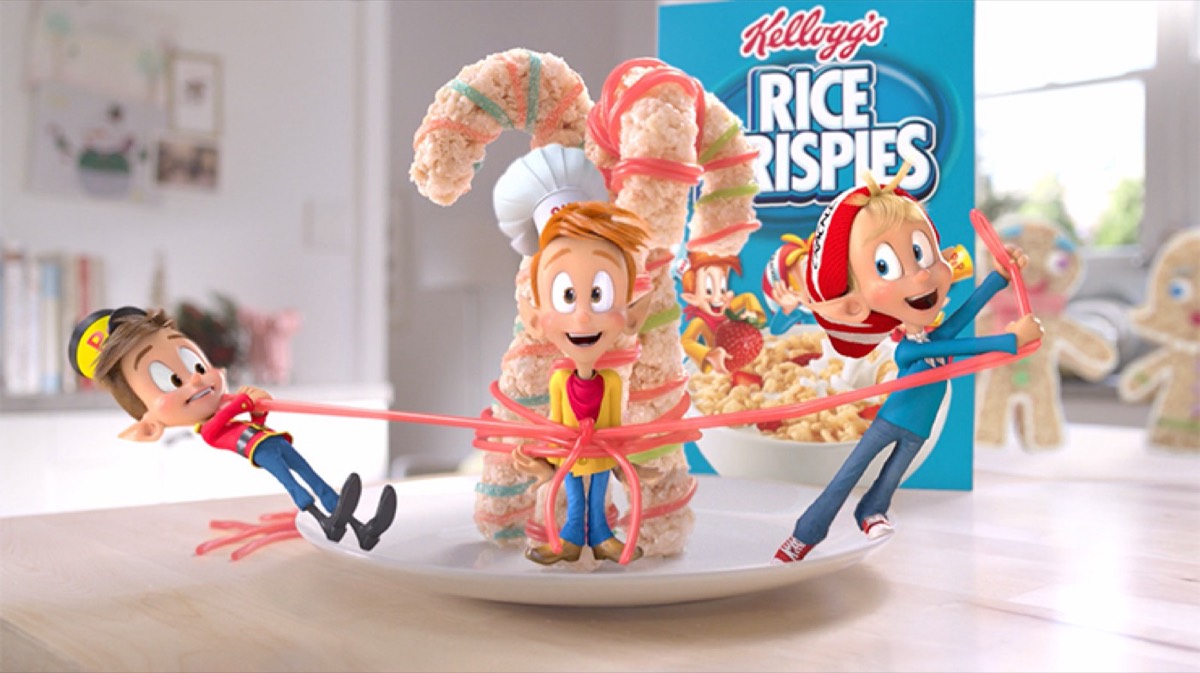
When a mascot can embody your product's primary benefit in a memorable, consistent way, it does ongoing advertising work that no logo campaign can replicate.
5. Mascots Drive Brand Name Recognition
One of the least obvious functions of a mascot is how it helps people remember the brand name — especially names that are abstract, technical, or hard to pronounce.
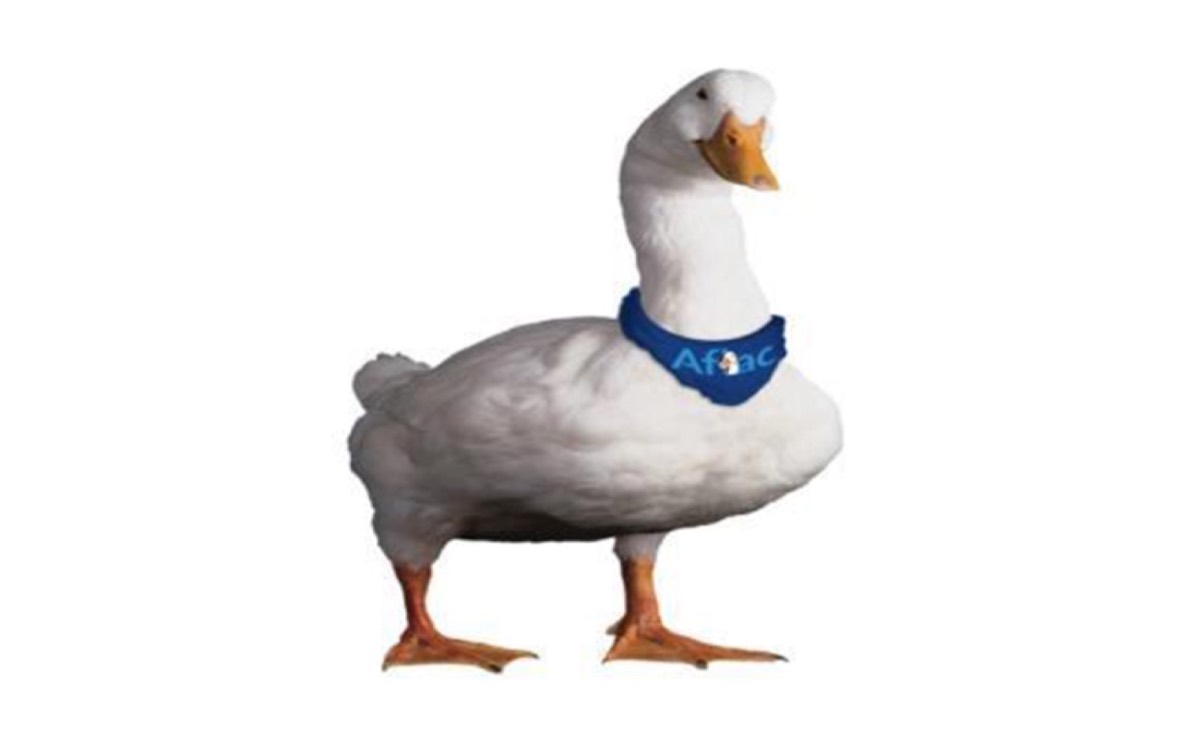
AFLAC (American Family Life Assurance Company) discovered that their target audience couldn't remember the company name. Research revealed that "AFLAC" sounds remarkably like the quack of a duck when spoken aloud. They created the AFLAC Duck as their mascot — and brand name recognition rose 91% above comparable insurance brands.
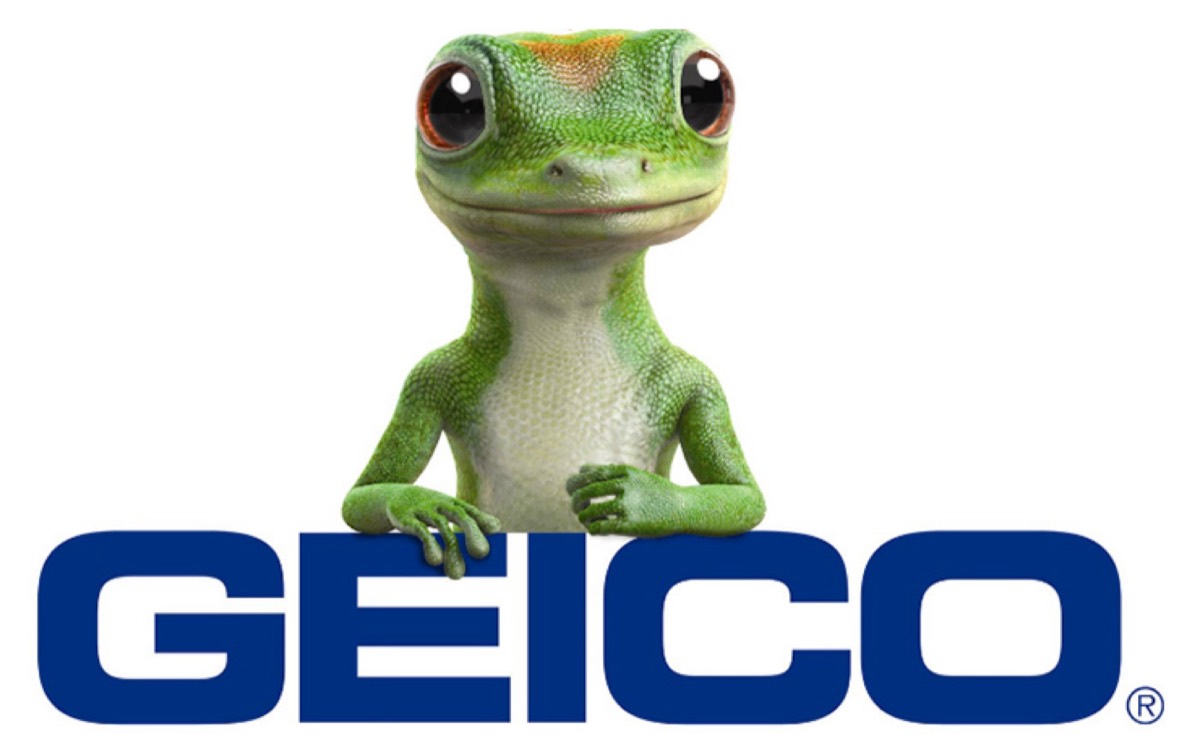
GEICO (Government Employees Insurance Company) followed the same logic. "GEICO" sounds like "gecko" — so the GEICO Gecko became one of advertising's most recognizable characters, starting in 2000 and still running. An abstract acronym became memorable through the association with a character.
The principle works beyond insurance. Any brand with an abstract name, an intangible product, or a complex value proposition can use a mascot to create a memorable human (or animal) anchor that audiences associate with the brand name.
Conclusion: Mascots Are a Long-Term Brand Investment
A well-designed mascot is not a short-term campaign tactic. MetLife used Snoopy for 30 years. Kellogg's has used Snap, Crackle, and Pop since 1933. The Energizer Bunny debuted in 1989 and is still active. The ROI of a character that consistently reinforces brand values compounds over decades.
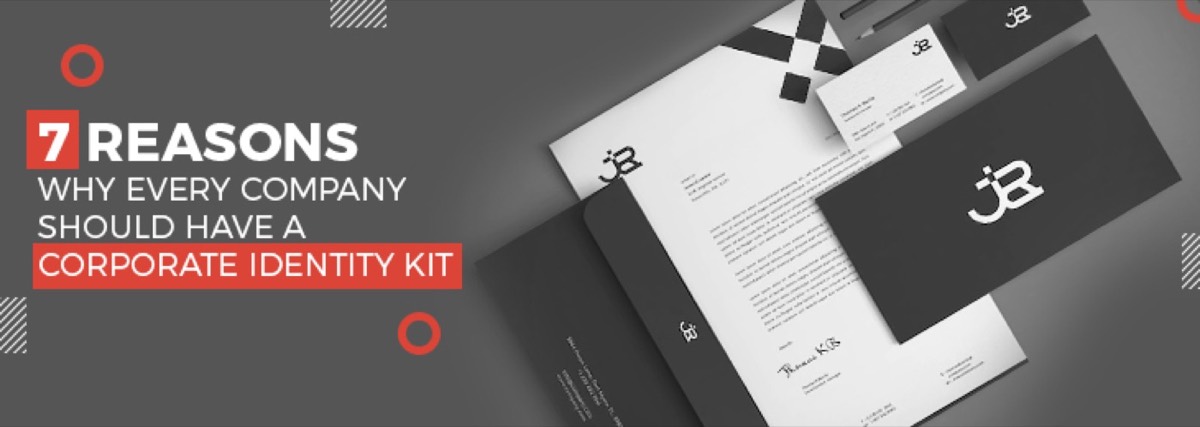
The design work — creating a mascot character that genuinely embodies your brand's personality — requires professional graphic designers who understand both character design and brand strategy. Done right, it becomes one of the most durable brand assets you'll ever create. It also needs to fit within a consistent corporate identity kit — so the mascot appears coherently across every application where your brand appears.
Digital Polo creates mascot characters and complete brand identity systems — including logo, style guide, and brand materials — for one flat monthly fee. Start for $399/mo → | Soulmate at $899/mo →
Frequently Asked Questions About Brand Mascots
What is a brand mascot and why does it matter? A brand mascot is a character — human, animal, or illustrated figure — that represents a company's identity and values in a relatable, personified form. Mascots matter because they create emotional connection that abstract logos and slogans cannot. Research shows that people form genuine relationships with brand characters, leading to higher loyalty, better recall, and stronger word-of-mouth than brands that rely on visual identity alone.
What makes a good brand mascot? An effective mascot is clearly connected to the brand's core value proposition (the Energizer Bunny's perpetual energy; the AFLAC Duck's name-sound connection), is visually distinctive and memorable, can be used consistently across all brand touchpoints, and has a personality that resonates with the target audience. The best mascots can demonstrate product benefits through their behavior, not just symbolize the brand.
Should every brand have a mascot? No. Mascots work best for brands with broad consumer audiences, particularly in categories where emotional connection drives purchase decisions — insurance, food and beverage, consumer goods, and entertainment. B2B brands, luxury brands, and brands in highly technical categories often find that a mascot undercuts the professional image they need to project. The decision should be based on whether a character genuinely serves your brand's positioning with your target audience.
How do mascots increase brand recognition? Mascots increase recognition through multiple mechanisms: they're more memorable than abstract logos because they have personality; they appear across more media types (ads, packaging, mascot suits, social content) than logos; they create narrative continuity that audiences follow; and they make abstract brand names concrete (as AFLAC and GEICO demonstrated). Repeated exposure to a mascot in different contexts compounds recognition faster than a logo alone.
How much does a professional mascot design cost? Professional mascot design typically ranges from $500 to $5,000+ depending on complexity, the number of poses/expressions required, and the designer's experience with character design. A mascot that needs to work across print, digital, and merchandise requires a full character sheet with multiple expressions and views. Digital Polo offers mascot design as part of a flat monthly subscription, which includes unlimited revisions and all associated brand materials.