Customers and marketing — the latter exists to bring in the former. But what if the data you collect about your customers is what shapes your marketing in the first place? A closed loop system works best when your marketing materials are strong — a well-designed sales sheet is one of the most testable and refinable assets you can use in a data-driven approach.
That is exactly what closed loop marketing does. It is a responsive technique that collects live customer data, analyzes it to understand real consumer behavior, and feeds those insights back into your marketing strategy. The result is a continuously improving system that gets smarter over time.
Here is how a tight sales loop drives more customers and more profit to your business.
1. It Improves the Relationship Between Sales and Marketing
Business profits enormously from a healthy sales-marketing relationship. When both departments operate in sync, you get a two-fold system where each side strengthens the other.
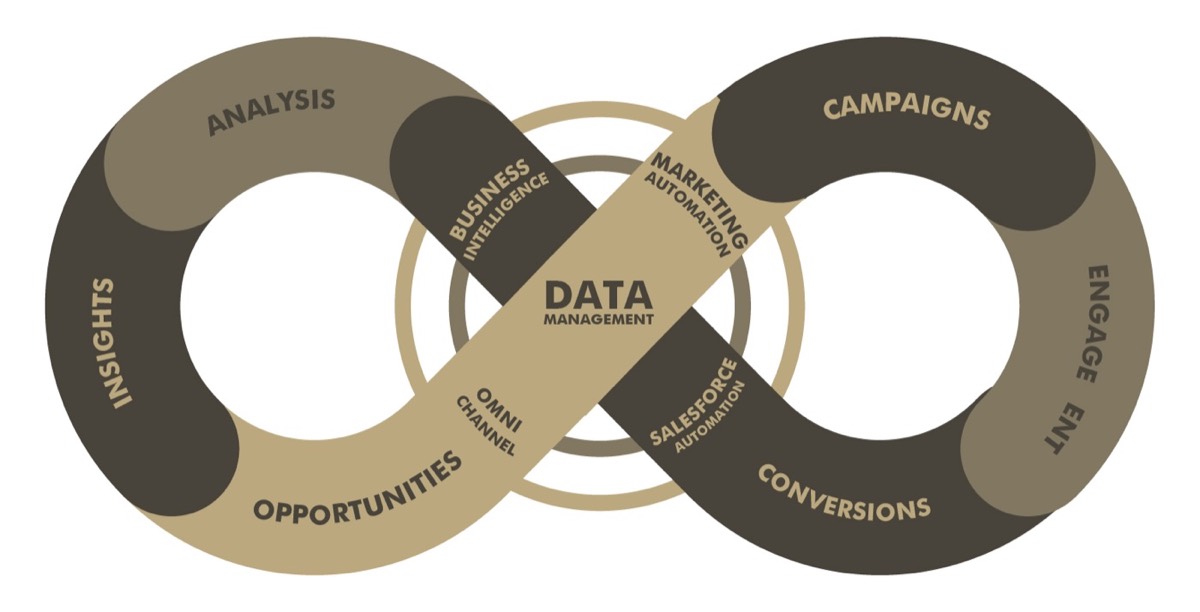
The closed loop system integrates marketing and sales so they share data, customer feedback, and performance signals. This persistent collaboration produces higher customer engagement through tailored experiences. It also helps you identify the real influence of your campaigns and get an early read on expected revenue.
Without alignment, you land on incorrect conclusions. With it, you clear the clutter from your marketing-sales bridge and solve misalignments before they cost you leads.
Things Not to Forget
- There are particular stages in the buy-sell process. When using a closed loop system, ensure that your metrics are both calculated and followed accurately.
- Failing to do so means landing on incorrect conclusions. Your sales data reports will be filled with errors, and your marketing-sales relationship will become unreliable.
- Structure your metrics and reporting around optimized customer stages.
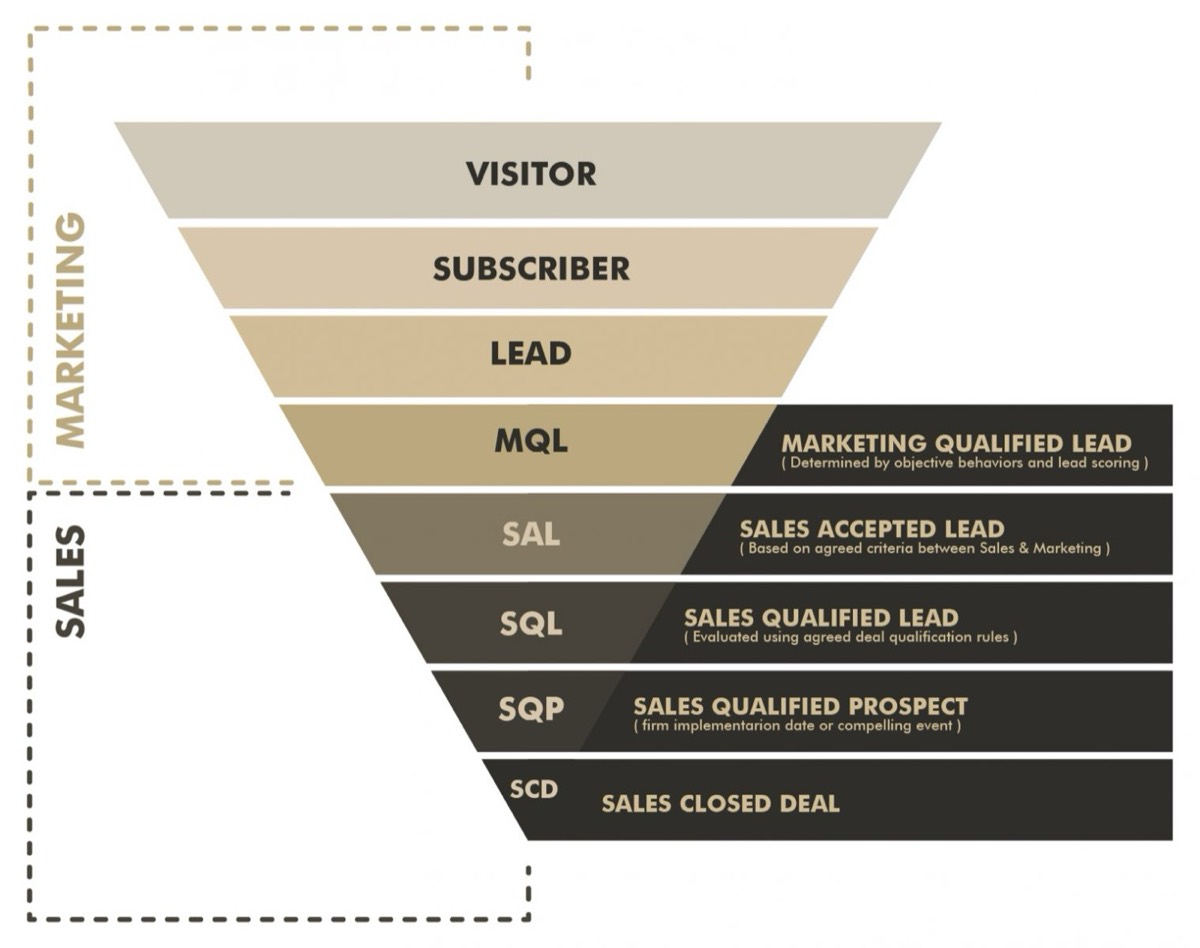
- Both departments must commit to working together on campaigns and engagement stages cooperatively.
2. It Uses the Advantages of Shared Metrics and Goals
The sales loop brings sales and marketing onto the same page by focusing both teams on an ideal buyer profile. This alignment produces what is called a Service Level Agreement, or SLA.
An SLA defines lead qualification criteria that both sides agree to. What is fascinating is that it tracks the route to success even before success has been achieved. Shared metrics like this help minimize errors caused by unequal or dysfunctional settings in your plan.
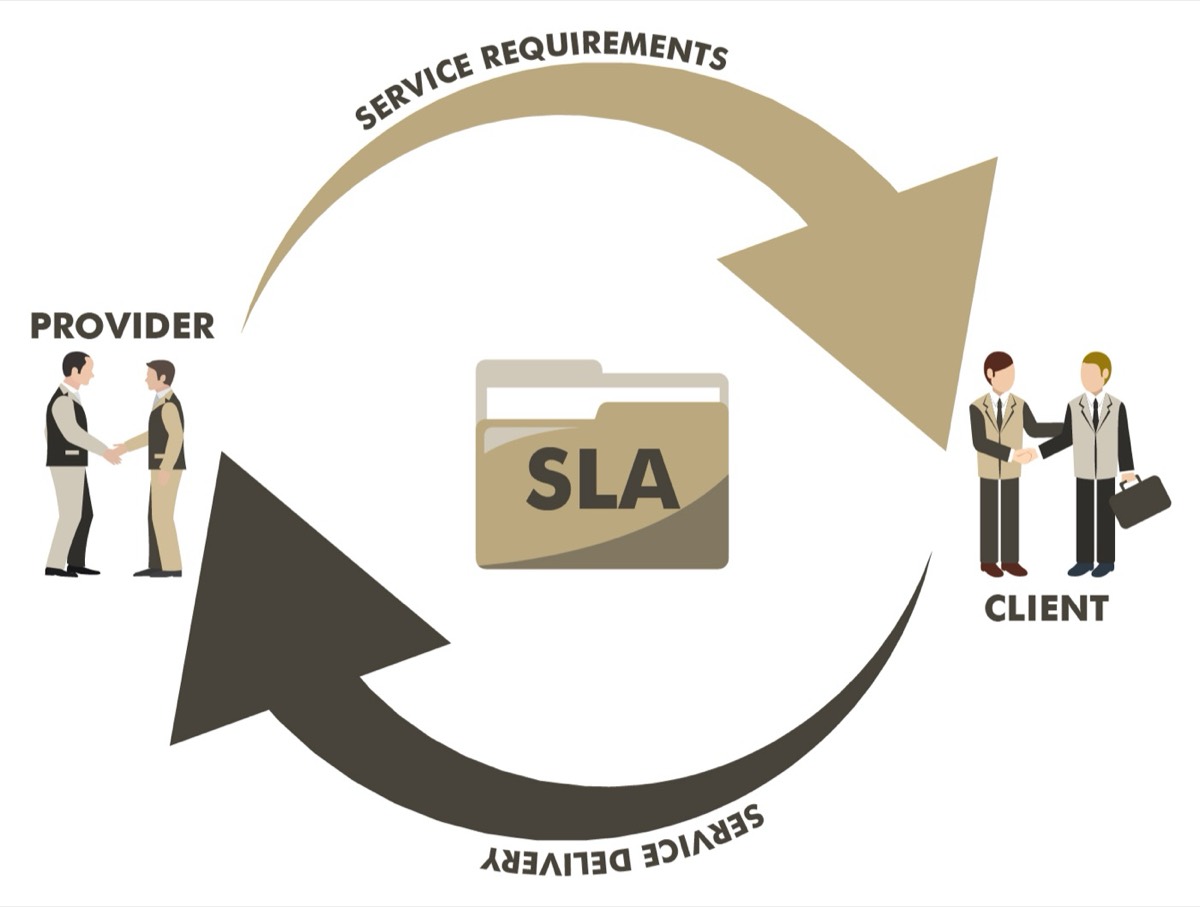
Here is what an SLA concretely does for your business:
- SLA makes things clear to customers: It focuses on clarifying the kind and quality of services offered to customers based on their demands and specifications. The result is an active and useful relationship between your service and your customer base.
- Troubleshooting is an SLA specialization: SLA runs ongoing audits to identify disruptions in service flow and recommends ways to resolve problems.
A real-world example: Monash University, one of Australia's most influential institutions with 8 campuses and 45,000 students, implemented SLA to manage its complex service demands. By pairing SLA with Activity Based Costing, the university replaced a fragmented financial distribution system with tightly managed cost control. The outcome was enhanced use of resources, clearer roles, improved service quality, and a better relationship between the institution and its service users.
The lesson is clear: a properly monitored SLA makes every moving part of your sales process more accountable.
Need design that applies these elements strategically to your brand? See Digital Polo's plans →
3. It Analyzes Your Customers
Customer feedback and behavior are the raw materials for a marketing strategy that actually works. The key is to stop looking at your marketing plans through the eyes of a marketer and start looking through the eyes of your customers.
Here is how you do it through steady monitoring of customer activity on your website:
- Set a cookie on the visitor's referral source as soon as they arrive at your site.
- The cookie tracks the visitor's actions while they browse.
- Convert the visitor into a lead by getting them to complete a lead-capture form.
- The data from that lead becomes actionable intelligence, and the original traffic source gets credited.
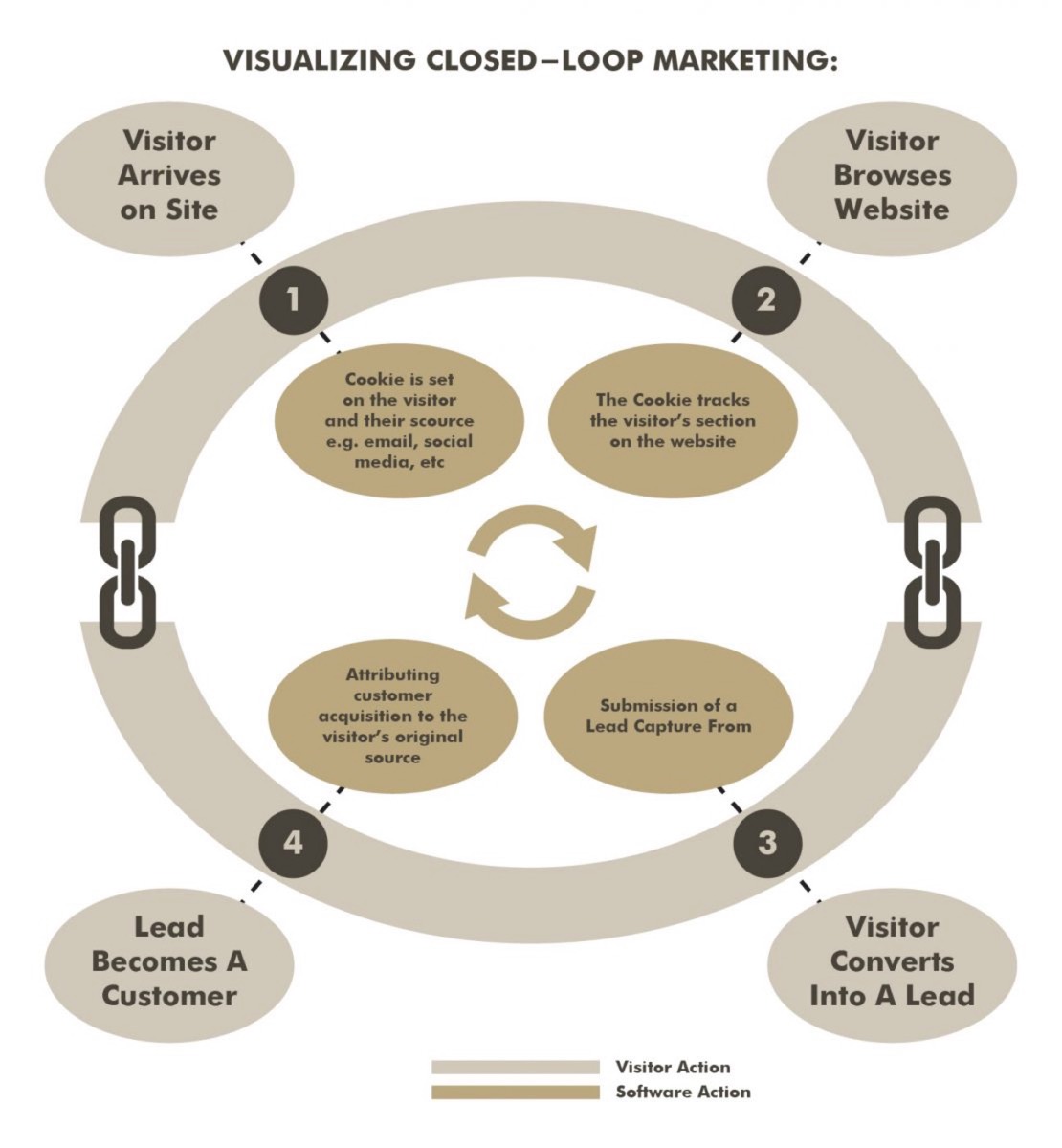
This analysis consolidates the essential steps needed to develop a strong marketing plan — one built on real behavior rather than assumptions.
4. It Catalyzes Lead Management
Lead management maps the path of future business development and customer interaction. A sales loop identifies which channels generate qualified leads and creates a seamless exchange of data between sales and marketing. Ambiguity around lead management is almost entirely eliminated.
Consider a practical example: two people both search for "Houston Office Cubicles" and fill out the same lead form on the same website. How does a sales executive know which lead is more valuable? The answer isn't just digital — the physical brand touchpoints that prospect encountered, including something as simple as a well-designed business card, are also part of that lead's journey.
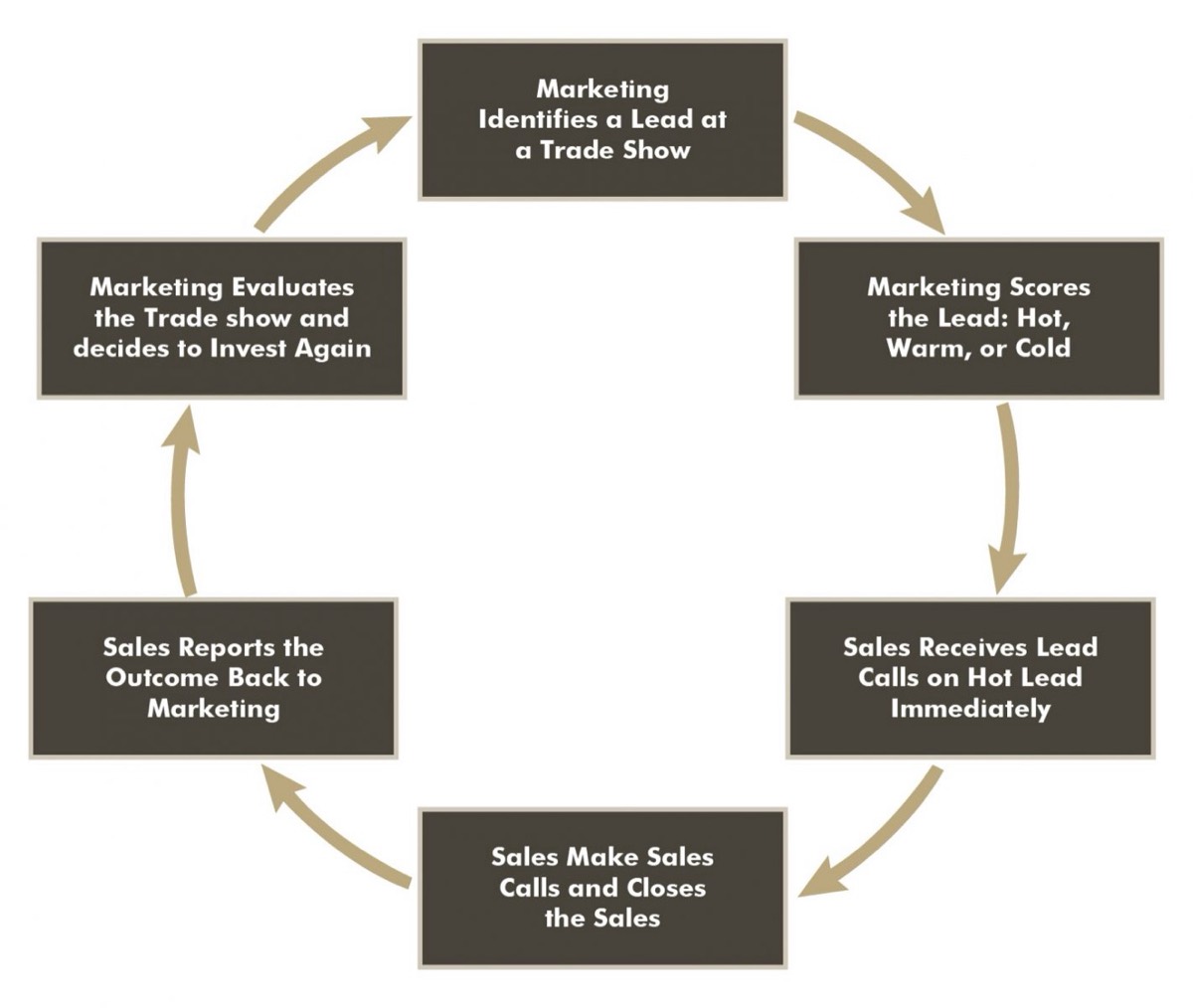
The closed loop system answers that by collecting data on what keywords each visitor used, how long they stayed on the site, which pages they browsed, and the nature of the form they submitted. That complete picture tells a salesperson exactly how to prioritize and approach each lead.
5. It Helps Leads Reach Sales Faster
In a closed loop system, the connection between leads and sales is governed by timing. Research published by Oldroyd (2007) makes this point clearly:
"The odds of making a successful contact with a lead are 100 times greater when a contact attempt occurs within 5 minutes, compared to 30 minutes after the lead was submitted. Similarly, the odds of the lead entering the sales process are 21 times greater when contacted within 5 minutes versus 30 minutes after submission."
Speed is not a nice-to-have. It is a multiplier. And beyond first contact, faster lead routing also improves close rates across the board.
The closed loop system ensures leads are always delivered to sales at the right moment — not an hour later when the window has closed. Offline sales materials also play a role in lead conversion — a business catalogue given to a prospect is itself a trackable touchpoint in a well-run closed loop system.
Closed loop marketing has a specific attribute: it is always paired with closed loop reporting. When the system collects customer data throughout the entire customer life cycle, it continuously improves the quality of your marketing. Campaigns become sharper, ROI climbs, and the relationship between sales and marketing strengthens further with every cycle.
The result is not just better marketing. It is a compounding, self-reinforcing machine that gets your business more customers over time. Start by aligning your teams around a shared SLA, tracking customer behavior methodically, and routing leads to sales within minutes. Those three steps alone can transform your results.
Digital Polo creates strategic marketing design, sales collateral, and brand assets for one flat monthly fee with unlimited revisions. Start for $399/mo → | Soulmate at $899/mo →
Frequently Asked Questions About Closed Loop Marketing
What is closed loop marketing and how does it work? Closed loop marketing is a system where data from your customers — their behavior, preferences, and conversion paths — is fed back into your marketing strategy to continuously refine it. Sales and marketing share data so each campaign improves on the last.
How does a sales loop improve lead quality? By tracking visitor behavior from first click to conversion, a sales loop identifies which channels, keywords, and content generate the most valuable leads. This allows your team to focus resources on what actually works.
What is a Service Level Agreement (SLA) in sales and marketing? An SLA is a mutual agreement between your sales and marketing teams that defines what constitutes a qualified lead, how quickly sales should follow up, and what metrics both teams are responsible for. It aligns both departments toward shared revenue goals.
How quickly should sales follow up on a new lead? Research shows that contacting a lead within 5 minutes of submission makes successful contact 100 times more likely than waiting 30 minutes. Speed is one of the highest-leverage improvements any sales team can make.
Can small businesses use closed loop marketing? Absolutely. Even basic tools like Google Analytics, a CRM, and a simple lead form can create a rudimentary closed loop. The key principles — track sources, analyze behavior, close the feedback loop — scale to any business size.