Establishing your business as a brand takes time and consistent effort. One of the most effective methods is through smart use of 2D and 3D graphic design. Understanding how these formats fit into current graphic design trends can help you make decisions that feel contemporary rather than dated.
When most people think of content marketing, they think of written content — blog posts and articles. But images and videos are equally powerful content formats that can be published across your website, social media, and third-party platforms. Visual content often communicates more than text alone, and it certainly makes a stronger first impression.
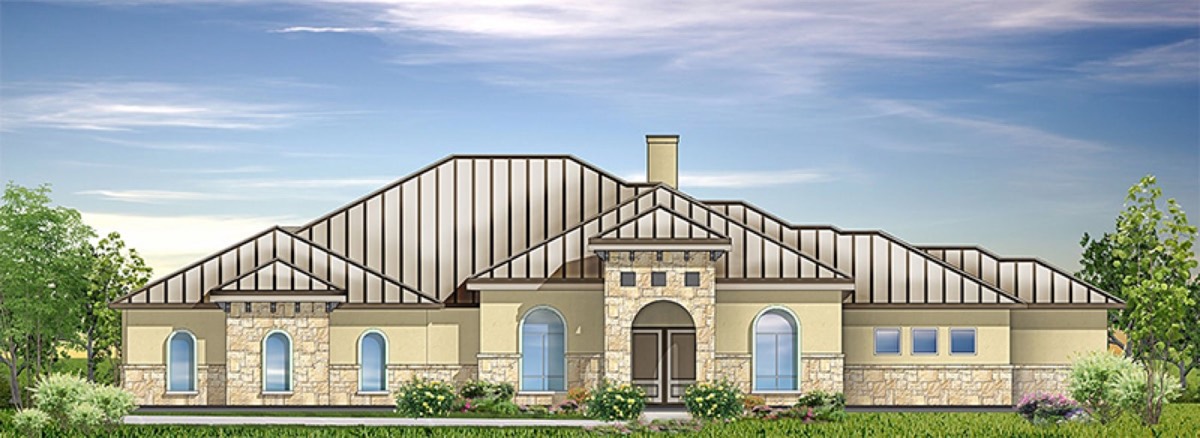
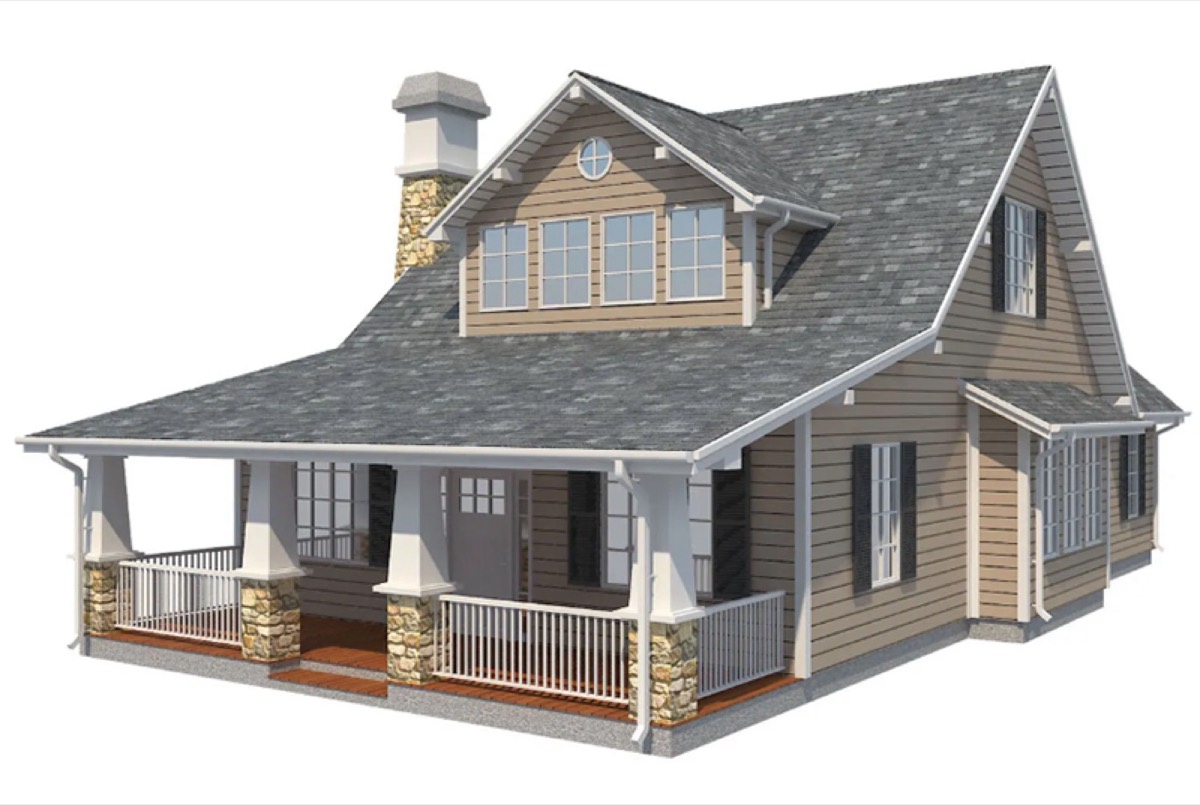
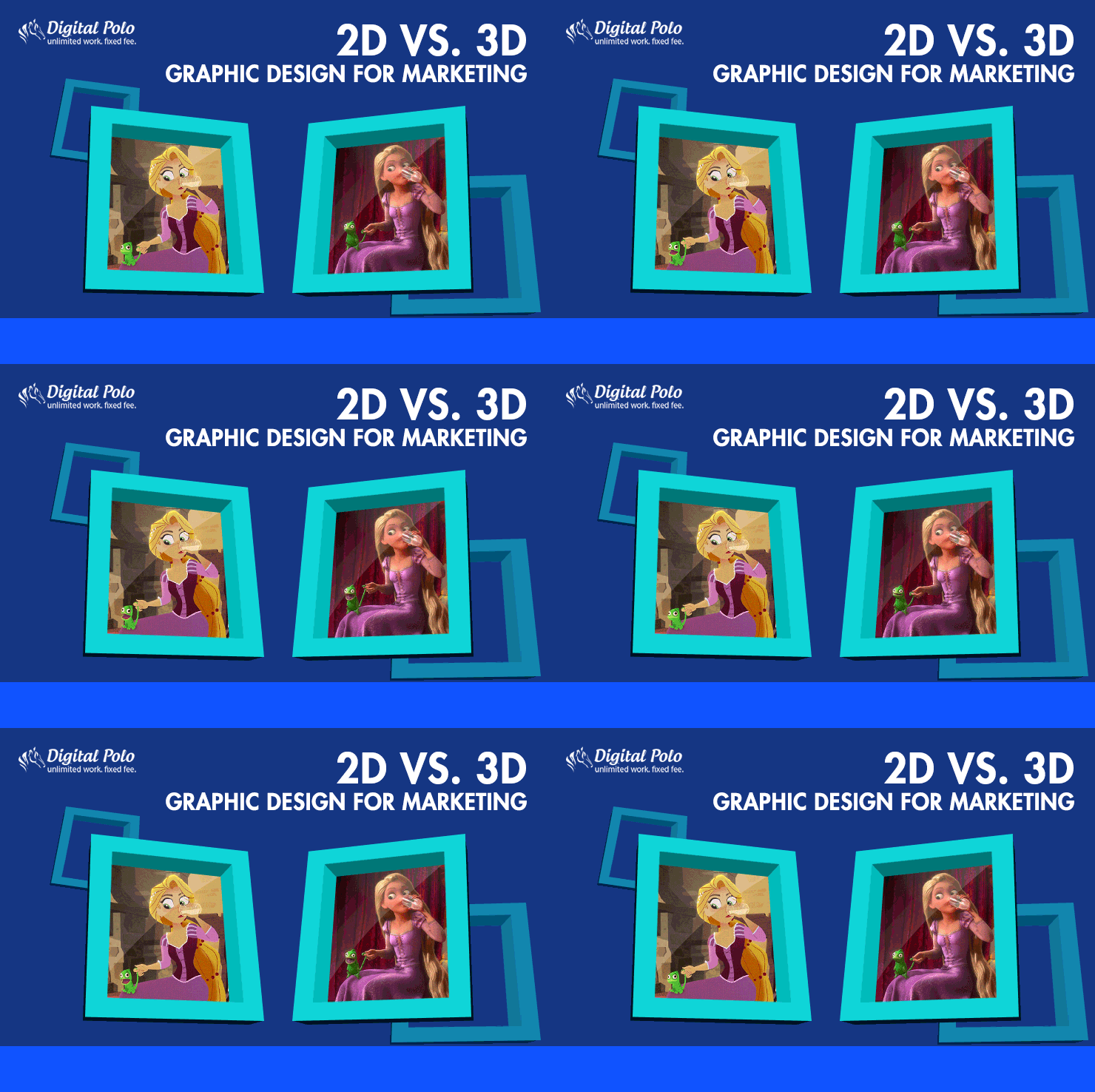
The difference between 2D and 3D images is immediately visible, even to the untrained eye.
Since we're focused on graphic design in a marketing context, this post covers both images and animation — and how each format serves different business needs.
What Are 2D and 3D Graphics?
2D and 3D designs are fundamentally different in both creation process and final output.
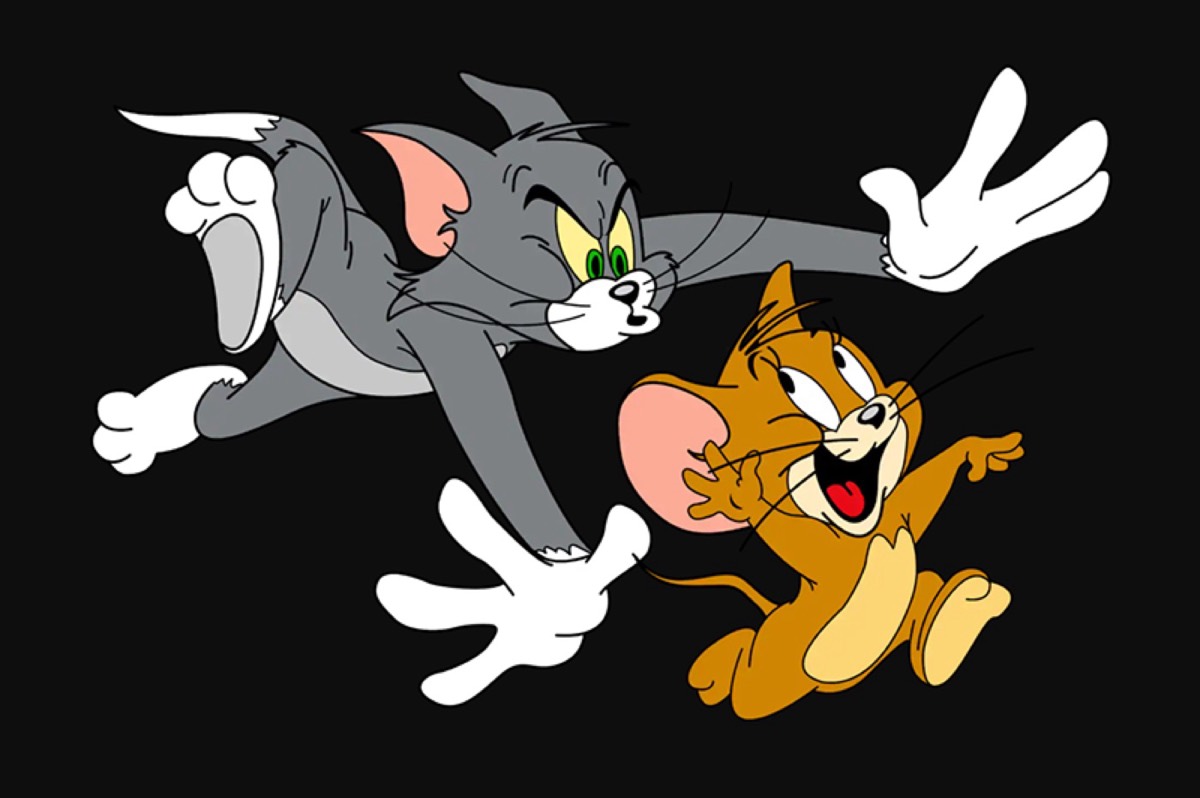
2D design has only two dimensions — width and height. The cartoons you watched growing up are classic 2D examples. Characters like Tom and Jerry moved fluidly and could be expressive, but they were flat — no depth, no shadows from multiple angles.
3D design adds a third dimension: depth. This means accounting for light, shadow, and movement from multiple angles. It's significantly more complex to produce. The jump from 2D to 3D is similar to the jump from a hand-drawn map to a satellite image — both show the same place, but with vastly different levels of realism. (For a full primer on how 3D is modelled, animated, and rendered, see our complete guide to 3D graphic design.)
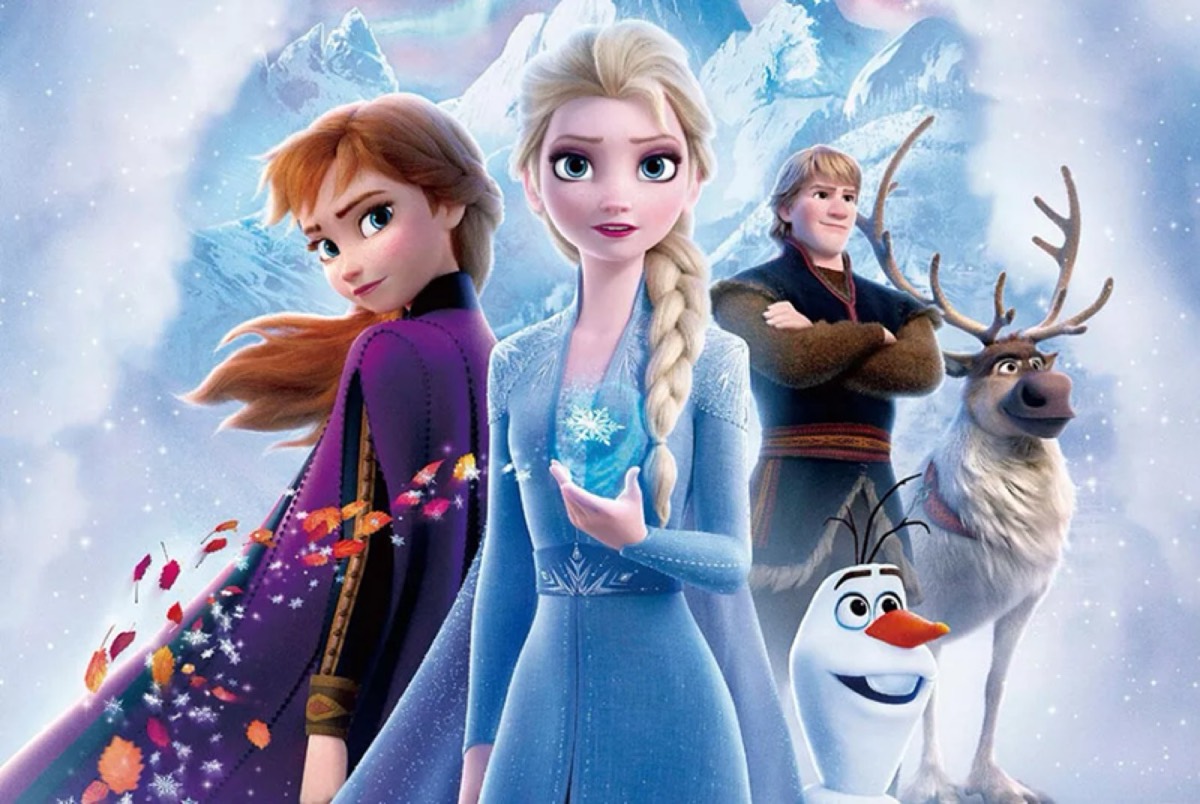
3D animation — as seen in feature films — creates depth by carefully managing light and shadow to simulate real-world physics. The result is design that feels tangible.
Why Use 2D or 3D Design in Marketing?
Whether you use 2D or 3D, visual design makes your product or service more memorable. Humans process images far faster than text — which means your design choices directly shape how quickly and accurately customers understand your offering.
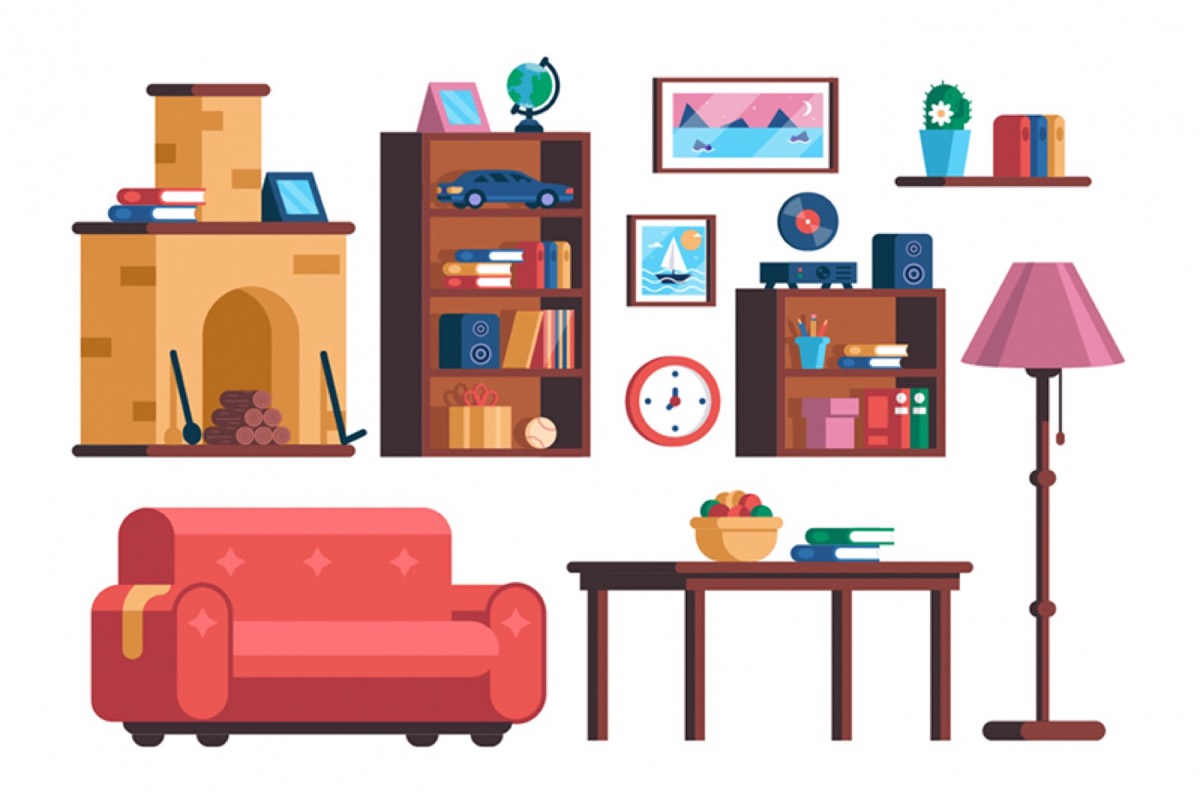
You can use visual design in multiple ways: a 3D mascot character for brand recognition, 2D logos for identity, animated explainer videos, product showcase imagery, and more.
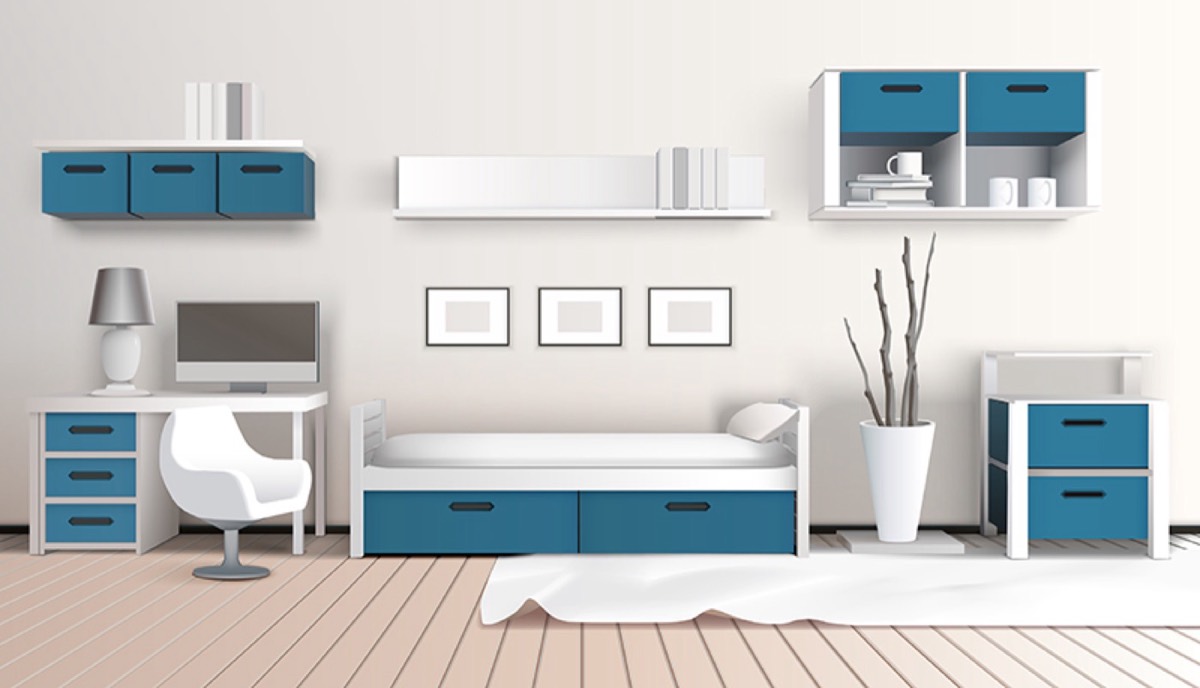
The key is choosing the right format for the right use case.
2D vs 3D Design for E-Commerce Websites
E-commerce provides the clearest illustration of when each design format delivers value. Many shoppers are still hesitant about buying online precisely because they can't touch, inspect, or rotate a product before purchasing.
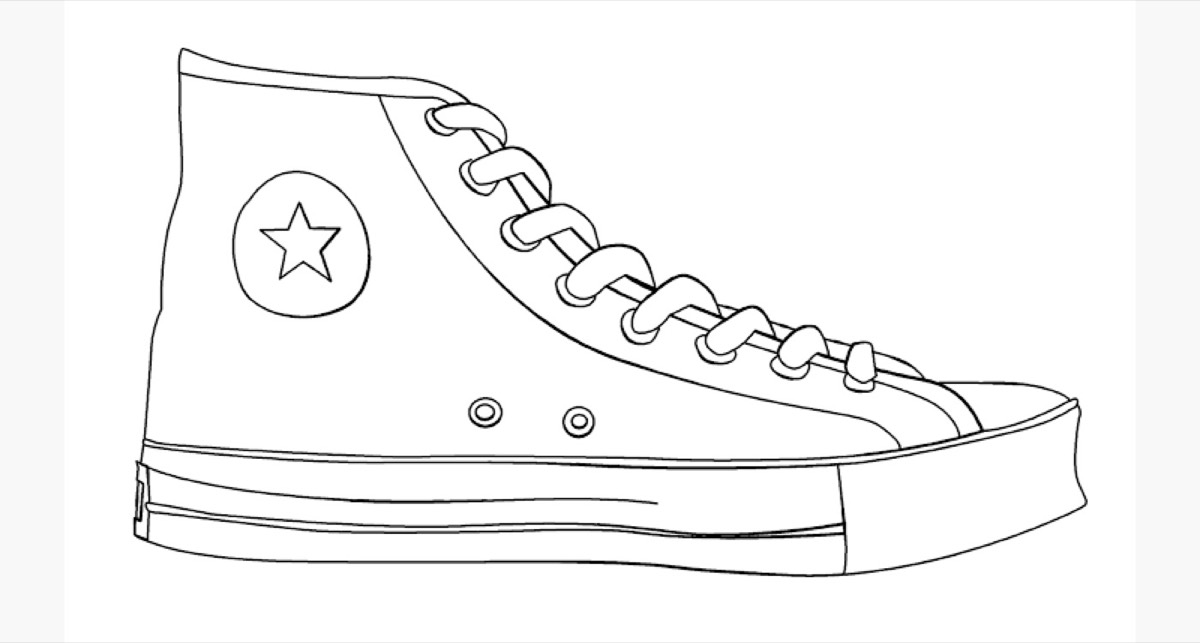
Standard 2D product photography doesn't give customers a 360-degree view — and for complex or detailed products, that gap in understanding directly reduces conversion rates.
3D product imagery solves this problem. When customers can rotate a product, zoom into details, and see it from every angle — they engage more deeply and buy with more confidence. 3D images on e-commerce sites have been shown to meaningfully increase both time-on-page and purchase rates.
Why 2D Design Still Has a Place
Despite the advantages of 3D, two-dimensional design remains highly effective for many marketing applications.
2D design is faster to produce. It's more cost-efficient. It allows for accurate, clean reproduction of products and concepts without the complexity of modeling light and shadow. For businesses that want straightforward product imagery or flat illustrations, 2D delivers excellent results with less time and budget investment.
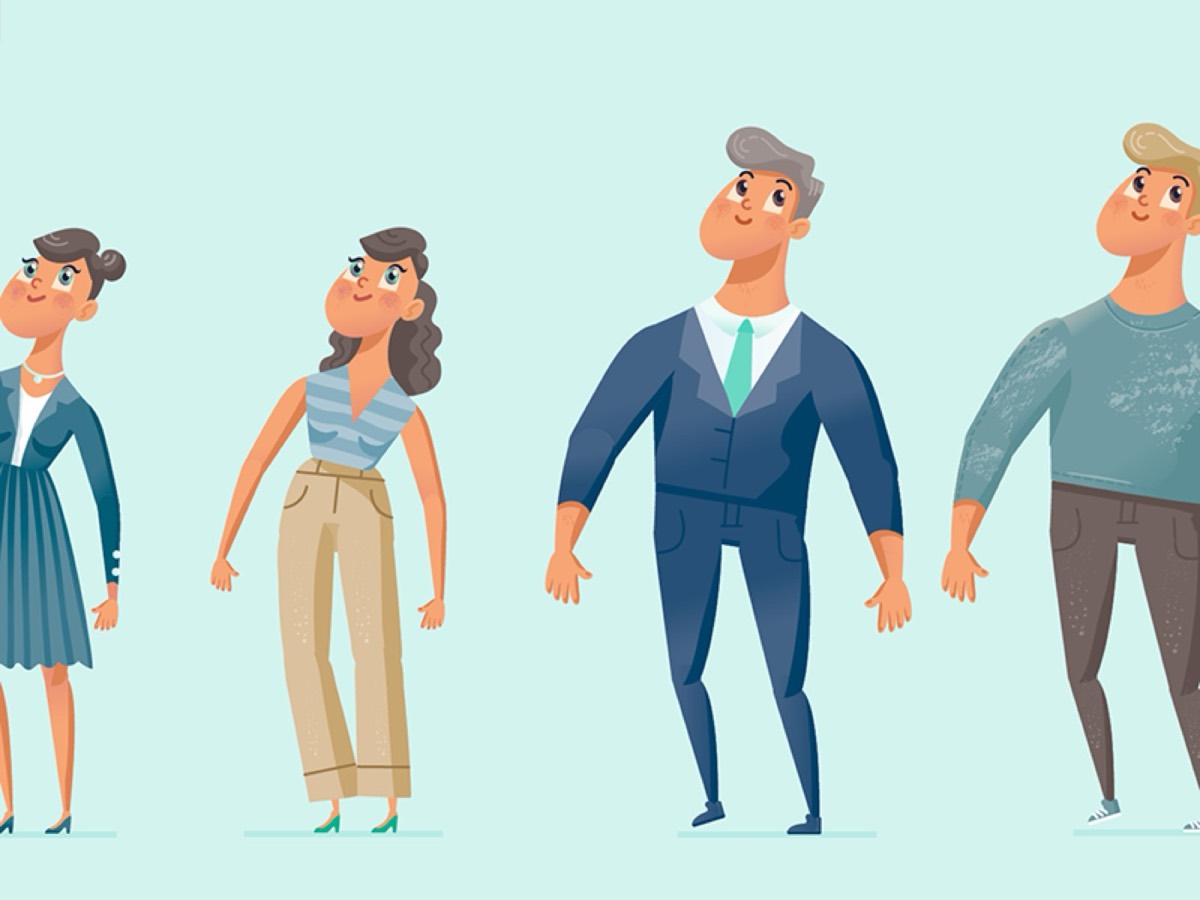
If you want to show how a piece of furniture looks from the front, a precise 2D render is entirely sufficient. You can even create side-by-side 2D views for different angles without the overhead of a full 3D model.
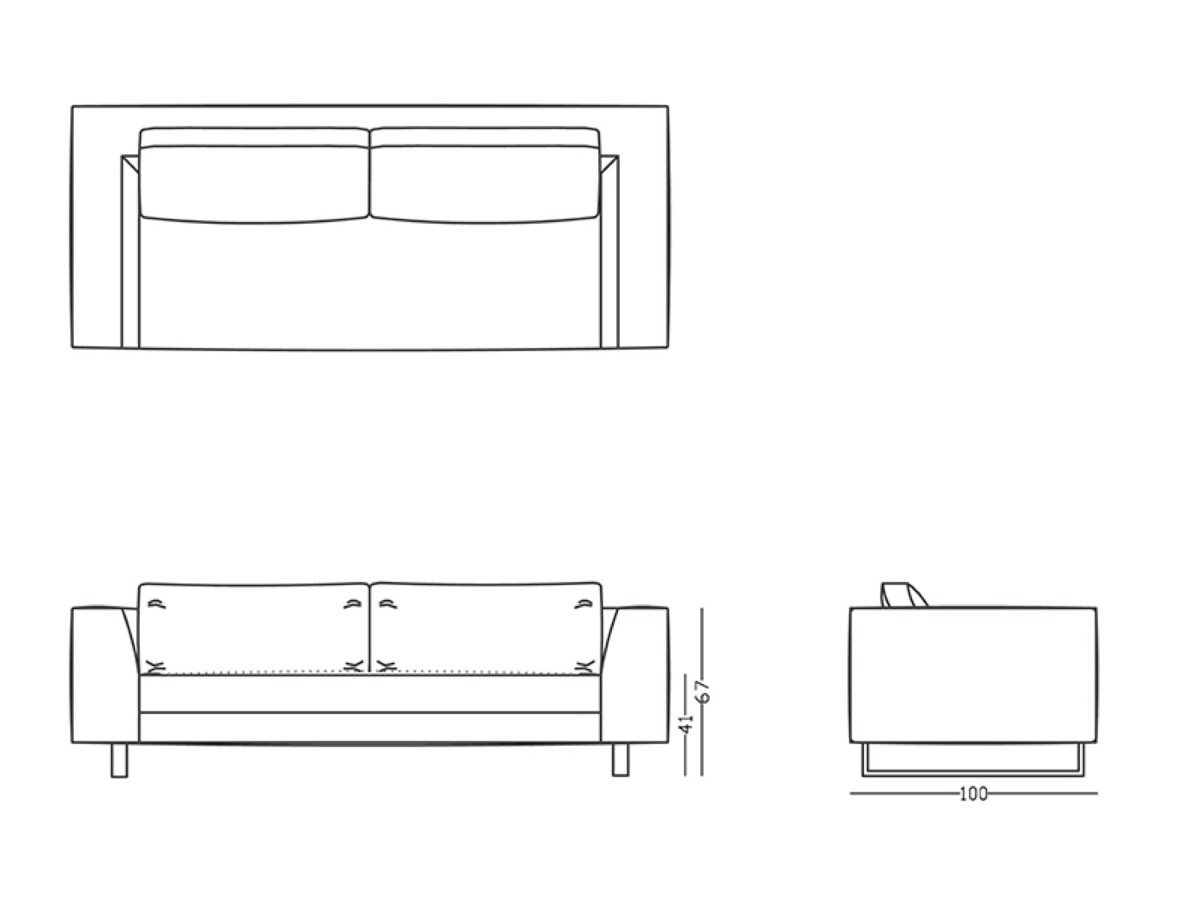
2D animation is also a powerful medium for explainer videos and brand storytelling. A well-crafted 2D motion graphic can turn a complex infographic into an engaging, shareable video asset. It's approachable, clear, and often more relatable than 3D — which can sometimes feel impersonal or overly polished. This makes 2D a natural fit for channels like email — see what makes great email marketing design for context on where visual design decisions matter most in that channel.
2D is also ideal when you want to add a touch of humor or warmth to your brand. The inherently "hand-crafted" quality of 2D illustration conveys personality in a way that renders and CGI cannot always replicate.
Why 3D Design Delivers a Competitive Advantage
If you want to show a product in its full, physical reality — from every angle, with realistic materials and lighting — 3D is the only format that can do this.
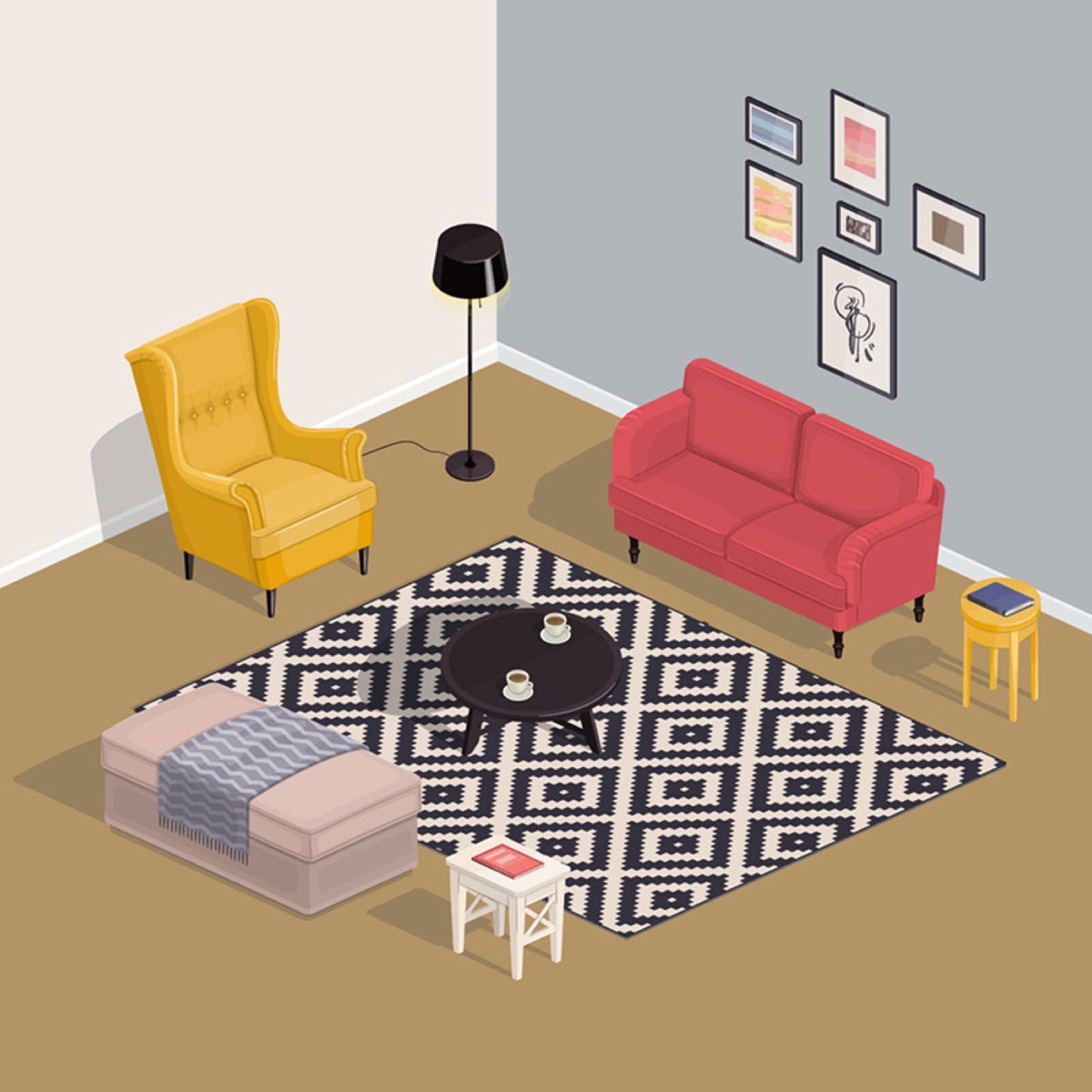
3D design is invaluable for architectural visualization, product launches, complex mechanical or technical equipment, and any application where seeing the physical details matters to the purchase decision.
For animation, 3D allows you to add characters, environments, and objects that would be difficult or impossible to represent convincingly in 2D. The tradeoff is time and cost — 3D designs require more technical skill, more computing power, and more production time. But the output is proportionally more impressive.
3D design also has a long shelf life. Once a 3D model is built, it can be reused across multiple campaigns — updated, relit, recolored, or re-animated — without starting from scratch. That reusability makes the upfront investment more efficient over time.
Consider selling laptops online: instead of multiple high-resolution photos that slow your page, a single 3D animation can show the product rotating 360 degrees, zoom into ports and details, and run in a browser without sacrificing speed. That's a better customer experience and a more efficient use of server resources.
2.5D: The Middle Ground
If your budget or timeline doesn't support full 3D production but you want more depth and dimensionality than flat 2D, 2.5D animation is a compelling middle option.
2.5D uses 2D assets but applies depth, parallax movement, and layering to create a sense of three-dimensionality. The result is visually richer than standard 2D while remaining far more affordable than full 3D production. This format works especially well for commercial videos and brand storytelling.
How to Decide: 2D, 3D, or Both?
The right choice depends on three factors: your business type, your marketing goals, and your available budget and timeline. Whichever format you choose, the campaigns you run those assets in will also determine their impact — our guide to choosing email marketing software covers how to select the right platform for distributing visual content at scale.
- If you need quick, cost-effective product imagery or explainer content, start with 2D
- If you're selling complex or premium physical products online, invest in 3D
- If you want animation but can't commit the time or budget to full 3D, explore 2.5D
- If you have both needs, consider using 2D for regular content and 3D for flagship campaigns
Consulting with a design team that works in both formats is the most reliable way to make this decision with confidence. They'll understand what's realistic for your budget and what format will serve your specific audience best.
Animation — in any format — is one of the most effective ways to engage your target audience and communicate your brand story. The format you choose should amplify your product's strengths without overshadowing your brand message. The best design is design that serves its purpose clearly.
Digital Polo specializes in professional 2D and 3D graphic design and brand visual assets, with experienced designers who can help you determine exactly which approach fits your business. Check out our design services and pricing plans to find the right fit.
Digital Polo delivers professional graphic design — from 2D brand assets to complex marketing visuals — for one flat monthly fee with unlimited revisions. Start for $399/mo → | Soulmate at $899/mo →
Frequently Asked Questions About 2D vs 3D Graphic Design
What is the main difference between 2D and 3D graphic design? 2D design has only width and height — it's flat, like a logo, illustration, or traditional animation. 3D design adds depth, allowing designs to be viewed from any angle with realistic lighting and shadow. 3D creates a sense of physical presence that 2D cannot replicate, but requires significantly more time and expertise to produce.
When should a business use 3D design instead of 2D? Use 3D when the physical appearance of your product is central to the purchase decision — such as with electronics, furniture, architecture, or industrial equipment. 3D is also preferable when you need 360-degree product views for e-commerce, or when you're creating a product launch animation where visual impact is a priority.
Is 2D animation still effective for marketing? Absolutely. 2D animation is highly effective for explainer videos, brand storytelling, infographic animations, and social media content. It's faster to produce, less expensive, and often more relatable than 3D — particularly for businesses that want to communicate warmth, humor, or simplicity in their brand voice.
What is 2.5D animation and when should I use it? 2.5D animation uses 2D artwork but applies depth and parallax effects to simulate three-dimensionality. It's a cost-effective middle ground between flat 2D and full 3D production. It works particularly well for commercials, social media videos, and brand story content where you want visual depth without the full 3D production budget.
How much does 3D design cost compared to 2D? 3D design typically costs 3–5x more than comparable 2D work due to the complexity of modeling, texturing, lighting, and rendering. However, 3D assets can be reused and repurposed across multiple campaigns once built — which improves the long-term cost efficiency. If ongoing reuse is planned, the initial investment in quality 3D assets often pays for itself.