Branding and marketing are often confused, but they're fundamentally different functions. Marketing is what you do to attract customers — advertising, campaigns, content. Branding is what you are — the values, visual identity, and reputation that make your business distinct and trustworthy. If you're not ready to engage an agency yet, there are also practical branding strategies you can execute yourself to build the foundation first.
A design agency's primary role is branding, not marketing. They build the identity system — logo, color palette, typography, visual language — that all your marketing activity then expresses. Get the identity right and marketing becomes more efficient. Get it wrong and marketing effort is always fighting the noise it creates.
Before investing in a design agency, research their work and client track record. A bad design can be more damaging than no design at all. But a good design agency delivers value that DIY tools, free logo generators, and most freelancers structurally cannot.
Here are 14 specific reasons why.
1. Creativity That Doesn't Exist in Templates
When a prospect first encounters your brand, their first interaction is typically your logo. That logo doesn't close deals directly, but it creates the initial impression that determines whether they investigate further.
Free logo tools and template services are limited to pre-designed shapes and typeface combinations. The output is necessarily generic — the same design structure used by dozens of other businesses. Professional design agencies create from scratch, developing concepts that are genuinely unique to your brand.
The creative process at an agency involves research into your industry, your competitors, your audience, and your brand positioning — inputs that shape a design concept from the ground up, rather than customizing a template.
2. Authenticity That Builds Trust
More than 50% of small enterprises fail within their first four years. One of the most consistent differentiators among the ones that survive is the ability to build authentic trust with customers — and brand authenticity is a meaningful contributor to that trust.
An authentic brand design communicates that the business stands for something specific and genuine. The logo isn't just a graphic — it represents a promise the company is willing to make consistently.
Apple's bitten apple logo. BMW's roundel. Coca-Cola's script. These marks are recognized globally without the company name alongside them because they've been applied authentically and consistently for decades. The brand equity in those marks is enormous — and it was built through consistent, genuine brand application, not just smart initial design.
3. Consistency Across Every Channel
Brand consistency is one of the most reliably under-invested elements of brand building. Businesses put significant effort into creating a logo, then apply it inconsistently across platforms — different colors on the website, different sizing on social media, a slightly different version on business cards.
This inconsistency signals disorganization. When customers see a coherent, consistent brand across every touchpoint — website, email signature, social media, business cards, packaging — their trust in the business increases. Consistent brands feel more established, more professional, and more reliable.
A design agency delivers brand guidelines that define exactly how the logo, colors, and typography should be applied across every context — so consistency becomes the default rather than the exception.
4. Intelligent Design Informed by Research
Professional design agencies research before they design. They study your competitors, your industry's visual conventions, your audience's preferences, and — critically — what other brands your identity might be confused with.
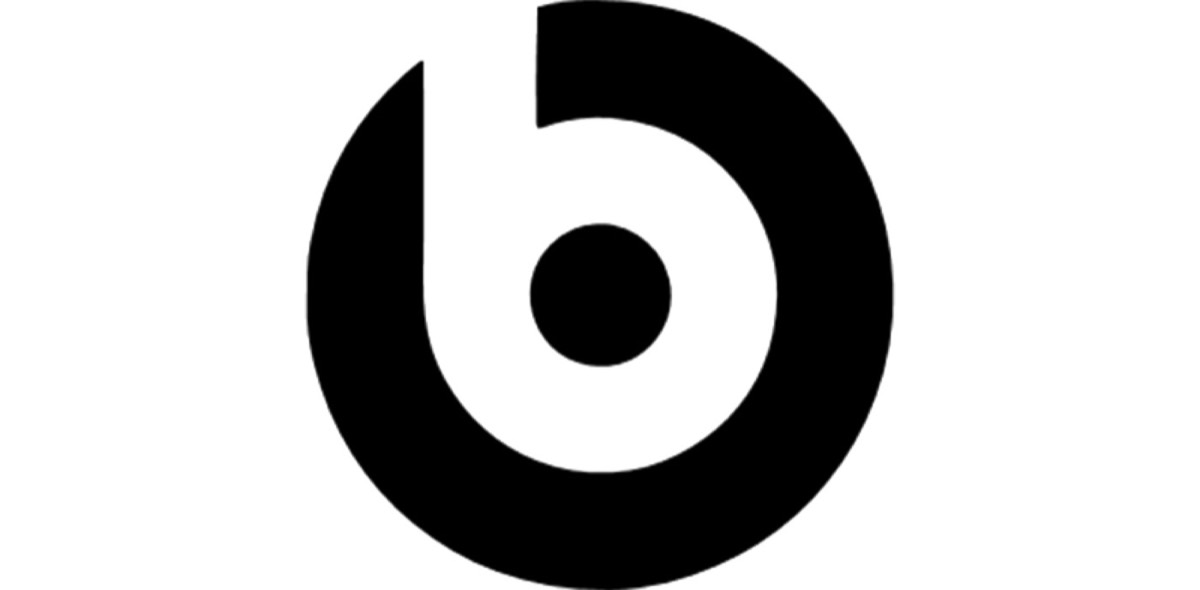
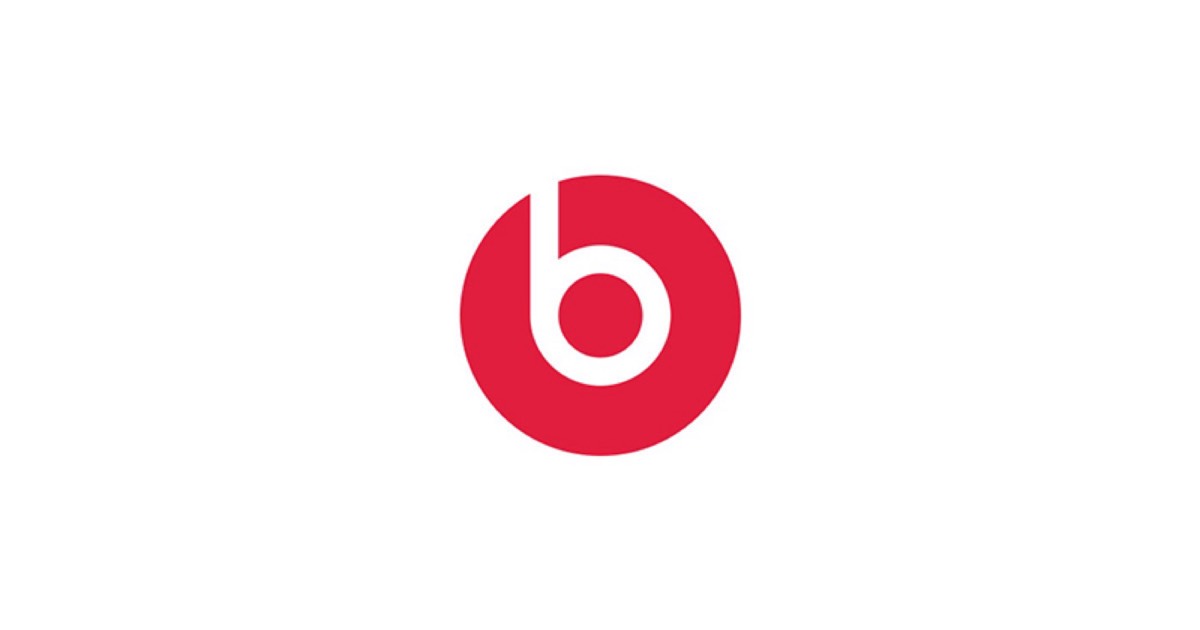
The Beats headphone brand has an uncanny visual resemblance to a 1971 logo designed by Anton Stankowski for Stadt Brühl. The similarity is reportedly coincidental — but it illustrates the risk of under-researched design. A good agency conducts due diligence to ensure the design you're building on is genuinely unique.
Intelligent design also considers the psychology of your target audience: which color combinations build trust in your category, which shapes feel appropriate to your industry, and how the design will be perceived by the specific people you're trying to reach. Using nostalgia in branding is one particularly powerful example of designing to the emotional register of a specific audience.
Need a brand identity designed with this level of rigor? See Digital Polo's plans →
5. Knowledge, Experience, and Specialized Skills
The difference between a professional designer and someone who learned design from YouTube tutorials isn't just technical skill — it's accumulated judgment. Professional designers have made the design mistakes on client projects that taught them not to make them again. They know which approaches fail in print, which color combinations don't survive in mono, and which typography choices create accessibility problems.
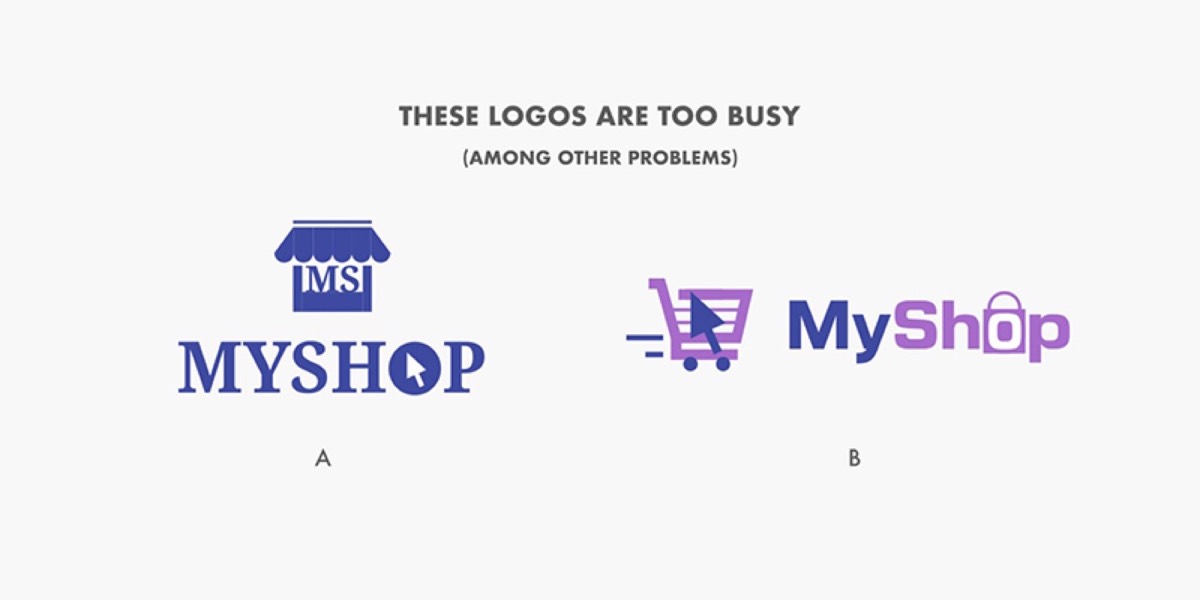
The clumsy logo examples above are immediately identifiable as amateurish because they violate basic principles of proportion, spacing, and scalability. An experienced designer avoids these errors not through rules but through internalized judgment.
A design agency concentrates that experience across multiple designers who cross-check each other's work.
6. Strategic Balance Between Brand and Audience
A design that looks compelling to you may not resonate with your audience. The disconnect happens because brand owners are too close to their own business to see it from their customers' perspective.
Design agencies maintain the distance necessary to see both sides. They understand what the brand needs to communicate and what the target audience needs to hear — and they create designs that balance both, rather than purely expressing the owner's preferences.
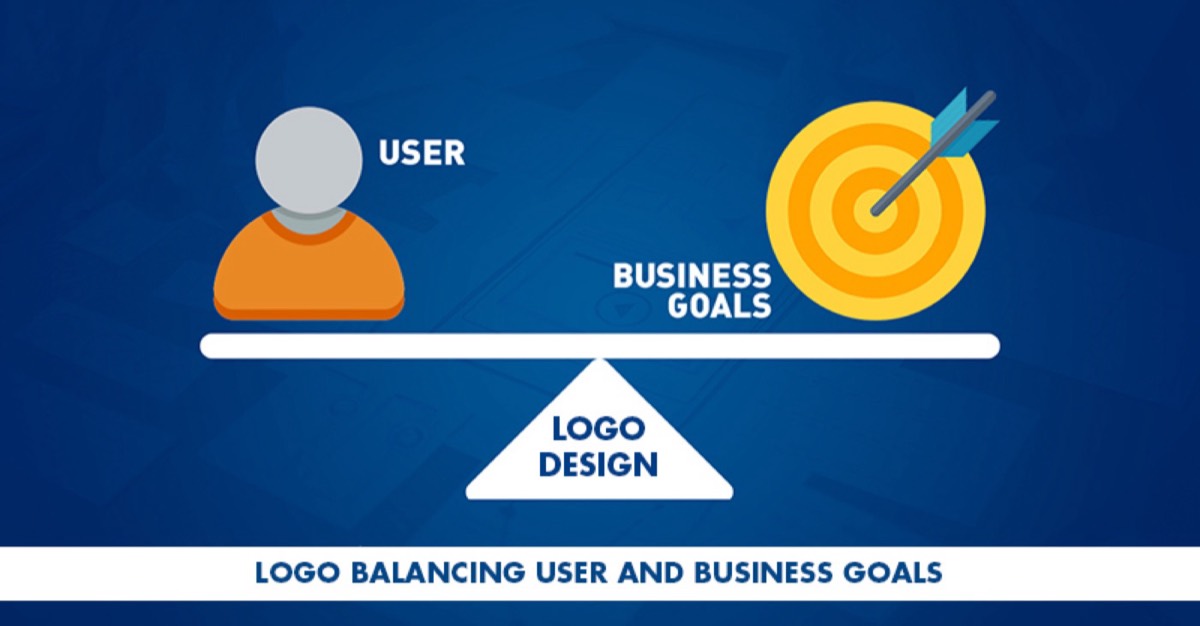
This strategic balance is what allows a brand to grow beyond its founders' personal taste into something that genuinely resonates with the market it serves.
7. Clear Communication That Reduces Revision Cycles
Working with a design agency that communicates clearly and asks good questions at the outset reduces the number of revision cycles — saving both time and money. Professional project managers understand how to extract the brief information designers need from clients who may not know how to articulate it.
The first questions a good agency asks: What does your business do and for whom? Who are your three most direct competitors? What do you want customers to feel when they encounter your brand? What is your brand's single most important quality? These inputs shape the design direction from the beginning, reducing the likelihood of fundamental misalignment.
8. Full Attention to Your Project
Every business owner treats their brand as the most important work on the table. A design agency's professional responsibility is to treat it that way too — with full attention to details the client might not think to specify.
Experienced designers attend to the details that determine whether a mark works in the real world: how it scales from business card to billboard, how it looks in black and white, how it reproduces on different materials, whether it works when reversed out of a background color. These practical tests reveal problems before the design is deployed — not after.
9. Fast Delivery That Maintains Momentum
Delayed design work creates downstream delays across marketing, launch, and sales activities. A professional agency has the staffing and process to deliver on committed timelines — something a single freelancer, however skilled, often cannot guarantee.
Agencies also benefit from accumulated experience: they've seen many similar design challenges before and know what approaches work, which accelerates the conceptual work that normally consumes the most time.
10. High-Quality Work That Represents the Business
"High quality" in brand design means more than high resolution. It means the design reflects the level of care and professionalism the business applies to everything else. A poorly executed brand identity communicates, at the most fundamental level, that the business doesn't take itself seriously.
A professional agency's quality benchmark: every design decision — color, spacing, shape, typography — is deliberate and serves the brand's strategic objectives. Nothing is included because it looks interesting; everything is included because it communicates something true about the business.
11. Future-Oriented Design That Survives Change
Brands evolve. The logo you launch with needs to work not just for your business today but for the business you're building toward. A design that can't adapt — to new products, new markets, new digital contexts, or new screen technologies that haven't been invented yet — creates a costly rebrand in a few years.
Professional designers create marks that are constructed to endure: scalable, contextually flexible, and built on principles rather than trends. Trendy designs feel current for 18 months and then feel dated for the next decade.
12. Digital and Physical Networking Support
Your brand appears across every digital channel where you have presence — email signatures, social media profiles, digital ads, website, newsletters. Consistency across all of these channels is what creates recognition that compounds over time.
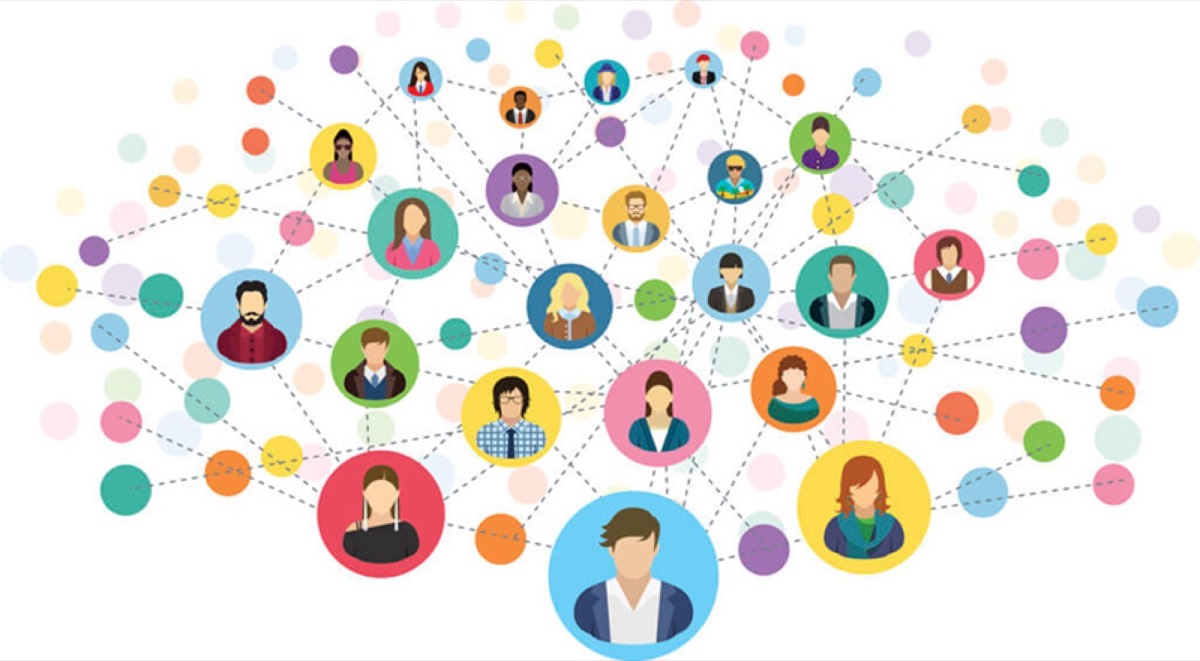
A design agency creates brand assets that work across all of these contexts: the logo in all required formats, the color palette with values for digital (hex/RGB) and print (CMYK), and usage guidelines that enable consistent application.
13. Long-Term Cost Effectiveness
The comparison most businesses make when evaluating design agencies is against the cost of a freelancer. The correct comparison is against the total cost of: a substandard design that needs replacing in two years, the lost revenue from a brand that doesn't convert, and the time spent managing a process that doesn't deliver. For businesses with tighter budgets, branding on a shoestring offers a practical alternative path.
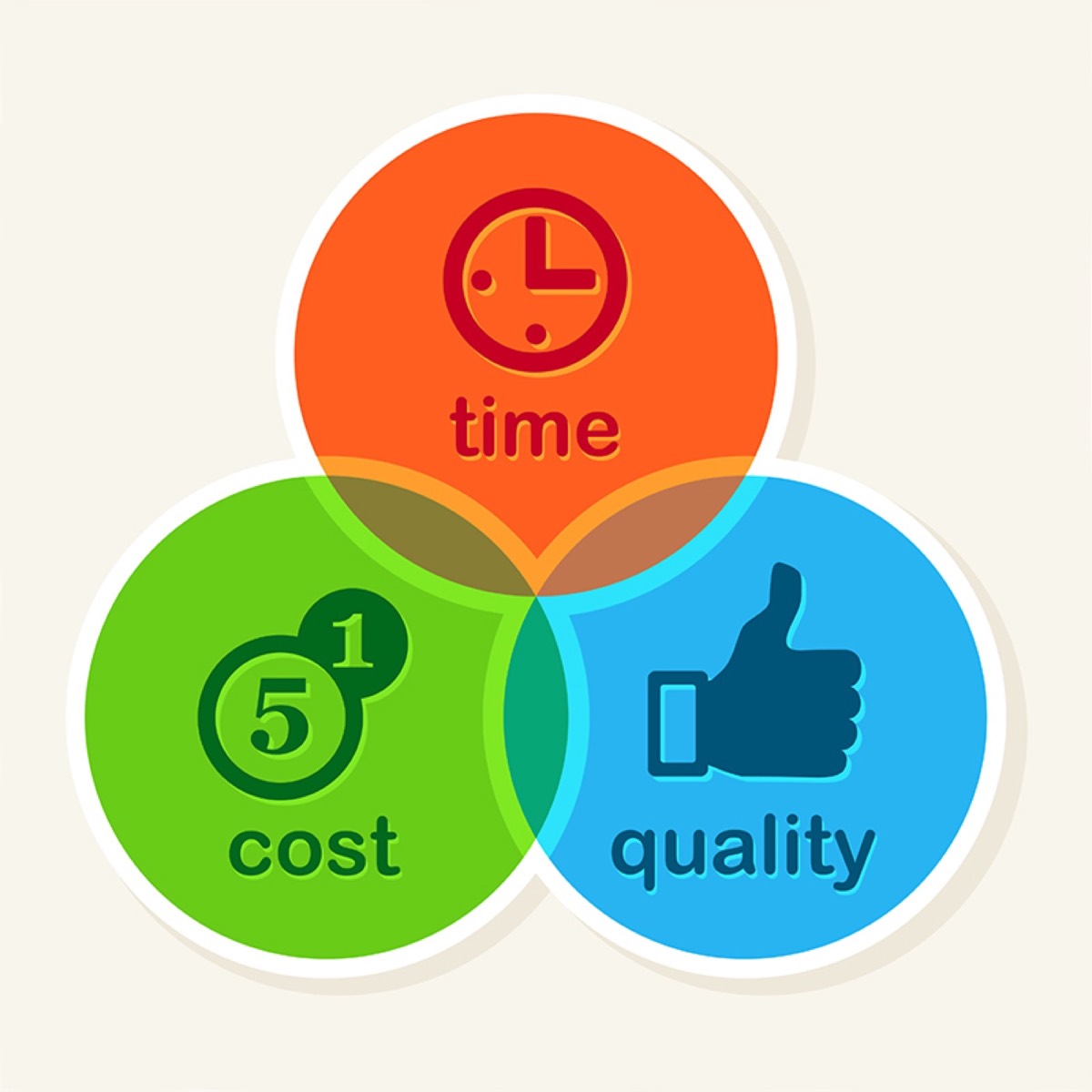
A professional agency that delivers a durable, effective brand identity in the first engagement costs less over five years than a cheap design that requires replacement and the customer trust it failed to build in the interim.
14. A Verifiable Track Record
Unlike a freelancer whose quality is hard to assess in advance, agencies have public track records. You can review their portfolio, read client testimonials, and identify businesses in your category that have worked with them.
That verifiability reduces your risk significantly. You're not betting on a designer whose work you've never seen in production — you're engaging a team whose history you can evaluate before you commit.
Conclusion
Marketing requires a dedicated, professional approach — and branding is its foundation. The decisions you make about your identity today will affect how every piece of marketing you create performs for years. Investing in professional design agency work isn't peripheral to your business goals; it's foundational to them.
The right agency, given a clear brief and appropriate creative freedom, can create a brand identity that opens doors your current identity may be closing. That's not an incremental improvement — it's a structural change in how prospects perceive you from their first encounter.
Digital Polo creates professional brand identities — logo, style guide, business cards, and complete brand systems — for one flat monthly fee with unlimited revisions. Start for $399/mo → | Soulmate at $899/mo →
Frequently Asked Questions About Design Agencies and Branding
What does a brand design agency actually do? A brand design agency creates and maintains the visual identity system that represents your business: logo, color palette, typography, brand guidelines, and all associated brand materials. Beyond the visual work, good agencies conduct research into your market, competitors, and audience to ensure the identity is strategically positioned — not just visually appealing. They also advise on brand consistency and how the identity should be applied across different contexts.
How do I choose a design agency for my brand? Review the agency's portfolio for work in or near your category. Read client testimonials and case studies. Ask about their process — a good agency asks more questions than they give answers in early conversations. Evaluate their communication quality as a proxy for project management quality. And compare their approach to your project: do they understand your business context, or are they treating it as a generic logo exercise?
Is a design agency better than a freelance designer? It depends on the scope. For a one-off project with a clear brief, a skilled freelancer can deliver excellent work at lower cost. For an ongoing brand partner — someone who handles all brand and marketing design consistently over time — an agency offers advantages: team depth, quality control, availability, and a structured process that reduces revision cycles. Flat-rate subscription agencies like Digital Polo offer agency-quality work at freelancer-comparable pricing.
What should a brand identity include? A complete brand identity includes: primary logo (full color), logo variations (mono, reversed, compact), a defined color palette (with hex, RGB, and CMYK values), typography selections (primary and secondary typefaces), brand usage guidelines, and templates for key applications (business cards, letterheads, social media profiles). The guidelines document ensures consistent application across every touchpoint, regardless of who creates the materials.
How much does brand design cost with an agency? Traditional brand identity projects with established agencies range from $5,000 to $50,000+ depending on complexity, deliverables, and the agency's positioning. Flat-rate subscription services like Digital Polo offer full brand identity work — logo, guidelines, business cards, and ongoing design — for $399–$899/mo with unlimited revisions, which is significantly more economical for businesses that have ongoing design needs beyond the initial identity.