A hashtag started on Twitter and gradually made its way to Instagram — and now it rules social media. A hashtag has the power to make or break a campaign. The social media world is buzzing with hashtags every second, and the pace is only accelerating. If you're just getting started, our beginner's guide to optimizing Instagram for business covers the foundational steps before hashtag strategy comes into play.
A hashtag is essentially a tag or address attached to a social media post that makes it easier for users to find. It increases post reach by at least 20–30% and improves overall engagement. Think of it as a bookmark that helps the right audience discover your content.
The following research from HubSpot shows the difference hashtags make in post reach.
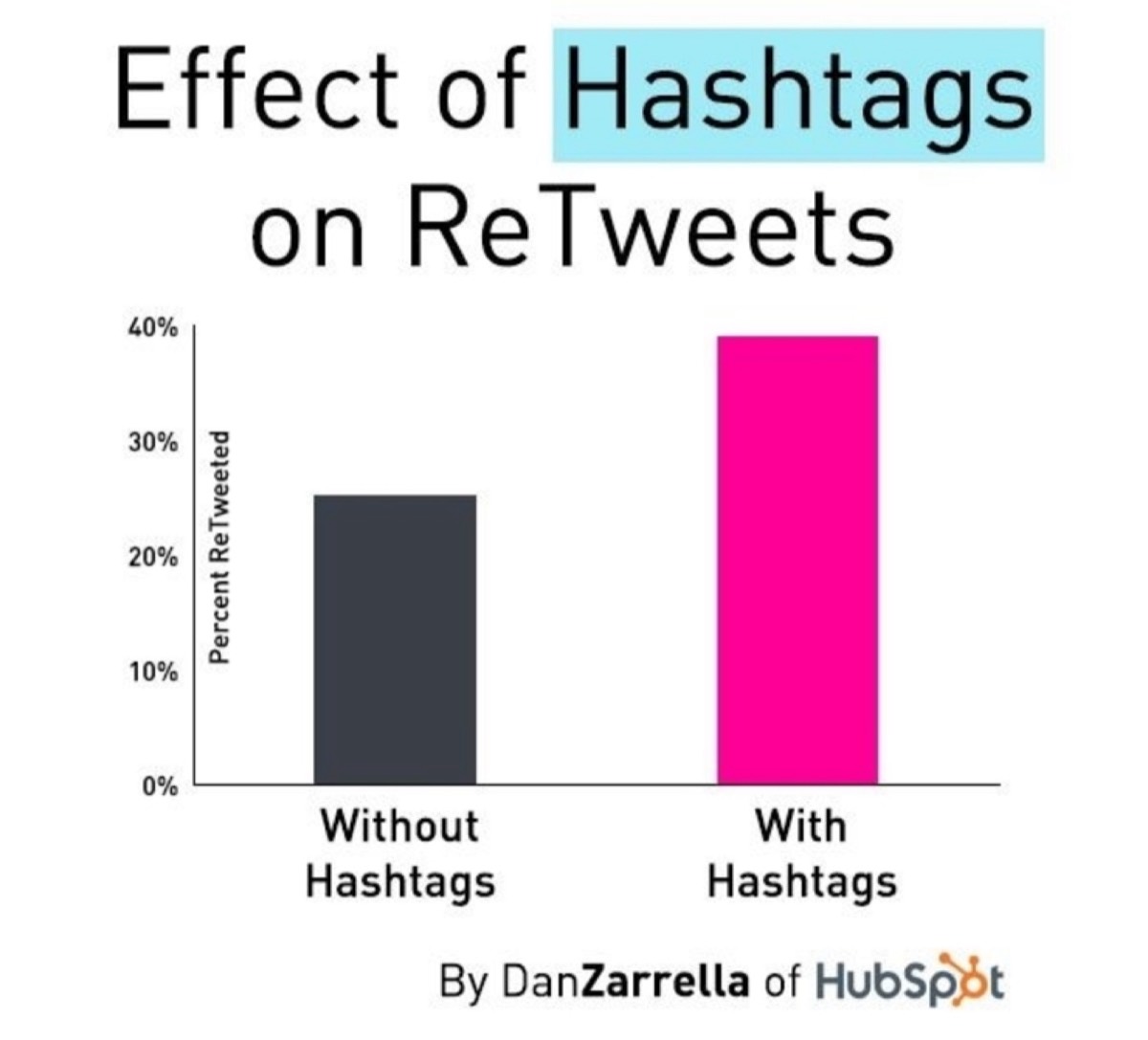
Posts with hashtags received nearly 40% more interaction than those without. While this research focused on Twitter, the same principles apply to Instagram and other social platforms.
In simple terms: if you use #rose in a post about a bouquet of roses, people searching for that hashtag will find you easily.

Below are 13 proven strategies for using Instagram hashtags to grow your engagement.
1. Use a Limited Number of Hashtags
Instagram allows a maximum of 30 hashtags per post. If you exceed 30, none of them will appear after the post is published. Here are the key rules to follow:
- Stay within Instagram's 30-hashtag limit per post
- Additional hashtags can go in the comment section — they work just as well
- If your account is set to private, your hashtags won't appear in search results or top posts, regardless of how good they are

A private account significantly limits the reach benefits of hashtags. If growing your audience is the goal, keeping your account public is the better option.
2. Use Relevant Hashtags
Using the symbol # before every word is not a strategy — it's clutter. The hashtag should precede a purposeful, searchable term, not every word in a sentence.
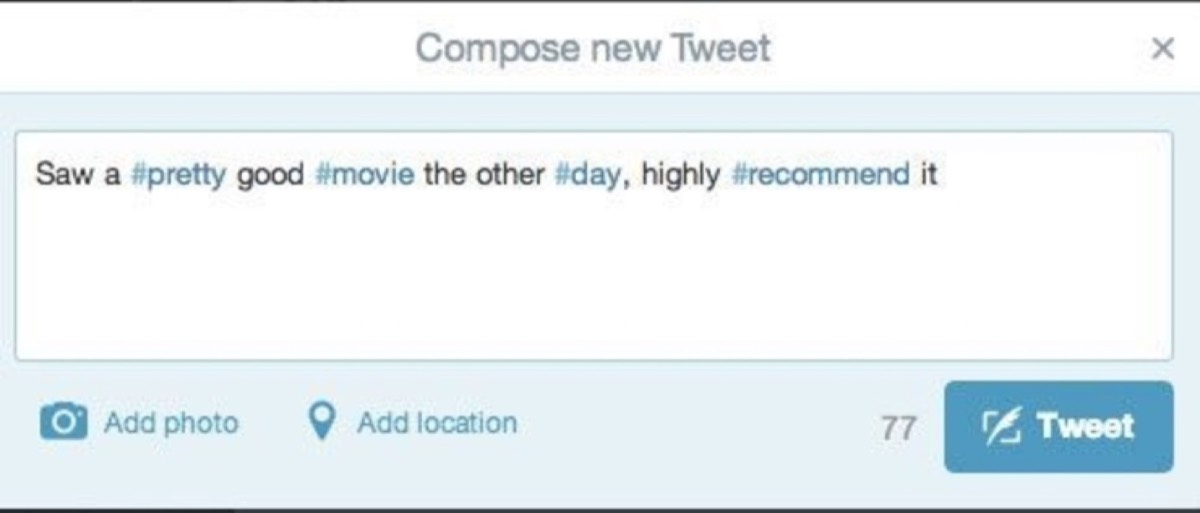
Consider a post that uses hashtags like #recommend or #day. These are "dead" hashtags — nobody searches for them with intent. They generate no meaningful traffic and confuse anyone who stumbles upon them.
Example of wrong vs. correct hashtag usage for an aloe vera plant post:
Wrong ways to use hashtags
- #lovely #morning #and #healthy #aloe #vera #plant #grown #by #me
- #lovely_morning_and_healthy_aloe_vera_plant_grown_by_me
Correct way to use hashtags
Caption: It's a lovely morning. My healthy aloe vera plant is finally fully grown. #aloevera #healthyliving #lovelymorning
Write your full description in the caption itself. Use hashtags to tag the topic so interested users can discover your content — not to narrate your photo.
3. Target Specific Audiences with Specific Hashtags
Using wrong or irrelevant hashtags is like labeling an orange ball as green. It misleads users and erodes trust.
Using trending but unrelated hashtags to gain views is a form of clickbait — and users dislike it intensely. The views you gain won't convert, and your account will suffer in the long run.
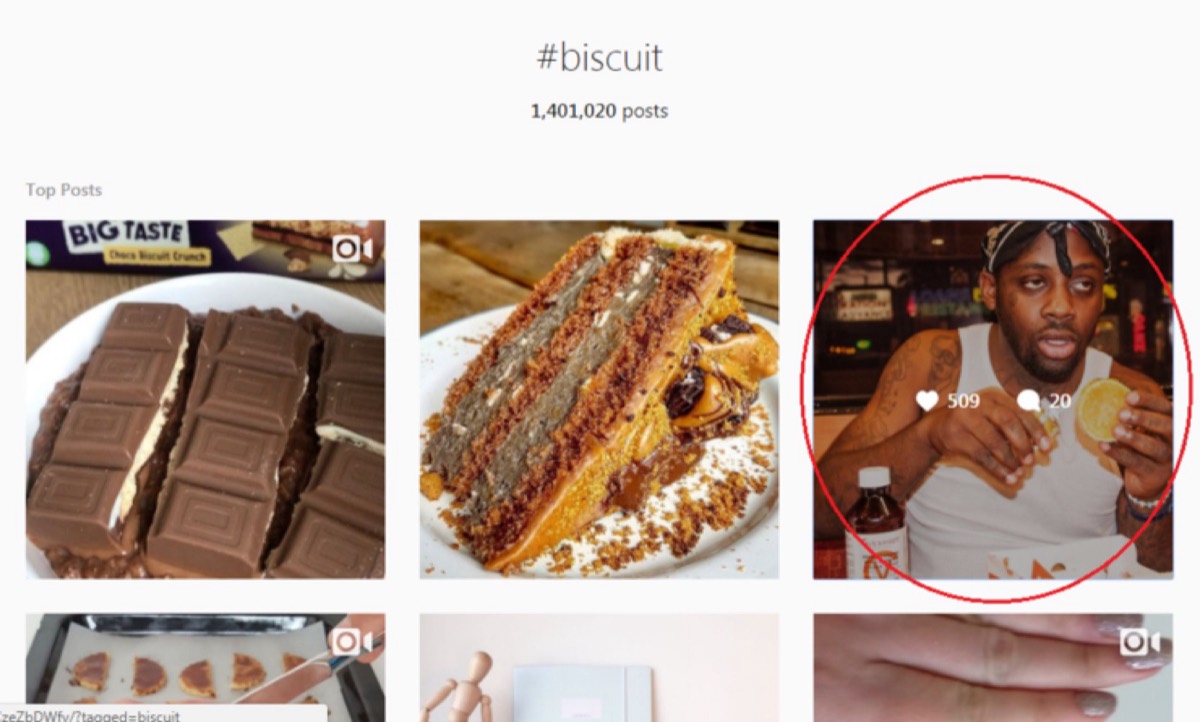
If someone searches #biscuit and sees irrelevant results, they won't come back. That's engagement you've permanently lost.

Keep hashtags precise. If you sell pizza, use #cheese, #mozzarella, #tomato, and #freshpizza — not #cakes or #popsicle just because they're food-adjacent.
4. Popular vs. Effective Hashtags
Some hashtags are viral and used by millions. #love has been used over 1.1 billion times. But that doesn't mean using it will boost your visibility.
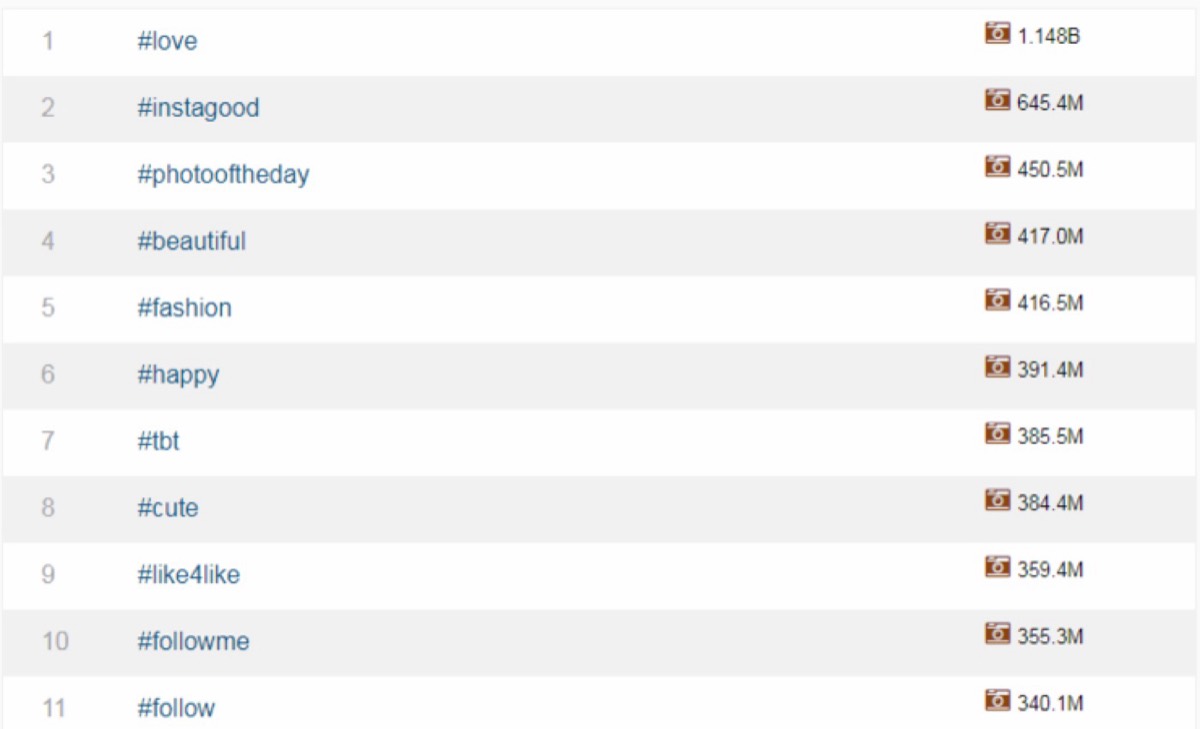
The critical distinction: a popularly used hashtag is not the same as a popularly searched hashtag. People don't browse #love looking for content — it's far too broad and noisy.
Use hashtags that people actively search with a specific intent. Even if a hashtag has only moderate usage, a purposeful audience is far more valuable than a massive but indifferent one. In the battle of popular vs. effective, effective wins every time.
Need help creating social media graphics that complement your hashtag strategy? See Digital Polo's plans →
5. Use Hashtags to Test and Improve Your Feed
Here's a simple experiment that proves hashtags work:
Experiment: The same image was posted twice on the same Instagram account. The first post had no hashtags — it received zero views in one hour. The second post used 10 relevant hashtags — it received 9 likes in the same timeframe. Same photo, same account, same time window.


The account had only 50 followers at the time, so the reach was proportionally modest. But the difference is clear. Invest time in hashtag research and you will not be disappointed.

6. Speak the Language of Your Audience
The internet has its own evolving lingo, and your hashtags should reflect it. Millennials and Gen Z drive much of the online demographic, and they regularly coin new terms that quickly become searchable hashtags.
Using relevant internet language in your hashtags connects you with users who already speak that language. Urban Dictionary is a useful reference for understanding what trending terms actually mean before you adopt them.
Example: Hashtags like #throwbackthursday and #outfitoftheday became standards — and their abbreviations #TBT and #OOTD caught on just as strongly. Using these in your posts signals cultural fluency and increases relatable reach.
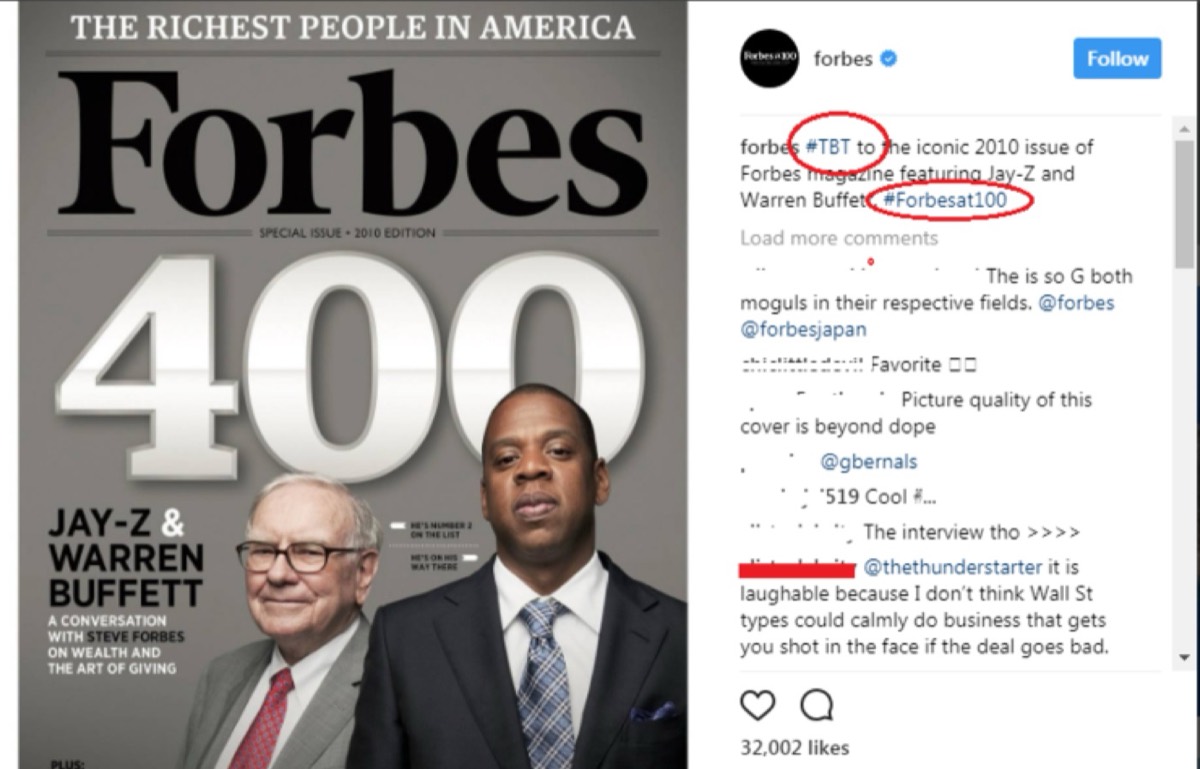
Forbes uses #tbt elegantly alongside their own branded hashtag #forbesat100 — blending cultural relevance with brand identity.
7. Use Hashtags Beyond Social Media
Effective hashtag strategy isn't limited to your posts. Print your hashtag on physical products, business cards, packaging, and event materials. This creates a bridge between the offline and online worlds. For broader Instagram marketing strategy — including how to use the platform's visual potential — see how Instagram and Pinterest can supercharge your marketing.
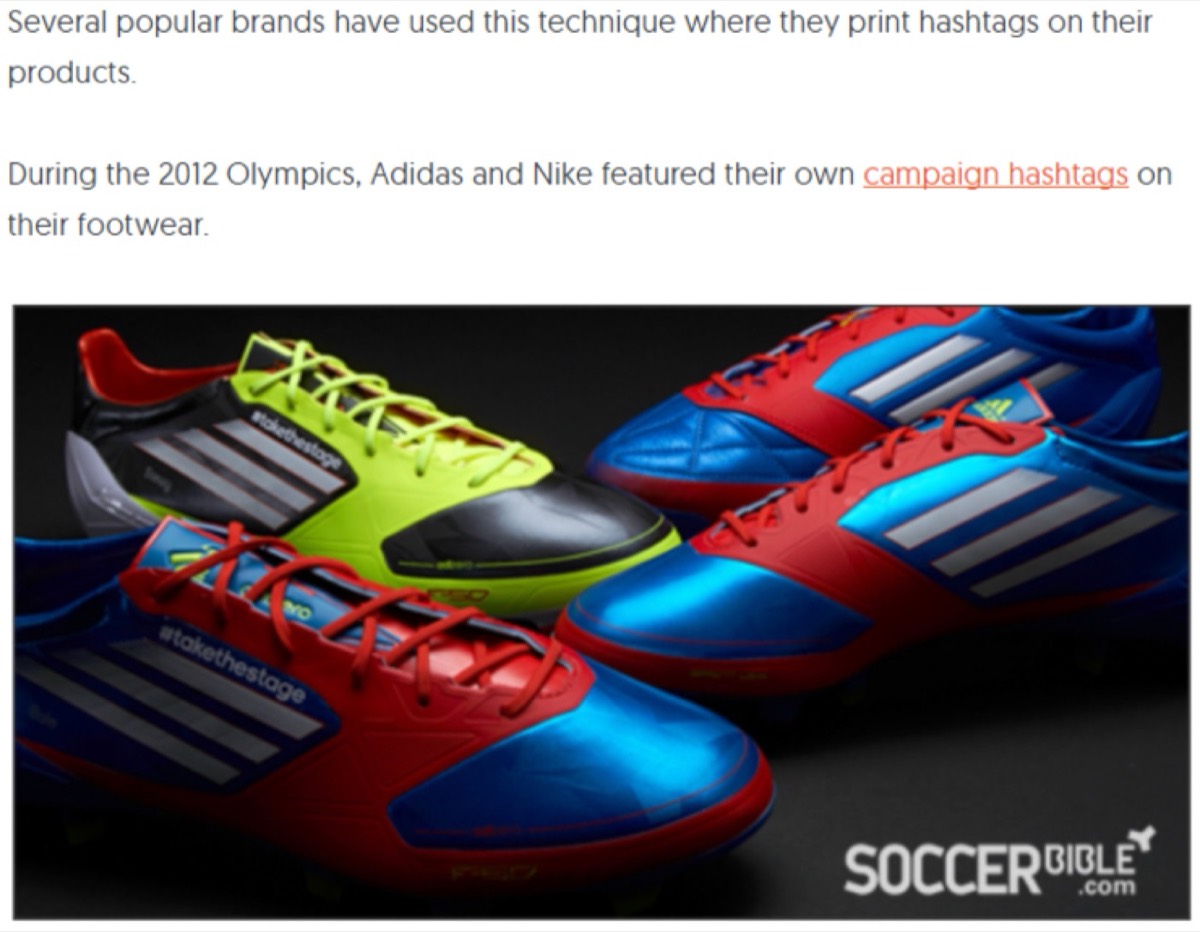
Research by Neil Patel shows that major brands regularly use this technique to build community engagement. When customers see your hashtag on something tangible, they're far more likely to use it online — and that expands your digital reach organically.
8. Use the Optimum Number of Hashtags
Instagram's 30-hashtag limit is a ceiling, not a target. Using all 30 hashtags on every post can look desperate and actually hurt your engagement.
Example: FedEx Express uses a carefully curated set of hashtags that match their Instagram theme of transportation and movement. Hashtags like #openroad and #enroute create a personal, cohesive feel.

Research consistently shows that 9–12 highly relevant hashtags produce the best results. Additional guidelines:
- Don't exceed 6–7 hashtags directly under your caption — put the rest in comments
- If you do use many hashtags in a post, add enough space between the caption and hashtags so they're hidden behind a "read more" prompt
- Encourage your audience to use your hashtag in their own posts, but never spam
9. Own Your Hashtag
Major brands like Google and Forbes use their own branded hashtags rather than relying on search volume. Once a brand is established, their hashtags become destinations in their own right.


Twitter once promoted #MessageToVoyager to celebrate their first tweet to space. It wasn't a popular hashtag — but within days, it accumulated 300+ posts. The uniqueness and the story behind it made it spread.
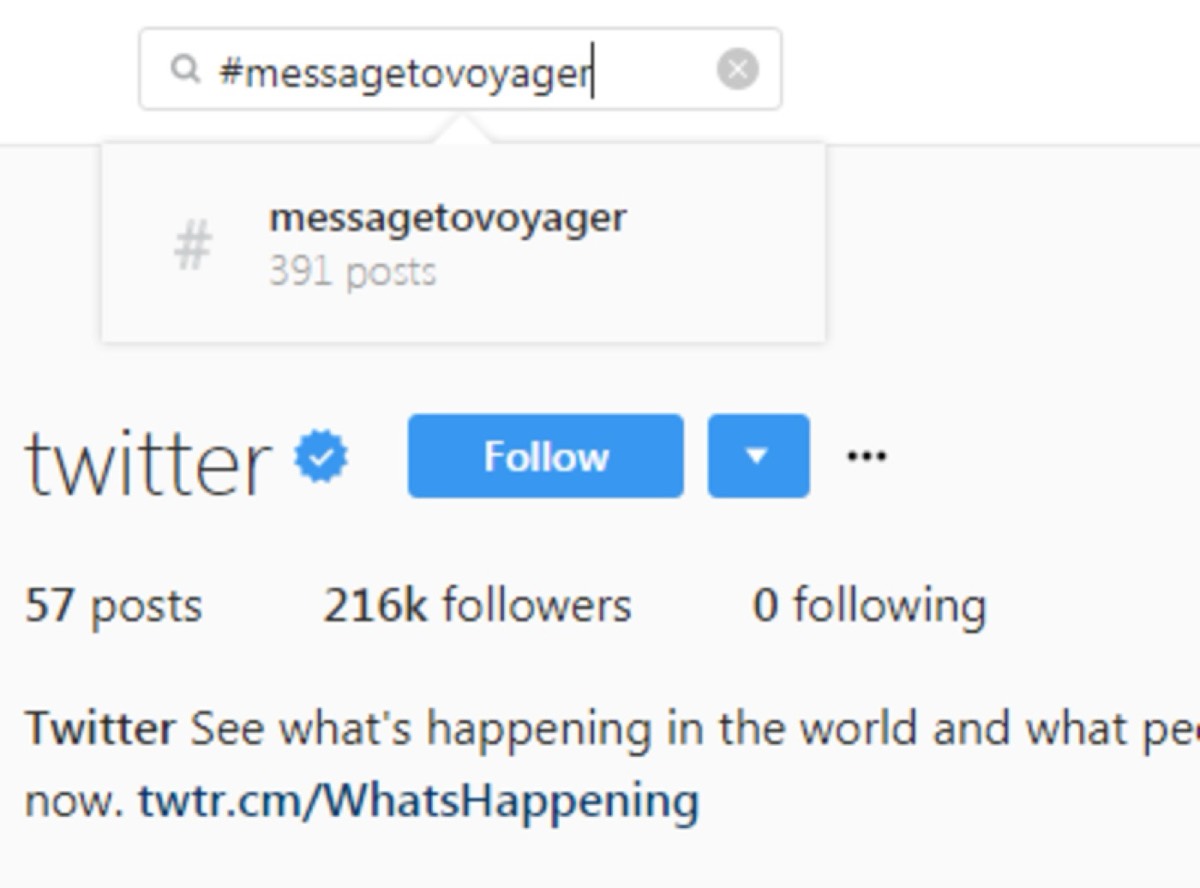

Once your audience sees you creating your own hashtags — not just borrowing existing ones — they start to see you as a leader worth following. That trust compounds over time.

A branded hashtag helped "stained glass makeup" go from unknown to widely searched — demonstrating how a new hashtag can define an entirely new category of content.
10. Never Underestimate a Hashtag's Power
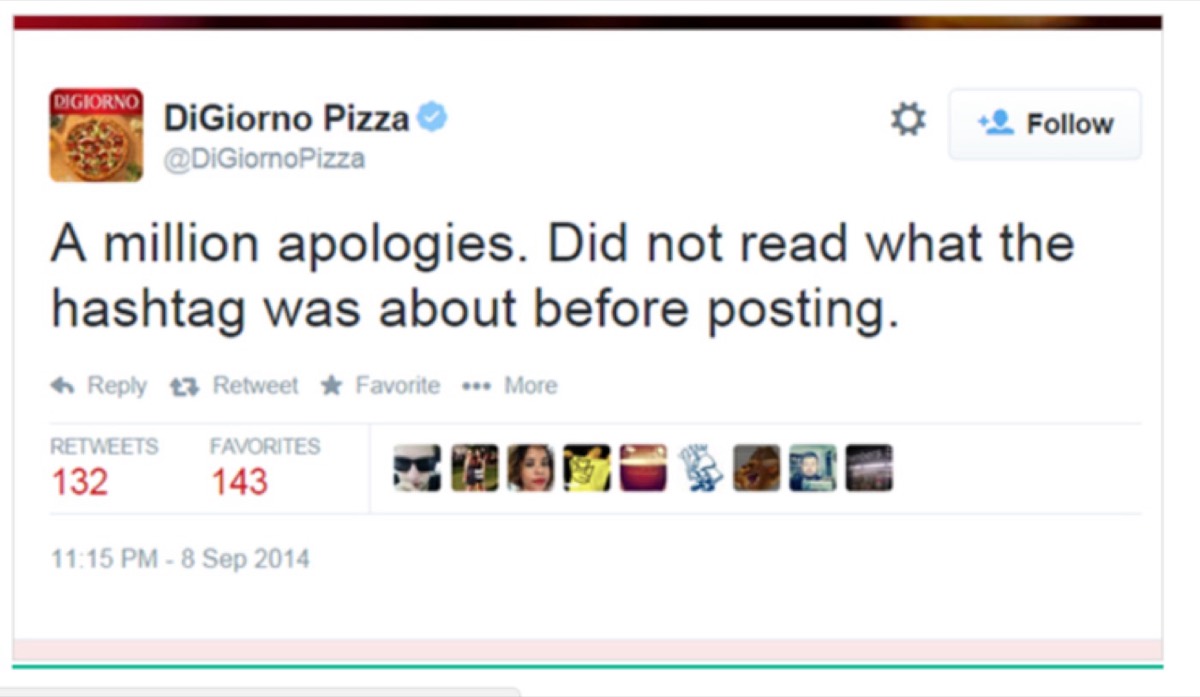
The DiGiorno Pizza incident from September 2014 is one of the most well-known hashtag failures. The brand tweeted using #WhyIStayed — a trending hashtag started by domestic violence survivors sharing their stories — to promote their pizza. The backlash was severe.
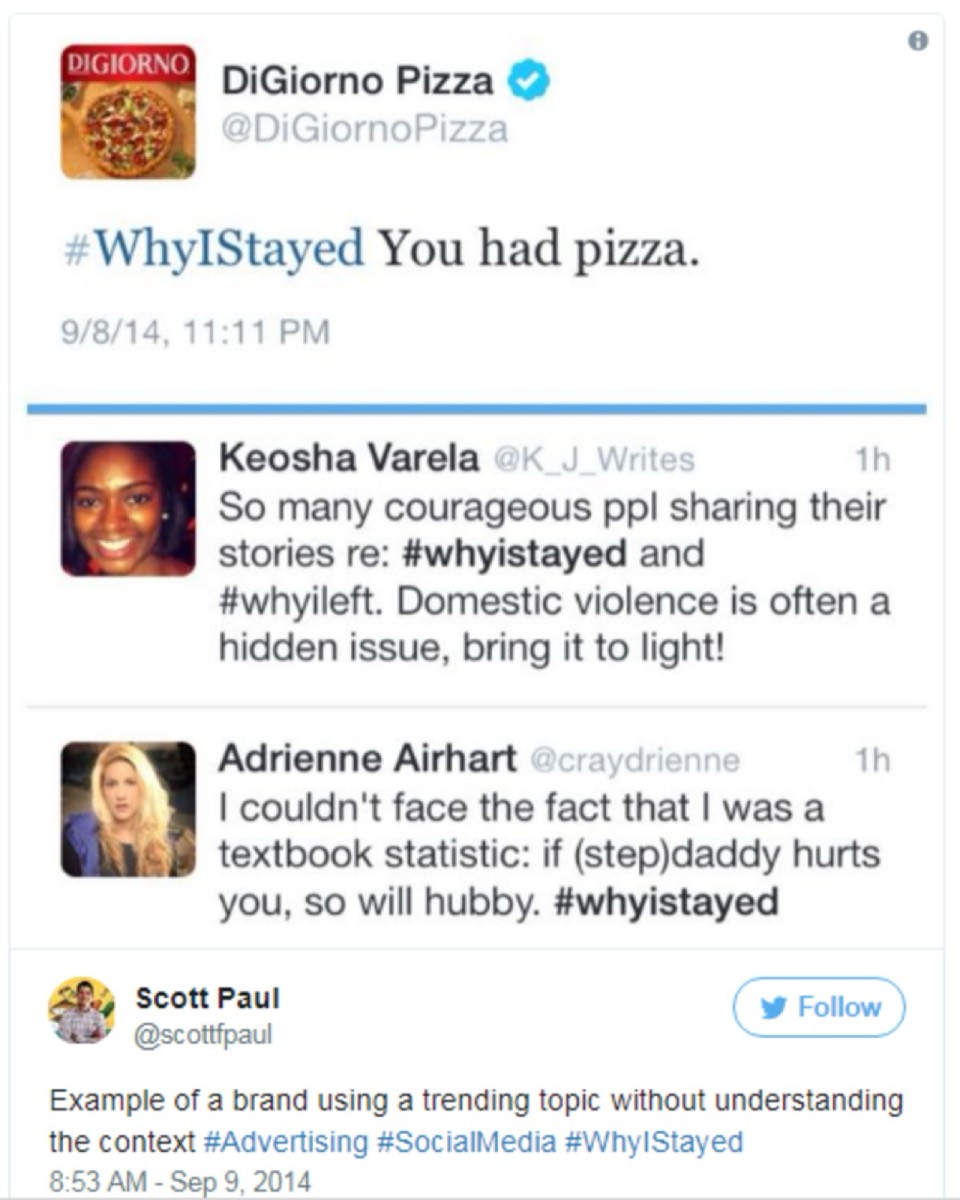
DiGiorno ultimately responded with individually crafted apologies to every angry tweet — for 19 straight hours. The personalized approach helped control the damage, but the incident became a cautionary tale for marketers everywhere.
The lesson: always research a hashtag's context and purpose before using it. Jumping on trending hashtags without understanding them can cause real, lasting brand damage.
11. Where to Find the Right Hashtags
If you're not sure which hashtags to use, these tools can help:
Autohash uses photo recognition technology to scan an image and suggest relevant hashtags automatically. It's ideal for anyone who finds hashtag research time-consuming.
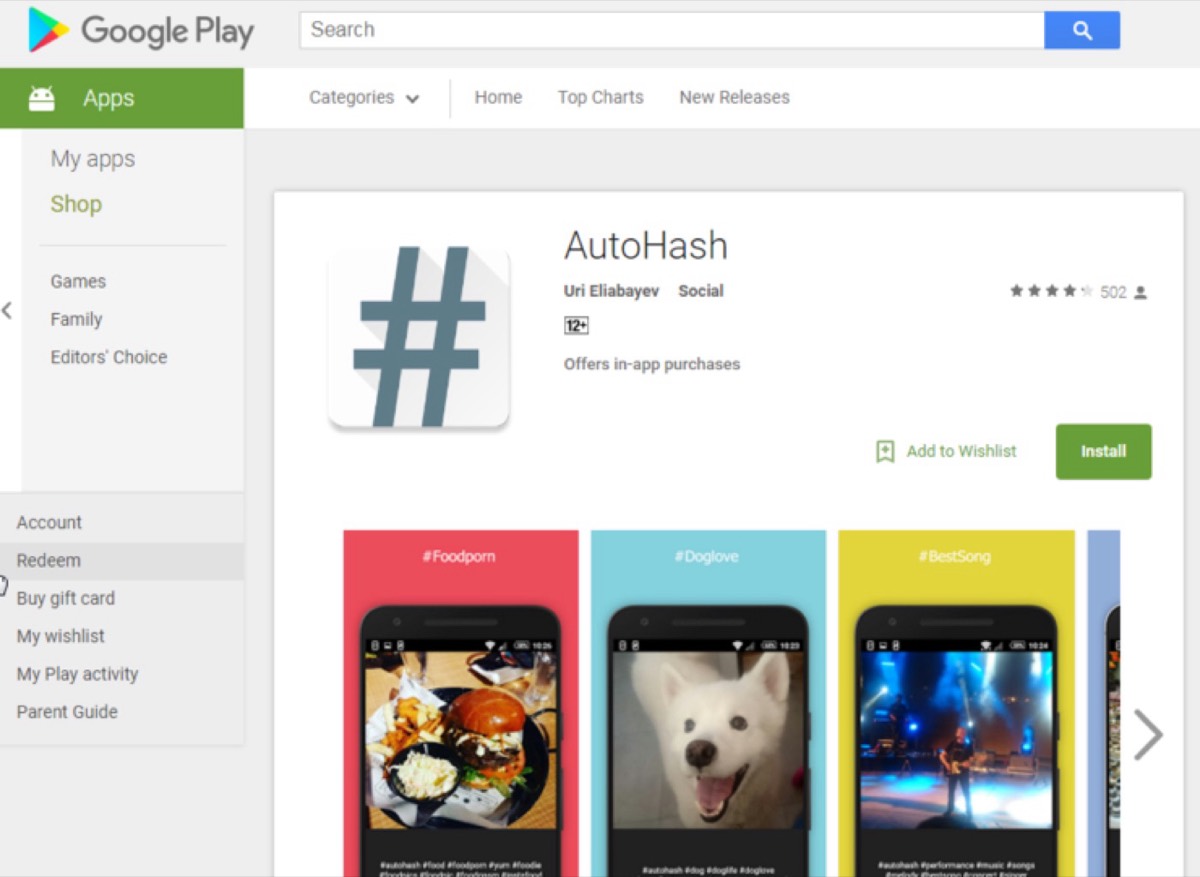
- Delivers precise, photo-specific hashtag recommendations
- Offers location-based hashtag suggestions for local reach
- Includes a "share directly to Instagram" feature
- Built-in hashtag counter to track your limit
- Available for Android, iOS, and Windows
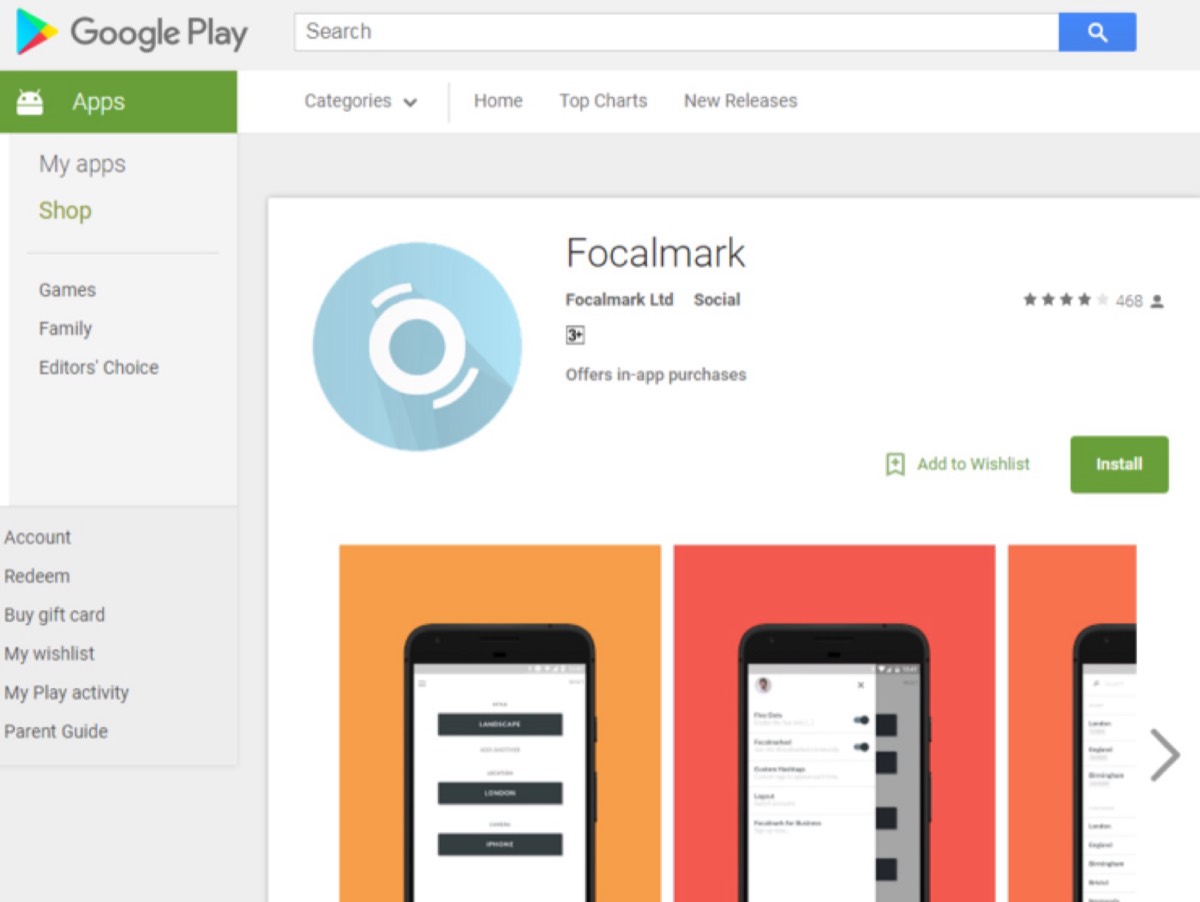
Focalmark curates handpicked hashtags organized by category — photography, design, fitness, and more. The hashtags are vetted for genuine post reach.
Available for Android and iOS.
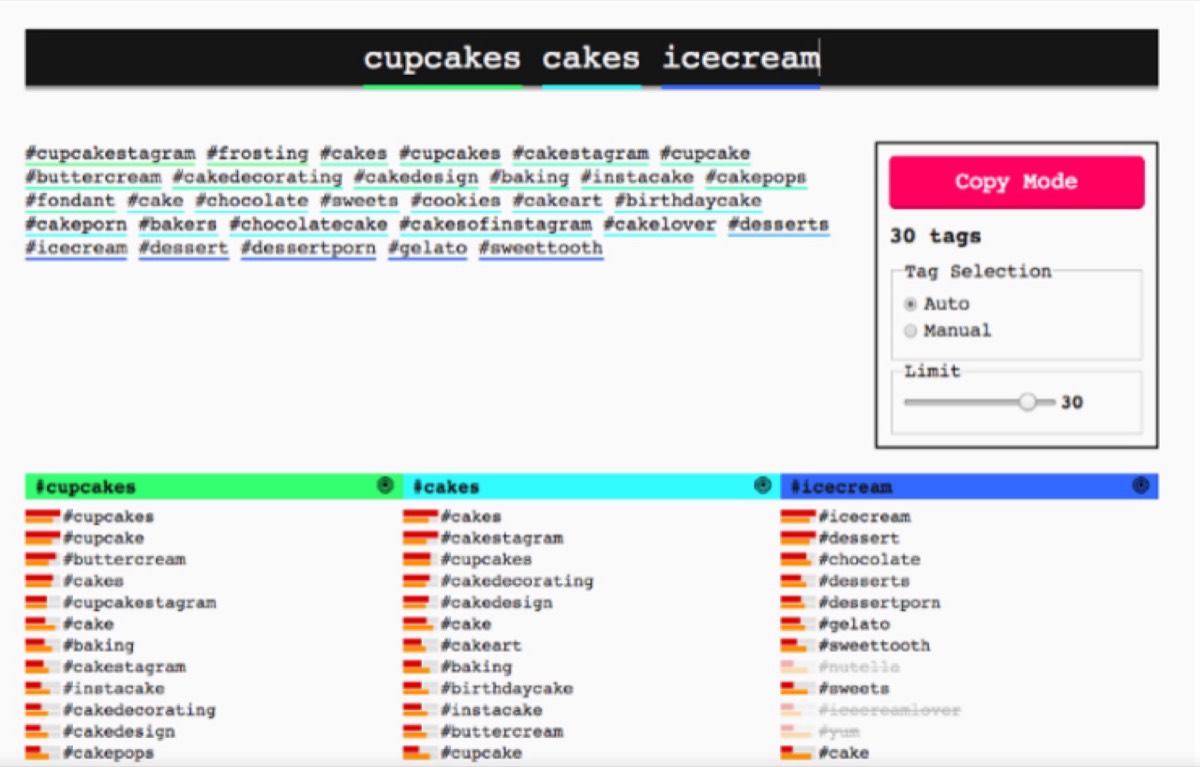
Display Purposes (displaypurposes.com) is a web-based tool that lets you search for relevant hashtags without downloading anything. Bookmark it for quick reference during your content creation workflow.
12. Keep Up with Trends and Viral Content
When a worldwide event happens, it becomes a hashtag opportunity. During the solar eclipse, Twitter's Instagram page used #solareclipse2017 and Kentucky Fried Chicken posted a witty eclipse-themed illustration.

The topic generated 514,646+ related posts because it was a shared experience that everyone was anticipating.

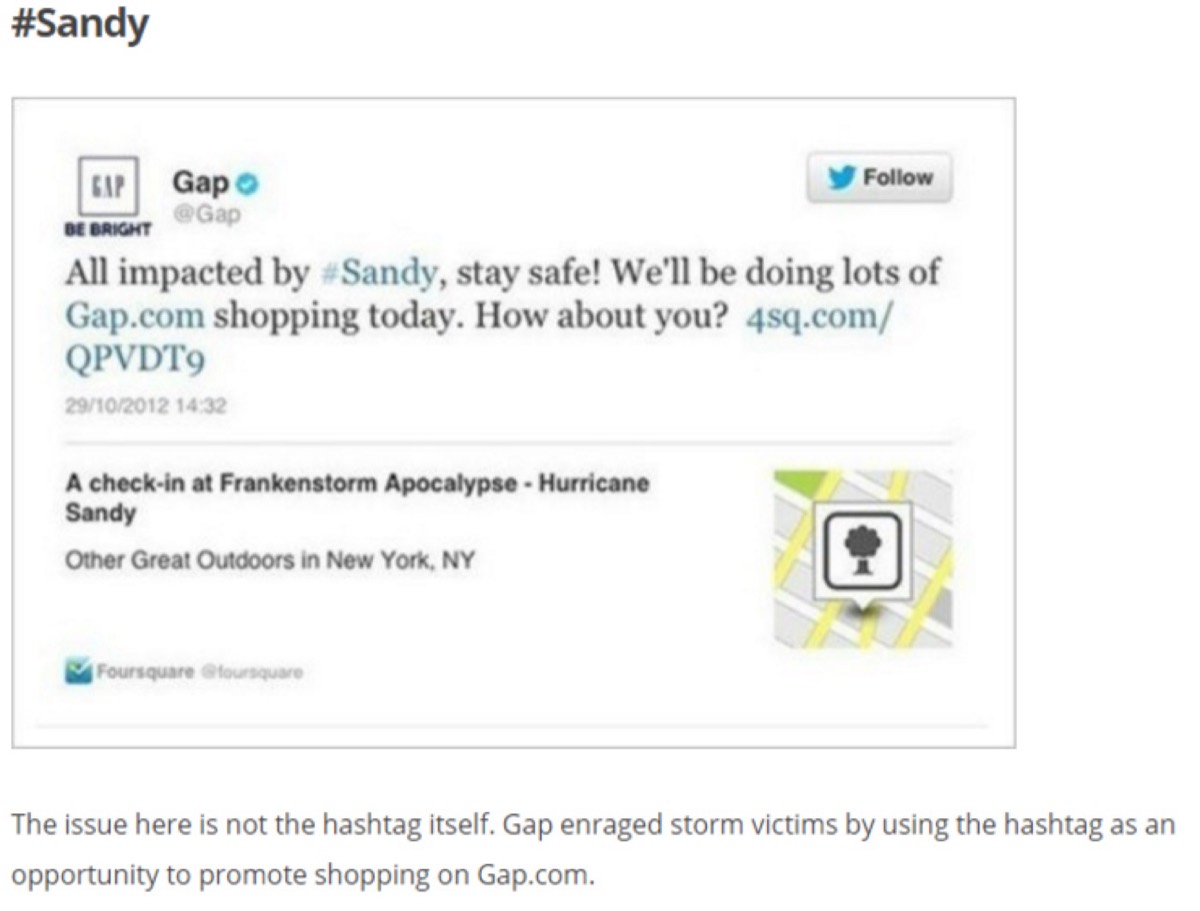
However, tread carefully with sensitive events. When Hurricane Sandy hit, GAP tweeted a shopping suggestion alongside their condolences — and the tone-deafness was immediately called out. Keeping up with viral hashtags is smart marketing. Exploiting tragedy for promotion is not.

The distinction between one going viral and the other failing often comes down to genuine relevance and respect for audience sentiment. Build goodwill first — then leverage it.
13 Things to Avoid When Using Hashtags
- Don't use more than 15 hashtags in a post — put extras in comments
- Don't use irrelevant hashtags that disappoint and drive away your audience
- Never spam other accounts' posts with your hashtag
- Always research a hashtag's meaning and context before using it
- Don't leverage political, religious, or social grief to promote your brand
- Experiment with fresh hashtags regularly — don't reuse the same set every time
- Don't rely exclusively on hashtags — content quality matters just as much
- Don't be discouraged when a hashtag underperforms — test and iterate
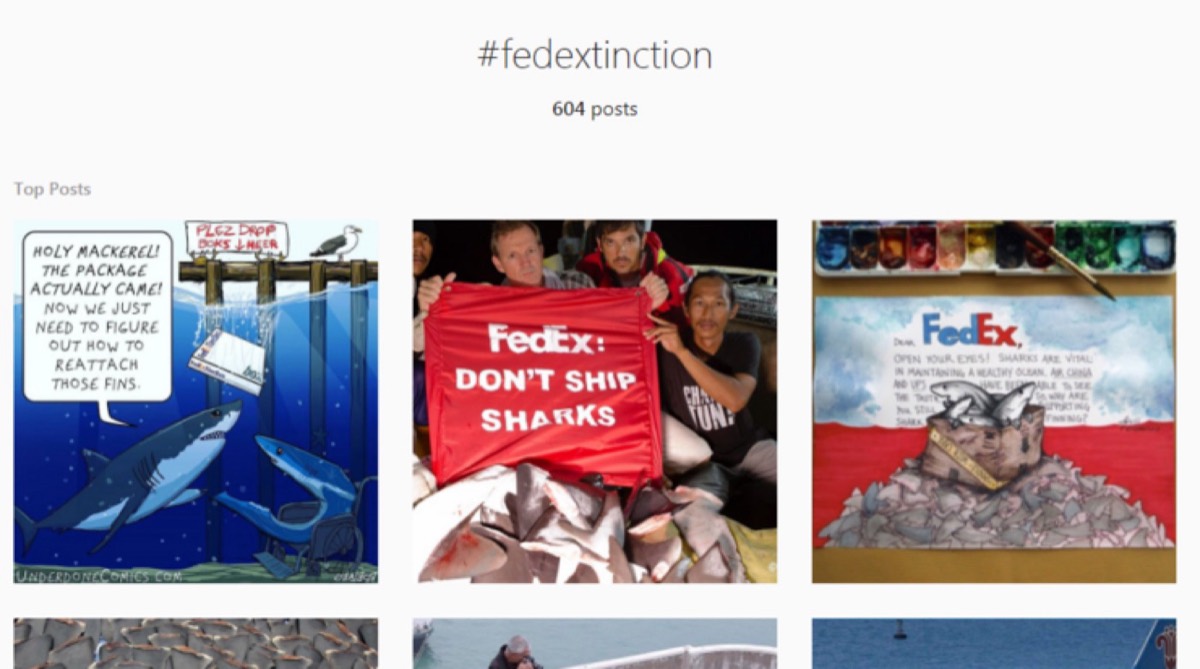
Example of hashtag precision mattering: Two hashtags were created for the same campaign against FedEx shipping shark fins.

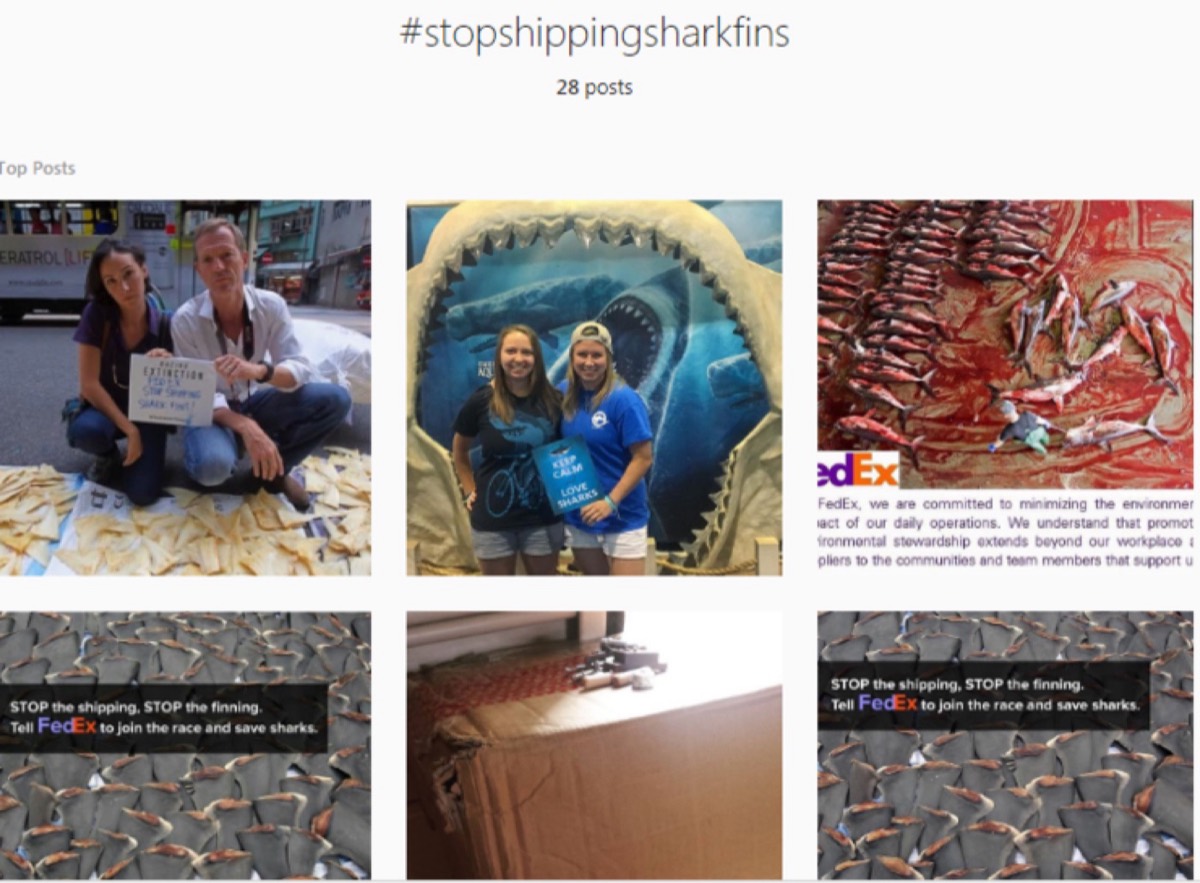
- #stopshippingsharkfins — fewer than 30 posts
- #fedextinction — over 600 posts
Why the difference? #fedextinction is short, catchy, brand-specific, and easy to spell. #stopshippingsharkfins is long, verbose, and could apply to any company. The lesson: keep your hashtags concise, direct, and memorable.
Mastering Instagram hashtags is about precision, research, and consistency — not volume. The right hashtag in the right context will always outperform 30 random ones slapped onto a post. Focus on intent: who is searching for this hashtag, and will they find value in your content?
When someone searches a hashtag on Instagram, they land in a gallery divided into TOP and RECENT sections. The TOP section shows the 9 posts with the highest engagement. Your goal is to earn a spot there — and that starts with making every hashtag count.
A well-executed hashtag strategy, combined with strong visual content, is one of the most cost-effective ways to grow your Instagram presence organically. To see what excellent Instagram content looks like in practice, explore 22 accounts worth following for business inspiration.
Digital Polo creates scroll-stopping social media graphics and branded content for one flat monthly fee with unlimited revisions. Start for $399/mo → | Soulmate at $899/mo →
Frequently Asked Questions About Instagram Hashtag Strategy
How many hashtags should I use on Instagram for the best results? Research consistently shows that 9–12 highly relevant hashtags produce the best engagement results. While Instagram allows up to 30, using all 30 can look spammy. A focused set of purposeful hashtags outperforms a large set of generic ones every time.
Should I put hashtags in the caption or comments? Both work equally well for reach. Putting hashtags in the first comment keeps your caption clean and readable. If you use them in the caption, add several line breaks between your text and hashtags so they're hidden behind the "read more" prompt.
How do I find the best hashtags for my niche? Use tools like Display Purposes (displaypurposes.com), Autohash, or Focalmark. You can also research what hashtags leading accounts in your niche use, search related terms directly in Instagram's search bar, and monitor which hashtags your top-performing posts have in common.
What's the difference between a popular hashtag and an effective one? A popular hashtag has high usage volume but may not be actively searched with intent. An effective hashtag is one that your target audience searches specifically to find content like yours. Effective hashtags drive qualified engagement — popular ones often generate noise.
Can using the wrong hashtag hurt my Instagram account? Yes. Using irrelevant hashtags damages your credibility with the audience that does find you. Using sensitive or political hashtags inappropriately can trigger significant backlash, as the DiGiorno Pizza incident demonstrated. Always research the context and purpose of a hashtag before using it.