Every business owner wants their brand to be noticed, remembered, and chosen. The challenge is that "brand" is abstract — it's the accumulated impression your business makes across every touchpoint, over time. That makes it easy to deprioritize in favor of tasks with more immediate, visible outputs.
But before you start on these strategies, three foundational questions demand honest answers:
- Understand your competition. What are they doing well? Where are the gaps? Where is the market underserved?
- Understand your target audience. Who are you building for? What do they value? Where do they spend attention?
- Understand your company's potential. What are you genuinely better at than alternatives? What can you deliver consistently?
With those answered, these 10 strategies become actionable.
1. Build a Brand Identity Kit That Earns Recognition
Your brand identity kit is the foundation everything else builds on: logo, color palette, typography, business card, letterhead, and the templates used for all outward-facing materials. If budget is a constraint, there are proven ways to build a brand on a shoestring without sacrificing quality.
What separates brands that get remembered from ones that don't is consistency. Apple, Samsung, and Coca-Cola have all won through relentless consistency in how their visual identity is applied — across every product, every market, every medium. The logo looks the same on a website as it does on a product label as it does on a trade show banner.
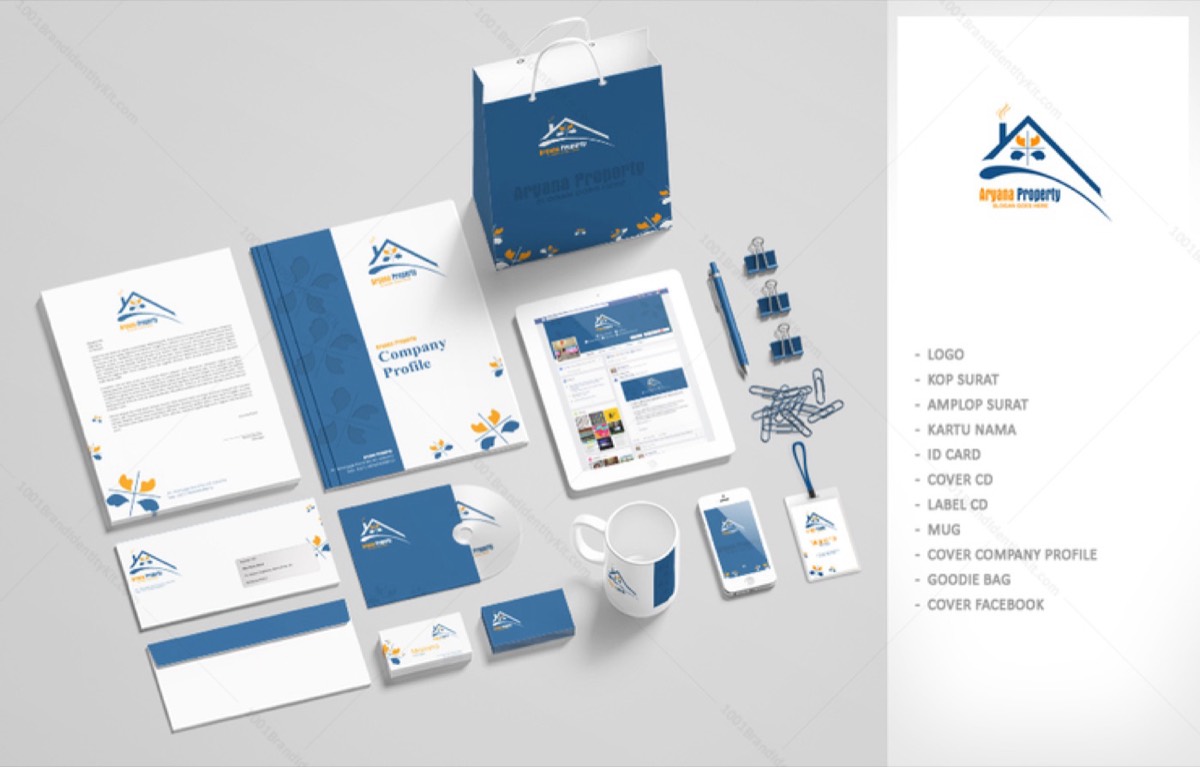
Every item in your identity kit should share the same color palette and visual language. A prospect who sees your business card should recognize it as yours the moment they see your website.

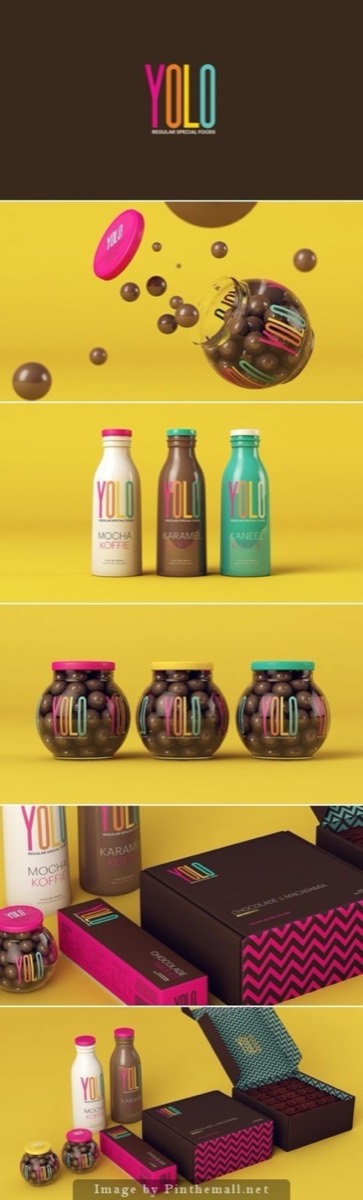
You don't need a large budget — Cookoovaya (Athens restaurant) and YOLO (confectionery brand) both built distinctive, consistent identities with simplicity and smart design.
2. Build a Website That Represents You Seriously
Your website is the hub that every other branding effort points to. It's where a prospect goes after they've heard about you from any source — search, social, word of mouth, a business card. What they find there confirms or undermines the impression you've started to build.
A website that looks dated, loads slowly, or makes it hard to understand what you do tells that prospect something specific about how your business operates.
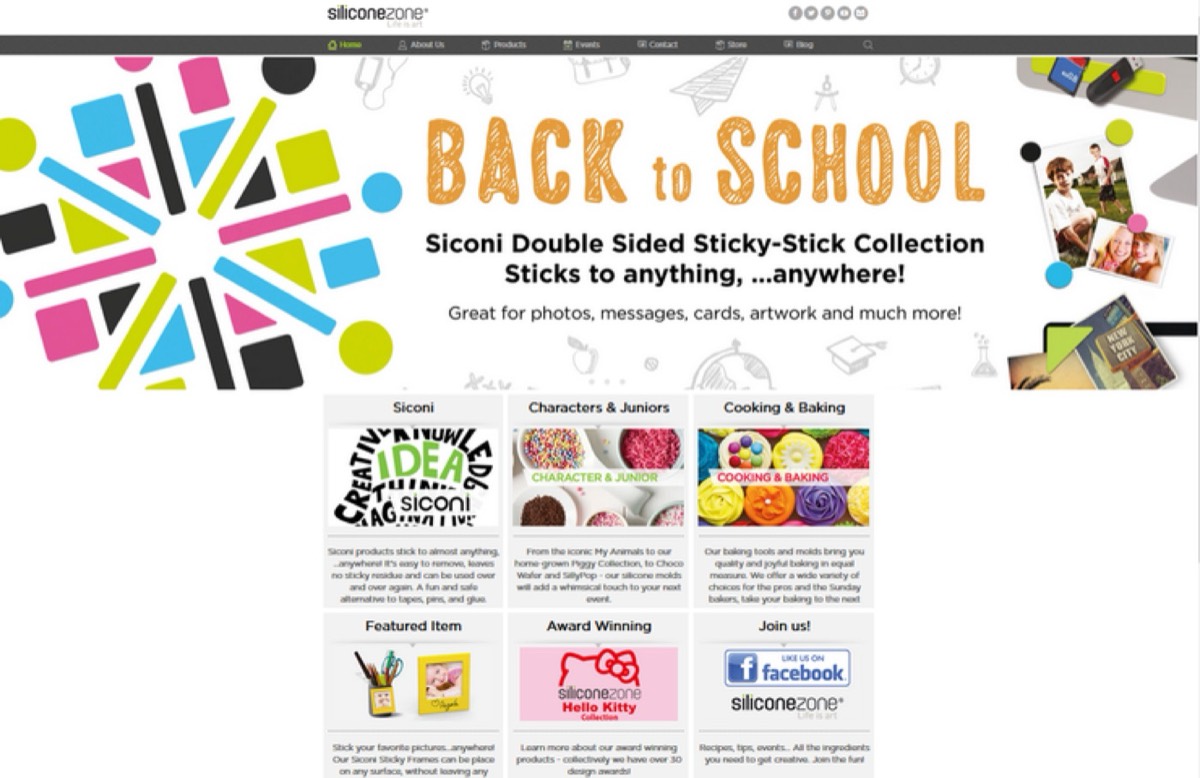
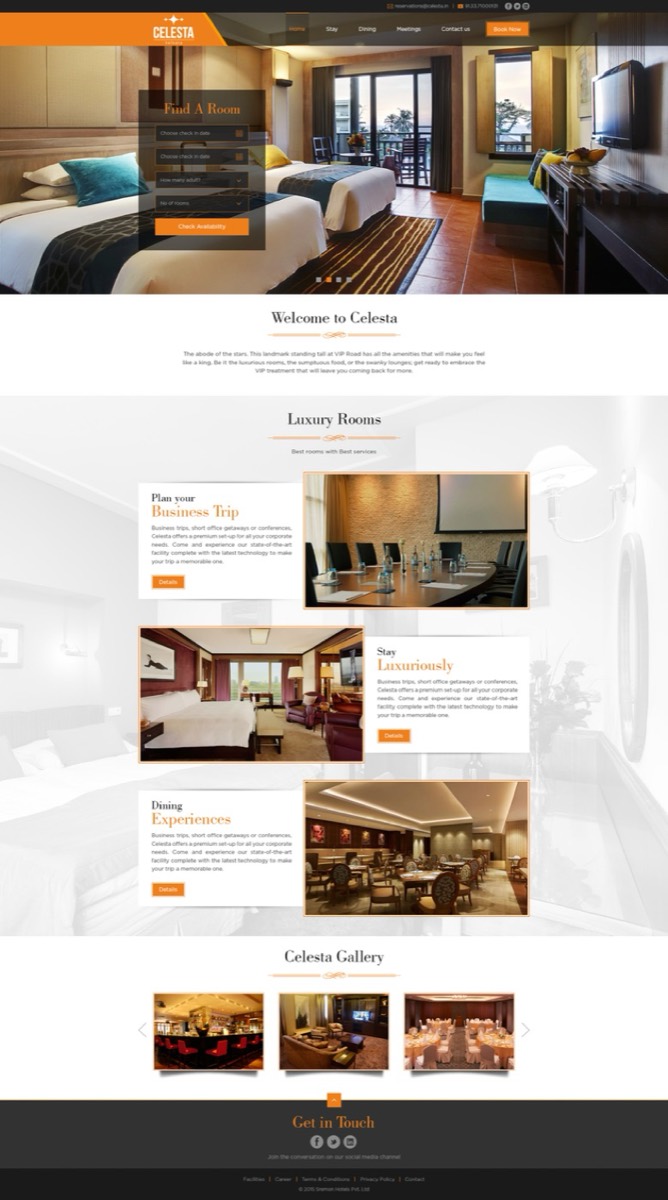
The brand tone, logo, and color palette should be immediately evident. The navigation should be simple. The primary value proposition should be visible without scrolling. And the design should match the nature of the business — an e-commerce brand needs a different visual register than a professional services firm.
3. Turn Your Distinctiveness into Your Brand
Most brands try to sand down anything unusual about their business to appeal to the widest possible audience. The result is generic positioning that's hard to remember and harder to recommend. One approach worth considering is minimalist branding, which achieves distinctiveness by stripping away, rather than adding.
The most effective brand strategy is often the opposite: find what's genuinely unusual about your business and make that distinctive quality the center of your identity.
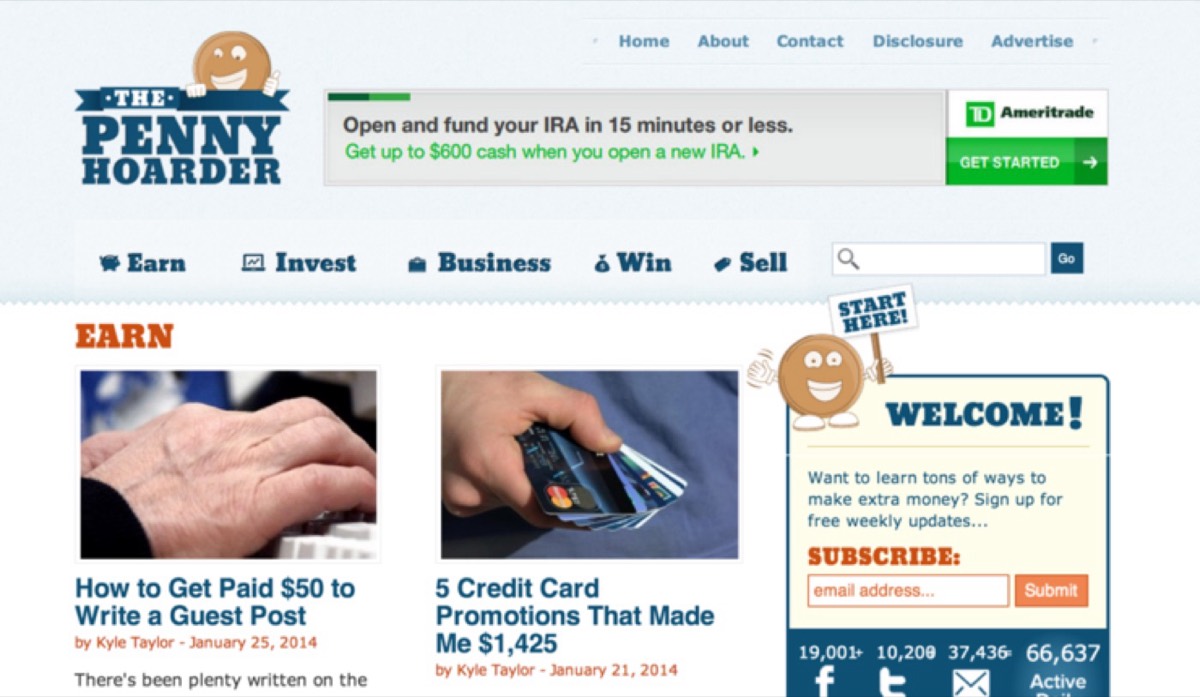
Kyle Taylor, owner of The Penny Hoarder financial blog, didn't want to be another boring finance site. He created bumper stickers with the URL "iGetFreeBeer.com" — which permanently redirected to a specific article. He spent $145 to print 250 stickers, paid five college students $15 each to place them in their towns, and generated 300 new visitors in the second week at $0.40 per visit.
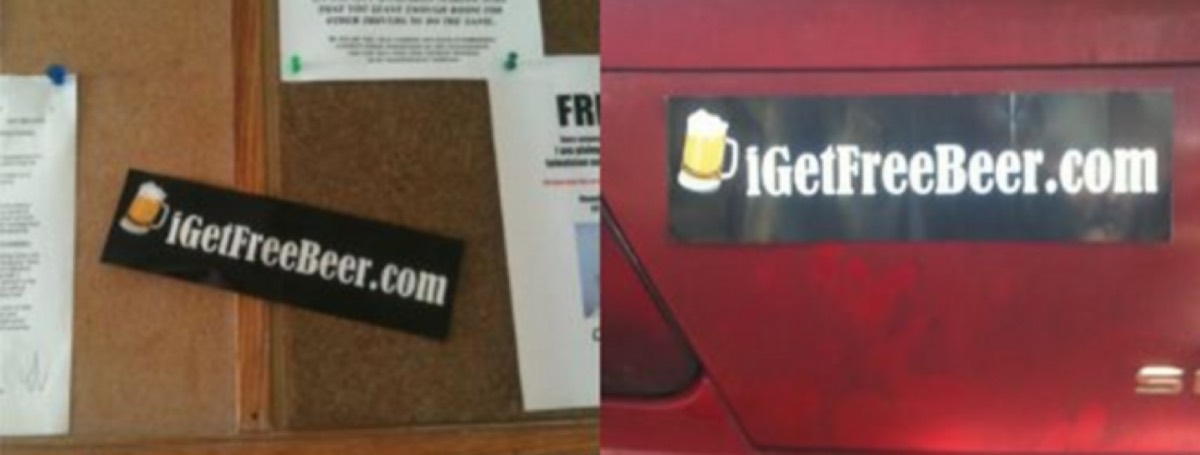
The lesson isn't the specific tactic — it's the principle. Being specific, unusual, and genuine about what makes you different is more valuable than trying to appeal to everyone.
Need a brand identity that captures what makes your business distinct? See Digital Polo's plans →
4. Make Your Trade Show Presence Unforgettable
At trade shows and marketing events, every exhibitor is competing for the same limited attention. The majority use the same tactics: tablecloths, brochures, and standard freebies. Standing out requires doing something the other booths aren't.

Strategies that consistently outperform standard booth setups:
- Interactive engagement — spin-the-wheel games, live demonstrations, hands-on product experiences
- Unexpected hospitality — a licensed massage therapist at your booth, good coffee, or surprising refreshments
- Humor in your pitch — research consistently shows that people buy from people they like, and humor builds liking faster than any feature list
- Memorable giveaways — useful items with your branding (quality pens, tote bags, charging cables) rather than items that go directly into bins
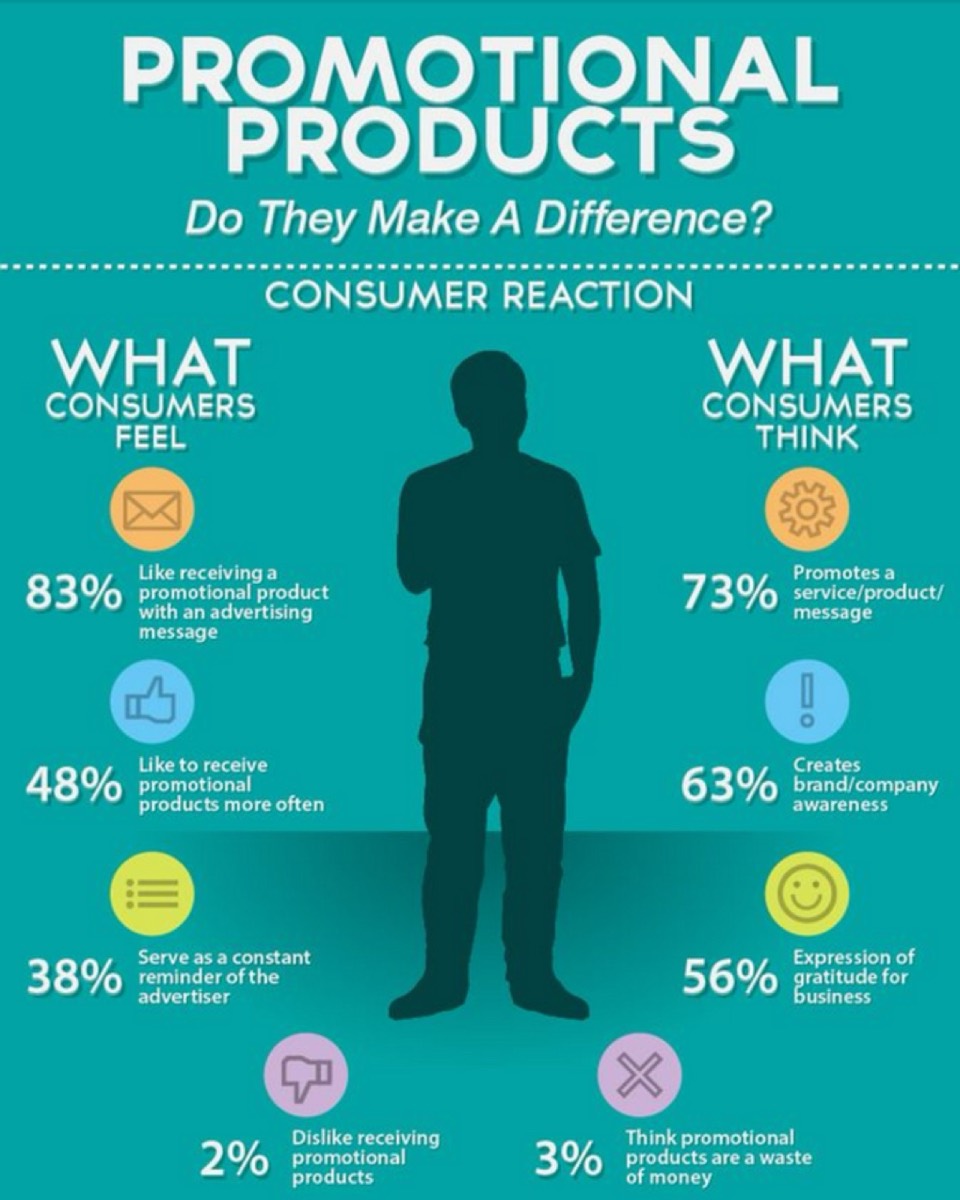
The goal isn't just to attract attention on the day — it's to leave a branded item in someone's pocket or bag that they interact with for months after.
5. Maintain Social Media Pages That Earn Attention
Having social media accounts is table stakes. Using them in a way that builds brand recognition and audience loyalty requires deliberate strategy.
The fundamental mistake is posting without a consistent brand point of view. Every post should reinforce something about who you are and what you stand for — your brand message, your visual identity, your voice.
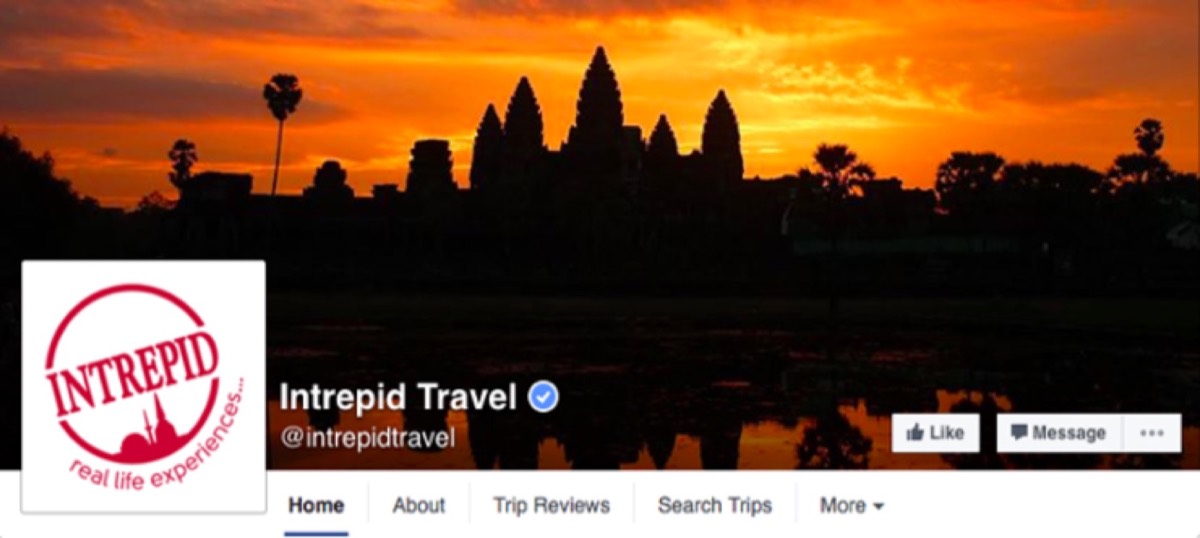
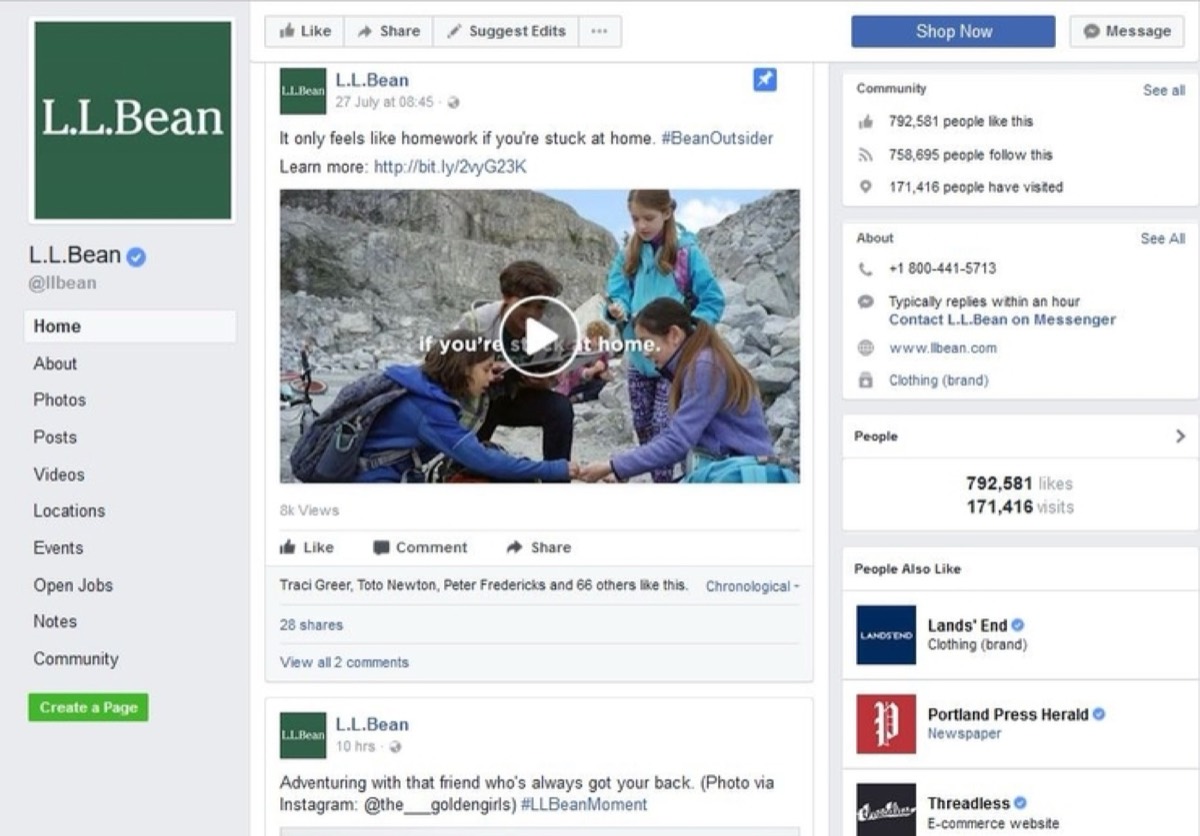
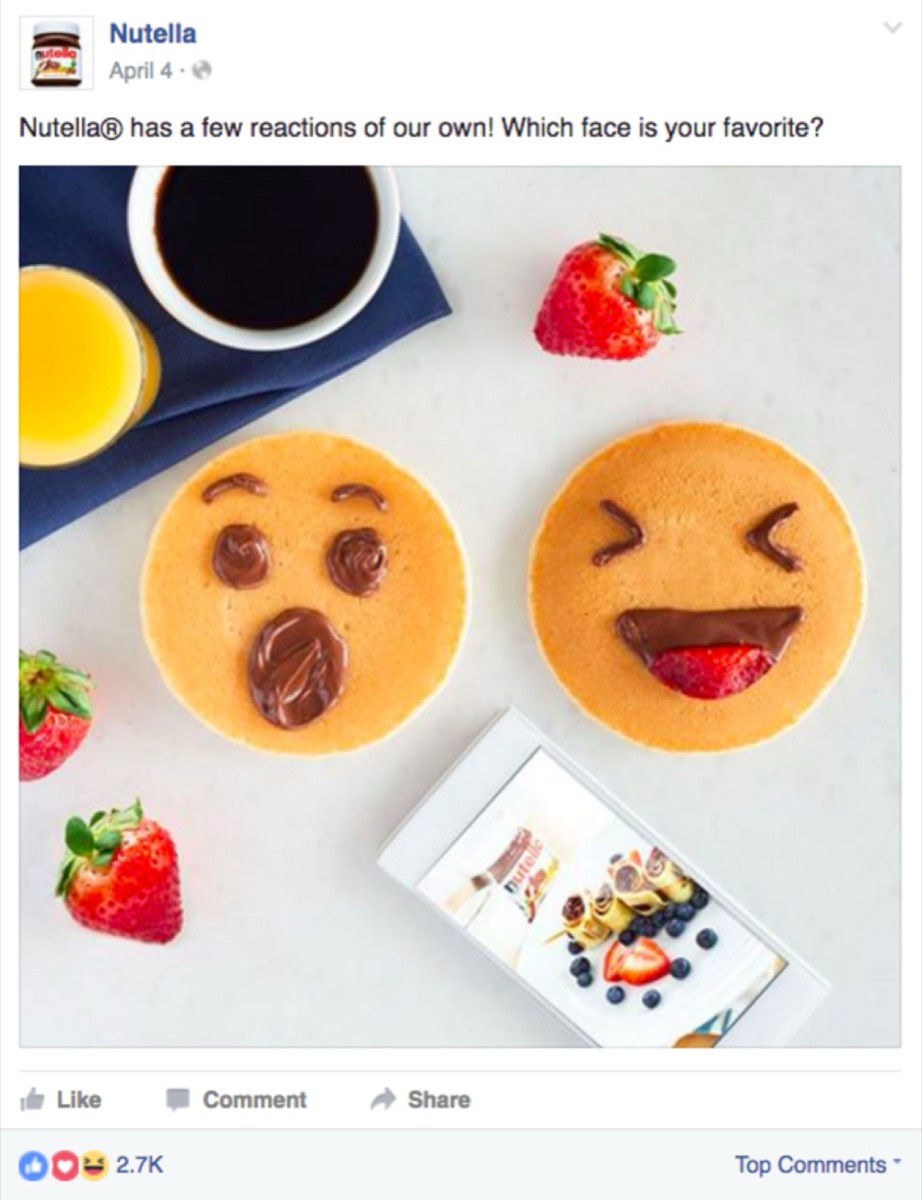
Intrepid Travel maintains its Facebook page with a specific focus: outdoor adventure content for its specific audience. L.L.Bean posts consistently about outdoor lifestyle. Nutella's posts are creative, relevant, and audience-specific.
Practical principles:
- Focus deeply on one or two platforms rather than spreading thinly across all
- Post daily and respond quickly to messages — tools like Threadless display their response speed prominently
- Keep the majority of content visual; text-only posts underperform
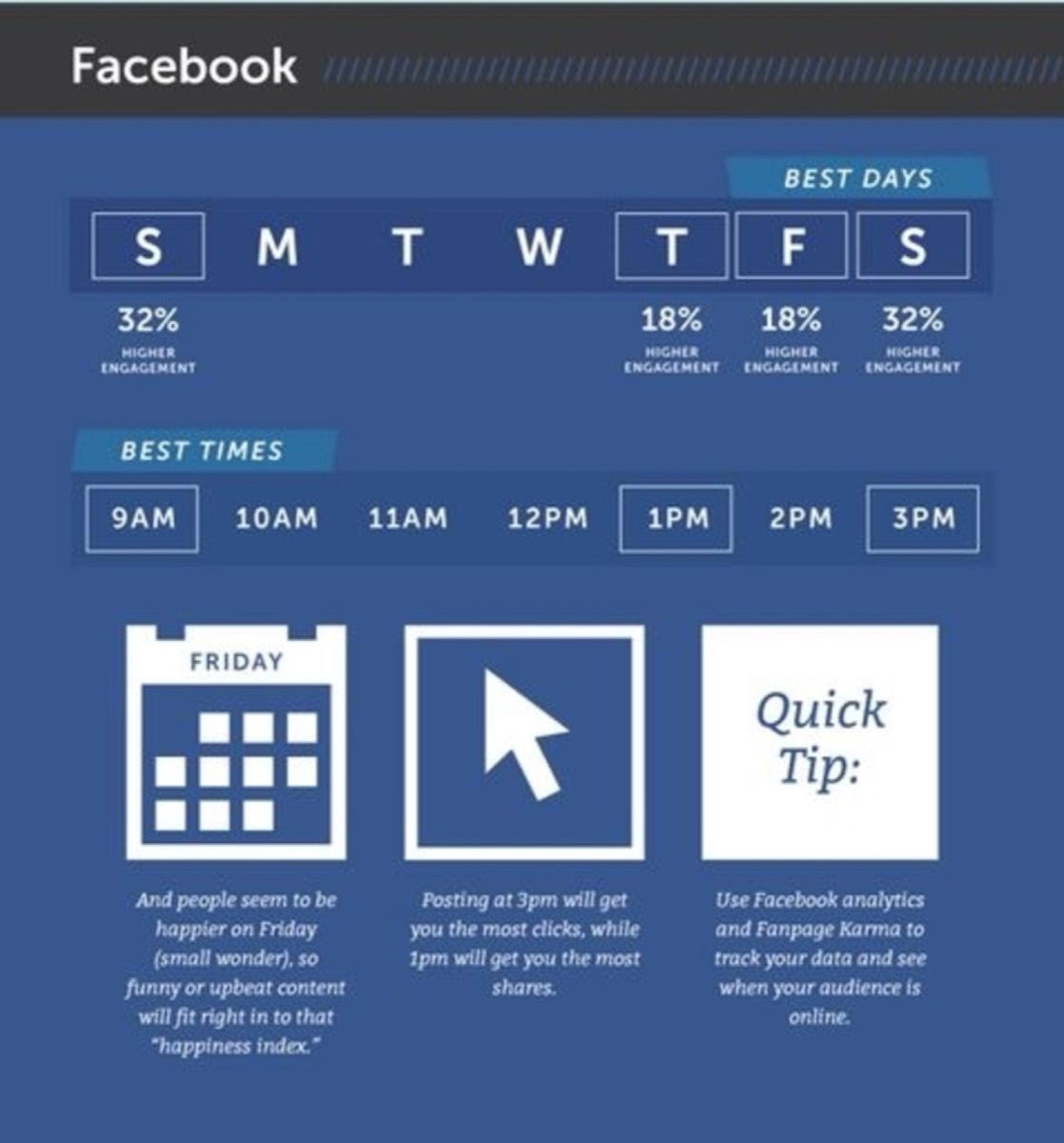
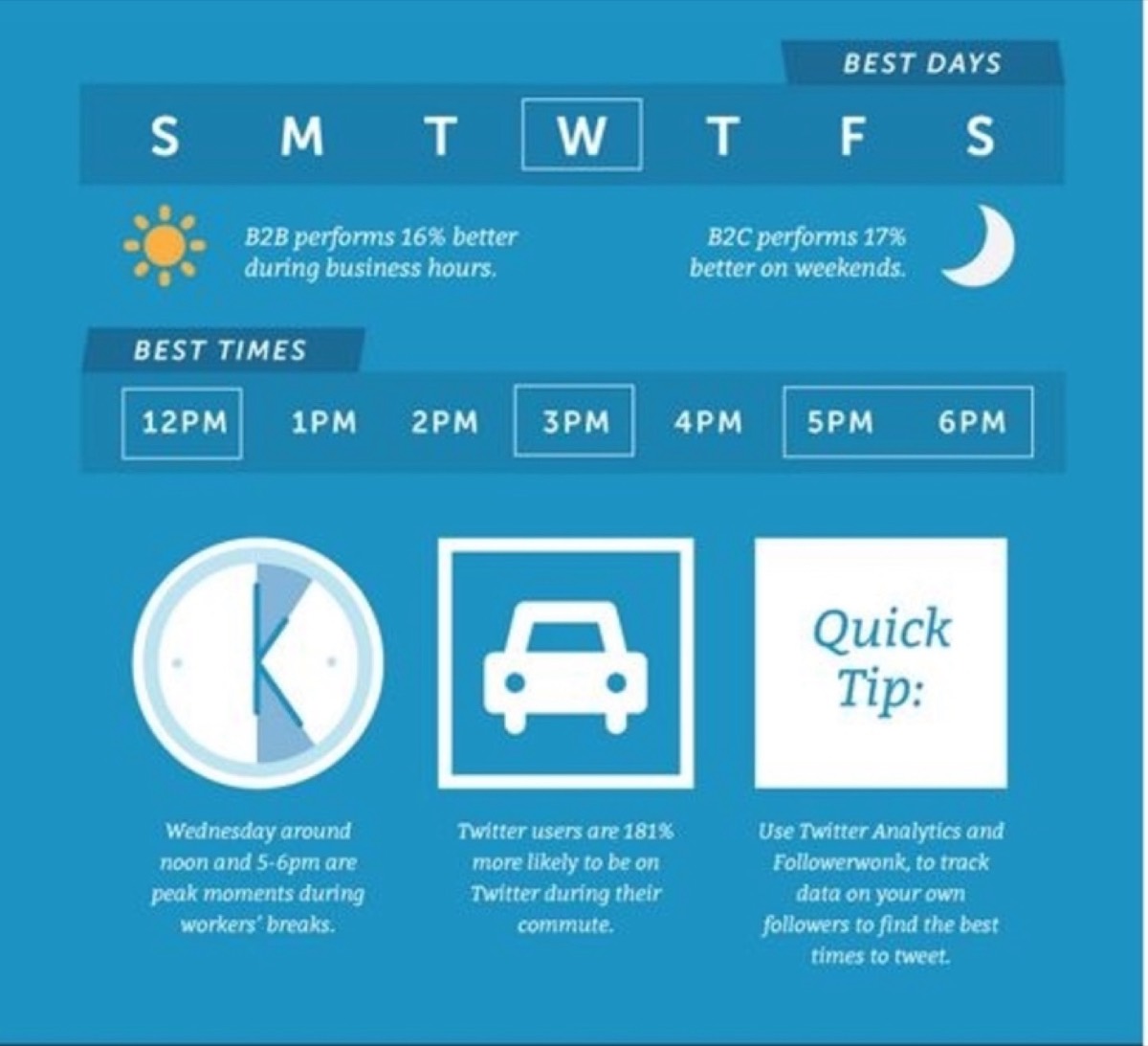
- Use optimal posting times (peak engagement windows vary by platform and audience)
6. Blog Regularly and Organize Your Content
A content-rich, well-organized blog builds organic search presence, establishes expertise, and creates assets that compounds in value over time. Hubspot research shows that websites with 401–1,000 content pages generate six times more leads than websites with 51–100 pages.
But volume without structure is counter-productive. Organize blog content into clear categories and archives so returning readers can find specific topics quickly. A visitor who arrives from search for a specific topic should be able to discover related content immediately — not scroll through pages of unrelated posts.
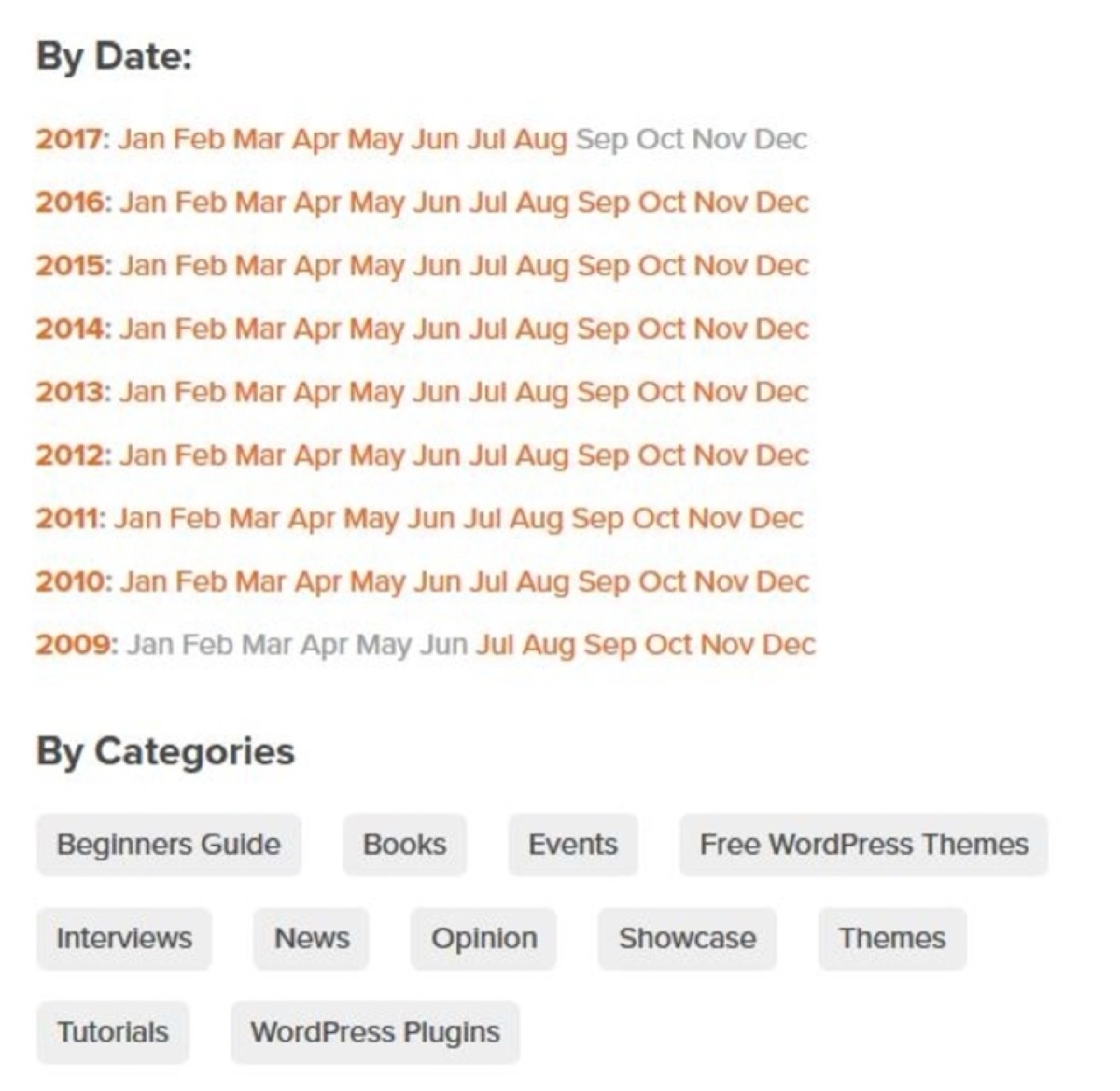
Archive structure principles: visible category navigation, date-based organization within categories, and sub-categories for high-volume topic areas.
7. Build Your Digital Presence Across Multiple Channels
Being findable matters as much as being present. Your website alone isn't enough — you need presence across the channels where your prospective customers are looking.
The four-part digital presence:
- A professional website — the hub everything else points to
- Local business listings — Google Business Profile and industry directories ensure you appear in local searches
- Review platforms — positive reviews on Google, Trustpilot, or industry-specific platforms function as public social proof
- Google Maps — a properly claimed and managed Google Maps listing validates your physical existence to prospects who want to verify you're real
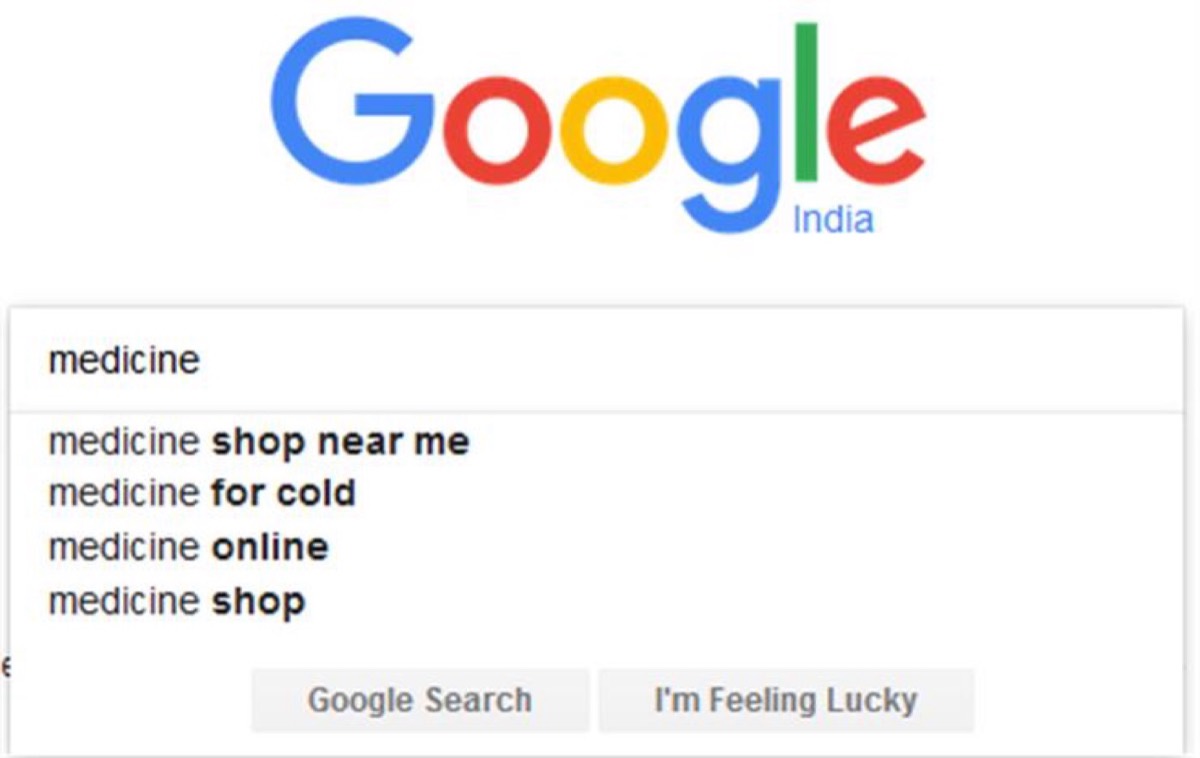
These listings also serve as SEO assets. Each listing that accurately reflects your business name, address, and contact information strengthens your visibility in local search results.
8. Make Word-of-Mouth Work Systematically
Word-of-mouth is the highest-trust form of marketing — 92% of consumers read reviews before making purchase decisions, and 88% say online reviews build trust in a business. A single customer interaction with a positive review can increase conversion likelihood by 58%.
The error most businesses make is treating reviews as something that happens passively. The most effective approach is systematic: ask every satisfied customer to leave a review, make it easy (a direct link to the review platform), and share positive reviews across your social media channels.
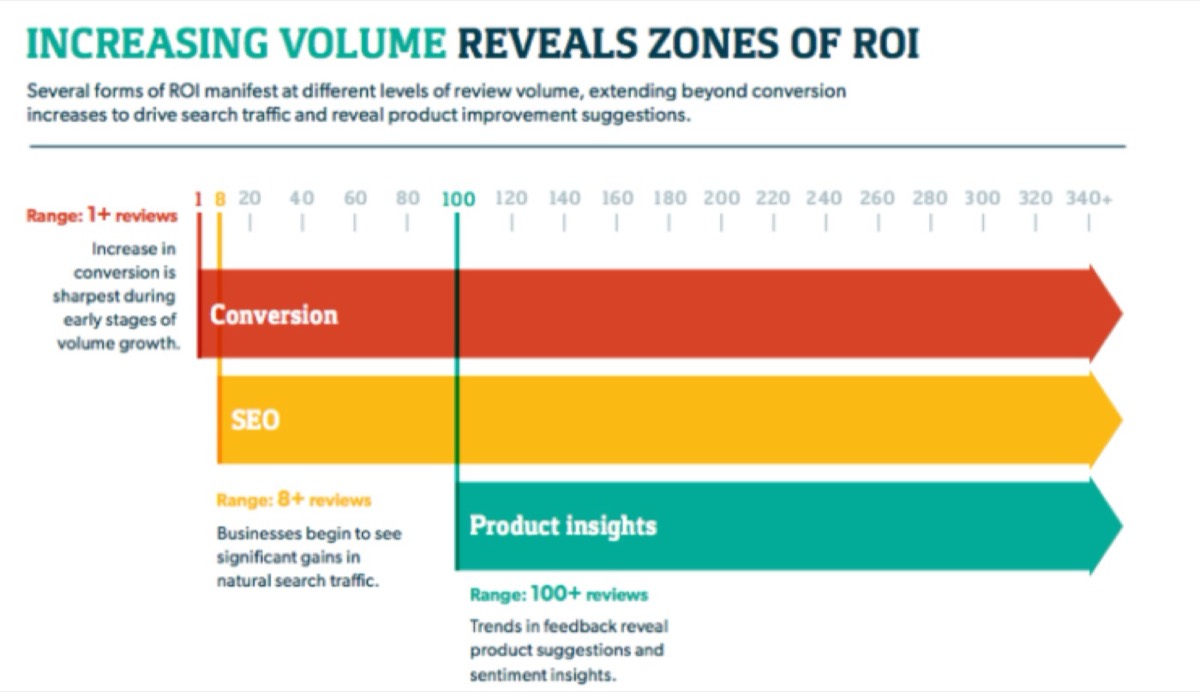
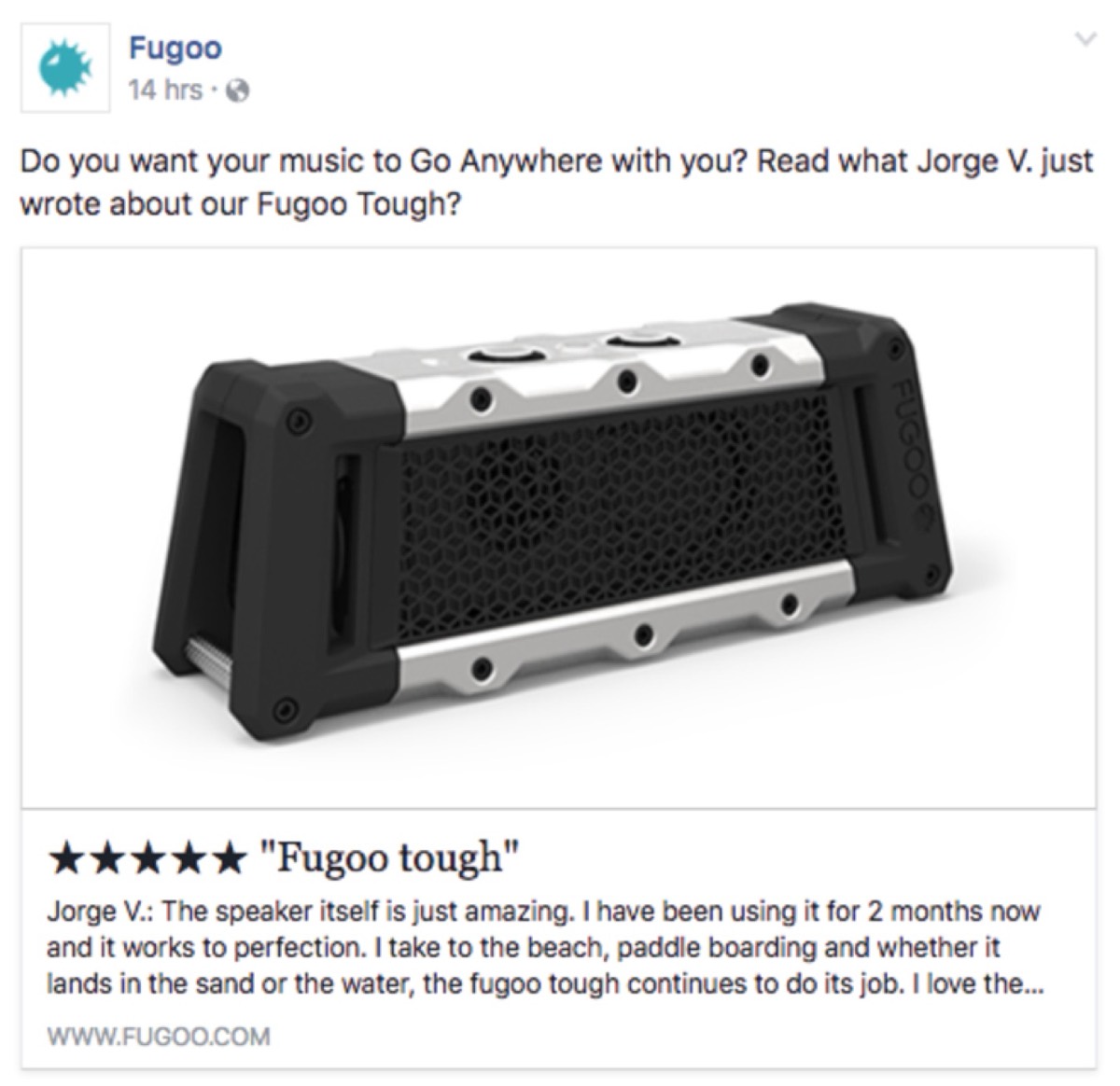
The outdoor speaker company Fugoo actively shares customer testimonials on Facebook — borrowing the social proof that testimonials generate and amplifying it to a broader audience.
9. Under-Promise and Over-Deliver
The fastest way to build a reputation is consistently delivering more than you promised. Allison Marshall, who runs a photography business, tells clients she'll deliver images in four weeks when she plans to deliver in two. The result: clients are delighted by early delivery, and she retains buffer for unexpected delays.
This "under-promise, over-deliver" approach creates systematic positive surprises. Applied to timelines, scope, and quality, it builds a reputation for reliability and generosity that no advertising can replicate.
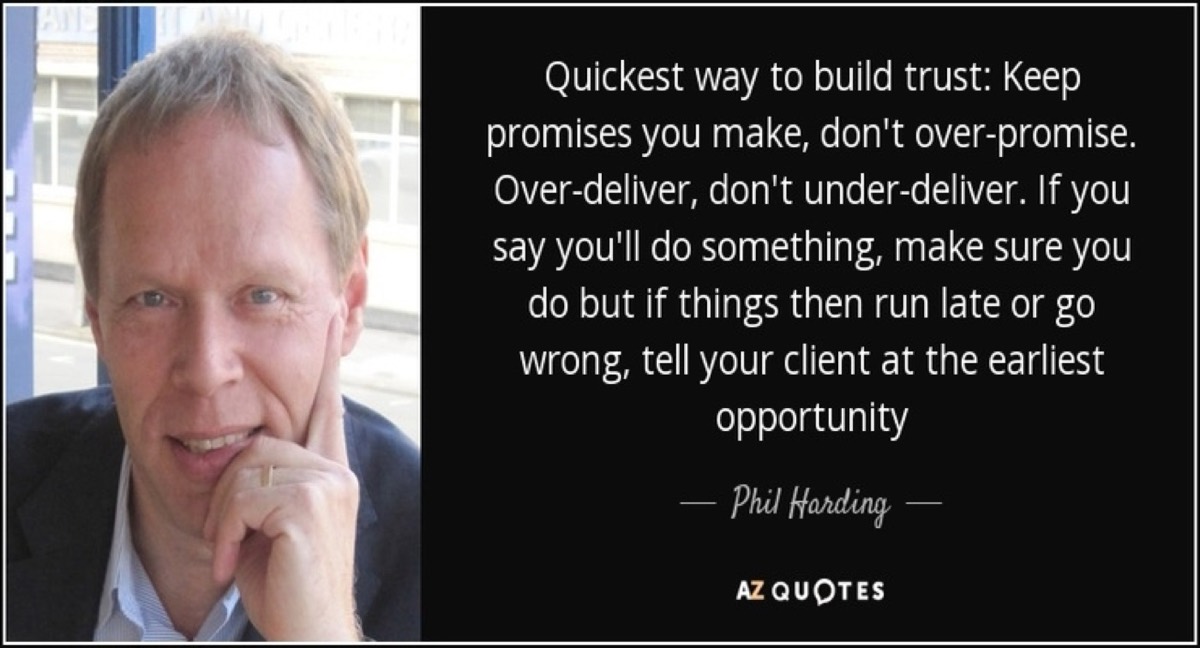
The brand equity this creates is genuine: your business becomes known as one that does what it says and then some. That reputation becomes one of the most powerful competitive advantages you can hold.
10. Use Webinars to Build Authority and Connection
Content marketing through blog posts and social media is now table stakes — most businesses in any category are doing some version of it. Webinars remain significantly underused, which makes them more valuable: you're not competing with every other brand for attention in the same channel.
Webinars create a different kind of connection than written content. Attendees see and hear you, can ask questions in real time, and experience a format that's inherently more credible and authoritative than a blog post.
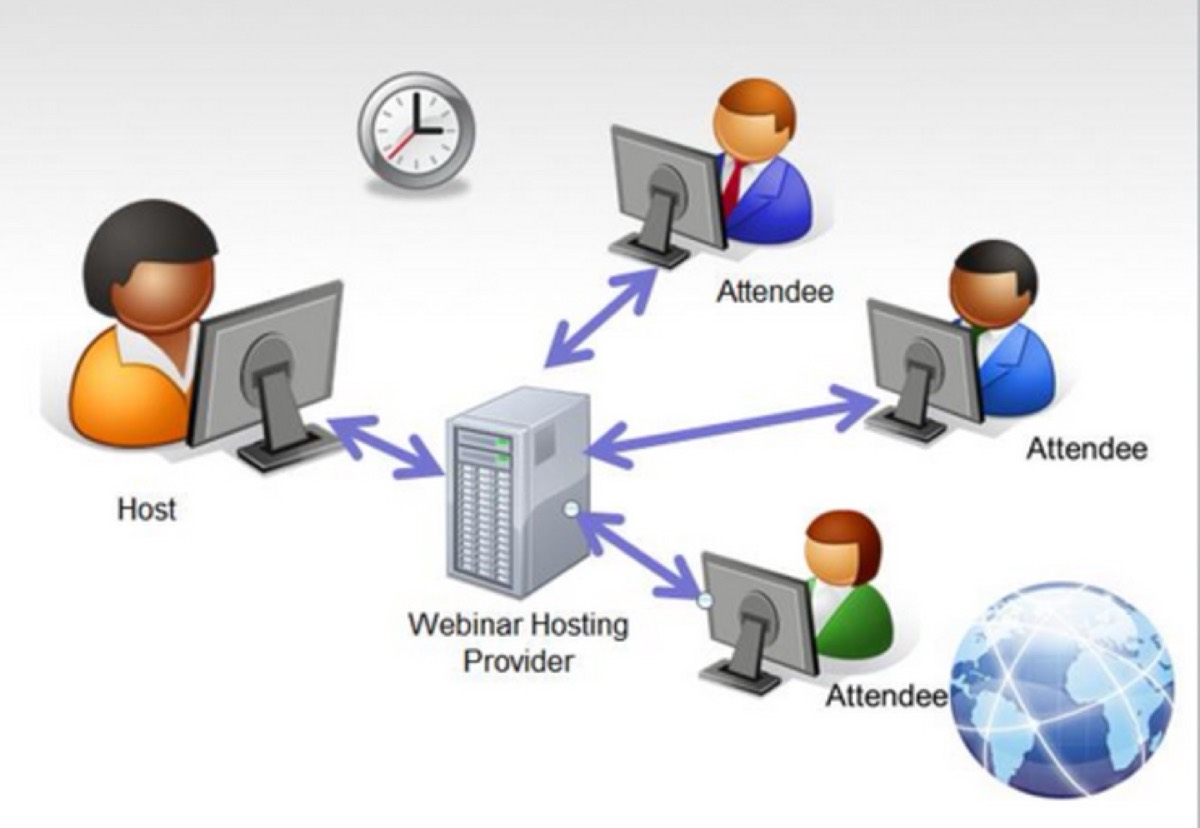
Topics that work well for webinars: deep-dive tutorials on your area of expertise, Q&A sessions with customers, case study presentations, and industry insights. The recorded versions of webinars continue to function as content assets after the live session ends.
Conclusion
Building a memorable brand doesn't require large budgets — it requires clarity about what you stand for, consistency in how you present it, and persistence over time. The businesses that win on brand aren't always the ones with the biggest spend; they're the ones that show up most consistently and do the most clearly excellent work. A professional design agency can accelerate that process significantly — bringing strategic thinking that goes far beyond visual execution.
Start with the identity kit, build the digital presence, create content that demonstrates expertise, and systematically generate word-of-mouth. Repeat, measure, improve.
Need professional brand design to implement these strategies? Digital Polo creates complete brand systems — logo, identity kit, social templates, and all your brand materials — for one flat monthly fee. Start for $399/mo → | Soulmate at $899/mo →
Frequently Asked Questions About Brand Marketing Strategies
What is the most important element of a brand strategy? Clarity about your positioning — what makes you genuinely different from alternatives — is the foundation everything else builds on. Without a clear, defensible position, visual identity work and marketing effort produce inconsistent results because there's no central idea for them to reinforce. Define your point of difference first; everything else flows from that.
How long does it take to build brand recognition? Meaningful brand recognition in a defined target market typically takes 6–18 months of consistent, high-frequency brand exposure. The timeline depends on your marketing budget, channel mix, and how frequently your target audience encounters your brand. Consistency matters more than any individual campaign — brands that maintain a coherent identity over years build recognition that compounds.
What's the difference between branding and marketing? Marketing drives transactions — it creates awareness, generates leads, and moves prospects through a purchase decision. Branding is what you are — the values, personality, visual identity, and reputation that make your business distinct and trustworthy. Effective marketing builds on strong branding; branding without marketing has limited reach. Both are necessary; branding creates the foundation that makes marketing more efficient.
How do I build a brand without a big marketing budget? Focus on the high-ROI, low-cost activities: define a clear positioning, build a professional visual identity (logo and basic brand kit), create useful content that demonstrates your expertise, build an organized social media presence on one or two relevant platforms, and systematically gather and share customer reviews. These activities compound over time and create durable brand equity without large spend.
What makes some brands more memorable than others? Memorable brands have three things in common: a distinctive visual identity that looks unlike competitors, a clear and specific value proposition (not generic "quality" claims), and consistent delivery on that promise across every customer touchpoint. Distinctiveness, clarity, and consistency — applied persistently over time — produce memorability. No amount of design investment substitutes for the consistency part.